Unassigned
How One Tortoise Rescued His Entire Species

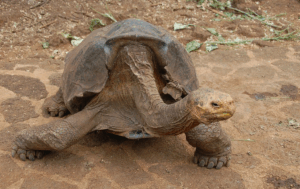
Diego the Galápagos tortoise is a true hero in the world of animals. He comes from the Galápagos Islands, a group of islands in the Pacific Ocean. These islands are famous for their unique wildlife. Diego belongs to a species called Chelonoidis hoodensis, which lives on Española Island.
 Via Live Science
In the 1970s, his kind was almost gone. Only a few were left. But Diego changed that. He helped bring back his species from the brink of dying out. This story shows how one animal can make a big difference. It's full of hope for saving nature.
 Via National Geographic
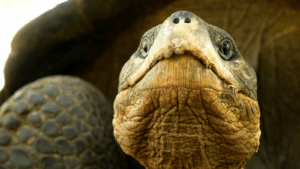
They also ate tortoise eggs. On Española Island, things got really bad. By the 1960s, there were only 14 females and 2 males left. The males didn't breed well in the wild. Scientists knew they had to act fast or the species would vanish forever. This was a wake-up call for protecting animals.
 Via National Geographic
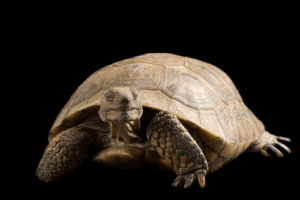
Diego was about 100 years old then. Tortoises like him can live over 150 years. Sending him home was a big step. It gave hope to the breeding plan. Diego flew on a plane to the islands. He joined other tortoises at a special center on Santa Cruz Island.
 Via National Geographic
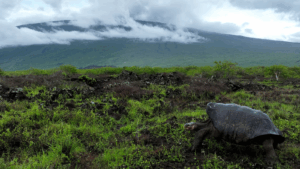
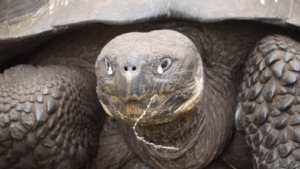
Baby tortoises were raised until they were big enough to survive in the wild. But the two males from the island weren't doing much. That's where Diego came in. He was strong and ready to breed. Right away, he started fathering babies. His energy surprised everyone.
 Via Environment & Society Portal
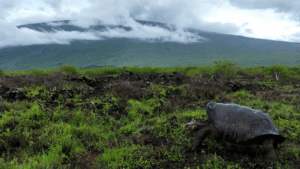
This helped mix up the genes so the species stays healthy. Without him, the group might have stayed small and weak. By 2020, the population on Española had grown to over 2,000. Many were released back to the wild. Diego's work turned a dying species into a growing one.
 Via National Geographic
Males make grunting sounds and chase females. Diego was good at it. Keepers fed them well and checked their health. No diseases spread. This safe spot lets the tortoises focus on making babies. It was hard work for the staff, but worth it.
 Via Turtle Times
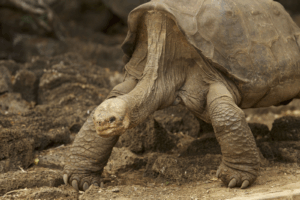
Plants grew back. This gave tortoises food and places to hide. Over time, hundreds were set free. By 2010, they saw wild-born babies. That meant the program worked. The tortoises were breeding on their own. Diego's kids and grandkids now roam the island. It's a wild place again.
 Via CNN
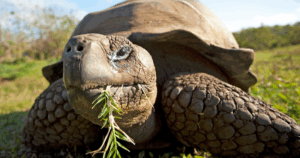
He eats what he finds and rests in the sun. Experts think he's still around, enjoying life. His family is everywhere. Some say he knows he's a legend. Retirement for Diego means no more pens. Just the open island. It's a happy ending for a hard worker.
 Via IFAW
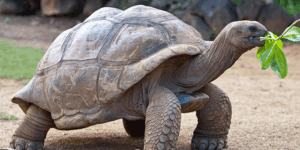
Tortoises change based on their home. Española ones have saddle shells. They eat cactus and shrubs. These animals move slowly but steadily. They can go weeks without water. They store it in their bodies. That's why sailors liked them.
 Via Galapagos Center
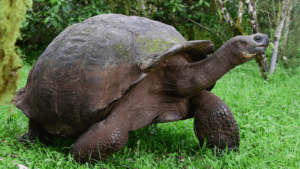
Tourists follow rules like staying on paths. Saving tortoises needs everyone. Diego's story isn't alone. On other islands, programs saved tortoises too. Pinzón Island had rats eating eggs. They got rid of rats in 2012. Now, baby tortoises hatch free. Pinta Island lost its last tortoise, Lonesome George, in 2012.
But they try to bring back similar ones. Volcanoes sometimes erupt and hurt habitats. Scientists move tortoises then. These efforts show teamwork. Groups like the Charles Darwin Foundation help. They study and protect. Money from donors keeps it going.
 Via and Beyond
 Via Grunge
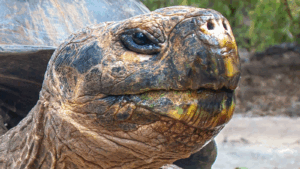
Tortoises eat mostly plants like grass, leaves, and fruits. Their slow digestion helps them get every bit of nutrition from tough food. They don’t need to eat every day because their bodies use energy carefully. Some can even go months without water, storing it inside their bodies for dry times.
 Via Reddit
Small actions add up. Like removing goats or planting trees. Kids can help by learning and sharing. Schools teach about endangered animals. Zoos show them to people. This builds love for wildlife. Diego's hustle inspires people to keep going.
 Via Galapagos Conservancy
The future looks bright thanks to Diego. Diego's win helps other animals. It shows breeding works for rhinos, pandas, and condors. Captive programs save them. Then release into the wild. Rules against hunting help. Parks protect land. International groups share ideas. Like CITES, which stops illegal trade. Tech like cameras watches animals.
 Via Popular Mechanics
Diego is more than a tortoise. He's a symbol of hope. His story went viral. News and shows featured him. Kids draw pictures of him. He reminds people that nature is tough but needs help. In 100 years, his descendants will thrive. Thanks to one motivated reptile. Respect his effort. It's a tale for all time.
More in Unassigned
Via Live Science
In the 1970s, his kind was almost gone. Only a few were left. But Diego changed that. He helped bring back his species from the brink of dying out. This story shows how one animal can make a big difference. It's full of hope for saving nature.
The Trouble Facing Galápagos Tortoises
Galápagos tortoises have faced many dangers over the years. People first came to the islands in the 1500s. Sailors and pirates took tortoises for food because they could live a long time without eating. This hurt the numbers a lot. Then, settlers brought goats and rats to the islands. These animals ate the plants that tortoises need.
Via National Geographic
They also ate tortoise eggs. On Española Island, things got really bad. By the 1960s, there were only 14 females and 2 males left. The males didn't breed well in the wild. Scientists knew they had to act fast or the species would vanish forever. This was a wake-up call for protecting animals.
Discovering Diego
Diego wasn't always on Española. He was living in the San Diego Zoo in California. How did he get there? No one knows for sure. Maybe he was taken as a pet or for a collection years ago. In 1976, experts checked his shell and features. They saw he was from Española. This was great news. The zoo agreed to send him back.
Via National Geographic
Diego was about 100 years old then. Tortoises like him can live over 150 years. Sending him home was a big step. It gave hope to the breeding plan. Diego flew on a plane to the islands. He joined other tortoises at a special center on Santa Cruz Island.
The Breeding Program Begins
The Galápagos National Park started a breeding program in the 1960s. They wanted to grow the tortoise numbers. For Española tortoises, they gathered the last ones. They put them in pens where they could mate safely. No goats or rats could bother them. Scientists watched closely. They made sure the eggs hatched well.
Via National Geographic
Baby tortoises were raised until they were big enough to survive in the wild. But the two males from the island weren't doing much. That's where Diego came in. He was strong and ready to breed. Right away, he started fathering babies. His energy surprised everyone.
Diego's Big Family
Diego didn't waste time. Over the next decades, he became a dad to hundreds of tortoises. Experts say he fathered about 800 offspring. That's almost half of all the tortoises born in the program for his species. How did they know? They used DNA tests to check family ties. Diego's genes are in most of the young ones.
Via Environment & Society Portal
This helped mix up the genes so the species stays healthy. Without him, the group might have stayed small and weak. By 2020, the population on Española had grown to over 2,000. Many were released back to the wild. Diego's work turned a dying species into a growing one.
Life in the Breeding Center
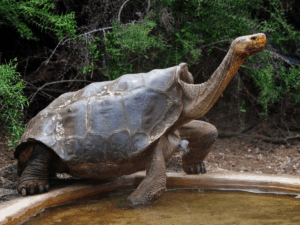
At the center, Diego lived with about 12 females. The place was like a tortoise paradise. There were shady spots, fresh water, and lots of plants to eat. Tortoises are herbivores. They munch on grasses, leaves, and fruits. Diego was the boss. He would stretch his neck high to show off. Mating season happens when it's rainy.
Via National Geographic
Males make grunting sounds and chase females. Diego was good at it. Keepers fed them well and checked their health. No diseases spread. This safe spot lets the tortoises focus on making babies. It was hard work for the staff, but worth it.
Releasing Tortoises Back Home
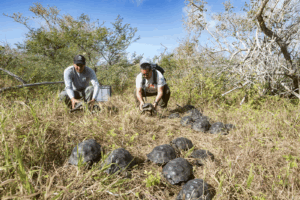
Once the babies grew, it was time to go home. Starting in the 1970s, young tortoises were taken to Española. At first, they released a few dozen. They watched to see if they survived. The island had changed. Goats were removed in the 1970s after a big effort.
Via Turtle Times
Plants grew back. This gave tortoises food and places to hide. Over time, hundreds were set free. By 2010, they saw wild-born babies. That meant the program worked. The tortoises were breeding on their own. Diego's kids and grandkids now roam the island. It's a wild place again.
Diego's Retirement
In 2020, Diego's job was done. He was over 130 years old. The program closed for his species because the numbers were good. Diego went back to Española. A boat took him there. People cheered as he stepped onto the land. Now, he lives free.
Via CNN
He eats what he finds and rests in the sun. Experts think he's still around, enjoying life. His family is everywhere. Some say he knows he's a legend. Retirement for Diego means no more pens. Just the open island. It's a happy ending for a hard worker.
Why Galápagos Tortoises Are Special
Galápagos tortoises are giants. They can weigh over 500 pounds. Their shells are like armor. Each island has its own type. Some have dome shells for wet places. Others have saddle shapes for dry spots. This helps them reach high plants. Charles Darwin saw them in 1835. They helped him think about evolution.
Via IFAW
Tortoises change based on their home. Española ones have saddle shells. They eat cactus and shrubs. These animals move slowly but steadily. They can go weeks without water. They store it in their bodies. That's why sailors liked them.
Threats Still Out There
Even with success, dangers remain. Climate change makes islands hotter and drier. Less rain means less food. Invasive animals might come back. People visit the islands more. They bring germs or trash. Poachers sometimes take tortoises. The park works hard to stop this. They use dogs to find bad plants or animals. Fences keep areas safe. Education helps too. Locals learn to protect nature.
Via Galapagos Center
Tourists follow rules like staying on paths. Saving tortoises needs everyone. Diego's story isn't alone. On other islands, programs saved tortoises too. Pinzón Island had rats eating eggs. They got rid of rats in 2012. Now, baby tortoises hatch free. Pinta Island lost its last tortoise, Lonesome George, in 2012.
But they try to bring back similar ones. Volcanoes sometimes erupt and hurt habitats. Scientists move tortoises then. These efforts show teamwork. Groups like the Charles Darwin Foundation help. They study and protect. Money from donors keeps it going.
Via and Beyond
Fun Facts About Tortoises
Tortoises are cool creatures. They breathe with lungs, not gills. Their shells are part of their bones. They can't come out of them. Baby tortoises are tiny, like a baseball. They grow slowly. It takes years to get big. Tortoises sleep a lot, up to 16 hours a day. They dig burrows to stay cool. In cold times, they slow down like hibernation. Some live over 200 years. The oldest known was 255! Tortoises have good memories. They remember paths to food. They also make friends with birds that clean them.
Via Grunge
Tortoises eat mostly plants like grass, leaves, and fruits. Their slow digestion helps them get every bit of nutrition from tough food. They don’t need to eat every day because their bodies use energy carefully. Some can even go months without water, storing it inside their bodies for dry times.
Lessons from Diego
Diego teaches people patience. Saving animals takes time. It took decades for his species to bounce back. One person or animal can start a change. But it needs help from many. Science, like a breeding program, works. You must care for nature.
Via Reddit
Small actions add up. Like removing goats or planting trees. Kids can help by learning and sharing. Schools teach about endangered animals. Zoos show them to people. This builds love for wildlife. Diego's hustle inspires people to keep going.
The Future for Española Tortoises
Now, the population is stable. Experts count them every few years. They use tags to track. Drones help see from above. If numbers drop, they can act. More plants mean more food. Birds and lizards benefit too. The whole island is healthier. Tourists can visit, but with guides. They learn Diego's story. This brings money for protection. Scientists study genes to keep diversity. They might bring in tortoises from other places if needed.
Via Galapagos Conservancy
The future looks bright thanks to Diego. Diego's win helps other animals. It shows breeding works for rhinos, pandas, and condors. Captive programs save them. Then release into the wild. Rules against hunting help. Parks protect land. International groups share ideas. Like CITES, which stops illegal trade. Tech like cameras watches animals.
Explore How Diego the Tortoise Saved His Species
Anyone can join in. Recycle to cut pollution. Plant native plants for animals. Support parks with visits or donations. Learn about local endangered species. Vote for green laws. Schools can have clubs for nature. Families can watch documentaries. Books tell stories like Diego's. Social media spreads awareness. Small steps make big waves. Like Diego, persistence pays off.
Via Popular Mechanics
Diego is more than a tortoise. He's a symbol of hope. His story went viral. News and shows featured him. Kids draw pictures of him. He reminds people that nature is tough but needs help. In 100 years, his descendants will thrive. Thanks to one motivated reptile. Respect his effort. It's a tale for all time.