Unassigned
How One Bear Became a Park's Prolific Father

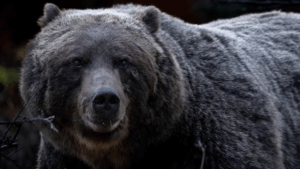
The Boss, officially known as Bear 122, is a legendary grizzly bear living in Banff National Park, Alberta, Canada. Nicknamed for his dominant nature, he’s known as one of the toughest and most resilient bears in the Rocky Mountains. Grizzlies are already powerful creatures, but The Boss stands out for his survival skills and commanding presence.
He has lived through harsh conditions, territorial battles, and encounters that would end most bears’ lives. Researchers closely study him to understand grizzly behavior and improve conservation efforts. His presence helps maintain the park’s ecological balance by controlling other animal populations. The Bow Valley, his territory, offers berries, fish, and open space, but also dangers like roads and trains.
 Via CBC
Despite these threats, The Boss has adapted perfectly, earning the respect of wildlife experts and visitors alike. His story symbolizes strength, endurance, and nature’s balance, reminding people how vital wild animals are to healthy ecosystems. In Banff, The Boss truly lives up to his name, a living legend of the wilderness.
 Via Calgary Herald
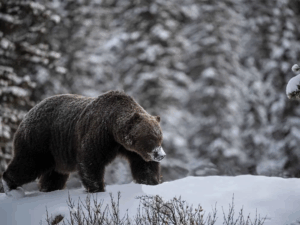
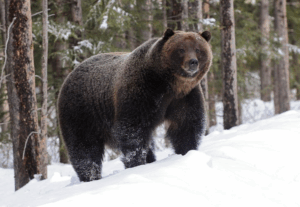
His massive frame and muscular hump distinguish him from smaller bears, giving him the strength to dig, fight, and dominate his territory. The hump, made of dense muscle, is one of his key tools for survival. Physically, The Boss has short ears, a wide, blocky head, and sharp claws that can dig, tear, or defend.
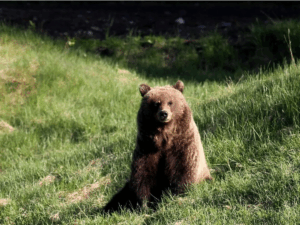
His fur ranges from deep brown to golden depending on the light, and his battle scars tell stories of countless fights. The missing piece of his right ear is a signature mark recognized by park researchers and photographers. His appearance, calm yet commanding, captures the essence of wilderness strength.
 Via Rocky Mountain Outlook
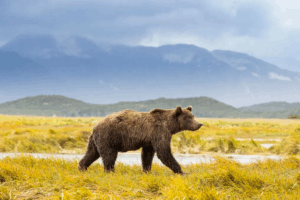
His vast home range spans over 2,500 square kilometers, covering rivers, forests, and fields where he finds food throughout the year. The Boss relies heavily on his keen sense of smell, far stronger than a dog’s, to locate meals, while his hearing helps detect movement across long distances.
His dominance ensures access to the best resources, keeping smaller bears and even wolves at bay. Despite his size, he moves with surprising agility and endurance, capable of running fast or leaping barriers when needed. Now older, The Boss carries the marks of time, scars, and worn muscles, but remains a symbol of resilience.
 Via Forbes
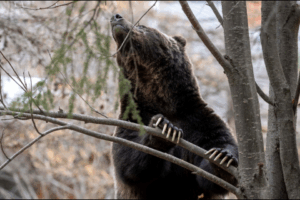 Via Rocky Mountain Outlook
He also faces dangers from other animals. As a dominant bear, rivals challenge him. In 2013, he killed and ate a black bear that got in his way. Officials found the remains and knew it was no accident. The Boss has fought with another big bear called Split Lip, or Bear 136. Their battle was called the "fight of the titans."
Both got scarred, but neither had bad injuries. Fights like this happen when territories overlap. The Boss always comes out on top. He has injuries from these scraps, like cuts on his snout and legs. But he heals and keeps going. Grizzlies are built to handle pain. Their thick fur and fat protect them.
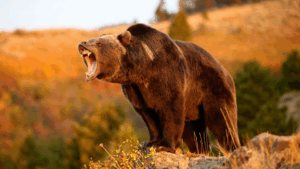 Via Reddit
Living in a park with highways and people adds risks. The Boss crosses busy roads often. He uses them as paths to find food. Parks Canada studies him to make trains safer for bears. They put up fences and warnings. His survival helps teach others. At his age, over 25 years old, most bears would slow down. Wild grizzlies live 20 to 25 years on average.
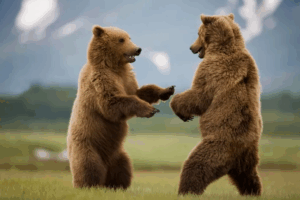 Via Forbes
The Boss's area is huge, crossing three national parks: Banff, Yoho, and Kootenay. He patrols it regularly. If another male enters, a fight might start. He has scars to prove his wins. Cannibalism is rare in grizzlies, but The Boss does it sometimes. He ate that black bear and maybe others.
This keeps smaller bears scared. It also gives him extra protein. In the wild, survival means being tough. The Boss plays by his own rules. As he ages, younger bears like Split Lip test him more. In recent years, he got new scars from these fights. But he holds his spot. Park experts say his energy keeps him on top.
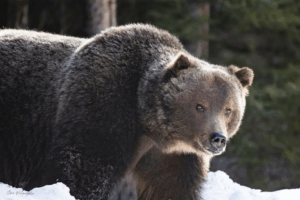 Via Mountains and Treasures
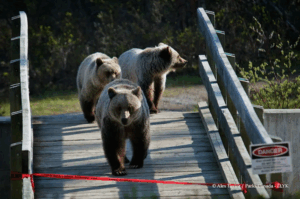
He guards his food well. He buries carcasses with sticks and snow, then sleeps on them. No one steals from him. His dominance helps the whole bear population. Strong leaders like him ensure good genes are passed on. Without him, weaker bears might take over.
 Via Calgary Herald
Moms do that alone. But good fathers like The Boss pass on strong traits. Mating happens in spring or summer. Dominant males get the best chances. The Boss's size draws females. His cubs grow up tough because of his genes. Park researchers collect hair from overpasses to test DNA. This shows his big impact. With so many kids, he shapes the future of bears in the valley.
Cubs stay with their moms for two to three years. They learn to find food and avoid danger. The Boss's offspring spread out, some becoming dominant too. Having many cubs is good for the species. It keeps numbers up in a changing world. Threats like habitat loss make strong bloodlines important. The Boss helps grizzlies stay resilient. His family tree is wide and strong.
 Via Calgary Herald
 Via Mountains and Treasures
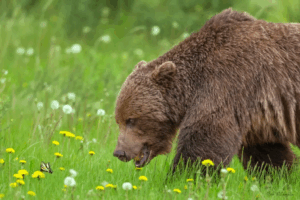
In winter, he dens high up. He sleeps for months, living off fat. He comes out thin but rebuilds fast. His habits show adaptation. He uses human paths but stays wild. Photographers catch him in funny moments, like spotting a butterfly. He is a mix of fierce and gentle.
 Via Utopia
Conservation helps him. Parks Canada collars him for tracking. They study train deaths and add safety. Fences and overpasses save lives. The Boss's data improves this. He teaches about coexistence. Tourists learn respect. His story boosts park visits, but safely. Protecting habitat is key. Climate change affects food. Efforts to plant berries and control crowds. The Boss benefits from this.
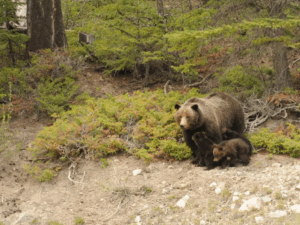 Via Calgary Herald
Sightings include digging in snow or eating by tracks. In June 2024, seen in a road ditch. His future? At his age, challenges grow. Younger bears push in. But he holds strong. Experts hope he lives longer. He inspires ongoing protection.
The Boss is more than a bear. He is a legend of survival and strength. From train hits to fathering cubs, his life amazes. He shows nature's power. Respect him by protecting his home. Long live The Boss.
More in Unassigned
Via CBC
Despite these threats, The Boss has adapted perfectly, earning the respect of wildlife experts and visitors alike. His story symbolizes strength, endurance, and nature’s balance, reminding people how vital wild animals are to healthy ecosystems. In Banff, The Boss truly lives up to his name, a living legend of the wilderness.
Physical Characteristics
The Boss, known as Bear 122, is one of the largest and most powerful grizzlies in Banff National Park. Weighing between 500 and 700 pounds, depending on the season, his size shifts with his hibernation cycle. In spring, he’s lighter from winter fasting, but by fall, after feeding heavily on berries, fish, and small animals, he reaches his peak weight, nearly as heavy as a small car.
Via Calgary Herald
His massive frame and muscular hump distinguish him from smaller bears, giving him the strength to dig, fight, and dominate his territory. The hump, made of dense muscle, is one of his key tools for survival. Physically, The Boss has short ears, a wide, blocky head, and sharp claws that can dig, tear, or defend.
His fur ranges from deep brown to golden depending on the light, and his battle scars tell stories of countless fights. The missing piece of his right ear is a signature mark recognized by park researchers and photographers. His appearance, calm yet commanding, captures the essence of wilderness strength.
Via Rocky Mountain Outlook
His vast home range spans over 2,500 square kilometers, covering rivers, forests, and fields where he finds food throughout the year. The Boss relies heavily on his keen sense of smell, far stronger than a dog’s, to locate meals, while his hearing helps detect movement across long distances.
His dominance ensures access to the best resources, keeping smaller bears and even wolves at bay. Despite his size, he moves with surprising agility and endurance, capable of running fast or leaping barriers when needed. Now older, The Boss carries the marks of time, scars, and worn muscles, but remains a symbol of resilience.
Via Forbes
Survival Against the Odds
The Boss has survived things that seem impossible. Most famous are his two run-ins with trains. In Banff, trains run through the park, carrying grain and other goods. Sometimes, bears go on the tracks to eat spilled food. The Boss got hit by a train once several years ago near Vermilion Lakes. He walked away like it was nothing. Park officials tracked his paw prints leaving the scene. Then, it happened again, and he survived that, too. Now, he is smarter about trains. He listens for the whistle and gets off the tracks in time. These stories show his toughness. Trains kill many bears each year, but not The Boss.
Via Rocky Mountain Outlook
He also faces dangers from other animals. As a dominant bear, rivals challenge him. In 2013, he killed and ate a black bear that got in his way. Officials found the remains and knew it was no accident. The Boss has fought with another big bear called Split Lip, or Bear 136. Their battle was called the "fight of the titans."
Both got scarred, but neither had bad injuries. Fights like this happen when territories overlap. The Boss always comes out on top. He has injuries from these scraps, like cuts on his snout and legs. But he heals and keeps going. Grizzlies are built to handle pain. Their thick fur and fat protect them.
Via Reddit
Living in a park with highways and people adds risks. The Boss crosses busy roads often. He uses them as paths to find food. Parks Canada studies him to make trains safer for bears. They put up fences and warnings. His survival helps teach others. At his age, over 25 years old, most bears would slow down. Wild grizzlies live 20 to 25 years on average.
Dominance in the Wild
No bear rules Banff like The Boss. He is the top male in the Bow Valley. His dominance means he gets first pick of food and mates. Younger bears try to challenge him, but they back down or lose. His size and experience make him unbeatable. He has a "no one messes with me" attitude. When he wants something, he takes it. Dominance in grizzlies comes from strength and territory control.
Via Forbes
The Boss's area is huge, crossing three national parks: Banff, Yoho, and Kootenay. He patrols it regularly. If another male enters, a fight might start. He has scars to prove his wins. Cannibalism is rare in grizzlies, but The Boss does it sometimes. He ate that black bear and maybe others.
This keeps smaller bears scared. It also gives him extra protein. In the wild, survival means being tough. The Boss plays by his own rules. As he ages, younger bears like Split Lip test him more. In recent years, he got new scars from these fights. But he holds his spot. Park experts say his energy keeps him on top.
Via Mountains and Treasures
He guards his food well. He buries carcasses with sticks and snow, then sleeps on them. No one steals from him. His dominance helps the whole bear population. Strong leaders like him ensure good genes are passed on. Without him, weaker bears might take over.
Family and Offspring
The Boss is a family man in bear terms. He has fathered many cubs in the area. DNA tests show he sired up to 70 percent of the grizzlies in Banff. That is a lot. He mates with top females like Bear 64 and Bear 72. At least five cubs are confirmed his, but likely more. One famous offspring is Bear 148. She was strong like her dad, but sadly died young. Grizzly dads do not raise cubs.
Via Calgary Herald
Moms do that alone. But good fathers like The Boss pass on strong traits. Mating happens in spring or summer. Dominant males get the best chances. The Boss's size draws females. His cubs grow up tough because of his genes. Park researchers collect hair from overpasses to test DNA. This shows his big impact. With so many kids, he shapes the future of bears in the valley.
Cubs stay with their moms for two to three years. They learn to find food and avoid danger. The Boss's offspring spread out, some becoming dominant too. Having many cubs is good for the species. It keeps numbers up in a changing world. Threats like habitat loss make strong bloodlines important. The Boss helps grizzlies stay resilient. His family tree is wide and strong.
Via Calgary Herald
Daily Life and Behavior
A day in The Boss's life is busy. He wakes early to forage. In spring, he eats dandelions and grass. Summer brings berries and fish. Fall is for bulking up on nuts and meat. He digs under logs for squirrels. His strong claws make it easy. He loves spilled grain on train tracks. It is quick calories. He also eats dead animals from roads or hunts. He moves a lot, covering miles each day. He swims rivers and climbs hills. His sense of smell guides him to food. Behavior-wise, he is calm but alert. He avoids people but gets close sometimes. In the fall, he scavenges fruit in towns like Canmore. He bluff charges if annoyed, but never attacks humans. He is smart about dangers.
Via Mountains and Treasures
In winter, he dens high up. He sleeps for months, living off fat. He comes out thin but rebuilds fast. His habits show adaptation. He uses human paths but stays wild. Photographers catch him in funny moments, like spotting a butterfly. He is a mix of fierce and gentle.
Interactions with Humans and Conservation
People love The Boss, but he stays wild. Park rules keep a distance. Visitors spot him from cars or trails. He ignores them mostly. But close calls happen. In 2024, he roamed Canmore yards for fruit. Officials scare him away to prevent habits. Human food is bad for bears. It can lead to problems.
Via Utopia
Conservation helps him. Parks Canada collars him for tracking. They study train deaths and add safety. Fences and overpasses save lives. The Boss's data improves this. He teaches about coexistence. Tourists learn respect. His story boosts park visits, but safely. Protecting habitat is key. Climate change affects food. Efforts to plant berries and control crowds. The Boss benefits from this.
Explore the Story of a Park's Dominant Grizzly
In spring 2025, The Boss emerged on April 7. A trail camera caught him in the Bow Valley. He looked healthy. Last fall, he was in Canmore and Harvie Heights for fruit. In 2024, he pawed trees in backyards. A first for him there. He got new scars but stayed big.
Via Calgary Herald
Sightings include digging in snow or eating by tracks. In June 2024, seen in a road ditch. His future? At his age, challenges grow. Younger bears push in. But he holds strong. Experts hope he lives longer. He inspires ongoing protection.
The Boss is more than a bear. He is a legend of survival and strength. From train hits to fathering cubs, his life amazes. He shows nature's power. Respect him by protecting his home. Long live The Boss.