Lifestyle / Health

How Much Salmon Is Too Much Salmon?
Salmon has earned a strong reputation as one of the healthiest foods because it contains an outstanding combination of protein, healthy fats, vitamins, and minerals. Many nutrition professionals recommend including it in weekly meals because it supports overall wellness while fitting easily into a balanced eating pattern.
One reason salmon stands out is its rich supply of omega-3 fatty acids, especially EPA and DHA. These beneficial fats help support heart function, brain performance, healthy skin, and normal inflammatory responses, making salmon a valuable choice for people of all ages.

Via Parade
Salmon also provides vitamin D, vitamin B12, selenium, iodine, and complete protein in every serving. Since relatively few natural foods contain meaningful amounts of vitamin D, salmon becomes an excellent option for supporting healthy bones, muscles, immunity, and normal body functions.
The Nutrients That Make Salmon So Beneficial
Omega-3 fatty acids remain the biggest nutritional advantage of salmon because they contribute to several important health benefits. These healthy fats may support cardiovascular wellness, maintain healthy blood vessels, and promote normal brain development while helping the body manage everyday inflammation naturally.

Via Mouth Elizabeth
Another major benefit comes from salmon's high-quality protein, which contains every essential amino acid required for building and repairing muscles, tissues, and cells. This complete protein also helps maintain muscle strength while supporting recovery after physical activity and everyday body maintenance.
Salmon naturally contains astaxanthin, a powerful antioxidant responsible for its attractive pink or orange color. Scientists continue studying this compound because it may help protect body cells against oxidative stress while supporting healthy aging alongside other nutrients found in seafood.

Via Life Extension
Can Eating Too Much Salmon Become Unhealthy?
Although salmon is packed with valuable nutrients, consuming excessive amounts of any single food is rarely considered the healthiest approach. Balanced eating depends on enjoying a wide variety of foods because every food contributes unique nutrients that work together to support overall health.
Most concerns surrounding salmon involve environmental contaminants instead of its natural nutritional value. While these concerns deserve attention, they should not discourage moderate consumption because salmon remains one of the safest and healthiest seafood choices compared with many larger fish species.

Via Testing Table
Nutrition experts generally agree that eating salmon several times each week offers far greater health benefits than risks for most healthy individuals. Following the recommended serving guidelines allows people to enjoy its nutritional advantages while keeping potential concerns at very low levels.
Understanding Mercury and Other Environmental Contaminants
Mercury is a naturally occurring metal that can accumulate in seafood through environmental exposure, although concentrations differ greatly among fish species. Larger predatory fish usually contain much higher mercury levels because they consume many smaller fish throughout their longer lifespans.

Via EU environment
Compared with seafood such as shark, swordfish, king mackerel, and several types of tuna, salmon contains relatively low amounts of mercury. This makes it a preferred seafood option for regular consumption while still providing valuable nutrients that support long-term health.
Salmon may also contain small amounts of environmental pollutants, including PCBs and dioxins, which can accumulate in fatty fish. Even so, current scientific evidence shows that moderate salmon consumption continues to provide considerably greater nutritional benefits than potential risks for most people.

Via The Ecologist
How Much Salmon Can Be Safely Eaten Each Week?
Health authorities commonly recommend eating two to three servings of fatty fish every week, with salmon being one of the most nutritious options available. Following this recommendation provides beneficial omega-3 fatty acids while supporting heart, brain, and overall body health without unnecessary overconsumption.
A standard serving of cooked salmon usually measures about three to four ounces, roughly equal to the size of an adult palm. Keeping portions within this recommended range allows people to enjoy salmon regularly while maintaining a healthy and balanced eating routine.

Via The List
Nutrition specialists also encourage rotating salmon with other seafood and lean protein sources throughout the week. This simple habit increases dietary variety, supports better nutrient intake, and reduces repeated exposure to any single environmental contaminant while keeping meals interesting and enjoyable.
Signs That Salmon May Be Consumed Too Often
Most people who enjoy salmon two or three times each week are unlikely to experience health concerns because the fish contains relatively low mercury levels compared with many larger seafood species. Moderate intake remains a safe and nutritious choice for the majority of healthy adults following a balanced diet.

Via Healthline
Eating unusually large portions of salmon every day for many months could gradually increase exposure to environmental contaminants. In rare cases, symptoms such as fatigue, headaches, difficulty concentrating, or tingling sensations may appear, although these symptoms can also result from many unrelated medical conditions.
Anyone who regularly consumes large amounts of oily fish and develops persistent symptoms should consider consulting a healthcare professional or registered dietitian. A complete dietary assessment can help determine whether seafood intake or another underlying issue requires attention and appropriate guidance.

Via The Independent
Why a Balanced Diet Matters More Than One Superfood
Salmon is highly nutritious, yet no single food can provide every nutrient needed for excellent health. Building meals around a wide variety of wholesome foods allows the body to receive a broader spectrum of vitamins, minerals, antioxidants, fiber, and healthy natural compounds.
Including different seafood varieties along with poultry, beans, lentils, eggs, dairy products, nuts, and seeds creates greater nutritional balance. Every protein source offers unique health benefits that complement the valuable nutrients naturally found in salmon and other fatty fish.
Via Cozy Meal
Fruits, vegetables, and whole grains also deserve an important place in everyday meals because they supply dietary fiber and protective plant compounds. Combining these foods with salmon creates satisfying meals that support digestion, immunity, heart health, and overall wellness throughout life.
Wild-Caught Salmon Versus Farm-Raised Salmon
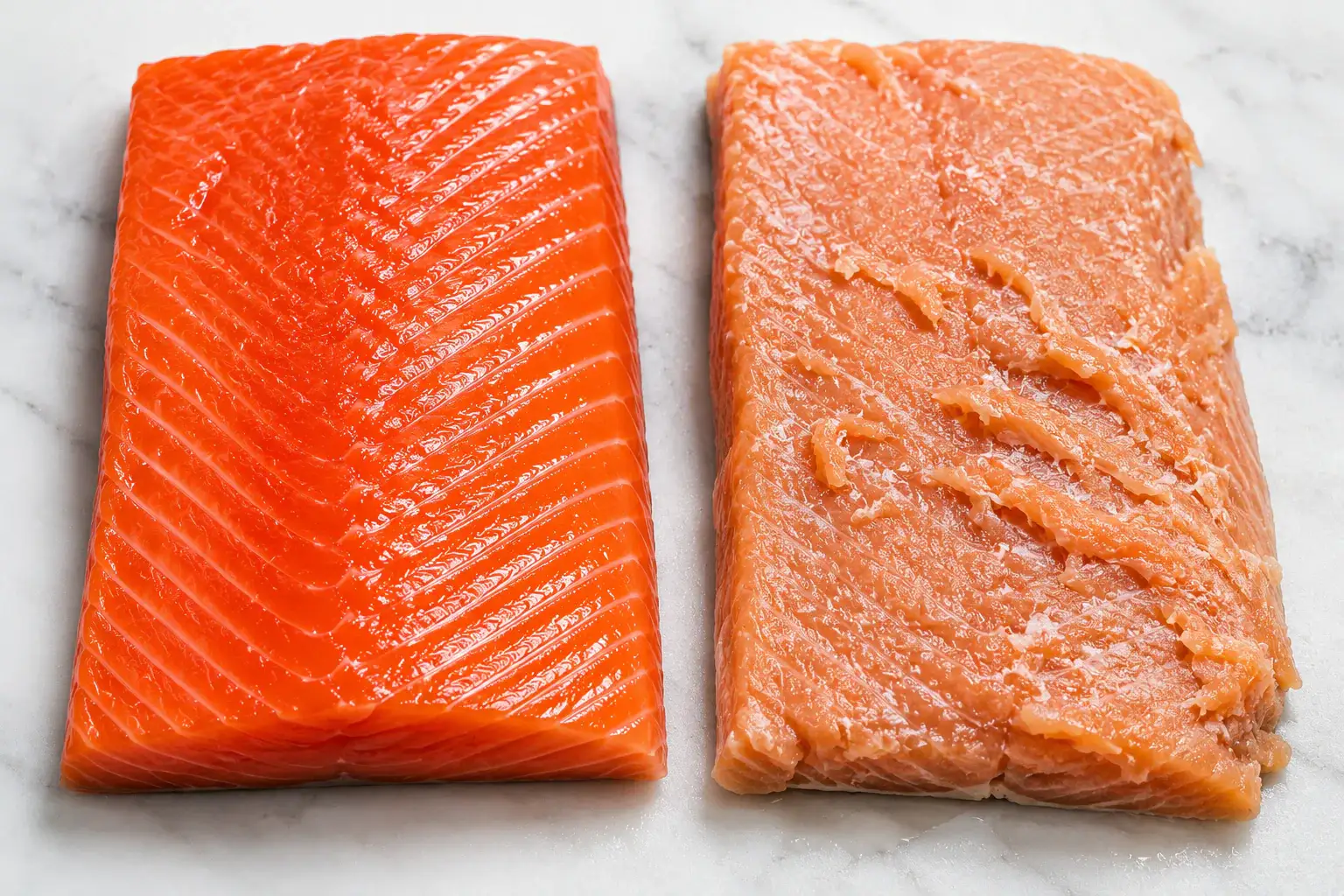
Many shoppers wonder whether wild-caught salmon is healthier than farm-raised salmon because both options are widely available in supermarkets. Each variety provides excellent protein, beneficial omega-3 fatty acids, important vitamins, and essential minerals that contribute to a healthy and balanced diet.

Via Alaskan Salmon
Wild-caught salmon is generally leaner because it spends its life swimming freely in natural waters. Depending on the species and season, it may contain slightly fewer calories while offering excellent nutritional value and a firmer texture appreciated by many seafood lovers.
Farm-raised salmon usually contains a little more fat, including beneficial omega-3 fatty acids, because of carefully managed feeding practices. Modern aquaculture continues improving sustainability, food safety, and production standards, making responsibly farmed salmon another nutritious option for regular meals.

Via Popis Fish
Choosing and Preparing Salmon the Healthy Way
Fresh, frozen, and canned salmon can all provide impressive nutritional benefits when selected from reliable sources and stored properly. Personal preference, availability, convenience, and budget often determine which option works best without significantly affecting overall nutritional quality.
Reading food labels helps identify whether salmon is wild-caught or responsibly farm-raised while also providing useful information about freshness and sustainability certifications. Choosing trusted products supports responsible seafood practices while helping consumers make informed purchasing decisions with greater confidence.

Via Verywell Health
Healthy cooking methods such as baking, grilling, steaming, or air frying preserve salmon's natural flavor without adding unnecessary saturated fat. Preparing salmon with herbs, spices, vegetables, and whole grains creates balanced meals that are both nutritious and satisfying for the entire family.
The Best Approach to Enjoying Salmon Safely
Salmon remains one of the most nutrient-dense seafood choices because it supplies complete protein, omega-3 fatty acids, vitamin D, vitamin B12, selenium, iodine, and antioxidants in a single serving. These nutrients work together to support heart health, brain function, strong bones, healthy muscles, and overall well-being.

Via Martha Stewart
Current dietary recommendations suggest eating two to three servings of fatty fish each week, making salmon an excellent addition to a balanced eating plan. Following these guidelines allows most people to enjoy its impressive health benefits while keeping potential risks from contaminants very low.
Rather than focusing on eating larger quantities of salmon, the healthiest strategy is maintaining variety across weekly meals. Pairing salmon with other seafood, lean proteins, fruits, vegetables, legumes, whole grains, and healthy fats creates a well-rounded diet that delivers lasting nutritional benefits and supports lifelong health.

Via Chicken of the Sea
Who Should Be More Careful About Salmon Intake
Certain groups, including pregnant women, young children, and individuals with specific medical conditions, should follow seafood recommendations carefully. Although salmon is considered a low-mercury fish, choosing appropriate serving sizes remains important for maintaining both safety and nutritional balance.
Healthcare professionals often encourage these individuals to select low-mercury seafood while limiting fish known to contain higher mercury levels. Following established dietary guidelines allows them to enjoy the benefits of salmon without unnecessary concerns about contaminant exposure.

Via MOWI Salmon
People with food allergies, kidney disease, or other health conditions may also benefit from personalized dietary advice before making salmon a regular part of their meals. Individual nutritional needs vary, making professional guidance helpful when creating a balanced and appropriate eating plan.