Unassigned
How Magic Mushrooms Alter Brain Synchronization

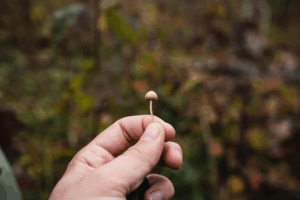
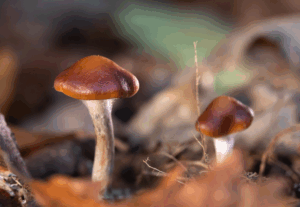
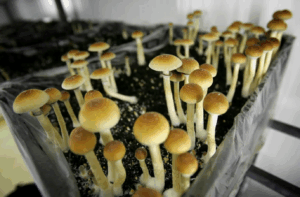
Psilocybin is a natural compound found in certain mushrooms often called “magic mushrooms.” People have used these mushrooms for thousands of years in spiritual and healing ceremonies. When someone eats or drinks psilocybin, the body changes it into psilocin. This active form crosses into the brain and starts to shift how neurons talk to each other.
 The effects usually begin within 20 to 40 minutes and can last up to six hours. Users often feel changes in mood, senses, and thinking. Colors seem brighter, time feels slower, and thoughts can jump in surprising ways. At higher doses, many report a deep sense of connection to everything around them.
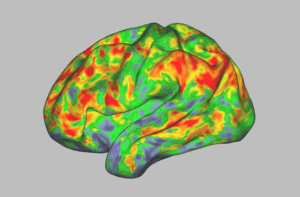 Via NIH
In the new study, volunteers lay inside the scanner both before and after taking psilocybin. The team collected data while people simply rested with their eyes closed. They looked for patterns of activity that stay the same over time for each person. These patterns act like a signature unique to every brain.
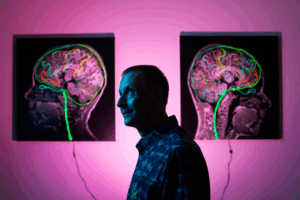 Via Berkeley News
But scan another person, and the map is clearly different. This stability helps identify who is who just from brain waves. It is more reliable than many personality tests. The fingerprint forms early in life and stays steady through adulthood unless a major illness or injury occurs.
 Via The Pharmaceutical Journal
The brain looked less like its usual self and more like every other brain under the drug. Researchers measured how much the patterns still matched the person’s baseline. Normally, the match is above 90 percent. After psilocybin, it dropped to around 35 percent. In simple terms, the brain temporarily lost its unique ID card.
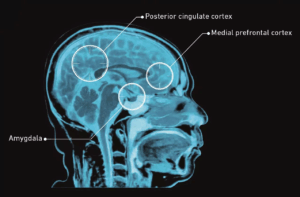
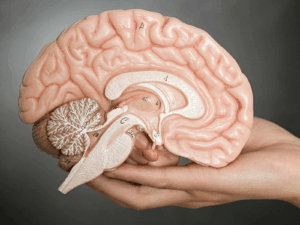
 It keeps memories, plans, and identity in check. Psilocybin quiets this network. At the same time, it boosts communication across the whole brain. Information flows faster and in new directions. Rigid highways turn into open fields. Thoughts that once looped in tight circles can now wander and link up differently.
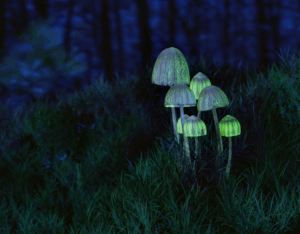 Without the usual filter of “I,” raw experience floods in. People often cry, laugh, or feel overwhelming love. These intense moments can last minutes or hours. When the drug fades, most return to normal self-awareness, but the memory stays vivid.
 Via Verywell Minds
Psychedelics offer a different path. By loosening the neural fingerprint, psilocybin may let the brain rewire. One or two guided sessions sometimes bring relief that lasts months. Patients report fresh perspectives on old pain. They describe life in color after years of gray.
 Via The Independent
Neuroplasticity, the brain’s ability to remodel, peaks during the trip. New synapses sprout. Old pathways weaken if not used. Therapists guide the experience so insights stick. Follow-up sessions help lock in positive changes. Early trials show promise, but large studies are still needed.
 Via Pfizer
On the day of treatment, two trained guides stay in the room. Soft music plays. Eyes shades block bright light. The dose is exact, not a guess. Vital signs are watched. A doctor is on call. After the journey, integration meetings help process what happened. This careful setup lowers risks and raises benefits.
 Via Imperial College London
Psilocybin’s changes often last longer. Costs differ, too. Insurance rarely covers psychedelic sessions yet, while pills are usually reimbursed. Researchers track all these factors to find the best fit for each illness. Set means mindset. A person who feels safe and curious responds better. Setting is the environment. Dim lights, cozy blankets, and trusted guides matter.
Bad set or setting can turn the trip anxious. Street use without support raises this risk. Clinical rooms are designed like living rooms, not hospitals. Plants, art, and soft furniture ease nerves. Music playlists are chosen to match brainwave shifts. Every detail aims to support healing rather than overwhelm.
 Via Imperial College London
 Via Michigan State University
Transparent consent, data protection, and fair inclusion in research are vital safeguards. Public dialogue helps prevent misuse and mistrust. The more openly these studies are discussed, the more responsibly progress can unfold, ensuring discoveries enhance, not exploit, the human mind.
 Via Verywell Mind
This could explain lasting mood lifts. No evidence shows permanent harm in healthy adults at clinical doses. Still, teenagers and those with family mental illness need caution. Growing brains may react differently. Ongoing studies track participants for years.
 Via Healthline
Voters in Oregon and Colorado legalized supervised use. Cities like Denver have decriminalized personal amounts. Media stories highlight veterans healing from war trauma. Public opinion polls show growing support, especially among younger adults. Universities now offer certificates in psychedelic therapy. Students learn psychology, pharmacology, and ethics.
They practice role-playing tough moments. Shadowing experienced guides comes next. State boards draft licensing rules. A good guide stays calm under pressure, listens without judgment, and knows when to call a doctor. Demand rises faster than supply. Training programs expand to meet it.
 Via Missouri Poison Center
 Via Forbes
Painful memories lose their grip with effort and the right tools. The study validates ancient wisdom: sometimes stepping outside the self brings clarity. It also urges caution. Powerful substances demand respect, knowledge, and care. As science advances, safe options may reach more people stuck in mental ruts.
 Via News-Medical
Whether through therapy, meditation, or future medicines, the goal stays the same: ease suffering and open possibility. This single study lights one corner of a vast mystery: how awareness arises, shifts, and sometimes heals.
More in Unassigned
The effects usually begin within 20 to 40 minutes and can last up to six hours. Users often feel changes in mood, senses, and thinking. Colors seem brighter, time feels slower, and thoughts can jump in surprising ways. At higher doses, many report a deep sense of connection to everything around them.
How Scientists Study the Brain During Psychedelics
Researchers use tools like functional magnetic resonance imaging, or fMRI, to watch the brain in action. The machine measures tiny changes in blood flow. Active brain areas need more oxygen, so blood rushes there. This lets scientists map which regions light up during rest, tasks, or drug effects.
Via NIH
In the new study, volunteers lay inside the scanner both before and after taking psilocybin. The team collected data while people simply rested with their eyes closed. They looked for patterns of activity that stay the same over time for each person. These patterns act like a signature unique to every brain.
Discovering the Neural Fingerprint
Every brain has its own rhythm. Even when you sit quietly, certain areas sync up in a personal way. Scientists call this the functional connectome. Think of it as a wiring map that shows which neighborhoods of the brain chat the most. Studies show that if you scan the same person on different days, the map looks almost identical.
Via Berkeley News
But scan another person, and the map is clearly different. This stability helps identify who is who just from brain waves. It is more reliable than many personality tests. The fingerprint forms early in life and stays steady through adulthood unless a major illness or injury occurs.
What Happens When Psilocybin Enters the Picture
In the experiment, each participant received a measured dose of pure psilocybin. About 45 minutes later, the scanner ran again. The results shocked the team. The clear, individual connectome maps blurred. Lines that once showed strong personal links grew faint. Areas that normally worked separately started talking to distant regions.
Via The Pharmaceutical Journal
The brain looked less like its usual self and more like every other brain under the drug. Researchers measured how much the patterns still matched the person’s baseline. Normally, the match is above 90 percent. After psilocybin, it dropped to around 35 percent. In simple terms, the brain temporarily lost its unique ID card.
The Meaning of De-Individuation in the Brain
De-individuation means losing the sense of a separate self. On psilocybin, the usual borders between “me” and “not me” soften. Brain scans show why. A network called the default mode network normally handles self-reflection and daydreaming.
It keeps memories, plans, and identity in check. Psilocybin quiets this network. At the same time, it boosts communication across the whole brain. Information flows faster and in new directions. Rigid highways turn into open fields. Thoughts that once looped in tight circles can now wander and link up differently.
Why Ego Dissolution Feels So Powerful
Many users describe a moment when the ego melts away. They no longer feel trapped inside their own head. Some say they become the music, the trees, or the entire room. Brain imaging backs this up. The areas tied to self-processing go quiet, while sensory and emotional zones light up together.
Without the usual filter of “I,” raw experience floods in. People often cry, laugh, or feel overwhelming love. These intense moments can last minutes or hours. When the drug fades, most return to normal self-awareness, but the memory stays vivid.
Links to Mental Health Treatment
Doctors are testing psilocybin in controlled settings for tough conditions. Depression often traps people in negative loops. PTSD replays trauma like a broken record. Addiction hijacks reward pathways. Standard talk therapy and pills help some, but not all.
Via Verywell Minds
Psychedelics offer a different path. By loosening the neural fingerprint, psilocybin may let the brain rewire. One or two guided sessions sometimes bring relief that lasts months. Patients report fresh perspectives on old pain. They describe life in color after years of gray.
How the Brain Resets Itself
Picture a snow globe filled with tight clusters of flakes. Shake it hard, and the flakes scatter. When they settle again, new patterns form. Psilocybin acts like that shake. It disrupts stuck connections long enough for fresh ones to grow.
Via The Independent
Neuroplasticity, the brain’s ability to remodel, peaks during the trip. New synapses sprout. Old pathways weaken if not used. Therapists guide the experience so insights stick. Follow-up sessions help lock in positive changes. Early trials show promise, but large studies are still needed.
Safety Measures in Clinical Trials
No one hands out mushrooms on the street corner for therapy. Clinics follow strict rules. Patients fill out health forms and meet psychiatrists first. Anyone with heart problems, schizophrenia, or a heavy drug history is turned away.
Via Pfizer
On the day of treatment, two trained guides stay in the room. Soft music plays. Eyes shades block bright light. The dose is exact, not a guess. Vital signs are watched. A doctor is on call. After the journey, integration meetings help process what happened. This careful setup lowers risks and raises benefits.
Comparing Psilocybin to Other Treatments
Antidepressants like SSRIs take weeks to work and must be taken daily. Psilocybin acts in hours and may need only one or two doses. Talk therapy builds skills slowly. Psychedelics speed up emotional breakthroughs. Ketamine clinics offer fast relief for severe depression, but the effects wear off in days.
Via Imperial College London
Psilocybin’s changes often last longer. Costs differ, too. Insurance rarely covers psychedelic sessions yet, while pills are usually reimbursed. Researchers track all these factors to find the best fit for each illness. Set means mindset. A person who feels safe and curious responds better. Setting is the environment. Dim lights, cozy blankets, and trusted guides matter.
Bad set or setting can turn the trip anxious. Street use without support raises this risk. Clinical rooms are designed like living rooms, not hospitals. Plants, art, and soft furniture ease nerves. Music playlists are chosen to match brainwave shifts. Every detail aims to support healing rather than overwhelm.
Via Imperial College London
Ethical Questions Raised by the Study
If a drug can erase your neural self, even briefly, who controls that power? Should anyone alter identity without full consent? What if governments or companies misuse the knowledge? Privacy of brain data is another worry. Scans reveal personal traits. Rules must protect that information. Equity matters too. Right now, trials serve mostly white, educated volunteers. Wider access needs planning so all groups benefit. Scientists debate these issues in journals and conferences. Ethical oversight will only grow more crucial as neurotechnology advances. Regulators must balance innovation with human rights.
Via Michigan State University
Transparent consent, data protection, and fair inclusion in research are vital safeguards. Public dialogue helps prevent misuse and mistrust. The more openly these studies are discussed, the more responsibly progress can unfold, ensuring discoveries enhance, not exploit, the human mind.
Long-Term Effects Still Under Review
The fingerprint returns within 24 hours for most people. But tiny shifts may linger. Some report sharper focus weeks later. Others feel more open to new ideas. Brain scans months after a session sometimes show slightly looser default networks.
Via Verywell Mind
This could explain lasting mood lifts. No evidence shows permanent harm in healthy adults at clinical doses. Still, teenagers and those with family mental illness need caution. Growing brains may react differently. Ongoing studies track participants for years.
How Culture Views Magic Mushrooms Today
Ancient tribes in Mexico used mushrooms in sacred rituals. Spanish invaders banned the practice centuries ago. In the 1950s, Western scientists rediscovered psilocybin. Early experiments were messy. The 1960s counterculture embraced it wildly. Laws tightened. Only recently have attitudes softened.
Via Healthline
Voters in Oregon and Colorado legalized supervised use. Cities like Denver have decriminalized personal amounts. Media stories highlight veterans healing from war trauma. Public opinion polls show growing support, especially among younger adults. Universities now offer certificates in psychedelic therapy. Students learn psychology, pharmacology, and ethics.
They practice role-playing tough moments. Shadowing experienced guides comes next. State boards draft licensing rules. A good guide stays calm under pressure, listens without judgment, and knows when to call a doctor. Demand rises faster than supply. Training programs expand to meet it.
Via Missouri Poison Center
Future Research Directions
Teams plan bigger trials with hundreds of patients. Placebo controls get trickier with strong drugs. Scientists test micro-doses too tiny to hallucinate. Brain implants may one day track single neurons during trips. Genetic studies look for who responds best. Combination treatments pair psilocybin with therapy apps or virtual reality. Global teams share data to speed progress. Funding grows from foundations and cautious drug companies. Most folks will never enter a research scanner. Yet the findings touch daily life. They remind people that identity is flexible. Habits can change.
Via Forbes
Painful memories lose their grip with effort and the right tools. The study validates ancient wisdom: sometimes stepping outside the self brings clarity. It also urges caution. Powerful substances demand respect, knowledge, and care. As science advances, safe options may reach more people stuck in mental ruts.
Explore Magic Mushrooms' 3-Week Brain Impact.
The brain builds a story of “who I am” to navigate the world. That story serves you well most days. But when it turns into a prison, breaking the walls can set you free. Psilocybin offers a temporary key. It does not erase the self forever; it pauses the script long enough to rewrite lines.
Via News-Medical
Whether through therapy, meditation, or future medicines, the goal stays the same: ease suffering and open possibility. This single study lights one corner of a vast mystery: how awareness arises, shifts, and sometimes heals.