Unassigned
How AI Is Quietly Changing the Future of Surgery
Surgery is often seen as a single event that begins in an operating room and ends once the patient leaves recovery. In reality, the process stretches far beyond those moments and includes early diagnosis, decision-making, preparation, and long-term healing.
Artificial intelligence is now reshaping this entire journey by providing support at each stage, helping both patients and medical professionals make better-informed choices. This shift is gradually changing how surgical care is understood and delivered across healthcare systems. Patients often face confusion and stress when deciding whether to undergo surgery, choosing a specialist, and understanding potential risks.
 Via Impact Lab
AI-powered systems can analyze medical data, past outcomes, and patient conditions to offer guidance that feels more personalized and relevant. These tools help simplify complex medical information into clearer insights, allowing people to feel more confident in their decisions.
Recovery is another phase where AI plays a growing role, as healing does not end when stitches are removed. Patients must follow strict rehabilitation plans, attend therapy sessions, and manage physical and emotional changes over time. AI tools can track recovery progress, send reminders, and alert healthcare providers when something is not progressing as expected.
 Via LinkedIn
 Via Just Medical
Administrative tasks also benefit from AI, as systems can automate documentation, appointment scheduling, and communication. This reduces the burden on healthcare staff and ensures smoother operations within hospitals and clinics. By improving efficiency in these areas, AI indirectly enhances the overall patient experience and allows medical professionals to focus on more meaningful aspects of care.
 Via Medical Economics
Complications related to surgery remain a major global concern, with millions of people facing serious risks each year. These complications can arise before, during, or after the procedure, making it essential to address every stage of care. AI has the potential to reduce these risks by identifying warning signs early and guiding both patients and doctors toward safer outcomes.
The human element of surgery also plays a significant role, as trust, communication, and experience are critical factors in successful outcomes. AI cannot replace the judgment and skills developed through years of medical training. It can enhance these abilities by providing additional insights and support, allowing surgeons to make more informed decisions in high-pressure situations.
 Via John Hopkins Medicine
 Via Medical Express
Early risk detection also supports better communication between doctors and patients. When potential challenges are identified in advance, patients can make more informed decisions about whether to proceed with surgery. This transparency builds trust and ensures that individuals fully understand the risks and benefits involved in their treatment.
 Via Liv Hospital
Physical therapy is a key part of recovery, but many patients struggle to follow through with their rehabilitation plans. AI applications can send reminders, guide exercises, and track performance, making it easier for individuals to stay committed. This support helps improve recovery outcomes and reduces the likelihood of long-term complications.
Healthcare providers also benefit from these tools, as they receive alerts when a patient’s recovery is not progressing as expected. This allows for timely intervention and personalized adjustments to treatment plans. By improving communication and monitoring, AI creates a more connected and responsive recovery process.
 Via Forbes
 Via Clatech
AI also supports ongoing education for experienced surgeons by tracking performance and suggesting improvements. This continuous learning approach ensures that medical professionals stay updated with the latest techniques and advancements. As a result, patients benefit from higher standards of care and improved surgical outcomes.
 Via Pharmaceutical Technology
Many patients feel overwhelmed by the amount of information available when considering surgery. AI tools can simplify this process by presenting clear comparisons of different options, including risks, benefits, and expected outcomes. This makes it easier for patients to understand their choices and select the best path forward.
Emotional support is another area where AI can make a difference. Conversational tools can answer questions, provide reassurance, and guide patients through each stage of the surgical journey. This support helps reduce anxiety and creates a more positive overall experience.
 Via Celestial Systems
 Via The Brighter Side of News
Privacy and data security also play a critical role in the use of AI. These systems rely on large amounts of patient data, making it essential to protect sensitive information. Ensuring transparency and trust in how data is used will be key to the successful integration of AI in healthcare.
 Via Liv Hospital
Many surgical complications can be avoided with better monitoring and early intervention. AI systems that track patient progress and detect warning signs can help prevent serious issues before they develop. This shift toward proactive care represents a major advancement in how surgical outcomes are managed.
The future of surgery will likely involve a combination of human expertise and advanced technology working together. Surgeons will continue to play a central role, supported by AI tools that enhance their abilities and improve patient care. This partnership has the potential to transform healthcare on a global scale.
 Via LinkedIn
 Via The News Pakistan
As technology continues to evolve, the role of AI in surgery will expand even further. The focus will remain on improving patient care, reducing risks, and enhancing the overall experience. This ongoing development highlights the importance of using innovation responsibly to create a safer and more effective healthcare system.
More in UnassignedVia Impact Lab
AI-powered systems can analyze medical data, past outcomes, and patient conditions to offer guidance that feels more personalized and relevant. These tools help simplify complex medical information into clearer insights, allowing people to feel more confident in their decisions.
Recovery is another phase where AI plays a growing role, as healing does not end when stitches are removed. Patients must follow strict rehabilitation plans, attend therapy sessions, and manage physical and emotional changes over time. AI tools can track recovery progress, send reminders, and alert healthcare providers when something is not progressing as expected.
Via LinkedIn
AI Is Already Changing Daily Medical Practice
Artificial intelligence is no longer a concept limited to research labs or futuristic ideas. Many healthcare professionals already rely on AI tools to support daily tasks such as reviewing test results, confirming diagnoses, and managing patient records. These systems act as assistants that help reduce human error and improve efficiency, allowing doctors to focus more on patient care. Doctors often handle large volumes of data, which can be overwhelming and time-consuming. AI tools can quickly analyze this information, highlight important details, and suggest possible outcomes. This ability helps doctors make faster and more accurate decisions, especially in complex cases where time is critical.Via Just Medical
Administrative tasks also benefit from AI, as systems can automate documentation, appointment scheduling, and communication. This reduces the burden on healthcare staff and ensures smoother operations within hospitals and clinics. By improving efficiency in these areas, AI indirectly enhances the overall patient experience and allows medical professionals to focus on more meaningful aspects of care.
Surgery Faces Unique Challenges for AI Integration
Surgery presents a different set of challenges compared to other areas of medicine because it involves physical procedures, high risks, and complex human interactions. Unlike diagnosis or data analysis, surgical care requires precision, coordination, and adaptability in real time.Via Medical Economics
Complications related to surgery remain a major global concern, with millions of people facing serious risks each year. These complications can arise before, during, or after the procedure, making it essential to address every stage of care. AI has the potential to reduce these risks by identifying warning signs early and guiding both patients and doctors toward safer outcomes.
The human element of surgery also plays a significant role, as trust, communication, and experience are critical factors in successful outcomes. AI cannot replace the judgment and skills developed through years of medical training. It can enhance these abilities by providing additional insights and support, allowing surgeons to make more informed decisions in high-pressure situations.
Via John Hopkins Medicine
AI Helps Predict Risks Before Surgery Begins
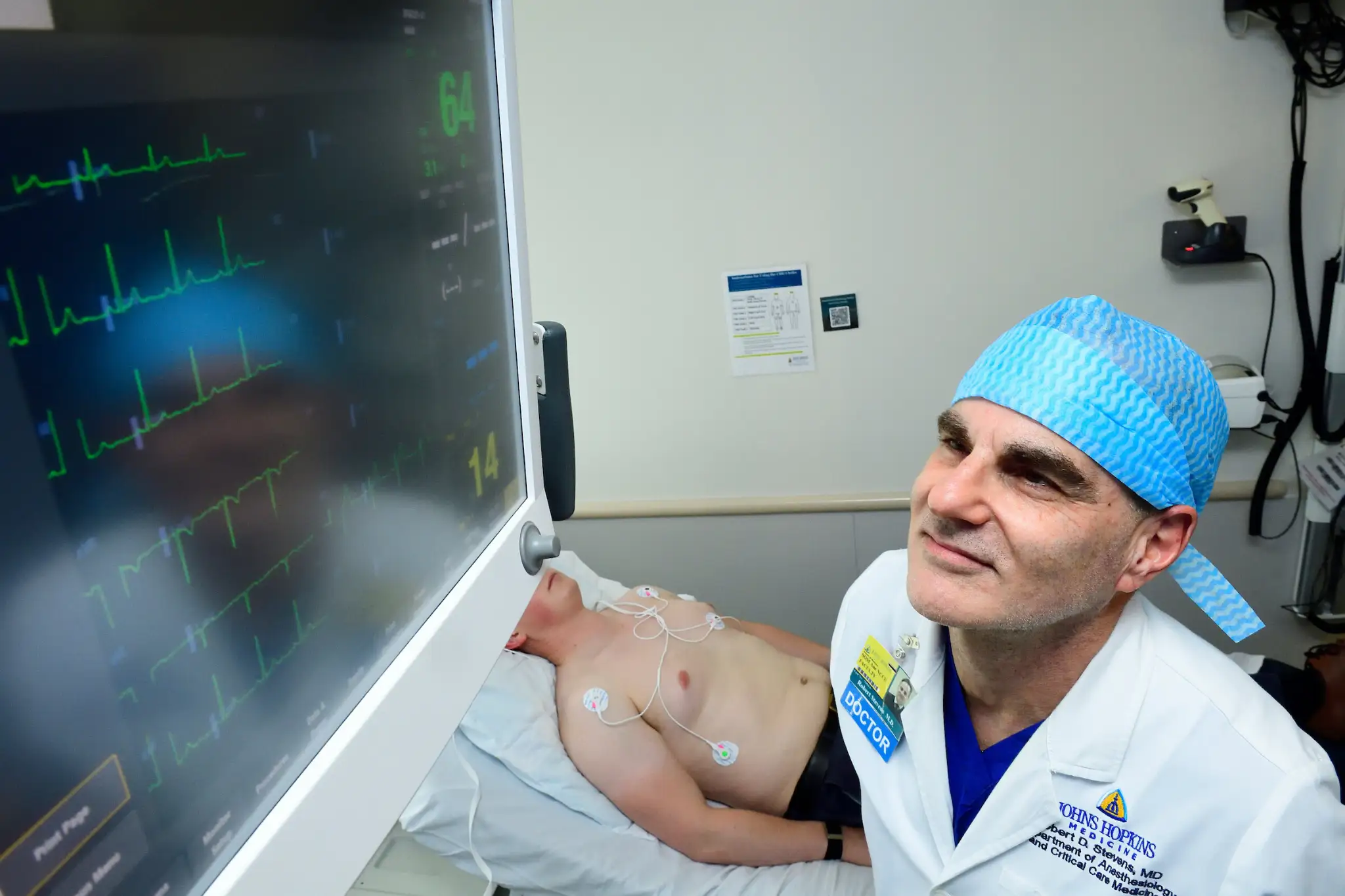
One of the most powerful uses of AI in surgery is its ability to predict potential risks before a procedure takes place. By analyzing patient history, medical conditions, and lifestyle factors, AI systems can identify individuals who are more likely to experience complications. This information allows doctors to take preventive measures and tailor treatment plans to each patient’s specific needs. Pre-surgical preparation plays a critical role in determining how well a patient recovers. Factors such as nutrition, blood sugar levels, and mental health can significantly impact surgical outcomes. AI tools can monitor these factors and provide recommendations to improve a patient’s readiness for surgery. This proactive approach helps reduce complications and increases the chances of a successful recovery.Via Medical Express
Early risk detection also supports better communication between doctors and patients. When potential challenges are identified in advance, patients can make more informed decisions about whether to proceed with surgery. This transparency builds trust and ensures that individuals fully understand the risks and benefits involved in their treatment.
AI Improves Recovery and Rehabilitation
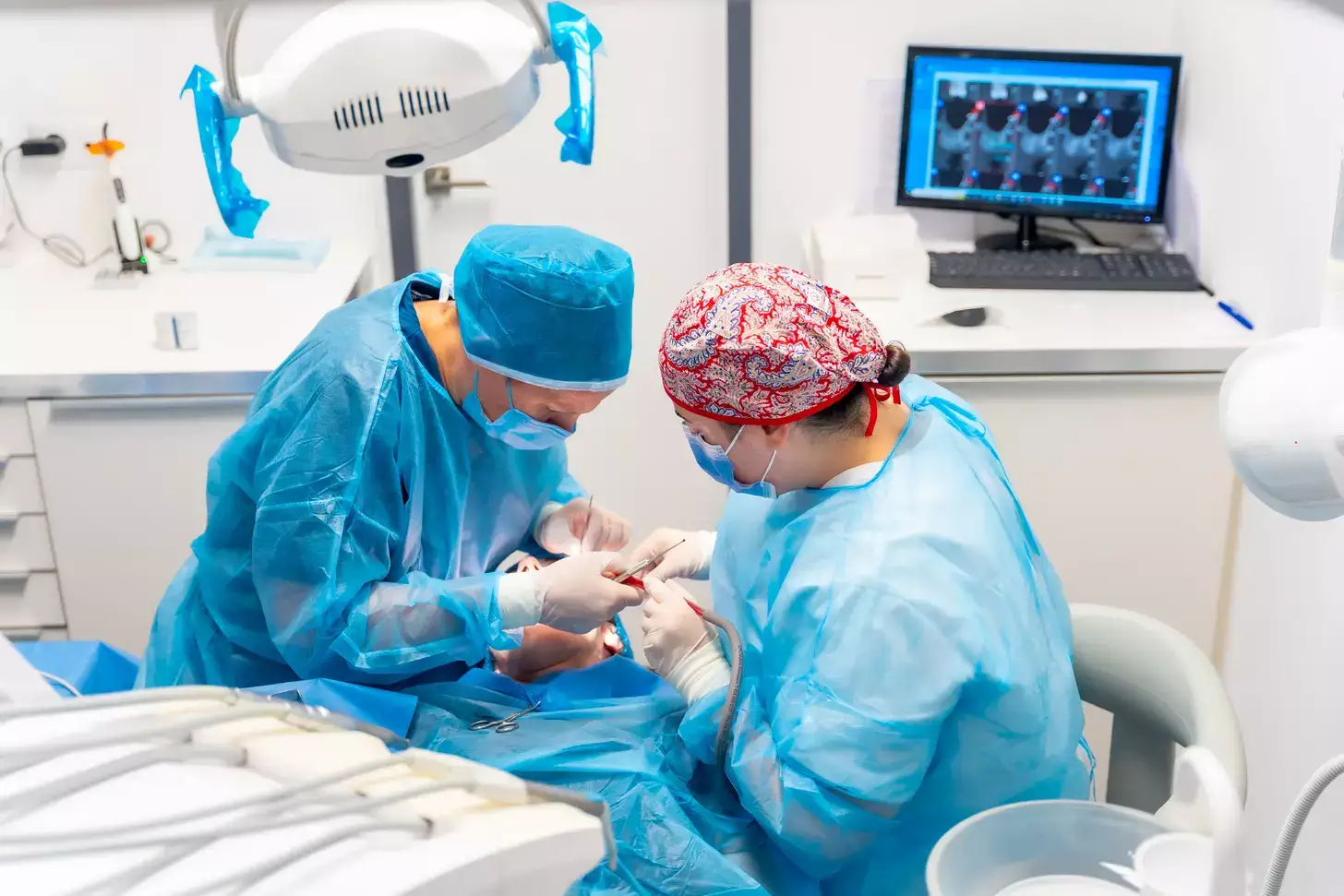
Recovery after surgery is often a long and challenging process that requires consistent effort and monitoring. AI-powered tools are helping patients stay on track by tracking their progress and providing real-time feedback. These systems can measure movement, detect changes in activity levels, and identify signs of delayed recovery. This level of monitoring ensures that problems are addressed before they become serious.Via Liv Hospital
Physical therapy is a key part of recovery, but many patients struggle to follow through with their rehabilitation plans. AI applications can send reminders, guide exercises, and track performance, making it easier for individuals to stay committed. This support helps improve recovery outcomes and reduces the likelihood of long-term complications.
Healthcare providers also benefit from these tools, as they receive alerts when a patient’s recovery is not progressing as expected. This allows for timely intervention and personalized adjustments to treatment plans. By improving communication and monitoring, AI creates a more connected and responsive recovery process.
Via Forbes
AI Is Transforming Surgical Training and Education
Training future surgeons is a complex process that requires years of practice and experience. AI-powered simulators are changing how medical students and residents learn by providing realistic training environments. These systems allow learners to practice procedures repeatedly without risk to real patients, helping them build confidence and skills more effectively. Simulation technology can also provide detailed feedback on performance, highlighting areas for improvement. This level of analysis helps trainees refine their techniques and develop a deeper understanding of surgical procedures. Over time, this leads to better-prepared surgeons who are capable of handling complex situations with greater precision.Via Clatech
AI also supports ongoing education for experienced surgeons by tracking performance and suggesting improvements. This continuous learning approach ensures that medical professionals stay updated with the latest techniques and advancements. As a result, patients benefit from higher standards of care and improved surgical outcomes.
AI Can Guide Better Decision-Making for Patients
Choosing the right surgeon and procedure is one of the most important decisions a patient can make. AI has the potential to provide unbiased recommendations based on data, outcomes, and patient-specific factors. This helps individuals navigate complex medical choices with greater clarity and confidence.Via Pharmaceutical Technology
Many patients feel overwhelmed by the amount of information available when considering surgery. AI tools can simplify this process by presenting clear comparisons of different options, including risks, benefits, and expected outcomes. This makes it easier for patients to understand their choices and select the best path forward.
Emotional support is another area where AI can make a difference. Conversational tools can answer questions, provide reassurance, and guide patients through each stage of the surgical journey. This support helps reduce anxiety and creates a more positive overall experience.
Via Celestial Systems
Ethical Concerns and Risks of AI in Surgery
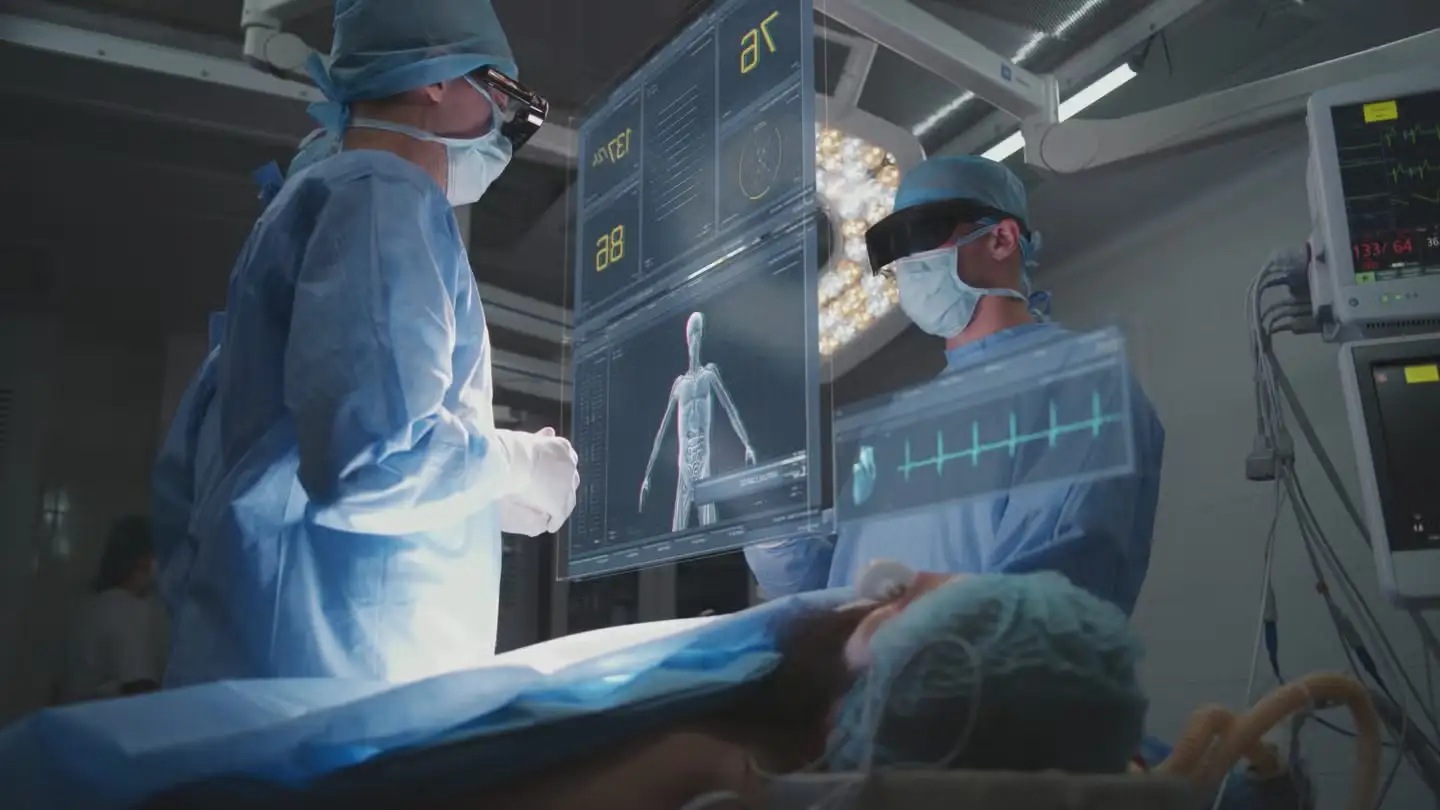
Despite its benefits, the use of AI in surgery raises important ethical concerns that must be addressed. Bias in AI systems is a significant issue, as studies have shown that recommendations can vary based on factors such as race and gender. This can lead to unequal treatment and outcomes if not carefully managed. Responsibility is another concern, especially when errors occur. Determining who is accountable when an AI system makes a mistake can be complex, involving developers, healthcare providers, and institutions. Clear guidelines and regulations are needed to ensure accountability and patient safety.Via The Brighter Side of News
Privacy and data security also play a critical role in the use of AI. These systems rely on large amounts of patient data, making it essential to protect sensitive information. Ensuring transparency and trust in how data is used will be key to the successful integration of AI in healthcare.
The Future of Surgery Lies Beyond the Operating Room
The most significant impact of AI in surgery may not come from robots performing procedures but from improving care before and after surgery. By focusing on prevention, preparation, and recovery, AI has the potential to save millions of lives and reduce healthcare costs. This broader approach highlights the true value of technology in modern medicine.Via Liv Hospital
Many surgical complications can be avoided with better monitoring and early intervention. AI systems that track patient progress and detect warning signs can help prevent serious issues before they develop. This shift toward proactive care represents a major advancement in how surgical outcomes are managed.
The future of surgery will likely involve a combination of human expertise and advanced technology working together. Surgeons will continue to play a central role, supported by AI tools that enhance their abilities and improve patient care. This partnership has the potential to transform healthcare on a global scale.
Via LinkedIn
AI’s Quiet Revolution in Saving Lives
The most powerful changes in surgery may not always capture headlines, but they have the greatest potential to save lives. Small improvements in monitoring, decision-making, and recovery can add up to significant benefits when applied to millions of procedures worldwide. This quiet transformation is already underway and continues to grow. Patients who receive timely support and guidance are more likely to experience successful outcomes. AI tools that provide this support help reduce complications and improve overall quality of life. These advancements show that meaningful progress often comes from consistent, behind-the-scenes improvements rather than dramatic breakthroughs.
Via The News Pakistan
As technology continues to evolve, the role of AI in surgery will expand even further. The focus will remain on improving patient care, reducing risks, and enhancing the overall experience. This ongoing development highlights the importance of using innovation responsibly to create a safer and more effective healthcare system.