Unassigned
How 900 MHz Radiation Causes Bee Starvation

Every day, billions of people hold cell phones close to their bodies. These devices connect us to the world, but they also emit radiofrequency radiation. A recent study from Poland shows this same type of radiation can harm honey bees in shocking ways. Bees are vital for growing food, and if radiation hurts them, it forces us to ask tough questions about our own health and the environment.
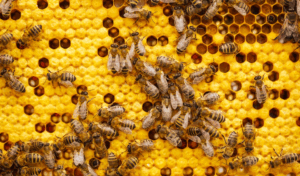 The study used 900 MHz radiation, the frequency common in many cell phones. Researchers tested bees at different strength levels. Even the weakest exposure caused big problems inside the bees' bodies. This damage happened fast, in just one hour, and at levels far below what governments call safe.
 Via pwr edu pl
These levels match what people might encounter near cell towers or while using phones. Bees in the exposed groups sat in the radiation for one hour. Then, researchers checked their bodies for changes in nutrients, energy, and cell health. They looked at proteins, sugars, fats, and protective systems that fight damage.
 Via PerfectBee
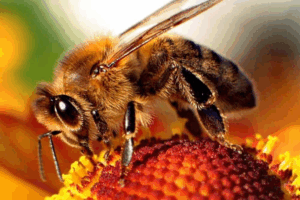
Higher levels caused even more loss. Without enough proteins, bees cannot fly well, gather food, or care for their young. This drop means bees enter a state of starvation at the cell level. Their bodies break down faster than they can rebuild. Over time, a whole hive could weaken and collapse.
 Via Honey Bee Suite
These swings happened in the same group of bees. Imagine driving a car with the gas pedal stuck sometimes and the brake failing at others. Bees faced the same issue inside their bodies. High spikes waste energy and stress cells. Low crashes leave them too weak to move.
 Via News-Medical
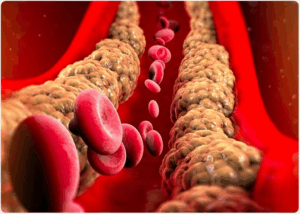
Healthy bees convert food into usable energy smoothly. Radiation acts like a clog in the system. Bees burn fuel without gaining strength, leading to exhaustion. Bees have built-in shields called antioxidants. These chemicals neutralize harmful molecules that damage cells. Think of antioxidants as tiny firefighters putting out sparks before they start blazes. Radiation dimmed these defenses, these defenses.
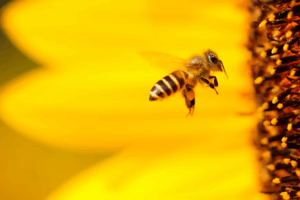 The harm came from the radiation's electric waves scrambling cell signals. Bees navigate using Earth's magnetic field. Radiation might confuse this sense, but the study found direct hits to nutrition. Cells lost control of basic functions like eating and storing food.
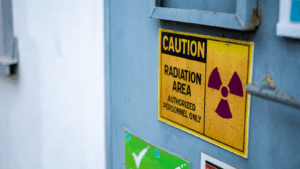 Via EHS Insight
Real life brings constant low-level exposure. Phones in pockets, Wi-Fi at home, towers nearby, all add up. Bees fly through this soup daily. A single bee matters little alone, but hives hold thousands. If many bees face nutrition crashes, the whole colony suffers.
Worker bees feed the queen and larvae. Weak workers bring less pollen and nectar. Young bees grow poorly without proper food. Queens lay fewer eggs. Hives already battle pesticides, parasites, and habitat loss. Add radiation, and collapse becomes likely. Entire colonies can vanish overnight in a crisis called colony collapse disorder.
 Via Mirion Technologies
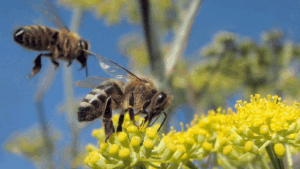 Via PIRG
Studies link heavy phone use to brain tumors and other issues. Radiation might scramble human cell signals, too. Early signs include sleep trouble, headaches, and fatigue. Long-term risks remain unclear but worrisome. Children absorb more radiation due to thinner skulls. Growing bodies may experience more significant impacts over time due to exposure.
 Via Stephen Green and Associates
Beyond the homes, cell towers blanket cities, and rural regions rely on distant masts to maintain coverage. Airplanes now provide in-flight Wi-Fi at 30,000 feet, extending exposure even in the skies. From the pockets to the vehicles, these invisible waves power convenience but keep us immersed in a web of constant radiation.
 Via American Heart Association
Plant bee-friendly flowers like lavender, sunflowers, and clover. Avoid pesticides, especially neonics that harm insects. Provide water sources with pebbles for safe landing. Build bee hotels for solitary species. Reduce lawn mowing to let wildflowers grow. Skip herbicides that kill bee food. Support local beekeepers buying honey. Push for green spaces in cities.
 Via The New Yorker
Lower exposure limits to match new findings. Require warning labels on phones about radiation. Ban phones in schools or limit child use. Promote wired internet in public buildings. Tax wireless companies to fund pollinator habitats. Reward farmers who protect bees. Public concern grows as evidence mounts. People want transparency and accountability from tech industries.
Environmental groups urge stronger regulations to protect pollinators and humans alike. Schools and communities are beginning to discuss safe technology habits. Scientists stress collaboration between biologists, engineers, and policymakers to balance progress with ecology. By integrating research, regulation, and education, societies can advance responsibly, preserving both innovation and the natural systems that sustain life.
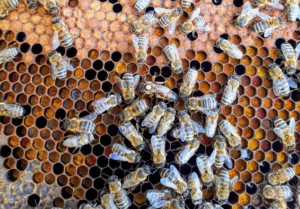
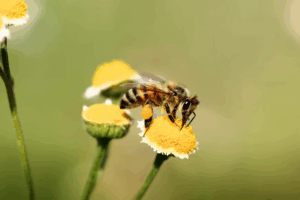 Together, society balances progress with protection. Encourage schools to teach digital safety and environmental awareness early. Push manufacturers to publish transparent radiation data for every new device.
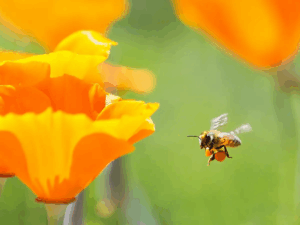 Via New Scientist
Nature and innovation coexist, each strengthening the other instead of competing. Radiation is harnessed responsibly, serving humanity without harming the delicate systems that sustain life. The choice begins today. Each person can question daily habits, seek honest answers, and act with awareness.
Supporting cleaner technology, protecting pollinators, and reducing exposure all matter. Bees are more than insects; they are indicators of balance on Earth. When they thrive, so do we. Protecting them means protecting ourselves, the food, and the planet’s future. Together, small, mindful choices can shape a healthier, more sustainable world for generations to come.
More in Unassigned
The study used 900 MHz radiation, the frequency common in many cell phones. Researchers tested bees at different strength levels. Even the weakest exposure caused big problems inside the bees' bodies. This damage happened fast, in just one hour, and at levels far below what governments call safe.
How the Study Worked
Scientists at Wrocław University wanted to understand how phone-like radiation affects bees. They chose honey bees because these insects play a huge role in nature. The team built a special setup to mimic real-world conditions. They divided bees into groups. Other groups faced electric field strengths of 12 volts per meter, 28 volts per meter, and 61 volts per meter.
Via pwr edu pl
These levels match what people might encounter near cell towers or while using phones. Bees in the exposed groups sat in the radiation for one hour. Then, researchers checked their bodies for changes in nutrients, energy, and cell health. They looked at proteins, sugars, fats, and protective systems that fight damage.
Shocking Drops in Vital Proteins
Proteins build and repair every part of a bee's body. They help muscles work, carry messages, and fight illness. In the study, radiation slashed protein levels dramatically. At the lowest exposure of 12 volts per meter, bees lost 59 percent of their essential proteins.
Via PerfectBee
Higher levels caused even more loss. Without enough proteins, bees cannot fly well, gather food, or care for their young. This drop means bees enter a state of starvation at the cell level. Their bodies break down faster than they can rebuild. Over time, a whole hive could weaken and collapse.
Wild Swings in Glucose Levels
Glucose acts like fuel for bees. It powers their wings during flight and keeps their brains sharp. Normally, bees keep glucose steady through careful eating and storage. Radiation threw this balance into chaos. At 12 volts per meter, some bees saw glucose jump 60 percent higher than normal. Others dropped 47 percent below normal.
Via Honey Bee Suite
These swings happened in the same group of bees. Imagine driving a car with the gas pedal stuck sometimes and the brake failing at others. Bees faced the same issue inside their bodies. High spikes waste energy and stress cells. Low crashes leave them too weak to move.
Disruption to Triglycerides and Fats
Triglycerides store energy as fat. Bees rely on these reserves during winter or long flights. The study found radiation messed up triglyceride levels, too. Exposed bees showed uneven fat breakdown. Some fats vanished quickly, while others built up in the wrong places. This imbalance starves energy-hungry tissues like flight muscles.
Via News-Medical
Healthy bees convert food into usable energy smoothly. Radiation acts like a clog in the system. Bees burn fuel without gaining strength, leading to exhaustion. Bees have built-in shields called antioxidants. These chemicals neutralize harmful molecules that damage cells. Think of antioxidants as tiny firefighters putting out sparks before they start blazes. Radiation dimmed these defenses, these defenses.
Why One Hour Matters So Much
Most safety rules focus on heat from radiation. Phones get warm, but rules say that is the main risk. This study looked deeper into non-heating effects on biology. Changes appeared after just 60 minutes. Bees did not overheat; their temperature stayed normal.
The harm came from the radiation's electric waves scrambling cell signals. Bees navigate using Earth's magnetic field. Radiation might confuse this sense, but the study found direct hits to nutrition. Cells lost control of basic functions like eating and storing food.
Levels Far Below Safety Limits
Current guidelines set safe radiation at around 12,000 volts per meter for short exposure. The bees suffered at 12 volts per meter, 1,000 times lower. This gap raises doubts about safety standards. Rules protect against burns, not subtle cell changes. Bees reacted anyway, showing that guidelines miss important dangers.
Via EHS Insight
Real life brings constant low-level exposure. Phones in pockets, Wi-Fi at home, towers nearby, all add up. Bees fly through this soup daily. A single bee matters little alone, but hives hold thousands. If many bees face nutrition crashes, the whole colony suffers.
Worker bees feed the queen and larvae. Weak workers bring less pollen and nectar. Young bees grow poorly without proper food. Queens lay fewer eggs. Hives already battle pesticides, parasites, and habitat loss. Add radiation, and collapse becomes likely. Entire colonies can vanish overnight in a crisis called colony collapse disorder.
Via Mirion Technologies
Bees and the Food Supply
Honey bees pollinate crops worth billions yearly. They visit almonds, apples, berries, and more. One-third of food bites rely on bee visits. Fewer healthy bees mean lower harvests. Prices rise for fruits, nuts, and vegetables. Farmers pay more for rented hives. Some crops fail without enough pollinators. Wild bees help, too, but honey bees do heavy lifting for farms. Radiation threats to bees ripple to grocery stores and dinner tables. Bees are small and sensitive, but humans share similar biology. You utilize proteins, glucose, fats, and antioxidants similarly. The World Health Organization lists cellphone radiation as possibly cancer-causing.
Via PIRG
Studies link heavy phone use to brain tumors and other issues. Radiation might scramble human cell signals, too. Early signs include sleep trouble, headaches, and fatigue. Long-term risks remain unclear but worrisome. Children absorb more radiation due to thinner skulls. Growing bodies may experience more significant impacts over time due to exposure.
Everyday Sources of Radiation
Every day of life surrounds us with radiation sources. Cell phones lead the list, but cordless phones, baby monitors, and smart meters also emit similar waves. Wi-Fi routers constantly beam signals, while laptops, tablets, and smartwatches stay connected wirelessly. Even modern cars come equipped with Bluetooth and cellular systems.
Via Stephen Green and Associates
Beyond the homes, cell towers blanket cities, and rural regions rely on distant masts to maintain coverage. Airplanes now provide in-flight Wi-Fi at 30,000 feet, extending exposure even in the skies. From the pockets to the vehicles, these invisible waves power convenience but keep us immersed in a web of constant radiation.
Steps to Lower Personal Exposure
Simple changes cut risks without ditching technology. Use speakerphone or wired earbuds to keep phones away from the head. Text instead of calling when possible. Shorter calls mean less exposure. Turn off Wi-Fi and Bluetooth when not needed. Avoid sleeping with phones under pillows. Charge devices across the room. Use airplane mode at night.
Via American Heart Association
Plant bee-friendly flowers like lavender, sunflowers, and clover. Avoid pesticides, especially neonics that harm insects. Provide water sources with pebbles for safe landing. Build bee hotels for solitary species. Reduce lawn mowing to let wildflowers grow. Skip herbicides that kill bee food. Support local beekeepers buying honey. Push for green spaces in cities.
Calls for Better Research
The Polish study opens doors, but more work follows. Test other frequencies like 5G's higher bands. Study long-term hive effects over seasons. Include wild bees and butterflies. Check soil microbes that bees rely on. Governments fund independent science free from industry influence. Update safety rules based on biology, not just heat.
Via The New Yorker
Lower exposure limits to match new findings. Require warning labels on phones about radiation. Ban phones in schools or limit child use. Promote wired internet in public buildings. Tax wireless companies to fund pollinator habitats. Reward farmers who protect bees. Public concern grows as evidence mounts. People want transparency and accountability from tech industries.
Environmental groups urge stronger regulations to protect pollinators and humans alike. Schools and communities are beginning to discuss safe technology habits. Scientists stress collaboration between biologists, engineers, and policymakers to balance progress with ecology. By integrating research, regulation, and education, societies can advance responsibly, preserving both innovation and the natural systems that sustain life.
Technology That Reduces Harm
Engineers design lower-radiation phones. Some models emit less while working fine. Fiber optic cables replace wireless where possible. Wired connections avoid airwaves. Apps track personal exposure. Devices warn when levels climb too high. Knowledge empowers change. Share the bee study with friends. Discuss at community meetings. Vote for leaders who prioritize health over convenience. Support groups fighting for safer tech. Small actions add up.
Together, society balances progress with protection. Encourage schools to teach digital safety and environmental awareness early. Push manufacturers to publish transparent radiation data for every new device.
Explore the Link Between Phone Radiation and Bees
Imagine fields alive with the steady hum of strong, healthy bees. Crops flourish, fruit trees burst with color, and food remains plentiful and affordable for everyone. In this vision, people use technology wisely, benefiting from its power without fearing its hidden costs. Science leads the way with safer designs, ensuring progress respects natural limits.
Via New Scientist
Nature and innovation coexist, each strengthening the other instead of competing. Radiation is harnessed responsibly, serving humanity without harming the delicate systems that sustain life. The choice begins today. Each person can question daily habits, seek honest answers, and act with awareness.
Supporting cleaner technology, protecting pollinators, and reducing exposure all matter. Bees are more than insects; they are indicators of balance on Earth. When they thrive, so do we. Protecting them means protecting ourselves, the food, and the planet’s future. Together, small, mindful choices can shape a healthier, more sustainable world for generations to come.