Unassigned
How 3 Minutes of Meditation Affects the Brain
Recent scientific findings reveal that meditation begins to influence brain activity far faster than most people expect. Within just two to three minutes, noticeable shifts can be detected in brainwave patterns, indicating a transition toward a calmer and more focused mental state. This discovery challenges the common belief that meditation requires long sessions to be effective.
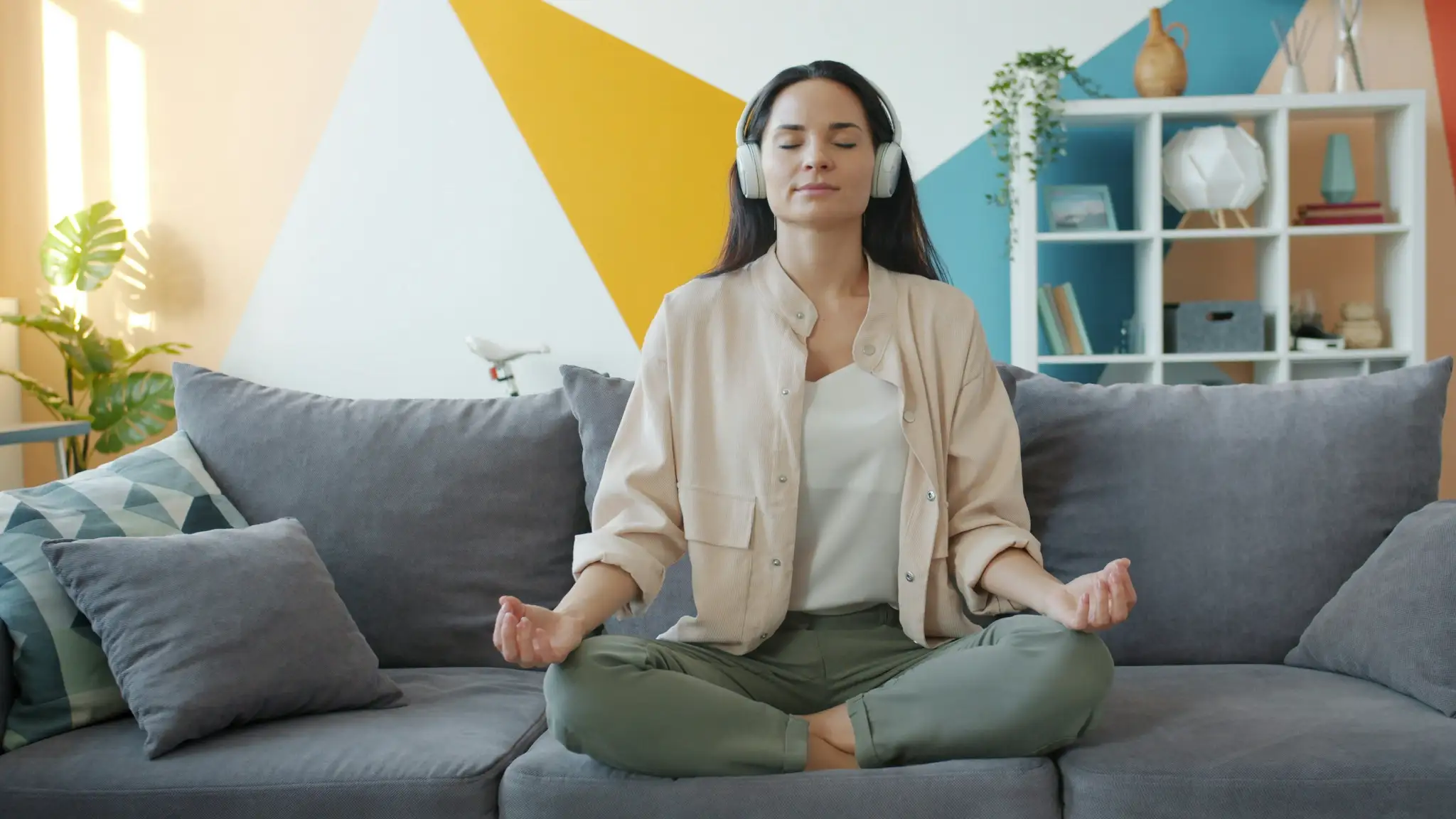
Even short periods can trigger meaningful changes, making the practice more accessible to beginners and busy individuals. Researchers used electroencephalography, a method that measures electrical activity in the brain, to track how participants responded during meditation.
 Via Medium
The results showed a consistent pattern across individuals, regardless of experience level. Brainwaves associated with relaxation and awareness increased rapidly, suggesting that the mind responds almost immediately to focused breathing and stillness. This rapid shift highlights the brain’s natural ability to adapt and settle when given the right conditions.
The study also found that these changes become stronger as meditation continues. While the first few minutes spark the initial shift, the most noticeable effects often peak between seven and ten minutes. This progression shows that even a brief session can be valuable, while slightly longer practice can deepen the benefits. Such findings make meditation a practical tool for daily mental wellness.
 Via Washington Post
 Via Science News
Despite these differences, the majority showed similar patterns of brain activity within minutes. This consistency suggests that meditation is not limited to experts and can be effective for anyone willing to try it. Advanced practitioners demonstrated even faster responses, with measurable changes appearing in as little as 30 seconds.
This finding suggests that regular meditation may train the brain to enter a relaxed state more easily over time. Long-term practice appears to reshape how the brain rests, making calmness more accessible even outside meditation sessions.
 Via Mind Owl
 Via Mindful.org
One reason breath watching has gained popularity is its simplicity. Beginners often find it easier to focus on breathing than on complex instructions or visualizations. This approach creates a natural entry point into meditation, allowing people to experience its benefits without feeling intimidated or unsure of what to do.
 Via Duke Health & Wellness
The practice also helps break the cycle of constant thinking. The human mind tends to wander between past events and future worries, which can lead to anxiety. By focusing on breathing, attention is brought back to the present moment. This shift reduces mental clutter and allows thoughts to pass without becoming overwhelming.
This habit of returning to the breath strengthens mental discipline. People become better at noticing distractions and letting them go. This improved awareness can extend beyond meditation sessions, helping individuals stay calm and focused in daily life situations.
 Via Organic Spa Magazine
 Via Verywell Mind
Setting a small daily goal can help build a habit. Starting with two to five minutes is enough to experience early benefits. As comfort grows, the duration can gradually increase. Regular practice creates a routine that supports both mental clarity and emotional balance.
 Via Scarlet Society
Practicing mindfulness helps reduce stress by encouraging acceptance rather than resistance. When people observe their thoughts instead of reacting to them, they gain a sense of control. This awareness can prevent small worries from turning into larger sources of anxiety. It also improves emotional regulation and decision-making.
Mindfulness supports overall well-being by creating a deeper connection with daily experiences. Simple moments become more meaningful, and distractions lose their power. This shift can lead to increased satisfaction and a greater sense of calm throughout the day.
 Via Creating Connection
 Via Yoga Journal
Digital tools also help track progress and encourage regular practice. Setting daily goals and receiving reminders can create a sense of accountability. While technology is not required for meditation, it can serve as a helpful support system for those starting their journey.
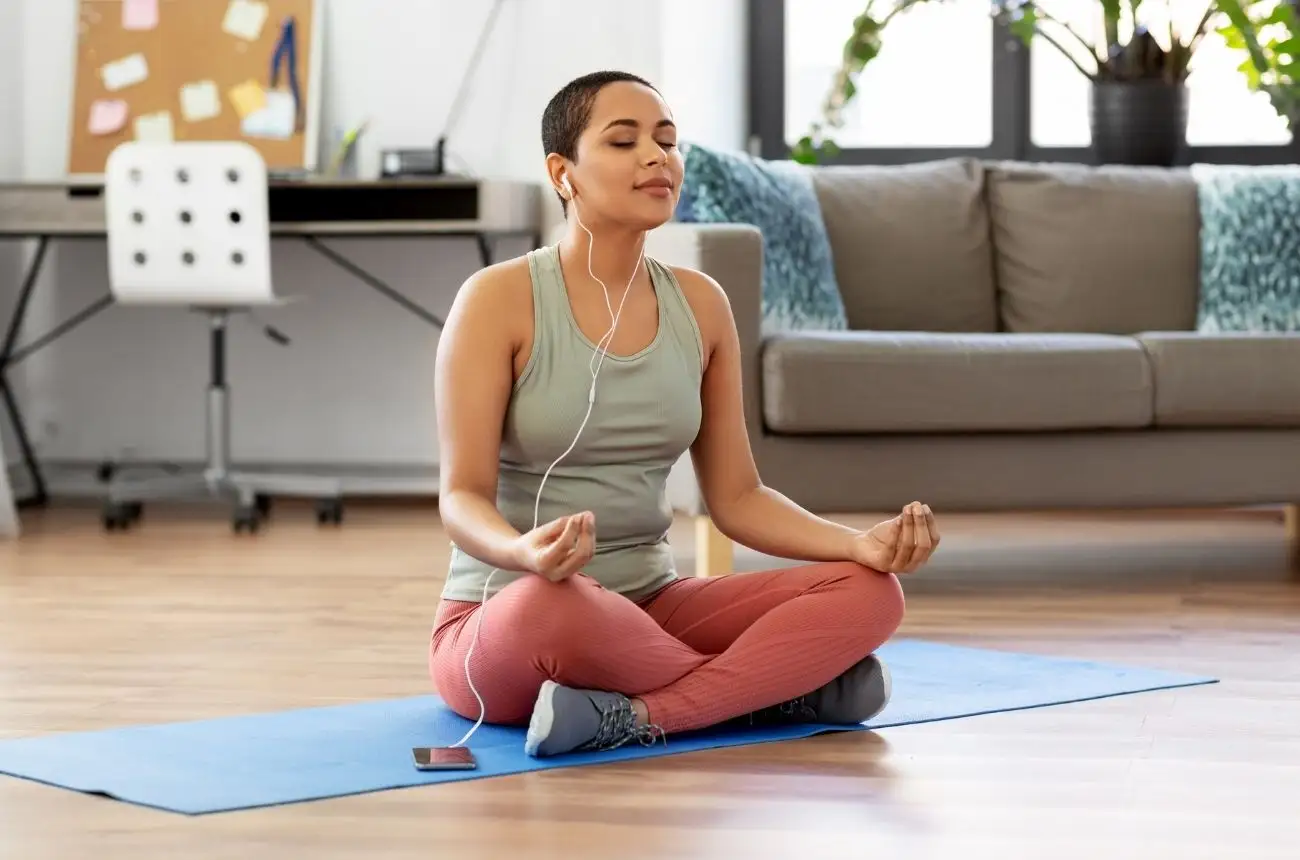 Via The Fit Way
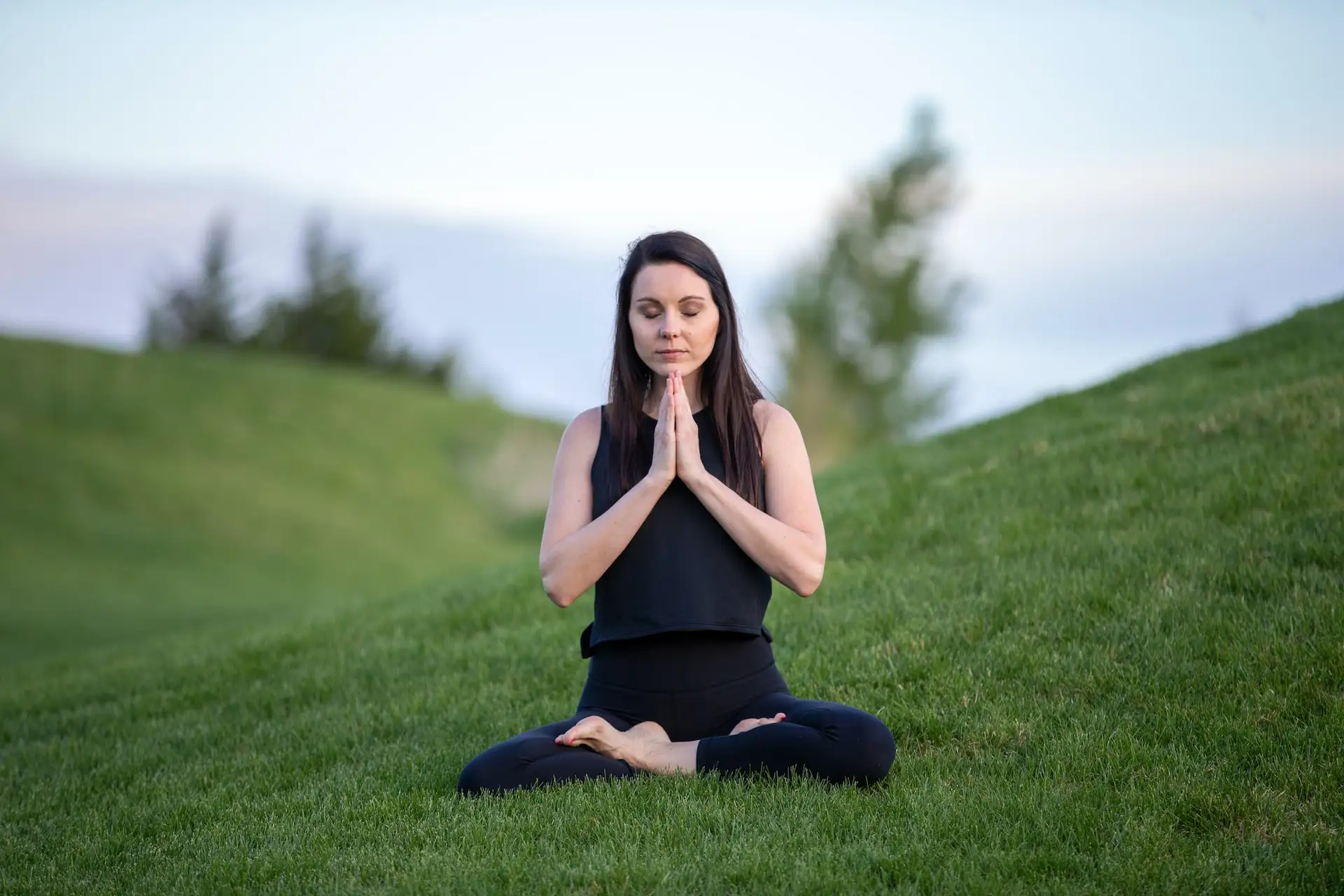
Research shows that these brief sessions can still trigger meaningful changes in brain activity. The ability to shift into a relaxed state quickly highlights the efficiency of meditation. It proves that quality of attention matters more than duration, especially in the early stages of practice.
Regular short sessions can build a strong foundation for long-term habits. As the mind becomes more familiar with the process, it becomes easier to enter a meditative state. This consistency leads to lasting improvements in mental clarity and emotional stability.
 Via OM Stars
 Via Leva App
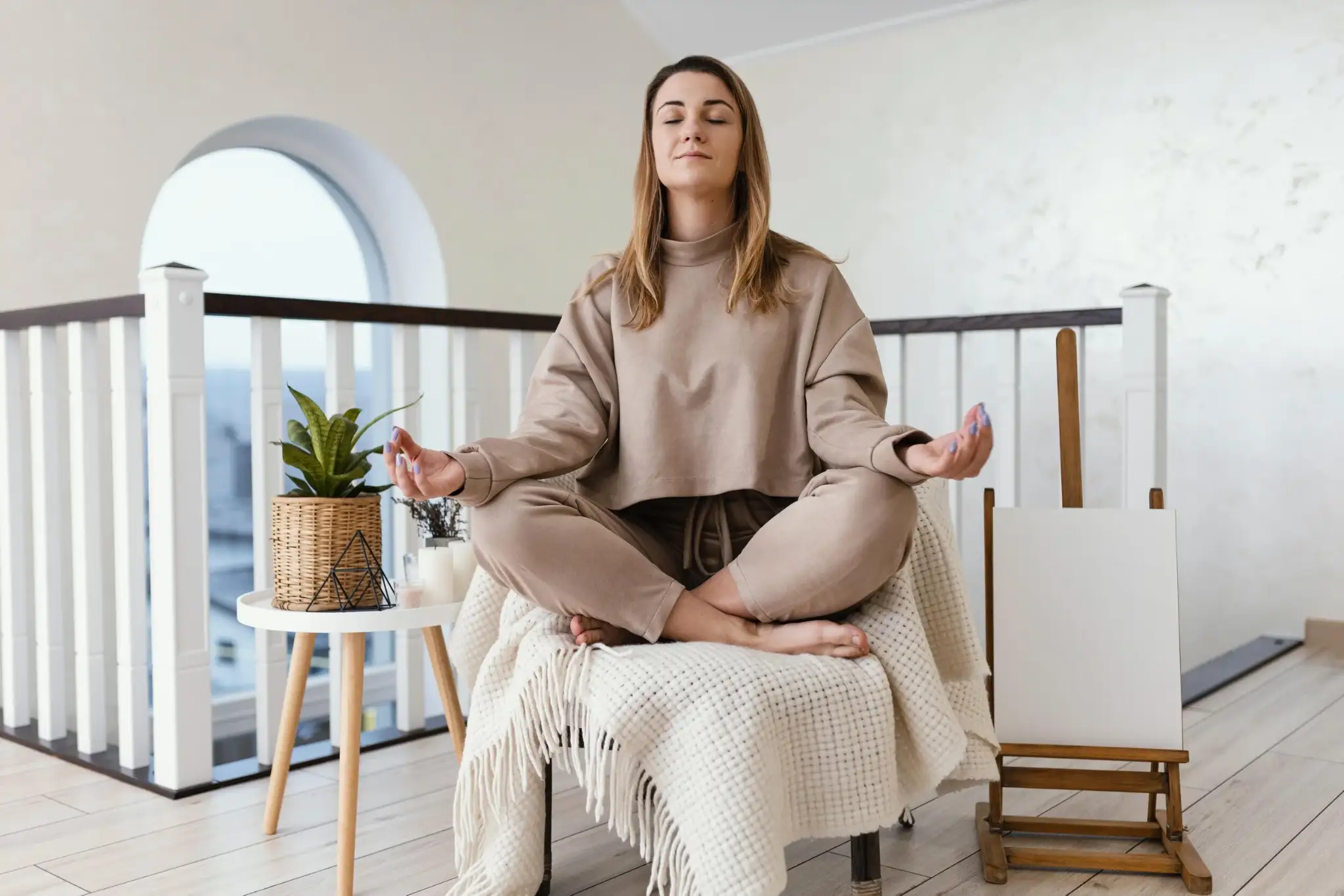
Tracking progress can provide motivation and a sense of achievement. Noticing improvements in focus, mood, or stress levels reinforces the value of meditation. Over time, the practice becomes a natural part of daily life, offering lasting benefits for both the mind and body.
 Via Mega Life Sciences
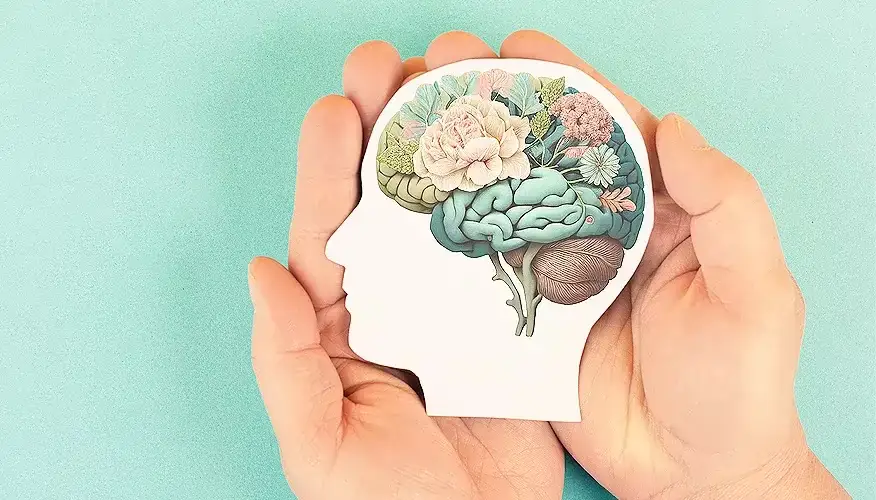
The practice also encourages self-awareness, allowing people to better understand their thoughts and emotions. This awareness can lead to healthier responses and improved relationships. By creating space between thoughts and reactions, meditation helps prevent impulsive behavior and emotional overwhelm.
Long-term practice can lead to lasting changes in how the brain functions. Increased focus, improved memory, and greater emotional resilience are common benefits. These changes highlight the powerful impact meditation can have on both mental and emotional health, even when practiced for just a few minutes each day.
More in UnassignedVia Medium
The results showed a consistent pattern across individuals, regardless of experience level. Brainwaves associated with relaxation and awareness increased rapidly, suggesting that the mind responds almost immediately to focused breathing and stillness. This rapid shift highlights the brain’s natural ability to adapt and settle when given the right conditions.
The study also found that these changes become stronger as meditation continues. While the first few minutes spark the initial shift, the most noticeable effects often peak between seven and ten minutes. This progression shows that even a brief session can be valuable, while slightly longer practice can deepen the benefits. Such findings make meditation a practical tool for daily mental wellness.
Via Washington Post
Understanding the Science Behind Brainwave Changes
Brainwaves play a key role in how people think, feel, and respond to the world. During meditation, these waves shift from patterns linked to stress and distraction toward those associated with calmness and clarity. Scientists observed increased activity in alpha and theta waves, which are often connected to relaxation, creativity, and reduced anxiety. These changes explain why meditation can quickly create a sense of peace. The research included nearly 100 participants with varying levels of meditation experience. Some had never meditated before, while others had practiced for years.
Via Science News
Despite these differences, the majority showed similar patterns of brain activity within minutes. This consistency suggests that meditation is not limited to experts and can be effective for anyone willing to try it. Advanced practitioners demonstrated even faster responses, with measurable changes appearing in as little as 30 seconds.
This finding suggests that regular meditation may train the brain to enter a relaxed state more easily over time. Long-term practice appears to reshape how the brain rests, making calmness more accessible even outside meditation sessions.
Via Mind Owl
What Is Breath Watching Meditation
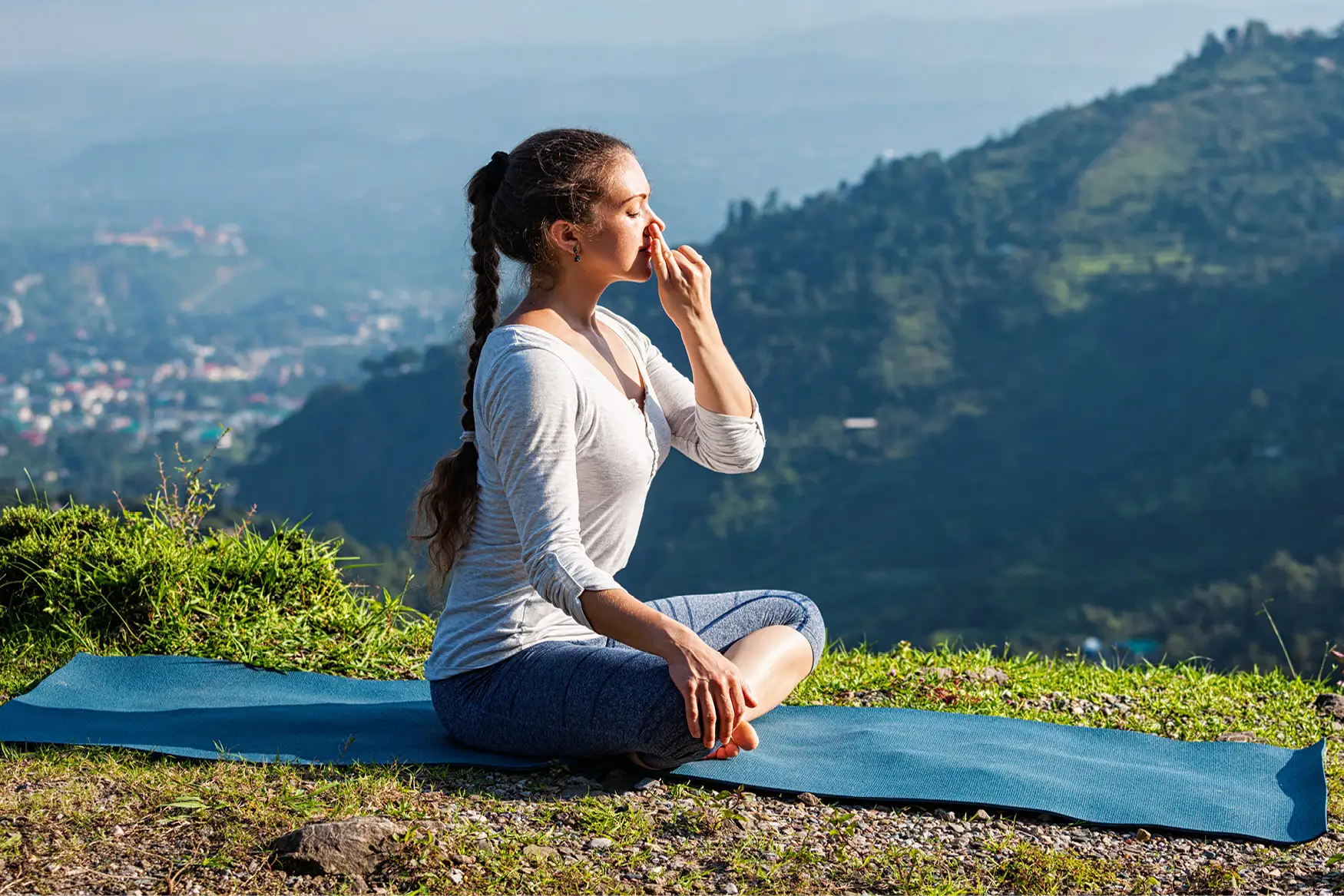
Breath watching is a simple yet powerful form of meditation that focuses on observing the natural rhythm of breathing. Instead of controlling the breath, attention is gently placed on each inhale and exhale. This technique has roots in ancient Buddhist and Yogic traditions, where it has been practiced for centuries as a way to develop awareness and inner balance. The method is straightforward and does not require special equipment or a specific environment. People are encouraged to sit comfortably and notice the sensation of breathing. When thoughts arise, attention is calmly redirected back to the breath without judgment. This repeated process helps train the mind to stay present and reduces the tendency to become overwhelmed by distractions.Via Mindful.org
One reason breath watching has gained popularity is its simplicity. Beginners often find it easier to focus on breathing than on complex instructions or visualizations. This approach creates a natural entry point into meditation, allowing people to experience its benefits without feeling intimidated or unsure of what to do.
Why Breath Awareness Works So Effectively
Breath awareness works because it connects directly to the body’s natural rhythms. Breathing is constant and always available as a point of focus, making it an ideal anchor for attention. When people concentrate on their breath, the nervous system begins to slow down, reducing stress and promoting relaxation. This physical response supports the mental calmness that meditation aims to achieve.Via Duke Health & Wellness
The practice also helps break the cycle of constant thinking. The human mind tends to wander between past events and future worries, which can lead to anxiety. By focusing on breathing, attention is brought back to the present moment. This shift reduces mental clutter and allows thoughts to pass without becoming overwhelming.
This habit of returning to the breath strengthens mental discipline. People become better at noticing distractions and letting them go. This improved awareness can extend beyond meditation sessions, helping individuals stay calm and focused in daily life situations.
Via Organic Spa Magazine
How to Start Meditation at Home
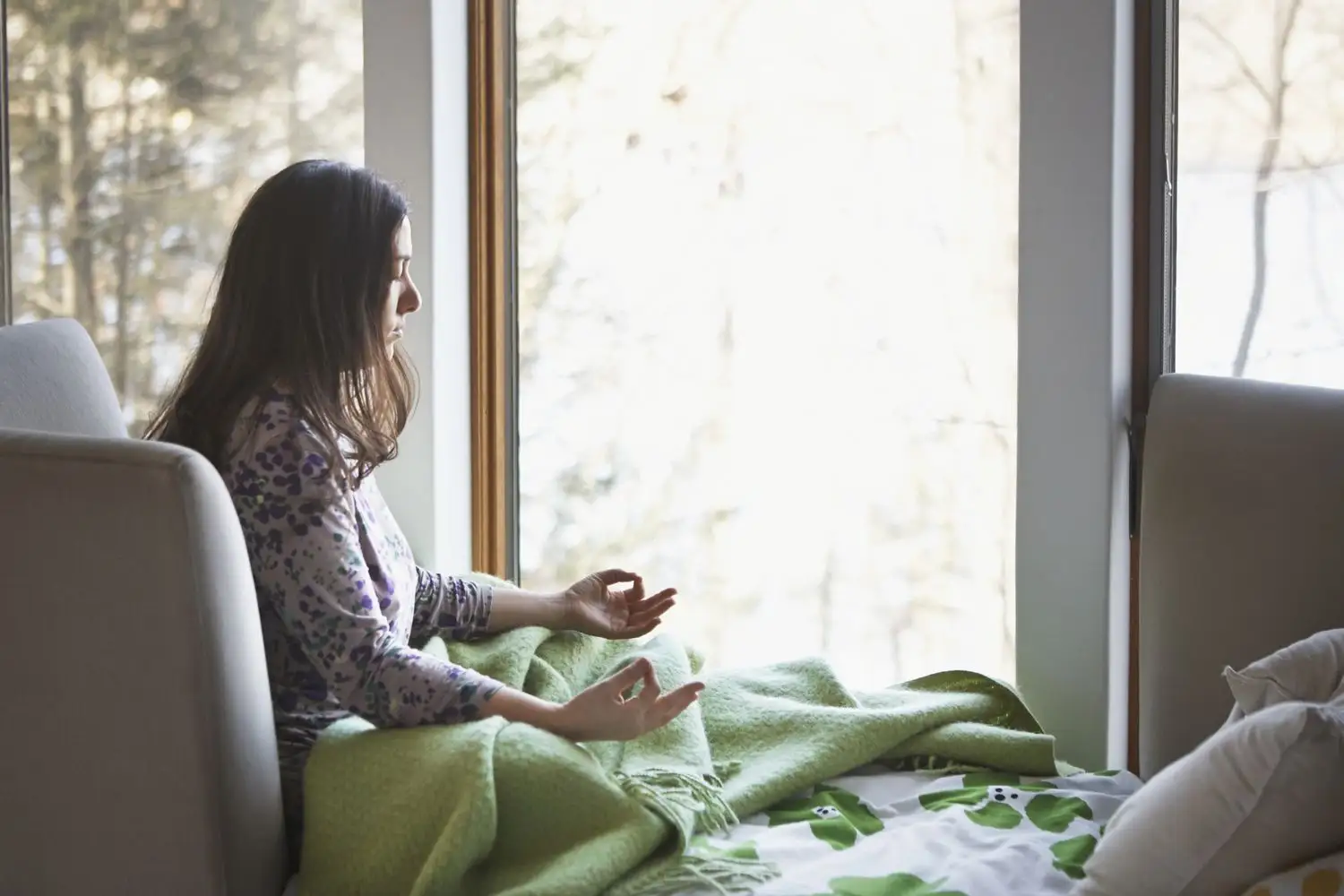
Starting a meditation practice at home is simple and requires only a few minutes each day. A quiet space can help, but it is not essential. Sitting comfortably with a straight posture allows the body to relax while remaining alert. Closing the eyes or keeping them softly focused can reduce distractions and support concentration. Begin by paying attention to the natural flow of breathing. Notice how the air moves in and out without trying to control it. When thoughts appear, gently acknowledge them and return attention to the breath. This process may feel challenging at first, but it becomes easier with practice. Consistency matters more than perfection.Via Verywell Mind
Setting a small daily goal can help build a habit. Starting with two to five minutes is enough to experience early benefits. As comfort grows, the duration can gradually increase. Regular practice creates a routine that supports both mental clarity and emotional balance.
The Role of Mindfulness in Daily Life
Mindfulness is closely related to meditation and focuses on being fully present in the current moment. It involves noticing thoughts, feelings, and surroundings without judgment. This approach can be practiced at any time, whether eating, walking, or working. It transforms everyday activities into opportunities for awareness.Via Scarlet Society
Practicing mindfulness helps reduce stress by encouraging acceptance rather than resistance. When people observe their thoughts instead of reacting to them, they gain a sense of control. This awareness can prevent small worries from turning into larger sources of anxiety. It also improves emotional regulation and decision-making.
Mindfulness supports overall well-being by creating a deeper connection with daily experiences. Simple moments become more meaningful, and distractions lose their power. This shift can lead to increased satisfaction and a greater sense of calm throughout the day.
Via Creating Connection
Using Technology to Support Meditation
Modern technology offers many tools that make meditation easier to start and maintain. Mobile apps provide guided sessions, timers, and reminders that help build consistency. These features are especially useful for beginners who may feel unsure about how to practice on their own. Guided meditations often include instructions from experienced teachers, making it easier to stay focused. Different themes are available, such as stress relief, sleep improvement, and concentration. This variety allows people to explore different approaches and find what works best for their needs.Via Yoga Journal
Digital tools also help track progress and encourage regular practice. Setting daily goals and receiving reminders can create a sense of accountability. While technology is not required for meditation, it can serve as a helpful support system for those starting their journey.
Benefits of Short Meditation Sessions
Short meditation sessions offer a practical way to experience the benefits without requiring large time commitments. Even a few minutes can reduce stress, improve focus, and create a sense of calm. This makes meditation accessible to people with busy schedules who may struggle to find longer periods of free time.Via The Fit Way
Research shows that these brief sessions can still trigger meaningful changes in brain activity. The ability to shift into a relaxed state quickly highlights the efficiency of meditation. It proves that quality of attention matters more than duration, especially in the early stages of practice.
Regular short sessions can build a strong foundation for long-term habits. As the mind becomes more familiar with the process, it becomes easier to enter a meditative state. This consistency leads to lasting improvements in mental clarity and emotional stability.
Via OM Stars
Building a Long-Term Meditation Habit
Developing a lasting meditation habit requires patience and consistency. Starting small helps avoid feeling overwhelmed. Choosing a specific time each day, such as morning or evening, can create a routine that becomes easier to maintain over time. Creating a comfortable environment can also support regular practice. A quiet corner, a cushion, or a chair can serve as a dedicated space for meditation. This physical setup signals the mind to relax and focus, making it easier to settle into the practice.Via Leva App
Tracking progress can provide motivation and a sense of achievement. Noticing improvements in focus, mood, or stress levels reinforces the value of meditation. Over time, the practice becomes a natural part of daily life, offering lasting benefits for both the mind and body.
Why Meditation Matters for Mental Health
Meditation plays an important role in supporting mental health by reducing stress and improving emotional balance. It helps calm the nervous system, which can lower feelings of anxiety and tension. This effect makes it a valuable tool for managing daily challenges and maintaining overall well-being.
Via Mega Life Sciences
The practice also encourages self-awareness, allowing people to better understand their thoughts and emotions. This awareness can lead to healthier responses and improved relationships. By creating space between thoughts and reactions, meditation helps prevent impulsive behavior and emotional overwhelm.
Long-term practice can lead to lasting changes in how the brain functions. Increased focus, improved memory, and greater emotional resilience are common benefits. These changes highlight the powerful impact meditation can have on both mental and emotional health, even when practiced for just a few minutes each day.