Unassigned
Fossil Find - New Sharks in Mammoth Cave System

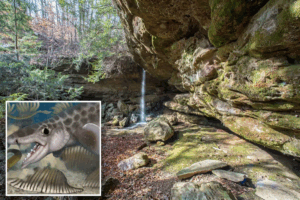
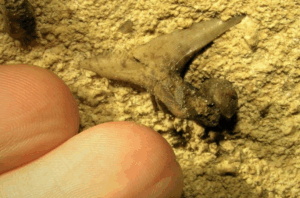
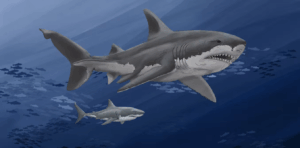
Deep under the forests of Kentucky, scientists have found something amazing. In Mammoth Cave, the longest cave system in the world, they uncovered fossils of ancient sharks that lived over 325 million years ago. These sharks swam in warm seas when much of North America was underwater. The two main ones are called Troglocladodus trimblei and Glikmanius careforum.
Each was about 10 to 12 feet long, the size of a small car. This find happened during a special project to check for old bones in the cave. The fossils include teeth, jaws, and even parts of gills, which are rare because shark bodies are mostly soft cartilage that doesn't last well.
 Via New York Post
The cave kept them safe from the weather and people for millions of years. Now, over 70 kinds of old fish have been found there, making it a top spot for learning about the past. This discovery shows how caves can hide secrets from long ago, helping you understand how life changed on Earth.
 Via National Park Service
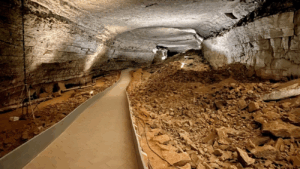
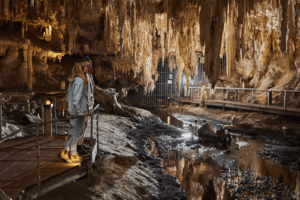
Native Americans used it long ago, and explorers mapped it in the 1800s. Today, visitors can tour parts of it, seeing big rooms, narrow paths, and underground rivers. But scientists go deeper to study fossils. The cave's layers of rock tell stories from different times in history. During the Carboniferous period, the area was a shallow sea full of life.
When the sea dried up, the animals' remains got buried in the mud, which turned into rock. That's why fossils like shark teeth are stuck in the walls and floors. The park works with experts to carefully remove and study them without harming the cave.
 Via Capes Foundation
 Via Owlcation
This changed the seas and helped new animals evolve. The fossils in Mammoth Cave come from the Mississippian part of this period, around 325 to 340 million years ago. It was before dinosaurs, when amphibians first walked on land. Understanding this time helps people see how life adapts to changing worlds.
 Via Fox Weather
Its teeth were sharp for grabbing prey. Fossils came from rock layers in Mammoth Cave and nearby Alabama. Both adult and baby teeth were found, showing how they grew. This shark belonged to a group called ctenacanths, which had spines on their fins for protection.
They swam in an ancient sea that connected parts of North America, Europe, and Africa. Finding this shark helps fill gaps in how early sharks lived and hunted. It's exciting because caves don't usually have such well-kept fossils. Scientists used special tools to study the teeth and learn about their diet and home.
 Via TwistedSifter
 Via Popular Science
The rare cartilage fossils give clues about its body shape and how it breathed. This finding changes what you know about when these sharks first showed up. Teams from parks and universities worked together to identify it. It's a reminder that even old rocks can surprise you with new stories.
 Via Live Science
Another one is Macadens olsoni, less than a foot long, with a curved row of teeth for smashing mollusks and worms. Named after the cave and a scientist named Olson. They lived in warm reefs with corals and crinoids. Also, an old shark called Helodus coxanus got renamed Rotuladens, meaning "wheel tooth."
 Via Smithsonian Magazine
Caves protect fossils from rain, wind, and sun that wear away fossils outside. The dark, cool conditions slow down decay. Shark skeletons are cartilage, not bone, so they rarely fossilize. But here, minerals replaced the soft parts, keeping shapes like jaws and gills. The rock layers, like St. Louis and Ste. Genevieve Formations trapped them perfectly.
Scientists collect samples carefully, using brushes and tools to avoid damage. This preservation lets you see details like tooth shapes and spine marks. Without the cave's shelter, these clues from 325 million years ago might have vanished. It's like a natural time capsule under Kentucky's ground.
 Via National Park Service
 Via National Geographic
The finds also highlight climate shifts; the warm seas turned to swamps as land rose. Paleontologists use these to model past environments. For kids, it's fun to imagine these giants swimming where caves are now. Overall, they connect past and present, showing life's long history.
 Via A-Z Animals
Size-wise, they match medium sharks today, not giants like megalodon later. Ancient sharks lived in shallow seas, while modern ones roam deep oceans too. Both replace teeth often, a shared trait. But ancient animals had more spines for defense, as threats were different.
Today's sharks face human dangers like fishing, unlike their natural ones back then. Evolution made sharks adaptable; over 500 species now. Studying old ones helps protect current ones by understanding changes. Fun fact: Sharks have survived five mass extinctions, making them tough survivors.
 Via The Conversation
 Via ABC News
Education programs will teach schools about these sharks. Conservation keeps the cave safe from pollution or crowds. As the climate changes, studying the past helps predict the future. Who knows what else hides in the dark? The cave's secrets keep unfolding, exciting for science and adventure.
More in Unassigned
Via New York Post
The cave kept them safe from the weather and people for millions of years. Now, over 70 kinds of old fish have been found there, making it a top spot for learning about the past. This discovery shows how caves can hide secrets from long ago, helping you understand how life changed on Earth.
What is Mammoth Cave?
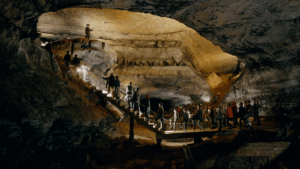
Mammoth Cave is a huge underground world in Kentucky. It stretches over 400 miles, but experts think there's even more to find. The cave was formed from limestone rock that dissolved over time due to water. It's part of Mammoth Cave National Park, which protects the area above and below ground. People have known about the cave for thousands of years.
Via National Park Service
Native Americans used it long ago, and explorers mapped it in the 1800s. Today, visitors can tour parts of it, seeing big rooms, narrow paths, and underground rivers. But scientists go deeper to study fossils. The cave's layers of rock tell stories from different times in history. During the Carboniferous period, the area was a shallow sea full of life.
When the sea dried up, the animals' remains got buried in the mud, which turned into rock. That's why fossils like shark teeth are stuck in the walls and floors. The park works with experts to carefully remove and study them without harming the cave.
Via Capes Foundation
The Carboniferous Period - A Time of Ancient Seas
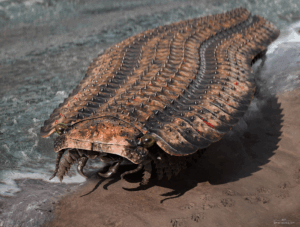
The Carboniferous period happened from about 359 to 299 million years ago. It's named after coal, because many coal deposits formed then from thick forests. But in the seas, it was a busy time for marine life. Much of what is now land was covered by warm, shallow oceans. These waters teemed with fish, corals, and strange creatures like giant sea scorpions. Sharks were starting to become top hunters. The Earth was warmer, with no ice at the poles. Land had huge swamps with tall trees and big insects, like dragonflies with wings as wide as your arm. In the oceans, there were reefs made by crinoids, which look like plants but are animals. The continents were moving together to form one big land called Pangaea.
Via Owlcation
This changed the seas and helped new animals evolve. The fossils in Mammoth Cave come from the Mississippian part of this period, around 325 to 340 million years ago. It was before dinosaurs, when amphibians first walked on land. Understanding this time helps people see how life adapts to changing worlds.
Troglocladodus trimblei - The Cave Branching Tooth Shark
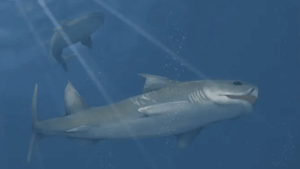
Troglocladodus trimblei is a brand new kind of shark that scientists named after the cave where it was found. "Troglocladodus" means "cave branching tooth," because its teeth split like branches. The species name honors Barclay Trimble, a park leader who found the first tooth in 2019. This shark lived in near-shore waters, hunting smaller fish and sea animals. It grew to 10 or 12 feet, similar to today's oceanic whitetip shark.
Via Fox Weather
Its teeth were sharp for grabbing prey. Fossils came from rock layers in Mammoth Cave and nearby Alabama. Both adult and baby teeth were found, showing how they grew. This shark belonged to a group called ctenacanths, which had spines on their fins for protection.
They swam in an ancient sea that connected parts of North America, Europe, and Africa. Finding this shark helps fill gaps in how early sharks lived and hunted. It's exciting because caves don't usually have such well-kept fossils. Scientists used special tools to study the teeth and learn about their diet and home.
Via TwistedSifter
Glikmanius careforum - The Powerful Predator
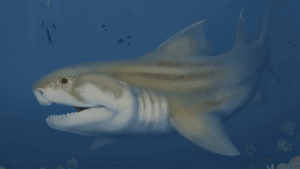
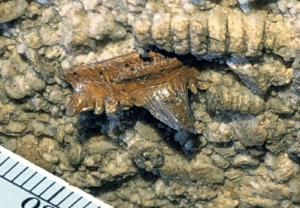
Glikmanius careforum is another new shark species from the same time. It's part of an older group, but this one appeared earlier than thought, over 50 million years before similar ones. The name honors the Cave Research Foundation, which helped find the fossils. This shark also reached 10 to 12 feet, like a lemon shark today. It had a short head and strong jaws for biting hard. Fossils include teeth, a partial jaw, and gill parts from a young one – the first ever for this type. It probably ate smaller sharks, bony fish, and squid-like creatures called orthocones. The shark lived in shallow coastal areas with lots of food. Its powerful bite suggests it was a top predator in its world.
Via Popular Science
The rare cartilage fossils give clues about its body shape and how it breathed. This finding changes what you know about when these sharks first showed up. Teams from parks and universities worked together to identify it. It's a reminder that even old rocks can surprise you with new stories.
Other Recent Shark Discoveries in the Cave
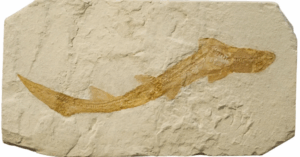
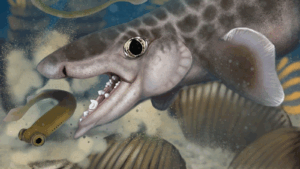
Since the first finds, more ancient sharks have turned up in Mammoth Cave. In 2025, scientists named Clavusodens mcginnisi, a tiny shark just 3 to 4 inches long. Its name means "McGinnis' nail tooth," after a retired park worker. It had chisel-like front teeth for scraping and flat back ones for crushing.
Via Live Science
Another one is Macadens olsoni, less than a foot long, with a curved row of teeth for smashing mollusks and worms. Named after the cave and a scientist named Olson. They lived in warm reefs with corals and crinoids. Also, an old shark called Helodus coxanus got renamed Rotuladens, meaning "wheel tooth."
How These Fossils Were Preserved
Fossils in Mammoth Cave stayed in great shape thanks to the environment. The sharks died in a shallow sea, and their bodies sank into the mud. Over time, the mud turned into limestone rock. Limestone comes from tiny sea creatures' shells piling up. The cave formed later when water carved through the rock, but the fossils stayed inside.
Via Smithsonian Magazine
Caves protect fossils from rain, wind, and sun that wear away fossils outside. The dark, cool conditions slow down decay. Shark skeletons are cartilage, not bone, so they rarely fossilize. But here, minerals replaced the soft parts, keeping shapes like jaws and gills. The rock layers, like St. Louis and Ste. Genevieve Formations trapped them perfectly.
Scientists collect samples carefully, using brushes and tools to avoid damage. This preservation lets you see details like tooth shapes and spine marks. Without the cave's shelter, these clues from 325 million years ago might have vanished. It's like a natural time capsule under Kentucky's ground.
Via National Park Service
What these Fossils Tell Us
These shark fossils teach you a lot about early life. They show how sharks evolved during the Carboniferous. Ctenacanth sharks had features like fin spines that later sharks improved. You learn about ancient food chains, where big sharks ate smaller ones, which ate tiny sea life. The fossils reveal a connected sea across continents before Pangaea formed. This helps understand plate tectonics, how the land moved. Diversity in sizes and teeth shows niches in the ecosystem, like today's oceans. Rare cartilage gives info on anatomy, like how they swam or breathed. Compared to modern sharks, you see changes over time, like better senses or shapes.
Via National Geographic
The finds also highlight climate shifts; the warm seas turned to swamps as land rose. Paleontologists use these to model past environments. For kids, it's fun to imagine these giants swimming where caves are now. Overall, they connect past and present, showing life's long history.
Comparing Ancient and Modern Sharks
Ancient sharks like these differ from today's. Modern sharks have bony jaws and advanced senses, like smelling blood from far away. Ancient ones had simpler bodies but were still fierce. Troglocladodus had branching teeth, unlike the straight ones in great whites. Glikmanius had a strong bite, similar to bull sharks, but a shorter head.
Via A-Z Animals
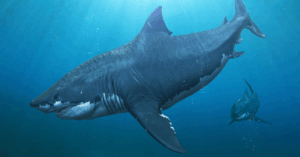
Size-wise, they match medium sharks today, not giants like megalodon later. Ancient sharks lived in shallow seas, while modern ones roam deep oceans too. Both replace teeth often, a shared trait. But ancient animals had more spines for defense, as threats were different.
Today's sharks face human dangers like fishing, unlike their natural ones back then. Evolution made sharks adaptable; over 500 species now. Studying old ones helps protect current ones by understanding changes. Fun fact: Sharks have survived five mass extinctions, making them tough survivors.
Via The Conversation
Explore the New Shark Species in Mammoth Cave
Paleontology, the study of fossils, is key in places like Mammoth Cave National Park. It protects old remains while letting scientists learn. The park's project started in 2019, finding dozens of species. Teams from the government, universities, and volunteers work together. This shares knowledge and trains new experts. More discoveries await in Mammoth Cave. Scientists plan to map new areas and study more rocks. Tech like 3D scanning will help see fossils without digging. They might find whole skeletons or new animals. Working with Alabama sites could link more stories.
Via ABC News
Education programs will teach schools about these sharks. Conservation keeps the cave safe from pollution or crowds. As the climate changes, studying the past helps predict the future. Who knows what else hides in the dark? The cave's secrets keep unfolding, exciting for science and adventure.