Lifestyle / Health
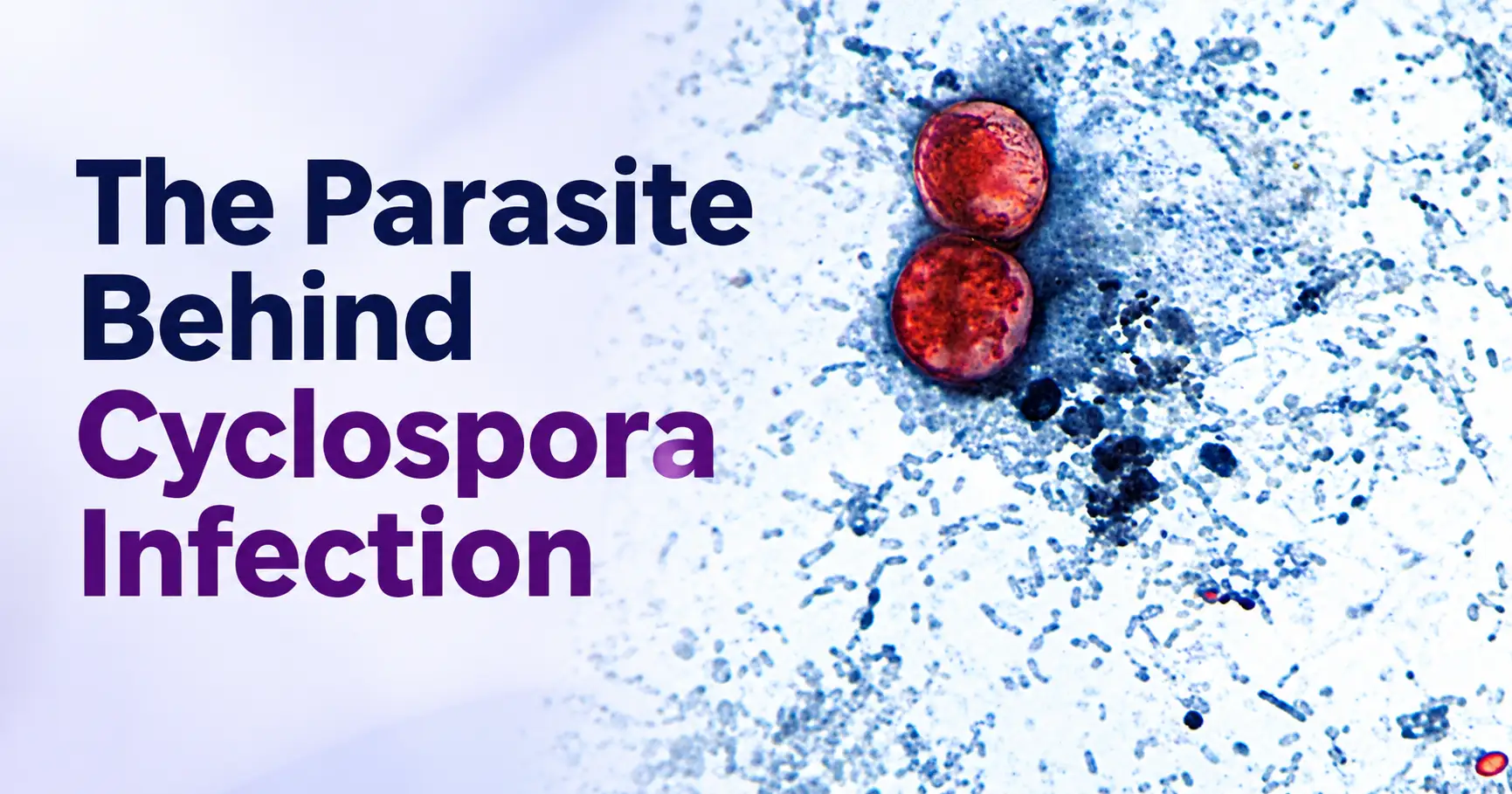
Everything to Know About Cyclospora Parasite Infection
Cyclospora is a microscopic parasite that can infect the human digestive system and cause an illness known as cyclosporiasis. Although it cannot be seen without specialized equipment, the parasite can cause uncomfortable digestive symptoms that may persist much longer than those of many common stomach infections.
Unlike some foodborne illnesses caused by bacteria or viruses, Cyclospora is a parasite that survives in specific environmental conditions before infecting people. It primarily affects the intestines, interfering with normal digestion and often causing persistent watery diarrhea and other digestive problems.
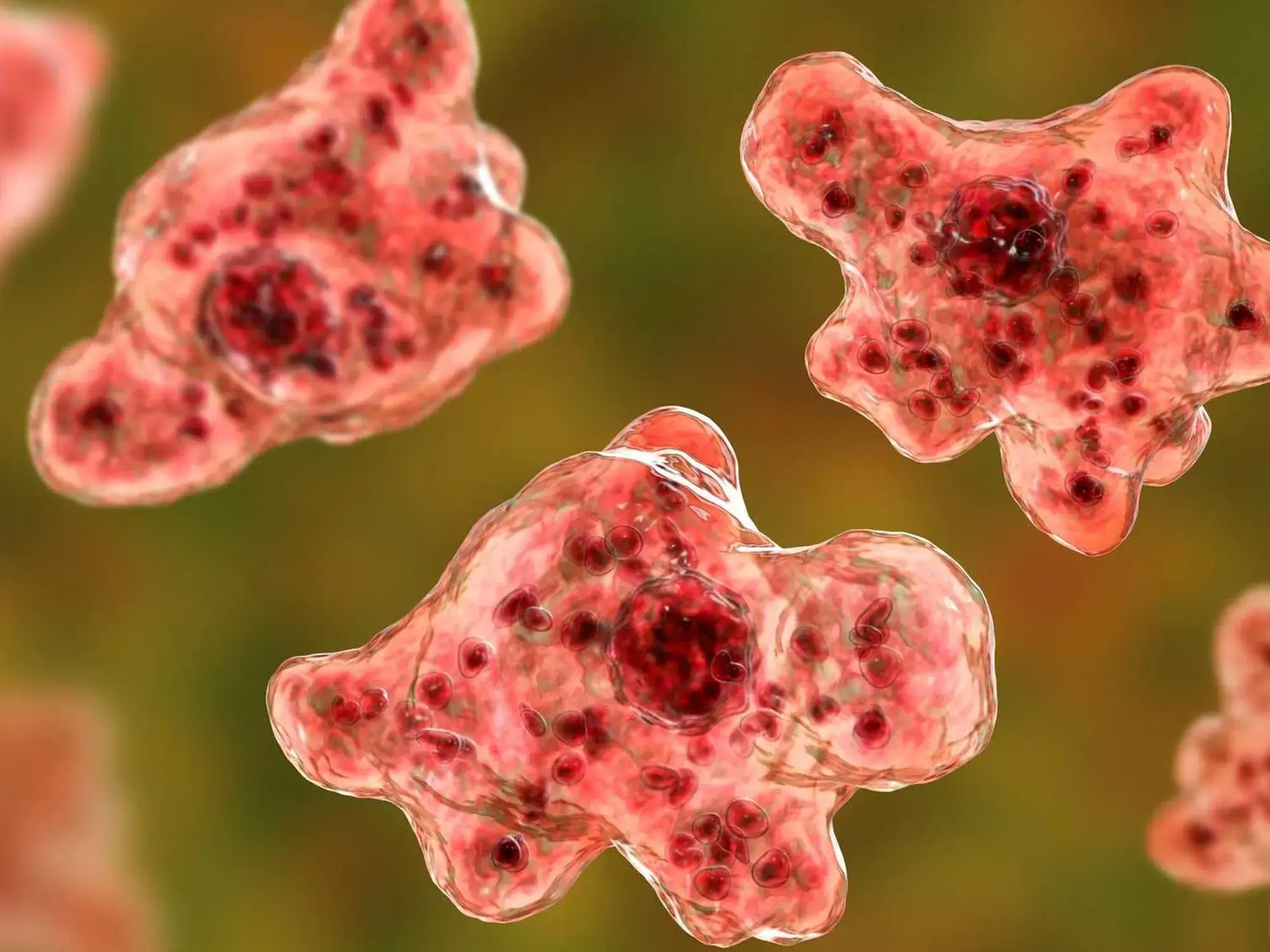
Via Labroots
The illness is generally not considered life-threatening for healthy individuals, but it can become more serious when symptoms continue for an extended period. Young children, older adults, and people with weakened immune systems may experience greater discomfort and require closer medical attention during recovery.
How Cyclospora Spreads
Cyclospora spreads when people consume food or water contaminated with the parasite. Fresh fruits, leafy vegetables, herbs, and other raw produce can become contaminated if they come into contact with water or soil containing human waste during growing, harvesting, processing, or transportation.

Via Daily Jang
Unlike many contagious illnesses, Cyclospora does not usually spread directly from one person to another through normal daily contact. The parasite requires time outside the human body before it becomes capable of infecting someone else, making direct transmission uncommon under ordinary circumstances.
Food safety plays an important role in reducing the risk of infection because contamination often occurs before food reaches homes or restaurants. Once contaminated produce enters the food supply, multiple people in different locations may become sick after eating the same type of food.
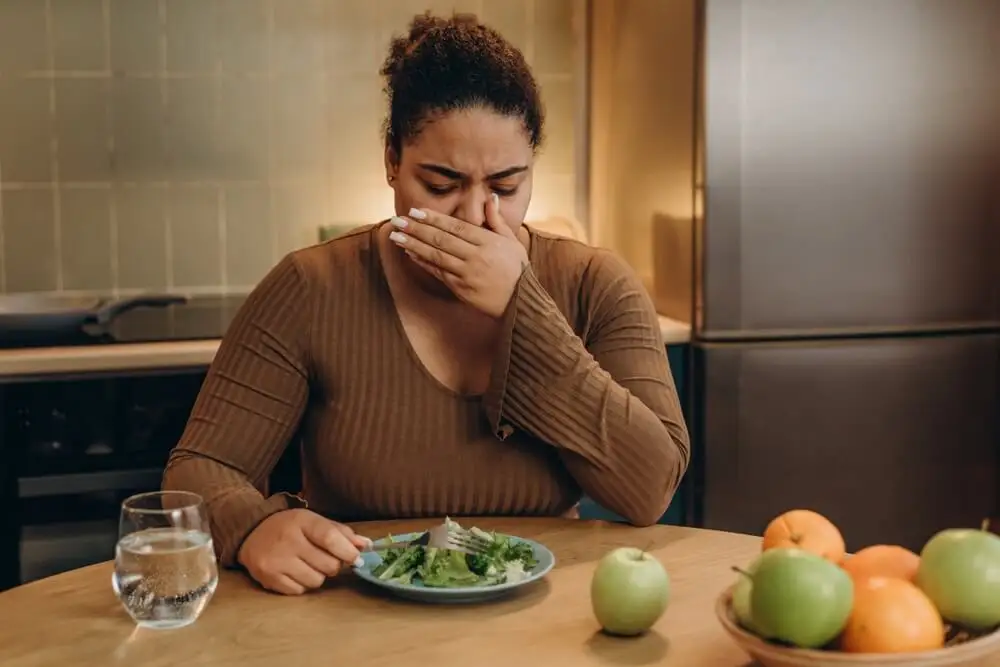
Via Endocare
Common Foods Linked to Cyclospora
Health investigations have connected Cyclospora infections with several types of fresh produce over the years. Leafy greens, fresh herbs, berries, peas, and other vegetables eaten raw have occasionally been associated with outbreaks because they receive little or no cooking before consumption.
Fresh ingredients are especially vulnerable because they may be exposed to contaminated irrigation water or unsanitary handling during production. Since many fruits and vegetables are eaten without heat treatment, any parasites present on their surfaces may survive until the food is consumed.
Via ny Times
It is important to understand that no single food is always responsible for Cyclospora infections. Different investigations have linked different produce items, which means safe farming practices, clean water sources, and careful food handling remain essential for reducing contamination risks across the food supply.
Signs and Symptoms of Cyclosporiasis
The most common symptom of cyclosporiasis is watery diarrhea that may continue for several days or even weeks if left untreated. Some people notice periods when symptoms improve before returning, making the illness feel unusually persistent compared with many other digestive infections.

Via 1News
Many individuals also experience stomach cramps, bloating, nausea, reduced appetite, weight loss, and extreme tiredness during the infection. These symptoms can interfere with normal daily activities because frequent bowel movements and dehydration often reduce energy levels significantly.
Some people may also develop vomiting, headaches, mild fever, muscle aches, or general flu-like symptoms. The severity varies from person to person, and while some individuals recover with relatively mild discomfort, others require medical treatment to relieve symptoms and prevent dehydration.

Via Medial & PainCare
Why Cyclospora Can Be Difficult to Detect
Cyclospora infections can be challenging to identify because the symptoms closely resemble those caused by many other stomach illnesses. Diarrhea, abdominal pain, and nausea are common in numerous digestive infections, making it difficult to determine the exact cause without appropriate laboratory testing.
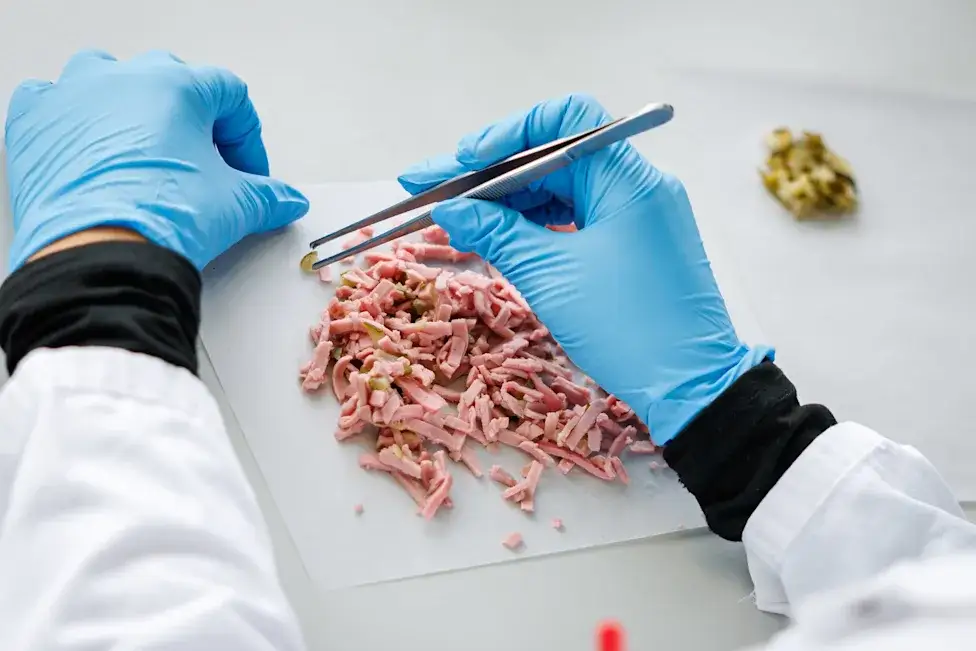
Standard laboratory tests performed for food poisoning may not always include screening for Cyclospora. Healthcare providers often need to request specific parasite testing when symptoms continue longer than expected or when other common causes of diarrhea have already been ruled out.
Via Yahoo
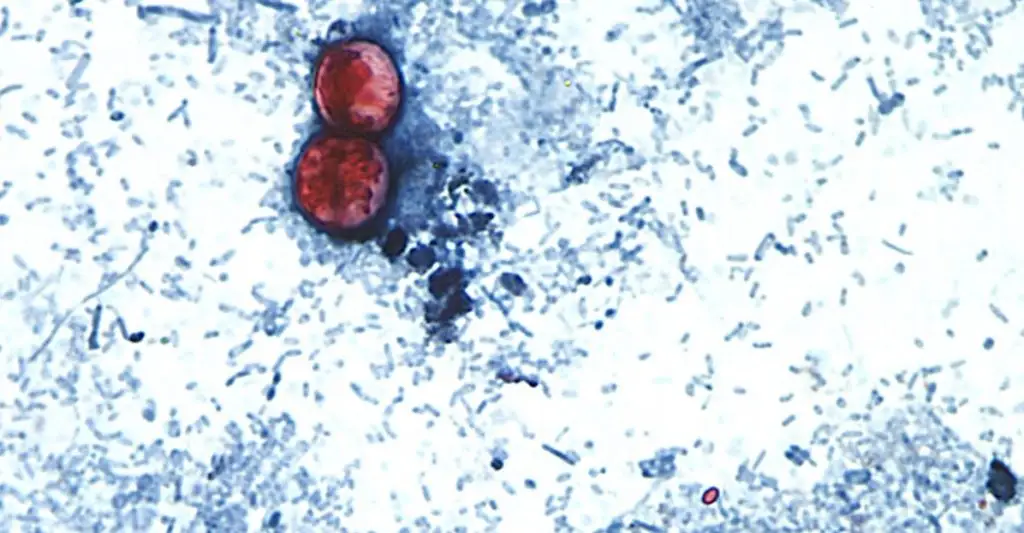
Another challenge is that scientists cannot easily grow the parasite in laboratory conditions for further study. This limitation makes research and outbreak investigations more complicated, requiring health experts to depend on patient interviews, laboratory confirmation, and food tracing to identify possible sources of infection.
Why Finding the Source Can Be Challenging
Identifying the exact food responsible for a Cyclospora infection is often a lengthy and complex process. Many people consume a wide variety of fresh fruits, vegetables, herbs, and prepared meals throughout the week, making it difficult to remember every ingredient they recently ate.
Via PBS
Sometimes the contaminated ingredient is not the main food but a small component added to several different recipes, such as fresh herbs or leafy greens. Because these ingredients appear in many meals, investigators must carefully compare eating habits among numerous patients before identifying possible connections.
Food distribution systems can also make investigations more complicated because the same product may be supplied to grocery stores, restaurants, catering services, and food manufacturers in different locations. As a result, health experts may spend weeks or even months tracing products, and in some situations, the exact source is never confirmed.

Via PostHarvest
How Cyclospora Is Diagnosed and Treated
A healthcare provider usually begins the diagnosis by reviewing a person's symptoms, recent eating habits, travel history, and overall health. Because Cyclospora symptoms are similar to those caused by other digestive illnesses, laboratory testing is often necessary to confirm the presence of the parasite before treatment decisions are made.
Special stool tests can identify Cyclospora, although the parasite may not appear in every sample collected during the illness. In some situations, healthcare providers may request multiple samples over several days to improve the chances of detecting the infection and making an accurate diagnosis.

Via Food Safety
Most healthy people eventually recover, but some patients benefit from prescription antibiotics that help eliminate the parasite and shorten the duration of symptoms. Medical professionals also monitor dehydration and other complications, especially in children, older adults, and individuals with weakened immune systems.
The Importance of Hydration During Recovery
Watery diarrhea can cause the body to lose large amounts of fluids and essential minerals in a relatively short period. Replacing these losses is one of the most important parts of recovery because dehydration may worsen fatigue, dizziness, weakness, and other uncomfortable symptoms associated with the illness.

Via St Institute
Drinking enough water throughout the day supports normal body functions while helping replace fluids lost during frequent bowel movements. Oral rehydration solutions may also be recommended for people experiencing significant fluid loss because they restore both water and important electrolytes that the body needs.
People with severe diarrhea, persistent vomiting, signs of dehydration, or symptoms that continue for an extended period should seek medical care promptly. Early treatment can reduce complications and ensure that the illness is managed safely, particularly for individuals who are more vulnerable to dehydration.

Via Meri Sehat
Practical Ways to Reduce the Risk of Infection
Although it is impossible to remove every potential source of food contamination, several simple habits can lower the risk of Cyclospora infection. Purchasing fresh produce from reliable sources, storing food properly, and preparing meals in clean environments all contribute to safer everyday eating practices.
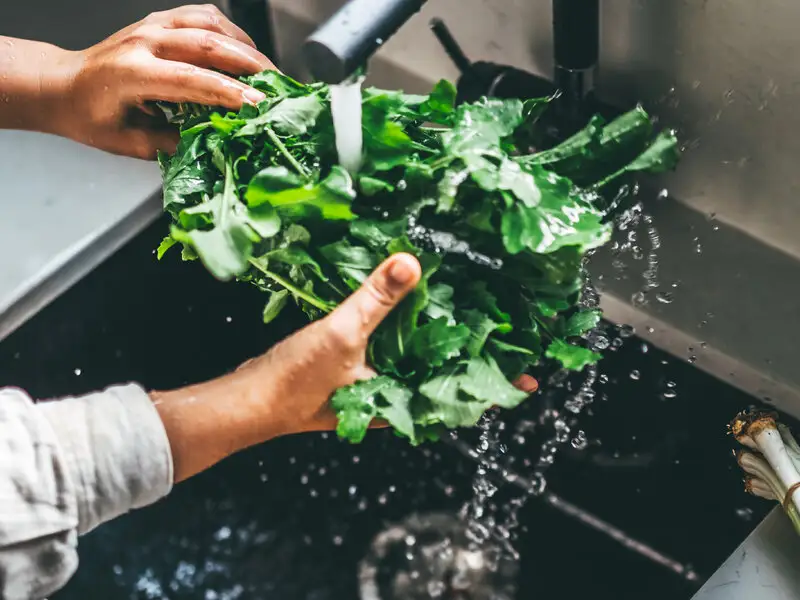
Fresh fruits and vegetables should be washed thoroughly under clean running water before they are eaten or prepared. Washing helps remove dirt and some surface contamination, although it may not eliminate Cyclospora because the parasite can firmly attach itself to certain types of produce.

Via Harvard Health
Cooking vegetables whenever appropriate provides another layer of protection because heat destroys many disease-causing organisms that may be present on food. Maintaining good kitchen hygiene, washing hands before handling meals, and preventing cross-contamination between raw and ready-to-eat foods further reduce the chances of infection.
Why Food Safety Remains the Best Protection
Food safety begins long before meals reach the dining table because farmers, food processors, distributors, retailers, and consumers all play important roles in reducing contamination. Clean irrigation water, proper sanitation, and careful handling throughout the food supply chain help limit the spread of harmful parasites.

Via Franklins
Consumers can support these efforts by following safe food preparation practices at home and remaining aware of official food safety advice whenever contamination concerns arise. Careful handling of fresh produce, proper refrigeration, and clean preparation surfaces all contribute to lowering the overall risk of foodborne illness.
While no prevention method can guarantee complete protection, combining safe farming practices with responsible food preparation significantly reduces exposure to many foodborne parasites. These everyday habits also help prevent illnesses caused by bacteria, viruses, and other microorganisms that may contaminate food.
Via Food Safety
Key Facts Everyone Should Know About Cyclospora
Cyclospora is an uncommon but important foodborne parasite that mainly affects the digestive system and can cause prolonged watery diarrhea along with other uncomfortable symptoms. Although the illness is usually not life-threatening, timely medical attention is recommended whenever symptoms become severe or continue longer than expected.
Early diagnosis, proper hydration, and appropriate treatment can greatly improve recovery while reducing the likelihood of complications. Because the parasite does not typically spread through normal person-to-person contact, preventing contamination within the food supply remains the most effective long-term strategy for limiting infections.

Via Food Poison
Understanding how Cyclospora spreads, recognizing its symptoms, and following good food safety habits allow people to make informed decisions that protect their health. Greater awareness, improved sanitation, and careful handling of fresh produce continue to play an essential role in reducing the risk of this parasitic infection throughout the year.