Unassigned
England Begins Injections That Target 15 Cancers

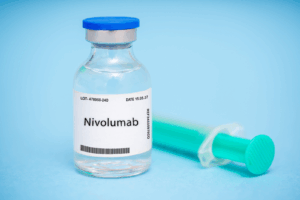
England has made a big step forward in fighting cancer. The National Health Service, or NHS, has started giving out a new kind of injection that can help treat up to 15 different types of cancer. This injection is called nivolumab, and it's also known by the brand name Opdivo. It's not a brand-new drug, but the way it's given now is easier and faster.
Instead of sitting for an hour with a tube in your arm, patients can get this shot under the skin in just three to five minutes. This change is helping thousands of people get treatment without spending so much time in the hospital.
 Via Worldwide Cancer Research
It's a type of medicine called immunotherapy, which helps the body's own defense system attack cancer cells. This is exciting because it means better care for patients and more time for doctors and nurses to help others.
 Via Pharmacy Times
It blocks a protein called PD-1 on immune cells. When PD-1 is blocked, the immune cells can see the cancer and fight it better. This drug has been around for a while, but the new way to give it as a quick shot is what makes it special now. It's made by a company called Bristol Myers Squibb, and it's been tested in many studies to make sure it's safe and works well.
 Via Surrey Live
It goes into the bloodstream and finds the immune cells. Blocking PD-1 lets those cells attack cancer cells without hurting too many healthy ones. This method was approved after tests showed it works just as well as the old way. Patients in trials liked it more because it's quicker and less hassle. This means people can go back to their daily lives faster after treatment.
 Via Gavi, The Vaccine Alliance
Side effects are similar to the old method, like feeling tired or having skin rashes, but doctors can manage them. For people with busy lives or who live far from hospitals, this is a game-changer. It makes sticking to the treatment plan easier, which can lead to better results. Overall, it improves life quality during a tough time.
 Via National Health Executive
That's part of the 15 types mentioned. It also works for malignant pleural mesothelioma, which affects the lining around the lungs, and gastroesophageal junction cancer. Not every patient with these cancers will get it; doctors decide based on the stage and other factors. But having one medicine that works for so many is helpful because cancer can be different in each person.
 Via NHS England
This not only helps patients but also frees up space in clinics. With cancer cases rising, this efficiency is key. England's move sets an example for other countries to follow, showing how small changes in delivery can make big differences in care.
 Via News-Medical
Clinical trials involve thousands of patients to check safety and success. For nivolumab, trials showed it helps people live longer with less cancer growth. The switch to injection form came from more research to make it easier. This history shows how science builds on past work to improve treatments.
 Via Biotherapy International
Nivolumab can be used alone or with other treatments for better results. For some cancers, it's a first choice; for others, it's after trying something else. The quick shot makes it stand out because it's convenient. Patients often prefer it over longer methods.
 Via Healthline
If side effects start, they might give steroids or pause treatment. Most people handle it well, especially with good care. It's important to tell your doctor about any new symptoms right away. With management, many continue treatment without big problems.
 Via Tulane University
This reduces wait times and stress on staff. In busy cancer units, this extra capacity is huge. It lets teams focus on complex cases or new patients. Overall, it's a win for the whole health system, making care more efficient without cutting quality.
 Via International Hospital Federation
For families, it means less disruption. Hearing from others helps new patients feel less scared. Support groups and online forums share tips on dealing with side effects. This community aspect makes the journey easier.
 Via Alivia Swiss Health
England's lead encourages global progress. In the years ahead, you might see even fewer side effects and higher success rates. Not everything is perfect. Not all patients qualify for the shot; some need the IV for reasons like allergies. Cost is a factor, though the NHS covers it. Access in rural areas might still be an issue.
 Via BBC
This new injection in England is a key advance in cancer care. Making treatment faster and easier gives hope to many. With its ability to tackle 15 cancer types, it's a versatile tool in the fight against this disease. As science moves forward, you can look forward to more innovations that save lives and improve well-being.
Patients benefit not just medically but emotionally, too. Shorter visits reduce anxiety and make treatment less draining. Many can spend more time with loved ones instead of in hospital chairs. For healthcare staff, this change frees up space and time for others who need care. It’s a reminder that progress in medicine isn’t only about new drugs, it’s also about improving how care fits into real lives.
More in Unassigned
Via Worldwide Cancer Research
It's a type of medicine called immunotherapy, which helps the body's own defense system attack cancer cells. This is exciting because it means better care for patients and more time for doctors and nurses to help others.
What Is Nivolumab?
Nivolumab is a medicine that doctors use to treat cancer. It comes from a group of drugs that work with the immune system. The immune system is like the body's army that fights off bad things, like germs or cancer. Sometimes, cancer cells trick the immune system into not attacking them. Nivolumab stops that trick.
Via Pharmacy Times
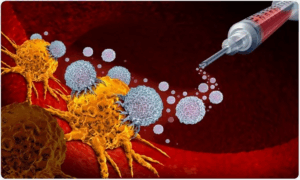
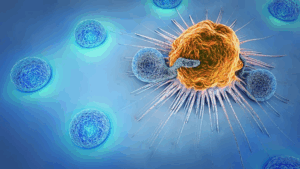
It blocks a protein called PD-1 on immune cells. When PD-1 is blocked, the immune cells can see the cancer and fight it better. This drug has been around for a while, but the new way to give it as a quick shot is what makes it special now. It's made by a company called Bristol Myers Squibb, and it's been tested in many studies to make sure it's safe and works well.
How the New Injection Works
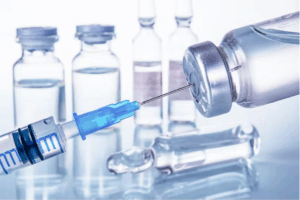
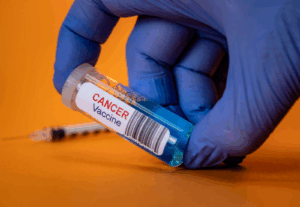
The new injection is given under the skin, which is called subcutaneous. Before, patients had to get nivolumab through a vein with an IV drip. That took 30 to 60 minutes every two or four weeks, depending on the cancer. Now, with the shot, it's done in minutes. The medicine still does the same job inside the body.
Via Surrey Live
It goes into the bloodstream and finds the immune cells. Blocking PD-1 lets those cells attack cancer cells without hurting too many healthy ones. This method was approved after tests showed it works just as well as the old way. Patients in trials liked it more because it's quicker and less hassle. This means people can go back to their daily lives faster after treatment.
Benefits for Patients
One big plus of this new shot is less time in the hospital. Imagine not having to sit for an hour each visit. That adds up to a lot of saved time over months of treatment. Patients feel more comfortable and less tired from long appointments. Also, since it's a shot, it might hurt less than having a needle in your vein for a long time.
Via Gavi, The Vaccine Alliance
Side effects are similar to the old method, like feeling tired or having skin rashes, but doctors can manage them. For people with busy lives or who live far from hospitals, this is a game-changer. It makes sticking to the treatment plan easier, which can lead to better results. Overall, it improves life quality during a tough time.
Types of Cancer It Can Treat
This injection can help with many kinds of cancer. Here are some of them: skin cancer like melanoma, lung cancer, including non-small cell and small cell types, kidney cancer, bladder cancer, head and neck cancer, esophageal cancer, stomach cancer, liver cancer, colorectal cancer, and Hodgkin lymphoma.
Via National Health Executive
That's part of the 15 types mentioned. It also works for malignant pleural mesothelioma, which affects the lining around the lungs, and gastroesophageal junction cancer. Not every patient with these cancers will get it; doctors decide based on the stage and other factors. But having one medicine that works for so many is helpful because cancer can be different in each person.
The Rollout in England
The NHS in England is the first in Europe to offer this quick shot widely. It started in 2025 after getting approval from health experts. About 1,200 patients a month are expected to get it. That's thousands of people each year. Hospitals are getting ready with supplies and training staff. The goal is to switch eligible patients from the IV to the shot.
Via NHS England
This not only helps patients but also frees up space in clinics. With cancer cases rising, this efficiency is key. England's move sets an example for other countries to follow, showing how small changes in delivery can make big differences in care.
History of Immunotherapy
Immunotherapy isn't new, but it's grown a lot. It started with ideas over 100 years ago, but real progress came in the last few decades. Drugs like nivolumab came from understanding how cancer hides from the immune system. The first PD-1 blocker was approved around 2014. Since then, it's been tested on more cancers.
Via News-Medical
Clinical trials involve thousands of patients to check safety and success. For nivolumab, trials showed it helps people live longer with less cancer growth. The switch to injection form came from more research to make it easier. This history shows how science builds on past work to improve treatments.
How It Compares to Other Treatments
Compared to chemotherapy, which attacks all fast-growing cells and can make you very sick, immunotherapy, like this shot, is more targeted. It focuses on boosting the immune system. Radiation is another option, but it's local and can damage nearby tissue. Surgery removes tumors, but it isn't always possible if cancer has spread.
Via Biotherapy International
Nivolumab can be used alone or with other treatments for better results. For some cancers, it's a first choice; for others, it's after trying something else. The quick shot makes it stand out because it's convenient. Patients often prefer it over longer methods.
Side Effects and Management
Like any medicine, this injection has side effects. Common ones include feeling tired, itchy skin, diarrhea, or nausea. These happen because the immune system gets revved up and might attack healthy parts. Serious ones are rare but can affect the lungs, liver, or hormones. Doctors watch closely with blood tests and scans.
Via Healthline
If side effects start, they might give steroids or pause treatment. Most people handle it well, especially with good care. It's important to tell your doctor about any new symptoms right away. With management, many continue treatment without big problems.
Impact on Healthcare Workers
This new way of giving the drug helps doctors and nurses, too. They save time not setting up IVs, which means they can see more patients. The NHS says it could save 1,000 hours a month, like a whole year of work.
Via Tulane University
This reduces wait times and stress on staff. In busy cancer units, this extra capacity is huge. It lets teams focus on complex cases or new patients. Overall, it's a win for the whole health system, making care more efficient without cutting quality.
Patient Stories and Experiences
Many patients are happy with the change. In trials, most preferred the shot over the drip. One person might say it feels like a quick visit instead of a long day. Another could note less arm soreness from IVs. These stories show real benefits.
Via International Hospital Federation
For families, it means less disruption. Hearing from others helps new patients feel less scared. Support groups and online forums share tips on dealing with side effects. This community aspect makes the journey easier.
Future of Cancer Treatment
This development points to a brighter future. More drugs might switch to easy forms. Research is ongoing for new immunotherapies that target other parts of the immune system. Combining treatments could cure more cancers. Personalized medicine, where treatment fits your genes, is growing. With tools like this shot, cancer might become a chronic illness like diabetes, not always deadly.
Via Alivia Swiss Health
England's lead encourages global progress. In the years ahead, you might see even fewer side effects and higher success rates. Not everything is perfect. Not all patients qualify for the shot; some need the IV for reasons like allergies. Cost is a factor, though the NHS covers it. Access in rural areas might still be an issue.
Explore England's New Multi-Cancer Treatment
While England is first in Europe, other countries use nivolumab too. The US approved it years ago, but the injection form is new there as well. Places like Canada and Australia are looking at it. Sharing knowledge helps everyone. International trials speed up progress. This global effort means breakthroughs reach more people faster.
Via BBC
This new injection in England is a key advance in cancer care. Making treatment faster and easier gives hope to many. With its ability to tackle 15 cancer types, it's a versatile tool in the fight against this disease. As science moves forward, you can look forward to more innovations that save lives and improve well-being.
Patients benefit not just medically but emotionally, too. Shorter visits reduce anxiety and make treatment less draining. Many can spend more time with loved ones instead of in hospital chairs. For healthcare staff, this change frees up space and time for others who need care. It’s a reminder that progress in medicine isn’t only about new drugs, it’s also about improving how care fits into real lives.