Unassigned
Dewormer Drug Defies Odds in Terminal Cancer Case

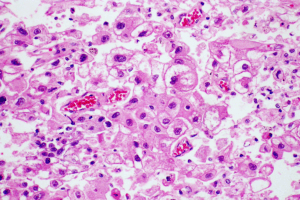
In 2016, Joe Tippens was diagnosed with terminal small-cell lung cancer and given only three months to live. After standard treatments failed, a veterinarian friend suggested he try fenbendazole, a common dog dewormer. Desperate for options, Joe began taking fenbendazole along with Theracurmin (a potent turmeric extract) and CBD oil. To everyone’s surprise, his scans showed no trace of cancer within three months.
His recovery stunned doctors and quickly went viral online, sparking global interest in repurposing anti-parasitic drugs for cancer treatment. Joe openly shared his regimen, explaining that he took fenbendazole daily for a week, then paused before restarting. He also emphasized healthy eating and maintaining a positive outlook, suggesting his recovery was due to a combination of factors rather than the drug alone.
 Via University of California, San Francisco
While his case inspired countless others to explore similar approaches, there is still no scientific proof that fenbendazole cures cancer. Nonetheless, Joe’s remarkable story pushed researchers to reconsider whether inexpensive, everyday medications might hold hidden potential in the fight against cancer.
 Via Internal Healing & Wellness MD
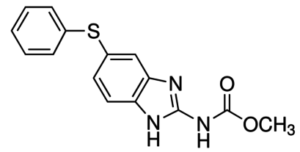
They stop the parasites from absorbing food and growing. In people, fenbendazole isn't approved for treating cancer. But some folks buy it over the counter for their pets and use it themselves. It's low-cost, often just a few dollars for a pack. Scientists have looked at how fenbendazole might affect cancer cells in labs.
In test tubes and on animals, it seems to block cancer cells from dividing. Cancer cells need a lot of energy to grow fast. Fenbendazole might cut off that energy by harming tiny structures inside the cells called microtubules. These are like tracks that help cells move things around. When they're damaged, cancer cells can't multiply as well.
 Via ResearchGate
Some studies on mice showed tumors shrinking after taking fenbendazole. But these are early findings. Human trials are rare because the drug is old and not patented, so drug companies don't make money from it. People who try fenbendazole for cancer often follow a simple plan.
They take about 222 milligrams a day for three days, then rest for four days. They repeat this cycle. It's important to note that this isn't medical advice. Anyone thinking about it should talk to a doctor first. Fenbendazole can cause side effects like stomach upset or liver issues if taken too much.
 Via Internal Healing & Wellness MD
 Via Spine and Pain Clinics of North America
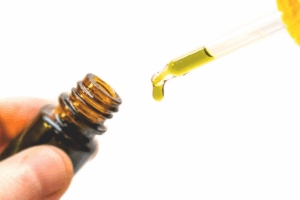
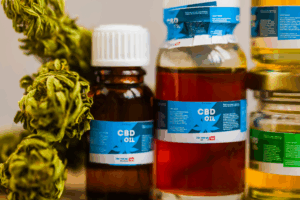
Joe took about 25 milligrams of CBD twice a day. Together with fenbendazole and Theracurmin, these might work better as a team. The idea is that they attack cancer from different angles. Fenbendazole hits the cells' structure, curcumin fights inflammation, and CBD might boost the immune system.
But again, this is based on stories and small studies, not big proof. Many people add vitamins to this mix, like vitamin E. Joe took that too. He believed it helped the fenbendazole work better. The whole approach is called the Joe Tippens Protocol. It's popular online, but doctors warn it's not a replacement for standard care.
 Via Live Science
 Via King 5 News
That's good for access but bad for research funding. Big companies prefer new drugs that they can patent and sell high price. Still, some doctors use these off-label, meaning for uses not approved. In tough cases where nothing else works, they might try them. Patients report feeling better, but it's hard to know if it's the drug or something else.
Albendazole is another one in this group. It's used for serious worm infections. Early research hints it could help with liver cancer. All these drugs share a way of working that might overlap with cancer treatment. They disrupt how cells divide, which is key for fast-growing cancers.
 Via Asbury Park Press
 Via Live Science
More research is needed, like big trials with hundreds of people. Some scientists think these drugs could be added to regular treatments to make them stronger. For example, fenbendazole might make chemo work better by weakening cancer cells first.
Why do these drugs work? Cancer cells act like parasites sometimes. They invade the body and steal nutrients. So, anti-parasite meds could hit them hard. Also, some cancers are linked to parasites, like certain liver cancers from worms. But for most cancers, it's not about parasites; it's about how the drugs affect cell functions.
 Via Duke Health
 Via Technology Networks
Self-treating can be risky. Buy from trusted sources to avoid fake products. Anecdotes like Joe's are inspiring but not evidence. Many factors could play a role, like diet or luck. Placebos can make people feel better, too. So, approach with caution.
 Via Elsevier
Why repurpose? It's faster and cheaper than making new drugs. Old ones are already safety-tested. For cancer, where new treatments cost a fortune, this could help everyone. Especially in poor countries with limited access. Researchers are excited. Universities and small labs are studying these. Funding comes from donations or governments. One day, you might see official guidelines for using them.
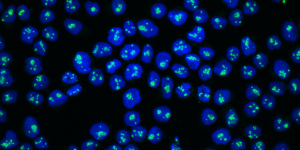 Via Walter and Eliza Hall Institute of Medical Research
Joe's recovery reminds the world that sometimes, answers come from unexpected places. In the end, beating cancer takes science, stories, and spirit. Keep an open mind, but base choices on facts. Joe Tippens’ story began when he was diagnosed with late-stage cancer and given little chance of survival.
Desperate, he tried an unconventional treatment using fenbendazole, a dewormer typically given to dogs, after reading about its potential anti-cancer effects in lab studies. Within months, scans showed his tumors shrinking, eventually leading to full remission. Though his case remains anecdotal and not scientifically proven, it sparked global curiosity and further research into repurposing existing drugs for cancer therapy.
More in Unassigned
Via University of California, San Francisco
While his case inspired countless others to explore similar approaches, there is still no scientific proof that fenbendazole cures cancer. Nonetheless, Joe’s remarkable story pushed researchers to reconsider whether inexpensive, everyday medications might hold hidden potential in the fight against cancer.
Understanding Fenbendazole
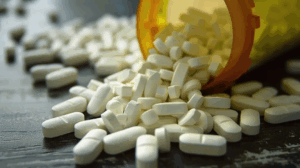
Fenbendazole is a drug mainly used for animals. Vets give it to dogs, cats, and even livestock to kill parasites like worms. It comes in powder or pill form and is safe for pets when used correctly. The drug belongs to a group called benzimidazoles. These medicines work by messing with the parasites' cells.
Via Internal Healing & Wellness MD
They stop the parasites from absorbing food and growing. In people, fenbendazole isn't approved for treating cancer. But some folks buy it over the counter for their pets and use it themselves. It's low-cost, often just a few dollars for a pack. Scientists have looked at how fenbendazole might affect cancer cells in labs.
In test tubes and on animals, it seems to block cancer cells from dividing. Cancer cells need a lot of energy to grow fast. Fenbendazole might cut off that energy by harming tiny structures inside the cells called microtubules. These are like tracks that help cells move things around. When they're damaged, cancer cells can't multiply as well.
Via ResearchGate
Some studies on mice showed tumors shrinking after taking fenbendazole. But these are early findings. Human trials are rare because the drug is old and not patented, so drug companies don't make money from it. People who try fenbendazole for cancer often follow a simple plan.
They take about 222 milligrams a day for three days, then rest for four days. They repeat this cycle. It's important to note that this isn't medical advice. Anyone thinking about it should talk to a doctor first. Fenbendazole can cause side effects like stomach upset or liver issues if taken too much.
Via Internal Healing & Wellness MD
The Role of Theracurmin and CBD Oil
Joe didn't just take fenbendazole. He added Theracurmin, which is a special kind of curcumin from turmeric. Turmeric is a yellow spice used in cooking, especially in Indian food. Curcumin is the part that might fight inflammation and cancer. But regular turmeric doesn't get absorbed well by the body. Theracurmin is made to be more powerful and easier to use. It helps reduce swelling and might slow cancer growth. In labs, curcumin has been shown to it can make cancer cells die off. CBD oil comes from the cannabis plant, but it doesn't make you high like THC does. It's used for pain, anxiety, and sleep problems. Some think it helps with cancer by easing symptoms or even fighting tumors.
Via Spine and Pain Clinics of North America
Joe took about 25 milligrams of CBD twice a day. Together with fenbendazole and Theracurmin, these might work better as a team. The idea is that they attack cancer from different angles. Fenbendazole hits the cells' structure, curcumin fights inflammation, and CBD might boost the immune system.
But again, this is based on stories and small studies, not big proof. Many people add vitamins to this mix, like vitamin E. Joe took that too. He believed it helped the fenbendazole work better. The whole approach is called the Joe Tippens Protocol. It's popular online, but doctors warn it's not a replacement for standard care.
Via Live Science
Other Drugs in the Benzimidazole Family
Fenbendazole isn't alone. There are similar drugs like mebendazole and ivermectin. Mebendazole is used for worms in humans and is available by prescription. It's been studied more for cancer. In some trials, it slowed tumor growth in brain cancer patients. Like fenbendazole, it targets microtubules in cancer cells. Ivermectin is famous for treating parasites in people and animals. During the COVID-19 pandemic, it got attention for other uses, but that's a different story. For cancer, lab tests show it might kill certain cancer cells, especially in leukemia. These drugs are cheap because they've been around for decades. Patents have expired, so anyone can make them.
Via King 5 News
That's good for access but bad for research funding. Big companies prefer new drugs that they can patent and sell high price. Still, some doctors use these off-label, meaning for uses not approved. In tough cases where nothing else works, they might try them. Patients report feeling better, but it's hard to know if it's the drug or something else.
Albendazole is another one in this group. It's used for serious worm infections. Early research hints it could help with liver cancer. All these drugs share a way of working that might overlap with cancer treatment. They disrupt how cells divide, which is key for fast-growing cancers.
Via Asbury Park Press
What Science Says So Far
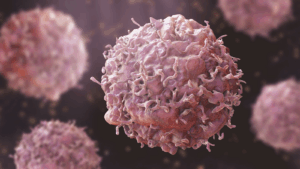
Labs have done a lot of work on these drugs. In petri dishes, fenbendazole kills cancer cells from lungs, breasts, and colons. It seems to work best on cancers that are hard to treat. Animal studies back this up. Mice with tumors lived longer when given the drug. But moving from mice to humans is tricky. A few small human studies exist for mebendazole. One looked at brain tumors. Patients took it with chemo and did better than expected. But these studies are small and not perfect. They don't prove the drug cures cancer.
Via Live Science
More research is needed, like big trials with hundreds of people. Some scientists think these drugs could be added to regular treatments to make them stronger. For example, fenbendazole might make chemo work better by weakening cancer cells first.
Why do these drugs work? Cancer cells act like parasites sometimes. They invade the body and steal nutrients. So, anti-parasite meds could hit them hard. Also, some cancers are linked to parasites, like certain liver cancers from worms. But for most cancers, it's not about parasites; it's about how the drugs affect cell functions.
Via Duke Health
Risks and Things to Watch Out For
Trying these drugs isn't without danger. Fenbendazole isn't tested much in humans for long-term use. Side effects can include nausea, diarrhea, or allergic reactions. It might harm the liver if taken in high doses. People with liver problems should be extra careful. Also, it can interact with other medicines, making them less effective or causing issues. Doctors say don't skip proven treatments for unproven ones. Cancer needs quick action, and delaying can make it worse. Integrative doctors might suggest combining them, but always under supervision.
Via Technology Networks
Self-treating can be risky. Buy from trusted sources to avoid fake products. Anecdotes like Joe's are inspiring but not evidence. Many factors could play a role, like diet or luck. Placebos can make people feel better, too. So, approach with caution.
The Growing Interest in Repurposed Drugs
Joe's story sparked a movement. Online groups share experiences with fenbendazole. Some call it a miracle, others are skeptical. But it's part of a bigger trend: repurposing old drugs for new uses. Aspirin, for example, started for pain but now helps the heart. Metformin, for diabetes, might fight cancer.
Via Elsevier
Why repurpose? It's faster and cheaper than making new drugs. Old ones are already safety-tested. For cancer, where new treatments cost a fortune, this could help everyone. Especially in poor countries with limited access. Researchers are excited. Universities and small labs are studying these. Funding comes from donations or governments. One day, you might see official guidelines for using them.
Discover the Dewormer That Triggered a Cancer Remission
Cancer affects millions each year. Finding new ways is crucial. Stories like Joe's give hope when options run out. While not a cure-all, fenbendazole and similar drugs open doors. Future studies might show how to use them safely. Patients should stay informed. Talk to doctors about all options. Research is ongoing, and who knows what will be learned.
Via Walter and Eliza Hall Institute of Medical Research
Joe's recovery reminds the world that sometimes, answers come from unexpected places. In the end, beating cancer takes science, stories, and spirit. Keep an open mind, but base choices on facts. Joe Tippens’ story began when he was diagnosed with late-stage cancer and given little chance of survival.
Desperate, he tried an unconventional treatment using fenbendazole, a dewormer typically given to dogs, after reading about its potential anti-cancer effects in lab studies. Within months, scans showed his tumors shrinking, eventually leading to full remission. Though his case remains anecdotal and not scientifically proven, it sparked global curiosity and further research into repurposing existing drugs for cancer therapy.