Unassigned
De-Extinction Plan for 11-Foot-Tall Moa Birds

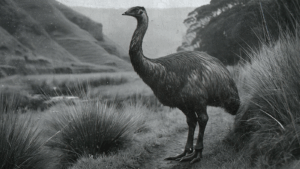
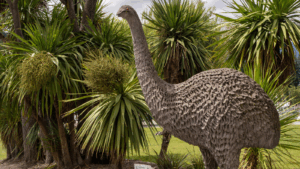
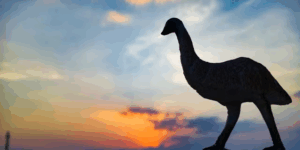
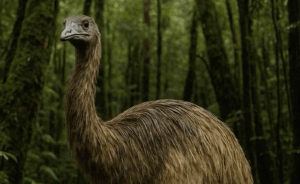
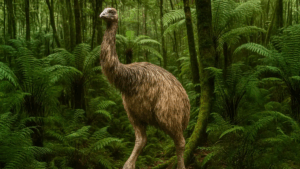
A bold new scientific effort is underway to bring one of Earth’s most astonishing birds back from extinction. Colossal Biosciences, a U.S.-based biotech firm, has officially announced its plans to resurrect the moa, New Zealand’s extinct giant flightless bird that once ruled the forests and grasslands. Some moa species stood nearly 12 feet tall and weighed up to 500 pounds, making them among the largest birds to have ever lived.
This project aims to use modern technology to revive a creature that has been gone for centuries, sparking excitement and debate among scientists and the public alike. The idea of bringing back extinct animals, known as de-extinction, is no longer just science fiction. Colossal Biosciences is leading the charge with this moa project, building on their work with other ancient species.
 Via CNN
By studying old bones and using gene-editing tools, they hope to create birds that look and act like the original moas. This could change how people think about conservation and the loss of biodiversity. The project highlights how human actions in the past led to extinctions, and now, how people might fix some of those mistakes.
 Via Science
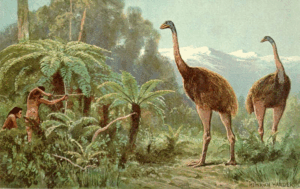
Fossils show that moas were around for a very long time, dating back to the Miocene epoch, about 23 million years ago. They thrived until humans arrived. Early Polynesian settlers, who became the Maori people, encountered these giant birds when they reached New Zealand around 1300 AD. The moas had no fear of people since they had never seen predators like them before. This made them easy targets for hunting, which played a big role in their decline.
Archaeologists have found moa bones in ancient Maori campsites, often with signs of being cooked or used for tools. The birds' eggs, which were huge and could feed many people, were also harvested. Over time, the moa population dropped sharply. By the 1400s, most species were gone, leaving behind only stories and bones as reminders of their existence.
 Via Grunge
 Via NZ Birds Online
Climate shifts might have played a minor role, but experts agree that human impact was the main cause. New Zealand's isolation had protected the moas for so long, but once people arrived, the balance was upset quickly. This story serves as a lesson about how fragile ecosystems can be when new elements are introduced.
 Via Colossal Biosciences
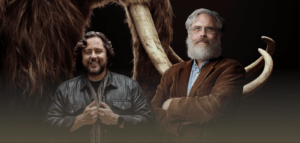
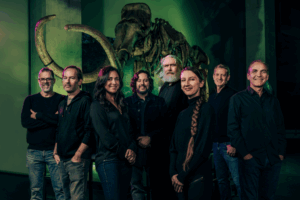
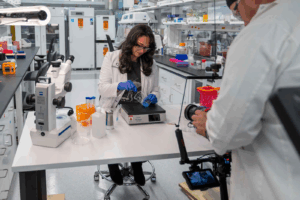
The company has a team of scientists who specialize in ancient DNA. They work in labs equipped with advanced tools to analyze old samples. For the moa, they are extracting DNA from bones preserved in museums and private collections. This DNA helps them understand the bird's genetic makeup.
Colossal Biosciences believes that reviving species like the moa can boost biodiversity and teach people more about evolution. Despite their ambitious goals, the company faces skepticism. Some question if resources should go toward extinct animals instead of saving living ones. Still, Colossal pushes forward, partnering with universities and conservation groups to make their work more credible.
 Via TechCrunch
 Via Quanta Magazine
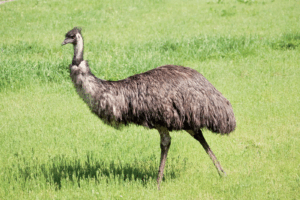
The process starts with growing cells in a lab, then editing them, and finally implanting them into eggs. If successful, surrogate birds like emus would hatch the edited eggs. This hybrid approach ensures the new moas can survive in today's world. It's a blend of old and new biology, showing how far science has come.
 Via CBR
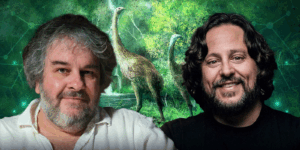
Jackson's interest stems from his New Zealand roots, where the moa is part of the cultural heritage. His films often feature epic landscapes and creatures, mirroring the moa's majestic presence. Other investors include tech entrepreneurs and philanthropists who see de-extinction as a way to innovate in biotech.
This funding helps cover costs for research, equipment, and ethical reviews. Collaborations with New Zealand institutions ensure the project respects local knowledge. Māori leaders are consulted to honor the bird's place in indigenous stories. This mix of Hollywood flair and serious science makes the project stand out.
 Via Conservation Nation
 Via Popular Mechanics
Technical hurdles include degraded ancient DNA, which is often incomplete. Scientists must make educated guesses, raising doubts about authenticity. Despite these issues, supporters say the knowledge gained could help save other species through better genetics.
 Via The Debrief
Scientifically, studying revived moas would reveal insights into evolution and adaptation. Techniques developed here could aid endangered birds, like improving breeding programs. De-extinction might inspire young people to pursue STEM fields, showing science's power to fix past wrongs.
 Via Britannica
The Maori used them as water containers. Moas also had a unique digestive system, with stones in their gizzards to grind food, like some modern birds. Despite their size, moas were herbivores, peacefully browsing on plants. Their bones show they could run fast when needed, escaping dangers in their ancient world.
 Via New Scientist
Global cooperation will be key, involving governments, scientists, and communities. Education about these efforts can build public support. In the end, de-extinction isn't about undoing all extinctions but learning to prevent future ones.
Reviving the moa represents hope in science's ability to heal the planet. While challenges remain, the project's progress shows what's possible. It reminds us of human impact on nature and the chance to make amends. As the first genetic blueprints are anticipated in 2026, the world watches with anticipation.
More in Unassigned
Via CNN
By studying old bones and using gene-editing tools, they hope to create birds that look and act like the original moas. This could change how people think about conservation and the loss of biodiversity. The project highlights how human actions in the past led to extinctions, and now, how people might fix some of those mistakes.
The History of the Moa Bird
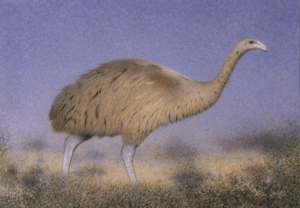
The moa has a fascinating history tied to New Zealand's unique ecosystem. These birds evolved in isolation on the islands, where there were no large predators to threaten them. Over millions of years, they grew to enormous sizes, with the tallest species reaching heights that towered over humans. Moas came in nine different species, each adapted to different environments, from dense forests to open plains. They fed on leaves, fruits, and twigs, using their long necks to reach high branches.
Via Science
Fossils show that moas were around for a very long time, dating back to the Miocene epoch, about 23 million years ago. They thrived until humans arrived. Early Polynesian settlers, who became the Maori people, encountered these giant birds when they reached New Zealand around 1300 AD. The moas had no fear of people since they had never seen predators like them before. This made them easy targets for hunting, which played a big role in their decline.
Archaeologists have found moa bones in ancient Maori campsites, often with signs of being cooked or used for tools. The birds' eggs, which were huge and could feed many people, were also harvested. Over time, the moa population dropped sharply. By the 1400s, most species were gone, leaving behind only stories and bones as reminders of their existence.
Via Grunge
Reasons for the Moa's Extinction
The moa vanished around 600 years ago, most likely due to overhunting by early Polynesian settlers. When humans first arrived in New Zealand, they found a land full of resources, including these massive birds. Moas were slow-moving and had no defenses against spears or traps. Hunters could easily catch them for meat, feathers, and bones, which were turned into jewelry and weapons. Besides hunting, habitat changes contributed to the extinction. Settlers cleared forests for farming and brought in animals like dogs and rats. These new predators ate moa eggs and chicks, disrupting the birds' reproduction. Fires set to clear land destroyed the plants that the Moa relied on for food. With fewer places to hide and nest, the populations couldn't recover from the hunting pressure.
Via NZ Birds Online
Climate shifts might have played a minor role, but experts agree that human impact was the main cause. New Zealand's isolation had protected the moas for so long, but once people arrived, the balance was upset quickly. This story serves as a lesson about how fragile ecosystems can be when new elements are introduced.
Colossal Biosciences - The Company Behind the Project
Colossal Biosciences is a cutting-edge company focused on de-extinction and genetic research. Founded in the United States, it brings together experts in biology, genetics, and technology to tackle big challenges. Their mission is to use science to restore lost species and help protect endangered ones. The moa project is one of their latest ventures, following efforts with animals like the woolly mammoth and the dodo.
Via Colossal Biosciences
The company has a team of scientists who specialize in ancient DNA. They work in labs equipped with advanced tools to analyze old samples. For the moa, they are extracting DNA from bones preserved in museums and private collections. This DNA helps them understand the bird's genetic makeup.
Colossal Biosciences believes that reviving species like the moa can boost biodiversity and teach people more about evolution. Despite their ambitious goals, the company faces skepticism. Some question if resources should go toward extinct animals instead of saving living ones. Still, Colossal pushes forward, partnering with universities and conservation groups to make their work more credible.
Via TechCrunch
The Science of De-Extinction
Scientists at Colossal Biosciences are working to extract and sequence DNA from ancient moa bones stored in their collection. The goal is to reconstruct the genomes of all nine extinct moa species. The first genetic blueprints are expected to be completed by summer 2026. This involves piecing together fragmented DNA like a giant puzzle, using computers to fill in gaps based on related birds. To recreate the moa, scientists will use CRISPR gene-editing technology to modify the DNA of the moa’s closest living relatives, such as the emu, inserting traits that resemble those of the ancient giant. This method does not revive an exact clone of the moa but rather produces birds that closely replicate its key features and behavior. CRISPR acts like molecular scissors, allowing precise changes to genes for size, feather type, and other characteristics.Key Players and Funding
The ambitious project has drawn global attention, not just for its scientific promise but also for its high-profile backers. Legendary filmmaker Peter Jackson, director of The Lord of the Rings trilogy, and his partner Fran Walsh have contributed $15 million in funding to the initiative. Their support has added weight and visibility to the mission, which blends conservation, science fiction, and the future of de-extinction research.
Via CBR
Jackson's interest stems from his New Zealand roots, where the moa is part of the cultural heritage. His films often feature epic landscapes and creatures, mirroring the moa's majestic presence. Other investors include tech entrepreneurs and philanthropists who see de-extinction as a way to innovate in biotech.
This funding helps cover costs for research, equipment, and ethical reviews. Collaborations with New Zealand institutions ensure the project respects local knowledge. Māori leaders are consulted to honor the bird's place in indigenous stories. This mix of Hollywood flair and serious science makes the project stand out.
Via Conservation Nation
Challenges and Controversies
Colossal Biosciences has previously attracted controversy, especially regarding its efforts to bring back dire wolves, which critics claim were simply altered grey wolves. Regardless, the company continues to push the boundaries of what’s possible in synthetic biology. Some argue that de-extinction diverts attention from protecting current endangered species, like kiwis in New Zealand. Ethical questions arise about playing "god" with nature. What if revived moas don't fit into modern ecosystems? Could they spread diseases or compete with native animals? There's also the risk of incomplete DNA leading to unhealthy birds. Critics worry about commercialization, fearing that de-extinction becomes a profit-driven spectacle.
Via Popular Mechanics
Technical hurdles include degraded ancient DNA, which is often incomplete. Scientists must make educated guesses, raising doubts about authenticity. Despite these issues, supporters say the knowledge gained could help save other species through better genetics.
Potential Benefits of Reviving the Moa
Bringing back the moa could offer many benefits. It might restore balance to New Zealand's ecosystems, where moas once helped spread seeds and control vegetation. Their return could boost tourism, drawing visitors eager to see living giants. This could fund more conservation efforts.
Via The Debrief
Scientifically, studying revived moas would reveal insights into evolution and adaptation. Techniques developed here could aid endangered birds, like improving breeding programs. De-extinction might inspire young people to pursue STEM fields, showing science's power to fix past wrongs.
Fun Facts About the Moa
Fun Fact: The moa had no wings at all, not even vestigial ones, making it completely flightless, unlike other large birds like ostriches or emus. This adaptation came from living in a predator-free environment, where flying wasn't needed. Another interesting tidbit: Moa eggs were massive, up to a foot long, with shells thick enough to hold a person's weight.
Via Britannica
The Maori used them as water containers. Moas also had a unique digestive system, with stones in their gizzards to grind food, like some modern birds. Despite their size, moas were herbivores, peacefully browsing on plants. Their bones show they could run fast when needed, escaping dangers in their ancient world.
Explore the Plan to Bring Back the Giant Moa
The moa project is just the start. Colossal Biosciences plans to tackle more species, like the thylacine or passenger pigeon. As technology improves, de-extinction could become more common, but with stricter guidelines to ensure it's done right.
Via New Scientist
Global cooperation will be key, involving governments, scientists, and communities. Education about these efforts can build public support. In the end, de-extinction isn't about undoing all extinctions but learning to prevent future ones.
Reviving the moa represents hope in science's ability to heal the planet. While challenges remain, the project's progress shows what's possible. It reminds us of human impact on nature and the chance to make amends. As the first genetic blueprints are anticipated in 2026, the world watches with anticipation.