Unassigned
Dark Secrets Revealed in K-Drama “If Wishes Could Kill’’
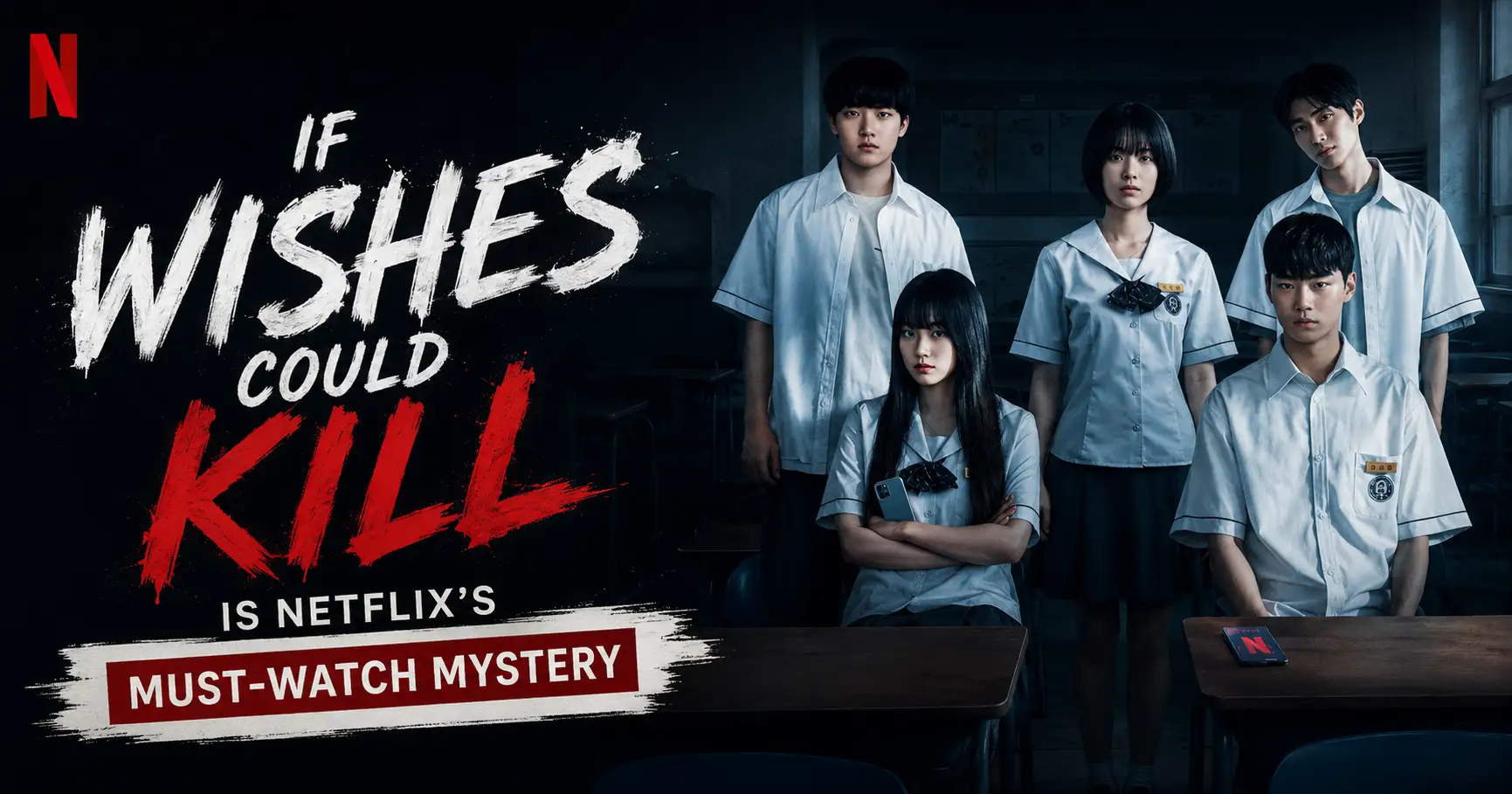
South Korea has built a powerful reputation in global horror cinema over the past few decades. Films like A Tale of Two Sisters and The Wailing introduced audiences to a chilling blend of psychological fear, folklore, and emotional depth. These stories often focus on human pain and unresolved trauma, making the horror feel personal and lasting.
Despite this strong foundation in film, television dramas have only recently started exploring horror in a serious and impactful way. K-dramas traditionally leaned toward romance, family, and lighthearted storytelling. Audiences began craving darker and more complex narratives.
 Via Herzindagi
Shows like Sweet Home and All of Us Are Dead proved that horror could succeed on television when combined with strong characters and high-stakes storytelling. These series paved the way for more experimental ideas that merge genres.
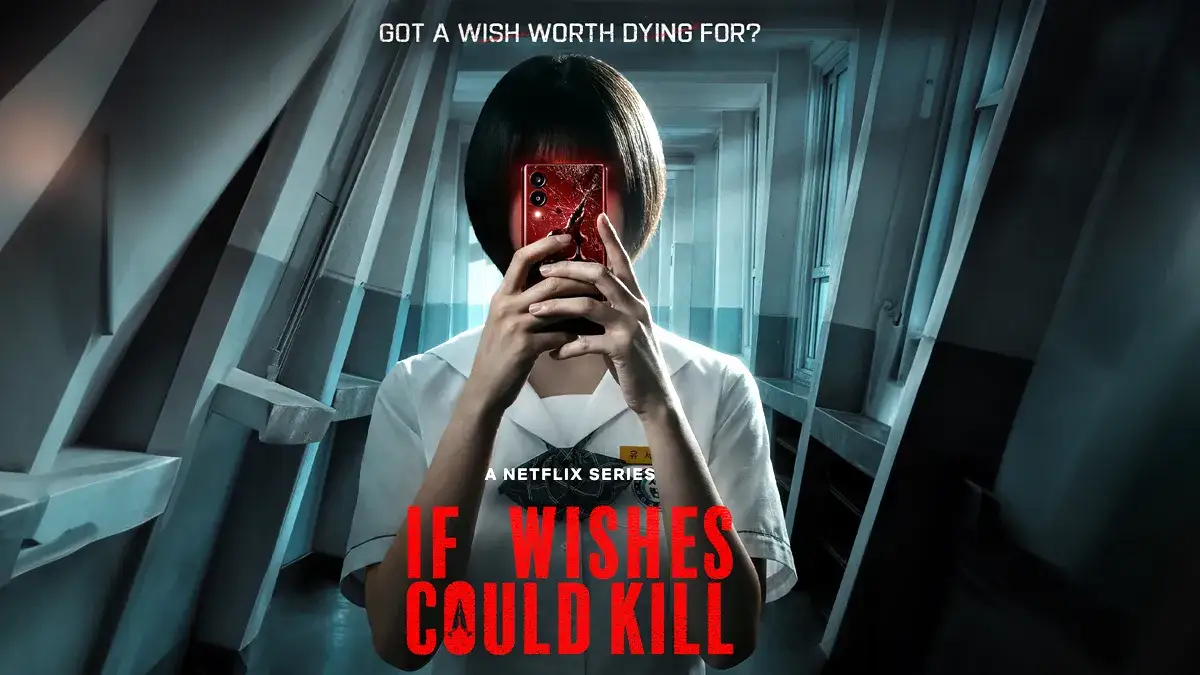
If Wishes Could Kill takes this evolution a step further by blending teen drama, supernatural horror, and modern technology. It introduces a unique concept that feels both familiar and fresh. The story taps into real fears about digital life while connecting them to ancient beliefs. This mix makes the series stand out and keeps viewers deeply engaged until its final moments.
 Via Time Magazine
 Via Time Magazine
 Via Times Now
This event becomes the emotional anchor of the series. It creates guilt, confusion, and tension among the friends. Each character reacts differently, shaping their decisions throughout the story. The tragedy also sets the stage for a deeper exploration of the curse and its origins.
 Via Time Magazine
Na-ri’s hidden wish adds another layer of complexity. Made during a moment of frustration, her wish for harm highlights the darker side of human emotions. It demonstrates how anger and impulsive behavior can lead to irreversible actions. The fact that her countdown stops due to another wish introduces the idea of shifting consequences.
These interconnected wishes create a web of tension among the characters. Trust begins to break down as secrets come to light. Each person must face the impact of their choices while trying to survive. This dynamic keeps the narrative intense and unpredictable.
 Via Bombay Times
 Via Fandom Wire
Shamanism in the show is not presented as outdated or irrelevant. Instead, it is shown as a powerful and respected practice. This portrayal reflects a growing interest in traditional beliefs within modern Korean culture. It also enriches the story by providing tools to fight the curse.
 Via Digital Mafia
Si-won’s friendship with Do Hye-rung adds another layer of tragedy. Their relationship becomes strained due to misunderstandings and hidden truths. The involvement of other students creates a toxic environment filled with jealousy and cruelty. This tension leads to devastating consequences.
The turning point occurs when Hye-rung uses the app in despair. Her wish triggers a chain of events that results in multiple deaths. Si-won’s final act of making her own wish binds her spirit to the app. This moment transforms personal pain into a lasting curse that affects future users.
 Via Times Now
 Via Times Now
Betrayal becomes a central conflict as trust breaks down within the group. Friends turn against each other, either by choice or under supernatural influence. These moments are emotionally intense and highlight the human cost of the curse.
 Via Zoom TV
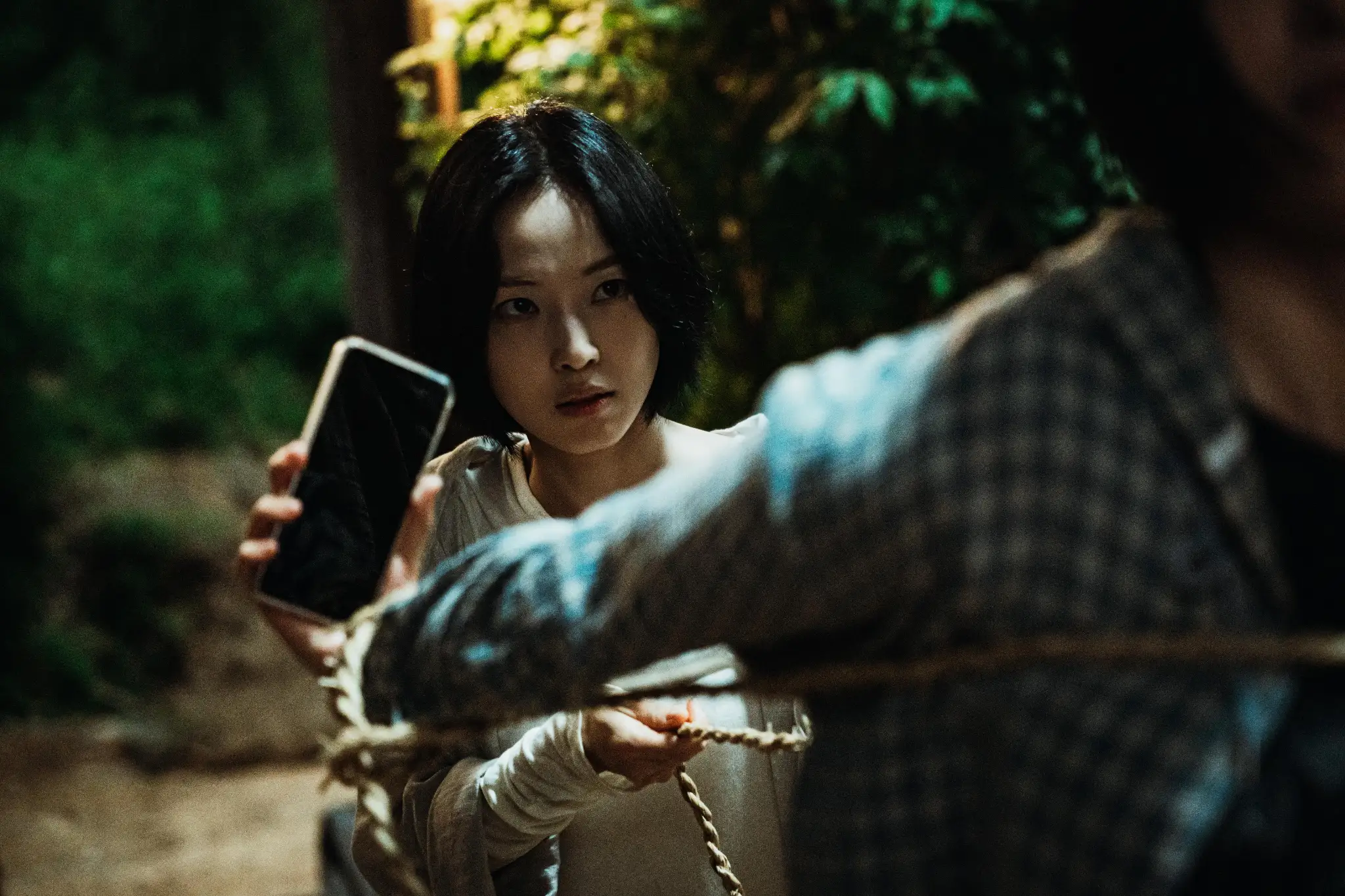
Se-ah’s mission to find and destroy the phone becomes the key to breaking the curse. Her determination reflects growth and courage developed throughout the series. She faces both physical and emotional challenges, including confronting former friends.
Ha-sal’s role in holding off Si-won shows the strength of shamanic power. Her actions provide the opportunity needed to complete the mission. This teamwork emphasizes the importance of unity and sacrifice in overcoming evil forces.
 Via Herzindagi
 Via Sportkeeda
The surviving characters gather for a ceremony to honor those who have passed away. This moment brings a sense of peace and reflection. It highlights the importance of remembering and letting go, allowing the story to end on a meaningful note.
 Via IMDb
The story also emphasizes the value of connection and trust. Characters who rely on each other have a better chance of survival. Isolation, on the other hand, leads to vulnerability and manipulation. This message resonates beyond the supernatural elements.
The resolution suggests that breaking harmful cycles requires courage and sacrifice. Se-ah’s actions demonstrate that change is possible, even in the face of overwhelming odds. The story leaves viewers with a sense of reflection rather than simple relief.
More in UnassignedVia Herzindagi
Shows like Sweet Home and All of Us Are Dead proved that horror could succeed on television when combined with strong characters and high-stakes storytelling. These series paved the way for more experimental ideas that merge genres.
If Wishes Could Kill takes this evolution a step further by blending teen drama, supernatural horror, and modern technology. It introduces a unique concept that feels both familiar and fresh. The story taps into real fears about digital life while connecting them to ancient beliefs. This mix makes the series stand out and keeps viewers deeply engaged until its final moments.
Via Time Magazine
The Deadly Concept Behind the Girigo App
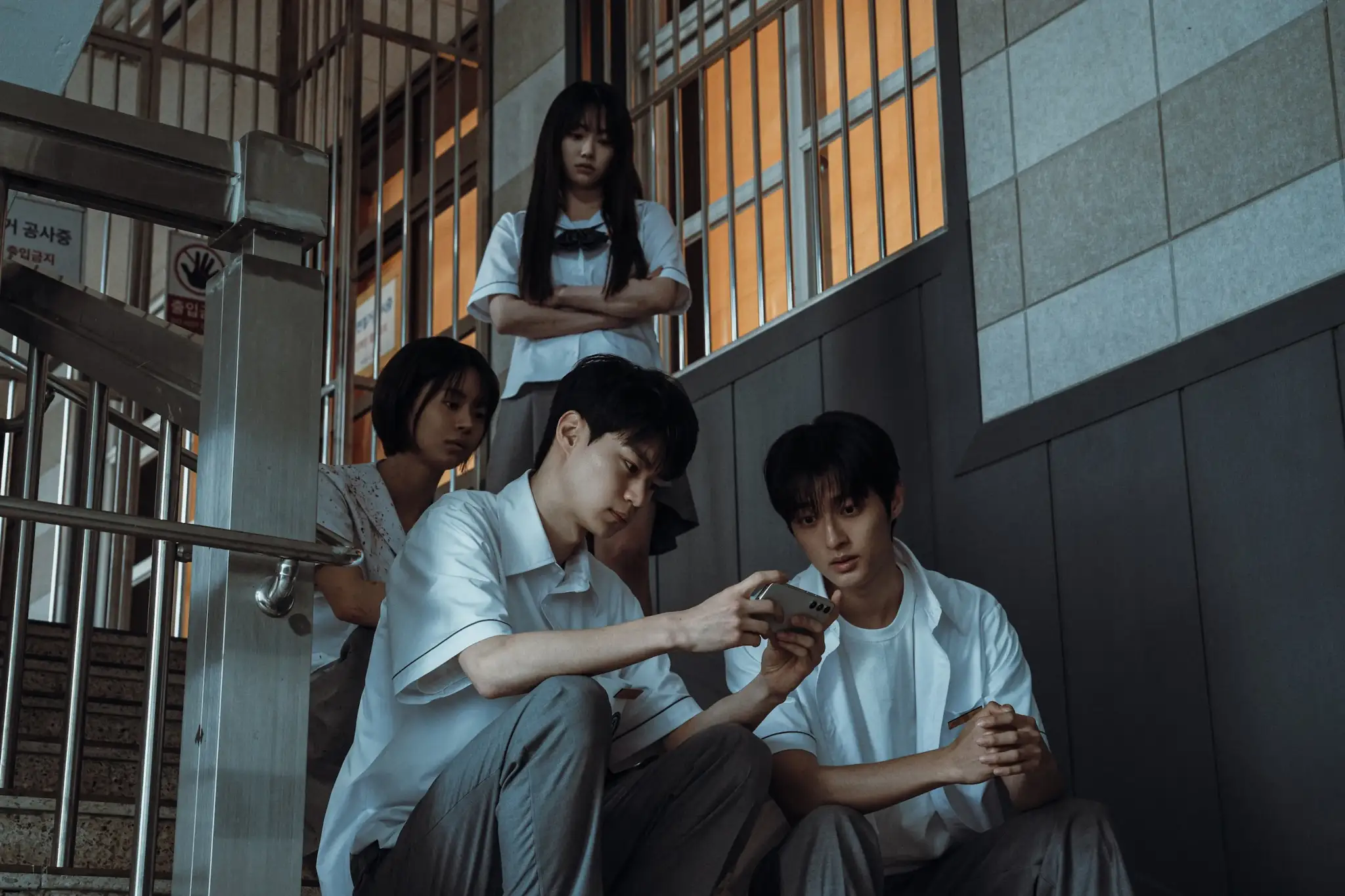
At the center of the story lies the Girigo app, a simple yet terrifying tool. It promises to grant any wish as long as the user records a video stating their desire, along with their identity details. This setup feels harmless at first, especially for teenagers dealing with everyday problems. The idea of instant results creates a strong temptation that few can resist. The twist arrives when the consequences become clear. Every granted wish comes with a 24-hour countdown that leads to death. This rule transforms the app into a modern version of a cursed object. It plays on human desperation and impulsive decisions, showing how quickly people can fall into dangerous traps when offered easy solutions.Via Time Magazine
The First Tragedy That Changed Everything
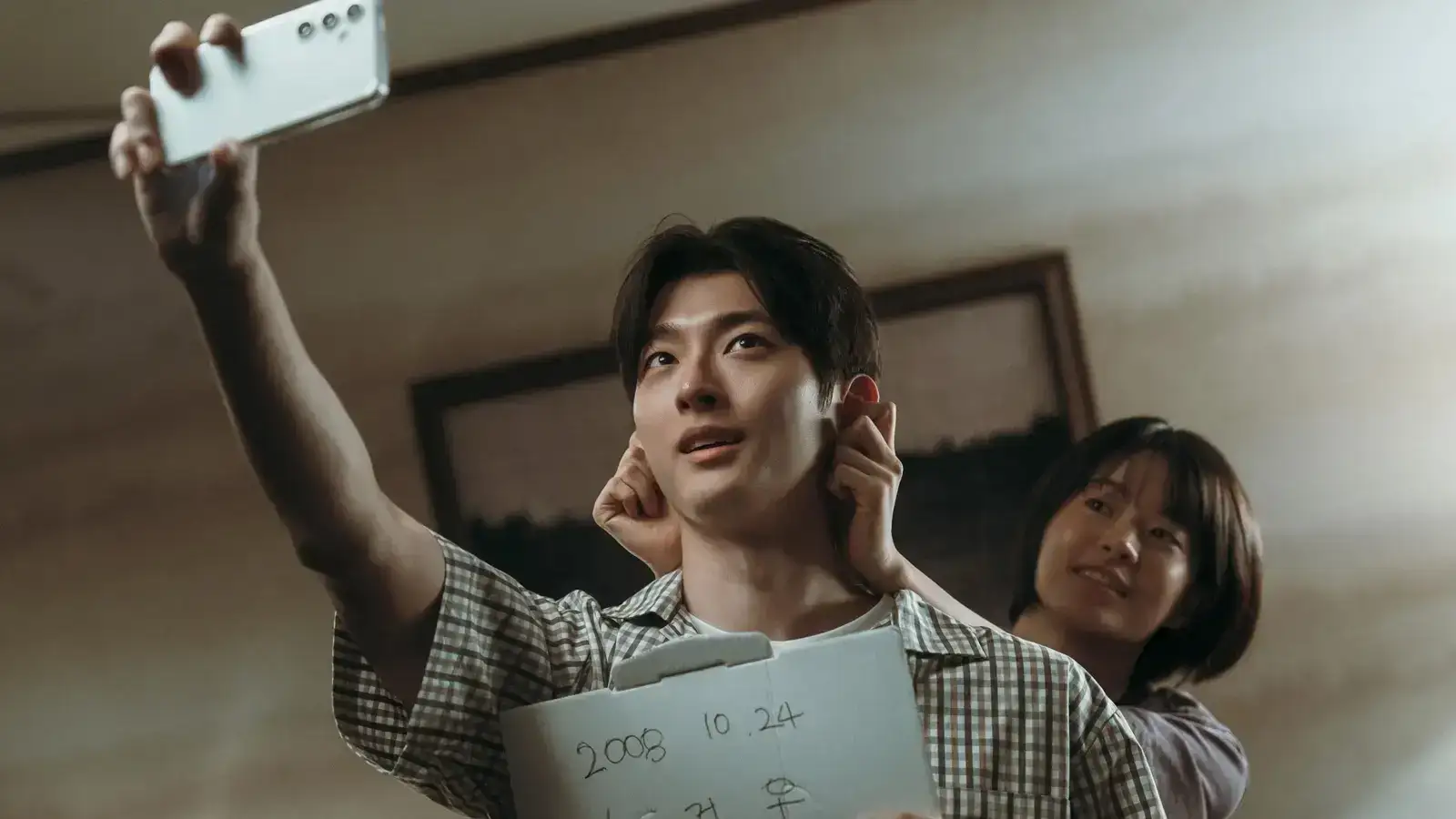
The horror begins when Hyeon-wook, known for his playful nature, uses the app without understanding its true cost. His wish for a perfect score on a math test seems harmless and even relatable. When the wish comes true, it reinforces the illusion that the app is a miracle tool. This moment builds false confidence among his friends. The situation takes a shocking turn when Hyeon-wook dies in front of his classmates. The sudden and violent nature of his death reveals the app’s true power. It forces the group to confront a reality they never expected. Fear quickly replaces curiosity, and the characters begin to realize they are dealing with something far beyond their control.Via Times Now
This event becomes the emotional anchor of the series. It creates guilt, confusion, and tension among the friends. Each character reacts differently, shaping their decisions throughout the story. The tragedy also sets the stage for a deeper exploration of the curse and its origins.
The Chain of Wishes and Growing Fear
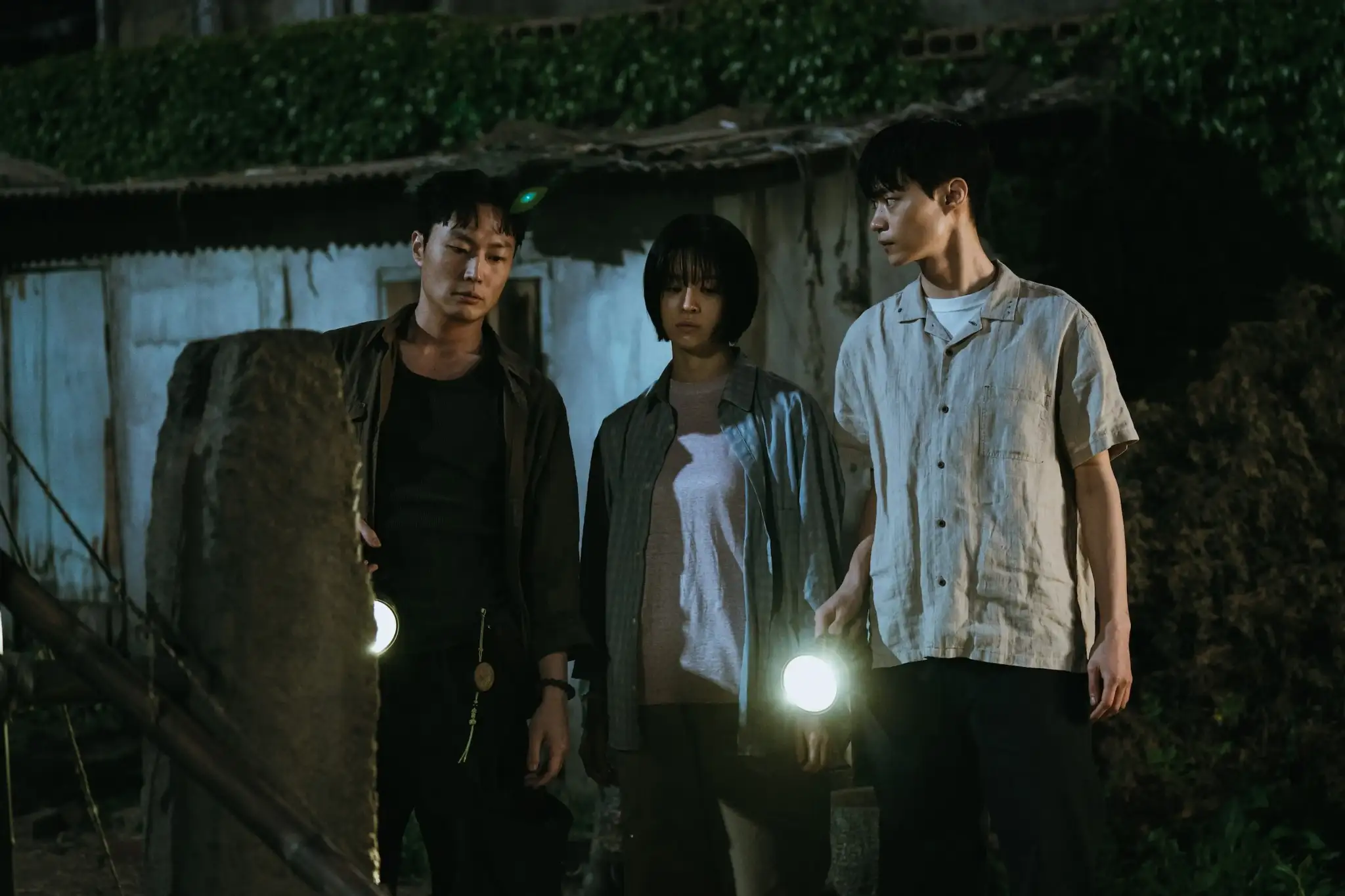
As the story unfolds, more characters reveal that they have already used the app. Geon-woo’s wish to spend time with his girlfriend Se-ah appears harmless but carries deadly consequences. His decision unknowingly triggers another countdown, putting his life at risk. This shows how even small desires can lead to serious outcomes.Via Time Magazine
Na-ri’s hidden wish adds another layer of complexity. Made during a moment of frustration, her wish for harm highlights the darker side of human emotions. It demonstrates how anger and impulsive behavior can lead to irreversible actions. The fact that her countdown stops due to another wish introduces the idea of shifting consequences.
These interconnected wishes create a web of tension among the characters. Trust begins to break down as secrets come to light. Each person must face the impact of their choices while trying to survive. This dynamic keeps the narrative intense and unpredictable.
Via Bombay Times
Understanding Korean Shamanism in the Story
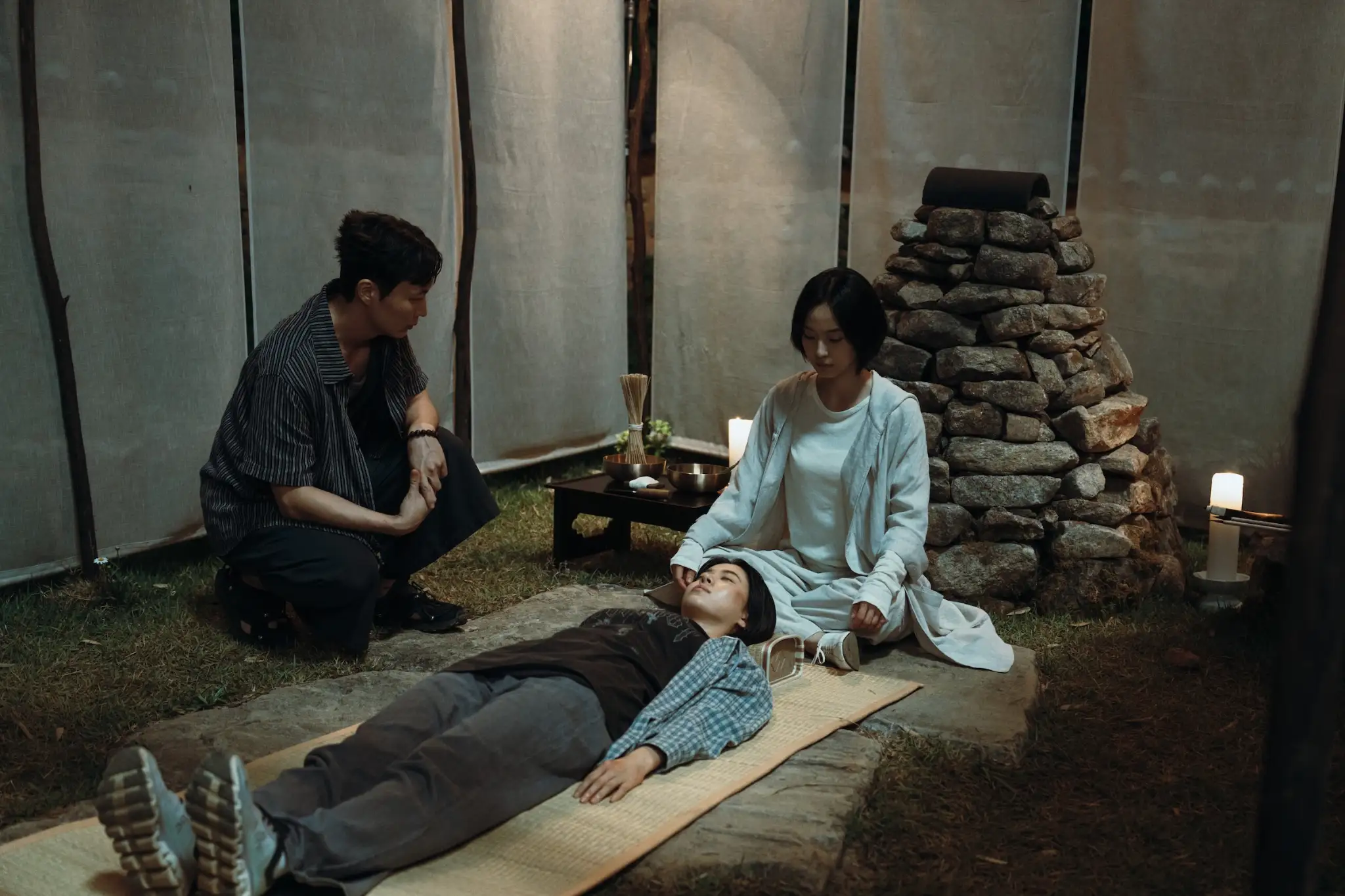
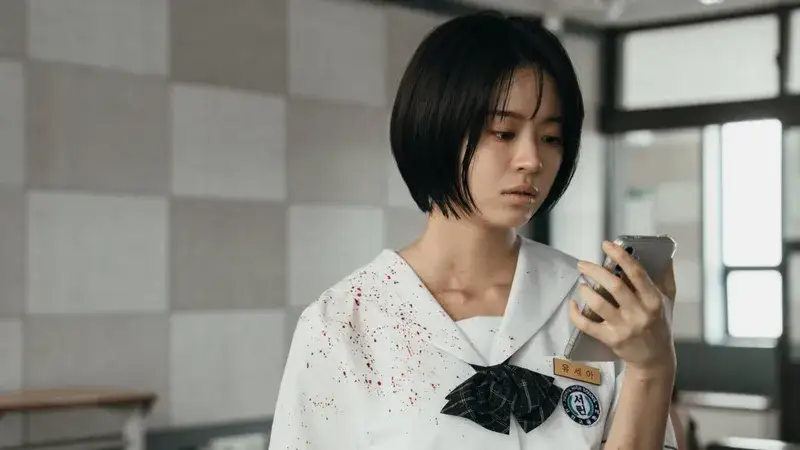
Korean shamanism, known as mu-sok, plays a crucial role in shaping the series. This belief system centers on the idea that spirits influence human life. Shamans act as intermediaries, helping people communicate with the spiritual world. This cultural element adds authenticity and depth to the story. The series portrays shamans as skilled individuals who can confront supernatural forces. Ha-sal and Bang Ui represent this role, using their knowledge to protect others. Their presence introduces hope in an otherwise dark narrative. It also connects the modern setting to ancient traditions.Via Fandom Wire
Shamanism in the show is not presented as outdated or irrelevant. Instead, it is shown as a powerful and respected practice. This portrayal reflects a growing interest in traditional beliefs within modern Korean culture. It also enriches the story by providing tools to fight the curse.
The Origin of the Girigo Curse
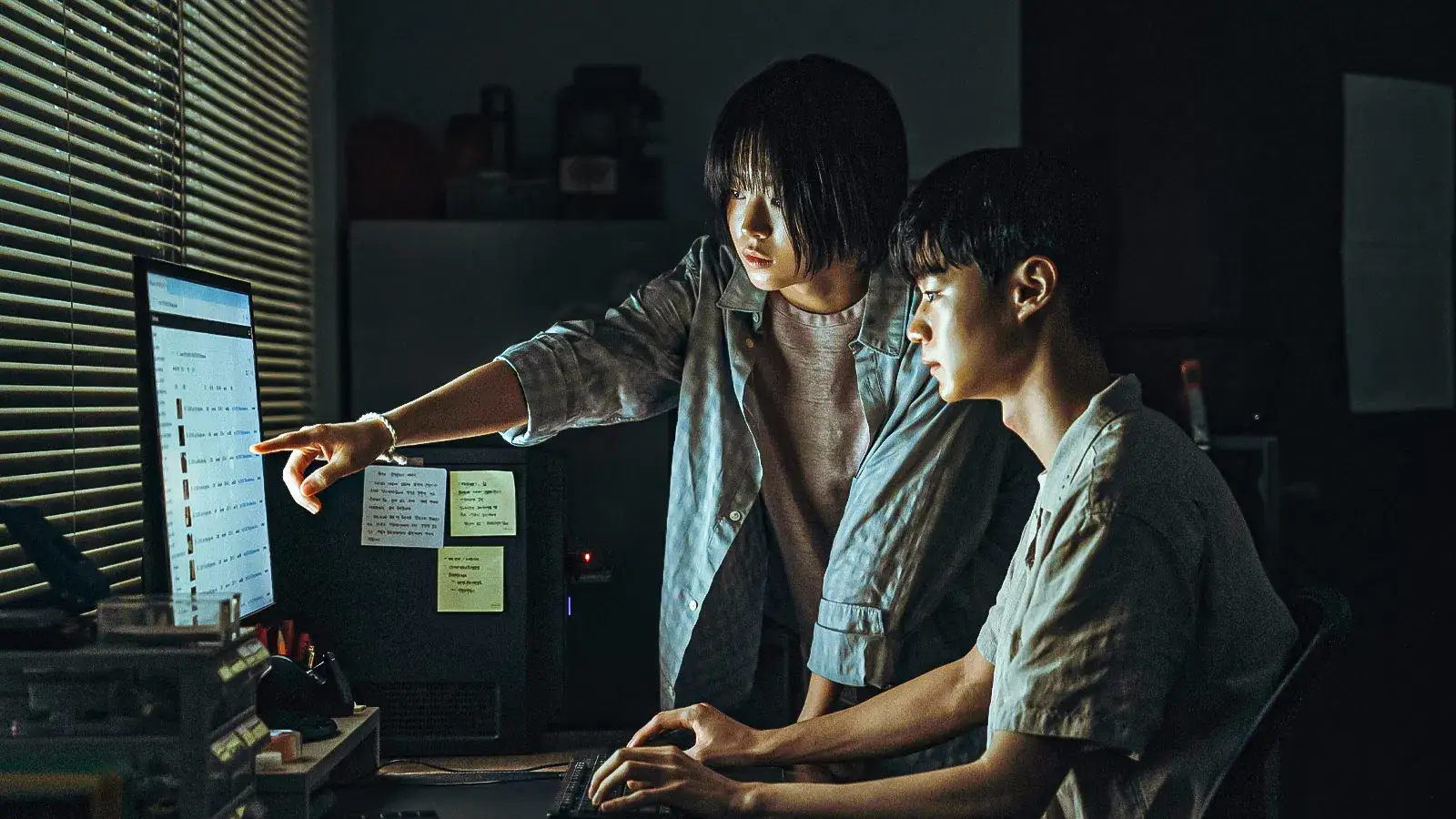
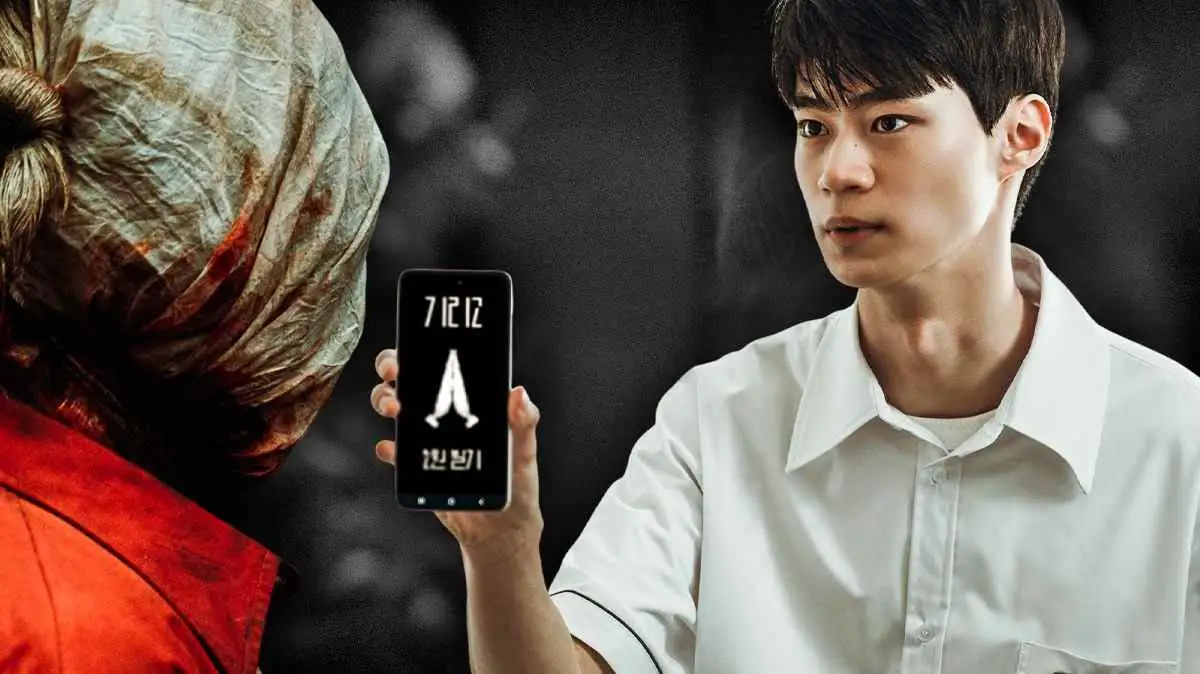
The app’s origin traces back to a tragic past involving Kim Si-won. She was a talented student who struggled with her identity and family background. Her connection to a shaman mother brought shame and isolation. This emotional conflict shaped her actions and decisions.Via Digital Mafia
Si-won’s friendship with Do Hye-rung adds another layer of tragedy. Their relationship becomes strained due to misunderstandings and hidden truths. The involvement of other students creates a toxic environment filled with jealousy and cruelty. This tension leads to devastating consequences.
The turning point occurs when Hye-rung uses the app in despair. Her wish triggers a chain of events that results in multiple deaths. Si-won’s final act of making her own wish binds her spirit to the app. This moment transforms personal pain into a lasting curse that affects future users.
Via Times Now
The Emotional Weight of Betrayal and Guilt
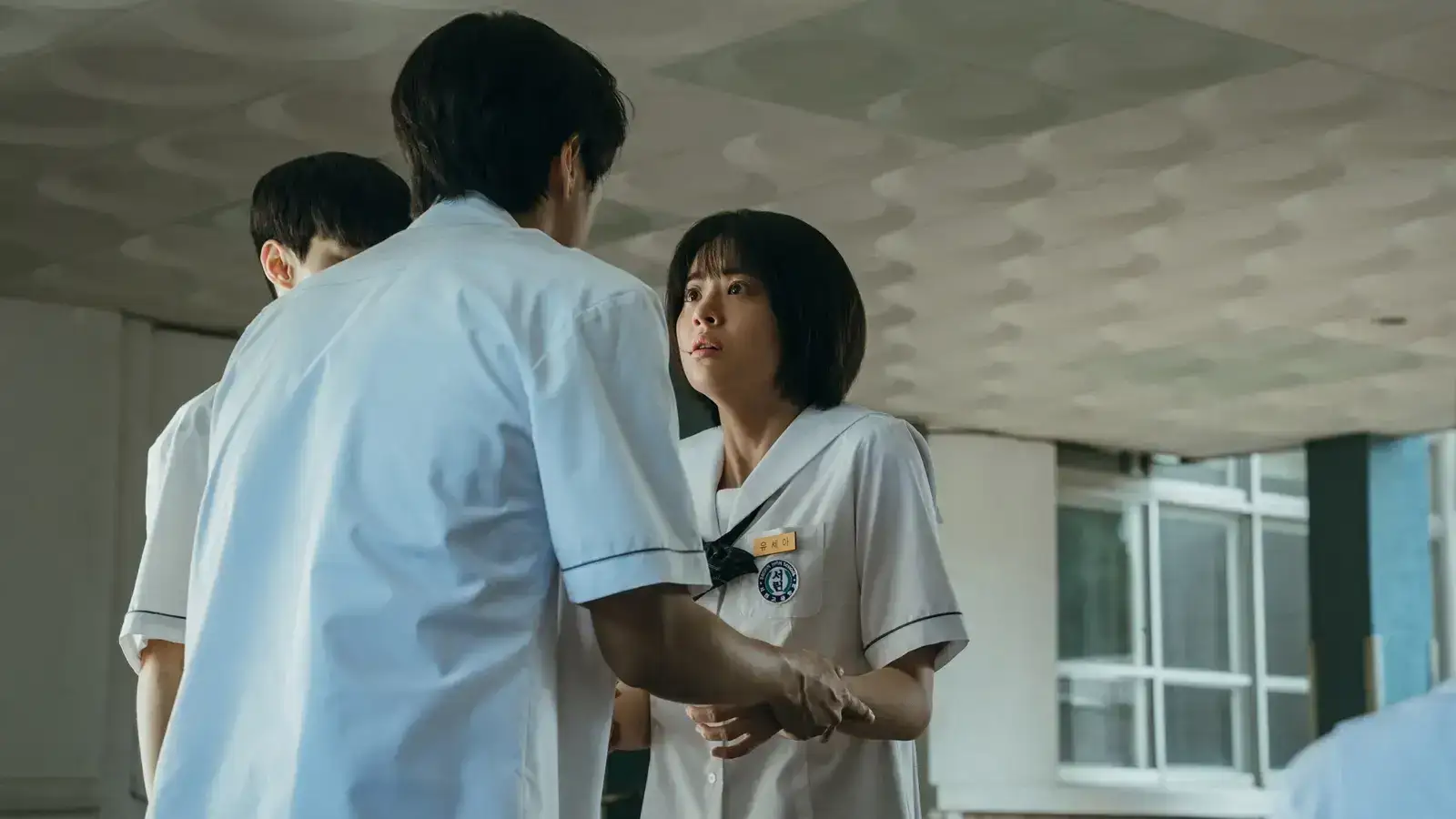
One of the strongest themes in the series is the impact of guilt. Characters struggle with the consequences of their wishes and actions. Na-ri’s journey highlights how guilt can distort perception and lead to destructive choices. Her emotional state makes her vulnerable to manipulation. Si-won’s influence over Na-ri demonstrates how the curse feeds on negative emotions. It twists reality and creates illusions that isolate individuals from their friends. This psychological aspect adds depth to the horror, making it more than just physical danger.Via Times Now
Betrayal becomes a central conflict as trust breaks down within the group. Friends turn against each other, either by choice or under supernatural influence. These moments are emotionally intense and highlight the human cost of the curse.
The Final Battle in the Spirit World
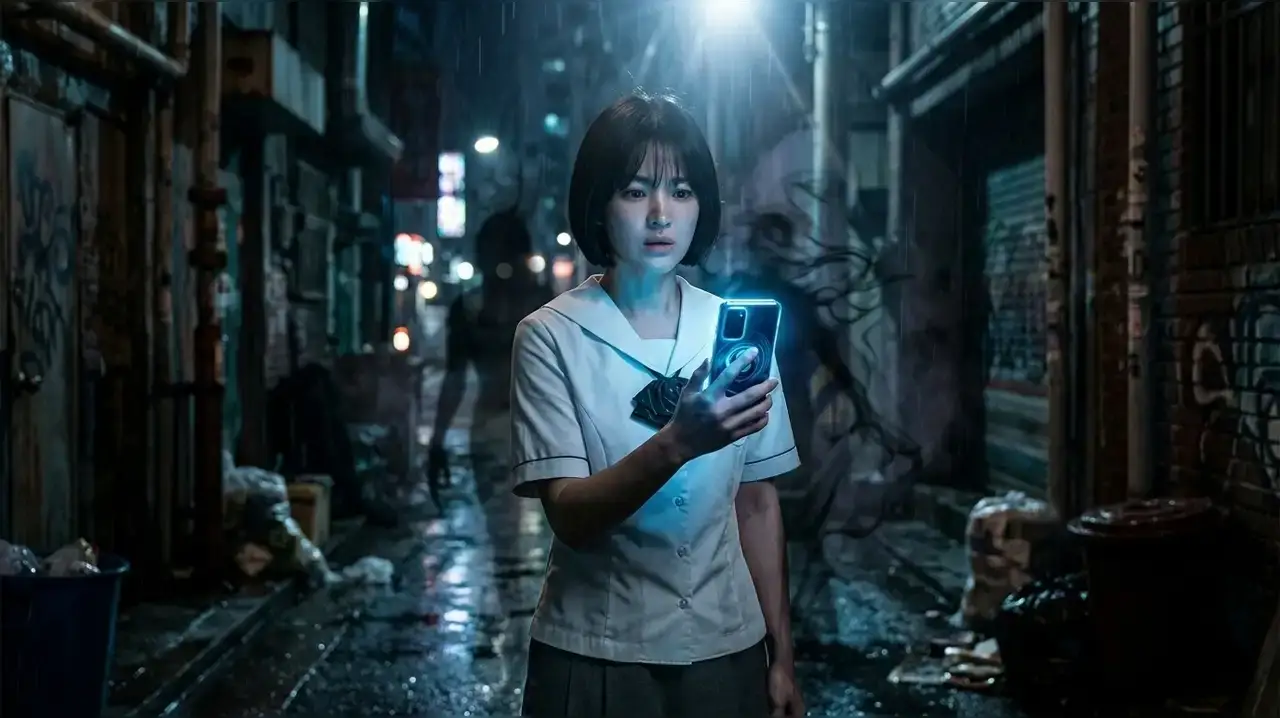
The climax takes place in the spirit world, where Se-ah and Ha-sal attempt to end the curse. This setting represents a space where reality and the supernatural merge. It creates a visually and emotionally powerful backdrop for the final confrontation.Via Zoom TV
Se-ah’s mission to find and destroy the phone becomes the key to breaking the curse. Her determination reflects growth and courage developed throughout the series. She faces both physical and emotional challenges, including confronting former friends.
Ha-sal’s role in holding off Si-won shows the strength of shamanic power. Her actions provide the opportunity needed to complete the mission. This teamwork emphasizes the importance of unity and sacrifice in overcoming evil forces.
Via Herzindagi
The Tragic Outcome and Resolution
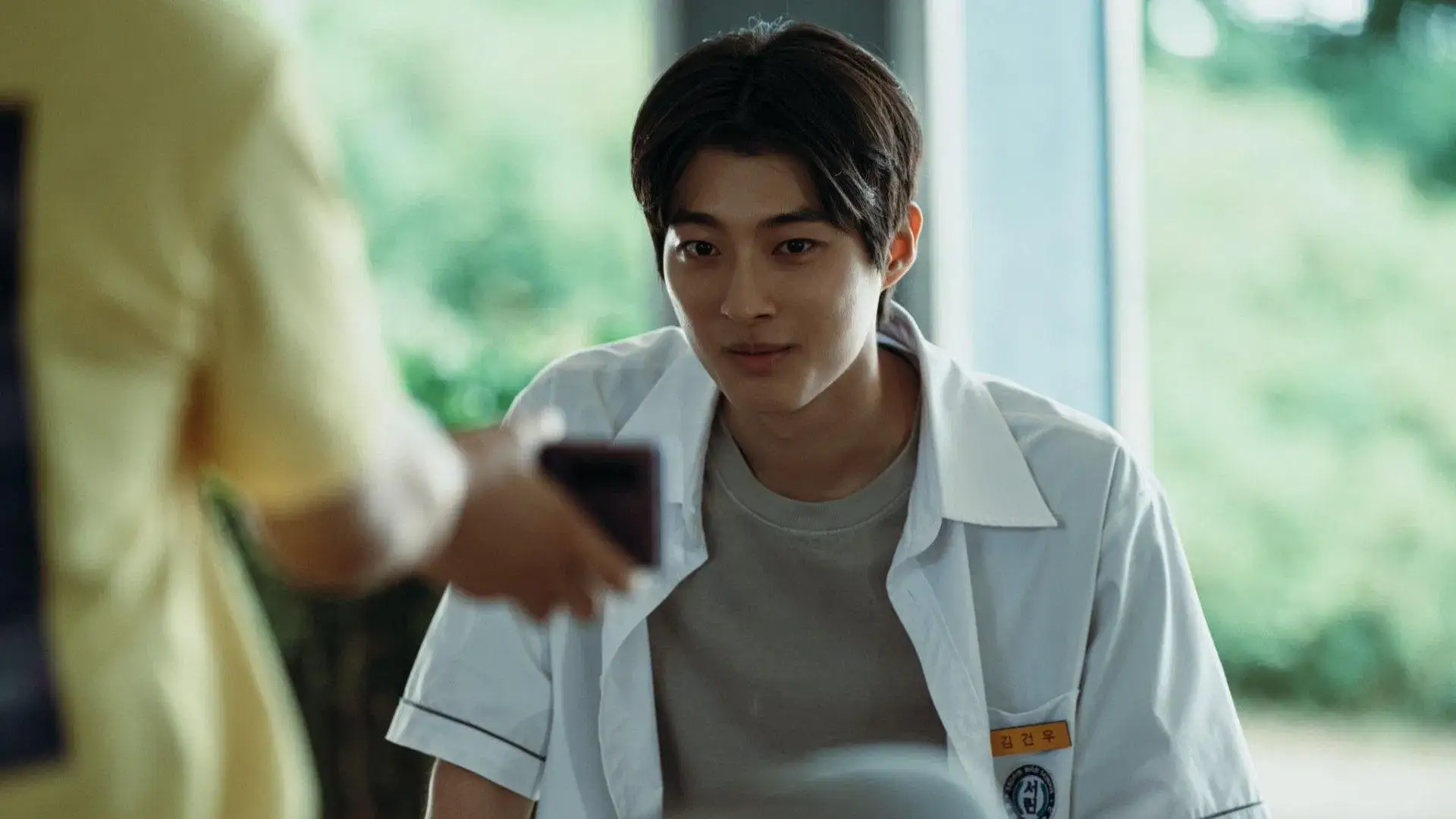
The ending is not entirely happy, as several characters do not survive. Hyeon-wook and Na-ri’s deaths leave a lasting impact on the group. These losses remind viewers of the irreversible consequences of their actions. The story avoids a simple resolution, choosing instead to reflect reality. Se-ah ultimately succeeds in destroying the phone, breaking the curse. This act frees the trapped spirits and ends the cycle of death. It provides closure to the supernatural conflict while leaving emotional scars for the survivors.Via Sportkeeda
The surviving characters gather for a ceremony to honor those who have passed away. This moment brings a sense of peace and reflection. It highlights the importance of remembering and letting go, allowing the story to end on a meaningful note.
What the Ending Truly Means
The ending of If Wishes Could Kill explores the idea that every choice carries consequences. The app serves as a metaphor for human desires and the risks of seeking shortcuts. It shows how easily people can lose control when faced with temptation.Via IMDb
The story also emphasizes the value of connection and trust. Characters who rely on each other have a better chance of survival. Isolation, on the other hand, leads to vulnerability and manipulation. This message resonates beyond the supernatural elements.
The resolution suggests that breaking harmful cycles requires courage and sacrifice. Se-ah’s actions demonstrate that change is possible, even in the face of overwhelming odds. The story leaves viewers with a sense of reflection rather than simple relief.