Unassigned
China's Diabetes Cure Could Replace Medication

A team of scientists in China has captured global attention with a groundbreaking approach to treating Type 2 diabetes. By harnessing the power of stem cells, they aim to restore the body's natural ability to produce insulin. This method goes beyond traditional management techniques, potentially offering a complete reversal of the condition. The initial success story involves a patient from Shanghai who no longer requires daily medications or insulin injections.
This development sparks hope for millions worldwide who face the daily challenges of monitoring blood sugar and adhering to strict regimens. The process begins with extracting cells from the patient and reprogramming them into stem cells capable of developing into insulin-producing beta cells.
 Via Cells4Life
These new cells are then transplanted back into the body, where they integrate and function like healthy pancreatic cells. Early results indicate that this can normalize blood glucose levels without external interventions. While still in the experimental phase, this innovation represents a shift from symptom control to addressing the underlying cellular dysfunction in Type 2 diabetes.
 Via Add More to Life
Diagnosis typically involves blood tests that measure fasting glucose or hemoglobin A1c levels to confirm the presence of the disease. Managing Type 2 diabetes traditionally involves lifestyle changes, oral medications, and sometimes insulin therapy to keep blood sugar in check. However, these approaches do not cure the disease but rather help control it to prevent further health deterioration.
The emotional toll is significant, as patients often experience anxiety about long-term health outcomes and the burden of constant self-care. With over 400 million affected globally, the need for a curative solution is urgent, especially as prevalence rises in younger populations due to modern dietary habits.
 Via My Food Diary
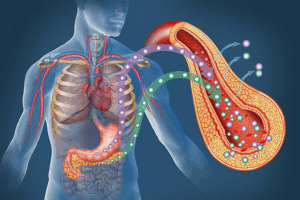
Beta cells in the pancreas are central to the problem, as they are responsible for insulin production but become impaired or depleted in Type 2 diabetes. Inflammation and oxidative stress contribute to their decline, exacerbating the condition. Understanding this cellular mechanism is key to developing therapies that regenerate these cells, offering a path to restoration rather than ongoing management.
 Via Alternative Disc Therapy
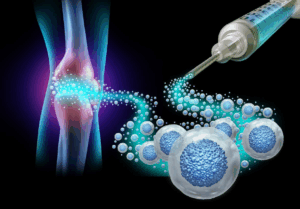
Once reprogrammed, these stem cells are guided through a series of chemical signals to mature into beta-like cells capable of sensing glucose and secreting insulin accordingly. The transplantation process is minimally invasive, often involving injection into accessible sites like the arm or abdomen.
Over weeks to months, the new cells establish themselves and begin functioning, potentially restoring normal glycemic control. Safety protocols are rigorous to prevent issues like uncontrolled cell growth, which could lead to tumors. This personalized approach contrasts with generic drug treatments, tailoring the therapy to the individual's biology for better outcomes.
 Via Advanced Sports and Spine
Advancements in lab techniques have made this process more efficient, reducing the time and cost involved in cell production. Ongoing research focuses on optimizing the differentiation protocols to ensure high purity and functionality of the generated beta cells. As a result, stem cell therapy holds promise not only for diabetes but for other regenerative medicine applications.
 Via CBM Consulting
The procedure took place in July 2021, with close monitoring for efficacy and side effects in the following months. Post-transplant, the patient showed rapid improvements: within 75 days, his insulin requirements decreased significantly, and by 11 weeks, he discontinued injections entirely.
Oral medications were phased out after a year, with sustained normal blood sugar levels confirmed through continuous glucose monitoring. Published findings highlight the absence of adverse events, such as immune rejection or hypoglycemia, over a 33-month follow-up period.
 Via The Edge Singapore
This case builds on prior experiments, incorporating innovative chemical cocktails to enhance cell maturation speed and viability. The team's approach also included advanced imaging to track cell integration, providing valuable data for future refinements.
 Via NDTV
Quality of life improvements were notable, including weight stabilization and reduced fatigue. In parallel trials for Type 1 diabetes, similar successes were observed, such as a woman in Tianjin who achieved insulin independence within three months using adipose-derived stem cells.
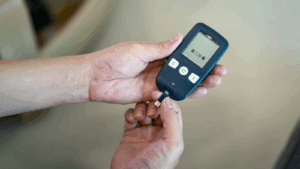
These outcomes across small cohorts indicate high success rates, with no reported malignancies or infections. Variability in response among participants underscores the need for larger studies to identify predictors of success. Comparative analysis with control groups in ongoing phases will further validate these findings, potentially paving the way for broader application.
 Via Interesting Engineering
 Via Business Standard
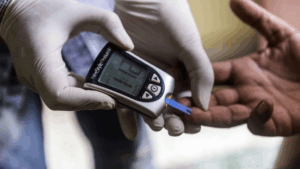
Economically, individuals save on healthcare costs over time, as a one-time treatment replaces lifelong prescriptions and doctor visits. For families, it reduces caregiving burdens, fostering stronger relationships and community participation. In developing regions where access to medications is limited, this could dramatically reduce diabetes-related mortality and morbidity, promoting global health equity.
 Via ComplianceQuest
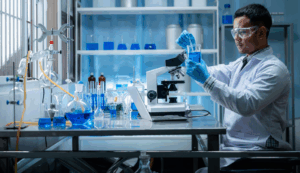
This shift could lead to stock market volatility and necessitate strategic pivots toward regenerative medicines or new disease areas. However, forward-thinking firms may invest in stem cell technologies, partnering with innovators to develop and market these therapies.
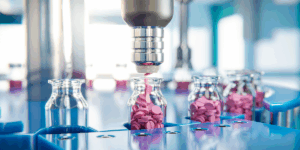
Regulatory changes might accelerate as demand grows, but concerns over patent protections and market exclusivity arise. Ethically, the industry must balance profit motives with patient benefits, potentially leading to more collaborative models. This breakthrough could democratize healthcare, challenging monopolies and encouraging competition that lowers costs for consumers worldwide.
 Via EZO
 Via South China Morning Post
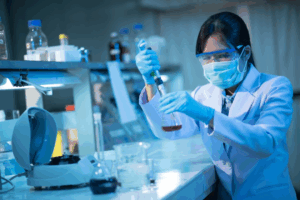
The country's large population provides ample opportunities for clinical trials, accelerating development timelines compared to smaller nations. Ethical frameworks ensure responsible research, aligning with global standards. Future contributions may extend to fields like oncology and neurology, solidifying China's influence in the medical landscape.
 Via Nature
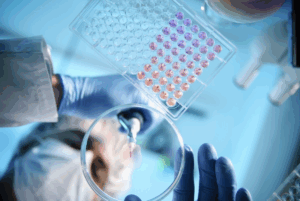
Regulatory approvals from bodies like the FDA will demand rigorous evidence from multicenter studies. Innovations in automation could reduce costs, making the therapy viable for widespread use. Collaboration between academia, industry, and governments will be essential to overcome these hurdles and bring the cure to market.
 Via Slough Careers Support
The ripple effects include reduced healthcare burdens on economies, freeing funds for preventive care and other priorities. International cooperation could standardize protocols, ensuring equitable distribution and ethical implementation. Ultimately, this fosters a healthier world population, with fewer disabilities and greater productivity.
More in Unassigned
Via Cells4Life
These new cells are then transplanted back into the body, where they integrate and function like healthy pancreatic cells. Early results indicate that this can normalize blood glucose levels without external interventions. While still in the experimental phase, this innovation represents a shift from symptom control to addressing the underlying cellular dysfunction in Type 2 diabetes.
Understanding Type 2 Diabetes
Type 2 diabetes occurs when the body becomes resistant to insulin or fails to produce enough of it, leading to elevated blood sugar levels. This chronic condition often develops gradually, influenced by factors such as obesity, sedentary lifestyle, and genetic predisposition. Over time, high glucose can damage vital organs, including the heart, kidneys, and nerves, increasing the risk of complications like cardiovascular disease and vision loss.
Via Add More to Life
Diagnosis typically involves blood tests that measure fasting glucose or hemoglobin A1c levels to confirm the presence of the disease. Managing Type 2 diabetes traditionally involves lifestyle changes, oral medications, and sometimes insulin therapy to keep blood sugar in check. However, these approaches do not cure the disease but rather help control it to prevent further health deterioration.
The emotional toll is significant, as patients often experience anxiety about long-term health outcomes and the burden of constant self-care. With over 400 million affected globally, the need for a curative solution is urgent, especially as prevalence rises in younger populations due to modern dietary habits.
Via My Food Diary
Beta cells in the pancreas are central to the problem, as they are responsible for insulin production but become impaired or depleted in Type 2 diabetes. Inflammation and oxidative stress contribute to their decline, exacerbating the condition. Understanding this cellular mechanism is key to developing therapies that regenerate these cells, offering a path to restoration rather than ongoing management.
How Stem Cell Therapy Works
Stem cell therapy involves using versatile cells that can differentiate into specialized types, such as those needed for insulin production. Scientists start by taking somatic cells, like skin or blood cells, and inducing them to become pluripotent stem cells through genetic reprogramming. This technique, pioneered by researchers worldwide, allows for the creation of patient-specific cells that minimize rejection risks.
Via Alternative Disc Therapy
Once reprogrammed, these stem cells are guided through a series of chemical signals to mature into beta-like cells capable of sensing glucose and secreting insulin accordingly. The transplantation process is minimally invasive, often involving injection into accessible sites like the arm or abdomen.
Over weeks to months, the new cells establish themselves and begin functioning, potentially restoring normal glycemic control. Safety protocols are rigorous to prevent issues like uncontrolled cell growth, which could lead to tumors. This personalized approach contrasts with generic drug treatments, tailoring the therapy to the individual's biology for better outcomes.
Via Advanced Sports and Spine
Advancements in lab techniques have made this process more efficient, reducing the time and cost involved in cell production. Ongoing research focuses on optimizing the differentiation protocols to ensure high purity and functionality of the generated beta cells. As a result, stem cell therapy holds promise not only for diabetes but for other regenerative medicine applications.
Details of the Chinese Study
The study was conducted at Shanghai Changzheng Hospital in collaboration with leading stem cell institutes in China. Researchers selected a 59-year-old man with a 25-year history of Type 2 diabetes, who had developed complications, including kidney damage. Using his own peripheral blood cells, they generated approximately 1.5 million islet equivalents, clusters of beta cells, for transplantation.
Via CBM Consulting
The procedure took place in July 2021, with close monitoring for efficacy and side effects in the following months. Post-transplant, the patient showed rapid improvements: within 75 days, his insulin requirements decreased significantly, and by 11 weeks, he discontinued injections entirely.
Oral medications were phased out after a year, with sustained normal blood sugar levels confirmed through continuous glucose monitoring. Published findings highlight the absence of adverse events, such as immune rejection or hypoglycemia, over a 33-month follow-up period.
Via The Edge Singapore
This case builds on prior experiments, incorporating innovative chemical cocktails to enhance cell maturation speed and viability. The team's approach also included advanced imaging to track cell integration, providing valuable data for future refinements.
Results from the Trials
Initial trial results demonstrate that the transplanted cells successfully engrafted and functioned as intended, leading to insulin independence in the treated patient. Blood tests revealed improved beta-cell activity, with the pancreas responding appropriately to meals. Long-term data showed no decline in efficacy, suggesting the regeneration could be durable.
Via NDTV
Quality of life improvements were notable, including weight stabilization and reduced fatigue. In parallel trials for Type 1 diabetes, similar successes were observed, such as a woman in Tianjin who achieved insulin independence within three months using adipose-derived stem cells.
These outcomes across small cohorts indicate high success rates, with no reported malignancies or infections. Variability in response among participants underscores the need for larger studies to identify predictors of success. Comparative analysis with control groups in ongoing phases will further validate these findings, potentially paving the way for broader application.
Via Interesting Engineering
Potential Benefits for Patients
For patients, this therapy could eliminate the need for daily blood sugar checks, injections, and medication adherence, freeing them from the constant vigilance required by diabetes management. This liberation extends to dietary flexibility, allowing enjoyment of meals without fear of spikes or crashes. Physical health benefits include lowered risks of complications like neuropathy, retinopathy, and cardiovascular events, potentially extending lifespan and improving overall well-being. Psychologically, the prospect of a cure alleviates the stress and depression often associated with chronic illness, enhancing mental health and social interactions.
Via Business Standard
Economically, individuals save on healthcare costs over time, as a one-time treatment replaces lifelong prescriptions and doctor visits. For families, it reduces caregiving burdens, fostering stronger relationships and community participation. In developing regions where access to medications is limited, this could dramatically reduce diabetes-related mortality and morbidity, promoting global health equity.
Impact on the Pharmaceutical Industry
The pharmaceutical sector, which profits immensely from diabetes drugs generating billions annually, faces potential disruption from a curative therapy. Companies specializing in insulin and oral hypoglycemics might see declining sales if patients no longer require ongoing treatments.
Via ComplianceQuest
This shift could lead to stock market volatility and necessitate strategic pivots toward regenerative medicines or new disease areas. However, forward-thinking firms may invest in stem cell technologies, partnering with innovators to develop and market these therapies.
Regulatory changes might accelerate as demand grows, but concerns over patent protections and market exclusivity arise. Ethically, the industry must balance profit motives with patient benefits, potentially leading to more collaborative models. This breakthrough could democratize healthcare, challenging monopolies and encouraging competition that lowers costs for consumers worldwide.
Via EZO
China's Growing Role in Medicine
China's investment in biotechnology has positioned it as a leader in medical advancements, with substantial government funding supporting stem cell research. This diabetes breakthrough exemplifies their rapid progress, building on a foundation of world-class laboratories and talented scientists. By focusing on high-impact areas like chronic diseases, China addresses domestic health needs while contributing to global solutions. Internationally, this enhances China's soft power, as successful innovations foster collaborations and technology transfers.
Via South China Morning Post
The country's large population provides ample opportunities for clinical trials, accelerating development timelines compared to smaller nations. Ethical frameworks ensure responsible research, aligning with global standards. Future contributions may extend to fields like oncology and neurology, solidifying China's influence in the medical landscape.
Challenges and Future Steps
Despite promising results, scaling the therapy poses logistical challenges, including the high cost of personalized cell production and the need for specialized facilities. Ensuring long-term safety remains critical, as potential risks like teratoma formation require ongoing surveillance. Accessibility issues could exacerbate inequalities if treatments are initially available only to the affluent.
Via Nature
Regulatory approvals from bodies like the FDA will demand rigorous evidence from multicenter studies. Innovations in automation could reduce costs, making the therapy viable for widespread use. Collaboration between academia, industry, and governments will be essential to overcome these hurdles and bring the cure to market.
Explore the Potential Type 2 Diabetes Cure
This discovery could herald the end of Type 2 diabetes as an incurable condition, transforming it into a treatable one with regenerative medicine. By addressing the root cause, it sets a precedent for tackling other chronic illnesses driven by cellular degeneration, such as Parkinson's or heart disease. Global health organizations may prioritize similar research, allocating resources to stem cell initiatives.
Via Slough Careers Support
The ripple effects include reduced healthcare burdens on economies, freeing funds for preventive care and other priorities. International cooperation could standardize protocols, ensuring equitable distribution and ethical implementation. Ultimately, this fosters a healthier world population, with fewer disabilities and greater productivity.