Unassigned
China to Build Kilometer-Wide Solar Farm in Earth Orbit

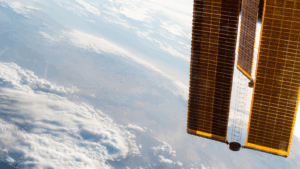
China is taking a huge step toward clean energy with a plan to build a solar power plant in space. This massive project will place a one-kilometer-wide solar array 36,000 kilometers above Earth, where it can collect sunlight all day and night. Unlike ground-based solar panels, it won’t be stopped by clouds or darkness, making it a steady source of power.
The energy will be sent to Earth using safe microwaves, which can light up homes, schools, and factories. This could help fight climate change by giving us clean electricity all the time. China started working on this in 2019, using its powerful Long March 9 rocket to carry parts into space.
 Via Dezeen
They want to create a “dam in the sky,” like the Three Gorges Dam, but powered by the sun. If it works, this could make China a leader in green energy and show the world how to get endless power from space, helping the planet stay healthy for years to come.
 Via Wikipedia
China got interested in the early 2000s, seeing it as a way to solve energy shortages. By 2010, their scientists had made a plan for a huge solar satellite, which got people excited. In 2015, China built a test site to practice sending energy without wires. They’ve been testing ever since, making progress where others couldn’t. Japan has tried small tests, and the US has done studies, but China’s plan is the biggest.
Their success in space, like landing on the moon and building a space station, helps them tackle this. They switched from lasers to safer microwaves for beaming energy. This project builds on years of ideas from around the world, but China’s drive makes it closer to happening.
 Via Physics World
 Via ISPI
Rectennas can be built in empty places like deserts, so they don’t bother anyone. Tests on Earth show this can work, and China is making it ready for a large scale. The plant’s design is smart. It uses lightweight materials to save on launch costs and special panels that grab more sunlight. This means a smaller plant in space can make as much power as a huge one on the ground, saving space and money.
 Via Innovation Frontier Projects
It could power millions of people with just one plant. It also saves land on Earth. Ground solar farms need huge spaces, but this plant is in the sky. Rectennas can have farms or parks under them because the microwaves are safe. This project could send energy to faraway places, helping countries with little sun.
For China, it means being a leader in green energy and not needing imported oil. It could also help in emergencies, like after earthquakes, by beaming power quickly. In space, it might power satellites or moon bases, making exploration easier. This is a big step toward clean, endless energy.
 Via Los Angeles Times
 Via ZOQ Pakistan
There are also rules about sending energy across countries, which could cause problems. China is working on these issues with ground tests and small-scale trials. They’re also designing the plant to handle space’s harsh conditions, but it’s still a big task.
 Via The New York Times
Their government pushes big projects, giving them a speed advantage over other countries. The plan starts with a small satellite by 2028 that makes a little power. By 2030, they’ll launch a bigger one with more power, and by 2035, an even larger one. The full plant, making enough for millions, is set for 2050. The Long March 9 rocket, almost ready, will carry the heavy parts.
China’s focus on green energy, like electric cars and wind farms, ties into this. They’ve been serious about this since 2019, building on earlier ideas. Their clear timeline and strong space skills make them a leader in this futuristic project.
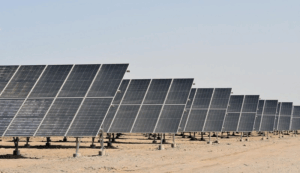 Via The Express Tribune
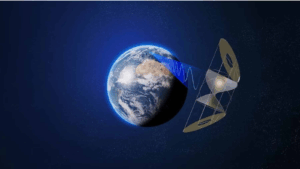 Via ECOticias
There’s also a chance it could be used for new tech, like powering ships or planes. In the long run, many space plants could make energy cheap and easy to get. This could help poor areas or places hit by disasters. It’s a big idea that could make life better for everyone on Earth.
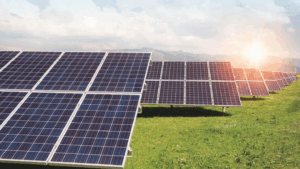 Via Business Standard
In space, it could support bigger missions, like cities on the moon or Mars. It might even power space stations for tourists. The technology could improve other fields, like wireless charging for devices. If China succeeds, it could set a standard for others to follow, speeding up global clean energy. There are risks, like making sure the energy is shared fairly.
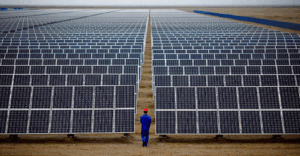 Via Reuters
This project could stop blackouts, fight climate change, and power everything from cities to space missions. It’s a step toward a future where clean energy is everywhere, making life better for people and the planet. If successful, this “dam in the sky” could inspire the world to think bigger and build a sustainable tomorrow that benefits everyone.
More in Unassigned
Via Dezeen
They want to create a “dam in the sky,” like the Three Gorges Dam, but powered by the sun. If it works, this could make China a leader in green energy and show the world how to get endless power from space, helping the planet stay healthy for years to come.
The History of Space-Based Solar Power
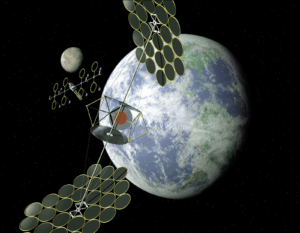
The idea of space solar power began in the 1960s with an American engineer named Peter Glaser. He dreamed of satellites with big solar panels that could send energy to Earth. Back then, it was too expensive and the technology wasn’t ready, so it stayed a dream. In the 1970s, NASA studied it but hit the same problems.
Via Wikipedia
China got interested in the early 2000s, seeing it as a way to solve energy shortages. By 2010, their scientists had made a plan for a huge solar satellite, which got people excited. In 2015, China built a test site to practice sending energy without wires. They’ve been testing ever since, making progress where others couldn’t. Japan has tried small tests, and the US has done studies, but China’s plan is the biggest.
Their success in space, like landing on the moon and building a space station, helps them tackle this. They switched from lasers to safer microwaves for beaming energy. This project builds on years of ideas from around the world, but China’s drive makes it closer to happening.
Via Physics World
How the Technology Works
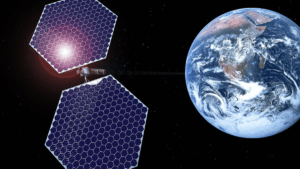
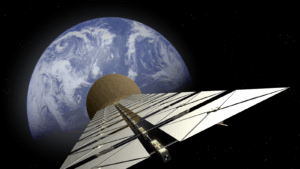
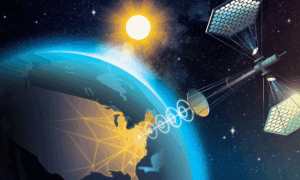
The space solar plant is a giant set of solar panels, about one kilometer wide, floating high above Earth. In space, the sun shines all the time, so the panels can make electricity without stopping. This electricity is turned into microwaves, which are like invisible waves. These waves are sent to big antennas on Earth called rectennas, which catch them and turn them back into power for homes and cities. The system is designed to be super efficient since sunlight in space is much stronger than on Earth. China will use the Long March 9 rocket to send pieces of the plant into space. Robots will put it together in a special orbit that keeps it above the same spot on Earth. The microwaves are safe and can go through clouds, so the energy keeps coming even in bad weather.
Via ISPI
Rectennas can be built in empty places like deserts, so they don’t bother anyone. Tests on Earth show this can work, and China is making it ready for a large scale. The plant’s design is smart. It uses lightweight materials to save on launch costs and special panels that grab more sunlight. This means a smaller plant in space can make as much power as a huge one on the ground, saving space and money.
Why Space Solar Power Matters
This project can give us power all the time, unlike regular solar panels that stop at night. This is perfect for places like hospitals or computer centers that need electricity 24/7. It’s also super clean, making no pollution and helping stop global warming. China wants to use less coal and oil, and this could help it reach its goal of being carbon neutral by 2060.
Via Innovation Frontier Projects
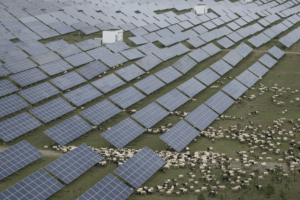
It could power millions of people with just one plant. It also saves land on Earth. Ground solar farms need huge spaces, but this plant is in the sky. Rectennas can have farms or parks under them because the microwaves are safe. This project could send energy to faraway places, helping countries with little sun.
For China, it means being a leader in green energy and not needing imported oil. It could also help in emergencies, like after earthquakes, by beaming power quickly. In space, it might power satellites or moon bases, making exploration easier. This is a big step toward clean, endless energy.
Via Los Angeles Times
Challenges to Overcome
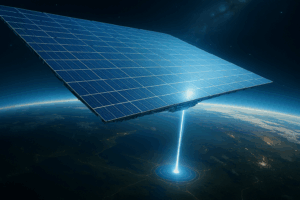
Building something this big in space is super tough. The plant could weigh thousands of tons, so launching it costs a lot, even with reusable rockets. Putting it together in space is hard because there’s no gravity. Robots have to work perfectly, and one mistake could ruin everything. Keeping the plant in the right spot is also tricky, as space winds and gravity can push it off course. It needs thrusters to stay put. The microwaves must hit the rectennas exactly, or energy gets wasted. Space junk, such as old satellite debris, could crash into the plant, so it requires robust shields. The plant faces extreme heat on the sunny side and cold on the dark side, so it needs tough materials. Paying for it all is a huge challenge, billions of dollars upfront.
Via ZOQ Pakistan
There are also rules about sending energy across countries, which could cause problems. China is working on these issues with ground tests and small-scale trials. They’re also designing the plant to handle space’s harsh conditions, but it’s still a big task.
China’s Role and Timeline
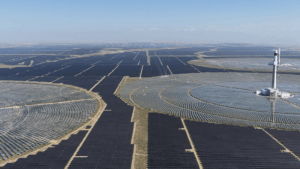
China is great at space projects, having built a space station and sent rovers to the moon. This experience helps them take on the solar plant. The China Academy of Space Technology leads, with help from universities and companies like Huawei. They’ve got a test site in Chongqing to practice beaming energy.
Via The New York Times
Their government pushes big projects, giving them a speed advantage over other countries. The plan starts with a small satellite by 2028 that makes a little power. By 2030, they’ll launch a bigger one with more power, and by 2035, an even larger one. The full plant, making enough for millions, is set for 2050. The Long March 9 rocket, almost ready, will carry the heavy parts.
China’s focus on green energy, like electric cars and wind farms, ties into this. They’ve been serious about this since 2019, building on earlier ideas. Their clear timeline and strong space skills make them a leader in this futuristic project.
Via The Express Tribune
Global Impact of the Project
If this works, it could change how people get energy. No more blackouts, just steady power from space. It might push countries like Japan or the US to build their own plants. For climate change, it’s huge; less coal and oil means less pollution. It could help the whole world go green, especially places that struggle with energy. In space, it could power missions to Mars or the moon, making exploration easier. It’ll create jobs in tech, building, and science, boosting economies. But it raises questions, like who controls the energy and how it’s shared. Countries will need to work together to make it fair.
Via ECOticias
There’s also a chance it could be used for new tech, like powering ships or planes. In the long run, many space plants could make energy cheap and easy to get. This could help poor areas or places hit by disasters. It’s a big idea that could make life better for everyone on Earth.
Future Possibilities
This project could lead to a world where energy is always available. Multiple space plants could power entire countries, making electricity affordable. It might inspire new ways to use clean energy, like powering electric cars or trains directly. For remote areas, it could bring power where there’s none now, helping schools and hospitals.
Via Business Standard
In space, it could support bigger missions, like cities on the moon or Mars. It might even power space stations for tourists. The technology could improve other fields, like wireless charging for devices. If China succeeds, it could set a standard for others to follow, speeding up global clean energy. There are risks, like making sure the energy is shared fairly.
Discover China's 1-Kilometer Space Solar Power Plan
China’s space solar power plant is a daring idea to bring clean energy to the world. By catching sunlight 24/7 and beaming it to Earth, it could end everyone's reliance on dirty fuels. The challenges, like high costs and space junk, are big, but China’s progress is exciting. With their strong space program and clear timeline, they’re showing it can be done.
Via Reuters
This project could stop blackouts, fight climate change, and power everything from cities to space missions. It’s a step toward a future where clean energy is everywhere, making life better for people and the planet. If successful, this “dam in the sky” could inspire the world to think bigger and build a sustainable tomorrow that benefits everyone.