Unassigned
Chile's Solar Farm Creates Electricity and Fresh Water

The Atacama Desert in Chile, the driest place on Earth, has areas that haven’t seen rain in centuries. Its extreme dryness makes life hard for plants, animals, and people, yet it’s becoming a center for innovation in renewable energy and water technology. Covering about 105,000 square kilometers between the Andes Mountains and the Pacific Ocean, the desert’s dryness comes from rain-blocking mountains and cold ocean currents that prevent moisture.
Rainfall averages less than a millimeter per year, but the region hosts mining towns and observatories thanks to its clear skies. Residents rely on distant water sources, making living costs high and sustainability crucial. Scientists and engineers now view the Atacama as a testing ground for cutting-edge survival technology.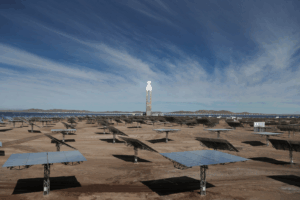 Via Reuters
Solar plants thrive under its intense sunlight, and new ideas aim to use that same energy to generate clean water. By merging solar power and water production, the Atacama could transform from an inhospitable wasteland into a model for sustainable living in some of the world’s toughest environments.
Cerro Dominador - A Beacon in the Desert
Cerro Dominador is a solar plant in the heart of the Atacama. It's Latin America's first concentrated solar power tower. Built near the town of Maria Elena, it stands tall against the barren landscape. The plant started operations in 2021 and has been a game-changer for renewable energy. It combines solar towers with photovoltaic panels to produce power.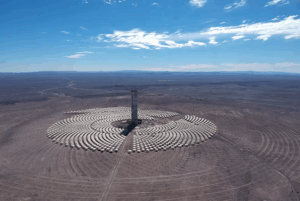 Via Power Technology
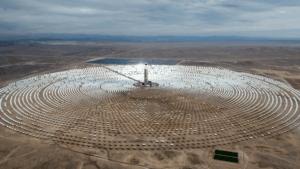
The tower is 240 meters high, surrounded by thousands of mirrors called heliostats. These mirrors follow the sun and focus its rays on the top of the tower. There, the heat turns water into steam to spin turbines and make electricity. The plant can generate 110 megawatts from the tower and 100 megawatts from solar panels. That's enough to power hundreds of thousands of homes.
What makes it special is its ability to store energy. Using molten salt, it can keep producing power for up to 17.5 hours after sunset. Molten salt is a mix of sodium and potassium nitrates. It gets heated to over 500 degrees Celsius and stores heat like a battery. This means reliable energy even at night. No need for fossil fuels as backup.
 Via ABC News
The plant costs about 1 billion dollars to build. It was a joint effort by companies like Acciona and Abengoa. The Chilean government supported it to meet renewable energy goals. By 2025, Chile aims for 20 percent of its energy from clean sources. Cerro Dominador helps cut carbon emissions by over 400,000 tons a year. It's a step toward a greener planet.
How Concentrated Solar Power Generates Energy
Concentrated solar power, or CSP, is different from regular solar panels. Panels turn sunlight directly into electricity using cells. CSP uses mirrors to concentrate sun rays to create heat. This heat boils water to make steam, which drives a turbine. It's like a coal plant but with the sun instead of coal.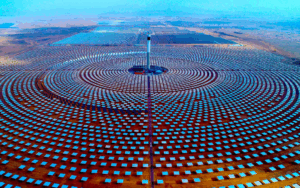 Via SolarPACES
At Cerro Dominador, 10,600 heliostats cover 700 hectares. Each mirror is 140 square meters and adjusts to track the sun. The focused light heats the receiver on the tower to 565 degrees Celsius. Then, the heat goes to the molten salt system. The salt circulates through pipes and stores the energy.
When needed, the hot salt heats water to produce steam. The steam spins the turbine connected to a generator. This makes electricity for the grid. The system is efficient because it can store heat cheaply. Molten salt is abundant in Chile from mining.
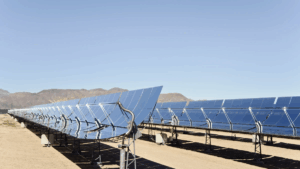 Via Krohne
CSP is great for deserts because of high sun exposure. The Atacama has over 300 clear days a year. Irradiance levels are among the highest globally. This means more power from less land. But CSP needs water for cooling and steam. In a dry place, that's a challenge. That's why new ideas like water harvesting are vital.
The Challenge of Water Scarcity in Arid Regions
Water is life, but in the Atacama, it's rare. Local communities and industries like mining use up groundwater fast. Mines need water for processing copper, a big export for Chile. Overuse leads to depleted aquifers. Climate change makes it worse with warmer temperatures and less snow in the Andes.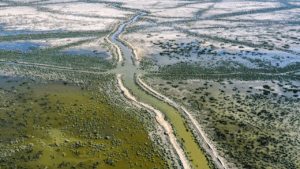 Via BBC
People in the region often get water from fog. Fog nets, or "camanchacas," capture mist from the ocean. These nets can collect up to 10 liters per square meter a day in some spots. But it's not enough for large-scale needs. Desalination plants on the coast turn seawater into fresh water, but it's energy-intensive and costly to transport inland.
Innovative solutions are needed. Atmospheric water harvesting pulls moisture from the air. Even in dry places, air has some humidity, especially at night. Devices use cooling to condense vapor into liquid. Solar power can drive these systems, making them sustainable.
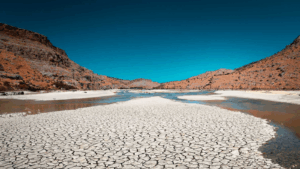 Via EcoMENA
In the Atacama, humidity can reach 30 percent near the coast, enough for harvesting. This tech could support farms, towns, and plants like Cerro Dominador. It reduces reliance on groundwater and promotes eco-friendly growth. By linking it with solar energy, you create self-sufficient systems.
Innovative Atmospheric Water Harvesting at Work
Atmospheric water harvesting is like making dew on demand. It uses adsorptive materials or cooling panels to grab water vapor. At Cerro Dominador, an innovative system uses solar-heated coils and radiative cooling. During the day, solar heat helps absorb moisture. At night, cooling panels condense it into water.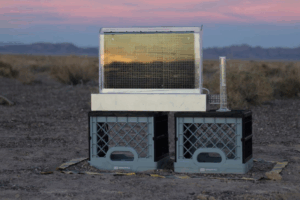 Via CNN
The process starts with air flowing over special materials that attract water molecules. These materials are hydrogels or salts that hold humidity. Then, heat from the solar plant releases the water as vapor. Cooling turns it into drops. Even with low humidity, it works because the air is vast. The system at the plant produces hundreds of liters a day. This water supports operations like cleaning mirrors and cooling.
Extra water goes to nearby farms for irrigation. No need to pump from deep wells or truck it in. It's clean and free from pollutants. This tech is inspired by nature. Beetles in deserts have bumps on their backs to collect dew. Engineers mimic that with surfaces that cool faster than the air.
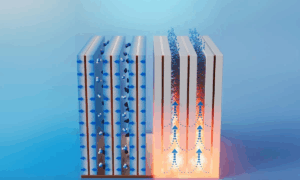 Via SciTechDaily
Radiative cooling sends heat to space, dropping temperatures below the dew point. Combined with solar, it's efficient and low-cost. In tests, similar devices in the Arizona deserts produced 0.7 liters per kilogram of material daily. In Atacama, optimizations make it better. The plant's setup uses waste heat from CSP for the process. It's a smart way to use resources.
Benefits for Local Communities and Environment
Cerro Dominador brings jobs and power to the region. During construction, it employed over 1,000 people. Now, it runs with a team of engineers and technicians. Local towns benefit from stable energy, reducing blackouts. The water system adds value. Farms can grow crops like olives or vegetables with the extra water. This boosts food security in a food-scarce area.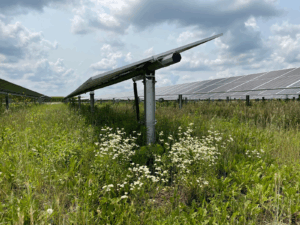 Via Pivot Energy
Communities get cleaner water without straining natural sources. It's a win for health and the economy. Environmentally, it's huge. No emissions from power generation. Water harvesting saves groundwater for wildlife. The plant avoids 870,000 tons of CO2 yearly if counting the full impact. It sets an example for other deserts like the Sahara or Gobi.
Challenges exist. Dust on mirrors reduces efficiency, so cleaning uses some water. But the harvesting system offsets that. Maintenance is key in harsh conditions. Wind and sand can damage equipment. Engineers use durable materials to handle it. Overall, the plant shows how tech can turn problems into opportunities. It's a model for sustainable development.
 Via Perch Energy
Future Prospects and Global Implications
Looking ahead, Cerro Dominador paves the way for more multi-use plants. Imagine solar farms that make energy, water, and even hydrogen. With climate change, dry areas will grow. Tech like this is crucial for adaptation. Chile plans more CSP projects. The Likana plant aims for similar storage. Adding water harvesting could become standard. Research improves materials for better yield. Nanotech and AI optimize the process. Globally, this inspires places like Australia or the Middle East. Saudi Arabia has solar desalination, but air harvesting is next. It could help refugees in dry camps or cities with water stress. Via Morning Ag Clips
Costs are dropping. Initial setup is high, but long-term savings are big. Government incentives help. By 2030, renewable energy with water production could be common. Cerro Dominador proves deserts aren't barren. With science, they can sustain life. It's a blueprint for a resilient future.
Lessons Learned from Cerro Dominador's Success
Building in the Atacama taught valuable lessons. Collaboration is key. Governments, companies, and locals worked together. Funding from banks and the EU supported it. Innovation solves issues. The storage system fixed the intermittency of solar. Water harvesting tackled scarcity. Flexibility is important. The plant adjusts to demand.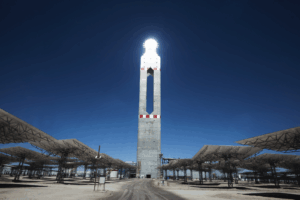 Via CSP Eranet
Education matters. Training programs teach skills for green jobs. Schools in the area learn about renewable tech. Scaling up is the goal. Small pilots lead to big plants. Monitoring data helps improve. This project shows hope in tough times. As the world faces climate challenges, solutions like this light the way.
Expanding Renewable Tech in Chile
Chile has vast potential for solar. The north has high radiation. Wind and hydro complement it. The country aims for carbon neutrality by 2050. Cerro Dominador is part of that. Other plants like Tamarugal add capacity. Integrating water tech could enhance them.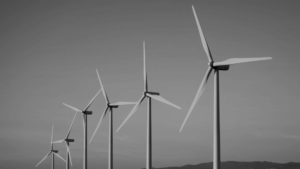 Via Microeconomic Insights
Policy supports growth. Laws favor renewables. Auctions drive low prices. Challenges include grid upgrades. Remote areas need better connections. But progress is steady. Chile could export know-how. Latin America needs similar projects.
Discover the Solar Plant That Makes Water in the Desert
Dust is a big issue. Mirrors need cleaning. The water system helps, but automation could improve. High upfront costs deter investors. But returns are good over 30 years. Technology risks exist. New systems need testing. Pilots reduce that.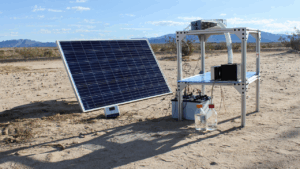 Via Science
Climate variability affects performance. But data models predict it. Solutions include better designs and insurance. Imagine deserts as oases. Solar plants provide power and water. Cities built around them. Tech like this could reverse desertification. Irrigate lands, grow forests.
Global cooperation is needed. Share knowledge, fund projects. Cerro Dominador is the start. A symbol of human ingenuity. In conclusion, this plant redefines sustainability. From dry air to vital resources, it's a marvel.