Unassigned
Cancer Vaccine That Avoids Chemo & Radiation Developed

Scientists at the University of Florida have created an exciting new mRNA vaccine that could change how cancer is fought. This vaccine helps the body's immune system spot and attack cancer cells in a smarter way. Unlike old treatments like chemotherapy or radiation, which can harm healthy cells and cause bad side effects, this vaccine aims to be gentler and more targeted.
It uses the same kind of technology that helped make COVID-19 vaccines so fast and effective. The goal is to wake up the immune system early, before cancer gets too strong. This breakthrough comes from years of research. The team found a way to make tumors more visible to the body's defenses.
 Via Cancer Treatment Center of America
By doing this, the vaccine not only stops current tumors but might also keep new ones from forming. It's still in early stages, but the results from animal tests are promising. If it works in people, it could help those with hard-to-treat cancers live longer and better lives.
 Via Single Use Support
When the vaccine is given, it's wrapped in tiny fat particles called lipid nanoparticles. These particles help deliver the mRNA safely into the body. Once inside, the mRNA gets picked up by special immune cells. These cells then start making proteins that act like warning signals.
This tricks the body into thinking there's a virus attacking, which ramps up the immune response. The beauty of mRNA is that it's quick to make and can be adjusted easily for different needs. Unlike traditional vaccines that use weakened germs, mRNA vaccines don't need any live parts. This makes them safer for people with weak immune systems, like cancer patients.
 Via Medium
 Via Technology Networks
But these drugs don't always work because the immune system needs a kickstart. That's where this new vaccine steps in. It heats that cold environment, bringing in more immune fighters. By understanding how cancer hides, researchers can design better ways to unmask it.
 Via Wikipedia
This creates a chain reaction. Immune cells become more alert and start hunting for anything that looks wrong, including cancer cells. Studies in mice showed that this early boost is key. Without it, tumors stay hidden, and other treatments fail. But with the vaccine, the interferons make the tumor area more active, drawing in killer T cells that destroy bad cells.
 Via News-Medical
Epitope spreading is when the immune attack widens to hit many different parts of the tumor. It's like starting a fire that spreads across a field. The vaccine helps this happen by first boosting the overall immune response. As some cancer cells die, they release more epitopes, training the immune system to target even more.
In animal tests, this spreading led to stronger and longer-lasting protection. Mice that got the vaccine not only cleared one tumor but could fight off new ones with different epitopes. This makes the vaccine more effective against cancers that change over time.
 Via Genext Genomics
 Via Pancreatic Cancer UK
In tests, this combo worked like a one-two punch. The vaccine makes the tumor visible, and the drugs let the immune cells go full force. This approach works even on tumors that ignore regular treatments.
 Via SPARK Stanford
If researchers took immune cells from a mouse that beat cancer and gave them to another with a different tumor, the second mouse fought better. This suggests the vaccine creates a memory in the immune system. Dogs with natural brain tumors also got a version of the vaccine. These pets lived much longer than expected, showing the idea works in larger animals, too. No major side effects showed up, which is good news for safety.
 Via SciTechDaily
This could mean fewer relapses for patients, who often fear cancer returning after treatment. Researchers think this happens because the vaccine teaches the body to watch for many cancer signs, not just one. It's like giving the immune system a full toolkit instead of a single tool.
 Via Labiotech
If it pans out, it might help people with lung, colon, or pancreatic cancers, not just rare ones. The team calls it a step toward a universal vaccine because the response can transfer between different cancers. This opens doors for treating multiple tumors at once or preventing spread.
 Via LinkedIn
Researchers are fine-tuning amounts to get benefits without risks. Another issue is combining with other treatments. The vaccine works best with checkpoint drugs, so trials will test safe mixes. Access to this tech might be limited at first, but as it grows, more hospitals could offer it.
 Via Alivia Swiss Health
Researchers believe it could pair with other advances, like gene editing or targeted drugs. In the next few years, more trials will tell if it's a game-changer. For kids with cancer, who often face long-term side effects from current therapies, this could be huge. The University of Florida team is already planning pediatric studies.
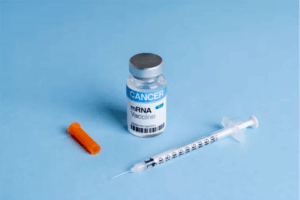 Via Gavi, The Vaccine Alliance
As science moves forward, stories of survival could become more common. This vaccine reminds people that innovation comes from understanding the body better. It's a beacon for a future where cancer is manageable, not deadly. The University of Florida's mRNA vaccine is a fresh take on fighting cancer. By boosting type-I interferons and enabling epitope spreading, it empowers the immune system like never before.
While more work is needed, the path ahead looks bright. In time, this could transform medicine, making cancer treatment personal yet universal. It's a reminder that science keeps pushing boundaries for healthier tomorrows.
More in Unassigned
Via Cancer Treatment Center of America
By doing this, the vaccine not only stops current tumors but might also keep new ones from forming. It's still in early stages, but the results from animal tests are promising. If it works in people, it could help those with hard-to-treat cancers live longer and better lives.
What is mRNA and How Does It Work?
mRNA stands for messenger RNA. It's like a set of instructions that tells cells how to make proteins. In vaccines, scientists use mRNA to teach the body how to respond to threats. For this cancer vaccine, the mRNA doesn't target a specific part of the tumor. Instead, it uses general instructions that trigger a broad alarm in the immune system.
Via Single Use Support
When the vaccine is given, it's wrapped in tiny fat particles called lipid nanoparticles. These particles help deliver the mRNA safely into the body. Once inside, the mRNA gets picked up by special immune cells. These cells then start making proteins that act like warning signals.
This tricks the body into thinking there's a virus attacking, which ramps up the immune response. The beauty of mRNA is that it's quick to make and can be adjusted easily for different needs. Unlike traditional vaccines that use weakened germs, mRNA vaccines don't need any live parts. This makes them safer for people with weak immune systems, like cancer patients.
Via Medium
Why Cancer is So Hard to Beat
Cancer cells are sneaky. They start as normal cells that go wrong and grow out of control. One big problem is that the immune system often doesn't see them as enemies. Tumors can hide by turning off alarm signals or wearing disguises that fool immune cells. Many cancers create a cold environment around them, meaning few immune cells show up to fight. This is common in tough cancers like brain tumors or certain breast cancers. Treatments like immune checkpoint inhibitors try to fix this by blocking the tricks tumors use to stay hidden.
Via Technology Networks
But these drugs don't always work because the immune system needs a kickstart. That's where this new vaccine steps in. It heats that cold environment, bringing in more immune fighters. By understanding how cancer hides, researchers can design better ways to unmask it.
The Power of Type-I Interferons
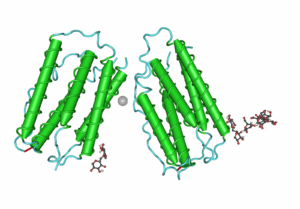
Type-I interferons are natural proteins that the body makes to fight viruses and other invaders. They act like an early warning system, telling immune cells to get ready for battle. In cancer, these interferons can help spot hidden tumor cells before they spread. The vaccine boosts these interferons right away. When the mRNA enters the body, it triggers cells to release more type-I interferons.
Via Wikipedia
This creates a chain reaction. Immune cells become more alert and start hunting for anything that looks wrong, including cancer cells. Studies in mice showed that this early boost is key. Without it, tumors stay hidden, and other treatments fail. But with the vaccine, the interferons make the tumor area more active, drawing in killer T cells that destroy bad cells.
Explaining Epitope Spreading
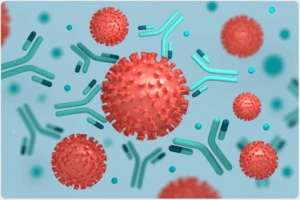
Epitopes are small parts of proteins that the immune system recognizes as foreign. In cancer, tumors have unique epitopes from mutations. But the immune system might only attack one or two at first, leaving others alone.
Via News-Medical
Epitope spreading is when the immune attack widens to hit many different parts of the tumor. It's like starting a fire that spreads across a field. The vaccine helps this happen by first boosting the overall immune response. As some cancer cells die, they release more epitopes, training the immune system to target even more.
In animal tests, this spreading led to stronger and longer-lasting protection. Mice that got the vaccine not only cleared one tumor but could fight off new ones with different epitopes. This makes the vaccine more effective against cancers that change over time.
Via Genext Genomics
How the Vaccine Exposes Cancer Cells
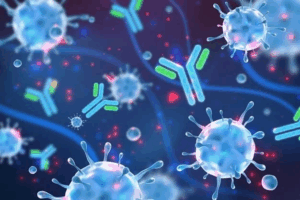
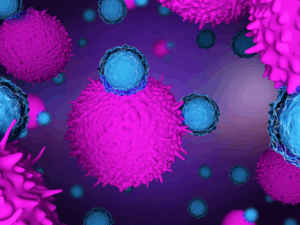
The vaccine uses mRNA to send general signals that wake up the immune system. These signals lead to more type-I interferons, which then cause tumor cells to show a protein called PD-L1 on their surface. PD-L1 is like a flag that says "I'm here," but it also tries to calm down immune cells. Normally, this might help the tumor hide. But the researchers pair the vaccine with drugs that block PD-L1's calming effect. This turns the flag into a target. The immune system sees the PD-L1 and attacks harder, thanks to the blocking drugs.
Via Pancreatic Cancer UK
In tests, this combo worked like a one-two punch. The vaccine makes the tumor visible, and the drugs let the immune cells go full force. This approach works even on tumors that ignore regular treatments.
Results from Animal Studies
The team tested the vaccine in mice with different cancers, like skin and breast tumors. In these models, the vaccine alone slowed tumor growth. But when combined with checkpoint blockers, it often cleared the tumors completely. One exciting find was that treated mice could pass on their immunity.
Via SPARK Stanford
If researchers took immune cells from a mouse that beat cancer and gave them to another with a different tumor, the second mouse fought better. This suggests the vaccine creates a memory in the immune system. Dogs with natural brain tumors also got a version of the vaccine. These pets lived much longer than expected, showing the idea works in larger animals, too. No major side effects showed up, which is good news for safety.
Preventing Cancer from Coming Back
One big win is how the vaccine helps stop cancer recurrence. In mice, after clearing a tumor, the animals resisted new cancer challenges. This is because of the broad immune training from epitope spreading. The immune memory lasts long-term. Months later, treated animals still had strong defenses.
Via SciTechDaily
This could mean fewer relapses for patients, who often fear cancer returning after treatment. Researchers think this happens because the vaccine teaches the body to watch for many cancer signs, not just one. It's like giving the immune system a full toolkit instead of a single tool.
Toward a Universal Cancer Vaccine
What makes this vaccine special is its potential to work on many cancer types. It doesn't need to know each tumor's unique code. Instead, it uses universal signals to kickstart the immune system. This could make it an off-the-shelf option, ready for anyone. In studies, it helped against tumors with few mutations, which are hard to treat.
Via Labiotech
If it pans out, it might help people with lung, colon, or pancreatic cancers, not just rare ones. The team calls it a step toward a universal vaccine because the response can transfer between different cancers. This opens doors for treating multiple tumors at once or preventing spread.
Challenges in Human Trials
While animal results are great, human trials are just starting. The first small tests on people with brain tumors showed quick immune boosts without bad reactions. But larger groups are needed to check if it really extends life. One challenge is dosing. Too much immune activation could cause swelling or fatigue.
Via LinkedIn
Researchers are fine-tuning amounts to get benefits without risks. Another issue is combining with other treatments. The vaccine works best with checkpoint drugs, so trials will test safe mixes. Access to this tech might be limited at first, but as it grows, more hospitals could offer it.
The Future of Cancer Therapy
This vaccine could shift cancer care from harsh treatments to smarter ones. Imagine getting a shot that trains your body to fight cancer like a virus. It might reduce the need for surgery or chemo, improving quality of life.
Via Alivia Swiss Health
Researchers believe it could pair with other advances, like gene editing or targeted drugs. In the next few years, more trials will tell if it's a game-changer. For kids with cancer, who often face long-term side effects from current therapies, this could be huge. The University of Florida team is already planning pediatric studies.
Discover the mRNA Vaccine That Could Treat Most Cancers.
Living with cancer is tough, but breakthroughs like this bring hope. Patients with aggressive cancers might have new options when others fail. Families could see loved ones thrive instead of suffer. Support from groups like the National Institutes of Health keeps this work going.
Via Gavi, The Vaccine Alliance
As science moves forward, stories of survival could become more common. This vaccine reminds people that innovation comes from understanding the body better. It's a beacon for a future where cancer is manageable, not deadly. The University of Florida's mRNA vaccine is a fresh take on fighting cancer. By boosting type-I interferons and enabling epitope spreading, it empowers the immune system like never before.
While more work is needed, the path ahead looks bright. In time, this could transform medicine, making cancer treatment personal yet universal. It's a reminder that science keeps pushing boundaries for healthier tomorrows.