Unassigned
Blistering Streets Endanger Thirsty Urban Wildlife

In scorching city heat, a squirrel crawled weakly toward a red hydrant, desperate for water. The pavement, blazing at 70°C (158°F), burned its tiny paws as it struggled for life. Finding only a small drip at the base, the animal collapsed, too hot, too dry, too late. This quiet tragedy shows what climate change looks like up close, beyond charts or speeches. Urban wildlife, squirrels, birds, and rabbits, suffer first during heatwaves.
Unlike humans, they can’t sweat, drink from bottles, or escape into air-conditioned rooms. Their instincts lead them to human-made water sources like hydrants and hoses, but these often fail them as cities grow hotter and drier. With fewer trees and more concrete, urban environments trap deadly heat, turning streets and rooftops into ovens.
 Via Pursuit
Many small animals die unseen, victims of rising temperatures and shrinking habitats. The story of one squirrel reflects a wider truth: climate change doesn’t always arrive in storms or floods; it often comes silently, creeping across sunbaked sidewalks, searching for a single drop of relief.
 Via ThoughtCo
Think about a big city like New York or Los Angeles. All that concrete and asphalt acts like a giant oven. On a hot day, the temperature in the city center can be 5 to 10 degrees Celsius higher than in nearby suburbs or rural spots. That's a big difference for animals trying to stay cool. Why does this matter for wildlife? Urban heat islands make heatwaves worse.
A heatwave is when temperatures stay very high for days without cooling much at night. In cities, this means no break from the heat, even after sunset. Small animals that are active at night, like raccoons, still face warm conditions that stress their bodies. Scientists have measured this. In some cities, the heat island effect can add extra degrees during the hottest parts of summer.
 Via Innovation News Network
This pushes animals to their limits. They look for cooler spots, but with fewer parks and more buildings, those spots are hard to find. As climate change makes the whole planet warmer, urban heat islands get even stronger. More heat-trapping gases in the air mean higher base temperatures, and cities amplify that. It's like turning up the dial on an already hot stove.
 Via Trillium Montesseri
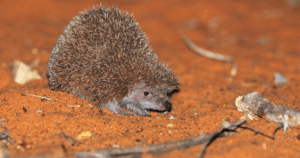
A squirrel might need to drink several times a day, but if ponds dry up or fountains are off, they're in trouble. Overheating, or hyperthermia, is another issue. Their body temperature rises, and if it goes too high, organs like the brain and heart can get damaged. For example, a squirrel's normal body temp is around 38 degrees Celsius. If the air is hotter than that, heat flows into their body instead of out.
Urban areas make it worse with hot surfaces. Pavement, metal benches, and car hoods can burn paws and bellies. Animals that touch them can get blisters or worse. They might avoid moving during the day, but that means less time to find food. Stress from heat also weakens their immune systems. They get sick more easily from diseases or parasites.
 Via Animal Spot
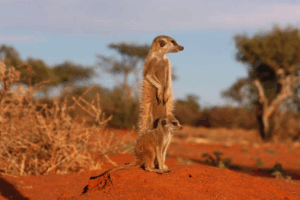
Baby animals are hit hardest because they can't regulate temperature as well as adults. In short, heat turns a city into a tough place for small mammals. They adapt as best they can, like seeking basements or sewers, but many don't make it.
 Via Science Alert
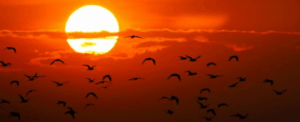
They huddle in whatever shade they find, like under bridges or in bushes. But if there's no water nearby, they dehydrate fast. Their small bodies lose water through breathing. Nesting is affected, too. Eggs need stable temperatures to hatch. If it's too hot, the embryos inside can die. Parent birds might leave nests to cool off, leaving eggs exposed.
In cities, nests on rooftops or ledges get baked by the sun reflecting off glass and metal. Migration patterns change with warmer weather. Some birds arrive earlier or stay longer, but if food sources like insects aren't ready, they starve. Urban lights and buildings already confuse migrating birds, and heat adds more stress. Baby birds, or fledglings, are vulnerable.
 Via RSPB
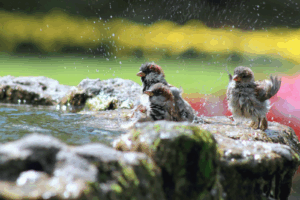
They can't fly yet and rely on parents for food and shade. In hot spells, parents struggle to provide enough, leading to higher death rates. Overall, birds show us how heat ripples through nature. Fewer birds mean more insects, which can spread diseases or damage plants.
 Via Medivet
Heat stress can cause them to stop eating, leading to weakness. Raccoons are night animals, but heat doesn't stop at dark. They raid trash for food, but hot nights mean they overheat while foraging. Water is key for them too; they wash food and drink often. Dry fountains or polluted streams make it hard.
Both animals face more road dangers in the heat. They cross streets more to find resources, raising the chances of getting hit by cars. Predators like cats or dogs take advantage of weakened animals. Heat makes everything tougher in the urban wild.
 Via Zooplus
 Via The Hill
Pollution adds to the problem. Dirty air from cars weakens plants, making green spaces less healthy. Restoring green areas helps. Planting trees or creating rooftop gardens can make a difference. It gives animals places to thrive amid the concrete. Cleaner air and more greenery can slowly bring balance back to urban ecosystems.
 Via Treehugger
Storm drains might hold water, but they're often polluted. Drinking bad water can make animals sick. Rising heat evaporates water faster. Small ponds disappear overnight. Helping means leaving shallow dishes of water in yards or supporting water conservation that includes wildlife needs.
Even simple steps can make a difference. Birdbaths, shaded bowls, or small backyard fountains give animals safe places to drink. Parks can add water stations or plant trees for cooler microclimates. Schools and communities can teach people how vital clean water is for every living thing. These small acts together create lifelines in cities growing hotter each year.
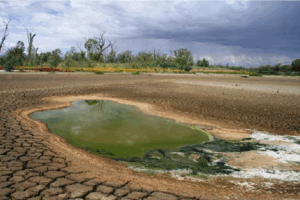 Via ResearchGate
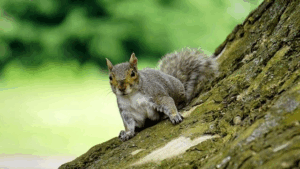 Via Pest Control Kitchener
Research shows animals adapt somewhat, like changing active times. You can support by voting for climate action, reducing waste. In the end, protecting small animals protects us. They're signs of bigger issues. By helping them, you build a cooler, kinder world.
More in Unassigned
Via Pursuit
Many small animals die unseen, victims of rising temperatures and shrinking habitats. The story of one squirrel reflects a wider truth: climate change doesn’t always arrive in storms or floods; it often comes silently, creeping across sunbaked sidewalks, searching for a single drop of relief.
What Are Urban Heat Islands?
Cities can feel much hotter than the areas around them. This is called the urban heat island effect. It happens because buildings, roads, and parking lots soak up the sun's heat during the day and let it out slowly at night. Trees and grass cool things down by giving shade and letting water evaporate, but in cities, there's less of that green stuff.
Via ThoughtCo
Think about a big city like New York or Los Angeles. All that concrete and asphalt acts like a giant oven. On a hot day, the temperature in the city center can be 5 to 10 degrees Celsius higher than in nearby suburbs or rural spots. That's a big difference for animals trying to stay cool. Why does this matter for wildlife? Urban heat islands make heatwaves worse.
A heatwave is when temperatures stay very high for days without cooling much at night. In cities, this means no break from the heat, even after sunset. Small animals that are active at night, like raccoons, still face warm conditions that stress their bodies. Scientists have measured this. In some cities, the heat island effect can add extra degrees during the hottest parts of summer.
Via Innovation News Network
This pushes animals to their limits. They look for cooler spots, but with fewer parks and more buildings, those spots are hard to find. As climate change makes the whole planet warmer, urban heat islands get even stronger. More heat-trapping gases in the air mean higher base temperatures, and cities amplify that. It's like turning up the dial on an already hot stove.
How Heat Hurts Small Mammals
Small mammals like squirrels and rabbits have bodies that work best in certain temperature ranges. When it gets too hot, their systems start to fail. They don't sweat to cool down like humans. Instead, they pant or find shade. But in a scorching city, those tricks aren't enough. Dehydration is a big killer. These animals need water often because their small size means they lose fluids fast. In heat, they breathe harder, which dries them out more.
Via Trillium Montesseri
A squirrel might need to drink several times a day, but if ponds dry up or fountains are off, they're in trouble. Overheating, or hyperthermia, is another issue. Their body temperature rises, and if it goes too high, organs like the brain and heart can get damaged. For example, a squirrel's normal body temp is around 38 degrees Celsius. If the air is hotter than that, heat flows into their body instead of out.
Urban areas make it worse with hot surfaces. Pavement, metal benches, and car hoods can burn paws and bellies. Animals that touch them can get blisters or worse. They might avoid moving during the day, but that means less time to find food. Stress from heat also weakens their immune systems. They get sick more easily from diseases or parasites.
Via Animal Spot
Baby animals are hit hardest because they can't regulate temperature as well as adults. In short, heat turns a city into a tough place for small mammals. They adapt as best they can, like seeking basements or sewers, but many don't make it.
Birds Facing the Blaze
Birds are another group hit hard by urban heat. They live in trees, on buildings, and in parks, but rising temperatures challenge them too. Birds cool themselves by panting and spreading their wings, but extreme heat overwhelms that. During heatwaves, birds like sparrows or pigeons might stop singing or flying to save energy.
Via Science Alert
They huddle in whatever shade they find, like under bridges or in bushes. But if there's no water nearby, they dehydrate fast. Their small bodies lose water through breathing. Nesting is affected, too. Eggs need stable temperatures to hatch. If it's too hot, the embryos inside can die. Parent birds might leave nests to cool off, leaving eggs exposed.
In cities, nests on rooftops or ledges get baked by the sun reflecting off glass and metal. Migration patterns change with warmer weather. Some birds arrive earlier or stay longer, but if food sources like insects aren't ready, they starve. Urban lights and buildings already confuse migrating birds, and heat adds more stress. Baby birds, or fledglings, are vulnerable.
Via RSPB
They can't fly yet and rely on parents for food and shade. In hot spells, parents struggle to provide enough, leading to higher death rates. Overall, birds show us how heat ripples through nature. Fewer birds mean more insects, which can spread diseases or damage plants.
Rabbits and Raccoons - Hidden Hardships
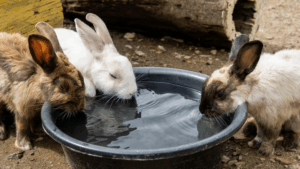
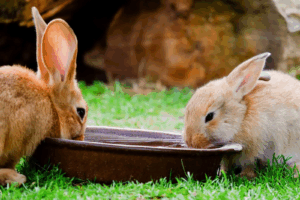
Rabbits in cities often hide in backyards or under porches. But heat forces them out, looking for water and cooler spots. Their fur insulates them, which is great in cold weather but traps heat in summer. They dig burrows to escape, but in concrete-heavy areas, that's not possible. Dehydration hits rabbits quickly. They eat moist plants, but when those dry up, they suffer.
Via Medivet
Heat stress can cause them to stop eating, leading to weakness. Raccoons are night animals, but heat doesn't stop at dark. They raid trash for food, but hot nights mean they overheat while foraging. Water is key for them too; they wash food and drink often. Dry fountains or polluted streams make it hard.
Both animals face more road dangers in the heat. They cross streets more to find resources, raising the chances of getting hit by cars. Predators like cats or dogs take advantage of weakened animals. Heat makes everything tougher in the urban wild.
Via Zooplus
The Loss of Green Spaces
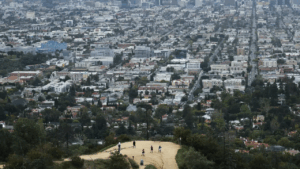
Green spaces like parks and gardens are lifelines for urban wildlife. They provide shade, food, and water. But as cities grow, these areas shrink. New buildings replace trees, and lawns turn to pavement. Trees cool the air through shade and evaporation. Without them, temperatures soar. Animals lose their homes and hiding spots. Squirrels need trees for nuts and nests. Birds need branches for perching. Urban sprawl eats up habitats. What was once a field becomes a mall. Animals squeeze into smaller areas, competing more for resources. Each lost tree means fewer homes and less food for countless small creatures.
Via The Hill
Pollution adds to the problem. Dirty air from cars weakens plants, making green spaces less healthy. Restoring green areas helps. Planting trees or creating rooftop gardens can make a difference. It gives animals places to thrive amid the concrete. Cleaner air and more greenery can slowly bring balance back to urban ecosystems.
Water Sources Drying Up
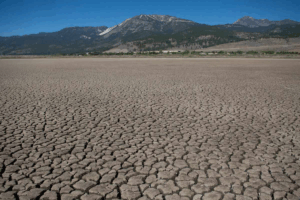
Water is everything in heat. Animals seek it from puddles, rivers, or leaks. But climate change brings droughts, dries natural resources. In cities, human water spots like hydrants or sprinklers become crucial. But if they're not leaking or turned off to save water, animals have nowhere to go.
Via Treehugger
Storm drains might hold water, but they're often polluted. Drinking bad water can make animals sick. Rising heat evaporates water faster. Small ponds disappear overnight. Helping means leaving shallow dishes of water in yards or supporting water conservation that includes wildlife needs.
Even simple steps can make a difference. Birdbaths, shaded bowls, or small backyard fountains give animals safe places to drink. Parks can add water stations or plant trees for cooler microclimates. Schools and communities can teach people how vital clean water is for every living thing. These small acts together create lifelines in cities growing hotter each year.
Via ResearchGate
Explore the Heatwave's Toll on Urban Squirrels
Humans cause much of this through burning fossil fuels, which warms the planet. Building cities without green plans worsens heat islands. But you can fix it. Using clean energy like solar reduces warming. Planting more trees cools cities. Simple acts help too: Put out water for animals. Build bird baths. Avoid pesticides that harm food chains. Communities can push for green policies. More parks, better building designs. Awareness is key. Seeing that squirrel reminds people that their actions affect others. Solutions exist. Cities like Singapore add green walls and roofs to cool down. They help wildlife.
Via Pest Control Kitchener
Research shows animals adapt somewhat, like changing active times. You can support by voting for climate action, reducing waste. In the end, protecting small animals protects us. They're signs of bigger issues. By helping them, you build a cooler, kinder world.