Unassigned
Bee Venom as a Potential Cancer Treatment

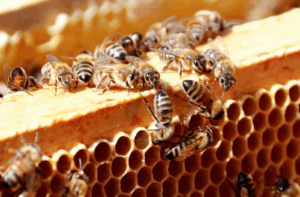
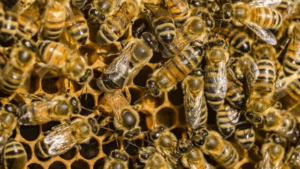
Honeybee venom might seem like something to avoid, but it could become a key player in fighting breast cancer. This natural substance from bees contains a powerful compound called melittin. Scientists have found that melittin can kill cancer cells without harming healthy ones much. This discovery is exciting because breast cancer affects many people around the world. It is one of the most common cancers in women.
 Via The World Economic Forum
Traditional treatments like chemotherapy often come with tough side effects. They attack both bad and good cells. Melittin offers a new way. It targets cancer cells more precisely. Research shows it works well against hard-to-treat types of breast cancer. As studies continue, this could lead to better options for patients.
The idea of using bee venom for health is not new. People have used it for pain and swelling for a long time. Now, its role in cancer care is getting attention. Breast cancer starts when cells in the breast grow out of control. These cells form a tumor that can spread to other parts of the body. There are different types based on how the cells look and act. Some grow slowly, while others are aggressive.
 Via BBC
Aggressive types, like triple-negative breast cancer, are harder to treat because they lack certain targets for drugs. Melittin from honeybee venom steps in here. It disrupts the outer layer of cancer cells, causing them to die. Early lab tests show it can shrink tumors in animals. This gives hope for fewer side effects and stronger results.
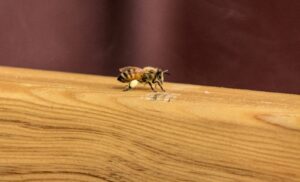 These work together to cause pain and swelling in the attackers. But they also have healing properties. People have used bee venom for thousands of years. In ancient times, it helped with joint pain and skin issues. Today, it is part of apitherapy, which uses bee products for health. Venom can reduce inflammation and ease pain.
It boosts blood flow and helps the body fight germs. In some places, beekeepers collect venom without harming bees. They use gentle methods to get the venom for medicine. This makes it a natural resource that is easy to find. The venom's mix of compounds gives it wide uses. Phospholipase A2 breaks down fats in cell walls.
 Apamin affects nerves and can calm them. Histamine opens blood vessels. Together, they make venom strong against swelling. But its cancer-fighting side is newer. Researchers look at how these parts target bad cells. Venom is not just for stings anymore. It could change how diseases like cancer are treated.
 Via Wikipedia
Synthetic melittin is now made in labs. This avoids using real bees. It lets researchers tweak it for better results. They add parts to make it target tumors only. This reduces harm to the body. Melittin is versatile. It works alone or with other drugs. Its discovery opened doors to natural cancer fighters.
 Via LinkedIn
Melittin boosts signals that start this. It raises levels of proteins like p53, which acts like a guard. P53 stops cells from growing wrong. In cancer, this guard is often broken. Melittin helps fix that. Third, it blocks growth signals. Cancer cells use paths like EGFR and HER2 to grow. Melittin shuts them down. It stops signals that tell cells to divide.
This slows tumor growth. It also cuts off paths like NF-κB and PI3K/Akt. These help cancer spread. Melittin reduces inflammation around tumors. Tumors use swelling to grow. By calming it, melittin weakens the tumor. It also stops cells from moving.
 Via IndiaMART
Cancer spreads by migrating. Melittin blocks this, keeping cancer in place. In tests, melittin enters cells and harms their power centers, mitochondria. This leads to more cell death. Overall, melittin attacks cancer from many angles. This makes it hard for cancer to fight back.
 Via The Conversation
Lab tests show 100% death at the right doses. It leaves normal breast cells mostly okay. HER2-enriched cancer uses HER2 to spread. Melittin lowers HER2 activity. This slows the cancer. In animal models, it shrinks tumors. Combined with drugs, it works even better. Melittin helps with metastasis. This is when cancer spreads.
It stops cells from invading other tissues. By cutting MMP-9, an enzyme that helps spread, it keeps cancer contained. For early breast cancer, melittin could prevent growth. For advanced, it might shrink tumors before surgery. Its natural source makes it appealing for those seeking alternatives.
 Via Max Healthcare
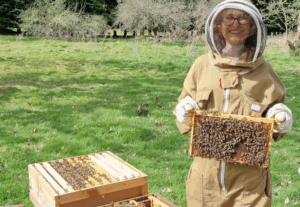 Via Imperial College London
Added parts make it seek tumors. In 2025 studies, this version killed cells quickly and lasted longer. Venom also fights other cancers, but breast cancer is strong. It boosts the immune response against tumors. This adds another layer of attack.
 Via Everglades University
Melittin might shrink tumors first, making surgery easier. Cost is lower. Bee venom is natural and abundant. Making synthetic melittin is cheap. It fights drug resistance. Cancer often adapts to drugs. Melittin's multi-way attack makes resistance hard. For patients, it offers hope. Those with aggressive cancers have few options. Melittin could fill that gap.
 Via Metro Hospital
Melittin weakens cells, making radiation stronger. Nanotech delivers melittin safely. Tiny particles carry it to tumors. This cuts toxicity. In tests, venom with immune boosters fights better. It wakes the body's defenses. These combos make treatments stronger and safer.
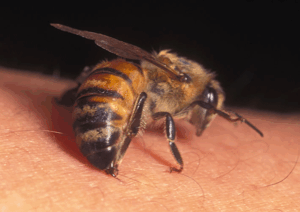 Via Bee Culture
More studies are needed. Most are lab or animal. Human trials are next. Doses must be right. Too little does nothing; too much hurts. Regulations slow progress. Approval takes time. Despite challenges, advances continue.
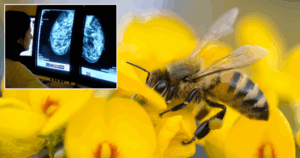 Via Engineering
Honeybee venom and melittin offer new hope against breast cancer. Their targeted attack could change treatments. With less harm and more power, they promise better lives for patients. As science advances, this natural hero might save many.
More in Unassigned
Via The World Economic Forum
Traditional treatments like chemotherapy often come with tough side effects. They attack both bad and good cells. Melittin offers a new way. It targets cancer cells more precisely. Research shows it works well against hard-to-treat types of breast cancer. As studies continue, this could lead to better options for patients.
The idea of using bee venom for health is not new. People have used it for pain and swelling for a long time. Now, its role in cancer care is getting attention. Breast cancer starts when cells in the breast grow out of control. These cells form a tumor that can spread to other parts of the body. There are different types based on how the cells look and act. Some grow slowly, while others are aggressive.
Via BBC
Aggressive types, like triple-negative breast cancer, are harder to treat because they lack certain targets for drugs. Melittin from honeybee venom steps in here. It disrupts the outer layer of cancer cells, causing them to die. Early lab tests show it can shrink tumors in animals. This gives hope for fewer side effects and stronger results.
What is Honeybee Venom?
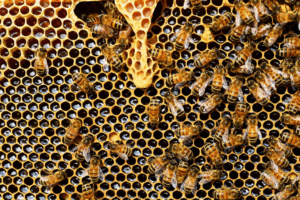
Honeybee venom is a clear liquid made by worker bees to protect their hive. It comes from a gland in the bee's body. When a bee stings, it releases this venom. The venom is mostly water, but the dry part has many active compounds. Melittin makes up about half of it. Other parts include enzymes like phospholipase A2, peptides like apamin, and amines like histamine.
These work together to cause pain and swelling in the attackers. But they also have healing properties. People have used bee venom for thousands of years. In ancient times, it helped with joint pain and skin issues. Today, it is part of apitherapy, which uses bee products for health. Venom can reduce inflammation and ease pain.
It boosts blood flow and helps the body fight germs. In some places, beekeepers collect venom without harming bees. They use gentle methods to get the venom for medicine. This makes it a natural resource that is easy to find. The venom's mix of compounds gives it wide uses. Phospholipase A2 breaks down fats in cell walls.
Apamin affects nerves and can calm them. Histamine opens blood vessels. Together, they make venom strong against swelling. But its cancer-fighting side is newer. Researchers look at how these parts target bad cells. Venom is not just for stings anymore. It could change how diseases like cancer are treated.
Discovering Melittin
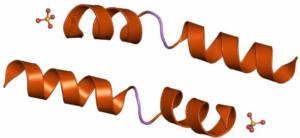
Melittin is the star compound in honeybee venom. It is a small chain of amino acids, like a tiny protein. This peptide causes the burning feeling from a bee sting. But scientists saw its power beyond pain. In labs, they isolated melittin to study it alone. They found that it attacks cell membranes. Membranes are like skins around cells. Melittin pokes holes in them, letting the contents leak out. This kills the cell. Melittin was first studied in the 1950s. Back then, the focus was on its toxic side. Over time, views changed. By the 2000s, tests showed it kills cancer cells. It prefers cancer cells because they have different membranes. Cancer cells often have more negative charges on their surface. Melittin sticks to them better. Healthy cells stay safer.
Via Wikipedia
Synthetic melittin is now made in labs. This avoids using real bees. It lets researchers tweak it for better results. They add parts to make it target tumors only. This reduces harm to the body. Melittin is versatile. It works alone or with other drugs. Its discovery opened doors to natural cancer fighters.
How Melittin Works Against Cancer
Melittin fights cancer in several ways. First, it disrupts cell membranes. It forms pores, like tiny tunnels. This causes the cell to burst and die. This process is fast, often in minutes. Cancer cells die quickly, while normal cells resist better. Second, melittin triggers apoptosis. Apoptosis is programmed cell death. It is how the body gets rid of bad cells.
Via LinkedIn
Melittin boosts signals that start this. It raises levels of proteins like p53, which acts like a guard. P53 stops cells from growing wrong. In cancer, this guard is often broken. Melittin helps fix that. Third, it blocks growth signals. Cancer cells use paths like EGFR and HER2 to grow. Melittin shuts them down. It stops signals that tell cells to divide.
This slows tumor growth. It also cuts off paths like NF-κB and PI3K/Akt. These help cancer spread. Melittin reduces inflammation around tumors. Tumors use swelling to grow. By calming it, melittin weakens the tumor. It also stops cells from moving.
Via IndiaMART
Cancer spreads by migrating. Melittin blocks this, keeping cancer in place. In tests, melittin enters cells and harms their power centers, mitochondria. This leads to more cell death. Overall, melittin attacks cancer from many angles. This makes it hard for cancer to fight back.
Targeting Breast Cancer
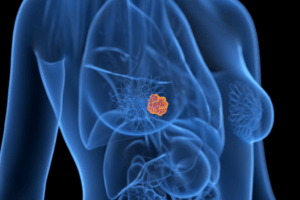
Breast cancer has types like HER2-enriched and triple-negative. These are tough because they grow fast and resist drugs. Melittin shines here. It targets HER2 and EGFR, which are overactive in these cancers. Blocking them stops growth. Triple-negative breast cancer lacks three common targets. Chemo is the main option, but it is harsh. Melittin kills these cells by breaking membranes.
Via The Conversation
Lab tests show 100% death at the right doses. It leaves normal breast cells mostly okay. HER2-enriched cancer uses HER2 to spread. Melittin lowers HER2 activity. This slows the cancer. In animal models, it shrinks tumors. Combined with drugs, it works even better. Melittin helps with metastasis. This is when cancer spreads.
It stops cells from invading other tissues. By cutting MMP-9, an enzyme that helps spread, it keeps cancer contained. For early breast cancer, melittin could prevent growth. For advanced, it might shrink tumors before surgery. Its natural source makes it appealing for those seeking alternatives.
Via Max Healthcare
Key Research Findings
Lab studies show melittin kills breast cancer cells fast. In one test, cells died in an hour. Venom from different bees worked similarly. Australian bees' venom was strong against aggressive types. Animal tests used mice with breast tumors. Melittin injections reduced tumor size. When mixed with chemo like docetaxel, tumors shrank more. This combo has cut side effects. Whole venom sometimes beats melittin alone. Other parts guide it to cancer. This makes it more precise. Tests on cell lines like MCF-7 and MDA-MB-231 confirmed this. Recent work by engineers Melittin for better targeting.
Via Imperial College London
Added parts make it seek tumors. In 2025 studies, this version killed cells quickly and lasted longer. Venom also fights other cancers, but breast cancer is strong. It boosts the immune response against tumors. This adds another layer of attack.
Advantages Over Traditional Treatments
Chemotherapy hits all fast-growing cells. This causes hair loss, nausea, and weakness. Melittin targets cancer better, sparing healthy cells. This means fewer side effects. Radiation burns skin and tires patients. Melittin is less invasive. It could be injected or used in creams. Surgery removes tumors but risks infection.
Via Everglades University
Melittin might shrink tumors first, making surgery easier. Cost is lower. Bee venom is natural and abundant. Making synthetic melittin is cheap. It fights drug resistance. Cancer often adapts to drugs. Melittin's multi-way attack makes resistance hard. For patients, it offers hope. Those with aggressive cancers have few options. Melittin could fill that gap.
Combining with Other Therapies
Melittin pairs well with chemo. Docetaxel boosts killing power. Lower chemo doses mean less harm. It works with natural items. Apricot extract and venom together kill more cells. They boost apoptosis. Radiation plus melittin enhances effects.
Via Metro Hospital
Melittin weakens cells, making radiation stronger. Nanotech delivers melittin safely. Tiny particles carry it to tumors. This cuts toxicity. In tests, venom with immune boosters fights better. It wakes the body's defenses. These combos make treatments stronger and safer.
Challenges in Using Bee Venom
Venom can cause allergies. Some people react badly. Tests for allergies are needed. Raw venom is toxic in high doses. It harms red blood cells. Engineered versions fix this. Delivery is tricky. Venom breaks down in the blood. Nanoparticles protect it.
Via Bee Culture
More studies are needed. Most are lab or animal. Human trials are next. Doses must be right. Too little does nothing; too much hurts. Regulations slow progress. Approval takes time. Despite challenges, advances continue.
Discover How Bee Venom Targets Breast Cancer
Nanomaterials will improve delivery. They target tumors precisely. Gene tweaks could make melittin safer. Clinical trials will be tested on people. Early ones check safety. Combos with new drugs are coming. Global access is key. Cheap production helps poor areas. Research on other cancers expands uses.
Via Engineering
Honeybee venom and melittin offer new hope against breast cancer. Their targeted attack could change treatments. With less harm and more power, they promise better lives for patients. As science advances, this natural hero might save many.