Unassigned
Australian Man Lives with Titanium Artificial Heart

An Australian man in his forties has entered the record books. He survived 105 days with no human heart inside his body. A machine made of titanium took its place. This device pumped blood without a pulse, without chambers, and without valves. Doctors call it the BiVACOR Total Artificial Heart. For the first time, a person lived longer than three months on this new kind of heart.
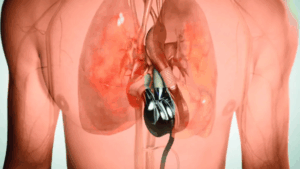
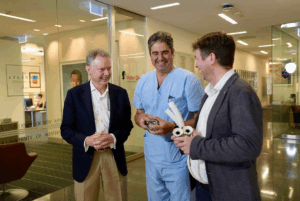
The story began at St. Vincent’s Hospital in Sydney. A team of surgeons opened the man’s chest and removed his failing heart. They connected the titanium pump to his major blood vessels. From that moment, the machine kept him alive until a real heart arrived for transplant. The patient faced end-stage heart failure. His own heart could no longer push blood to his lungs or the rest of his body.
 Via CNN
Without help, he had days left. The BiVACOR heart stepped in as a bridge. It bought him time. Every minute counted on the transplant waiting list. The device worked so well that the man walked, talked, and waited in the hospital. After 105 days, surgeons replaced the machine with a donor heart. Today, he recovers at home. His case proves that science can rewrite the rules of survival.
 Via Forbes Australia
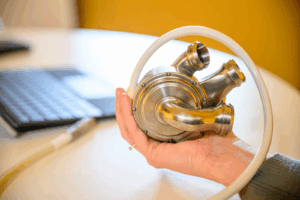
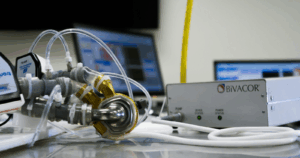
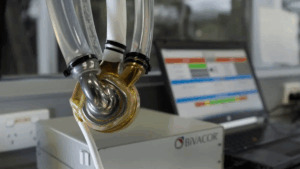
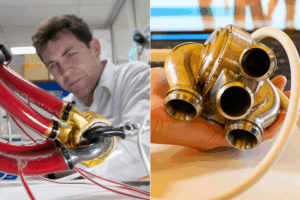
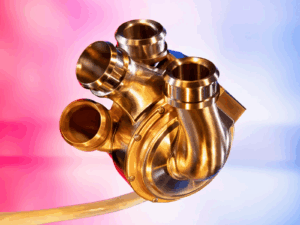
Most mechanical hearts use two pumps, one for each side of the heart. BiVACOR uses one rotor for both jobs. This design shrinks the device to the size of a large fist. It fits inside the chest of an average adult. The spinning disk creates no thump-thump sound. Patients feel no heartbeat. Doctors check the machine with a handheld controller.
The heart runs on batteries worn outside the body. A thin cable passes through the skin to deliver power. Patients carry spare batteries in a small bag. The setup lets them move around the hospital ward. During the 105-day trial, the man changed batteries himself. He learned the routine in a few days.
 Via IEEE Spectrum
 Via Nature
Durability stands out, too. The spinning disk touches nothing. Magnets hold it in place. With no contact, parts last longer. Animal tests show the heart can run for years. In the Australian patient, it worked without a single repair for over three months. Engineers built it to handle the daily stress of pumping five liters of blood per minute.
 Via Advantech
Regulators watched every step. Safety trials began with short implants. Doctors planned to keep the device in for a few weeks. The Australian patient changed the timeline. His body accepted the heart without major problems. Blood clots stayed under control. Infections never started. Each week, the team extended the goal.
Thirty days became sixty. Sixty became ninety. At day 105, a donor heart arrived. The surgery to remove the BiVACOR heart took less time than the implant. Scar tissue had not grown around the smooth titanium case. Blood vessels stayed healthy. The new human heart started beating on its own within minutes.
 Via Team Consulting
 Via Los Angeles Times
The BiVACOR heart raises the bar. It gives doctors a reliable tool. Patients gain strength instead of losing it. They eat better, breathe easier, and walk farther. Hospital staff see the difference. One nurse said the Australian man played cards with visitors on day 100. Without the machine, he would not have reached day 10.
 Via bivacor
Some people worry about the silence. They miss the rhythm that marked every second of life. Others welcome the quiet. The Australian man told reporters he slept better than he had in years. No racing heart kept him awake. No skipped beats woke him in panic.
Exercise feels different, too. Natural hearts speed up during a jog. The BiVACOR heart adjusts flow based on sensors. It reads pressure changes and spins faster when needed. Patients feel the effort in their legs, not their chest. One early tester rode a stationary bike for twenty minutes. His legs burned, but the machine stayed cool.
 Via Fox News
 Via CNN
Nurses changed dressings around the power cable. They watched for redness or swelling. Infection would end the trial fast. Their care kept the skin exit site clean for over three months. Dietitians tracked weight and salt intake. Too much fluid would strain the pump. The patient followed every rule.
 Via TechEBlog
Visitors wore masks and gowns. Hand washing became routine for everyone. Battery failure tops the fear list. A dead battery means minutes until the heart stops. Patients carry two packs and swap them every twelve hours. Alarms scream if the power drops low. Backup batteries sit in every room. The system worked without a single blackout.
 Via The New Yorker
No second transplant needed. Elderly patients turned down for surgery could get a new life. The device ignores age as long as blood vessels stay strong. Cost remains a hurdle. Each unit runs hundreds of thousands of dollars. Hospitals pass the bill to insurance or government programs. As production grows, prices fall.
 Via Pelago
The patient agreed to share his story. He spoke to cameras from his hospital bed. His voice stayed calm. He thanked the calf that tested the heart years earlier. He thanked the donor who gave the final gift. His words reached waiting rooms around the world. Other patients saw hope on the screen.
 Via The Australian
Somewhere a child waits for the next implant. Somewhere, a grandmother counts days on the list. The 105-day bridge becomes a highway. Traffic moves faster because one man said yes. Science does not pause. It builds on stories like this. The heart that beat without beating showed the way. Tomorrow it leads.
More in Unassigned
Via CNN
Without help, he had days left. The BiVACOR heart stepped in as a bridge. It bought him time. Every minute counted on the transplant waiting list. The device worked so well that the man walked, talked, and waited in the hospital. After 105 days, surgeons replaced the machine with a donor heart. Today, he recovers at home. His case proves that science can rewrite the rules of survival.
How the BiVACOR Heart Works
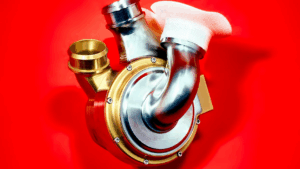
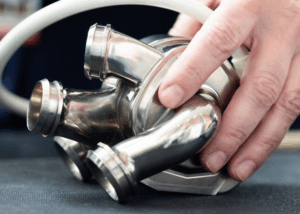
The BiVACOR heart looks nothing like the organ you picture. It is a single spinning disk inside a titanium case. Magnets float the disk in mid-air. The disk spins up to 3,000 times per minute. As it turns out, it pulls blood in and pushes it out. One side handles blood going to the lungs. The other side sends blood to the body. There are no valves to open and close. There are no chambers to fill and empty. Blood flows in a smooth, steady stream.
Via Forbes Australia
Most mechanical hearts use two pumps, one for each side of the heart. BiVACOR uses one rotor for both jobs. This design shrinks the device to the size of a large fist. It fits inside the chest of an average adult. The spinning disk creates no thump-thump sound. Patients feel no heartbeat. Doctors check the machine with a handheld controller.
The heart runs on batteries worn outside the body. A thin cable passes through the skin to deliver power. Patients carry spare batteries in a small bag. The setup lets them move around the hospital ward. During the 105-day trial, the man changed batteries himself. He learned the routine in a few days.
Via IEEE Spectrum
Why Size and Silence Matter
Older mechanical hearts were loud and bulky. Some sounded like a washing machine. Others needed backpack-sized power units. Patients felt trapped by tubes and noise. The BiVACOR heart changes that picture. It weighs less than two pounds. It hums softer than a refrigerator. Nurses can stand beside the bed and hear almost nothing. Small size means fewer surgical cuts. Doctors remove less bone and muscle. Healing starts faster. Silence means better sleep. Patients rest without the constant reminder of a machine inside them. These details sound small, but they add up to a better life while waiting for a donor.
Via Nature
Durability stands out, too. The spinning disk touches nothing. Magnets hold it in place. With no contact, parts last longer. Animal tests show the heart can run for years. In the Australian patient, it worked without a single repair for over three months. Engineers built it to handle the daily stress of pumping five liters of blood per minute.
The Road to the Operating Room
The BiVACOR company started in 2013. Founders from Australia and the United States joined forces. They wanted a heart that would fit most adults and last a long time. Early models went into calves. The animals lived for months with the titanium pump. Data from those tests shaped the human version.
Via Advantech
Regulators watched every step. Safety trials began with short implants. Doctors planned to keep the device in for a few weeks. The Australian patient changed the timeline. His body accepted the heart without major problems. Blood clots stayed under control. Infections never started. Each week, the team extended the goal.
Thirty days became sixty. Sixty became ninety. At day 105, a donor heart arrived. The surgery to remove the BiVACOR heart took less time than the implant. Scar tissue had not grown around the smooth titanium case. Blood vessels stayed healthy. The new human heart started beating on its own within minutes.
Via Team Consulting
Life on the Transplant Waiting List
Every year, thousands of people need a new heart. Only a fraction receives one. Donors must match in blood type and body size. Accidents and brain deaths create the supply. Demand always outruns it. In Australia, the average wait stretches past six months. In the United States, some patients wait two years. While they wait, hearts weaken further. Medicines lose power. Fluid builds up in the lungs and legs. Simple tasks like climbing stairs become impossible. Mechanical hearts keep blood moving until a match appears. Older devices helped, but many failed within weeks. Infections, strokes, and bleeding cut lives short.
Via Los Angeles Times
The BiVACOR heart raises the bar. It gives doctors a reliable tool. Patients gain strength instead of losing it. They eat better, breathe easier, and walk farther. Hospital staff see the difference. One nurse said the Australian man played cards with visitors on day 100. Without the machine, he would not have reached day 10.
Inside the Chest - What the Patient Feels
Imagine no pulse in your wrist. Press your neck, no throb. That is daily life with the BiVACOR heart. Blood pressure stays steady. The number does not rise and fall with each beat. Doctors use special cuffs to measure flow. Patients learn new signs of health. Skin stays warm. Urine stays clear. Energy returns.
Via bivacor
Some people worry about the silence. They miss the rhythm that marked every second of life. Others welcome the quiet. The Australian man told reporters he slept better than he had in years. No racing heart kept him awake. No skipped beats woke him in panic.
Exercise feels different, too. Natural hearts speed up during a jog. The BiVACOR heart adjusts flow based on sensors. It reads pressure changes and spins faster when needed. Patients feel the effort in their legs, not their chest. One early tester rode a stationary bike for twenty minutes. His legs burned, but the machine stayed cool.
Via Fox News
The Team Behind the Breakthrough
Surgeons, engineers, and nurses worked as one unit. The lead cardiac surgeon is trained in both Australia and Texas. He practiced the implant on plastic models for months. Perfusionists managed blood flow during surgery. They kept oxygen levels perfect while the natural heart came out. Engineers flew in from Houston. They carried spare rotors and diagnostic laptops. Every night, they downloaded data from the controller. Graphs showed blood flow minute by minute. Any dip triggered a review. The rotor never dipped.
Via CNN
Nurses changed dressings around the power cable. They watched for redness or swelling. Infection would end the trial fast. Their care kept the skin exit site clean for over three months. Dietitians tracked weight and salt intake. Too much fluid would strain the pump. The patient followed every rule.
Risks That Still Exist
No device is perfect. Blood moving without pulses can form tiny clots. Doctors give blood thinners to prevent strokes. The Australian man took two pills each morning. His blood stayed thin but did not bleed too much. The power cable through the skin invites germs. One small opening can lead to big trouble. Hospital rooms stayed spotless.
Via TechEBlog
Visitors wore masks and gowns. Hand washing became routine for everyone. Battery failure tops the fear list. A dead battery means minutes until the heart stops. Patients carry two packs and swap them every twelve hours. Alarms scream if the power drops low. Backup batteries sit in every room. The system worked without a single blackout.
From Bridge to Destination
Right now, the BiVACOR heart is a bridge. It holds the fort until a human heart arrives. Regulators approve it for temporary use. Future trials aim for permanent implants. Imagine a world where no one dies waiting for a donor. The titanium heart becomes the final answer. Children could benefit most. Growing bodies outgrow donor hearts.
Via The New Yorker
No second transplant needed. Elderly patients turned down for surgery could get a new life. The device ignores age as long as blood vessels stay strong. Cost remains a hurdle. Each unit runs hundreds of thousands of dollars. Hospitals pass the bill to insurance or government programs. As production grows, prices fall.
Global Eyes on Sydney
News of the 105-day survival spread fast. Heart centers in Europe and Asia are called St. Vincent’s. They wanted details on surgery times, clot rates, and patient mood. Medical journals prepared case reports. Engineers scheduled visits to see the device in action.
Via Pelago
The patient agreed to share his story. He spoke to cameras from his hospital bed. His voice stayed calm. He thanked the calf that tested the heart years earlier. He thanked the donor who gave the final gift. His words reached waiting rooms around the world. Other patients saw hope on the screen.
Explore the First Fully Artificial Titanium Heart
The Australian man returns home. He grills steaks on weekends. He coaches his son’s soccer team. Every clap from the sideline echoes the spin inside his old titanium friend. The device sits in a lab now, cleaned and studied. Engineers measure wear on the rotor. They find almost none.
Via The Australian
Somewhere a child waits for the next implant. Somewhere, a grandmother counts days on the list. The 105-day bridge becomes a highway. Traffic moves faster because one man said yes. Science does not pause. It builds on stories like this. The heart that beat without beating showed the way. Tomorrow it leads.