Unassigned
Anthropic Updates AI Rules for Rising Threat Landscape

Anthropic has revised its policies governing the use of its Claude AI chatbot to address rising concerns about misuse in an increasingly complex digital environment. The new guidelines place stronger restrictions on dangerous applications while refining rules around political content, showing a deliberate effort to balance safety with flexibility.
These changes come at a time when artificial intelligence systems are becoming more capable and accessible. By setting clearer boundaries, Anthropic is signaling its commitment to responsible development and deployment of technology. The updated policies aim to reduce risks associated with misuse while ensuring the Claude platform continues to serve as a reliable tool for constructive applications.
 Via TechCrunch
This policy shift also reflects increasing public scrutiny of how advanced AI models are governed. As awareness of AI’s potential risks grows, companies developing such systems face mounting pressure to show transparency and responsibility. By publicly updating its guidelines, Anthropic is demonstrating an intent to stay ahead of emerging threats while reinforcing trust among users.
 Via CNN
This includes high-yield explosives and biological, nuclear, chemical, and radiological weapons, often referred to collectively as CBRN weapons. These categories represent some of the most severe threats to global safety, making it essential to clearly define them in policy. By specifying these weapons explicitly, Anthropic leaves no ambiguity about the kinds of misuse that Claude will not support under any circumstances.
The decision reflects increasing concerns over how advanced AI models could potentially assist in designing or improving highly destructive technologies. By explicitly identifying these threats, Anthropic is creating a clearer framework to prevent misuse. These rules provide an additional layer of security, ensuring that Claude cannot be leveraged to support activities that pose severe risks to human life.
 Via The Atlantic
The policy update follows the launch of Claude Opus 4 in May, accompanied by a significant safety enhancement known as “AI Safety Level 3.” These protections are designed to make the model far more resistant to attempts at jailbreaks or other manipulations, ensuring its advanced capabilities remain secure and aligned with intended use.
They also help block any efforts to use Claude in the research, design, or creation of weapons capable of catastrophic harm. This approach demonstrates a proactive commitment to mitigating risks before they escalate, reinforcing Anthropic’s position as a leader in prioritizing AI safety and responsible innovation.
 Via Blogs | International Committee of the Red Cross
 Via IBM
This section outlines clear prohibitions against using Claude to discover security vulnerabilities, create or distribute malicious software, or develop tools for denial-of-service attacks. By strengthening its cybersecurity rules, Anthropic is addressing concerns that highly capable AI systems could become tools for digital exploitation.
The updated guidelines reinforce that Claude is intended to assist users in constructive, lawful, and ethical tasks rather than enable harmful behavior. These measures ensure that emerging AI functions remain aligned with responsible practices as they grow more sophisticated and autonomous.
 Via Forage
 Via Information Week
Anthropic has also clarified how its rules for “high-risk” use cases apply. These requirements now focus on consumer-facing applications rather than internal business scenarios. By doing so, the company is giving businesses greater freedom to deploy Claude in professional settings without unnecessary compliance burdens, while still ensuring individuals remain protected from harmful manipulation.
 Via The Verge
The organization’s work emphasizes that AI technology must be developed responsibly, with safeguards to prevent misuse. This focus is evident in its consistent refinement of usage policies, as well as its investment in technical measures like AI Safety Level 3. By building systems that are harder to exploit, Anthropic is demonstrating a commitment to protecting both individuals and society at large.
Claude’s design reflects these priorities. It has been trained to follow carefully crafted guidelines that encourage beneficial outcomes and discourage harmful ones. This approach is part of Anthropic’s broader research agenda, which seeks to ensure that as AI becomes more powerful, it remains aligned with human intentions and ethical standards.
 Via TechCrunch
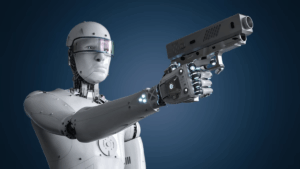 Via CNA
The decision to ease certain restrictions on political content demonstrates Anthropic’s readiness to adjust its policies as the company learns from real-world use of its technology. This willingness to refine its approach shows that the organization is actively monitoring how its guidelines affect both developers and end users over time.
Instead of enforcing sweeping bans that could unintentionally suppress valuable dialogue or hinder educational applications, Anthropic has chosen a more precise strategy. This targeted method focuses on curbing harmful or deceptive behavior while preserving space for legitimate discussions and research involving political topics.
 Via Future of Life Institute
This balanced approach reflects an evolving understanding of how advanced AI systems should function within society. By carefully aligning safety measures with freedom of expression, Anthropic highlights its commitment to ensuring Claude remains useful and trustworthy without becoming a tool for manipulation or disruption.
 Via OECD
These policy updates also demonstrate how private companies can take proactive action rather than waiting for external regulation. By implementing detailed safety guidelines, Anthropic is showing that AI developers can lead the way in setting standards for ethical use. This approach may influence industry norms and guide future legislation aimed at ensuring AI benefits society while minimizing risk.
The emphasis on AI Safety Level 3 protections suggests that technical measures will be just as important as written policies. Building models that are resistant to misuse is a crucial step in preventing harmful applications from emerging in the first place. This dual focus on policy and engineering reflects a comprehensive approach to AI safety.
 Via AryaXAI
 Via Monday Labs
The company’s approach highlights an important path forward: innovation need not come at the expense of safety. By combining strict rules with advanced technical safeguards, Anthropic is setting an example for how AI can be deployed responsibly, serving humanity’s interests without amplifying its risks. This model shows that proactive governance can guide technology toward progress.
More in Unassigned
Via TechCrunch
This policy shift also reflects increasing public scrutiny of how advanced AI models are governed. As awareness of AI’s potential risks grows, companies developing such systems face mounting pressure to show transparency and responsibility. By publicly updating its guidelines, Anthropic is demonstrating an intent to stay ahead of emerging threats while reinforcing trust among users.
Expanded Restrictions on Weapons Development
Anthropic previously prohibited the use of Claude to produce, modify, design, market, or distribute weapons, explosives, and other harmful systems. The company has now strengthened this rule by naming specific categories of weapons that users are strictly forbidden to develop using Claude.
Via CNN
This includes high-yield explosives and biological, nuclear, chemical, and radiological weapons, often referred to collectively as CBRN weapons. These categories represent some of the most severe threats to global safety, making it essential to clearly define them in policy. By specifying these weapons explicitly, Anthropic leaves no ambiguity about the kinds of misuse that Claude will not support under any circumstances.
The decision reflects increasing concerns over how advanced AI models could potentially assist in designing or improving highly destructive technologies. By explicitly identifying these threats, Anthropic is creating a clearer framework to prevent misuse. These rules provide an additional layer of security, ensuring that Claude cannot be leveraged to support activities that pose severe risks to human life.
Via The Atlantic
The policy update follows the launch of Claude Opus 4 in May, accompanied by a significant safety enhancement known as “AI Safety Level 3.” These protections are designed to make the model far more resistant to attempts at jailbreaks or other manipulations, ensuring its advanced capabilities remain secure and aligned with intended use.
They also help block any efforts to use Claude in the research, design, or creation of weapons capable of catastrophic harm. This approach demonstrates a proactive commitment to mitigating risks before they escalate, reinforcing Anthropic’s position as a leader in prioritizing AI safety and responsible innovation.
Via Blogs | International Committee of the Red Cross
Addressing Cybersecurity and Advanced AI Risks
In addition to weapons-related restrictions, Anthropic has emphasized the growing risks tied to advanced AI capabilities. Some of Claude’s new tools, such as “Computer Use,” which allows the model to control a user’s computer directly, and “Claude Code,” which integrates it into a developer’s terminal, offer powerful functionality but also introduce potential for misuse. These agentic capabilities could, if left unchecked, be exploited to scale malicious activities, including malware generation and coordinated cyberattacks. Recognizing this threat, Anthropic has incorporated a new section into its usage policy titled “Do Not Compromise Computer or Network Systems.”
Via IBM
This section outlines clear prohibitions against using Claude to discover security vulnerabilities, create or distribute malicious software, or develop tools for denial-of-service attacks. By strengthening its cybersecurity rules, Anthropic is addressing concerns that highly capable AI systems could become tools for digital exploitation.
The updated guidelines reinforce that Claude is intended to assist users in constructive, lawful, and ethical tasks rather than enable harmful behavior. These measures ensure that emerging AI functions remain aligned with responsible practices as they grow more sophisticated and autonomous.
Via Forage
Adjustments to Political Content Guidelines
While tightening controls in some areas, Anthropic has also revised its approach to political content. Earlier policies broadly banned the use of Claude to generate material related to political campaigns or lobbying. The new guidelines refine this stance by focusing only on activities that are deceptive, disruptive to democratic processes, or involve voter and campaign targeting. This adjustment reflects an effort to avoid over-restricting legitimate political discussion while still protecting against misuse. By narrowing the prohibition, Anthropic allows Claude to be used for political analysis or educational purposes, provided these uses do not manipulate voters or interfere with democratic systems. The company is drawing a clear line between harmful interference and acceptable political dialogue.
Via Information Week
Anthropic has also clarified how its rules for “high-risk” use cases apply. These requirements now focus on consumer-facing applications rather than internal business scenarios. By doing so, the company is giving businesses greater freedom to deploy Claude in professional settings without unnecessary compliance burdens, while still ensuring individuals remain protected from harmful manipulation.
Anthropic’s Broader Mission and AI Safety Commitment
Anthropic is an AI safety and research organization founded in 2021 by former OpenAI employees. Its mission centers on creating reliable, interpretable, and steerable AI systems that are guided by constitutional principles and long-term alignment with human values. The company is best known for developing the Claude family of large language models, which are designed to be helpful, harmless, and honest.
Via The Verge
The organization’s work emphasizes that AI technology must be developed responsibly, with safeguards to prevent misuse. This focus is evident in its consistent refinement of usage policies, as well as its investment in technical measures like AI Safety Level 3. By building systems that are harder to exploit, Anthropic is demonstrating a commitment to protecting both individuals and society at large.
Claude’s design reflects these priorities. It has been trained to follow carefully crafted guidelines that encourage beneficial outcomes and discourage harmful ones. This approach is part of Anthropic’s broader research agenda, which seeks to ensure that as AI becomes more powerful, it remains aligned with human intentions and ethical standards.
Via TechCrunch
Balancing Innovation with Responsibility
The latest policy updates highlight how Anthropic is navigating the tension between fostering innovation and preventing abuse. On one hand, AI systems like Claude are becoming more capable of performing complex tasks, which can accelerate progress across many fields. On the other hand, the same capabilities could be misused to cause harm if not carefully managed. By specifying prohibited uses related to weapons and cybersecurity, Anthropic is sending a clear message that safety is paramount. These rules are not meant to restrict beneficial research or creativity but to draw firm boundaries around activities that threaten public security and global stability. Such clarity helps ensure that users understand the expectations and limitations associated with Claude.
Via CNA
The decision to ease certain restrictions on political content demonstrates Anthropic’s readiness to adjust its policies as the company learns from real-world use of its technology. This willingness to refine its approach shows that the organization is actively monitoring how its guidelines affect both developers and end users over time.
Instead of enforcing sweeping bans that could unintentionally suppress valuable dialogue or hinder educational applications, Anthropic has chosen a more precise strategy. This targeted method focuses on curbing harmful or deceptive behavior while preserving space for legitimate discussions and research involving political topics.
Via Future of Life Institute
This balanced approach reflects an evolving understanding of how advanced AI systems should function within society. By carefully aligning safety measures with freedom of expression, Anthropic highlights its commitment to ensuring Claude remains useful and trustworthy without becoming a tool for manipulation or disruption.
Implications for the Future of AI Governance
The steps Anthropic is taking provide insight into how AI governance may develop in the coming years. As AI systems grow in capability, policymakers and developers will need to collaborate to ensure that safety measures keep pace with technological advancements. Clear rules, like those Anthropic has introduced, establish a foundation for responsible innovation.
Via OECD
These policy updates also demonstrate how private companies can take proactive action rather than waiting for external regulation. By implementing detailed safety guidelines, Anthropic is showing that AI developers can lead the way in setting standards for ethical use. This approach may influence industry norms and guide future legislation aimed at ensuring AI benefits society while minimizing risk.
The emphasis on AI Safety Level 3 protections suggests that technical measures will be just as important as written policies. Building models that are resistant to misuse is a crucial step in preventing harmful applications from emerging in the first place. This dual focus on policy and engineering reflects a comprehensive approach to AI safety.
Via AryaXAI
Discover Anthropic's New AI Safety Protocol Updates
Anthropic’s updated policies for the Claude AI chatbot underscore a strong commitment to responsible development. By explicitly banning assistance in creating high-yield explosives and CBRN weapons, strengthening cybersecurity rules, and refining guidelines for political content, the company is addressing some of the most pressing concerns surrounding modern AI. These changes align with Anthropic’s broader mission to create AI systems that are both powerful and safe. The focus on reliability, interpretability, and steerability ensures that Claude remains a trustworthy tool while minimizing opportunities for misuse. As AI technology continues to evolve, such measures will play a key role in shaping how these systems are used and regulated.
Via Monday Labs
The company’s approach highlights an important path forward: innovation need not come at the expense of safety. By combining strict rules with advanced technical safeguards, Anthropic is setting an example for how AI can be deployed responsibly, serving humanity’s interests without amplifying its risks. This model shows that proactive governance can guide technology toward progress.