Unassigned
AI-Invented Super-Material Stronger Than Steel

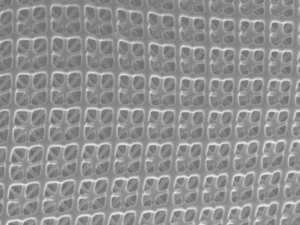
Artificial intelligence has created something no human ever could. Scientists at the University of Toronto and Caltech built a material stronger than carbon steel yet lighter than foam. They did not mix chemicals in a lab or sketch plans on paper. They trained AI models to picture tiny structures inside materials. The AI then designed patterns never seen before.
When printed with 3D machines, these patterns formed nanolattices that beat titanium in strength while weighing almost nothing. People have improved materials for thousands of years. Early humans shaped stone tools. Later, they melted iron to make swords. Modern engineers test hundreds of samples in labs.
 Via Live Science
They change one ingredient at a time and measure results. This method works but moves slowly. A single new alloy can take ten years to perfect. Formulas from textbooks limit what engineers dare to try. Nature sets another boundary. Diamond is hard but rare. Spider silk is strong but hard to harvest in large amounts. Humans stay inside known rules.
 Via ZME Science
It sees how one tiny bar in a lattice affects the whole structure. This hidden knowledge stayed locked until computers arrived. The research team fed the AI huge amounts of data. They included facts about how metals bend, crack, or stretch. They added images of microstructures taken with powerful microscopes.
 Via New Atlas
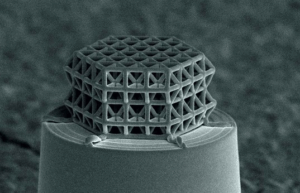
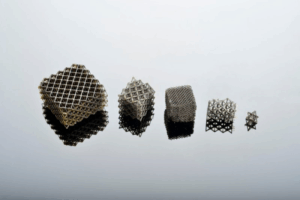
The team picked the best designs and printed tiny test blocks. Each block was the size of a sugar cube. When squeezed in a press, the blocks held five times more force than solid titanium of the same weight. When dropped, they bounced instead of shattering.
 Via Sci News
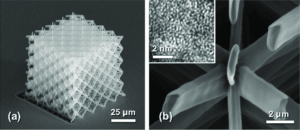
Cracks have nowhere to grow. The structure flexes like rubber but snaps back like steel. Air trapped inside adds almost no weight. 3D printing made the dream real. A printer sprays liquid plastic or metal powder layer by layer. Lasers melt the powder exactly where the AI drawing says.
In hours, a complex lattice rises from a flat plate. Older printing methods could not handle such fine detail. New machines reach features smaller than a human hair. The printed parts need no extra polishing. They come out ready to test.
 Via Wiley Analytical Science
 Via ResearchGate
A family car could drop two hundred pounds. City fuel use might fall by fifteen percent. Electric cars could drive fifty miles farther on one charge. Insurance rates might drop because lattice parts absorb impact instead of crumpling.
 Via Metal Tech News
Every extra pound costs money and fuel. A commercial airplane burns three tons of fuel per hour. Cut one ton from its weight and save thousands of dollars per flight. Cars with lighter frames need smaller engines. Electric cars gain extra miles per charge. Buildings with light, strong beams need less concrete in foundations.
 Via NextBigFuture
Doctors need strong light parts for the body. Hip replacements use titanium. The metal lasts decades but feels heavy to patients. A lattice hip joint would weigh grams instead of ounces. Bones grow into the open spaces, locking the implant tight. Surgeons could print custom shapes for each patient using CT scans.
 Via uberwell
Sports helmets crush on impact to protect the brain. Lattice liners could spread force better than foam. Running shoes with lattice midsoles return more energy to each step. Laptop cases could guard screens without adding bulk. Backpacks for students would hold books yet feel empty. Even kitchen pots could use lattice handles that stay cool while the pot boils.
 Via Virginia Tech News
Engineers will train AI instead of drawing blueprints. Technicians will run advanced printers. Designers will learn to set goals for AI, not final shapes. Schools will teach the physics of lattices alongside traditional math. Young inventors will download open-source patterns and tweak them at home. The job market grows as fast as the printers.
 Via Science
Children who see lattice cubes bounce instead of break will ask new questions. Science fairs will feature AI-designed gliders. Coding classes will include physics engines. Girls and boys from all backgrounds will picture themselves training machines to build wonders. Curiosity replaces fear of robots. Humans stay in charge by setting bold goals.
 Via Live Science
This method works for more than strength. AI can design materials that block heat, filter water, or store energy. Battery electrodes with perfect pore sizes could double phone life. Filters with twisted channels could clean air in factories. Soundproof walls could use lattices that trap noise. Medicine, energy, and environment all wait for their turn.
 Via Live Science
Picture cities with towers that touch clouds yet cast small shadows. Planes that cross oceans on a tank of fuel. Prosthetic limbs that feel natural. Spaceships built from printers on the moon. All trace back to one leap: letting AI imagine what humans could not. The material is just the start. The real change is how people create.
More in Unassigned
Via Live Science
They change one ingredient at a time and measure results. This method works but moves slowly. A single new alloy can take ten years to perfect. Formulas from textbooks limit what engineers dare to try. Nature sets another boundary. Diamond is hard but rare. Spider silk is strong but hard to harvest in large amounts. Humans stay inside known rules.
The Limits of Human Imagination
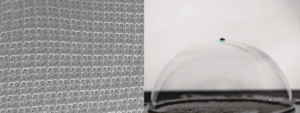
Our brains picture in three dimensions, yet tiny structures inside materials have millions of possible shapes. A human designer might test twenty patterns in a month. An AI can test for billions of hours. Humans also grow tired and make mistakes. AI keeps running without rest. Most importantly, AI spots links that humans miss.
Via ZME Science
It sees how one tiny bar in a lattice affects the whole structure. This hidden knowledge stayed locked until computers arrived. The research team fed the AI huge amounts of data. They included facts about how metals bend, crack, or stretch. They added images of microstructures taken with powerful microscopes.
The Birth of Strange New Lattices
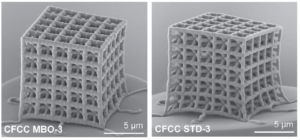
The AI returned designs that looked like alien honeycombs. Some had curved walls that twisted in spirals. Others used hollow beams connected at odd angles. Every shape followed strict math, yet no textbook had ever shown them.
Via New Atlas
The team picked the best designs and printed tiny test blocks. Each block was the size of a sugar cube. When squeezed in a press, the blocks held five times more force than solid titanium of the same weight. When dropped, they bounced instead of shattering.
Inside the Nanolattice
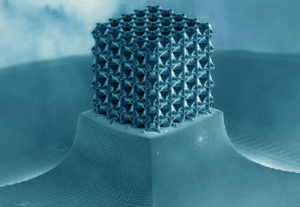
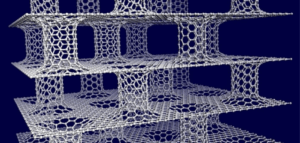
Picture a city made of drinking straws glued together. Now shrink that city until it fits on a fingernail. That is a nanolattice. Space fills most of the volume, sometimes ninety-eight percent. The remaining two percent is solid material arranged in clever patterns. Stress travels along thin walls and spreads out evenly.
Via Sci News
Cracks have nowhere to grow. The structure flexes like rubber but snaps back like steel. Air trapped inside adds almost no weight. 3D printing made the dream real. A printer sprays liquid plastic or metal powder layer by layer. Lasers melt the powder exactly where the AI drawing says.
In hours, a complex lattice rises from a flat plate. Older printing methods could not handle such fine detail. New machines reach features smaller than a human hair. The printed parts need no extra polishing. They come out ready to test.
Via Wiley Analytical Science
Safer Skies with Lighter Wings
Airplane wings face huge forces. Wind pushes up. Gravity pulls down. Metal fatigue causes cracks over the years. Current wings use aluminum and carbon fiber. The new nanolattice could replace both. A wing skin made of printed lattice would weigh half as much yet bend without breaking. Less weight means shorter runways and lower ticket prices. Safety rises because cracks stop at empty spaces inside the lattice. Modern cars already use aluminum to cut weight. Steel frames remain indoors and ron oofs for crash safety. Imagine swapping steel for lattice panels.
Via ResearchGate
A family car could drop two hundred pounds. City fuel use might fall by fifteen percent. Electric cars could drive fifty miles farther on one charge. Insurance rates might drop because lattice parts absorb impact instead of crumpling.
Beating Nature’s Best Designs
Nature builds strong, lightweight parts. Bird bones are hollow. Bamboo has stiff fibers in soft walls. Coral forms rock-hard homes full of tiny holes. Yet nature works slowly and serves many goals. A bird bone must also store marrow. Coral must let water flow. The AI lattice serves one goal: strength per gram. It beats every natural design on that measure.
Via Metal Tech News
Every extra pound costs money and fuel. A commercial airplane burns three tons of fuel per hour. Cut one ton from its weight and save thousands of dollars per flight. Cars with lighter frames need smaller engines. Electric cars gain extra miles per charge. Buildings with light, strong beams need less concrete in foundations.
Taller, Greener Skyscrapers
Steel beams hold up tall buildings. Each beam weighs tons. Cranes lift them high. Concrete fills gaps. A lattice beam could do the same job with one-fifth the metal. Less steel means fewer trucks and less pollution from steel mills. Wind sways tall towers. Lattice beams flex just enough to reduce sway without extra dampers.
Via NextBigFuture
Doctors need strong light parts for the body. Hip replacements use titanium. The metal lasts decades but feels heavy to patients. A lattice hip joint would weigh grams instead of ounces. Bones grow into the open spaces, locking the implant tight. Surgeons could print custom shapes for each patient using CT scans.
Space Travel Becomes Cheaper
Rockets fight gravity with every ounce. Fuel makes up ninety percent of launch weight. Cut the dry mass, and more payload reaches orbit. Satellite frames, fuel tanks, and landing legs could all use lattice designs. A Mars habitat printed on-site would weigh less to ship. Astronauts could carry stronger tools that float in low gravity.
Via uberwell
Sports helmets crush on impact to protect the brain. Lattice liners could spread force better than foam. Running shoes with lattice midsoles return more energy to each step. Laptop cases could guard screens without adding bulk. Backpacks for students would hold books yet feel empty. Even kitchen pots could use lattice handles that stay cool while the pot boils.
The Printing Revolution
Home 3D printers already make toys and phone cases. Industrial printers handle metals and ceramics. As printers improve, lattice parts will cost less. A factory could print a car door in one night instead of stamping steel for days. Repairs become simple. A broken bike part scans, prints, and rides again by morning. Waste drops because only the needed material is used.
Via Virginia Tech News
Engineers will train AI instead of drawing blueprints. Technicians will run advanced printers. Designers will learn to set goals for AI, not final shapes. Schools will teach the physics of lattices alongside traditional math. Young inventors will download open-source patterns and tweak them at home. The job market grows as fast as the printers.
Challenges on the Horizon
Printing speed remains slow for large parts. A sugar-cube lattice prints in minutes. A car frame needs days. Material costs stay high for special powders. Tiny flaws in printing can ruin the strength. Recycling printed parts is tricky because mixed powders separate poorly. Rules for safety testing lag behind the technology. Governments must update standards before planes fly with lattice wings. Factories will solve speed with bigger printers. Multiple laser heads will work at once. New powders will mix cheap metals with trace elements for strength. Quality cameras will watch every layer and fix mistakes on the spot. Software will predict weak spots before printing starts. Costs will fall the way solar panels dropped in price over twenty years.Protecting the Planet
Steel production releases tons of carbon dioxide. Mining ore scars the land. Lattice parts use far less metal. Less mining means fewer open pits. Lower weight in transport cuts fuel burn. Solar planes and electric ships become practical. Wind turbine blades made of lattice spin with less tower stress. Green energy spreads faster with lighter gear.
Via Science
Children who see lattice cubes bounce instead of break will ask new questions. Science fairs will feature AI-designed gliders. Coding classes will include physics engines. Girls and boys from all backgrounds will picture themselves training machines to build wonders. Curiosity replaces fear of robots. Humans stay in charge by setting bold goals.
A New Way to Invent
The old path started with a human idea, then tests, and slow improvement. The new path starts with a goal fed to AI. The machine explores millions of paths at once. Humans pick winners and print them. Feedback loops tighten. Each test teaches the AI more. Years of progress shrink to months. Breakthroughs arrive in waves instead of decades.
Via Live Science
This method works for more than strength. AI can design materials that block heat, filter water, or store energy. Battery electrodes with perfect pore sizes could double phone life. Filters with twisted channels could clean air in factories. Soundproof walls could use lattices that trap noise. Medicine, energy, and environment all wait for their turn.
Explore the New Super-Material's Potential
Labs already print lattice drone frames that fly farther. Car makers test lattice crash zones. Architects plan lattice bridges that sway in earthquakes yet stand for centuries. Each success feeds the AI new data. The next design will beat today’s record. Progress accelerates like compound interest.
Via Live Science
Picture cities with towers that touch clouds yet cast small shadows. Planes that cross oceans on a tank of fuel. Prosthetic limbs that feel natural. Spaceships built from printers on the moon. All trace back to one leap: letting AI imagine what humans could not. The material is just the start. The real change is how people create.