Unassigned
9 Healthy Diet Plans to Follow in 2026 for Better Life
Choosing the right diet plays a key role in shaping overall health, energy levels, and long-term well-being. Food acts as fuel for the body, providing essential nutrients that support daily functions, immune strength, and mental clarity. Many people struggle to find a diet that fits personal goals, whether those goals include weight loss, improved heart health, or balanced nutrition.
Understanding the most effective diet plans can make this decision easier and more practical. Nutrition experts evaluate diet plans based on safety, sustainability, and overall health benefits. The best diets are not only effective for weight loss but also promote long-term wellness without extreme restrictions.
 Via Clinikally
A well-balanced diet includes fruits, vegetables, whole grains, lean proteins, and healthy fats while limiting processed foods and added sugars. These habits support a healthy lifestyle and reduce the risk of chronic diseases. Exploring top-rated diet plans helps identify approaches that are realistic and adaptable to daily routines.
Each plan offers unique benefits, allowing people to choose one that aligns with personal preferences, health conditions, and lifestyle demands. Choosing a diet that fits daily habits makes it easier to stay consistent over time. Consistency plays a major role in achieving lasting health results and improving overall quality of life.
 Via Forbes
 Via AARP
Long-term adherence to the Mediterranean diet has been linked to reduced risk of heart disease, improved brain function, and better weight management. Studies consistently show that people following this diet tend to live longer and experience fewer chronic illnesses. Its simple structure makes it easy to follow without feeling restricted.
 Via Delish Knowledge
Sodium intake is carefully controlled in this diet, helping to reduce blood pressure levels. Processed foods, sugary snacks, and high-fat meats are limited to maintain a balanced nutritional intake. Potassium-rich foods are encouraged, as they help regulate blood pressure and support proper body function.
Following the DASH diet consistently can lead to noticeable improvements in blood pressure and overall heart function. Many people experience better energy levels and reduced risk of heart-related conditions over time. Its structured approach makes it easier to build healthy habits that last.
 Via Cleveland Clinic
 Via Arroza Montisa
Adopting a flexitarian lifestyle promotes better nutrition without removing favorite foods completely. People can gradually shift toward healthier eating habits instead of making sudden changes. This gradual approach increases the chances of long-term success. It also makes the diet easier to follow in social situations and everyday life.
 Via Factor Meals
This diet allows dairy and eggs, offering additional sources of protein and nutrients. Including a variety of seafood ensures a balanced intake of vitamins and minerals necessary for optimal health. Limiting processed foods and refined grains enhances its effectiveness.
Following a pescatarian diet can improve cardiovascular health and support weight management over time. Many people also notice improvements in skin health and energy levels due to nutrient-rich foods. The variety of seafood options keeps meals interesting and satisfying. This makes it easier to maintain the diet without feeling bored or restricted.
 Via NC Seafood Restaurant
 Via Everyday Health
Adopting a vegetarian lifestyle supports heart health and can reduce the risk of several chronic conditions. It also encourages more mindful eating habits and awareness of food choices. With proper planning, all essential nutrients can be included easily. This makes the vegetarian diet both practical and beneficial for long-term health.
 Via MealPrep
Foods are categorized based on their calorie density, guiding portion sizes and meal planning. Lean proteins, whole grains, and low-fat dairy are included in moderation to maintain balanced nutrition. High-calorie foods like desserts and fatty meats are limited.
This diet encourages mindful eating and helps people understand portion control more effectively. Feeling full without overeating reduces the chances of binge eating or unhealthy snacking. Over time, this leads to better eating habits and improved weight management. It is especially helpful for those who struggle with constant hunger during dieting.
 Via Muscle and Fitness
 Via Helen GN Community
Following the MIND diet can help maintain memory and reduce the risk of age-related brain conditions. People often experience better focus and mental performance when following this plan consistently. Its food choices are simple and easy to include in daily meals. This makes it a practical option for long-term brain health support.
 Via You Care Everywhere
Foods such as whole grains, fruits, vegetables, and lean proteins are emphasized. Adding soluble fiber and plant sterols supports cholesterol reduction and overall wellness. Sodium intake is also controlled to maintain balanced nutrition.
Following the TLC diet can lead to steady improvements in cholesterol levels and heart health. Many individuals notice better overall health when sticking to these guidelines. The diet is practical and easy to follow with proper planning. It also encourages long-term lifestyle changes rather than short-term fixes.
 Via Liv Hospital
 Via Healthline
Choosing the right diet helps people maintain better health and improve daily performance. A suitable plan makes it easier to stay motivated and avoid unhealthy habits. Over time, this leads to stronger physical and mental well-being. A well-matched diet can truly transform overall lifestyle and long-term health outcomes.
 Via Nanavati Max Hospital
Tracking progress helps identify patterns and maintain motivation. Setting small, achievable goals creates a sense of accomplishment and encourages continued effort. Preparing meals in advance and having healthy options available can prevent unhealthy choices.
Staying consistent is the most important factor in achieving lasting results. People who stick to their plans tend to see better outcomes over time. Making meals enjoyable and varied helps prevent boredom and keeps motivation high. A balanced and flexible approach ensures the diet becomes a long-term lifestyle rather than a temporary change.
More in UnassignedVia Clinikally
A well-balanced diet includes fruits, vegetables, whole grains, lean proteins, and healthy fats while limiting processed foods and added sugars. These habits support a healthy lifestyle and reduce the risk of chronic diseases. Exploring top-rated diet plans helps identify approaches that are realistic and adaptable to daily routines.
Each plan offers unique benefits, allowing people to choose one that aligns with personal preferences, health conditions, and lifestyle demands. Choosing a diet that fits daily habits makes it easier to stay consistent over time. Consistency plays a major role in achieving lasting health results and improving overall quality of life.
Via Forbes
Mediterranean Diet for Overall Health
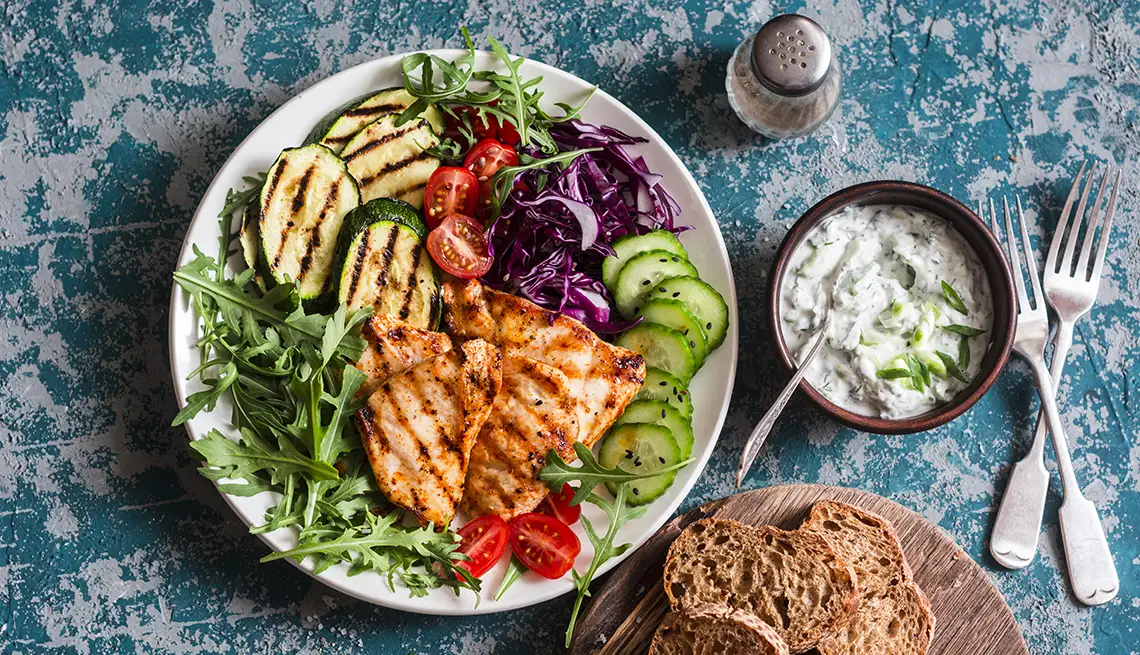
The Mediterranean diet stands out as one of the most balanced and widely recommended eating plans. It focuses on fresh, whole foods such as fruits, vegetables, whole grains, nuts, and legumes. Olive oil serves as the primary source of fat, providing heart-healthy benefits and essential nutrients that support overall wellness. This diet encourages moderate consumption of fish and lean poultry while limiting red and processed meats. It also allows small amounts of dairy and occasional wine, usually enjoyed with meals. These guidelines create a flexible and enjoyable eating pattern that supports both physical and mental health.Via AARP
Long-term adherence to the Mediterranean diet has been linked to reduced risk of heart disease, improved brain function, and better weight management. Studies consistently show that people following this diet tend to live longer and experience fewer chronic illnesses. Its simple structure makes it easy to follow without feeling restricted.
DASH Diet for Heart Health
The DASH diet, which stands for Dietary Approaches to Stop Hypertension, is designed to improve heart health and control blood pressure. It emphasizes nutrient-rich foods such as fruits, vegetables, whole grains, lean meats, and low-fat dairy products. These foods provide essential vitamins and minerals that support cardiovascular health.Via Delish Knowledge
Sodium intake is carefully controlled in this diet, helping to reduce blood pressure levels. Processed foods, sugary snacks, and high-fat meats are limited to maintain a balanced nutritional intake. Potassium-rich foods are encouraged, as they help regulate blood pressure and support proper body function.
Following the DASH diet consistently can lead to noticeable improvements in blood pressure and overall heart function. Many people experience better energy levels and reduced risk of heart-related conditions over time. Its structured approach makes it easier to build healthy habits that last.
Via Cleveland Clinic
Flexitarian Diet for Balanced Eating
The flexitarian diet combines the benefits of vegetarian eating with occasional meat consumption. It focuses on plant-based foods such as fruits, vegetables, whole grains, and legumes while allowing small portions of meat when desired. This flexibility makes it appealing to those who do not want strict dietary restrictions. Protein sources in this diet include eggs, dairy, and plant-based options like beans and lentils. Limiting processed foods and added sugars helps maintain a healthy balance and supports weight management. The reduced intake of red meat also contributes to better heart health.Via Arroza Montisa
Adopting a flexitarian lifestyle promotes better nutrition without removing favorite foods completely. People can gradually shift toward healthier eating habits instead of making sudden changes. This gradual approach increases the chances of long-term success. It also makes the diet easier to follow in social situations and everyday life.
Pescatarian Diet for Seafood Lovers
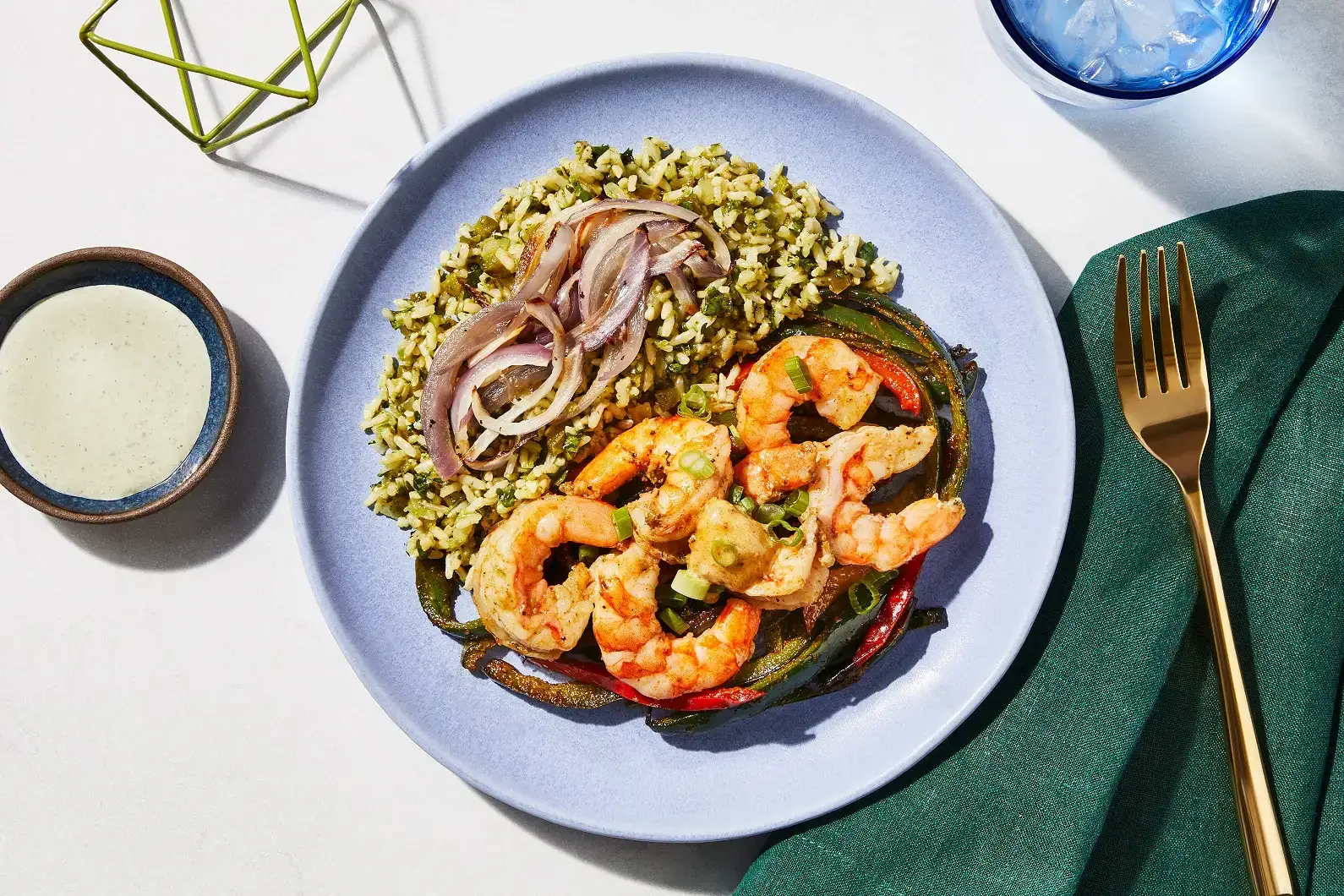
The pescatarian diet focuses on plant-based foods combined with seafood as the main source of protein. It includes fruits, vegetables, whole grains, nuts, and legumes while excluding meat such as beef, pork, and chicken. Fish and shellfish provide essential omega-3 fatty acids that support heart and brain health.Via Factor Meals
This diet allows dairy and eggs, offering additional sources of protein and nutrients. Including a variety of seafood ensures a balanced intake of vitamins and minerals necessary for optimal health. Limiting processed foods and refined grains enhances its effectiveness.
Following a pescatarian diet can improve cardiovascular health and support weight management over time. Many people also notice improvements in skin health and energy levels due to nutrient-rich foods. The variety of seafood options keeps meals interesting and satisfying. This makes it easier to maintain the diet without feeling bored or restricted.
Via NC Seafood Restaurant
Vegetarian Diet for Plant-Based Nutrition
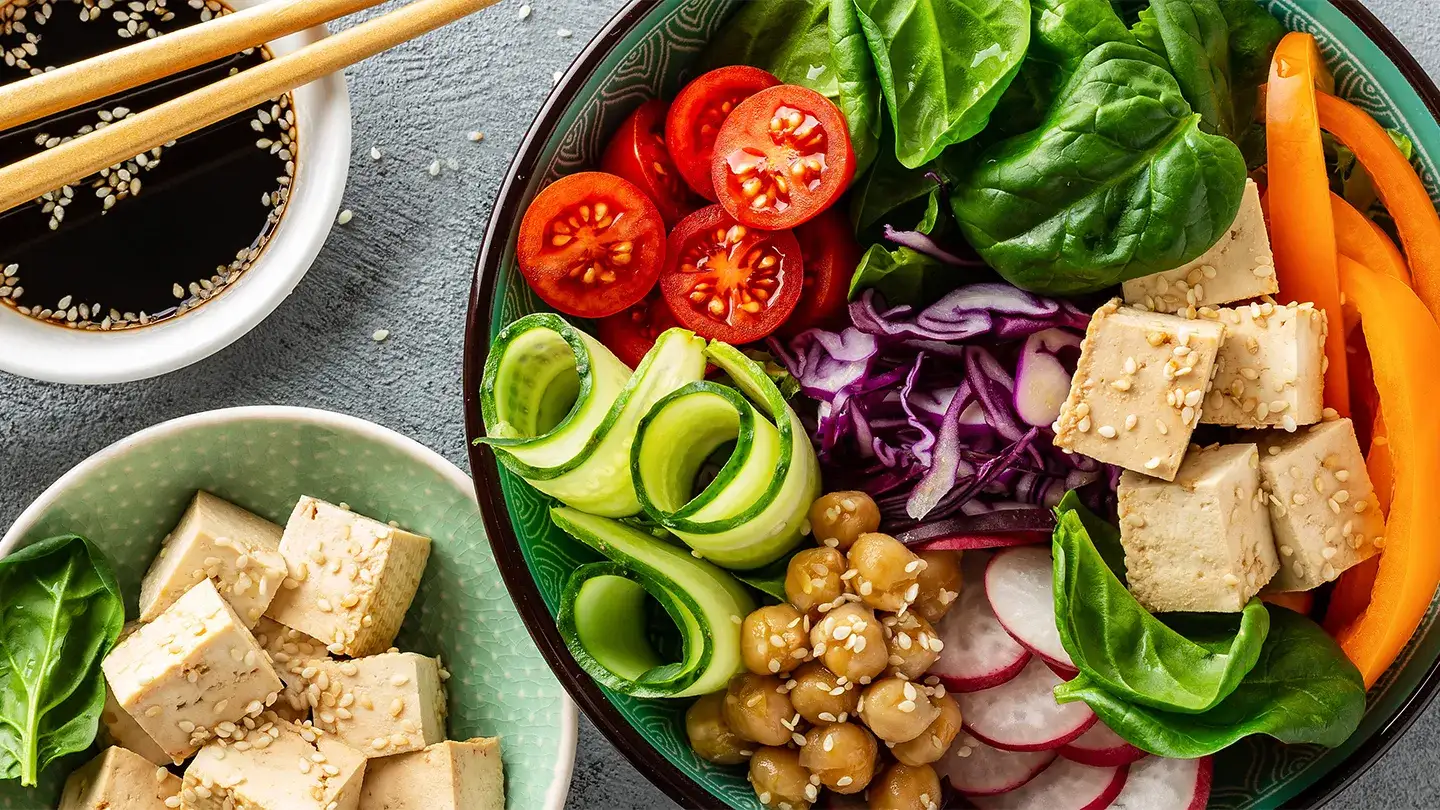
The vegetarian diet eliminates meat while focusing on plant-based foods such as fruits, vegetables, grains, nuts, and seeds. Different variations allow for dairy and eggs, depending on personal preferences and nutritional needs. This flexibility helps individuals choose a version that fits their lifestyle. Healthy fats from sources like avocados and olive oil play an important role in maintaining energy levels. Plant-based proteins such as beans, lentils, and tofu provide essential nutrients needed for daily activities. Avoiding processed foods enhances the benefits of this diet.Via Everyday Health
Adopting a vegetarian lifestyle supports heart health and can reduce the risk of several chronic conditions. It also encourages more mindful eating habits and awareness of food choices. With proper planning, all essential nutrients can be included easily. This makes the vegetarian diet both practical and beneficial for long-term health.
Volumetrics Diet for Weight Loss
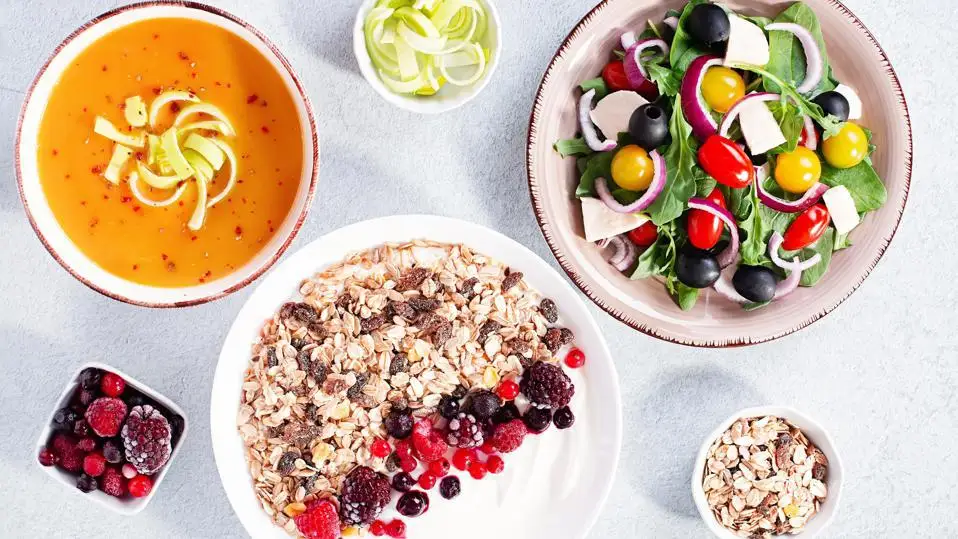
The volumetrics diet focuses on eating foods with low energy density, allowing larger portions without excessive calorie intake. Foods such as fruits, vegetables, and soups contain high water content, helping individuals feel full while consuming fewer calories. This approach supports gradual and sustainable weight loss.Via MealPrep
Foods are categorized based on their calorie density, guiding portion sizes and meal planning. Lean proteins, whole grains, and low-fat dairy are included in moderation to maintain balanced nutrition. High-calorie foods like desserts and fatty meats are limited.
This diet encourages mindful eating and helps people understand portion control more effectively. Feeling full without overeating reduces the chances of binge eating or unhealthy snacking. Over time, this leads to better eating habits and improved weight management. It is especially helpful for those who struggle with constant hunger during dieting.
Via Muscle and Fitness
MIND Diet for Brain Health
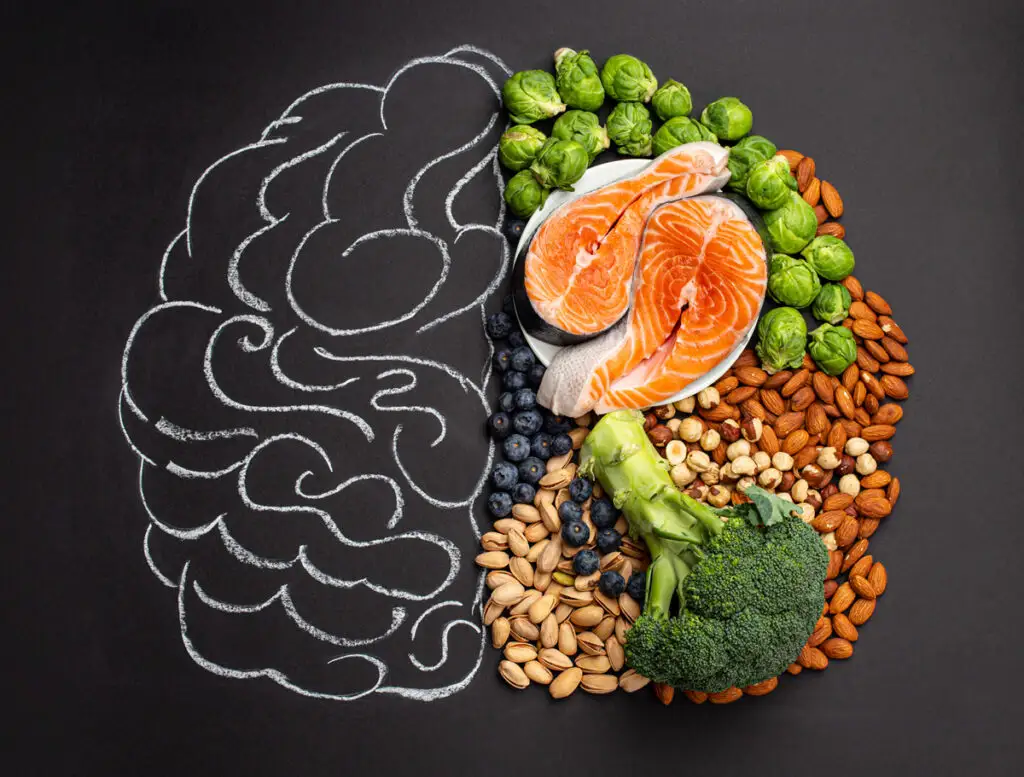
The MIND diet combines elements of the Mediterranean and DASH diets to support cognitive health. It emphasizes foods that benefit brain function, such as leafy greens, berries, whole grains, nuts, and fish. These foods provide antioxidants and nutrients that protect brain cells. Regular consumption of vegetables and berries is a key component of this diet. Whole grains and healthy fats also play an important role in maintaining mental clarity and reducing the risk of cognitive decline. Limiting processed foods enhances its effectiveness.Via Helen GN Community
Following the MIND diet can help maintain memory and reduce the risk of age-related brain conditions. People often experience better focus and mental performance when following this plan consistently. Its food choices are simple and easy to include in daily meals. This makes it a practical option for long-term brain health support.
TLC Diet for Cholesterol Control
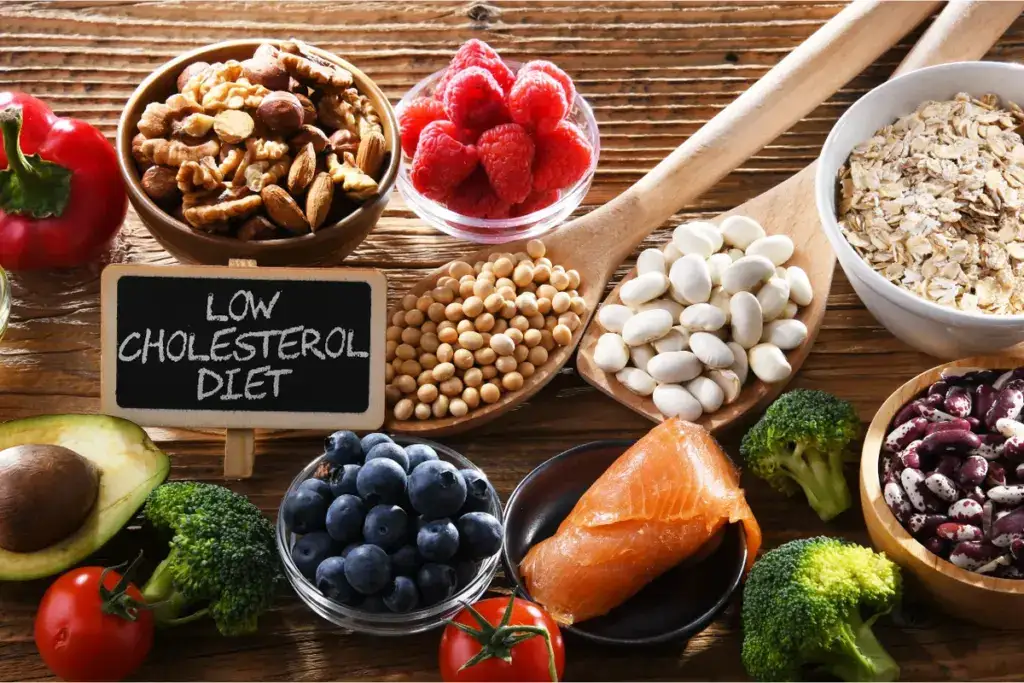
The Therapeutic Lifestyle Changes diet focuses on reducing cholesterol levels through healthy eating habits. It limits saturated fats and dietary cholesterol while encouraging the intake of fiber-rich foods. These changes help improve heart health and reduce the risk of cardiovascular diseases.Via You Care Everywhere
Foods such as whole grains, fruits, vegetables, and lean proteins are emphasized. Adding soluble fiber and plant sterols supports cholesterol reduction and overall wellness. Sodium intake is also controlled to maintain balanced nutrition.
Following the TLC diet can lead to steady improvements in cholesterol levels and heart health. Many individuals notice better overall health when sticking to these guidelines. The diet is practical and easy to follow with proper planning. It also encourages long-term lifestyle changes rather than short-term fixes.
Via Liv Hospital
Why Choosing the Right Diet Matters
A healthy diet plays a major role in preventing chronic diseases and maintaining overall well-being. Balanced nutrition supports energy levels, immune function, and mental health. Poor dietary habits, including high intake of sugar, salt, and unhealthy fats, can increase the risk of health issues. Different diets offer various benefits, making it important to choose one that aligns with personal goals and lifestyle. Sustainable eating habits are more effective than extreme or restrictive plans. Consistency and balance are key to achieving long-term success.Via Healthline
Choosing the right diet helps people maintain better health and improve daily performance. A suitable plan makes it easier to stay motivated and avoid unhealthy habits. Over time, this leads to stronger physical and mental well-being. A well-matched diet can truly transform overall lifestyle and long-term health outcomes.
How to Start and Maintain a Diet Plan
Starting a diet requires careful planning and realistic expectations. Choosing a plan that fits daily routines increases the chances of long-term success. Gradual changes are often more effective than drastic adjustments, allowing the body to adapt comfortably.
Via Nanavati Max Hospital
Tracking progress helps identify patterns and maintain motivation. Setting small, achievable goals creates a sense of accomplishment and encourages continued effort. Preparing meals in advance and having healthy options available can prevent unhealthy choices.
Staying consistent is the most important factor in achieving lasting results. People who stick to their plans tend to see better outcomes over time. Making meals enjoyable and varied helps prevent boredom and keeps motivation high. A balanced and flexible approach ensures the diet becomes a long-term lifestyle rather than a temporary change.