Unassigned
9 Cortisol Myths That Confuse Health and Wellness Today

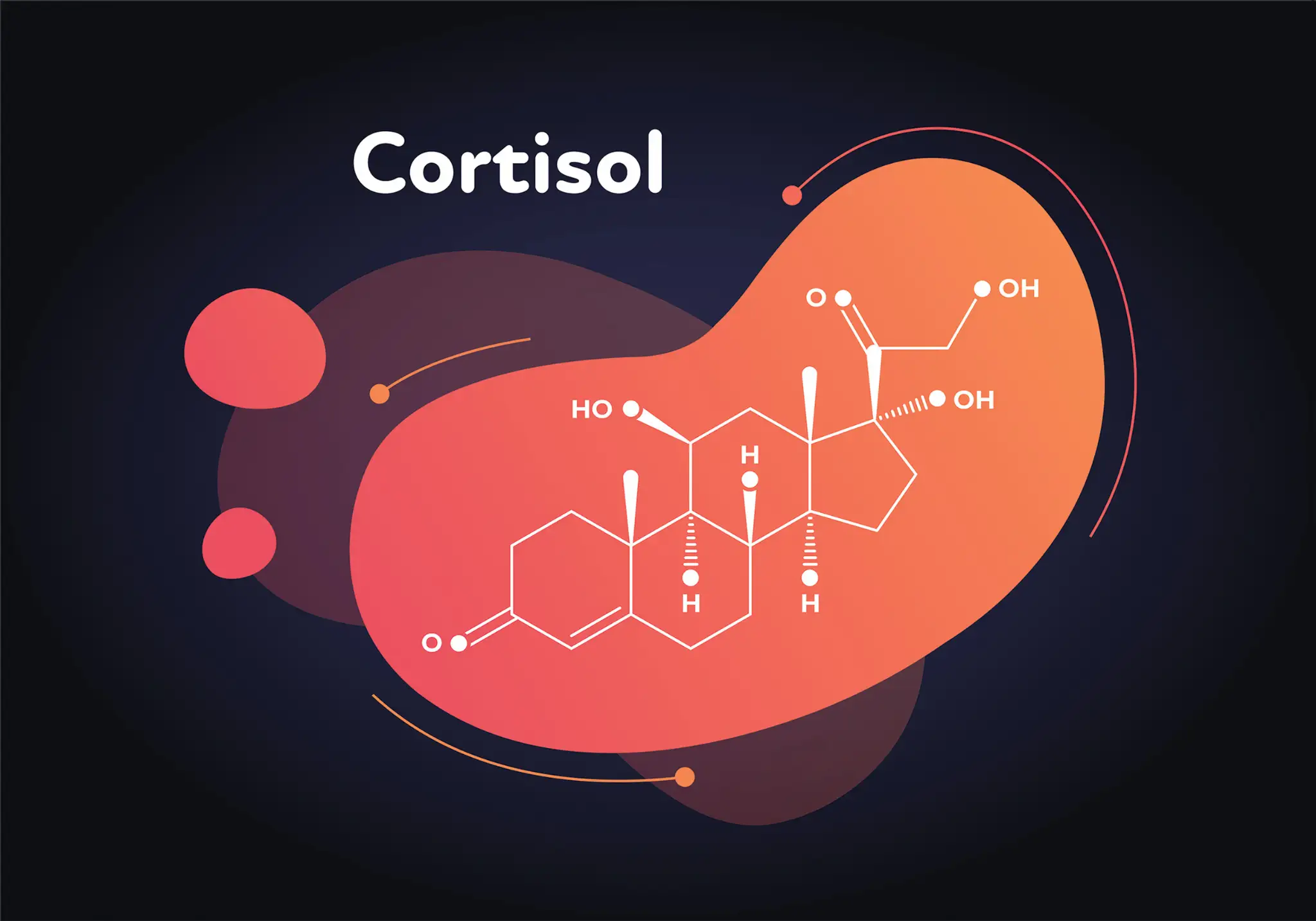
Cortisol is often labeled as a harmful “stress hormone,” yet this description only captures a small part of its function. The body naturally produces cortisol through the adrenal glands, and it plays a vital role in maintaining daily balance. Early in the morning, cortisol levels rise to help the body wake up, regulate blood pressure, and provide the energy needed to start the day. This natural surge supports alertness and prepares the body for activity.
Throughout history, cortisol has helped humans survive in demanding environments where physical effort and quick responses were necessary. It enabled energy release during long walks, hunting, or escaping danger. Even today, this hormone remains essential for modern life, supporting metabolism, immune response, and mental focus. Without cortisol, the body would struggle to perform basic functions required for survival.
 Via Schoen Clinic
Misunderstandings about cortisol often come from oversimplified information shared online. Many claims ignore how the hormone operates within a carefully regulated system. Rather than being harmful on its own, cortisol becomes problematic only when its levels remain too high or too low over long periods. Understanding its natural rhythm helps explain why balance is more important than elimination.
 Via National Geographic
Healthy cortisol levels support adaptation and protection within the body. Short-term increases during stress help provide energy and improve focus. Issues develop when this balance is disrupted over time, not because the hormone exists. Viewing cortisol as entirely harmful can lead to confusion and unnecessary attempts to suppress a vital biological process.
 Via Health
The body relies on periods of higher cortisol to function effectively. Morning surges help initiate daily activity, while lower levels at night allow relaxation and sleep. Attempting to keep cortisol low at all times would interfere with these natural processes. Balance, rather than reduction, is the key to maintaining healthy hormone function.
 Via Charles B. Wang
In medical conditions like Cushing syndrome, facial rounding can occur, but it develops gradually over months, not overnight. These changes result from prolonged exposure to elevated cortisol levels, not short-term stress. Daily variations in appearance are more likely related to factors such as hydration, sleep, or diet rather than cortisol spikes.
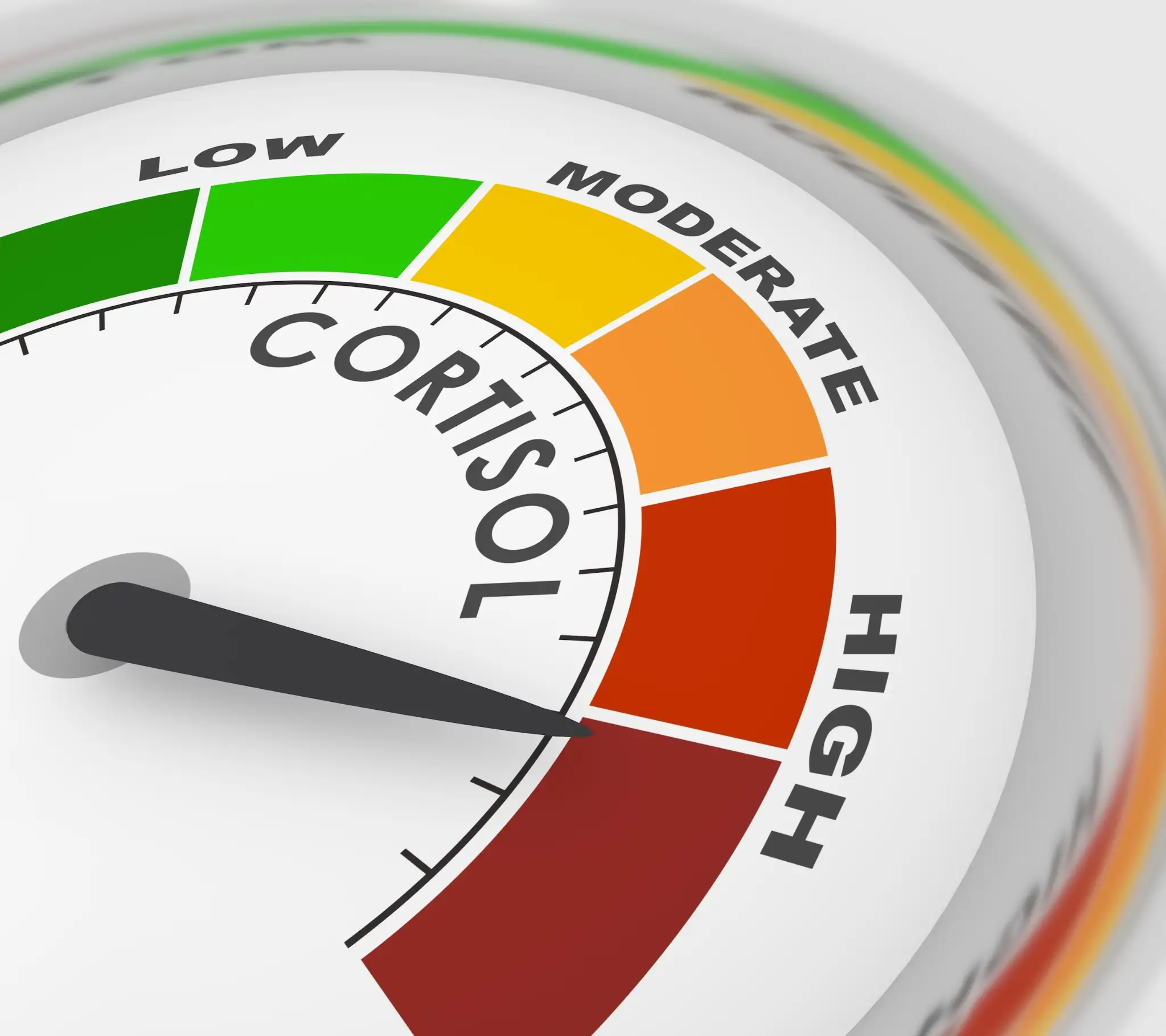
Cortisol also behaves differently from hormones like adrenaline, which cause immediate physical sensations. It works over longer periods, influencing the body in subtle ways. Because of this, individuals cannot accurately detect cortisol levels based on feelings alone. Proper evaluation requires clinical testing rather than relying on visible or sensory clues.
 Via NDTV
 Via Coffeyville
Overemphasizing cortisol can lead to distraction from practical changes that support health. Improving nutrition, increasing movement, and maintaining consistent sleep patterns often produce better results than attempting to control cortisol directly. Addressing overall lifestyle factors provides a more effective approach to weight management.
 Via Behavioural Health
Long-term stress does not always lead to continuously high cortisol levels. In some cases, prolonged stress may result in a flattened daily rhythm or even lower cortisol production. Conditions such as burnout have been associated with reduced or irregular cortisol patterns rather than constant elevation.
This complexity highlights the importance of understanding how the body adapts to stress over time. Assuming that all stress leads to high cortisol oversimplifies a dynamic system. Managing stress through healthy habits supports overall balance rather than focusing on a single hormonal outcome.
 Via Rowan Center
 Via Bloomberg News
True adrenal disorders, such as Addison’s disease, are well-defined medical conditions with clear diagnostic criteria. These conditions require professional evaluation and laboratory testing. Understanding the difference between recognized diseases and unsupported concepts helps guide appropriate care and avoid confusion.
 Via Inner Body Research
Some supplements may help improve mood or reduce perceived stress, which can indirectly influence cortisol levels. For example, improved sleep or reduced anxiety may support better hormonal balance. This effect is not the same as directly altering cortisol production within the body.
Relying on supplements alone may lead to unrealistic expectations. Sustainable improvements often come from lifestyle changes such as regular exercise, balanced nutrition, and adequate rest. These approaches support overall health and may help maintain healthy cortisol patterns naturally.
 Via Inner Body Research
 Via Baylor Scott
Focusing on long-term consistency rather than quick fixes provides better results. Building healthy routines supports natural hormone regulation without relying on temporary programs. Understanding how the body maintains balance helps avoid unnecessary interventions.
 Via Get Lab Test
A single test result taken at one moment cannot provide a complete picture. Medical professionals use multiple tests at specific times to evaluate cortisol patterns accurately. These tests may include blood, urine, or saliva samples collected under controlled conditions.
Relying solely on home testing can lead to confusion or false reassurance. Proper diagnosis requires a detailed assessment guided by healthcare providers. Understanding the limitations of these tests helps prevent unnecessary concern and ensures that potential issues are addressed correctly.
 Via CNET
 Via Rutgers Institute For Translational Medicine
Accurate information allows people to focus on meaningful habits that promote overall well-being. Balanced nutrition, regular activity, quality sleep, and stress management remain the most reliable ways to support healthy hormone function.
More in UnassignedVia Schoen Clinic
Misunderstandings about cortisol often come from oversimplified information shared online. Many claims ignore how the hormone operates within a carefully regulated system. Rather than being harmful on its own, cortisol becomes problematic only when its levels remain too high or too low over long periods. Understanding its natural rhythm helps explain why balance is more important than elimination.
Myth 1: Cortisol Is Harmful to Health
Cortisol is frequently portrayed as a dangerous hormone that must be reduced or eliminated. This belief overlooks the fact that cortisol is necessary for life. It regulates essential functions such as blood sugar levels, immune activity, and blood pressure. Every cell in the body depends on cortisol to perform properly, making it a critical part of human health.Via National Geographic
Healthy cortisol levels support adaptation and protection within the body. Short-term increases during stress help provide energy and improve focus. Issues develop when this balance is disrupted over time, not because the hormone exists. Viewing cortisol as entirely harmful can lead to confusion and unnecessary attempts to suppress a vital biological process.
Myth 2: Lower Cortisol Is Always Better
Many people believe that reducing cortisol as much as possible leads to better health. This idea ignores the natural rhythm that cortisol follows throughout the day. Levels rise sharply in the early morning to promote wakefulness and gradually decline by night to support rest and recovery. This pattern is essential for maintaining energy and sleep cycles.Via Health
The body relies on periods of higher cortisol to function effectively. Morning surges help initiate daily activity, while lower levels at night allow relaxation and sleep. Attempting to keep cortisol low at all times would interfere with these natural processes. Balance, rather than reduction, is the key to maintaining healthy hormone function.
Myth 3: High Cortisol Can Be Felt Instantly
Social media often suggests that people can recognize high cortisol levels based on physical sensations or facial changes. Claims such as “cortisol face” describe temporary puffiness or swelling after stressful events. Scientific evidence does not support these rapid, visible changes linked directly to cortisol fluctuations.Via Charles B. Wang
In medical conditions like Cushing syndrome, facial rounding can occur, but it develops gradually over months, not overnight. These changes result from prolonged exposure to elevated cortisol levels, not short-term stress. Daily variations in appearance are more likely related to factors such as hydration, sleep, or diet rather than cortisol spikes.
Cortisol also behaves differently from hormones like adrenaline, which cause immediate physical sensations. It works over longer periods, influencing the body in subtle ways. Because of this, individuals cannot accurately detect cortisol levels based on feelings alone. Proper evaluation requires clinical testing rather than relying on visible or sensory clues.
Via NDTV
Myth 4: Cortisol Prevents Weight Loss
Cortisol is often blamed as the main reason for difficulty in losing weight. While high levels of cortisol can contribute to fat storage, especially around the abdomen, this occurs mainly in medical conditions where the hormone remains chronically elevated. For most individuals, cortisol is only one of many factors influencing weight. Weight management involves a complex interaction of diet, physical activity, sleep quality, genetics, and hormonal balance. Focusing solely on cortisol ignores these broader influences. People with normal cortisol levels are unlikely to experience weight challenges caused solely by this hormone. Lifestyle habits play a far more significant role in most cases.
Via Coffeyville
Overemphasizing cortisol can lead to distraction from practical changes that support health. Improving nutrition, increasing movement, and maintaining consistent sleep patterns often produce better results than attempting to control cortisol directly. Addressing overall lifestyle factors provides a more effective approach to weight management.
Myth 5: Chronic Stress Always Raises Cortisol
Stress and cortisol are closely connected, but their relationship is more complex than commonly believed. Short-term stress triggers a temporary increase in cortisol, helping the body respond to challenges. Once the situation passes, levels typically return to normal. This response is a natural and healthy part of the body’s defense system.Via Behavioural Health
Long-term stress does not always lead to continuously high cortisol levels. In some cases, prolonged stress may result in a flattened daily rhythm or even lower cortisol production. Conditions such as burnout have been associated with reduced or irregular cortisol patterns rather than constant elevation.
This complexity highlights the importance of understanding how the body adapts to stress over time. Assuming that all stress leads to high cortisol oversimplifies a dynamic system. Managing stress through healthy habits supports overall balance rather than focusing on a single hormonal outcome.
Via Rowan Center
Myth 6: Adrenal Fatigue Is a Real Medical Condition
The concept of “adrenal fatigue” suggests that prolonged stress can wear out the adrenal glands, reducing cortisol production. Despite its popularity in wellness discussions, this condition is not recognized by medical experts or supported by scientific evidence. The adrenal glands do not simply become exhausted in this way. Symptoms often linked to adrenal fatigue, such as fatigue or brain fog, can have many other causes. These may include sleep disorders, mental health conditions, thyroid issues, or nutritional deficiencies. Relying on this label can delay proper diagnosis and treatment of underlying health concerns.Via Bloomberg News
True adrenal disorders, such as Addison’s disease, are well-defined medical conditions with clear diagnostic criteria. These conditions require professional evaluation and laboratory testing. Understanding the difference between recognized diseases and unsupported concepts helps guide appropriate care and avoid confusion.
Myth 7: Supplements Can Directly Lower Cortisol
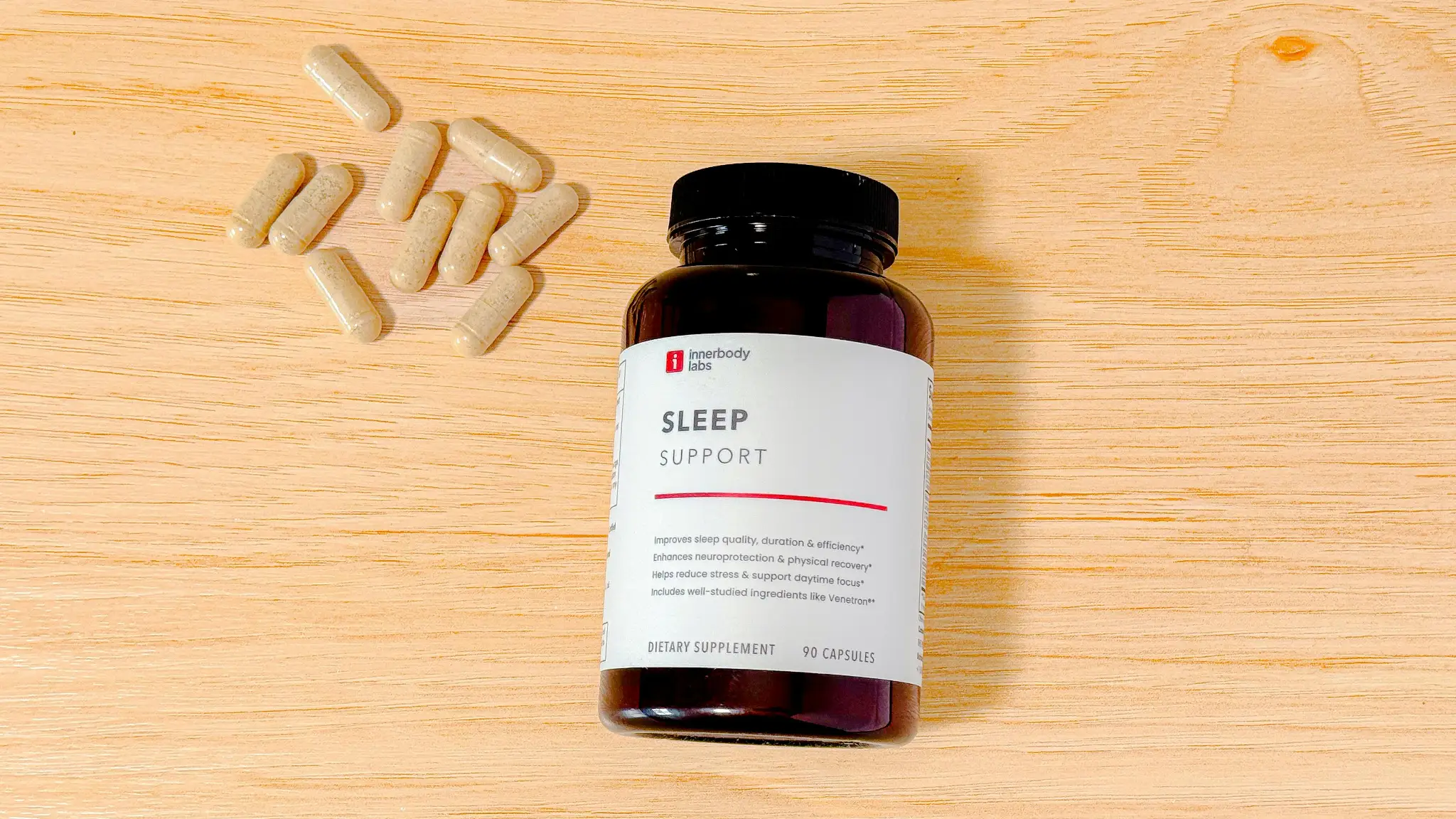
The market for supplements claiming to balance or reduce cortisol continues to grow. Products such as adaptogens are often promoted as solutions for stress-related symptoms. Strong scientific evidence supporting their ability to directly lower cortisol levels remains limited.Via Inner Body Research
Some supplements may help improve mood or reduce perceived stress, which can indirectly influence cortisol levels. For example, improved sleep or reduced anxiety may support better hormonal balance. This effect is not the same as directly altering cortisol production within the body.
Relying on supplements alone may lead to unrealistic expectations. Sustainable improvements often come from lifestyle changes such as regular exercise, balanced nutrition, and adequate rest. These approaches support overall health and may help maintain healthy cortisol patterns naturally.
Via Inner Body Research
Myth 8: Cortisol Detox Programs Reset Hormones
The idea of a “cortisol detox” suggests that specific routines or diets can reset hormone levels. This concept misunderstands how the body regulates cortisol. Hormone production is controlled by a complex system involving the brain and adrenal glands, which maintains balance automatically. Short-term programs or cleanses do not have the ability to override this system. While healthy habits such as good sleep and reduced screen time can support well-being, they do not function as a detox for cortisol. The body continuously adjusts hormone levels based on internal needs and external conditions.Via Baylor Scott
Focusing on long-term consistency rather than quick fixes provides better results. Building healthy routines supports natural hormone regulation without relying on temporary programs. Understanding how the body maintains balance helps avoid unnecessary interventions.
Myth 9: At-Home Tests Accurately Measure Cortisol Issues
At-home cortisol testing kits have become increasingly popular, offering quick insights into hormone levels. However, cortisol is not a static measurement. It changes throughout the day and responds to various factors such as stress, sleep, and medication use.Via Get Lab Test
A single test result taken at one moment cannot provide a complete picture. Medical professionals use multiple tests at specific times to evaluate cortisol patterns accurately. These tests may include blood, urine, or saliva samples collected under controlled conditions.
Relying solely on home testing can lead to confusion or false reassurance. Proper diagnosis requires a detailed assessment guided by healthcare providers. Understanding the limitations of these tests helps prevent unnecessary concern and ensures that potential issues are addressed correctly.
Via CNET
Final Thoughts on Cortisol and Health
Cortisol plays a vital role in maintaining balance within the body, supporting energy, immunity, and daily function. Misconceptions about this hormone can lead to unnecessary worry and ineffective health choices. Recognizing the difference between normal function and true imbalance helps guide better decisions. Many myths arise from simplified explanations that overlook the complexity of hormone regulation. Cortisol is neither entirely harmful nor something that needs constant suppression. Its value lies in its ability to adapt to changing conditions and support survival.Via Rutgers Institute For Translational Medicine
Accurate information allows people to focus on meaningful habits that promote overall well-being. Balanced nutrition, regular activity, quality sleep, and stress management remain the most reliable ways to support healthy hormone function.