Unassigned
5 Simple Ways to Manage Hay Fever This Season

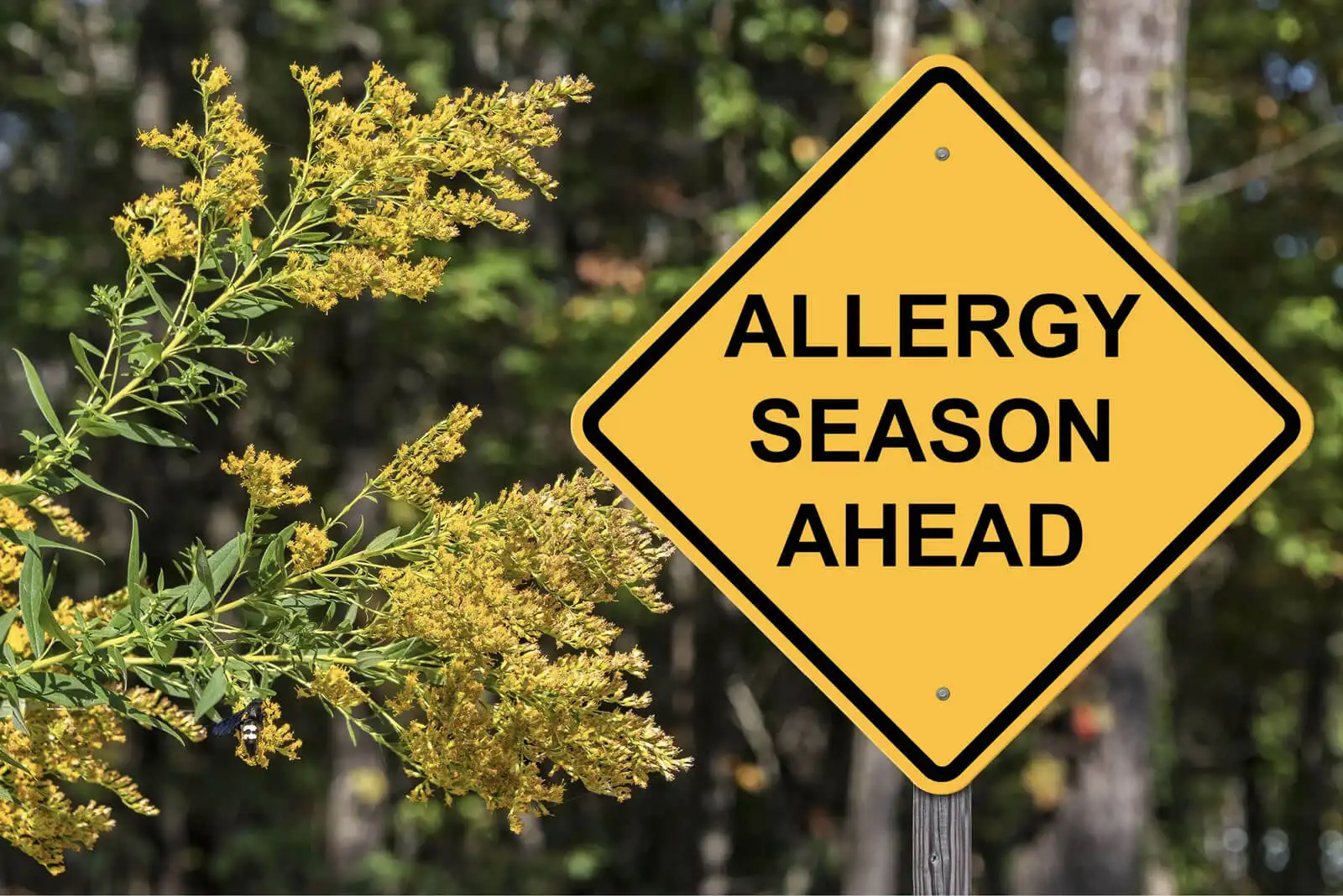
Hay fever, also known as allergic rhinitis, is a common condition that affects many people during certain times of the year, especially spring and early summer. It happens when the immune system overreacts to tiny airborne particles like pollen released by trees, grass, and weeds. These particles are so small that they can travel long distances in the air and easily enter the body through the nose and eyes.
This reaction causes symptoms such as sneezing, congestion, itchy eyes, and a runny nose, which can make everyday life uncomfortable. Windy days can make the situation even worse by spreading pollen further and faster, allowing it to reach both outdoor and indoor spaces.
 Via Harvard Health
Seasonal changes are one of the biggest reasons hay fever becomes worse during warmer months. As temperatures rise, plants begin to release pollen into the air in large amounts, increasing the chances of exposure. Even people who stay inside most of the time may still experience symptoms because pollen can enter through doors, windows, and clothing.
Managing hay fever starts with understanding how and when exposure happens. Awareness of triggers allows better preparation and helps reduce the chances of severe reactions. Taking simple steps to limit contact with allergens can make a noticeable difference in comfort levels. With the right approach, it becomes easier to enjoy the season without constantly dealing with irritating symptoms.
 Via City Doc Ugrent Care
 Via Daily Records
Indoor spaces should be treated as safe zones during allergy season, and limiting pollen entry is a key part of that process. Using alternatives like fans or air conditioning systems can help maintain airflow without allowing allergens to enter. This small adjustment can make a big difference in maintaining cleaner indoor air.
Closed windows also provide added benefits beyond allergy control. They help maintain indoor temperature and prevent dust and pollution from entering the home. This creates a more comfortable and controlled environment for people who are sensitive to airborne particles. Building the habit of keeping windows closed during high pollen periods can support better health and reduce daily discomfort caused by hay fever.
 Via The Sun
 Via IQ Air
Cleaner air can lead to fewer allergy symptoms and a more comfortable living space. Removing pollen from the air helps reduce irritation in the nose, throat, and eyes, making it easier to breathe and sleep. Placing air purifiers in frequently used areas such as bedrooms and living rooms ensures that the air remains as clean as possible throughout the day and night.
Regular maintenance is important to keep air purifiers working properly. Filters need to be cleaned or replaced as recommended to maintain their efficiency. A well-maintained air purifier can provide consistent protection against airborne allergens and help create a healthier indoor environment.
 Via Cosmo Air Purifier
 Via Allure
Maintaining good personal hygiene is a key step in managing hay fever symptoms. Clean skin and hair reduce the chances of pollen entering the eyes or respiratory system. These small daily actions help create a protective barrier against allergens and support better overall comfort during peak allergy periods.
 Via Zyrtec
Certain times of the day, such as early mornings and windy afternoons, tend to have higher pollen counts. Planning outdoor activities during late afternoons or after rainfall can help reduce contact with allergens. Rain helps clear pollen from the air, making it a better time to spend time outside without triggering symptoms.
Using pollen forecasts as a guide helps create a proactive approach to allergy management. Being aware of environmental conditions allows for smarter decisions and better protection against allergens. This habit can lead to fewer symptoms and a more enjoyable daily routine during allergy season.
 Via Allergy Choices
 Via McMaster Optimal
Combining medication with preventive steps provides a more complete approach to managing hay fever. Consistent use of treatments along with protective habits can lead to better symptom control and improved well-being. People who follow these methods often find it easier to stay active and comfortable throughout the allergy season.
 Via Paw Swing
Soft furnishings such as curtains, rugs, and cushions tend to collect pollen easily, especially if windows have been opened or clothes with pollen have been brought inside. Washing these items frequently can help maintain a cleaner environment and reduce allergy triggers.
Bedding should also be cleaned regularly, as pollen can transfer from hair and clothing onto pillows and sheets, causing discomfort during sleep. Using a vacuum cleaner with a HEPA filter is especially helpful because it traps fine particles instead of releasing them back into the air.
 Via Clean National Co.
A well-maintained home environment supports better respiratory health and minimizes exposure to allergens. Simple habits like wiping surfaces with a damp cloth, removing shoes at the door, and keeping pets clean can further limit the spread of pollen indoors. These efforts work together to create a safer and more comfortable space, making it easier to manage hay fever symptoms throughout the season.
 Via Apex Specialist
Consistency is essential when managing hay fever effectively. People who follow these habits regularly are more likely to experience fewer symptoms and better overall health. Small changes in daily routines can have a lasting impact, especially when combined with proper care and awareness.
Seasonal allergies may be common, but they can be managed with the right approach. By staying informed and taking preventive steps, individuals can enjoy the beauty of spring without constant discomfort. These practical tips provide a clear path toward a healthier and more comfortable allergy season.
 Via Perfect Cleaning
Managing hay fever becomes easier with simple daily precautions and awareness, and small lifestyle changes can bring noticeable relief during allergy season. Staying consistent with these habits helps reduce discomfort over time and improves overall well-being.
More in UnassignedVia Harvard Health
Seasonal changes are one of the biggest reasons hay fever becomes worse during warmer months. As temperatures rise, plants begin to release pollen into the air in large amounts, increasing the chances of exposure. Even people who stay inside most of the time may still experience symptoms because pollen can enter through doors, windows, and clothing.
Managing hay fever starts with understanding how and when exposure happens. Awareness of triggers allows better preparation and helps reduce the chances of severe reactions. Taking simple steps to limit contact with allergens can make a noticeable difference in comfort levels. With the right approach, it becomes easier to enjoy the season without constantly dealing with irritating symptoms.
Via City Doc Ugrent Care
Keep Windows Closed to Reduce Indoor Pollen Exposure
Keeping windows closed during peak pollen times is one of the simplest and most effective ways to reduce exposure to allergens indoors. Fresh air may feel inviting, especially after a long, cold season, but open windows allow pollen to enter freely. Once inside, these tiny particles can settle on surfaces such as furniture, curtains, and bedding, making them harder to remove and increasing the risk of continuous exposure throughout the day. Keeping windows shut, especially in the early morning and afternoon when pollen counts are highest, can significantly reduce symptoms.Via Daily Records
Indoor spaces should be treated as safe zones during allergy season, and limiting pollen entry is a key part of that process. Using alternatives like fans or air conditioning systems can help maintain airflow without allowing allergens to enter. This small adjustment can make a big difference in maintaining cleaner indoor air.
Closed windows also provide added benefits beyond allergy control. They help maintain indoor temperature and prevent dust and pollution from entering the home. This creates a more comfortable and controlled environment for people who are sensitive to airborne particles. Building the habit of keeping windows closed during high pollen periods can support better health and reduce daily discomfort caused by hay fever.
Via The Sun
Use Air Purifiers to Clean Indoor Air Effectively
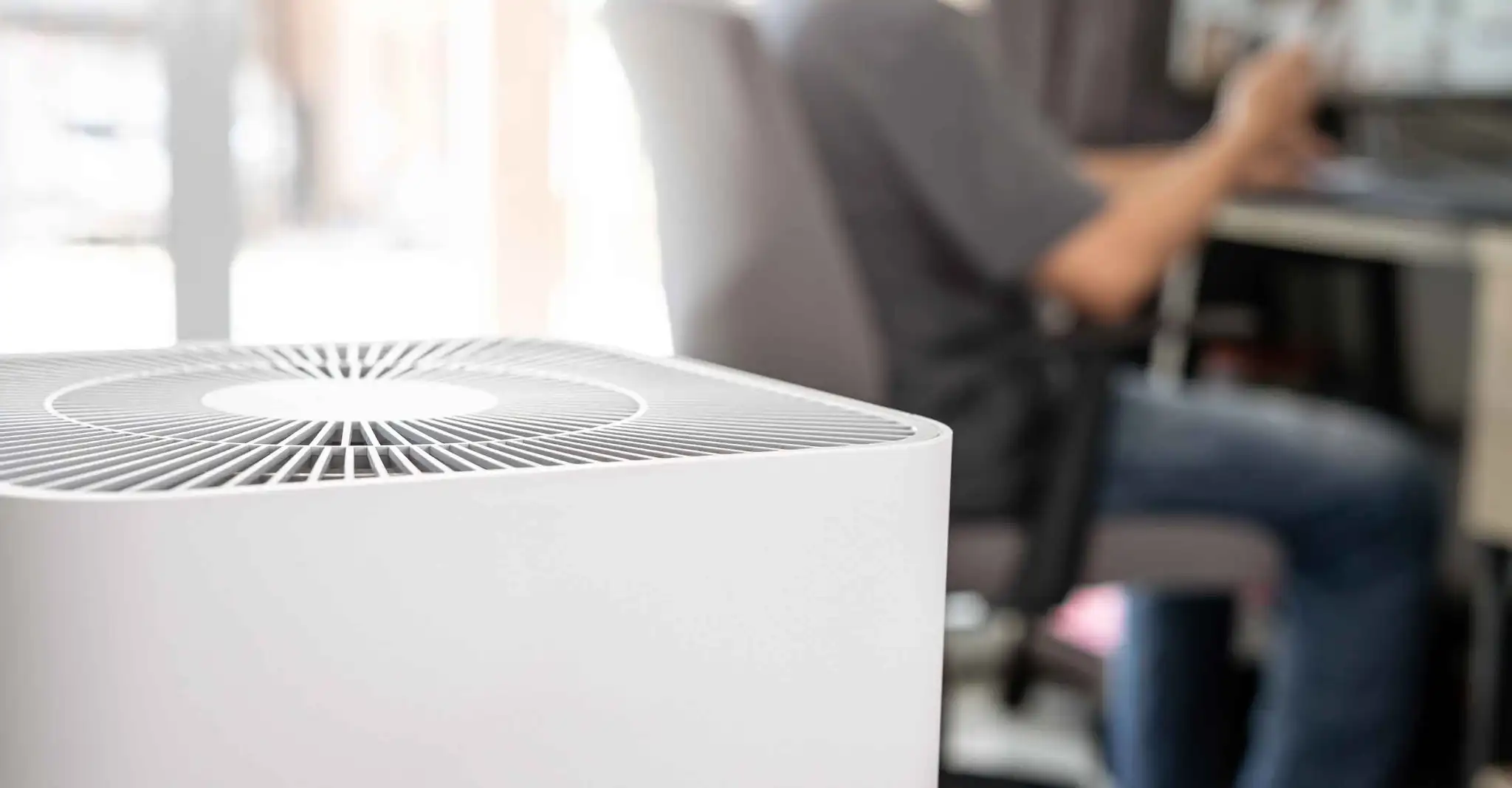
Air purifiers are a valuable tool for improving indoor air quality, especially during hay fever season when allergens are more common. These devices work by pulling in air from the room and passing it through special filters that trap tiny particles such as pollen, dust, and pet dander. High-efficiency particulate air filters, often called HEPA filters, are particularly effective because they can capture even the smallest allergen particles that are difficult to see. Using this device along with other preventive measures can greatly improve comfort during allergy season.Via IQ Air
Cleaner air can lead to fewer allergy symptoms and a more comfortable living space. Removing pollen from the air helps reduce irritation in the nose, throat, and eyes, making it easier to breathe and sleep. Placing air purifiers in frequently used areas such as bedrooms and living rooms ensures that the air remains as clean as possible throughout the day and night.
Regular maintenance is important to keep air purifiers working properly. Filters need to be cleaned or replaced as recommended to maintain their efficiency. A well-maintained air purifier can provide consistent protection against airborne allergens and help create a healthier indoor environment.
Via Cosmo Air Purifier
Shower and Change Clothes After Being Outdoors
Pollen sticks easily to hair, skin, and clothing, which makes it important to clean up after spending time outside. Returning indoors without removing these particles can spread allergens throughout the home, increasing the chances of ongoing symptoms. Taking a shower and changing clothes as soon as possible helps wash away pollen and reduces exposure. Clothes worn outdoors often carry pollen that can transfer onto indoor surfaces like sofas, beds, and carpets. Washing these clothes regularly helps prevent buildup and keeps the home cleaner. Simple habits such as placing worn clothes directly into the laundry and avoiding sitting on furniture while wearing them can make a noticeable difference in reducing allergens indoors.Via Allure
Maintaining good personal hygiene is a key step in managing hay fever symptoms. Clean skin and hair reduce the chances of pollen entering the eyes or respiratory system. These small daily actions help create a protective barrier against allergens and support better overall comfort during peak allergy periods.
Check Pollen Levels Daily Before Going Outside
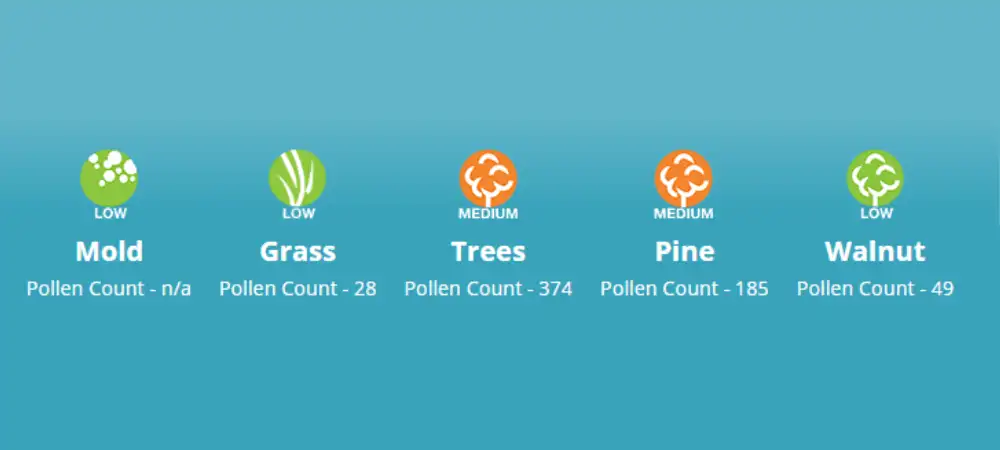
Keeping track of pollen levels can help reduce exposure and manage symptoms more effectively. Many weather services provide daily pollen forecasts, which indicate when levels are expected to be high. Checking this information before heading outside allows better planning and helps avoid peak exposure times.
Via Zyrtec
Certain times of the day, such as early mornings and windy afternoons, tend to have higher pollen counts. Planning outdoor activities during late afternoons or after rainfall can help reduce contact with allergens. Rain helps clear pollen from the air, making it a better time to spend time outside without triggering symptoms.
Using pollen forecasts as a guide helps create a proactive approach to allergy management. Being aware of environmental conditions allows for smarter decisions and better protection against allergens. This habit can lead to fewer symptoms and a more enjoyable daily routine during allergy season.
Via Allergy Choices
Use Medications and Protective Measures for Relief
Medications can play an important role in controlling hay fever symptoms and improving daily comfort. Common options include antihistamines, nasal sprays, and eye drops, which help reduce the body’s reaction to allergens. These treatments can ease symptoms such as sneezing, itching, and congestion, making it easier to carry on with normal activities. Protective measures can also help reduce exposure to pollen while outdoors. Wearing sunglasses can protect the eyes from airborne particles, while face masks can reduce the amount of pollen inhaled. These simple tools act as barriers and are especially useful during days when pollen levels are high.Via McMaster Optimal
Combining medication with preventive steps provides a more complete approach to managing hay fever. Consistent use of treatments along with protective habits can lead to better symptom control and improved well-being. People who follow these methods often find it easier to stay active and comfortable throughout the allergy season.
Maintain a Clean Home to Reduce Allergen Build-Up
Keeping the home clean during hay fever season is an important step in reducing the buildup of pollen and other allergens indoors. Dusting surfaces regularly, vacuuming carpets, and cleaning upholstery can help remove particles that settle inside the house.Via Paw Swing
Soft furnishings such as curtains, rugs, and cushions tend to collect pollen easily, especially if windows have been opened or clothes with pollen have been brought inside. Washing these items frequently can help maintain a cleaner environment and reduce allergy triggers.
Bedding should also be cleaned regularly, as pollen can transfer from hair and clothing onto pillows and sheets, causing discomfort during sleep. Using a vacuum cleaner with a HEPA filter is especially helpful because it traps fine particles instead of releasing them back into the air.
Via Clean National Co.
A well-maintained home environment supports better respiratory health and minimizes exposure to allergens. Simple habits like wiping surfaces with a damp cloth, removing shoes at the door, and keeping pets clean can further limit the spread of pollen indoors. These efforts work together to create a safer and more comfortable space, making it easier to manage hay fever symptoms throughout the season.
Managing Hay Fever Effectively
Hay fever can make seasonal changes difficult, but it does not have to take control of daily life. Simple strategies such as keeping windows closed, using air purifiers, maintaining personal hygiene, checking pollen levels, and using medications can significantly reduce symptoms.
Via Apex Specialist
Consistency is essential when managing hay fever effectively. People who follow these habits regularly are more likely to experience fewer symptoms and better overall health. Small changes in daily routines can have a lasting impact, especially when combined with proper care and awareness.
Seasonal allergies may be common, but they can be managed with the right approach. By staying informed and taking preventive steps, individuals can enjoy the beauty of spring without constant discomfort. These practical tips provide a clear path toward a healthier and more comfortable allergy season.
Via Perfect Cleaning
Managing hay fever becomes easier with simple daily precautions and awareness, and small lifestyle changes can bring noticeable relief during allergy season. Staying consistent with these habits helps reduce discomfort over time and improves overall well-being.