Unassigned
400-lb Tiger Secretly Living in Harlem Apartment Found

In 2003, New York City faced a shocking secret right in Harlem. Antoine Yates kept a 400-pound tiger named Ming in his fifth-floor apartment. He raised the cub like a pet for years without anyone knowing. Neighbors heard odd noises but thought nothing of it. The tiger lived just feet from busy streets and families.
Yates reinforced his public housing unit to hold the massive cat. He fed Ming raw chickens and goats from special deliveries. The apartment had claw marks and a huge freezer for meat. For a while, the wild predator stayed hidden in plain sight.
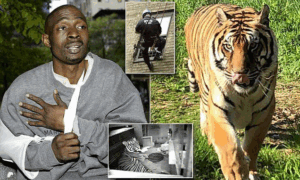 Via The New York Times
The story broke when Yates went to the hospital with deep bite wounds. He claimed a dog attacked him, but doctors saw tiger teeth marks. Police investigated and found Ming pacing his room. They also discovered a six-foot alligator in the bathtub.
Via Apartment News Publications
The tiger needed space, but the city unit was tiny. Yates taught basic commands like sit and stay with treats. Neighbors noticed smells and sounds but blamed loud music or pets. Yates kept deliveries secret, often at night. He even built a website showing Ming lounging like a house cat. His love for the tiger blinded him to the risks.
 Via The New York Times
Playtime involved wrestling, but bites grew stronger over time. The apartment walls showed scratches from powerful paws. Yates called Ming his soulmate and family member. He ignored warnings from books and online forums. Tigers are solitary hunters, not pets, but Yates felt safe. His bond seemed strong until one playful nip turned serious.
 Via Wikipedia
He posted proud photos online but avoided local chatter. Deliveries came quietly to avoid suspicion. Luck ran out when Ming bit Yates during rough play. The wound was bad, with deep punctures on his leg. Bleeding heavily, Yates cabbed to Jacobi Hospital in the Bronx. He lied about a pit bull attack to protect his secret.
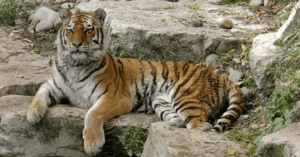 Via GreaterGood
Around midnight, they approached the building cautiously. Growls echoed from inside, confirming fears. Police called SWAT and animal control for backup. No one wanted to enter blind against a tiger. They planned a safe way to peek inside first. The secret was out, and danger loomed large.
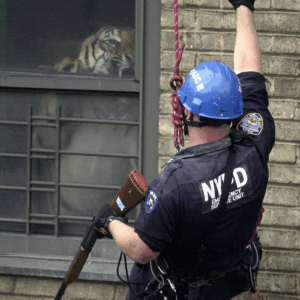 Via The New York Times
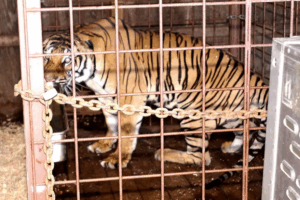
A half-built cage sat unused in the corner. Ming seemed hungry and agitated. Then they spotted the alligator in the bathroom tub. Al, six feet long, splashed in shallow water. Two wild beasts in one small space raised the stakes. Experts called it a death trap ready to explode.
 Via Wikipedia
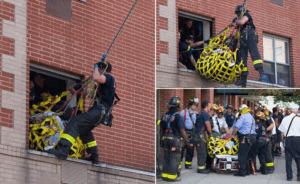
Finally, the tiger slumped, eyes heavy. Entry teams moved in via fire escape. Lifting 400 pounds of a sedated tiger took muscle and nets. They cradled Ming and lowered him downstairs slowly. Neighbors gathered below, jaws dropped in shock. The rescue lasted hours under bright lights.
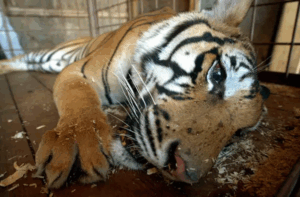 Via The New York Times
Inspectors checked for collapse risks below. Yates's mom lived one floor down, clueless until told. The building was evacuated briefly for safety. Crews hauled out crates with both animals secure. Harlem buzzed with the unbelievable news.
 Via NY1
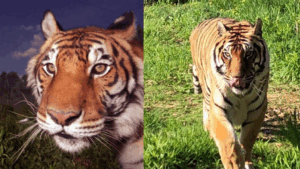
Visitors came to see the famous escapee. Ming lived nine more years until 2012. Kidney failure took him at age 13, peaceful in his habitat. Zoo keepers remembered his gentle side once settled. Ming's story educated thousands on wild pet dangers. His legacy grew beyond the city.
 Via Harlem World Magazine
The court heard tales of love and training efforts. The judge saw risks to public safety. He got probation, house arrest, and a big fine instead of jail. No more exotic animals allowed ever. Yates accepted but missed his tiger deeply. The law aimed to prevent repeats.
 Via Harlem World Magazine
Yates ignored red flags like stronger bites. Some linked it to mental health delusions. He insisted Ming acted from love, not attack. The bond felt real to him daily. But nature won over nurture in the end. His story warns of instinct's power.
 Via Wikipedia
Animals suffer cramped, unnatural lives. Food bills bankrupt many keepers. Incidents like Harlem push for crackdowns. Laws tightened nationwide after 2003. Bans hit big cats, bears, and crocs in homes. Fines and jail time rose sharply. Hotlines help report suspicious activity now.
 Via NewYork
Some pitied Yates as a dreamer gone wrong. The event sparked talks on urban wildlife risks. From pigeons to predators, cities hold surprises. Neighbors now report odd smells or roars. Vigilance became the new norm.
 Via Forbes
Books on weird crimes added a chapter. It turned into an urban myth overnight. Pop culture keeps Ming alive in memes and stories. Animal Planet specials retell the drama. The bizarre mix of city and wild captivated all. Fame outlasted the roar.
 Via New York Post
No trouble since the tiger days. Redemption comes through honest talks. He helps prevent the next Ming case. Report weird noises, smells, or night trucks. Neighbors spot secrets best of all. Schools teach real pet needs. Vets train on bite ID clues. Police use drones and cameras for peeks. Hotlines run 24/7 for tips. Communities watch each other's backs tight. Early action always saves lives.
More in Unassigned
Via The New York Times
The story broke when Yates went to the hospital with deep bite wounds. He claimed a dog attacked him, but doctors saw tiger teeth marks. Police investigated and found Ming pacing his room. They also discovered a six-foot alligator in the bathtub.
Early Days with Ming the Cub
Antoine Yates got Ming as a tiny Bengal-Siberian tiger cub in the late 1990s. He bottle-fed the baby tiger and played with it like a kitten. Yates dreamed of raising a wild animal as a loyal friend. He spent hours bonding, believing he could tame its instincts. As Ming grew fast, Yates adapted his small apartment. He installed metal bars on doors and floors for strength.
Via Apartment News Publications
The tiger needed space, but the city unit was tiny. Yates taught basic commands like sit and stay with treats. Neighbors noticed smells and sounds but blamed loud music or pets. Yates kept deliveries secret, often at night. He even built a website showing Ming lounging like a house cat. His love for the tiger blinded him to the risks.
Daily Life in a Tiger's Den
Ming's diet cost Yates thousands each month in raw meat. He bought whole animals from suppliers who asked no questions. The freezer stayed stocked with chickens and deer parts. Yates cleaned up after meals to hide evidence. The tiger slept on a king-sized bed with blankets for comfort. Yates let Ming watch TV and swim in a big bathtub.
Via The New York Times
Playtime involved wrestling, but bites grew stronger over time. The apartment walls showed scratches from powerful paws. Yates called Ming his soulmate and family member. He ignored warnings from books and online forums. Tigers are solitary hunters, not pets, but Yates felt safe. His bond seemed strong until one playful nip turned serious.
Hiding the Secret from Harlem
Public housing in Harlem means thin walls and close neighbors. Yates soundproofed with rugs, foam, and heavy curtains. When Ming roared, he blasted music to cover it up. No one suspected a predator lived next door. Visitors who saw Ming promised to stay quiet. Yates told others it was a big dog if asked.
Via Wikipedia
He posted proud photos online but avoided local chatter. Deliveries came quietly to avoid suspicion. Luck ran out when Ming bit Yates during rough play. The wound was bad, with deep punctures on his leg. Bleeding heavily, Yates cabbed to Jacobi Hospital in the Bronx. He lied about a pit bull attack to protect his secret.
The Hospital Slip-Up
Doctors examined Yates's leg and grew suspicious right away. Tigers have unique, long, curved teeth unlike dogs. The staff questioned his story and saw that he was nervous. They alerted police as a precaution. Yates tried to leave, but pain kept him bedbound. Officers arrived and got his Harlem address.
Via GreaterGood
Around midnight, they approached the building cautiously. Growls echoed from inside, confirming fears. Police called SWAT and animal control for backup. No one wanted to enter blind against a tiger. They planned a safe way to peek inside first. The secret was out, and danger loomed large.
Peering into the Tiger's Lair
Cops drilled a small hole in the apartment wall carefully. They inserted a camera to see what waited inside. The screen lit up with Ming's orange fur and glowing eyes. The tiger paced, staring right at the lens. The room looked like a wrecked jungle, bones, fur, and urine everywhere. Walls dripped with acidic tiger pee, eating the paint.
Via The New York Times
A half-built cage sat unused in the corner. Ming seemed hungry and agitated. Then they spotted the alligator in the bathroom tub. Al, six feet long, splashed in shallow water. Two wild beasts in one small space raised the stakes. Experts called it a death trap ready to explode.
The High-Risk Tranquilizer Shot
NYPD officer William Ross took the daring job. He rappelled down from the roof on ropes outside the window. Cold wind blew as he aimed his tranquilizer gun. One shot had to count against the massive cat. The dart hit Ming's side, but he roared and charged the glass. Teams waited tense minutes for the drug to work.
Via Wikipedia
Finally, the tiger slumped, eyes heavy. Entry teams moved in via fire escape. Lifting 400 pounds of a sedated tiger took muscle and nets. They cradled Ming and lowered him downstairs slowly. Neighbors gathered below, jaws dropped in shock. The rescue lasted hours under bright lights.
Capturing the Alligator Too
Alligators thrashed when vets approached the tub. They lassoed his snout and taped his jaws shut tight. The six-footer snapped but went into a crate fast. His bath water stank of waste and neglect. Hazmat crews entered to clean the mess. Floors soaked in urine threatened to weaken the structure. Bones and meat scraps littered every room.
Via The New York Times
Inspectors checked for collapse risks below. Yates's mom lived one floor down, clueless until told. The building was evacuated briefly for safety. Crews hauled out crates with both animals secure. Harlem buzzed with the unbelievable news.
Ming's Journey to Sanctuary
Ming traveled to Ohio's Columbus Zoo sanctuary by truck. He got acres of land, a pool, and climbing trees. Vets found him healthy but chubby from city life. Fresh meat and exercise helped him thrive. The tiger played with toys and met other big cats. Staff named his area after the Harlem adventure.
Via NY1
Visitors came to see the famous escapee. Ming lived nine more years until 2012. Kidney failure took him at age 13, peaceful in his habitat. Zoo keepers remembered his gentle side once settled. Ming's story educated thousands on wild pet dangers. His legacy grew beyond the city.
Antoine Yates in Court
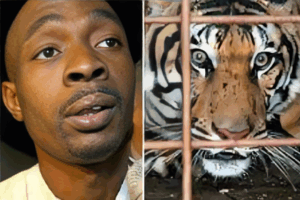
Police arrested Yates in his hospital bed under guard. Charges included reckless endangerment and illegal animal ownership. Prosecutors said neighbors faced death if Ming escaped. The tiger counted as a deadly weapon. Yates pleaded not guilty, showing scars as bond proof. He called Ming family, not a pet gone wrong.
Via Harlem World Magazine
The court heard tales of love and training efforts. The judge saw risks to public safety. He got probation, house arrest, and a big fine instead of jail. No more exotic animals allowed ever. Yates accepted but missed his tiger deeply. The law aimed to prevent repeats.
Why Yates Believed in Taming
Yates loved animals from childhood in Harlem streets. He read books and sites on big cat behavior. He thought early raising could override wild genes. Like Tarzan, he saw himself as a jungle master. Experts say tigers have hunting instincts forever. Play turns lethal as strength grows.
Via Harlem World Magazine
Yates ignored red flags like stronger bites. Some linked it to mental health delusions. He insisted Ming acted from love, not attack. The bond felt real to him daily. But nature won over nurture in the end. His story warns of instinct's power.
The Exotic Pet Trade Problem
Ming came from illegal sellers for about $6,000 cash. Cub trade booms because babies look cute and cuddly. Owners regret when they hit full size fast. Thousands of big cats hide in U.S. homes. Poaching and smuggling harm wild populations, too.
Via Wikipedia
Animals suffer cramped, unnatural lives. Food bills bankrupt many keepers. Incidents like Harlem push for crackdowns. Laws tightened nationwide after 2003. Bans hit big cats, bears, and crocs in homes. Fines and jail time rose sharply. Hotlines help report suspicious activity now.
Harlem's Community Shock
Residents felt tricked in their own building. Tax dollars built the housing, yet a tiger roamed free. How did security miss it for years? Patrols increased right away. Kids played outside near the fifth floor daily. An escape could have killed someone. News crews swarmed, making the block famous.
Via NewYork
Some pitied Yates as a dreamer gone wrong. The event sparked talks on urban wildlife risks. From pigeons to predators, cities hold surprises. Neighbors now report odd smells or roars. Vigilance became the new norm.
Media Storm and Fame
Headlines screamed "Tiger in NYC Apartment!" worldwide. TV networks ran live updates for days. Yates gave jailhouse interviews defending Ming. Documentaries filmed the empty, wrecked space. Rappers like Jay-Z name-dropped the tale in lyrics. Late-night hosts joked about Harlem pets.
Via Forbes
Books on weird crimes added a chapter. It turned into an urban myth overnight. Pop culture keeps Ming alive in memes and stories. Animal Planet specials retell the drama. The bizarre mix of city and wild captivated all. Fame outlasted the roar.
Discover the 400-lb Tiger Found in a Harlem Apartment
Post-probation, Yates left Harlem quietly. He got a small legal dog for company. No more wild dreams or big enclosures. Life turned ordinary and low-key. He visits schools sharing mistake lessons. Kids hear warnings about exotic temptations. Interviews show regret mixed with fond memories. Ming stays in his heart forever. Rumors say he writes a book on the bond.
Via New York Post
No trouble since the tiger days. Redemption comes through honest talks. He helps prevent the next Ming case. Report weird noises, smells, or night trucks. Neighbors spot secrets best of all. Schools teach real pet needs. Vets train on bite ID clues. Police use drones and cameras for peeks. Hotlines run 24/7 for tips. Communities watch each other's backs tight. Early action always saves lives.