Unassigned
17 Tourist Destinations at Risk of Disappearing Soon

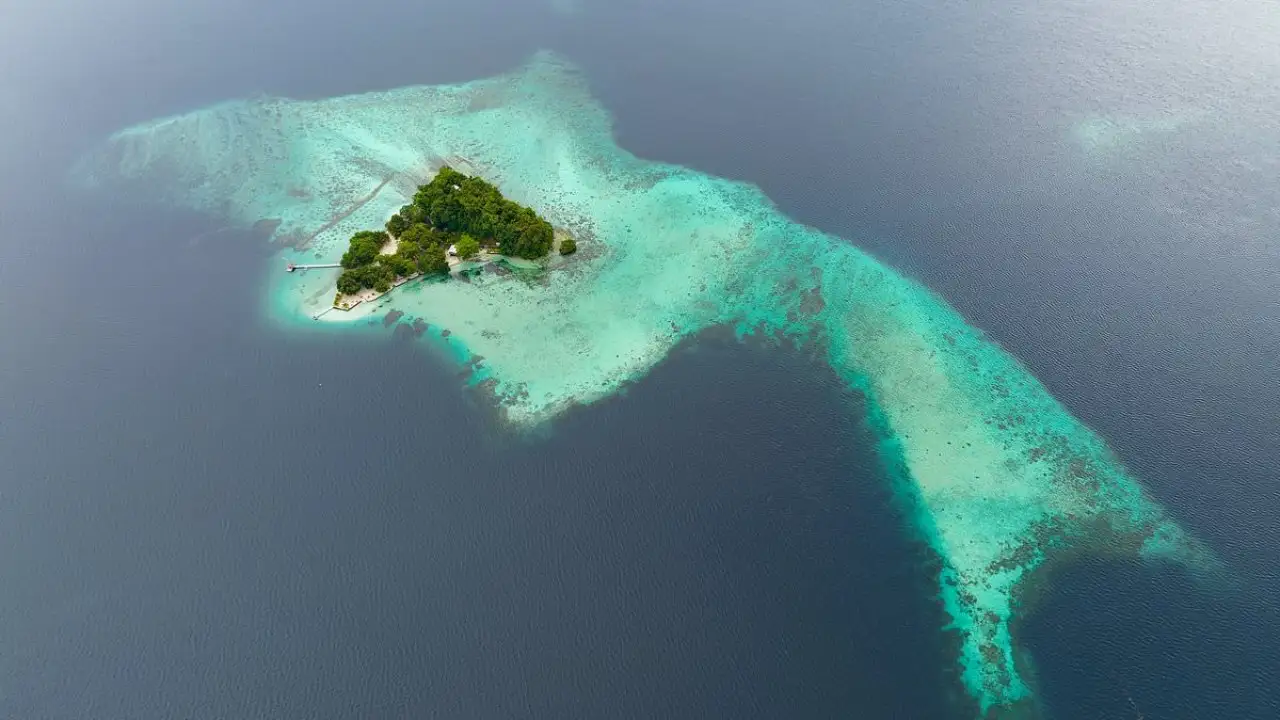
Rising sea levels are becoming one of the biggest global concerns, especially for travel destinations that sit close to the ocean. Scientists predict that many famous places could face severe flooding or even disappear entirely by the end of this century.
Tourism plays an important role in many of these regions, yet increased travel can also add pressure to already fragile environments. These changes are driven by climate shifts, melting ice, and expanding oceans, creating long-term risks for both residents and visitors.
 Via The Culture Newspaper
Flights, overcrowding, and increasing pressure on local infrastructure can gradually worsen the situation over time, creating long-term challenges for both the environment and the communities that depend on these destinations.
Understanding which destinations are at risk helps travelers make informed choices while also raising awareness about environmental challenges. These places are not just vacation spots but homes, cultures, and ecosystems that could be lost if action is not taken soon.
 Via Ecobnb
 Via ITVX
Kiribati and Tuvalu face similar challenges, with rising seas advancing faster than the global average. Entire communities are already planning for relocation, showing how climate change is not a distant threat but a present reality. These nations contribute very little to global emissions, yet they face some of the most severe consequences.
 Via Scientific American
Miami faces a unique problem because it is built on porous limestone, allowing water to rise from beneath the ground as well as from the ocean. Flooding events are becoming more common, damaging infrastructure and affecting daily life for residents.
Amsterdam and other parts of the Netherlands have long relied on advanced water management systems. Despite strong defenses, rising sea levels still pose a serious risk. Continuous investment is required to protect these areas, showing that even well-prepared regions are not immune.
 Via The Conversation
 Via Sustainable Travel International
Samoa faces additional threats from the loss of coral reefs, which act as natural barriers against strong waves. Without these reefs, coastlines become more exposed to erosion and flooding. This creates long-term risks for both ecosystems and communities living near the shore.
 Via Enjoy Travel
The Bahamas, for example, faces flooding not only from the ocean but also from underground water due to its limestone structure. This means that rising seas can affect the land from multiple directions, increasing the overall risk.
The Seychelles, with its luxury resorts and scenic coastlines, could also face significant changes in the coming decades. Coastal erosion and storm surges threaten both tourism and local communities, making long-term sustainability a major concern for the region.
 Via Enjoy Travel
 Via Hall Contracting
The Solomon Islands have also experienced severe erosion, with rising waters slowly reshaping the landscape. These examples highlight how climate change is actively transforming the world in real time, rather than being a distant possibility.
 Via Human Rights Watch
Saltwater intrusion is already affecting farmland, making it difficult to grow crops and sustain livelihoods. Many families are forced to move inland, often to overcrowded urban areas, which creates additional social and economic challenges.
Extreme weather events such as storms and flooding further increase the risks. These conditions make daily life unpredictable and force communities to adapt quickly. Long-term solutions are needed to manage both environmental and human impacts.
 Via Platform On Disaster
 Via Social Sciences Resources
Preserving these locations requires both global awareness and local action. Protecting heritage sites while supporting communities is essential for maintaining cultural identity in the face of changing conditions. Some countries are also exploring relocation strategies for communities that cannot be protected.
 Via Enviornment Buddy
Governments and organizations are working on solutions to protect at-risk areas. Flood barriers, improved infrastructure, and coastal defenses are being developed in many regions. These efforts aim to reduce damage and extend the lifespan of vulnerable locations.
Choosing eco-friendly options, supporting local businesses, and respecting environmental guidelines are simple steps that can make a difference. Technology and innovation continue to play a key role in addressing these challenges.
 Via Etifor
 Via DXB News Network
The future of travel will likely depend on how well global efforts address climate challenges. Protecting destinations requires cooperation between governments, communities, and travelers alike. These plans are necessary to ensure safety and long-term stability for residents.
 Via Enjoy Travel
Efforts to protect these regions are ongoing, but challenges remain. Responsible travel, environmental awareness, and global cooperation play key roles in preserving these destinations. Every action taken today can help reduce the impact on future generations.
People who understand these risks can make better choices when traveling and support sustainable practices. Protecting these destinations ensures that they remain part of the world’s cultural and natural heritage for as long as possible.
More in UnassignedVia The Culture Newspaper
Flights, overcrowding, and increasing pressure on local infrastructure can gradually worsen the situation over time, creating long-term challenges for both the environment and the communities that depend on these destinations.
Understanding which destinations are at risk helps travelers make informed choices while also raising awareness about environmental challenges. These places are not just vacation spots but homes, cultures, and ecosystems that could be lost if action is not taken soon.
Via Ecobnb
Low-Lying Island Nations in Immediate Danger
Island nations such as the Maldives, Kiribati, and Tuvalu are among the most threatened regions in the world. These countries sit only a few meters above sea level, making them extremely vulnerable to even small increases in ocean height. In some cases, water is already flooding homes and farmland, forcing people to relocate. The Maldives is one of the most well-known examples, with its beautiful beaches and luxury resorts attracting visitors from around the globe. However, much of the country could become uninhabitable within decades due to rising waters.Via ITVX
Kiribati and Tuvalu face similar challenges, with rising seas advancing faster than the global average. Entire communities are already planning for relocation, showing how climate change is not a distant threat but a present reality. These nations contribute very little to global emissions, yet they face some of the most severe consequences.
Coastal Cities Struggling to Stay Above Water
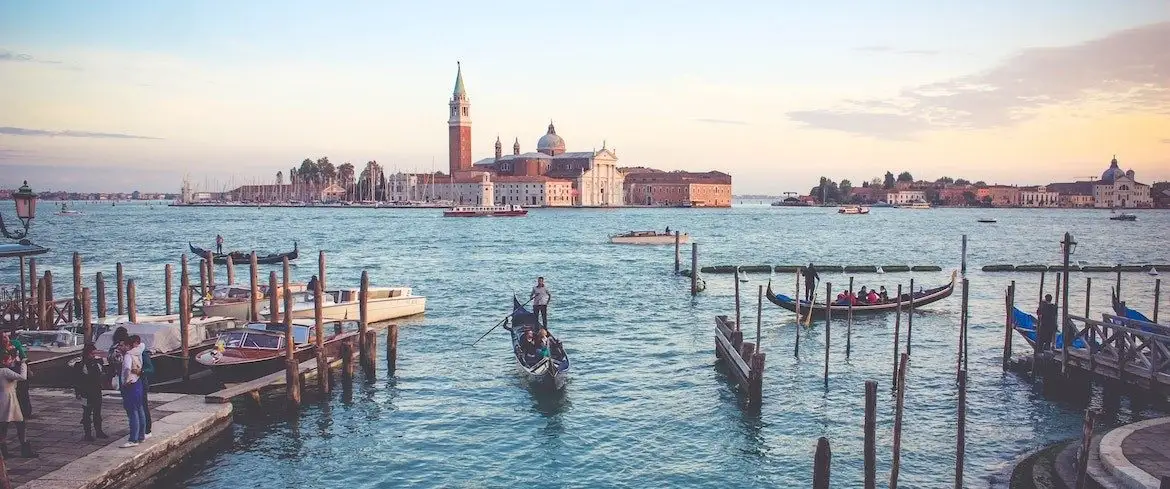
Major cities like Venice, Miami, and Amsterdam are also under threat, even though they are more developed. Venice, often called the “Floating City,” has experienced frequent flooding over recent years. The city is slowly sinking while sea levels continue to rise, creating a double challenge.Via Scientific American
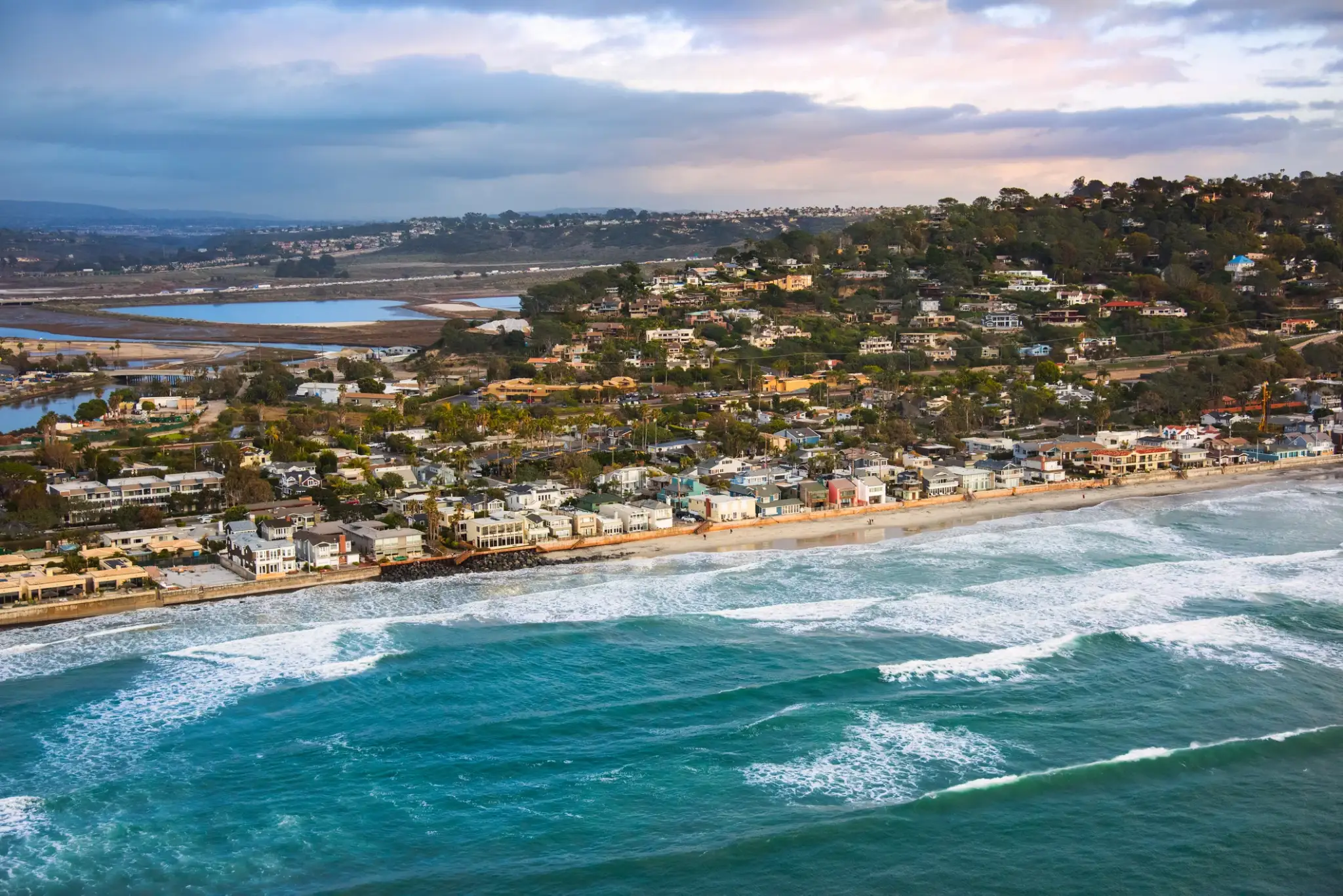
Miami faces a unique problem because it is built on porous limestone, allowing water to rise from beneath the ground as well as from the ocean. Flooding events are becoming more common, damaging infrastructure and affecting daily life for residents.
Amsterdam and other parts of the Netherlands have long relied on advanced water management systems. Despite strong defenses, rising sea levels still pose a serious risk. Continuous investment is required to protect these areas, showing that even well-prepared regions are not immune.
Via The Conversation
Tropical Destinations Facing Extreme Climate Events
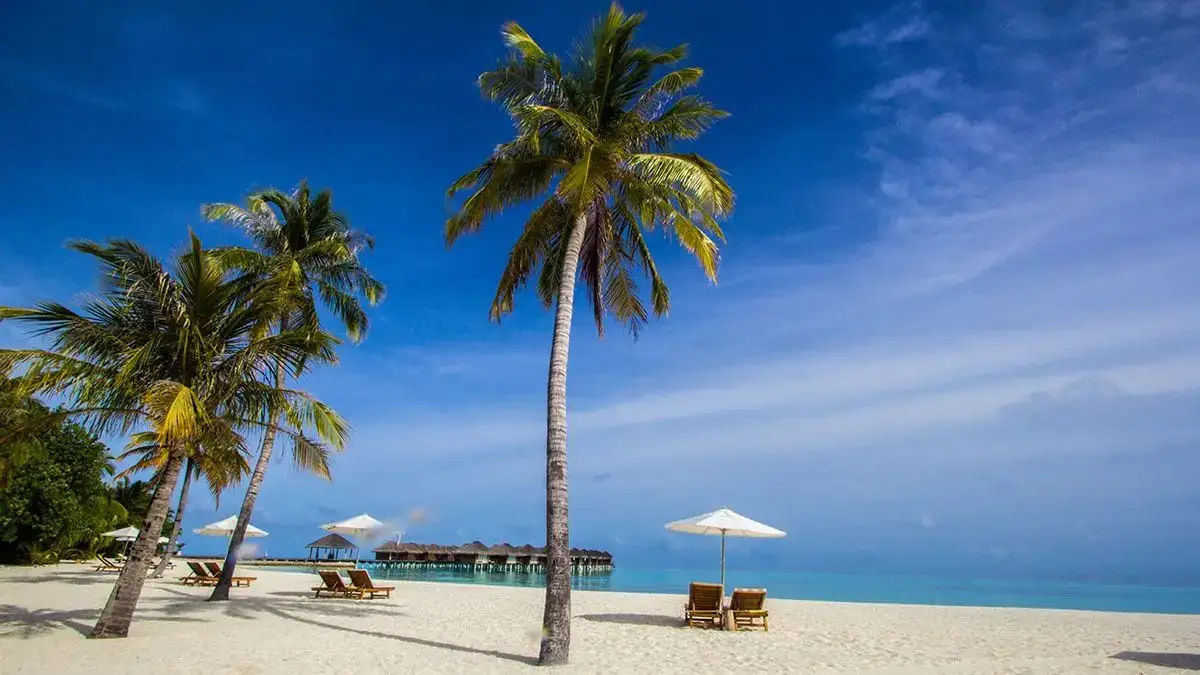
Fiji, Samoa, and Vanuatu are known for their natural beauty, but they also experience frequent storms and rising sea levels. These factors combine to create serious challenges for both residents and local economies. Tourism, agriculture, and infrastructure are often affected by extreme weather events. In Fiji, heavy rainfall and flooding have already caused damage in the past, displacing thousands of people. These events highlight how climate change impacts both the environment and human life. Recovery efforts can take years, especially in regions with limited resources.Via Sustainable Travel International
Samoa faces additional threats from the loss of coral reefs, which act as natural barriers against strong waves. Without these reefs, coastlines become more exposed to erosion and flooding. This creates long-term risks for both ecosystems and communities living near the shore.
Luxury Travel Spots at Risk of Disappearing
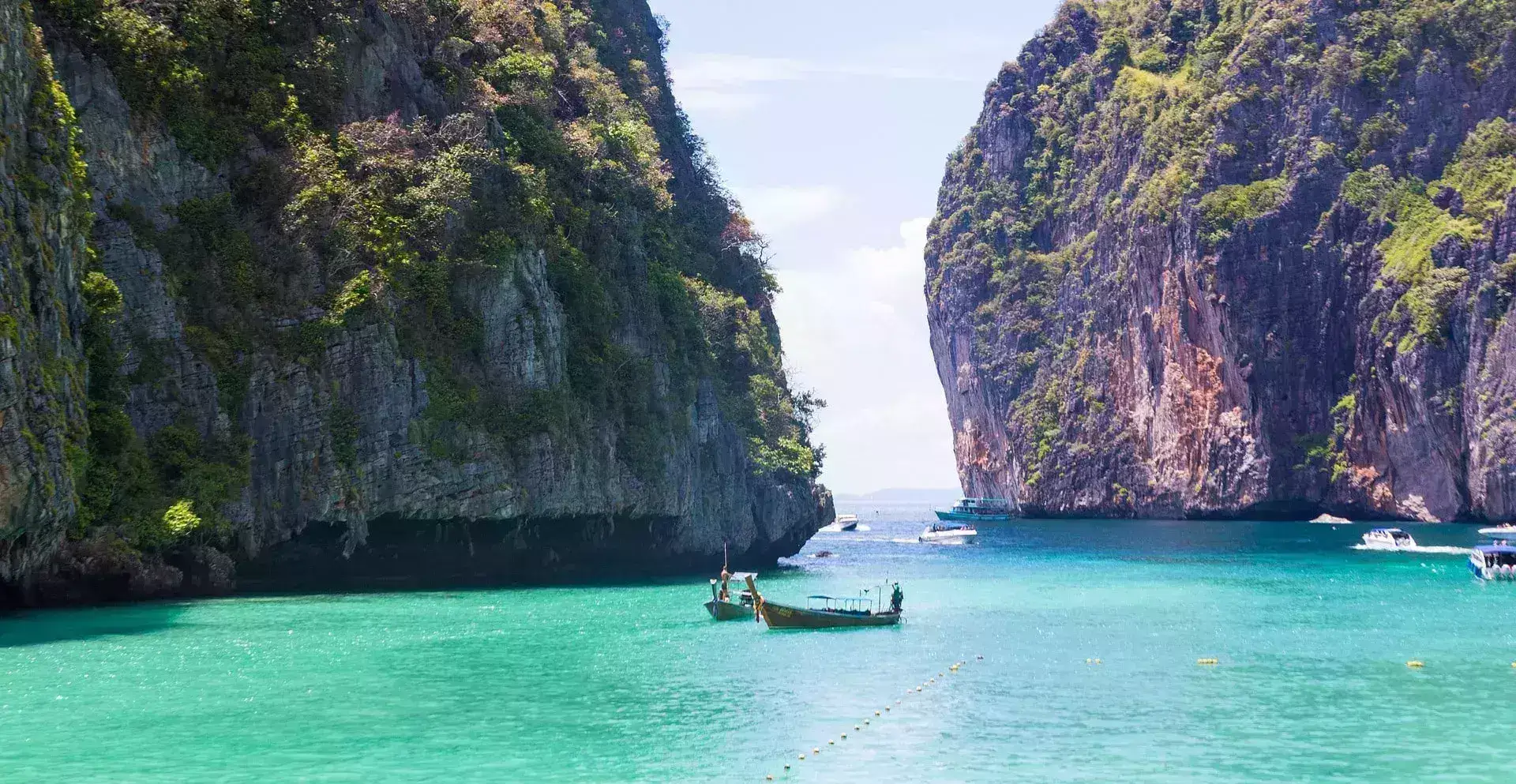
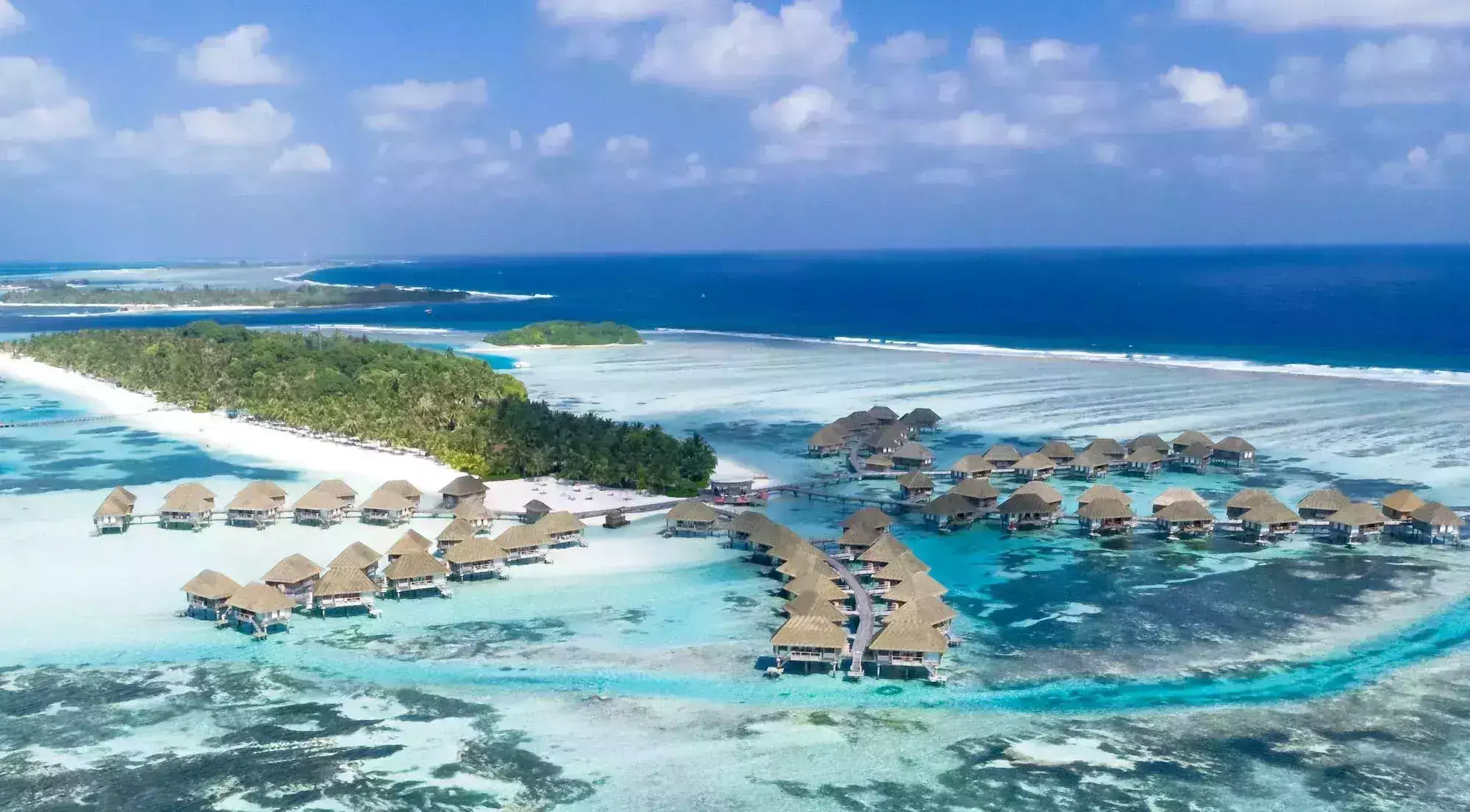
Destinations like the Seychelles and the Bahamas are often seen as dream vacation spots, yet they are highly vulnerable to rising seas. Many of these islands have low elevations and rely heavily on coastal infrastructure, making them sensitive to even small environmental changes.Via Enjoy Travel
The Bahamas, for example, faces flooding not only from the ocean but also from underground water due to its limestone structure. This means that rising seas can affect the land from multiple directions, increasing the overall risk.
The Seychelles, with its luxury resorts and scenic coastlines, could also face significant changes in the coming decades. Coastal erosion and storm surges threaten both tourism and local communities, making long-term sustainability a major concern for the region.
Via Enjoy Travel
Regions Already Experiencing Land Loss
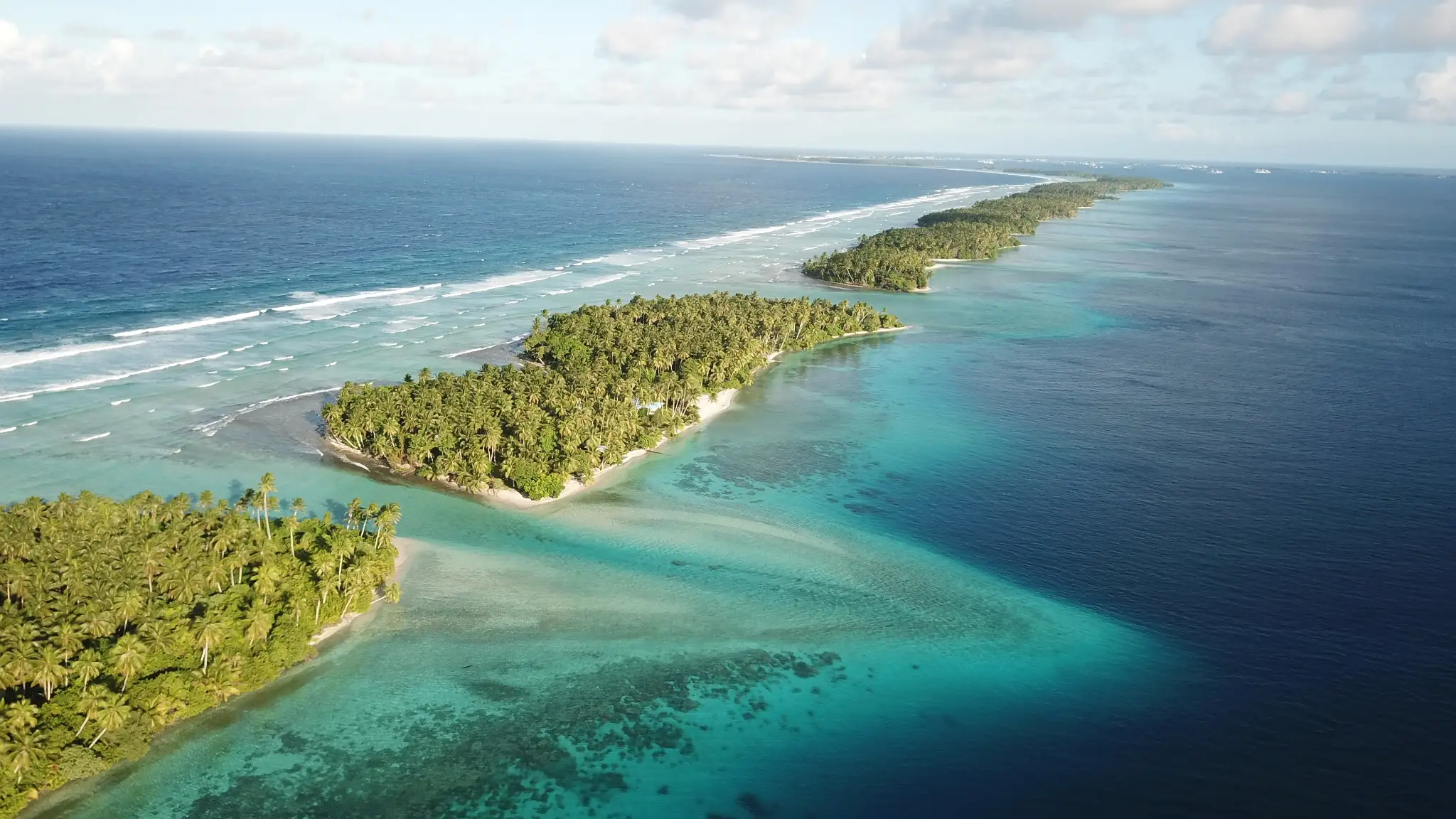
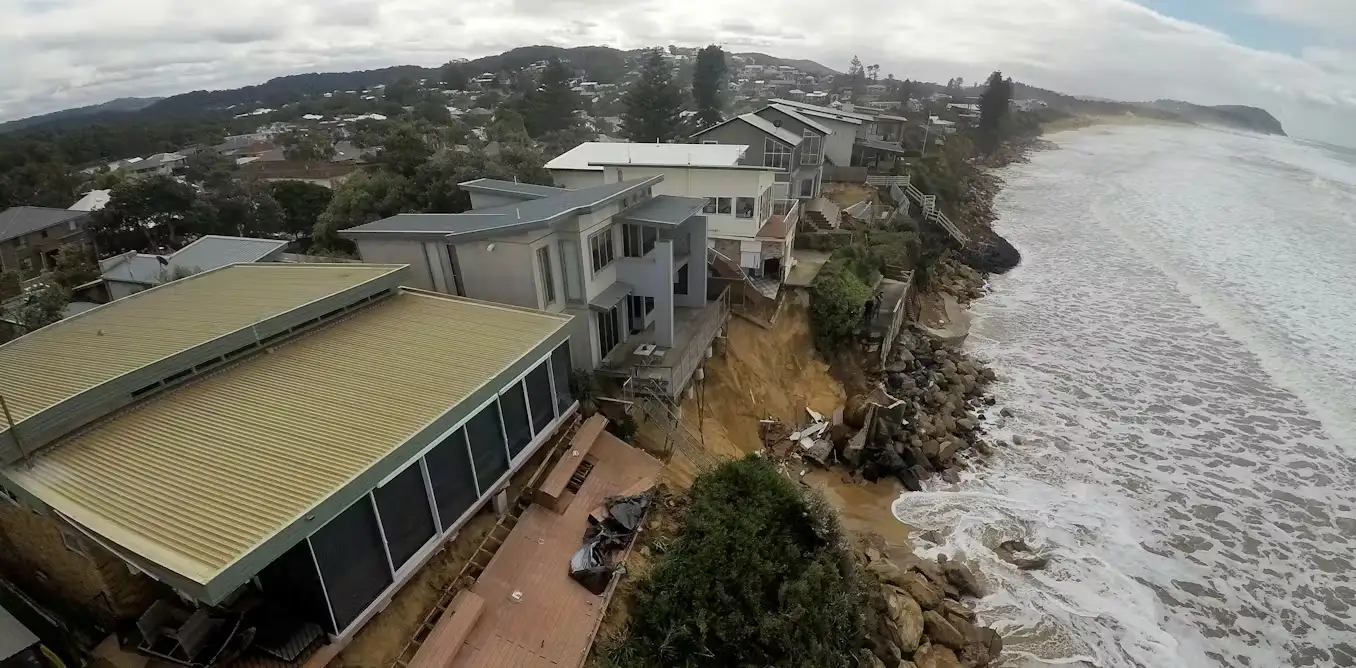
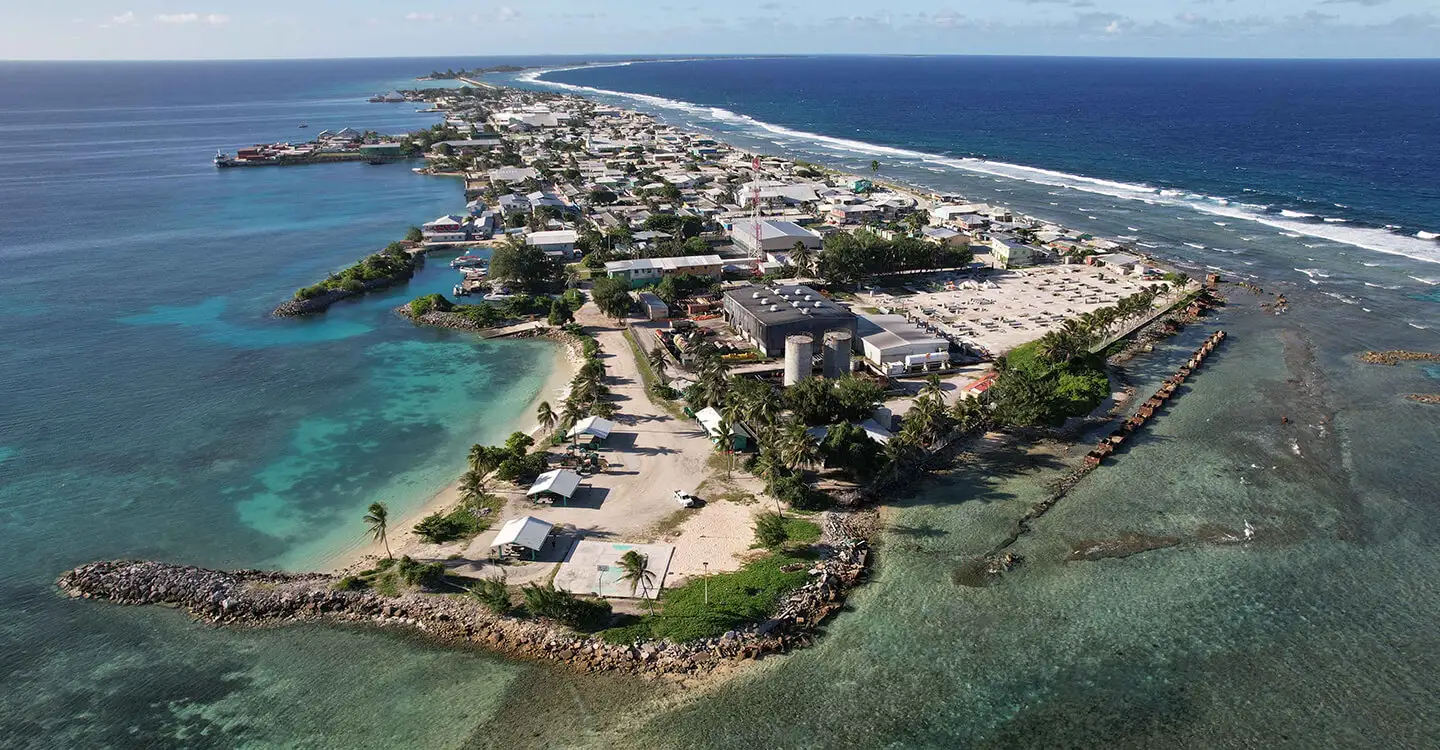
Some areas are not just at risk but are already losing land due to rising sea levels. The Solomon Islands and the Marshall Islands have seen entire sections disappear over time. In some cases, small islands have completely vanished beneath the ocean. The Marshall Islands show clear signs of ongoing change, with parts of the capital already affected by water intrusion. This is not a future prediction but an ongoing situation that continues to worsen each year. Large parts of the population live in densely packed areas, which increases the risks even further.Via Hall Contracting
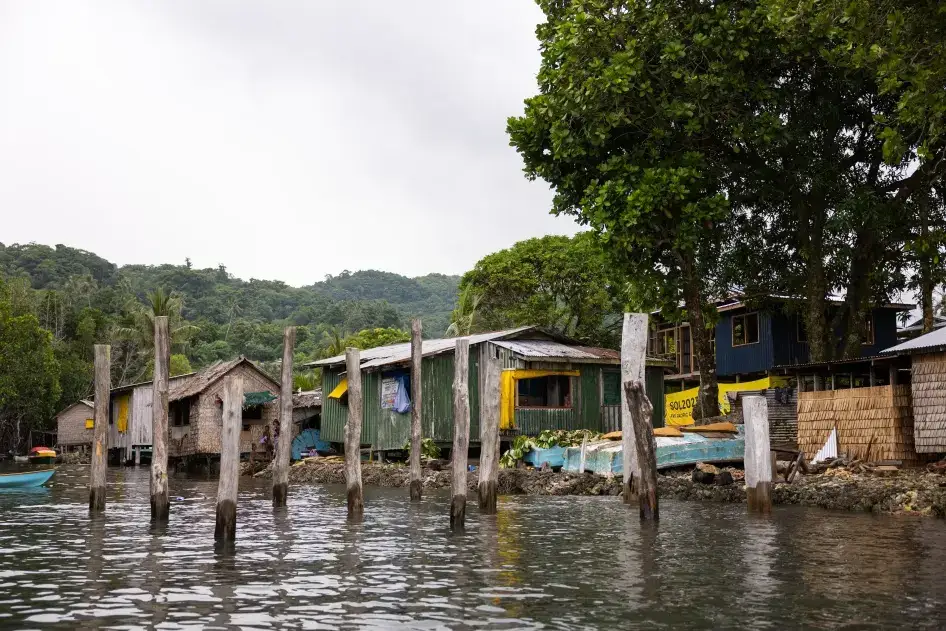
The Solomon Islands have also experienced severe erosion, with rising waters slowly reshaping the landscape. These examples highlight how climate change is actively transforming the world in real time, rather than being a distant possibility.
Populated Regions Facing Massive Displacement
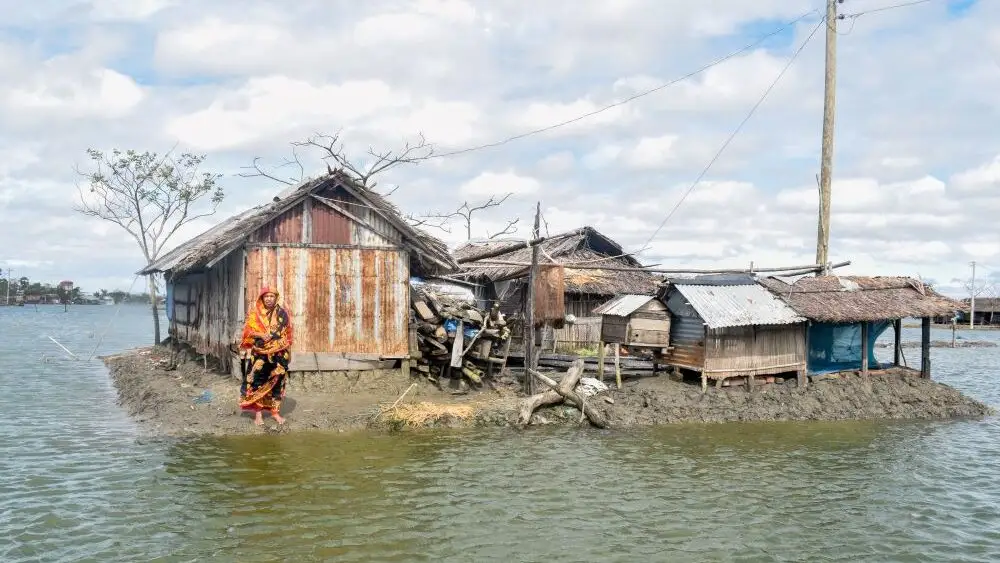
Countries like Bangladesh face a different kind of challenge due to their large populations and low-lying geography. Rising sea levels could displace millions of people, creating one of the largest climate migration crises in history.
Via Human Rights Watch
Saltwater intrusion is already affecting farmland, making it difficult to grow crops and sustain livelihoods. Many families are forced to move inland, often to overcrowded urban areas, which creates additional social and economic challenges.
Extreme weather events such as storms and flooding further increase the risks. These conditions make daily life unpredictable and force communities to adapt quickly. Long-term solutions are needed to manage both environmental and human impacts.
Via Platform On Disaster
Cultural and Historical Loss at Stake
Many of the threatened destinations are not just tourist attractions but also hold deep cultural and historical value. Venice, for example, is known for its unique architecture and centuries-old canals. Losing such places would mean losing important parts of human history. Island nations also carry rich traditions, languages, and ways of life that are closely connected to their environment. When land is lost, these cultural elements are also at risk of disappearing. This makes the issue more than just an environmental concern.
Via Social Sciences Resources
Preserving these locations requires both global awareness and local action. Protecting heritage sites while supporting communities is essential for maintaining cultural identity in the face of changing conditions. Some countries are also exploring relocation strategies for communities that cannot be protected.
The Role of Tourism in Environmental Impact
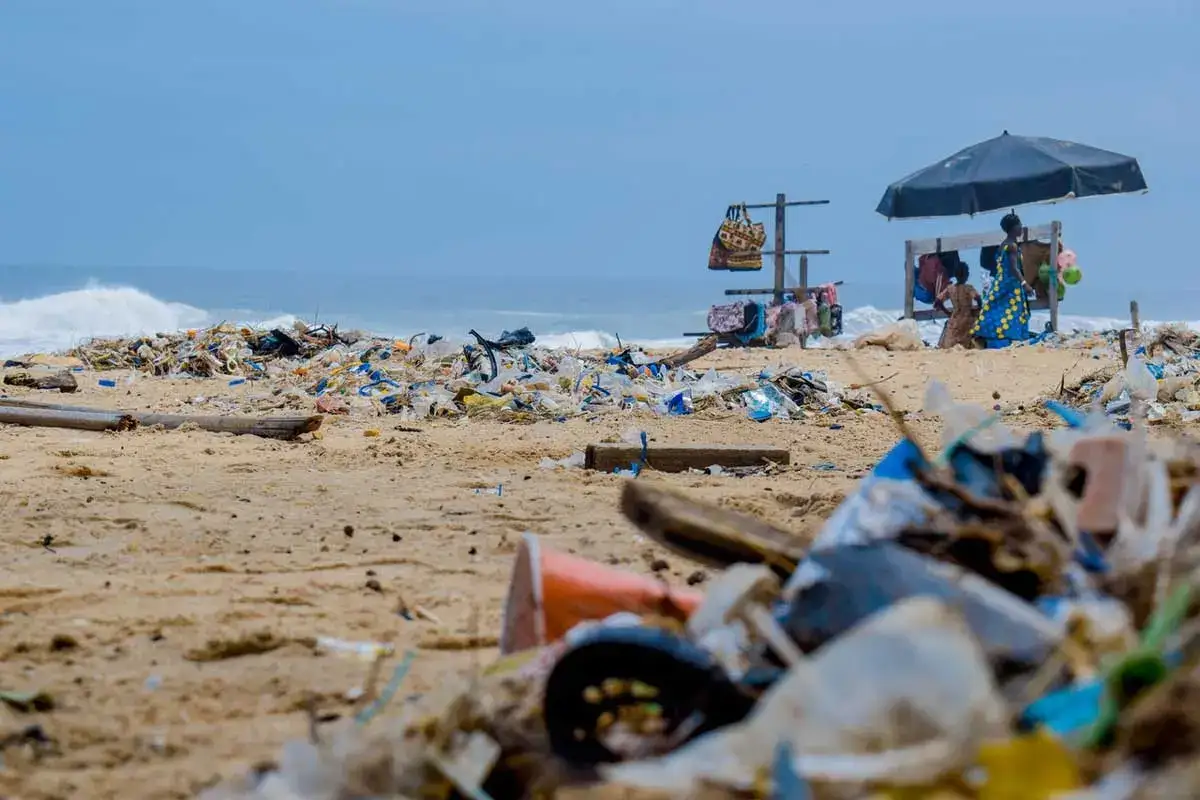
Tourism can both help and harm vulnerable destinations. While it brings economic benefits, it also increases pressure on local resources. High visitor numbers can lead to water shortages, waste management issues, and damage to natural habitats. This creates a cycle where tourism indirectly affects the very places people want to experience.Via Enviornment Buddy
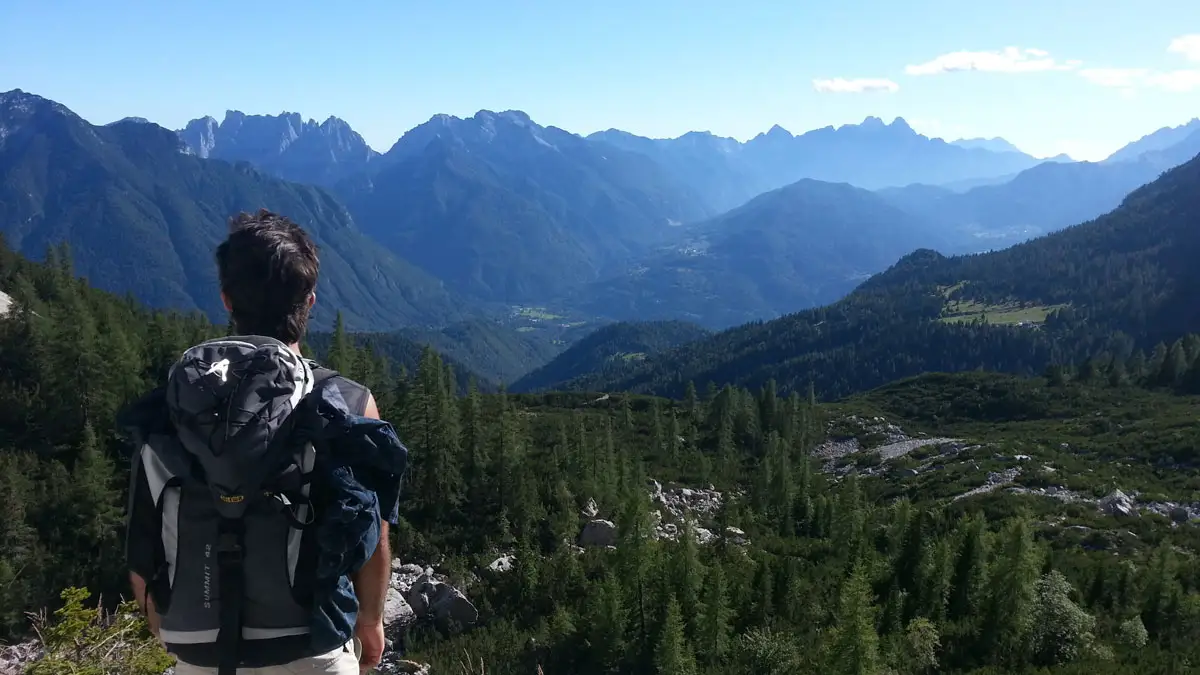
Governments and organizations are working on solutions to protect at-risk areas. Flood barriers, improved infrastructure, and coastal defenses are being developed in many regions. These efforts aim to reduce damage and extend the lifespan of vulnerable locations.
Choosing eco-friendly options, supporting local businesses, and respecting environmental guidelines are simple steps that can make a difference. Technology and innovation continue to play a key role in addressing these challenges.
Via Etifor
The Future of Travel in a Changing World
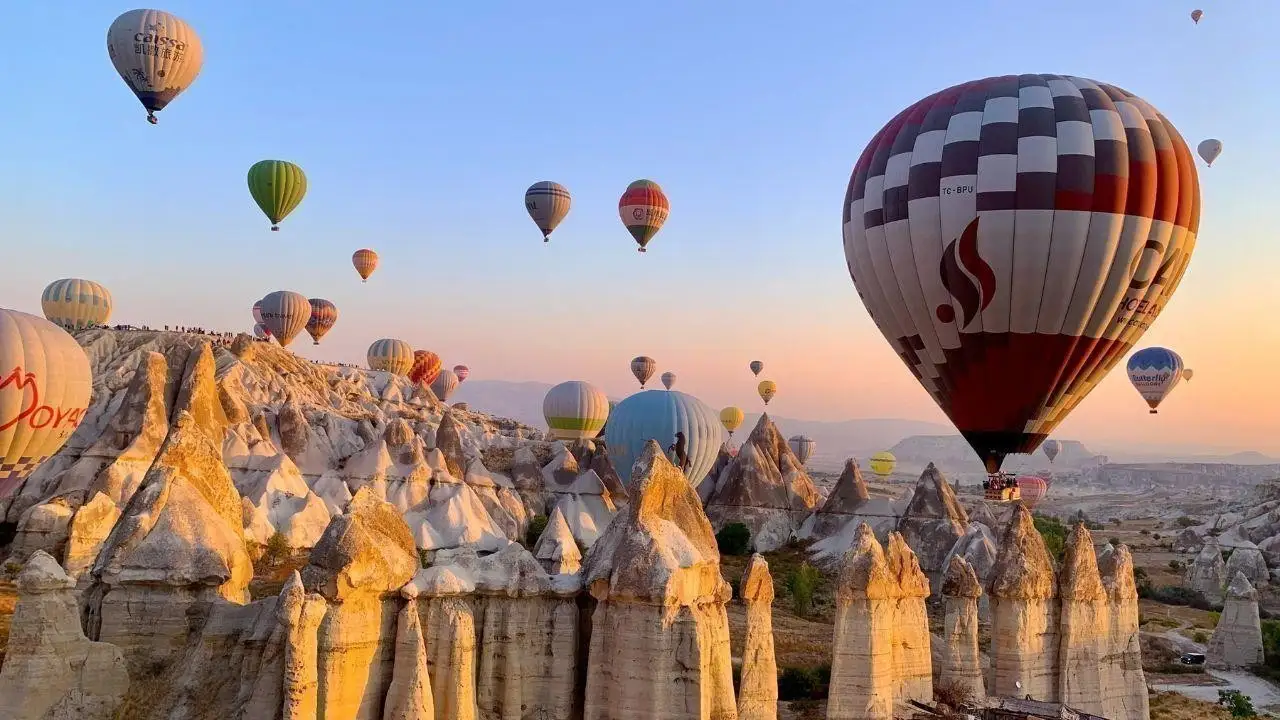
Travel patterns may shift as more destinations face environmental risks. Tourists are becoming more aware of sustainability and are starting to choose destinations that prioritize environmental protection. This change in mindset could help reduce pressure on vulnerable areas. Alternative destinations are also gaining popularity, offering similar experiences without the same level of risk. Exploring less crowded places can provide unique experiences while supporting sustainable tourism. From early warning systems to sustainable building designs, new approaches are helping communities adapt to changing conditions.Via DXB News Network
The future of travel will likely depend on how well global efforts address climate challenges. Protecting destinations requires cooperation between governments, communities, and travelers alike. These plans are necessary to ensure safety and long-term stability for residents.
Protecting These At-Risk Destinations
Many of the world’s most beautiful and iconic destinations are facing serious threats due to rising sea levels and climate change. From small island nations to major coastal cities, the risks are widespread and growing each year. These changes affect not only the environment but also millions of people who call these places home.
Via Enjoy Travel
Efforts to protect these regions are ongoing, but challenges remain. Responsible travel, environmental awareness, and global cooperation play key roles in preserving these destinations. Every action taken today can help reduce the impact on future generations.
People who understand these risks can make better choices when traveling and support sustainable practices. Protecting these destinations ensures that they remain part of the world’s cultural and natural heritage for as long as possible.