Unassigned
3 Nights of Bad Sleep Harms Heart Health

Sleep is something all people need, but many don't get enough. A recent study shows that skipping out on sleep for just three nights can hurt your heart in big ways. Even if you're young and healthy, not sleeping enough can cause problems. This study looked at people who got only about four hours of sleep each night for three days.
They found that levels of certain proteins in the blood went up a lot. These proteins are tied to heart issues like heart failure and irregular heartbeats. The heart is a vital organ that pumps blood all over your body. When you don't sleep well, your body gets stressed.
 Via Health Dialogues
This stress can lead to swelling and damage to the heart over time. The study points out that sleep deprivation isn't just about feeling tired the next day. It can start a chain of events that harms your heart health right away.
 Via Harvard Health
Sleep also helps control your blood sugar. Without enough rest, your body doesn't handle sugar well, which can lead to diabetes. Diabetes is bad for the heart because it can damage blood vessels. The study found that after three nights of short sleep, people had changes in their blood that could lead to these problems. Your immune system suffers too.
 Via Health
Coronary artery disease happens when the arteries get narrowed from plaque buildup. Sleep deprivation can speed this up by raising bad cholesterol levels. Atrial fibrillation is when the heart beats irregularly, and the study linked it to those inflammatory proteins that increase with sleep loss.
 Via Brain Balance
In young people, the body bounces back faster, but repeated sleep loss adds up. It can lead to habits like eating junk food or skipping workouts, which compound the damage. Parents should teach kids good sleep habits early to protect their future health.
 Via Active Plus
This can impair memory and decision-making. When you're mentally off, you're less likely to take care of your heart through exercise or healthy eating. Getting good sleep can boost your mood and help you make better choices. It's a cycle: better sleep leads to better mental health, which supports heart health.
 Via News-Medical
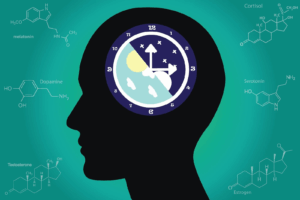
Sleep loss increases ghrelin, making you hungrier, and decreases leptin, which tells you when you're full. This can cause overeating, especially of sugary foods, which are bad for the heart. Stress hormones surge with lack of sleep, leading to higher heart rates. Over time, this constant high alert can weaken heart muscles.
 Via Sharp HealthCare
It contributes to conditions like arthritis, but also heart disease. By getting enough sleep, you keep your immune system balanced and protect your heart. Colds and flu are more common with sleep deprivation. These illnesses can put an extra load on the heart, especially if you have underlying issues.
 Via UF Health
Stress from work or school can make it hard to fall asleep. Irregular schedules, like shifting work hours, confuse your body's clock. Noise, light, or uncomfortable beds also disrupt sleep. Recognizing these habits is the first step to better rest.
 Via Penn State
The study likely saw effects because participants missed these crucial stages. Your body clock, or circadian rhythm, runs on a 24-hour cycle. Jet lag or shift work disrupts it, leading to sleep issues and heart strain.
 Via TMJ Specialist Sydney
Exercise helps you sleep better by tiring the body. It also strengthens the heart directly. But without sleep, exercise benefits dim. Tired muscles recover more slowly, and injury risk goes up. Aim for activities like walking or swimming. They improve sleep quality and reduce stress. Combining good sleep with exercise is a powerful way to guard your heart.
 Via Sleep Foundation
Stress is a major sleep thief. Techniques like meditation or deep breathing can calm the mind. Journaling worries before bed helps clear your head. Hobbies or time with friends reduce stress. Less stress means easier sleep and less heart strain. If stress is overwhelming, seek professional help. Managing it protects your overall wellness.
 Via The Sleep Charity
Some people have disorders like insomnia or sleep apnea. Apnea causes breathing to stop, straining the heart. It leads to high blood pressure and arrhythmias. Insomnia makes it hard to fall or stay asleep. Treating these with therapy or devices can save your heart. If you snore loudly or feel tired despite sleeping, get checked. Early action prevents damage.
 Via Planview Blog
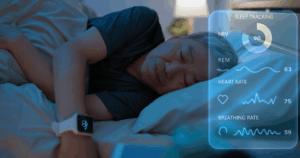
Balanced work-life supports heart health through better sleep. Apps track sleep patterns, offering insights. Wearables monitor heart rate during sleep. But tech can harm if overused. Set do-not-disturb modes at night. Use tech wisely to improve, not hinder, sleep.
 Via OHSU News
Scientists continue studying sleep's effects. New tech, like better monitors, will provide more data. Understanding the genes involved could lead to personalized advice. The goal is to prevent heart disease through sleep focus. Staying informed helps you make smart choices.
Sleep is essential, not optional. The study on three nights of deprivation shows quick heart impacts. By valuing rest, you protect your body and mind. Make small changes today for big benefits tomorrow. Your heart will thank you.
More in Unassigned
Via Health Dialogues
This stress can lead to swelling and damage to the heart over time. The study points out that sleep deprivation isn't just about feeling tired the next day. It can start a chain of events that harms your heart health right away.
How Sleep Deprivation Affects Your Body
When you miss sleep, your body goes into alert mode. It releases more stress hormones like cortisol. These hormones help you stay awake, but too much of them can raise your blood pressure. High blood pressure makes your heart work harder, which can wear it out over time.
Via Harvard Health
Sleep also helps control your blood sugar. Without enough rest, your body doesn't handle sugar well, which can lead to diabetes. Diabetes is bad for the heart because it can damage blood vessels. The study found that after three nights of short sleep, people had changes in their blood that could lead to these problems. Your immune system suffers too.
The Link Between Sleep and Heart Disease
Heart disease is one of the top causes of death around the world. Many things contribute to it, like a poor diet or a lack of exercise. But sleep is a big factor that people often ignore. The study shows that even short-term sleep loss can spike inflammation in the body. Inflammation is like a fire inside your veins that can lead to blockages.
Via Health
Coronary artery disease happens when the arteries get narrowed from plaque buildup. Sleep deprivation can speed this up by raising bad cholesterol levels. Atrial fibrillation is when the heart beats irregularly, and the study linked it to those inflammatory proteins that increase with sleep loss.
Why Young People Are at Risk Too
You might think only older folks need to worry about heart health. But the study included young, healthy adults, and they still showed heart stress after just three nights. This means no one is immune. Students pulling all-nighters or workers with night shifts could be hurting their hearts without knowing it.
Via Brain Balance
In young people, the body bounces back faster, but repeated sleep loss adds up. It can lead to habits like eating junk food or skipping workouts, which compound the damage. Parents should teach kids good sleep habits early to protect their future health.
Mental Health and Sleep Connection
Sleep doesn't just affect the body; it hits the mind hard. Lack of sleep can make you irritable or sad. Over time, it raises the chance of anxiety or depression. These mental issues can stress the heart because they often lead to unhealthy choices like smoking or overeating. The study didn't focus on mental health, but other research shows that poor sleep messes with brain chemicals.
Via Active Plus
This can impair memory and decision-making. When you're mentally off, you're less likely to take care of your heart through exercise or healthy eating. Getting good sleep can boost your mood and help you make better choices. It's a cycle: better sleep leads to better mental health, which supports heart health.
The Role of Hormones in Sleep Deprivation
Hormones are chemical messengers in your body. Sleep helps balance them. When you don't sleep, hormones like insulin get out of whack. Insulin controls blood sugar, and an imbalance can lead to weight gain. Ghrelin and leptin are hormones that control hunger.
Via News-Medical
Sleep loss increases ghrelin, making you hungrier, and decreases leptin, which tells you when you're full. This can cause overeating, especially of sugary foods, which are bad for the heart. Stress hormones surge with lack of sleep, leading to higher heart rates. Over time, this constant high alert can weaken heart muscles.
Immune System Weakness from Lack of Sleep
Your immune system is your body's army against sickness. Sleep is like training time for that army. Missing sleep means fewer immune cells are produced. The study showed increased inflammation, which is the immune system overreacting. Chronic inflammation can attack healthy tissues, including the heart.
Via Sharp HealthCare
It contributes to conditions like arthritis, but also heart disease. By getting enough sleep, you keep your immune system balanced and protect your heart. Colds and flu are more common with sleep deprivation. These illnesses can put an extra load on the heart, especially if you have underlying issues.
Daily Habits That Steal Your Sleep
Many things in daily life cut into sleep time. Screens from phones and TVs emit blue light that tricks your brain into thinking it's daytime. This delays melatonin, the sleep hormone. Caffeine in coffee or soda can linger in your system for hours, keeping you awake.
Via UF Health
Stress from work or school can make it hard to fall asleep. Irregular schedules, like shifting work hours, confuse your body's clock. Noise, light, or uncomfortable beds also disrupt sleep. Recognizing these habits is the first step to better rest.
The Science Behind Sleep Cycles
Sleep isn't just one state; it has cycles. There are stages: light sleep, deep sleep, and REM sleep, where dreams happen. Deep sleep is when the body repairs tissues, including the heart. Short sleep cuts into deep stages first. This means less repair time.
Via Penn State
The study likely saw effects because participants missed these crucial stages. Your body clock, or circadian rhythm, runs on a 24-hour cycle. Jet lag or shift work disrupts it, leading to sleep issues and heart strain.
Long-Term Effects of Chronic Sleep Loss
If sleep deprivation becomes a habit, the damage builds. Weight gain from hormone changes increases heart disease risk. High blood pressure becomes constant, straining the arteries. Diabetes risk rises, and with it, heart complications. Mental health declines, leading to isolation or poor self-care. Studies show that shift workers have higher heart attack rates due to irregular sleep. It's a reminder that consistent sleep is key to a long life.
Via TMJ Specialist Sydney
Exercise helps you sleep better by tiring the body. It also strengthens the heart directly. But without sleep, exercise benefits dim. Tired muscles recover more slowly, and injury risk goes up. Aim for activities like walking or swimming. They improve sleep quality and reduce stress. Combining good sleep with exercise is a powerful way to guard your heart.
Nutrition's Impact on Sleep and Heart
What you eat affects sleep. Heavy meals close to bed can cause indigestion. Foods rich in magnesium, like nuts, help relaxation. A heart-healthy diet with fruits, veggies, and whole grains supports better sleep. Avoid sugary snacks that spike energy, then crash it. Hydration matters too; dehydration can disrupt sleep. Balance your diet to aid both sleep and heart health.
Via Sleep Foundation
Stress is a major sleep thief. Techniques like meditation or deep breathing can calm the mind. Journaling worries before bed helps clear your head. Hobbies or time with friends reduce stress. Less stress means easier sleep and less heart strain. If stress is overwhelming, seek professional help. Managing it protects your overall wellness.
The Importance of Sleep for Kids and Teens
Growing bodies need more sleep. Kids should get nine to 11 hours, teens eight to 10. Sleep deprivation in youth can affect heart development. School start times often clash with teen sleep needs. Encouraging good habits early prevents future heart issues. Parents can set screen limits and consistent bedtimes. It sets kids up for healthy hearts.
Via The Sleep Charity
Some people have disorders like insomnia or sleep apnea. Apnea causes breathing to stop, straining the heart. It leads to high blood pressure and arrhythmias. Insomnia makes it hard to fall or stay asleep. Treating these with therapy or devices can save your heart. If you snore loudly or feel tired despite sleeping, get checked. Early action prevents damage.
Workplace and Sleep - Finding Balance
Many jobs demand long hours, cutting sleep. This raises heart risks for workers. Companies can help with flexible schedules or nap rooms. Workers should prioritize sleep over extra tasks. Boundaries like no emails after hours aid rest.
Via Planview Blog
Balanced work-life supports heart health through better sleep. Apps track sleep patterns, offering insights. Wearables monitor heart rate during sleep. But tech can harm if overused. Set do-not-disturb modes at night. Use tech wisely to improve, not hinder, sleep.
Explore the Link Between Sleep and Heart Risk
Talking about sleep with others builds awareness. Support groups for shift workers share tips. Community events on health can include sleep education. Social ties reduce stress, aiding sleep. Building a supportive network enhances heart wellness.
Via OHSU News
Scientists continue studying sleep's effects. New tech, like better monitors, will provide more data. Understanding the genes involved could lead to personalized advice. The goal is to prevent heart disease through sleep focus. Staying informed helps you make smart choices.
Sleep is essential, not optional. The study on three nights of deprivation shows quick heart impacts. By valuing rest, you protect your body and mind. Make small changes today for big benefits tomorrow. Your heart will thank you.