Unassigned
20-Armed Creature Found Deep in Antarctic Waters

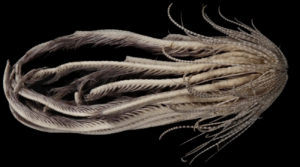
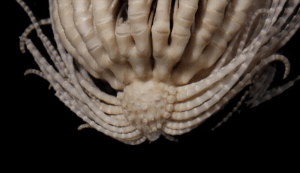
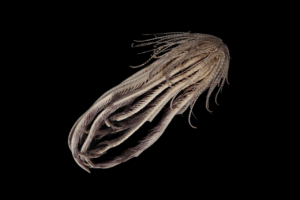
Deep under Antarctica’s frozen surface lies an ocean world few people ever see. At 3,840 feet below the ice, where no light reaches and temperatures stay near freezing, scientists found a creature that looks nothing like anything on land. This new feather star, named Promachocrinus fragarius, has a body shaped like a strawberry and 20 long, feathery arms.
 Via Live Science
It swims through total darkness, catching tiny food particles with arms that move like delicate fans. The discovery shows how strange and beautiful life can be in places humans rarely visit. It also proves that Earth still holds secrets in its coldest, darkest corners.
 Via National Geographic
Each arm is covered in tiny tube feet that grab food and pull it toward the mouth in the center of the body. Promachocrinus fragarius stands out because its arms vary in length. Some are short and bumpy, while others are long and wavy, giving the creature an uneven, alien look.
 Via Live Science
They lowered tools into the water to scoop up samples from the deep seafloor. In one haul, they pulled up several strange feather stars. At first, the creatures looked like known species, but closer study in the lab revealed differences in arm shape, body color, and tiny skeletal plates.
DNA tests confirmed this was a brand-new species. The name “fragarius” comes from the Latin word for strawberry, describing the creature’s rounded, textured body. The team collected dozens of specimens to study back on land, preserving them in cold containers to keep them intact.
 Via Monash University
 Via The Mirror US
The arms then fold inward, pushing food to the central mouth. This feeding style works slowly but steadily in a world where meals arrive unpredictably. The creature rests on rocks between feeding sessions, saving energy in the cold, slow-moving water.
 Via Live Science
The differences help them live in slightly different depths or water currents. This explosion of new species shows how little people know about Antarctic waters. It also highlights the importance of preserving samples from past expeditions, as they hold clues to today’s discoveries.
 Via Green Matters
Shorter arms provide quick bursts of power. This mix makes the creature nimble in rough waters near the seafloor, where rocks and ridges create obstacles. It can also cling to surfaces with tiny claws at the arm tips, anchoring itself against fast flows. The swimming motion looks like a slow dance, with arms rippling in perfect rhythm.
 Via California Academy of Sciences
These animals show that life can thrive without sunlight or warmth. Protecting Antarctic waters ensures future generations can study this living time capsule. The continent’s isolation has kept its ecosystems pure, free from coastal pollution that affects other oceans.
 Via NOAA Ocean Exploration
Crews work long hours in cramped spaces, far from family for months. Climate change adds urgency. Warming waters and melting ice shelves threaten cold-loving species. Pollution from plastic and chemicals drifts south, even reaching remote depths. Scientists race to document life before it changes forever.
 Via TechEBlog
Colors range from pale pink to deep red, possibly for camouflage against rocky bottoms. Tiny claws at the arm tips grip surfaces when resting. The creature can regenerate lost arms, growing new ones in months. Under a microscope, the skeletal plates show intricate patterns, like tiny works of art built by nature.
 Via National Geographic
Tiny plates in its arms match patterns seen in 200-million-year-old fossils. This living fossil bridges past and present, showing how life adapts over millions of years. Antarctic crinoids may be the closest relatives to the first free-swimming feather stars.
 Via Bibliotheca Alexandrina
The find inspires young scientists to explore overlooked groups like crinoids, sponges, and worms. It also changes conservation plans. Protected marine areas must account for deep-sea habitats, not just shallow reefs. International treaties govern Antarctic waters, balancing research with preservation. New maps now include deep zones where feather stars live.
 Via iNaturalist
Larvae drift for weeks until settling far away. Survival depends on patience and efficiency in a slow-motion world. Predators are few, but accidents happen, arms get torn by strong currents or crushed by falling rocks. The creature’s calm, steady rhythm matches the quiet pulse of the deep sea.
 Via Popular Science
Once captured, food travels along grooves to the mouth. In lean times, the creature lowers its arms and conserves energy, living off stored fats. This strategy works because food, though scarce, arrives regularly from surface blooms hundreds of feet above.
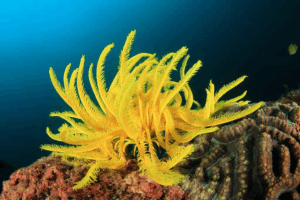 Via A-Z Animals
Young feather stars start with a stalk, attaching to rocks like their ancient relatives. After months, they detach and swim free. Promachocrinus fragarius grows slowly in cold water, reaching full size in several years. Regeneration helps adults recover from injuries, ensuring long lives in a dangerous environment.
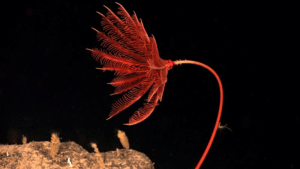 Via Australian Geographic
Chemical defenses may also play a role; some crinoids produce bitter compounds that taste bad to predators. In the deep sea, energy is precious, so most animals avoid fights. Promachocrinus fragarius relies on camouflage and quick escapes rather than aggression.
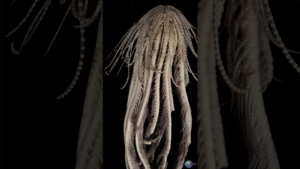 Via A-Z Animals
A creature with 20 arms and a fruit-shaped body pushes the boundaries of what life needs to survive. Cold, dark, high-pressure worlds host complex ecosystems that people barely understand. Protecting them safeguards knowledge for centuries.
The next generation of explorers, kids in classrooms today, will build on this discovery, using better tools and bolder ideas. The strawberry feather star from Antarctica’s abyss invites endless questions, proving that curiosity, not light, reveals the deepest truths.
More in Unassigned
Via Live Science
It swims through total darkness, catching tiny food particles with arms that move like delicate fans. The discovery shows how strange and beautiful life can be in places humans rarely visit. It also proves that Earth still holds secrets in its coldest, darkest corners.
What Is a Feather Star?
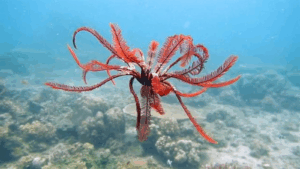
Feather stars are sea animals related to starfish and sea urchins. They belong to a group called crinoids, which have lived in oceans for over 500 million years. Most crinoids attach to the seafloor with a stalk when young, but feather stars break free as adults. They use their arms to swim, climb over rocks, and crawl along coral.
Via National Geographic
Each arm is covered in tiny tube feet that grab food and pull it toward the mouth in the center of the body. Promachocrinus fragarius stands out because its arms vary in length. Some are short and bumpy, while others are long and wavy, giving the creature an uneven, alien look.
The Discovery Expedition
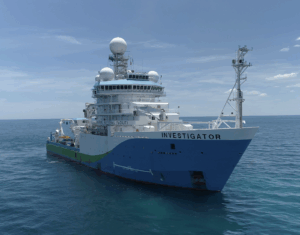
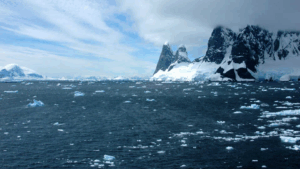
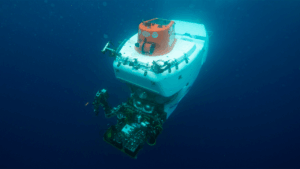
In 2023, scientists from Australia and the United States sailed to Antarctica’s Southern Ocean. They used special ships equipped with underwater cameras, robotic arms, and collection nets. The team worked in freezing conditions, with icebergs floating nearby and storms rolling in fast.
Via Live Science
They lowered tools into the water to scoop up samples from the deep seafloor. In one haul, they pulled up several strange feather stars. At first, the creatures looked like known species, but closer study in the lab revealed differences in arm shape, body color, and tiny skeletal plates.
DNA tests confirmed this was a brand-new species. The name “fragarius” comes from the Latin word for strawberry, describing the creature’s rounded, textured body. The team collected dozens of specimens to study back on land, preserving them in cold containers to keep them intact.
Via Monash University
Life in Total Darkness
The deep ocean around Antarctica is one of Earth’s harshest environments. Water pressure at 3,840 feet crushes like hundreds of elephants standing on a person. Temperatures hover just above freezing, and no sunlight means no plants grow. Food comes only from dead material sinking from above or tiny animals drifting in currents. Promachocrinus fragarius survives by filtering water with its arms. It spreads them wide to create a living net, trapping plankton and organic bits.
Via The Mirror US
The arms then fold inward, pushing food to the central mouth. This feeding style works slowly but steadily in a world where meals arrive unpredictably. The creature rests on rocks between feeding sessions, saving energy in the cold, slow-moving water.
A Family of Hidden Species
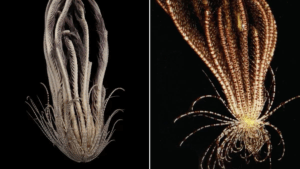
For years, scientists thought the Promachocrinus group contained just one species. The new finds changed everything. By examining old museum samples and fresh catches, researchers identified seven more species. Each has unique arm patterns and body shapes. Some are pale white, others reddish or purple.
Via Live Science
The differences help them live in slightly different depths or water currents. This explosion of new species shows how little people know about Antarctic waters. It also highlights the importance of preserving samples from past expeditions, as they hold clues to today’s discoveries.
How Feather Stars Swim
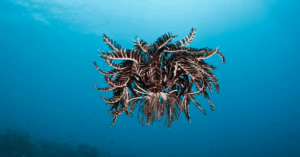
Unlike starfish that crawl, feather stars swim gracefully. They beat their arms in coordinated waves, pushing water downward to lift off the bottom. Short bursts let them escape predators or move to better feeding spots. Promachocrinus fragarius uses its uneven arms for extra control. Longer arms act like rudders, steering through strong currents.
Via Green Matters
Shorter arms provide quick bursts of power. This mix makes the creature nimble in rough waters near the seafloor, where rocks and ridges create obstacles. It can also cling to surfaces with tiny claws at the arm tips, anchoring itself against fast flows. The swimming motion looks like a slow dance, with arms rippling in perfect rhythm.
Why Antarctica Matters
Antarctica’s waters stay cold and stable year-round, creating a perfect lab for studying evolution. Species here adapt slowly, preserving ancient traits. Promachocrinus fragarius links modern oceans to prehistoric seas where crinoids ruled. Its discovery adds to a growing list of Antarctic oddities, including giant sea spiders, glass sponges taller than people, and fish with antifreeze in their blood.
Via California Academy of Sciences
These animals show that life can thrive without sunlight or warmth. Protecting Antarctic waters ensures future generations can study this living time capsule. The continent’s isolation has kept its ecosystems pure, free from coastal pollution that affects other oceans.
Challenges of Deep-Sea Research
Studying the deep ocean is hard and dangerous. Ships battle storms, icebergs, and 20-foot waves. ROVs face crushing pressure, freezing cables, and sudden equipment failures. Samples must stay cold during the long trip to labs, requiring special freezers on board. Funding is limited, with only a few expeditions each year.
Via NOAA Ocean Exploration
Crews work long hours in cramped spaces, far from family for months. Climate change adds urgency. Warming waters and melting ice shelves threaten cold-loving species. Pollution from plastic and chemicals drifts south, even reaching remote depths. Scientists race to document life before it changes forever.
The Strawberry Feather Star Up Close
Promachocrinus fragarius PME measures about 8 inches across, small enough to fit in a hand but large for its depth. Its body is firm yet flexible, covered in tiny plates that glow faintly under special lights. The 20 arms branch into feather-like side structures, increasing surface area for feeding.
Via TechEBlog
Colors range from pale pink to deep red, possibly for camouflage against rocky bottoms. Tiny claws at the arm tips grip surfaces when resting. The creature can regenerate lost arms, growing new ones in months. Under a microscope, the skeletal plates show intricate patterns, like tiny works of art built by nature.
Connections to Ancient Oceans
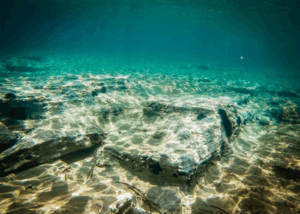
Crinoids first appeared when dinosaurs roamed land. Fossil records show forests of stalked crinoids waving in shallow seas. Over time, some evolved to swim freely. Promachocrinus fragarius carries traits from those ancient ancestors, like jointed arms and filter-feeding mouths. Studying its skeleton reveals how echinoderms survived mass extinctions.
Via National Geographic
Tiny plates in its arms match patterns seen in 200-million-year-old fossils. This living fossil bridges past and present, showing how life adapts over millions of years. Antarctic crinoids may be the closest relatives to the first free-swimming feather stars.
Impact on Biodiversity Science
Adding eight new species to the Promachocrinus family doubles the known Antarctic crinoids. It forces updates to field guides, databases, and online resources. Museums now seek old specimens for re-examination, pulling jars from storage that haven’t been opened in decades.
Via Bibliotheca Alexandrina
The find inspires young scientists to explore overlooked groups like crinoids, sponges, and worms. It also changes conservation plans. Protected marine areas must account for deep-sea habitats, not just shallow reefs. International treaties govern Antarctic waters, balancing research with preservation. New maps now include deep zones where feather stars live.
Daily Life of a Deep-Sea Creature
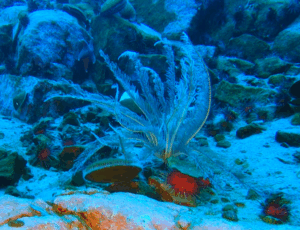
Imagine life as Promachocrinus fragarius. Days blend into endless night. Currents bring faint chemical signals of food. Arms unfurl, filtering water for hours. A passing shrimp triggers quick closure for safety. Regeneration heals damage from rock collisions. Mating happens rarely, with eggs and sperm released into water.
Via iNaturalist
Larvae drift for weeks until settling far away. Survival depends on patience and efficiency in a slow-motion world. Predators are few, but accidents happen, arms get torn by strong currents or crushed by falling rocks. The creature’s calm, steady rhythm matches the quiet pulse of the deep sea.
Feeding Strategies in the Dark
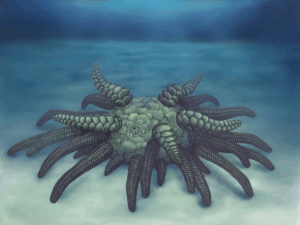
Feather stars don’t chase food; they wait for it. Promachocrinus fragarius positions itself where currents flow strongest, often on raised rocks or ridge edges. It spreads its arms like a parachute, catching particles drifting past. Tiny hairs on the arms sense movement, guiding food toward sticky tube feet.
Via Popular Science
Once captured, food travels along grooves to the mouth. In lean times, the creature lowers its arms and conserves energy, living off stored fats. This strategy works because food, though scarce, arrives regularly from surface blooms hundreds of feet above.
Reproduction and Growth
Feather stars reproduce by releasing eggs and sperm into the water. In Antarctica, this happens during the brief summer when plankton increases. Millions of tiny larvae float in currents, carried far from their parents. Only a few survive to settle and grow.
Via A-Z Animals
Young feather stars start with a stalk, attaching to rocks like their ancient relatives. After months, they detach and swim free. Promachocrinus fragarius grows slowly in cold water, reaching full size in several years. Regeneration helps adults recover from injuries, ensuring long lives in a dangerous environment.
Predators and Defense
Few animals hunt adult feather stars, but small fish and crabs nibble on arms. The creature defends itself by swimming away or curling into a ball. Its rough body and sharp skeletal plates deter some attackers.
Via Australian Geographic
Chemical defenses may also play a role; some crinoids produce bitter compounds that taste bad to predators. In the deep sea, energy is precious, so most animals avoid fights. Promachocrinus fragarius relies on camouflage and quick escapes rather than aggression.
Explore the Alien-Like Creature from Antarctica
The discovery involved dozens of people. Marine biologists identified the species. Geneticists ran DNA tests. Photographers captured detailed images. Ship captains navigated icy waters. Cooks prepared meals during long nights. Promachocrinus fragarius is more than a strange animal; it’s a reminder that Earth still hides wonders.
Via A-Z Animals
A creature with 20 arms and a fruit-shaped body pushes the boundaries of what life needs to survive. Cold, dark, high-pressure worlds host complex ecosystems that people barely understand. Protecting them safeguards knowledge for centuries.
The next generation of explorers, kids in classrooms today, will build on this discovery, using better tools and bolder ideas. The strawberry feather star from Antarctica’s abyss invites endless questions, proving that curiosity, not light, reveals the deepest truths.