Lifestyle / Fashion
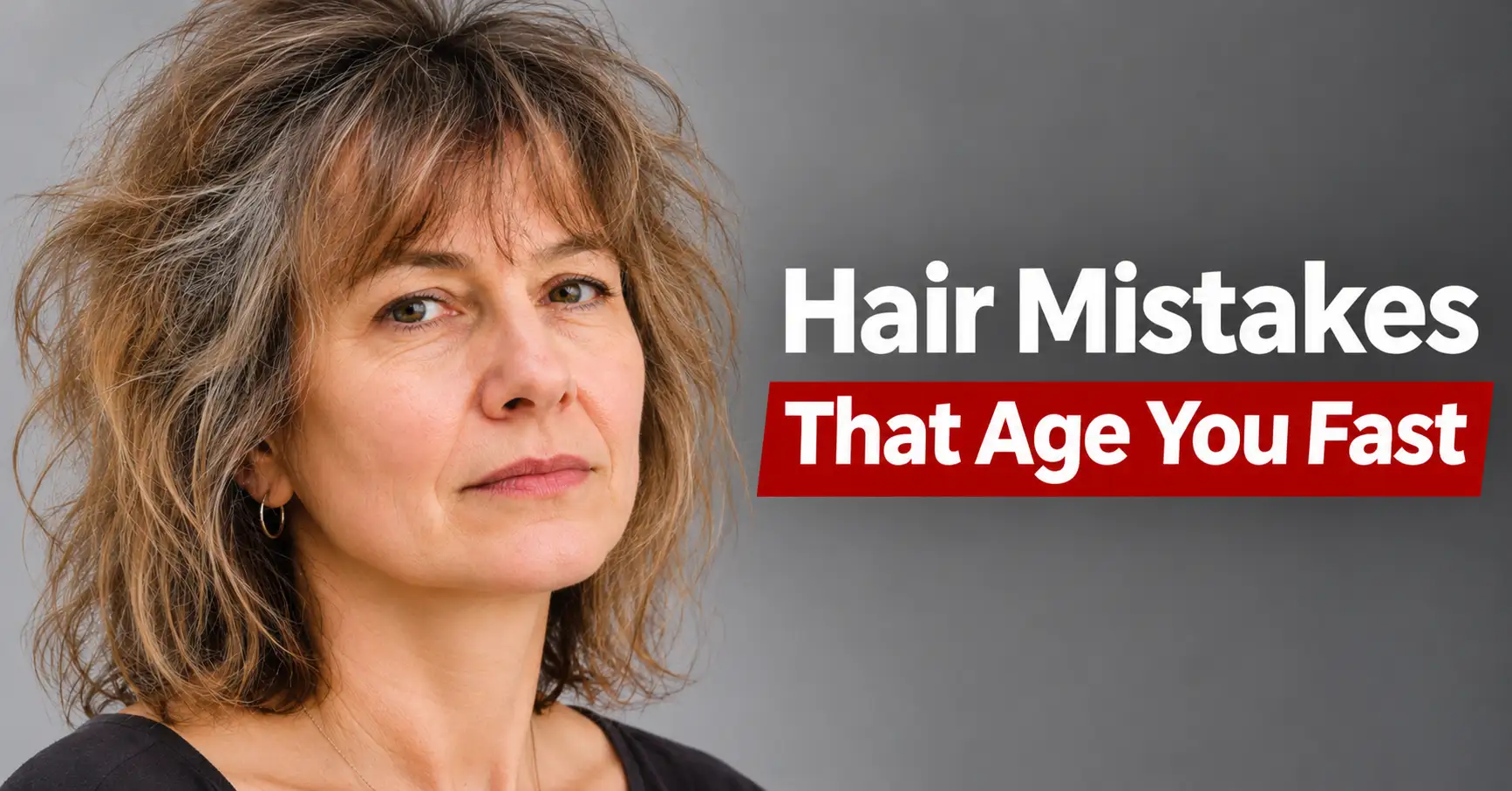
17 Hairstyle Mistakes That Can Make People Look Older
Hair can shape how a face is seen, often as strongly as clothing, makeup, or accessories. A flattering cut can bring attention to the cheekbones, soften strong angles, create movement, and make thinning strands appear fuller. A poorly matched style can have the opposite effect by emphasizing flatness, dryness, harsh lines, or an outdated shape. Aging naturally changes hair density, texture, color, and moisture levels, so a style that worked well years earlier may no longer create the same result. Small adjustments in length, parting, layers, volume, and color placement can make a noticeable difference without chasing youth or following every trend.
Healthy-looking hair also depends on more than a fashionable haircut. Scalp care, regular trims, suitable shampoo, balanced conditioning, careful heat styling, and realistic color maintenance all affect the finished look. Gray hair may become drier or more wiry, while fine hair can lose body and appear flatter. Coarse or curly hair may need a shape designed around natural texture rather than a cut copied from a straight-haired model. Hair extensions, wigs, bangs, and highlights can look polished when chosen with care, but exaggerated density, poor placement, or unsuitable proportions may overwhelm facial features. The strongest results usually come from matching a hairstyle to face shape, hair texture, density, daily routine, and maintenance needs.

Via NewBeauty
Many common hair mistakes are easy to correct once the cause is recognized. Flat roots may need a different part or lighter styling products. Overgrown ends may benefit from a shorter, cleaner shape. Heavy conditioner can be replaced with a lighter formula, while neglected gray strands may improve with moisture and regular salon care. The goal is not to erase age. The goal is to keep hair looking intentional, healthy, balanced, and current. The following hairstyle mistakes can make a person appear older by reducing movement, creating visual heaviness, exposing thin areas, or making the overall style look neglected. Understanding these problems can help people make practical choices that support a fresher appearance while respecting natural texture and personal style. Even modest changes can refresh the overall look while keeping the hairstyle comfortable, familiar, and manageable.
Flat, Lifeless Hair
Via Healthline
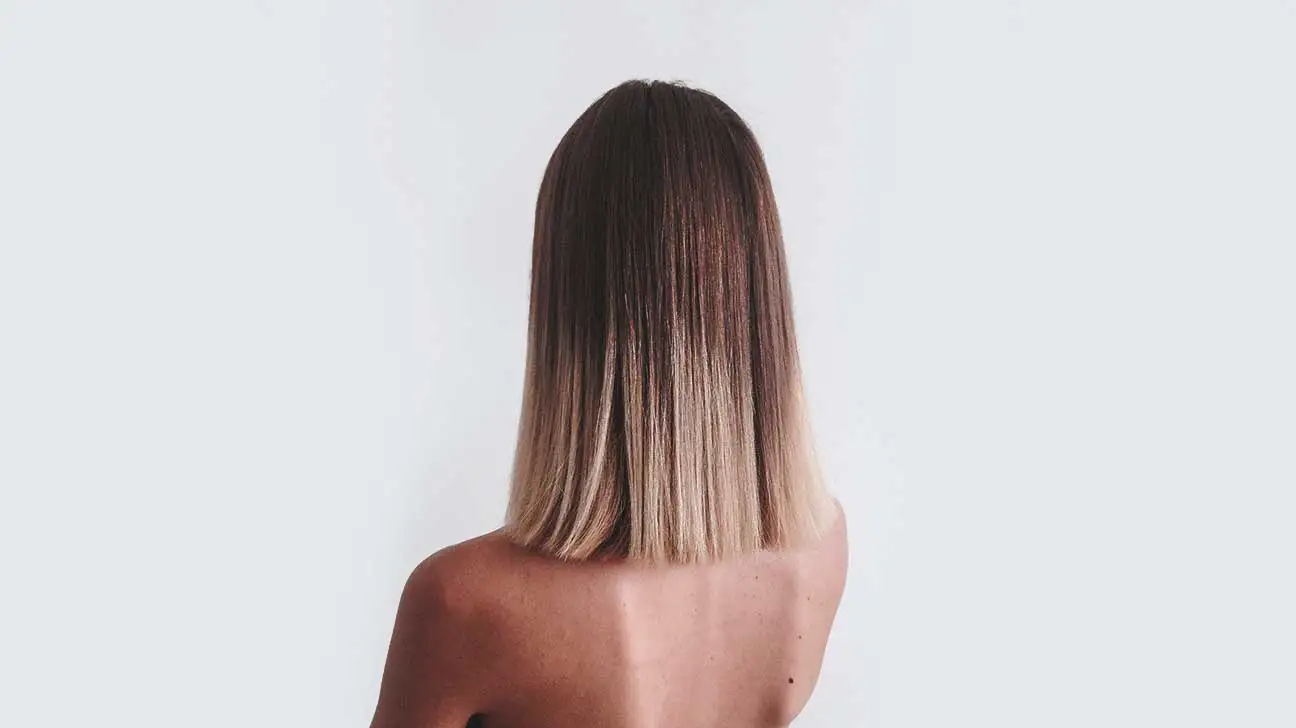
Hair that sits close to the scalp can highlight thinning. A side part, shorter shape, or light texturizing product may create fuller-looking movement.
Skipping Regular Trims
Via Pressed Beauty
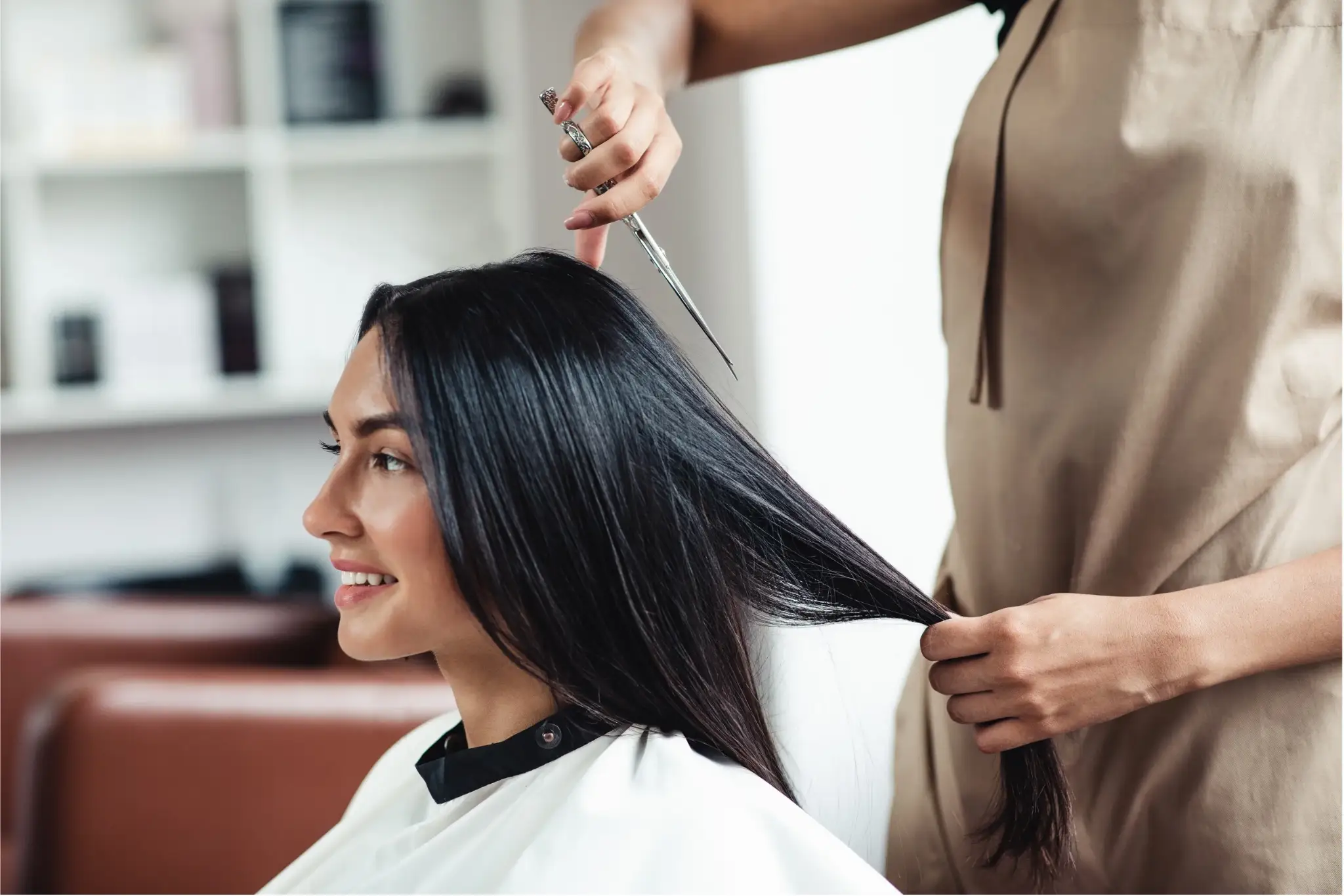
Long, overgrown ends can look sparse and tired as density changes. Regular trims and a polished bob or lob can restore cleaner shape.
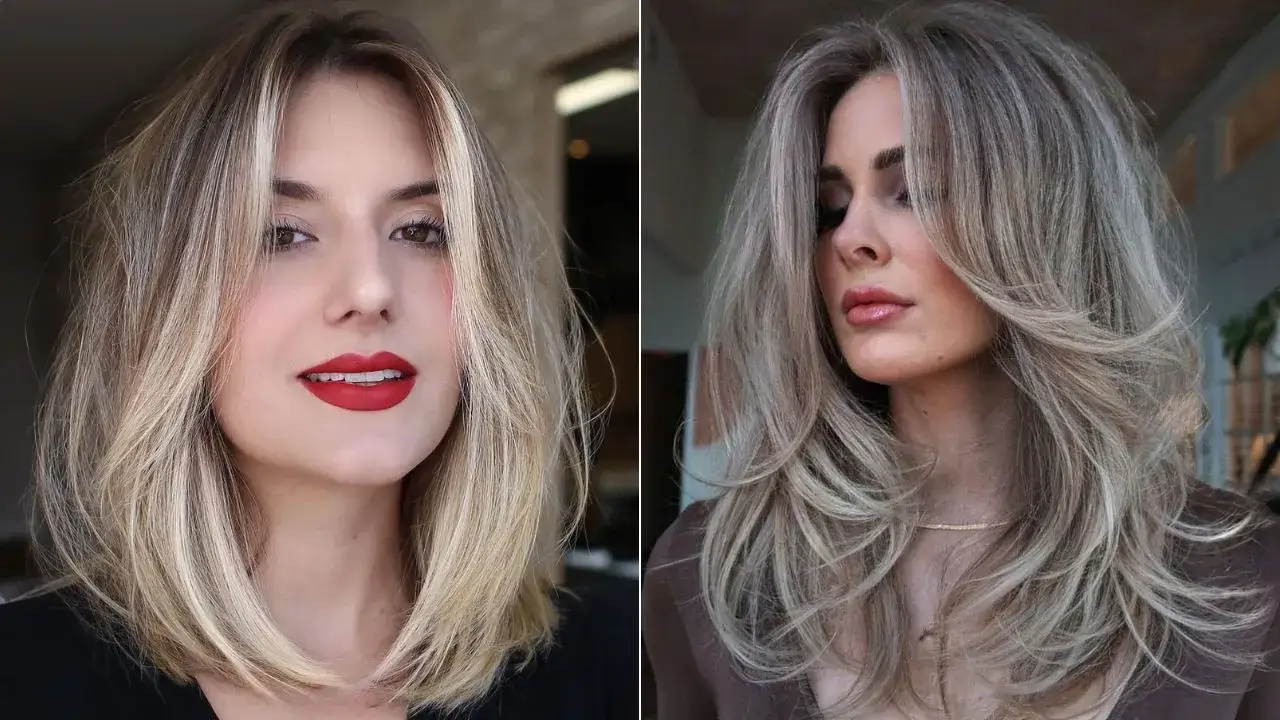
Missing Face-Framing Layers
Via The Right Hairstyle
Subtle layers beginning near the cheekbones can add movement and guide attention toward strong features, creating a softer and more lifted appearance.
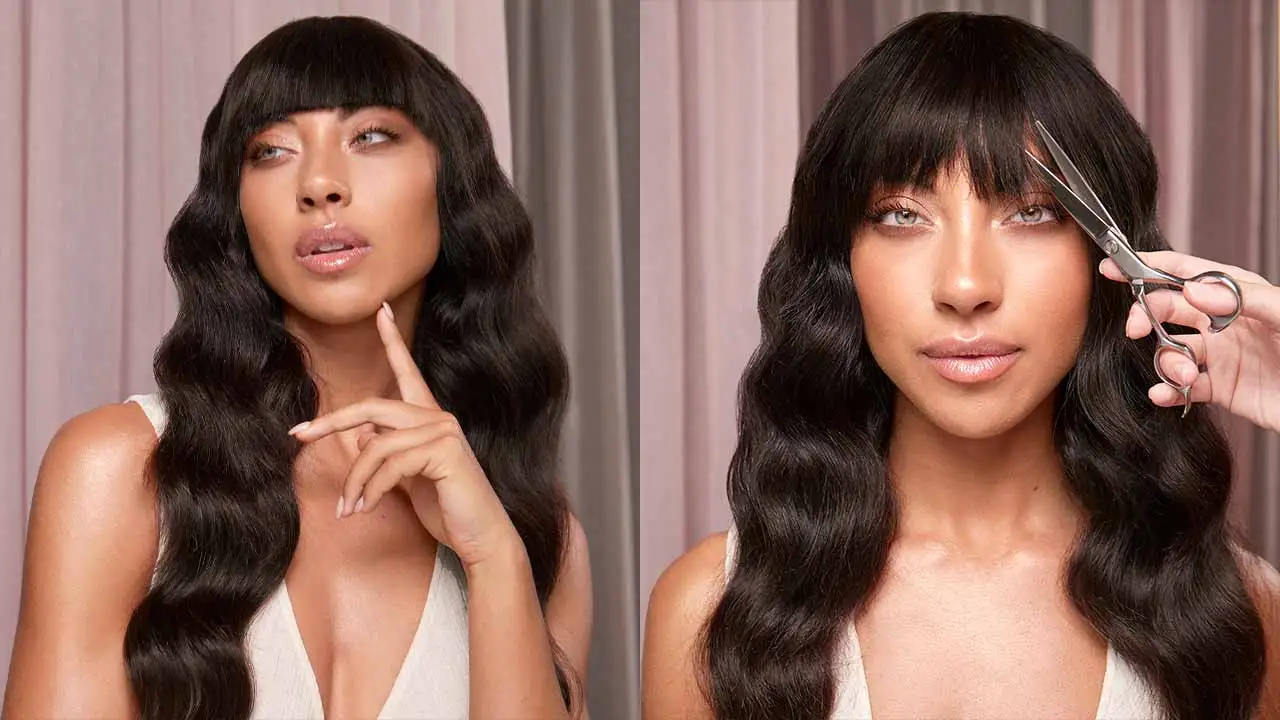
Choosing the Wrong Bangs
Via Luxy Bangs
Bangs work best when face shape, hair texture, and upkeep needs are considered. Poorly matched fringe can feel heavy, awkward, or dated.
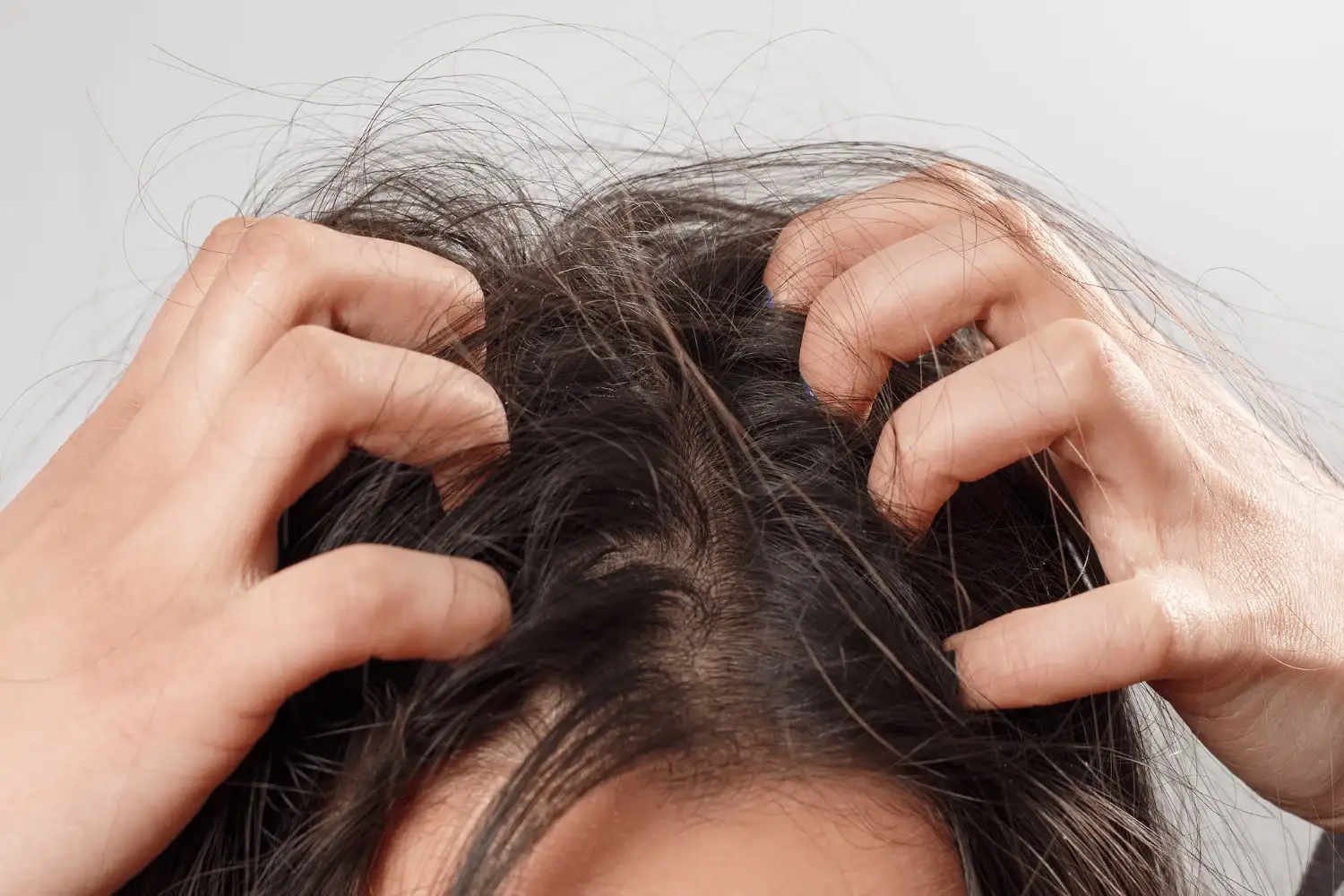
Neglecting Scalp Care
Via FFOR
Healthy-looking hair begins at the scalp. Gentle cleansing, suitable products, balanced nutrition, and professional advice for persistent shedding can support better hair condition.
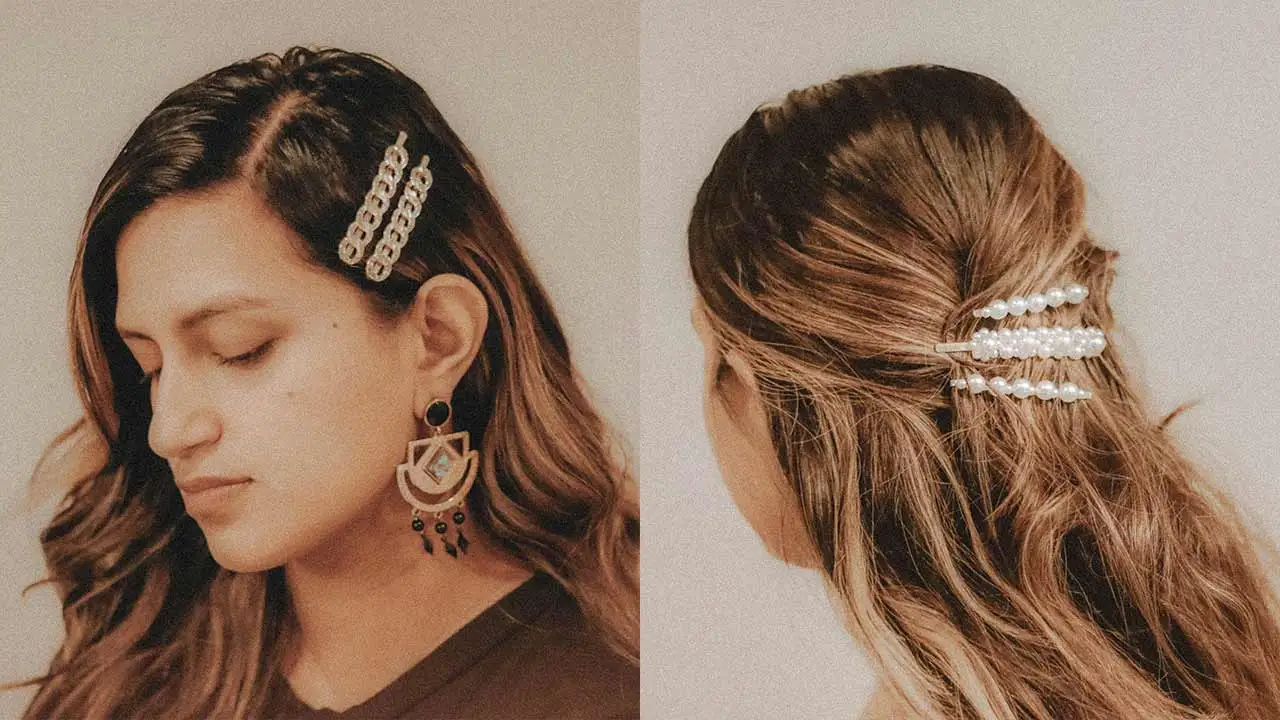
Using Overly Girlish Accessories
Via Luxy Hair
Bright childish clips or oversized playful scrunchies may clash with a polished look. Simple scarves, discreet bands, or elegant barrettes often appear more refined.
Cutting Layers Too Short
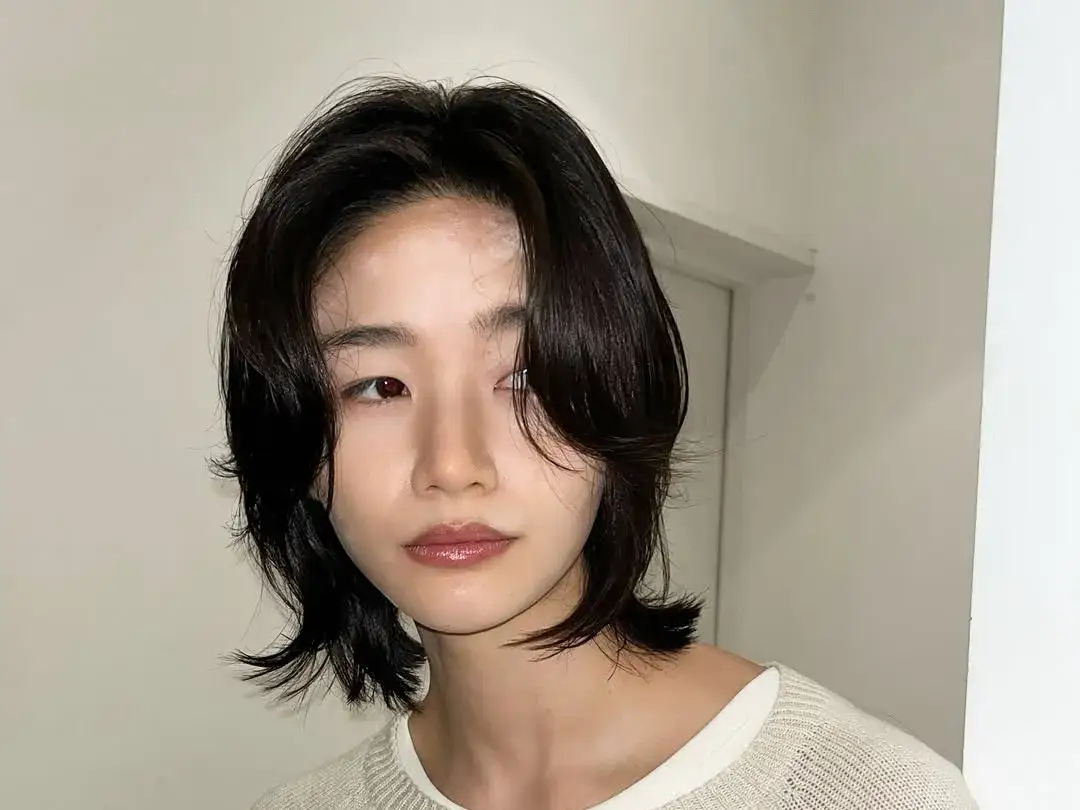
Via Vogue
Too many short layers can remove weight from the ends and make hair appear thinner. Balanced layering preserves movement without sacrificing visible fullness.
Using Too Much Conditioner
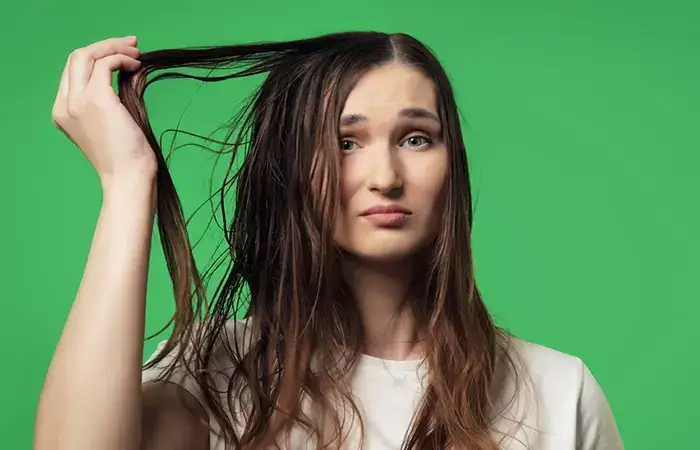
Via Style Craze
Heavy conditioners can weigh down fine hair, leaving strands greasy and limp. A lightweight formula matched to hair texture helps preserve softness and body.
Relying on Harsh Shampoo
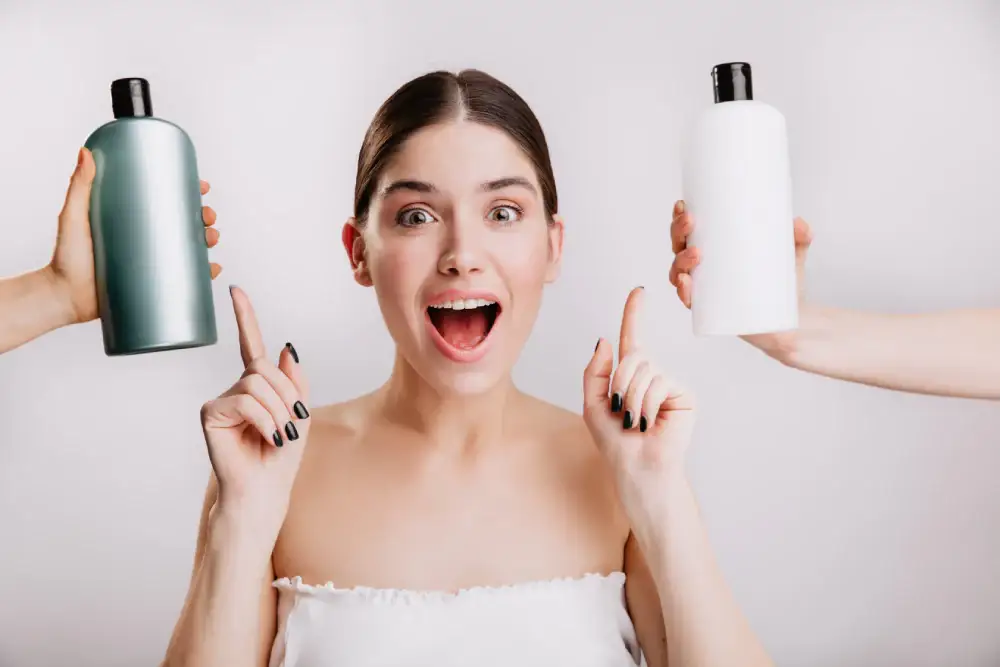
Via Naos Care
Strong cleansing formulas can worsen dryness or fade color quickly. Gentle products suited to scalp needs and occasional clarifying washes can reduce buildup.
Misplacing Hair Highlights
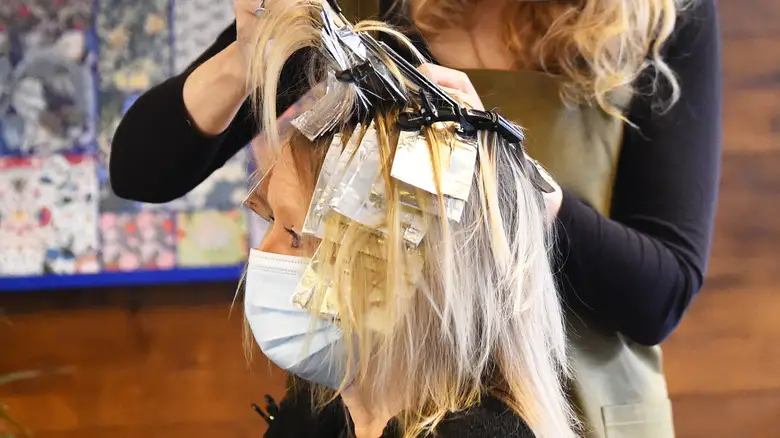
Via Glam
Dense, poorly spaced highlights may create a flat block of color. Thoughtful placement with visible depth often produces a softer, more natural result.
Overdoing Wigs or Extensions
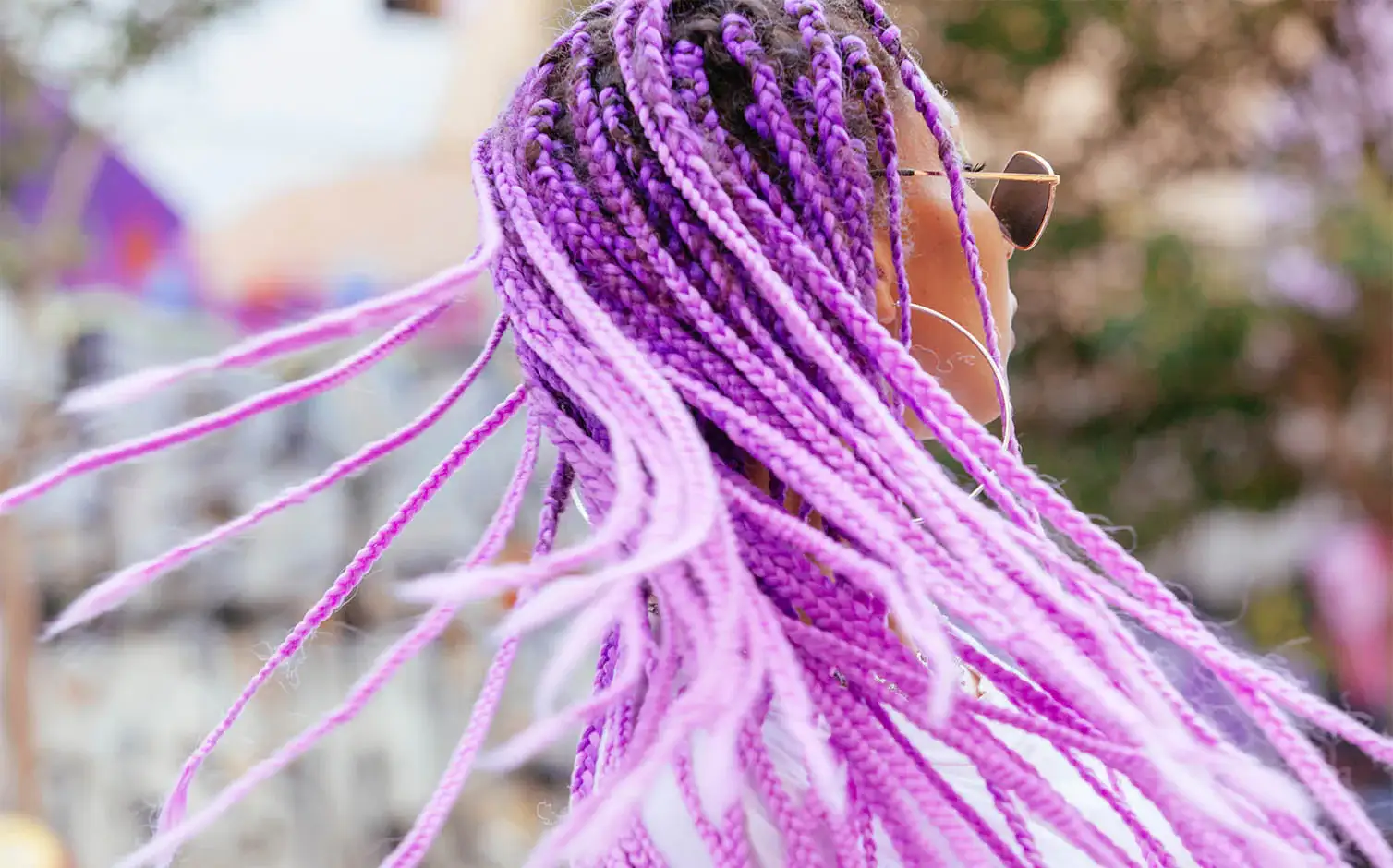
Via Inspiration
Excessively full wigs or extensions can overwhelm facial features, while very thin additions may look flat. Natural-looking density usually creates better balance.
Ignoring Thinning Hair
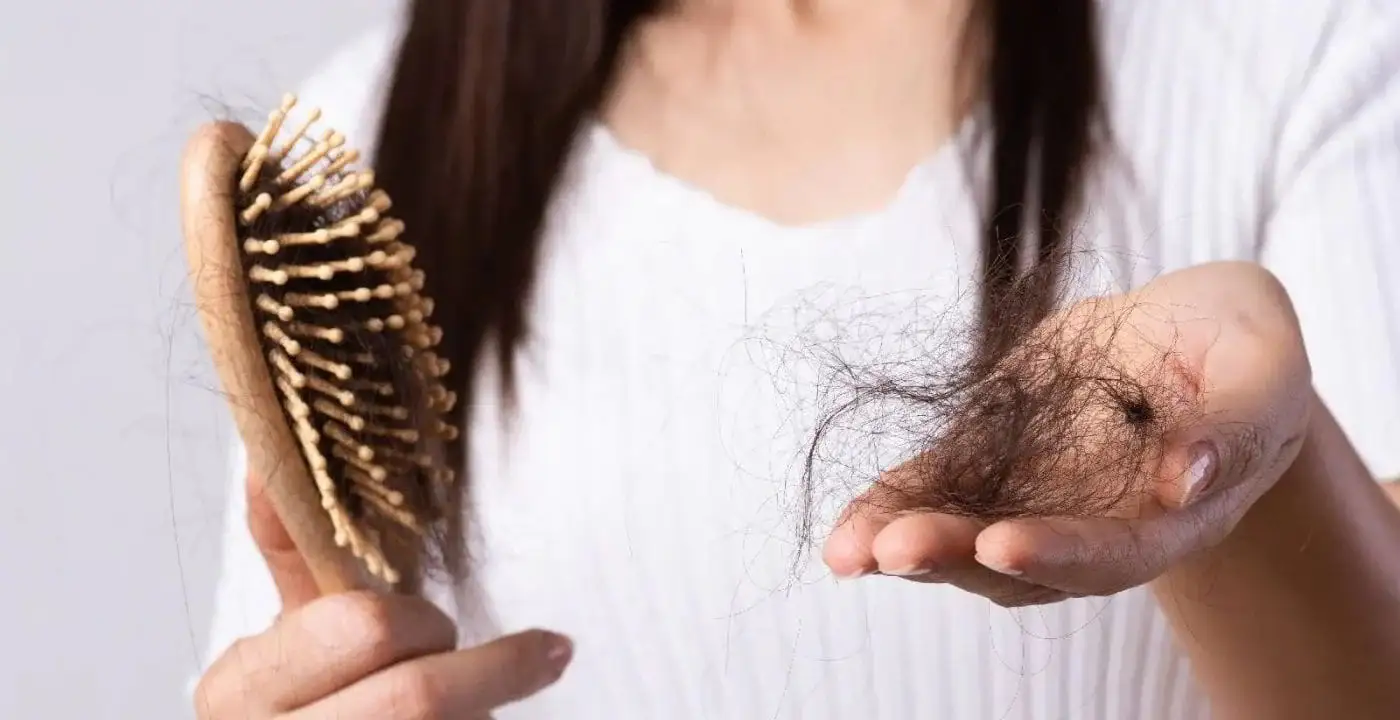
Via The Express Tribune
Thinning, shedding, or brittle hair should not be dismissed. Early evaluation can identify styling damage, nutritional issues, hormonal causes, or medical conditions.
Neglecting Gray Hair
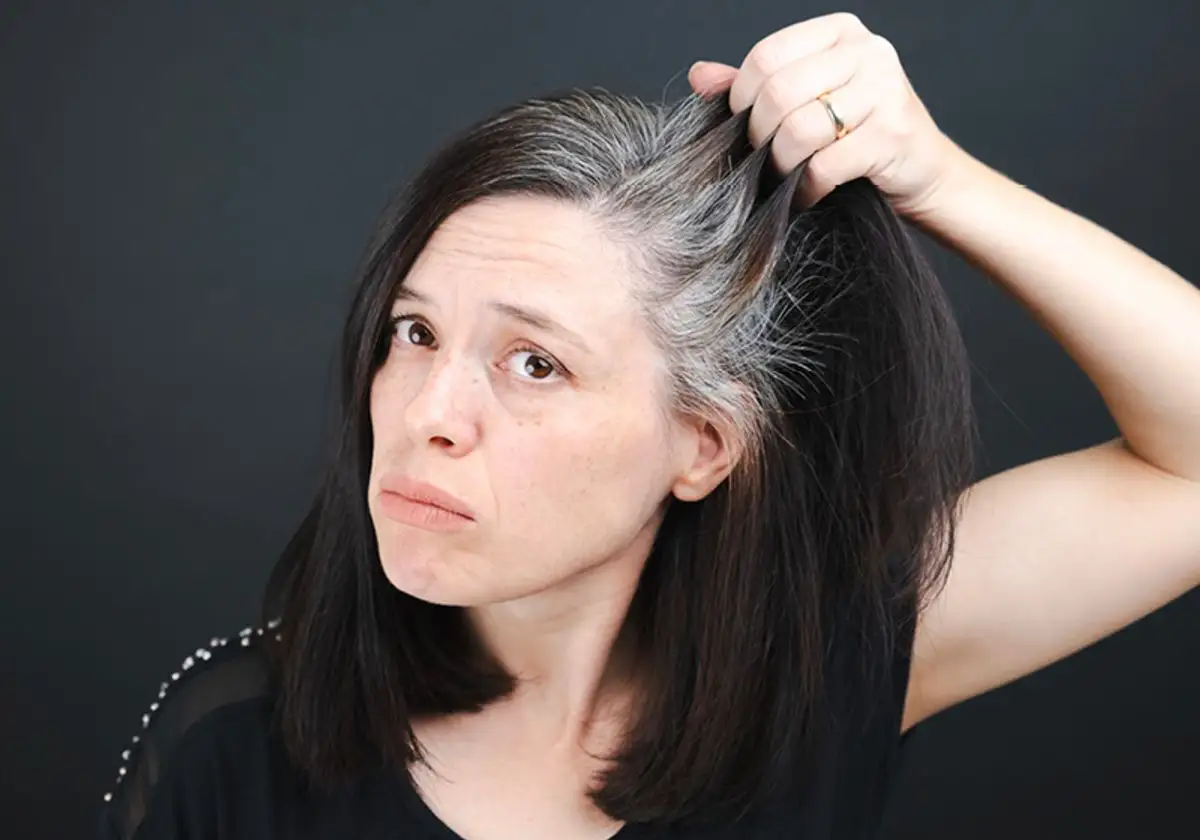
Via The Scientist
Gray strands may become dry, coarse, or brittle. Moisturizing care, gloss treatments, thoughtful lowlights, and regular trims can keep silver hair polished.
Ignoring Hair Shape
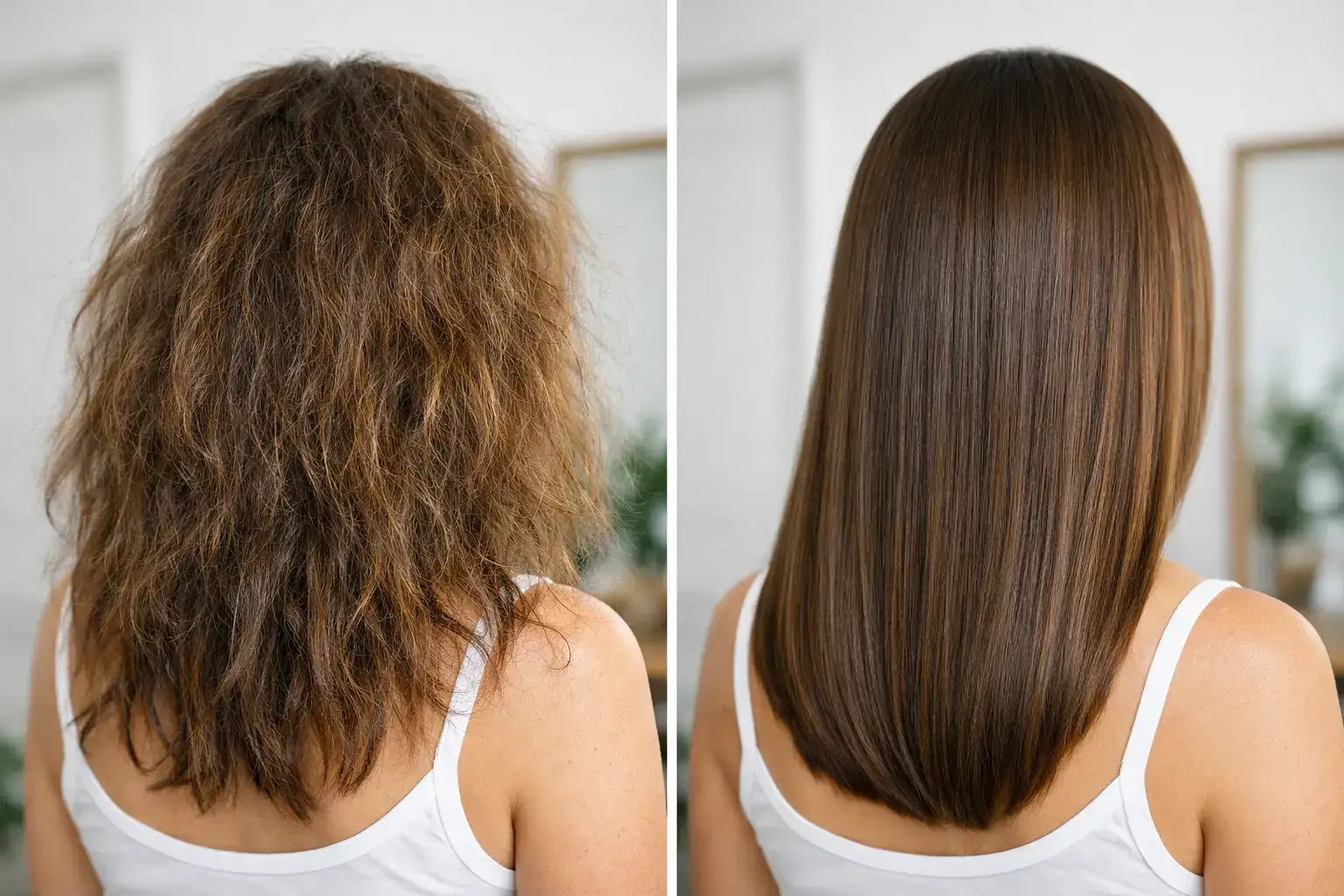
Via Trends By Devicci
A cut that fights natural texture or facial structure can look dated. Shape should reflect curl pattern, density, features, lifestyle, and styling habits.
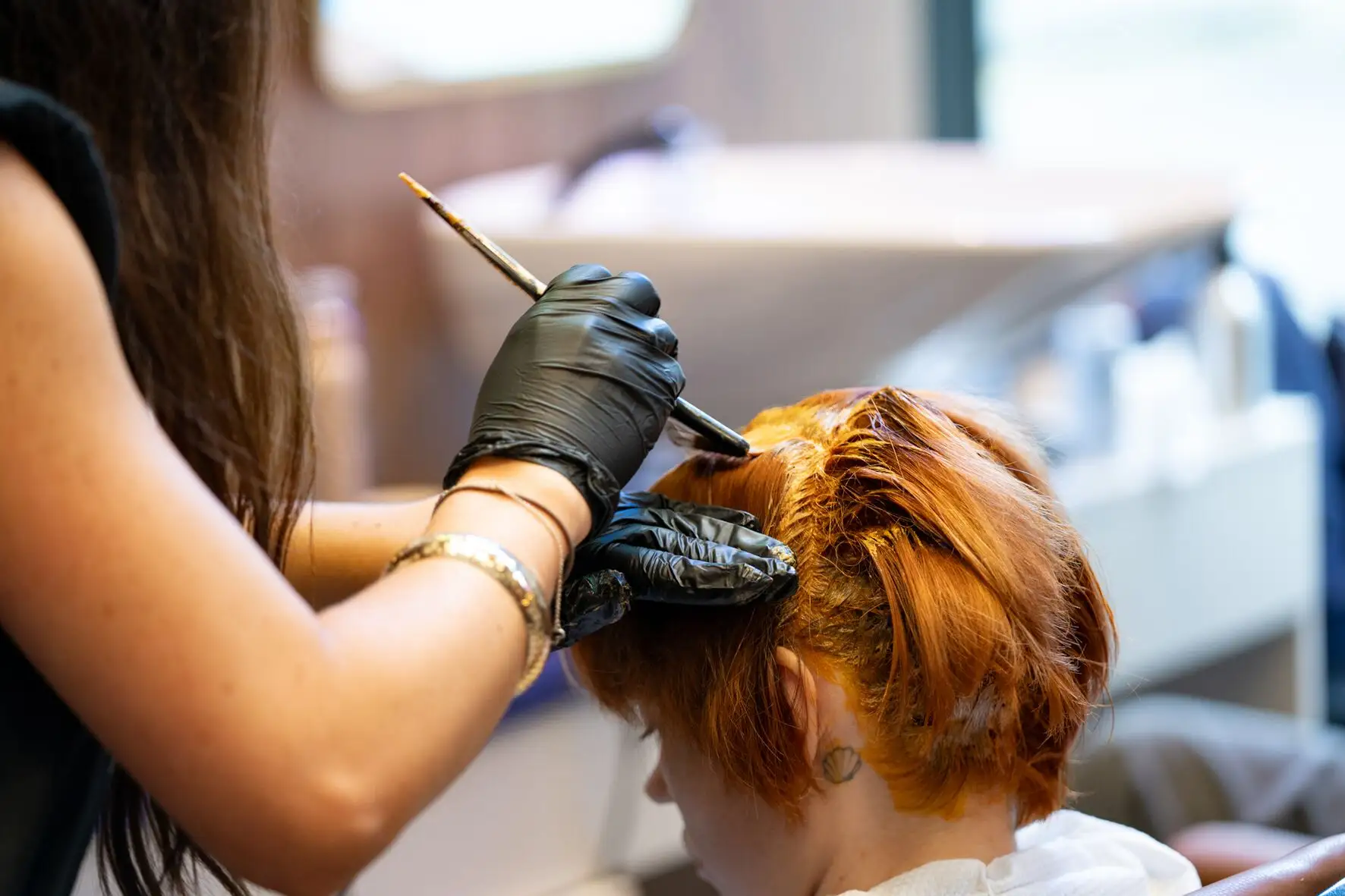
Skipping Root Maintenance
Via Keune
Noticeable regrowth can make color look unfinished, especially when roots differ sharply from dyed lengths. Planned touch-ups or blended color reduce harsh contrast.
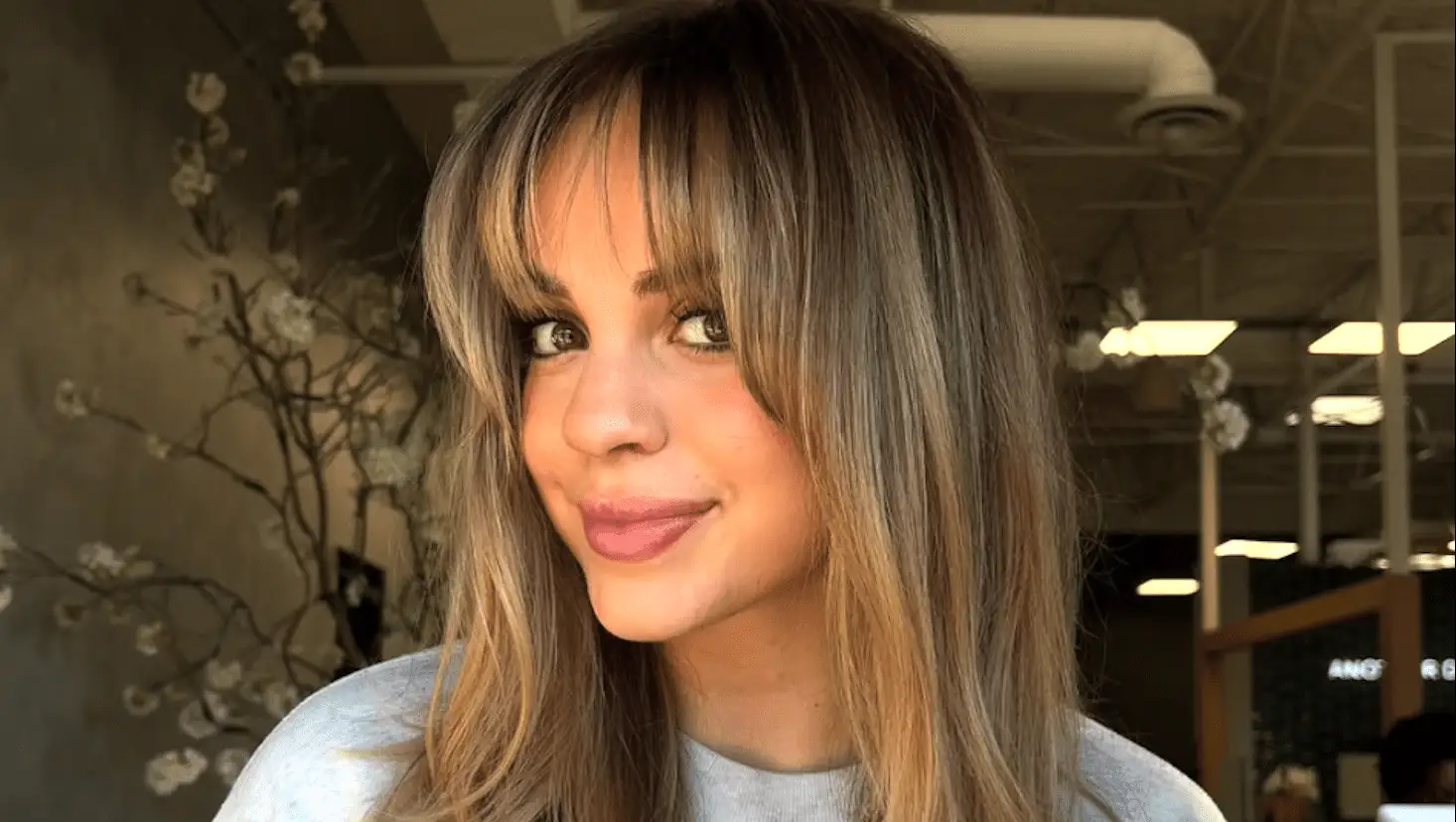
Copying the Wrong Hairstyle
Via Southern Living
Celebrity inspiration can mislead when hair texture, thickness, or length differs greatly. Reference photos with similar hair characteristics usually produce more realistic results.
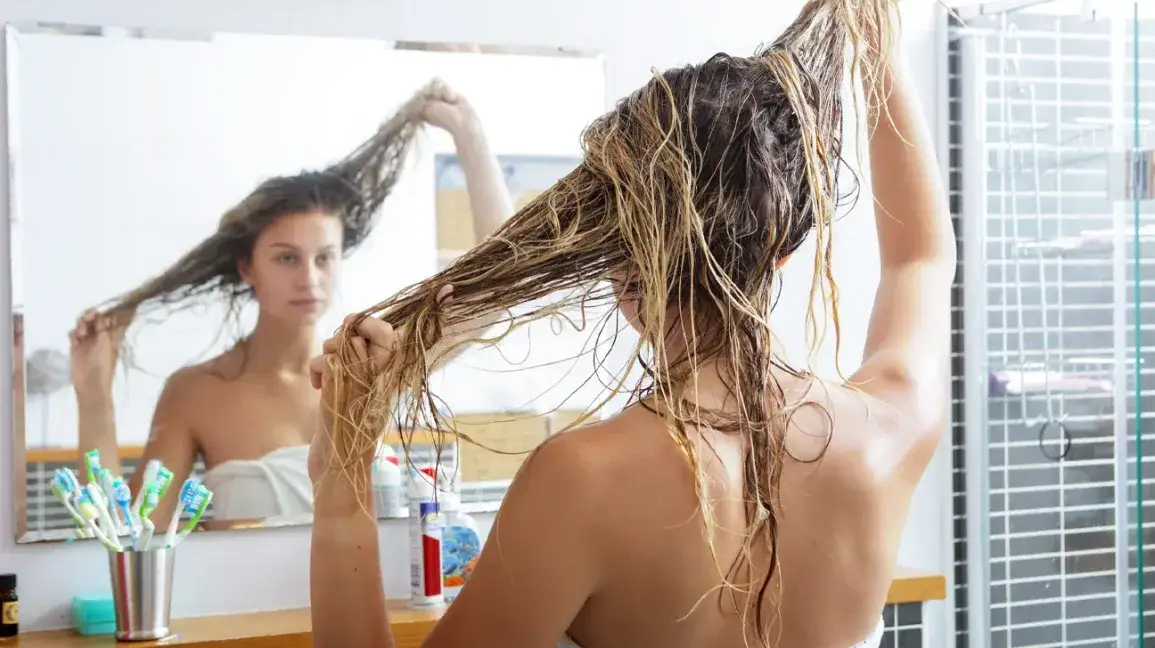
Staying Stuck in a Hair Rut
Via Healthline
Keeping the same style for decades can appear dated. Small updates to length, shape, parting, or texture can refresh a familiar look.
A Fresher Hair Strategy
A flattering hairstyle is rarely about looking dramatically younger. Strong results usually come from balance, health, proportion, and thoughtful maintenance. Hair that has movement, suitable volume, clean ends, and a shape matched to natural texture tends to look more intentional. Small changes often matter more than extreme makeovers. Switching to a center part, trimming damaged ends, softening heavy bangs, adjusting layers, or choosing better-placed highlights may refresh the overall appearance without changing personal identity. The same principle applies to accessories, extensions, wigs, and gray hair. Each choice should support facial features rather than compete with them. Trends can provide ideas, but a current look does not require copying every popular cut or color.
Hair also changes with age, hormones, health, medication, stress, and daily styling habits. Persistent thinning, sudden shedding, breakage, or scalp problems deserve attention rather than camouflage alone. A qualified healthcare professional can assess possible medical causes, while an experienced stylist can recommend cuts and products suited to texture and density. Good care does not require an expensive shelf full of products. Gentle cleansing, appropriate conditioning, limited heat damage, regular trimming, scalp care, and realistic color maintenance can protect appearance and manageability. Gray hair can look striking when dryness is controlled, and shape remains polished. Fine hair can appear fuller with lighter products and smart cutting. Curly or coarse hair often benefits from a shape that respects natural movement.
The most aging hairstyle mistake may be ignoring change altogether. A favorite look can remain part of personal style while still being updated through subtle adjustments. Hair should fit current density, texture, face shape, routine, and comfort level. People do not need to abandon long hair, bangs, gray strands, or familiar accessories simply because of age. The better approach is to notice whether each choice still creates balance and supports healthy-looking hair. Regular review with a trusted stylist can help identify outdated proportions, excess weight, thinning ends, or color placement that no longer works well. Thoughtful decisions can keep a hairstyle fresh, practical, and expressive at any stage of life. Age is natural, and well-chosen hair can reflect confidence rather than an attempt to hide time.