Unassigned
Skin Aging: The Real Causes and What Actually Helps
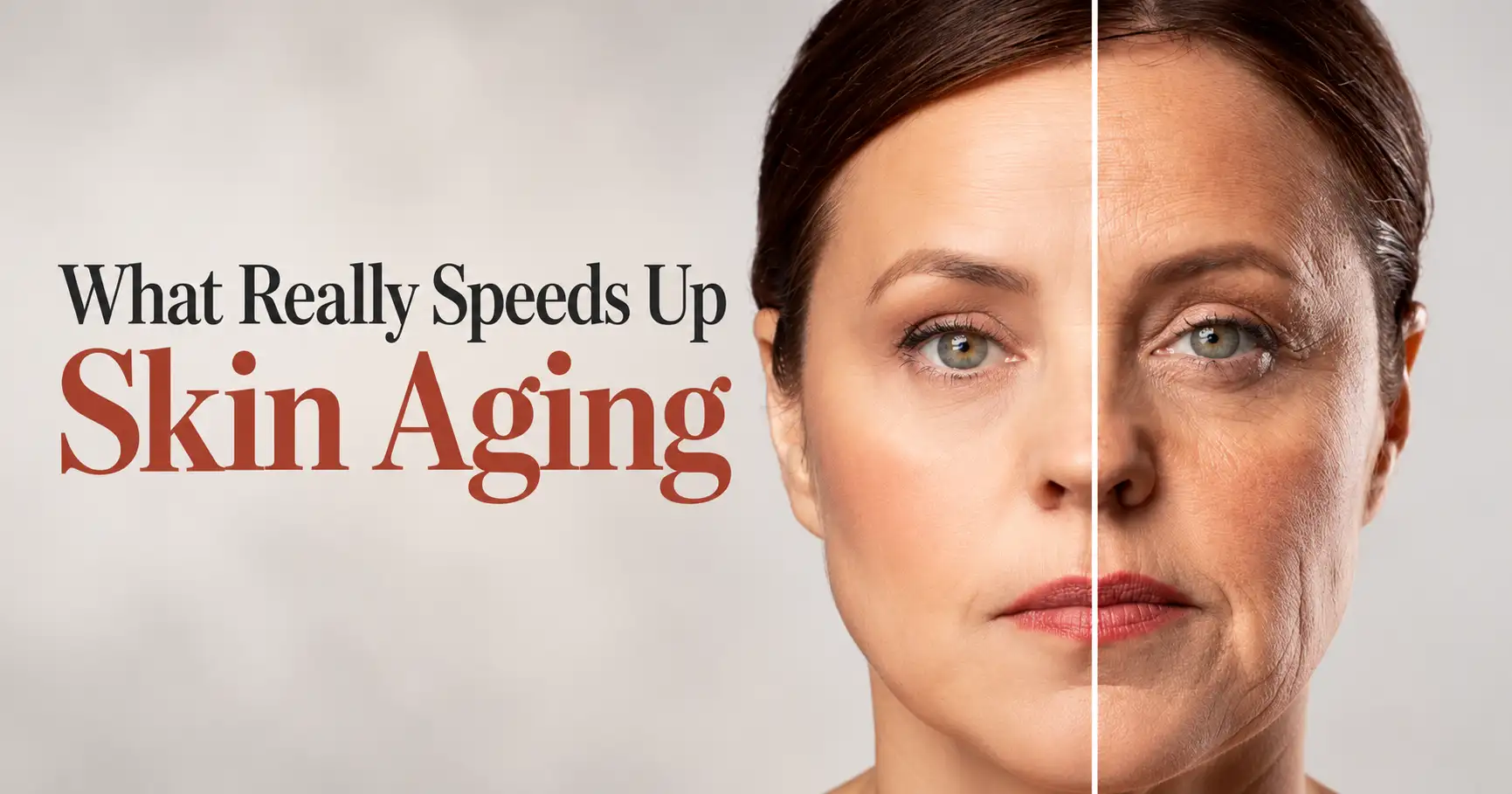
Skin aging is a gradual biological process that develops over many years rather than appearing suddenly. Many people first notice fine lines, dullness, dryness, or reduced firmness, yet these visible changes usually reflect bigger structural changes that have been taking place beneath the surface for a long period.
The skin naturally changes with age because its ability to repair, renew, and protect itself slowly becomes less efficient. Cell turnover decreases, collagen production slows, and elastin fibers become weaker, making the skin less smooth, less flexible, and more vulnerable to environmental damage over time.
 Via AARP
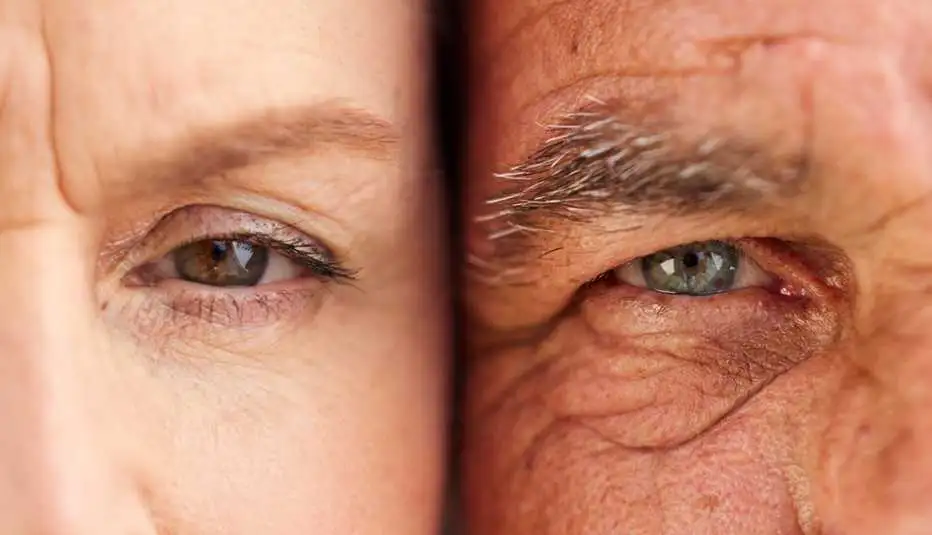
Healthy-looking skin depends on many connected processes working together instead of a single factor. Understanding how these natural changes occur helps explain why maintaining youthful skin requires consistent care, healthy habits, and protection from everyday environmental stress rather than relying on quick cosmetic solutions alone.
 Via Inner Balance
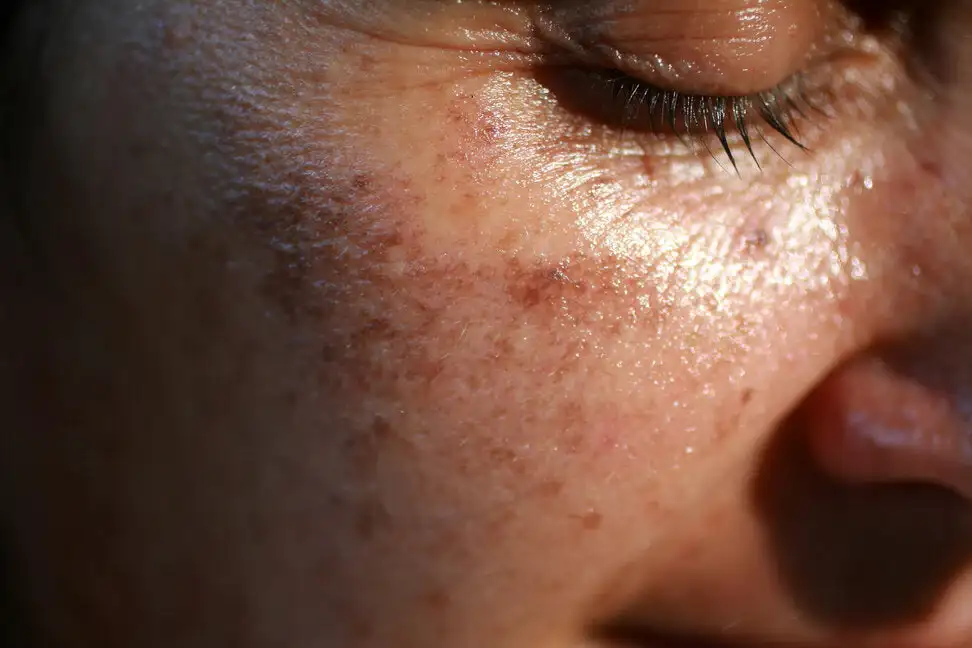
As collagen and elastin gradually decrease, the skin loses much of its structural support and elasticity. Cellular repair slows, oxidative damage builds within tissues, and hormonal changes further influence how efficiently the skin replaces damaged cells and maintains its natural strength and resilience.
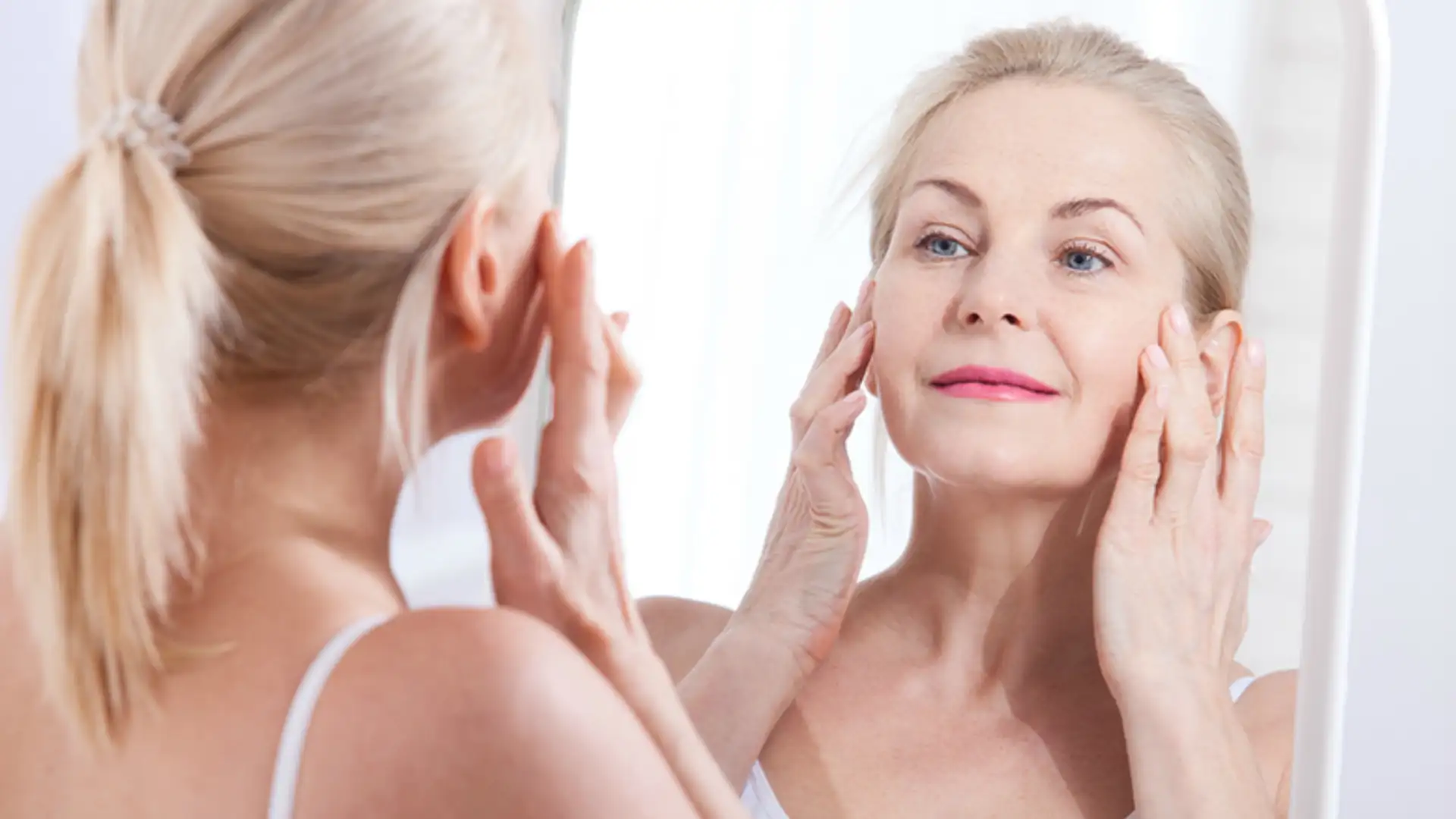
Genetics also contributes to the aging process by influencing skin thickness, elasticity, pigmentation, and repair capacity. While inherited characteristics cannot be changed, understanding their role highlights the importance of adopting daily habits that help preserve skin quality despite the natural biological progression of aging.
 Via Essential
 Via Usmass Memorial Health
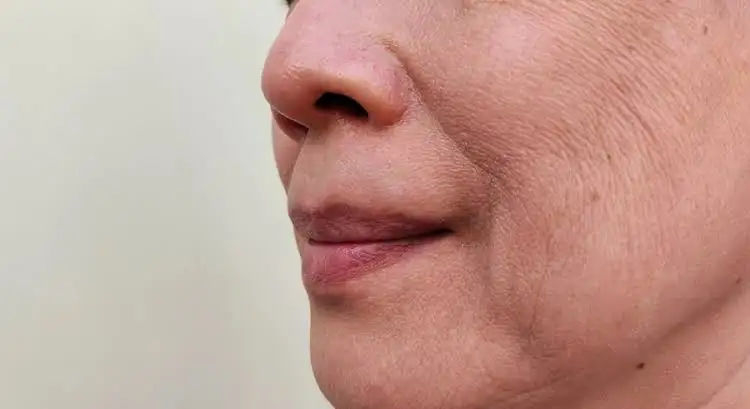
Climate conditions, repeated sun exposure, and everyday environmental pollutants create cumulative damage that becomes more noticeable with time. Protecting the skin from these external challenges is one of the most effective ways to reduce unnecessary aging while preserving a smoother and healthier appearance.
 Via KaramMD Skin
Poor sleeping habits, excessive alcohol consumption, smoking, and diets high in processed sugar may increase inflammation and oxidative stress within the body. These conditions can weaken collagen, slow cellular renewal, and reduce the skin's ability to recover from everyday environmental damage over time.
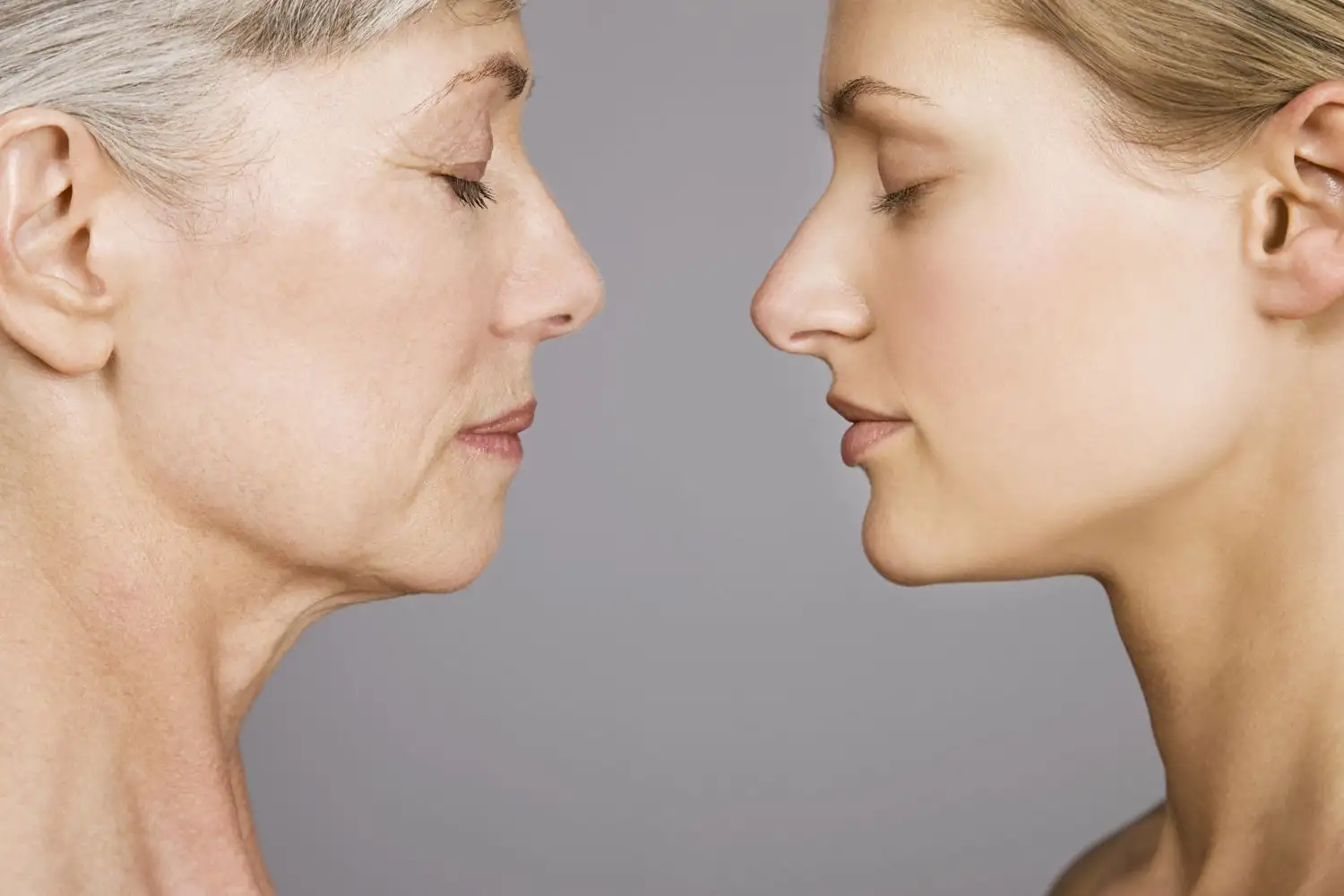
Long-term stress also affects skin health because elevated cortisol levels may interfere with normal repair processes and contribute to inflammation. Even repetitive facial expressions and constant muscle tension gradually encourage the formation of expression lines that become more noticeable with age.
 Via New York Facial Surgery
 Via Verywell Health
Within the deeper dermis, collagen and elastin fibers gradually break down because of aging, ultraviolet exposure, and oxidative stress. This structural decline reduces firmness, increases sagging, encourages wrinkle formation, and makes the skin less capable of bouncing back after stretching or repeated facial movements.
 Via Evie Ring
Getting enough quality sleep allows the body to repair damaged tissues and regulate hormones that influence skin renewal. Drinking sufficient water, eating nutrient-rich foods, managing stress through relaxation techniques, and staying physically active also contribute to healthier skin from the inside out.
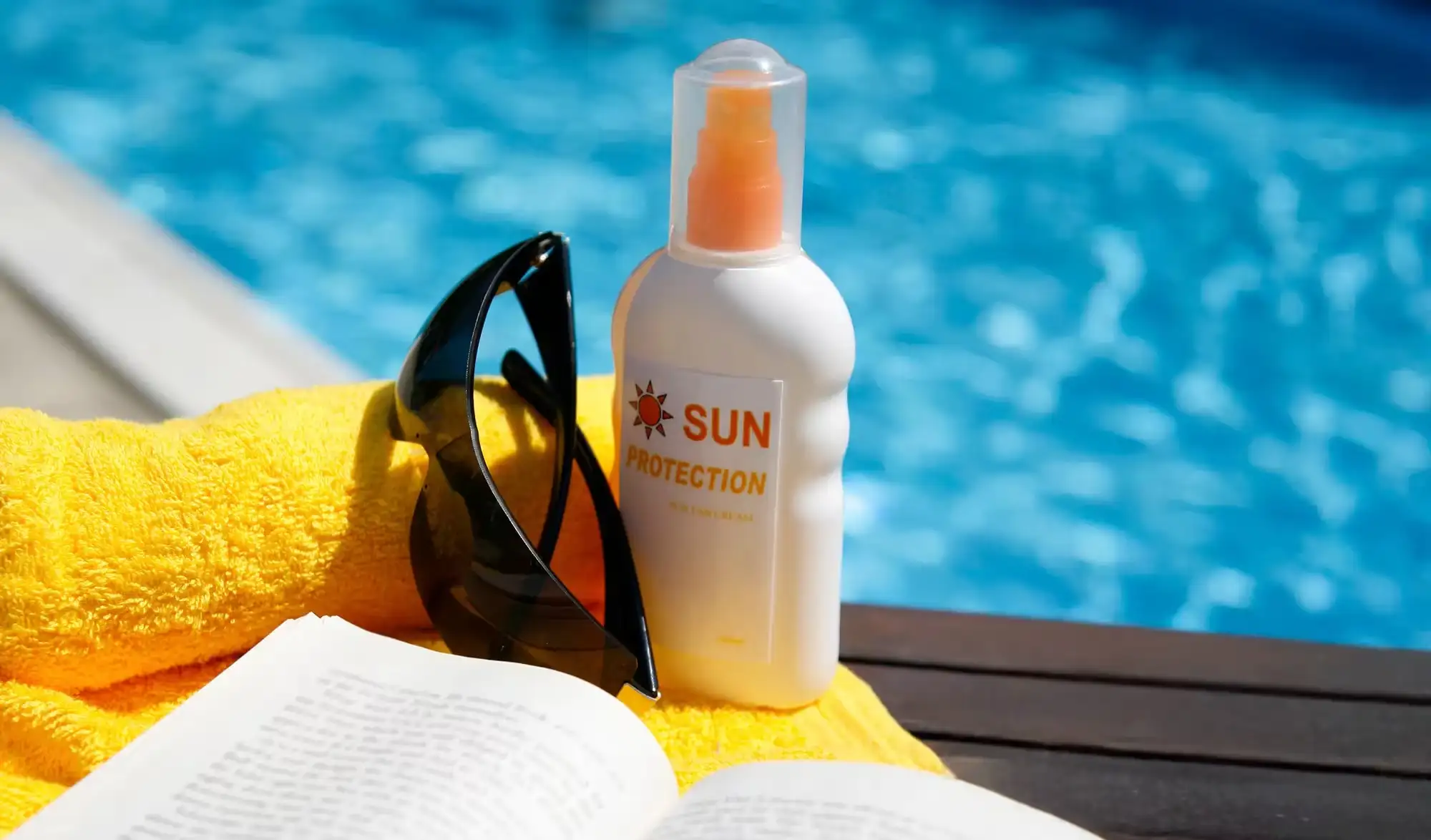
Daily sun protection remains one of the most effective ways to reduce premature skin aging because ultraviolet rays accelerate collagen breakdown. Applying sunscreen consistently, seeking shade during intense sunlight, and wearing protective clothing help minimize cumulative damage that builds steadily over many years.
 Via Cleveland Clinic
 Via Deyga Organics
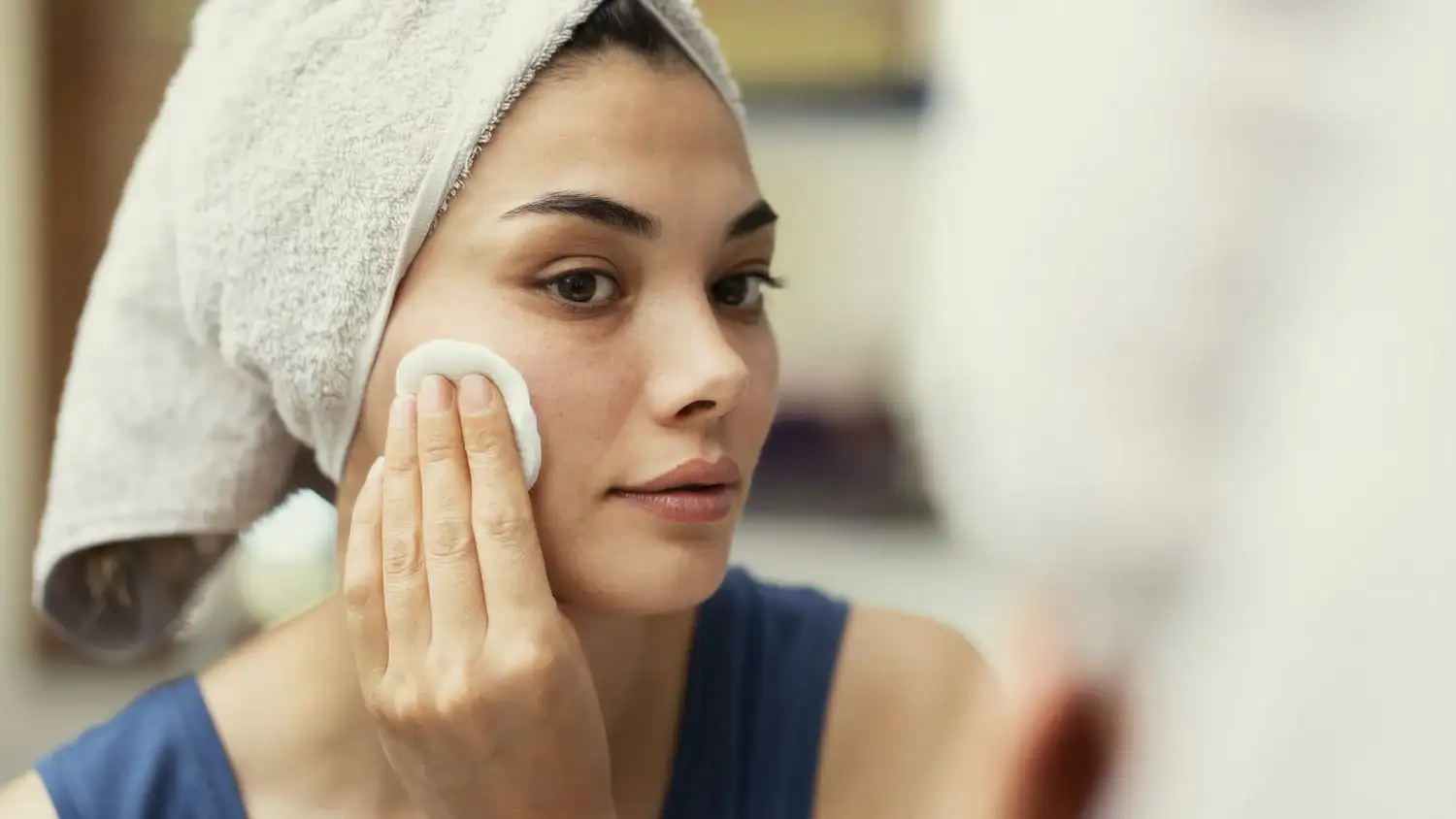
Using sunscreen every morning remains one of the most valuable steps in any skincare routine because it protects against ultraviolet damage. Adding targeted products according to individual skin concerns can further improve texture, brightness, and hydration without unnecessarily complicating the daily routine.
 Via Hebescobes
Retinoids are widely regarded as one of the most effective ingredients for improving skin renewal and encouraging collagen production. Vitamin C provides antioxidant protection against environmental damage while helping brighten uneven skin tone and supporting healthier collagen formation within the deeper layers.
Niacinamide strengthens the skin barrier, improves texture, and helps reduce uneven pigmentation, while hyaluronic acid attracts moisture to keep the skin comfortably hydrated. Peptides also contribute by supporting communication within skin cells, encouraging processes that help maintain firmness and improve overall skin resilience with regular use.
 Via Ancient + Brave
 Via Global Cosmetic Industry
This broader scientific approach encourages skincare products that combine multiple active ingredients working together instead of relying on one powerful compound. Supporting hydration, barrier strength, antioxidant protection, collagen production, and healthy cellular communication within the same routine may provide more balanced and lasting improvements over time.
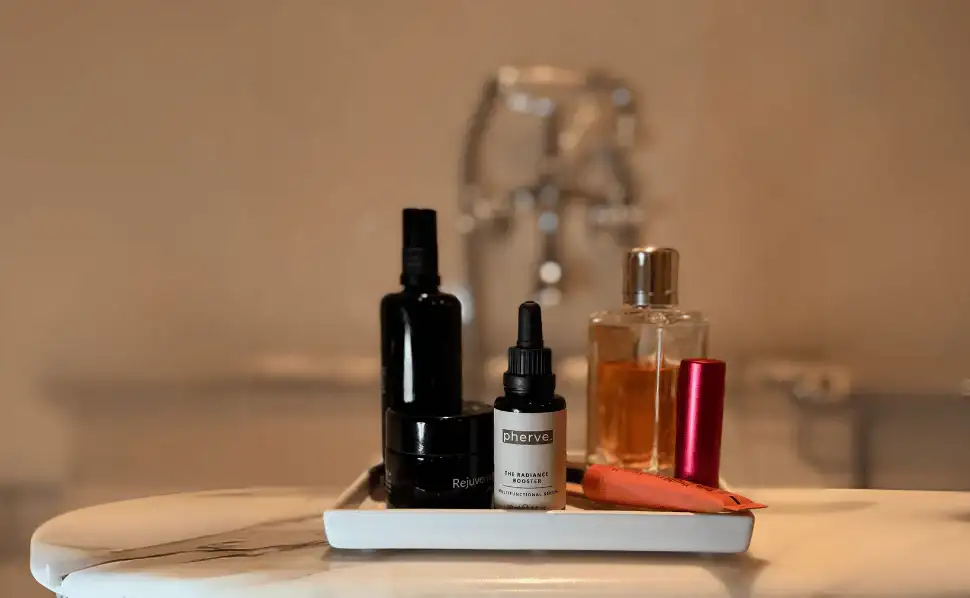 Rather than depending on a single active molecule, colostrum provides a complex combination of naturally occurring components that may help support collagen production, encourage fibroblast activity, strengthen the skin barrier, and assist normal repair processes. Research also suggests that its antioxidant and anti-inflammatory properties may contribute to healthier, more resilient skin.
Some skincare companies have incorporated liquid bovine colostrum into creams designed to support aging skin because it contains high concentrations of naturally occurring regenerative compounds. While ongoing research continues to examine its full potential, these formulations reflect the growing trend toward multifunctional skincare products that simplify routines while addressing several aspects of skin aging at once.

More in Unassigned
Via AARP
Healthy-looking skin depends on many connected processes working together instead of a single factor. Understanding how these natural changes occur helps explain why maintaining youthful skin requires consistent care, healthy habits, and protection from everyday environmental stress rather than relying on quick cosmetic solutions alone.
The Internal Changes That Influence Skin Aging
Natural aging begins inside the body long before visible signs appear on the skin. Research shows that collagen production starts declining during the mid-twenties, decreasing by roughly one to one and a half percent each year, even when the skin still appears youthful and healthy.
Via Inner Balance
As collagen and elastin gradually decrease, the skin loses much of its structural support and elasticity. Cellular repair slows, oxidative damage builds within tissues, and hormonal changes further influence how efficiently the skin replaces damaged cells and maintains its natural strength and resilience.
Genetics also contributes to the aging process by influencing skin thickness, elasticity, pigmentation, and repair capacity. While inherited characteristics cannot be changed, understanding their role highlights the importance of adopting daily habits that help preserve skin quality despite the natural biological progression of aging.
Via Essential
External Factors That Speed Up Skin Aging
Although natural aging cannot be avoided, external influences often determine how quickly visible changes develop. Among all environmental factors, prolonged exposure to ultraviolet rays is widely recognized as the leading cause of premature wrinkles, uneven pigmentation, reduced elasticity, and noticeable changes in skin texture. Pollution, cigarette smoke, and poor air quality also contribute to skin aging by increasing oxidative stress. These environmental stressors gradually damage collagen and elastin fibers while weakening the skin's natural protective barrier, making it more susceptible to dryness, irritation, and premature signs of aging.Via Usmass Memorial Health
Climate conditions, repeated sun exposure, and everyday environmental pollutants create cumulative damage that becomes more noticeable with time. Protecting the skin from these external challenges is one of the most effective ways to reduce unnecessary aging while preserving a smoother and healthier appearance.
Lifestyle Habits That Affect Skin Health
Daily lifestyle choices have a direct impact on how the skin looks and functions throughout life. Balanced nutrition, quality sleep, regular hydration, physical activity, and effective stress management all support the body's natural repair systems that contribute to healthier and stronger skin.
Via KaramMD Skin
Poor sleeping habits, excessive alcohol consumption, smoking, and diets high in processed sugar may increase inflammation and oxidative stress within the body. These conditions can weaken collagen, slow cellular renewal, and reduce the skin's ability to recover from everyday environmental damage over time.
Long-term stress also affects skin health because elevated cortisol levels may interfere with normal repair processes and contribute to inflammation. Even repetitive facial expressions and constant muscle tension gradually encourage the formation of expression lines that become more noticeable with age.
Via New York Facial Surgery
How Skin Aging Changes the Surface and Deeper Layers
Skin aging affects both the epidermis, which is the outer protective layer, and the dermis, which provides strength and elasticity. These layers work together to maintain smoothness, hydration, and resilience, but both gradually weaken as natural aging and environmental damage continue over the years. The epidermis experiences slower cell turnover, causing dead skin cells to remain on the surface for longer periods. As a result, the complexion may appear dull, rough, uneven, and less radiant, while the skin barrier becomes weaker and loses moisture more easily throughout the day.Via Verywell Health
Within the deeper dermis, collagen and elastin fibers gradually break down because of aging, ultraviolet exposure, and oxidative stress. This structural decline reduces firmness, increases sagging, encourages wrinkle formation, and makes the skin less capable of bouncing back after stretching or repeated facial movements.
Daily Habits That Can Help Slow Skin Aging
Although aging is a natural process, everyday habits can significantly influence how quickly visible changes appear. Consistent healthy routines support the body's repair mechanisms, helping the skin maintain hydration, strength, elasticity, and a brighter appearance throughout different stages of life.Via Evie Ring
Getting enough quality sleep allows the body to repair damaged tissues and regulate hormones that influence skin renewal. Drinking sufficient water, eating nutrient-rich foods, managing stress through relaxation techniques, and staying physically active also contribute to healthier skin from the inside out.
Daily sun protection remains one of the most effective ways to reduce premature skin aging because ultraviolet rays accelerate collagen breakdown. Applying sunscreen consistently, seeking shade during intense sunlight, and wearing protective clothing help minimize cumulative damage that builds steadily over many years.
Via Cleveland Clinic
The Important Role of a Consistent Skincare Routine
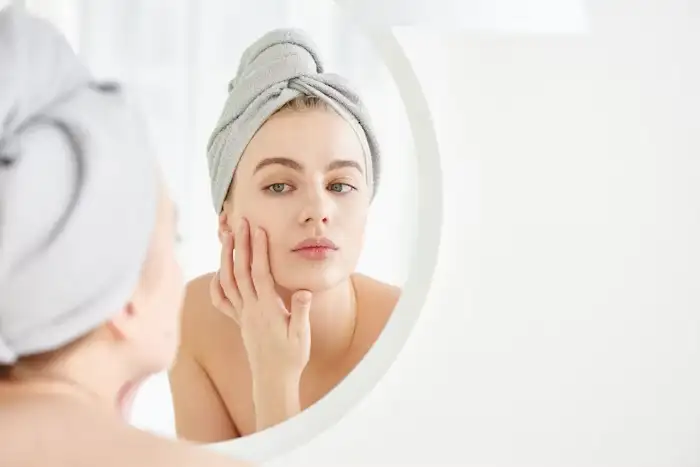
A well-planned skincare routine supports healthy skin by protecting its barrier, improving hydration, and reducing the effects of everyday environmental stress. While skincare products cannot completely stop biological aging, they help maintain smoother, healthier, and more comfortable skin when used consistently over time. Gentle cleansing removes dirt, excess oil, pollutants, and impurities without damaging the skin's protective barrier. Moisturizers help reduce water loss while strengthening the surface, allowing the skin to remain softer, more flexible, and better prepared to defend itself against daily environmental challenges.Via Deyga Organics
Using sunscreen every morning remains one of the most valuable steps in any skincare routine because it protects against ultraviolet damage. Adding targeted products according to individual skin concerns can further improve texture, brightness, and hydration without unnecessarily complicating the daily routine.
Proven Skincare Ingredients That Support Healthy Aging
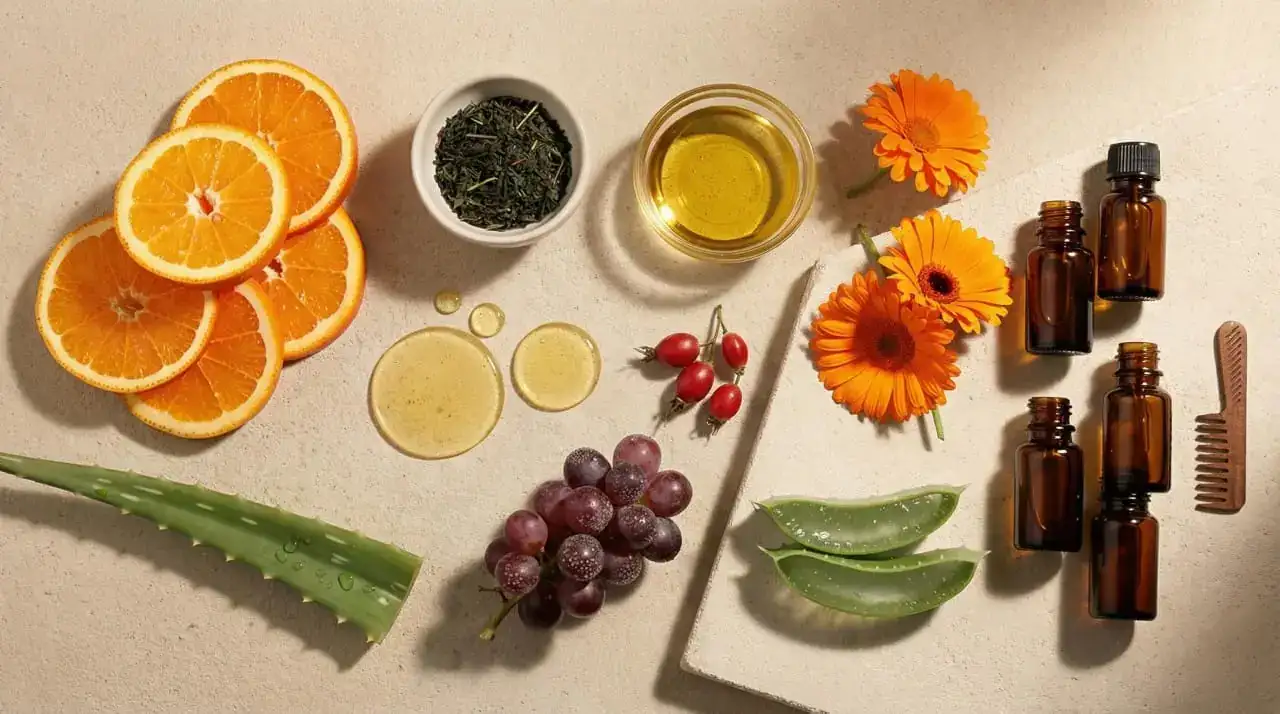
Certain skincare ingredients continue to earn strong scientific support because they address multiple aspects of skin aging. Rather than offering temporary improvements alone, these well-researched ingredients help maintain healthier skin by supporting renewal, hydration, collagen production, and barrier protection through consistent long-term use.Via Hebescobes
Retinoids are widely regarded as one of the most effective ingredients for improving skin renewal and encouraging collagen production. Vitamin C provides antioxidant protection against environmental damage while helping brighten uneven skin tone and supporting healthier collagen formation within the deeper layers.
Niacinamide strengthens the skin barrier, improves texture, and helps reduce uneven pigmentation, while hyaluronic acid attracts moisture to keep the skin comfortably hydrated. Peptides also contribute by supporting communication within skin cells, encouraging processes that help maintain firmness and improve overall skin resilience with regular use.
Via Ancient + Brave
The Shift Toward Smarter and More Advanced Skincare
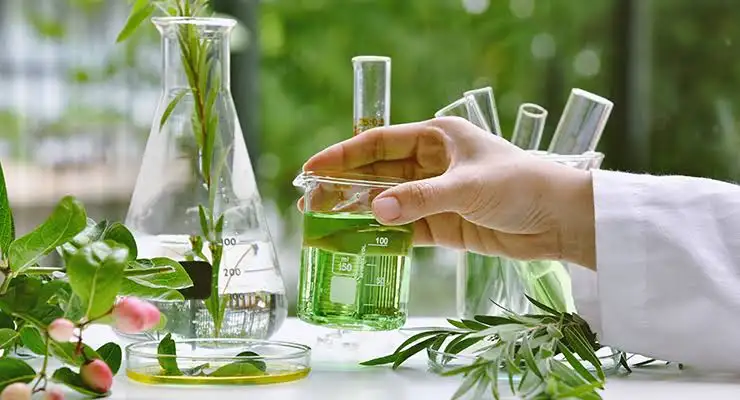
Modern skincare research is moving beyond products that focus on only one concern at a time. Scientists are developing formulations that support several biological processes simultaneously, recognizing that skin aging results from many interconnected changes rather than a single cause or a single damaged structure. Current studies are paying greater attention to skin longevity, cellular renewal, the skin microbiome, and the biological pathways involved in maintaining healthy tissue. Instead of targeting only wrinkles or dryness, many newer formulations aim to improve the skin's overall function, resilience, and long-term ability to repair itself.
Via Global Cosmetic Industry
This broader scientific approach encourages skincare products that combine multiple active ingredients working together instead of relying on one powerful compound. Supporting hydration, barrier strength, antioxidant protection, collagen production, and healthy cellular communication within the same routine may provide more balanced and lasting improvements over time.
Why Bioactive Ingredients Are Receiving More Attention
Researchers continue exploring naturally occurring bioactive ingredients because they contain several beneficial compounds that may support skin health through multiple biological pathways. One ingredient receiving increasing attention is colostrum, the first milk produced after birth, which naturally contains growth factors, peptides, immune-supporting compounds, and regenerative bioactive substances.
Rather than depending on a single active molecule, colostrum provides a complex combination of naturally occurring components that may help support collagen production, encourage fibroblast activity, strengthen the skin barrier, and assist normal repair processes. Research also suggests that its antioxidant and anti-inflammatory properties may contribute to healthier, more resilient skin.
Some skincare companies have incorporated liquid bovine colostrum into creams designed to support aging skin because it contains high concentrations of naturally occurring regenerative compounds. While ongoing research continues to examine its full potential, these formulations reflect the growing trend toward multifunctional skincare products that simplify routines while addressing several aspects of skin aging at once.