Unassigned
5 Foods That Reduce Seasonal Hair Loss, According to Experts
Seasonal hair shedding is a common concern, especially during the warmer months when many people notice more strands collecting in brushes, shower drains, or on clothing. While this change can seem alarming, mild seasonal hair loss is often a natural part of the hair growth cycle. Environmental changes, longer daylight hours, and shifts in lifestyle may all influence how hair follicles behave. Even though some shedding is expected, excessive hair fall can point to nutritional gaps or unhealthy daily habits that need attention.
Hair grows in different stages, including active growth, transition, resting, and shedding. When more follicles enter the shedding phase at the same time, hair loss becomes more noticeable. Nutrition experts explain that the weather itself is rarely the main reason behind seasonal shedding. Instead, poor dietary choices, dehydration, and nutrient deficiencies often weaken hair roots and reduce the strength of each strand.
 Via Calkin Boudreaux
Healthy hair depends on a continuous supply of essential nutrients. Hair follicles are among the most active tissues in the body, requiring protein, vitamins, minerals, and healthy fats every day. When these nutrients become limited, the body directs them toward more vital organs, leaving hair growth compromised. This is why eating nutrient-rich foods can play a significant role in reducing seasonal hair loss naturally.
 Via Extentions,Hair Extentions
Iron deficiency remains one of the leading nutritional causes of hair loss, particularly among women. Low iron levels reduce oxygen delivery to hair follicles, limiting their ability to produce healthy new hair. Vitamins such as vitamin D, vitamin B12, and folate also contribute to follicle health by supporting cell growth and repair. Zinc strengthens hair tissue, while omega-3 fatty acids help maintain scalp hydration and reduce inflammation.
Balanced eating habits are just as important as consuming individual superfoods. Skipping meals, following restrictive diets, or relying heavily on processed foods can create nutrient shortages over time. Maintaining regular meals with a variety of whole foods gives the body a steady supply of nutrients that support stronger, healthier hair throughout every season.
 Via Healthline
 Via Clevelandclini
Adding spinach to daily meals is both simple and versatile. Fresh spinach works well in salads, smoothies, soups, omelets, pasta dishes, and sandwiches. Light cooking also preserves many nutrients while making the vegetable easier to digest. Consistent intake provides the body with important vitamins and minerals that contribute to healthier hair throughout the year.
 Via ekogram
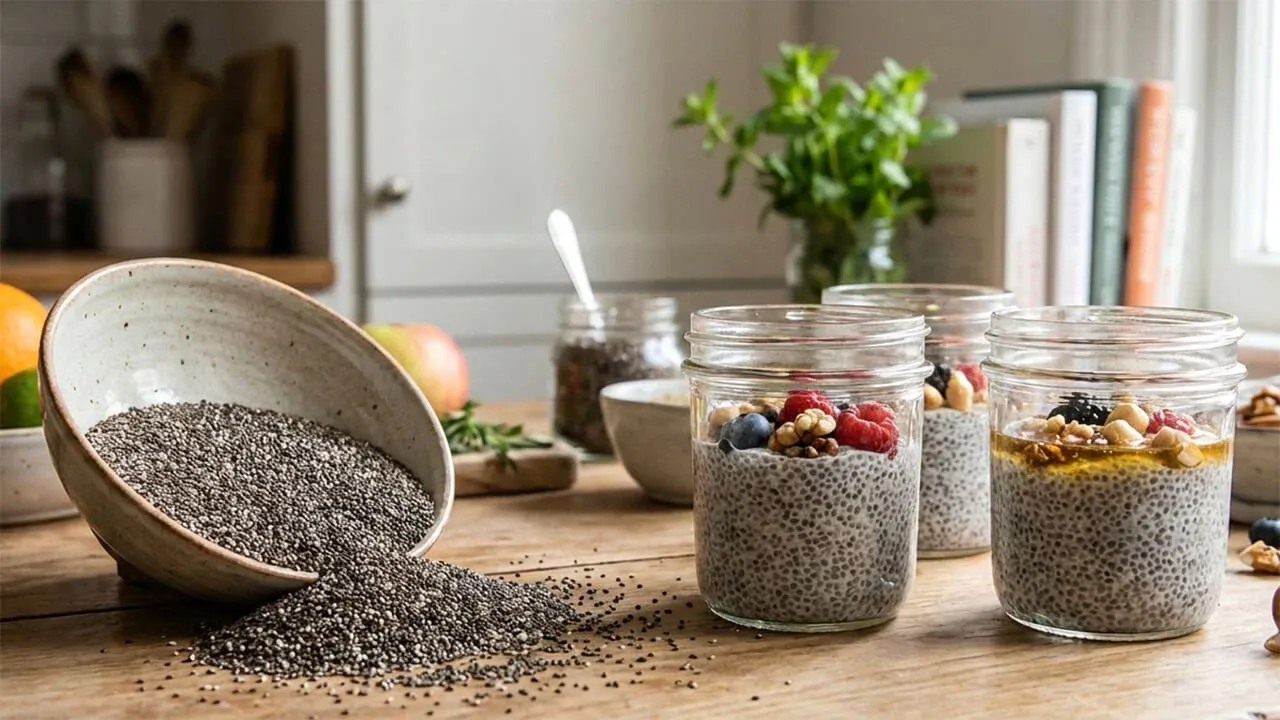
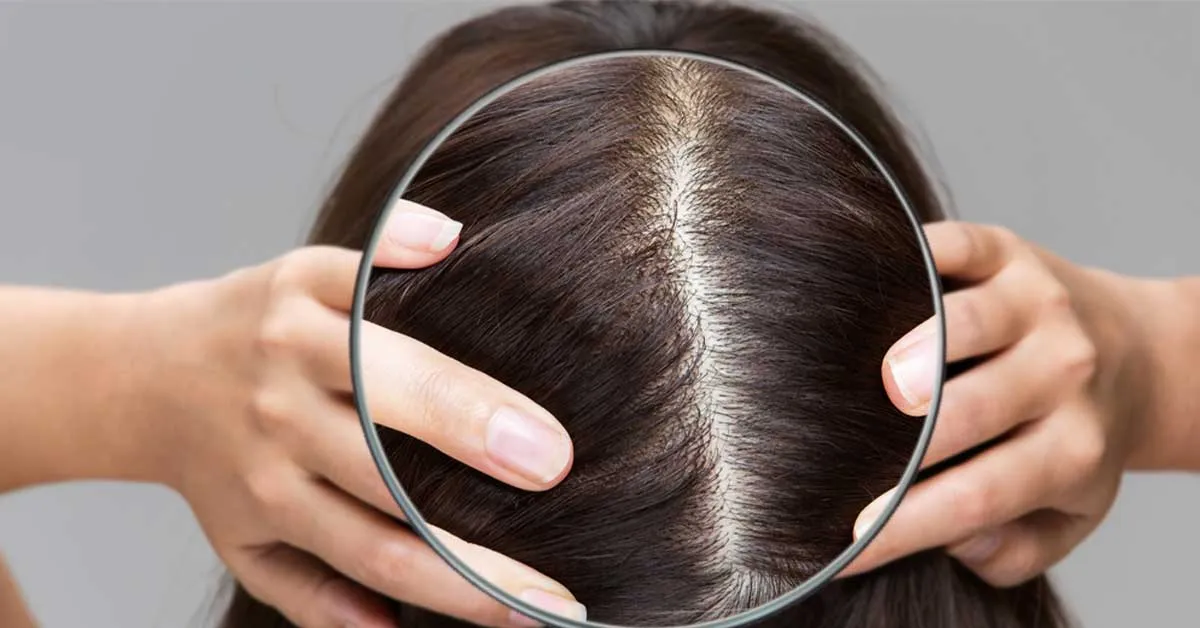
Dryness and irritation of the scalp may contribute to unhealthy hair growth conditions. Healthy fats found in chia seeds improve moisture retention, helping reduce dryness and flaking. Their antioxidant content also protects hair follicles from damage caused by oxidative stress, which may weaken hair over time.
Chia seeds are easy to include in everyday meals. They can be stirred into yogurt, sprinkled over oatmeal, blended into smoothies, or soaked overnight to create nutritious puddings. Even small daily servings contribute beneficial nutrients that support stronger hair while improving overall nutritional balance.
 Via RHRLI
 Via Dr Earth
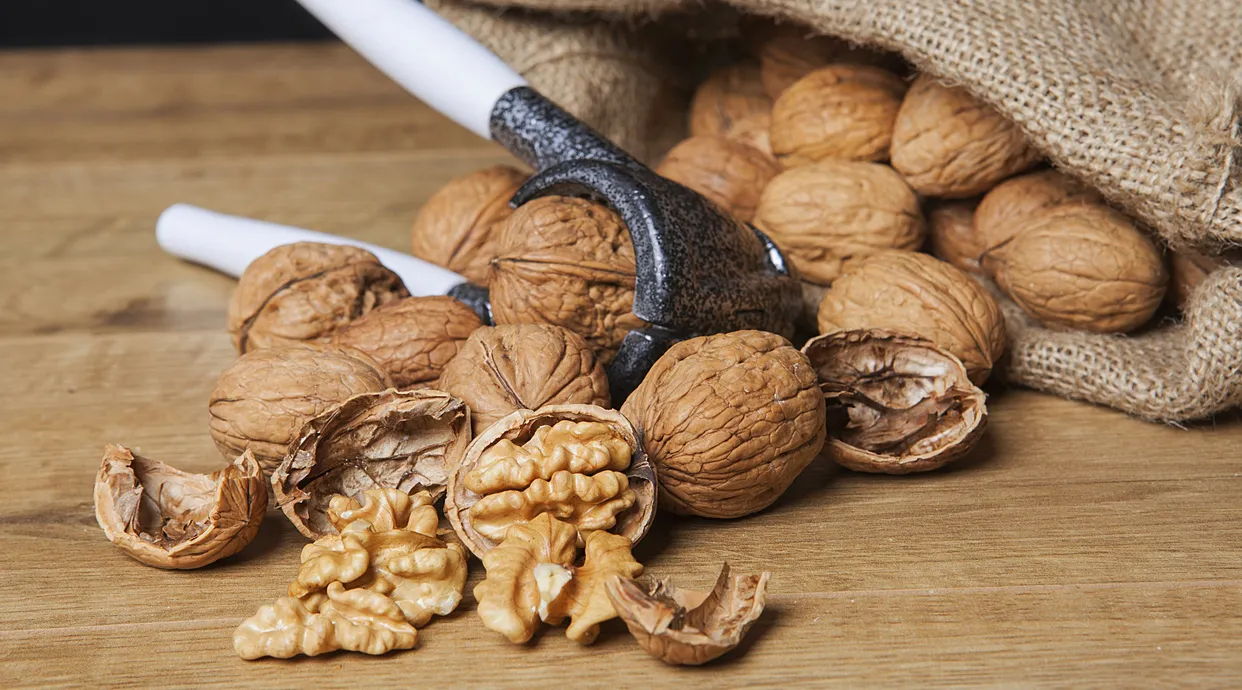
Including walnuts as a daily snack offers long-term nutritional benefits. They can also be added to breakfast cereals, salads, baked goods, or yogurt. Since they are calorie-dense, moderate portions are usually sufficient to provide valuable nutrients without excessive calorie intake.
 Via New England Cheese Making
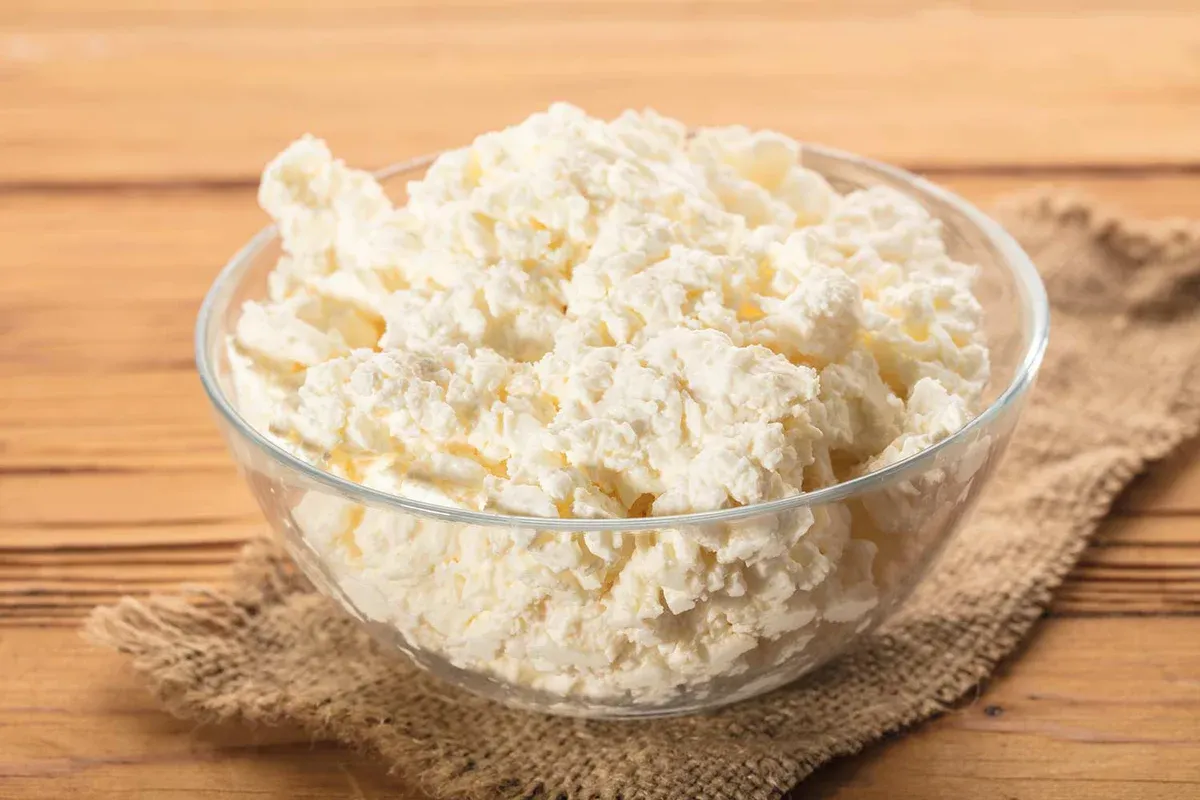
Besides protein, cottage cheese supplies calcium, phosphorus, vitamin B12, and other nutrients that support healthy cells throughout the body. Calcium contributes to overall cellular function, while vitamin B12 helps maintain healthy red blood cells responsible for delivering oxygen and nutrients to the scalp.
This dairy product fits easily into breakfast, lunch, or dinner. It pairs well with fruit, vegetables, whole-grain toast, or herbs for both sweet and savory meals. For vegetarians seeking reliable protein sources, cottage cheese provides an effective way to support healthy hair growth naturally.
 Via Dr Serk Anaygin
 Via Cleveland Clinic
Preparing salmon through baking, grilling, steaming, or air frying preserves both flavor and nutrition. Eating fatty fish regularly as part of a balanced diet may improve hair density while reducing dryness and excessive shedding over time.
 Via Reequll
Crash dieting, prolonged fasting, and sudden weight loss frequently trigger a condition called telogen effluvium, where a larger number of hair follicles enter the shedding phase simultaneously. Poor digestive health may further reduce the body's ability to absorb important nutrients such as iron, zinc, and B vitamins, limiting the benefits of even a healthy diet.
Other lifestyle factors also contribute to excessive hair shedding. Chronic dehydration, excessive caffeine intake, inadequate sleep, ongoing stress, and overtraining during exercise may all interfere with the normal hair growth cycle. Addressing these habits often improves overall hair health alongside nutritional changes.
 Via Lone Star IV Medic
 Via Healthline
Consistent nutrition remains one of the strongest long-term strategies for reducing seasonal hair loss. Rather than relying on temporary diets, maintaining balanced meals with adequate protein, healthy fats, fruits, vegetables, and whole grains allows hair follicles to receive steady nourishment every day. When nutritional deficiencies are suspected, healthcare professionals may recommend blood testing and appropriate supplementation.
 Via Hairfinity
Long-lasting improvements come from combining nutritious foods with healthy lifestyle habits. Staying hydrated, avoiding restrictive diets, sleeping well, managing stress, and maintaining regular physical activity all create favorable conditions for stronger hair growth. Small daily choices often have a greater impact than occasional treatments or expensive cosmetic products.
Seasonal hair shedding can feel frustrating, but it often responds well to improved nutrition and consistent self-care. Focusing on whole foods, balanced meals, and healthy routines gives hair follicles the resources they need to grow stronger, healthier strands throughout every season while supporting overall wellness at the same time.
More in Unassigned
Via Calkin Boudreaux
Healthy hair depends on a continuous supply of essential nutrients. Hair follicles are among the most active tissues in the body, requiring protein, vitamins, minerals, and healthy fats every day. When these nutrients become limited, the body directs them toward more vital organs, leaving hair growth compromised. This is why eating nutrient-rich foods can play a significant role in reducing seasonal hair loss naturally.
The Connection Between Nutrition and Healthy Hair
Food serves as the foundation for healthy hair growth because every strand is built from nutrients absorbed through the diet. Hair follicles require consistent nourishment to produce strong keratin, the protein responsible for hair structure. Without enough protein, iron, or essential vitamins, the growth cycle slows, causing increased shedding and weaker strands.Via Extentions,Hair Extentions
Iron deficiency remains one of the leading nutritional causes of hair loss, particularly among women. Low iron levels reduce oxygen delivery to hair follicles, limiting their ability to produce healthy new hair. Vitamins such as vitamin D, vitamin B12, and folate also contribute to follicle health by supporting cell growth and repair. Zinc strengthens hair tissue, while omega-3 fatty acids help maintain scalp hydration and reduce inflammation.
Balanced eating habits are just as important as consuming individual superfoods. Skipping meals, following restrictive diets, or relying heavily on processed foods can create nutrient shortages over time. Maintaining regular meals with a variety of whole foods gives the body a steady supply of nutrients that support stronger, healthier hair throughout every season.
Via Healthline
Spinach Supports Stronger Hair Growth
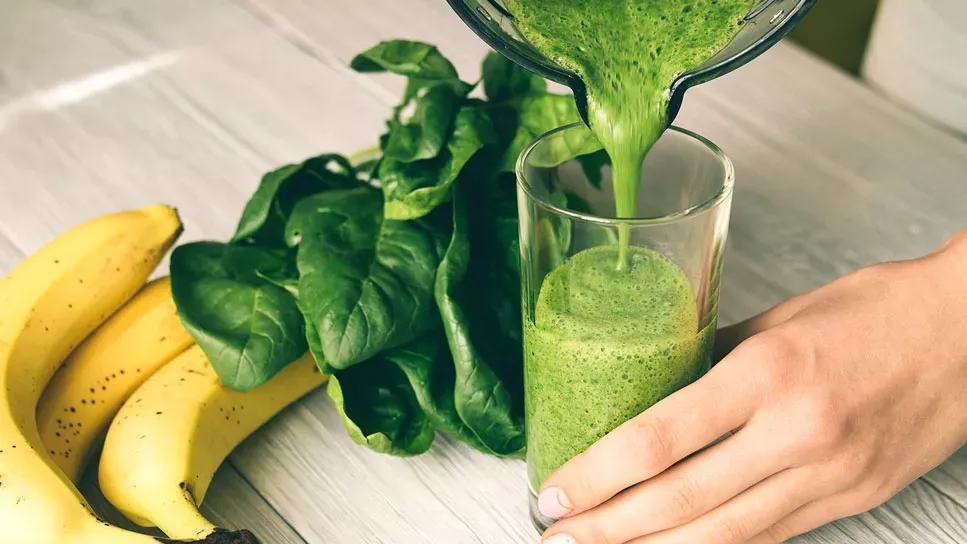
Spinach is widely recognized as one of the best vegetables for supporting healthy hair. It provides iron, folate, vitamin A, vitamin C, and antioxidants that nourish hair follicles from within. Iron improves oxygen circulation to the scalp, helping follicles remain active and productive. Folate supports healthy cell division, while vitamin A assists in producing natural scalp oils that keep hair moisturized. Vitamin C found in spinach enhances the body's ability to absorb plant-based iron more effectively. This combination makes spinach especially beneficial for individuals following vegetarian or plant-based diets. Regular consumption can help prevent iron deficiency while supporting stronger roots and healthier hair growth over time.
Via Clevelandclini
Adding spinach to daily meals is both simple and versatile. Fresh spinach works well in salads, smoothies, soups, omelets, pasta dishes, and sandwiches. Light cooking also preserves many nutrients while making the vegetable easier to digest. Consistent intake provides the body with important vitamins and minerals that contribute to healthier hair throughout the year.
Chia Seeds Nourish the Scalp
Despite their tiny size, chia seeds contain an impressive nutritional profile that benefits both scalp health and hair growth. These seeds are rich in omega-3 fatty acids, fiber, protein, calcium, magnesium, and antioxidants. Omega-3 fats help reduce inflammation around hair follicles while supporting a hydrated, balanced scalp environment.Via ekogram
Dryness and irritation of the scalp may contribute to unhealthy hair growth conditions. Healthy fats found in chia seeds improve moisture retention, helping reduce dryness and flaking. Their antioxidant content also protects hair follicles from damage caused by oxidative stress, which may weaken hair over time.
Chia seeds are easy to include in everyday meals. They can be stirred into yogurt, sprinkled over oatmeal, blended into smoothies, or soaked overnight to create nutritious puddings. Even small daily servings contribute beneficial nutrients that support stronger hair while improving overall nutritional balance.
Via RHRLI
Walnuts Provide Healthy Fats for Hair
Walnuts are packed with nutrients that directly support healthy hair follicles. They supply omega-3 fatty acids, vitamin E, copper, selenium, biotin, and plant-based protein. These nutrients work together to reduce inflammation, strengthen hair shafts, and encourage healthier scalp conditions. Vitamin E functions as a powerful antioxidant that helps protect scalp cells from free radical damage. Copper supports natural hair pigmentation by contributing to melanin production, while selenium plays a role in maintaining normal follicle function. Healthy fats contained in walnuts also help improve hair softness and shine.Via Dr Earth
Including walnuts as a daily snack offers long-term nutritional benefits. They can also be added to breakfast cereals, salads, baked goods, or yogurt. Since they are calorie-dense, moderate portions are usually sufficient to provide valuable nutrients without excessive calorie intake.
Cottage Cheese Builds Hair Structure
Cottage cheese offers an excellent source of high-quality protein, making it particularly valuable for maintaining healthy hair. Hair consists primarily of keratin, a structural protein that depends on adequate dietary protein for continuous production. Without enough protein, hair growth slows, and increased shedding may occur.Via New England Cheese Making
Besides protein, cottage cheese supplies calcium, phosphorus, vitamin B12, and other nutrients that support healthy cells throughout the body. Calcium contributes to overall cellular function, while vitamin B12 helps maintain healthy red blood cells responsible for delivering oxygen and nutrients to the scalp.
This dairy product fits easily into breakfast, lunch, or dinner. It pairs well with fruit, vegetables, whole-grain toast, or herbs for both sweet and savory meals. For vegetarians seeking reliable protein sources, cottage cheese provides an effective way to support healthy hair growth naturally.
Via Dr Serk Anaygin
Salmon Delivers Essential Hair Nutrients
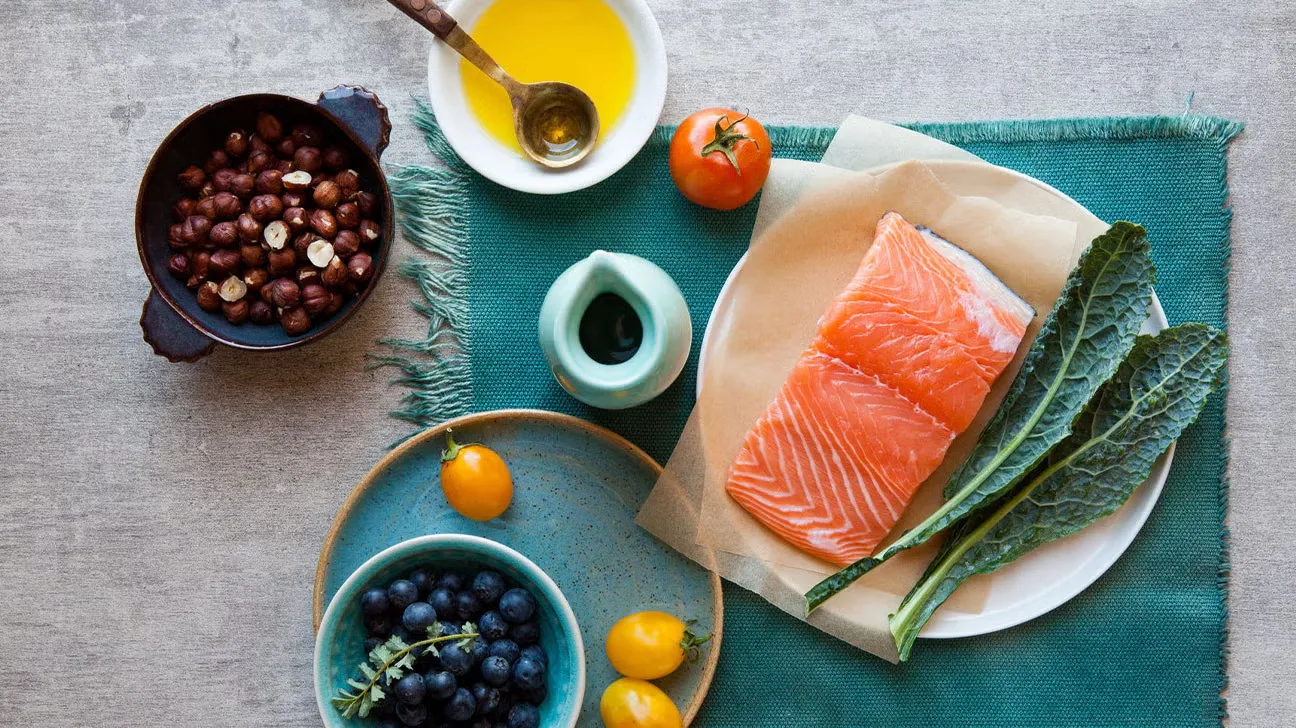
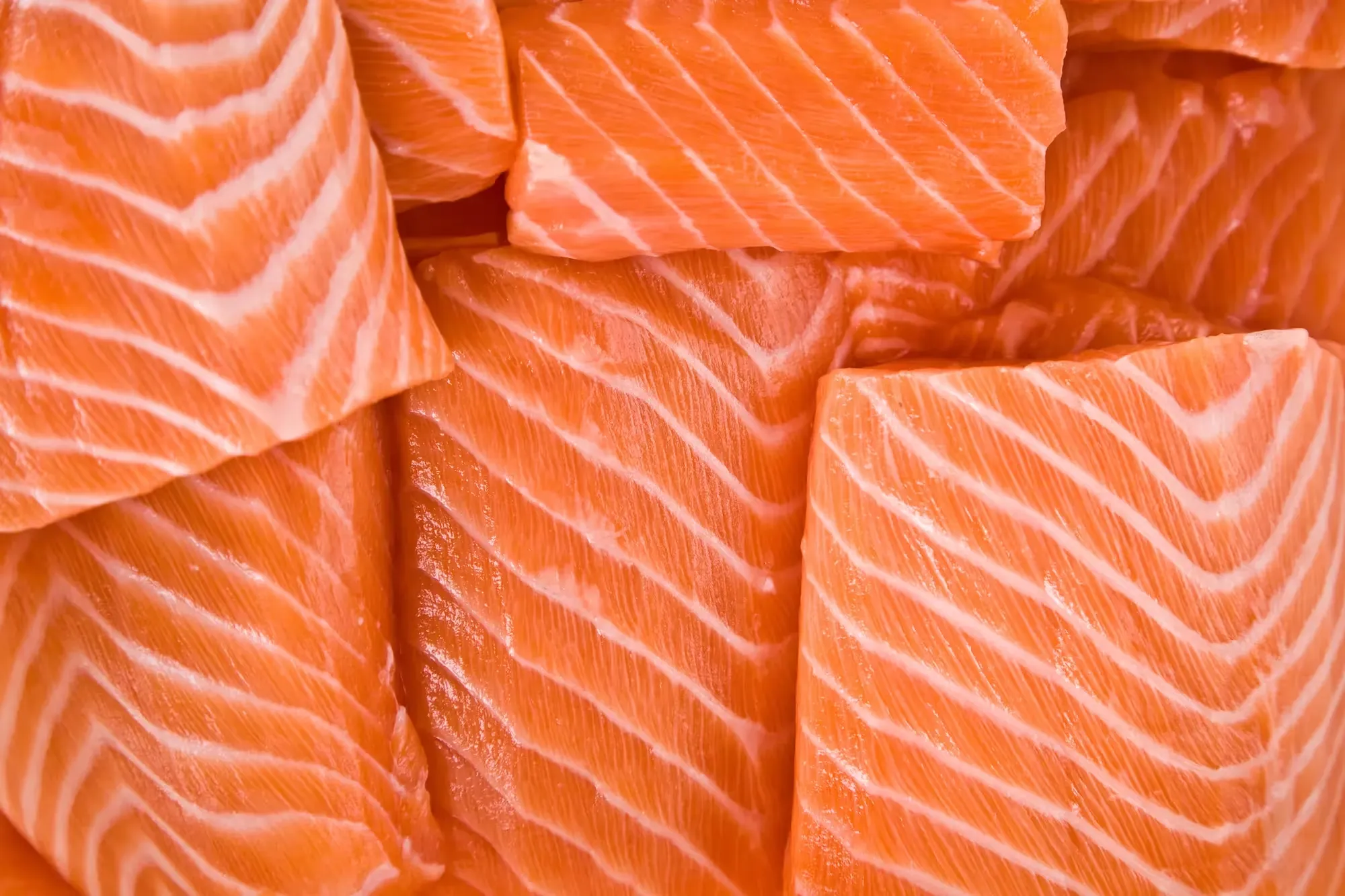
Salmon is considered one of the most beneficial foods for maintaining healthy hair because it combines several important nutrients in one serving. It provides complete protein, omega-3 fatty acids, vitamin D, vitamin B12, and selenium. Together, these nutrients help strengthen hair strands while supporting a healthy scalp. Omega-3 fatty acids reduce inflammation and improve scalp moisture, creating favorable conditions for consistent hair growth. Vitamin D supports healthy follicle activity, while protein supplies the building blocks necessary for producing strong keratin. Selenium contributes to healthy thyroid function, which also plays a role in maintaining normal hair growth.Via Cleveland Clinic
Preparing salmon through baking, grilling, steaming, or air frying preserves both flavor and nutrition. Eating fatty fish regularly as part of a balanced diet may improve hair density while reducing dryness and excessive shedding over time.
Everyday Habits That Can Increase Hair Shedding
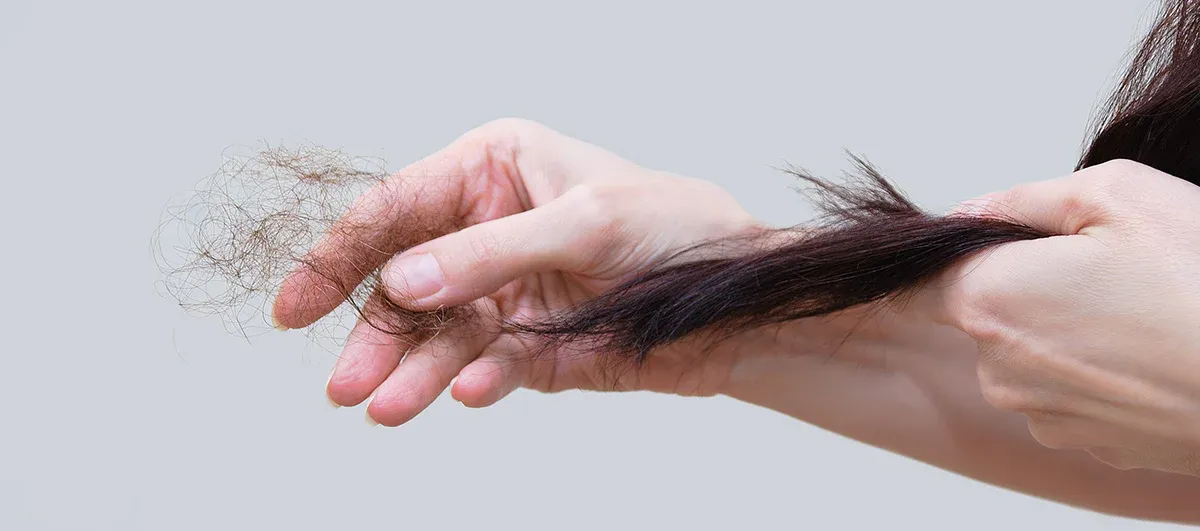
Healthy eating alone cannot completely prevent seasonal hair loss if daily habits continue to place stress on the body. One of the most common problems is inconsistent protein intake. Many people consume enough calories but fail to eat sufficient protein throughout the day, leaving hair follicles without the materials needed for continuous growth.Via Reequll
Crash dieting, prolonged fasting, and sudden weight loss frequently trigger a condition called telogen effluvium, where a larger number of hair follicles enter the shedding phase simultaneously. Poor digestive health may further reduce the body's ability to absorb important nutrients such as iron, zinc, and B vitamins, limiting the benefits of even a healthy diet.
Other lifestyle factors also contribute to excessive hair shedding. Chronic dehydration, excessive caffeine intake, inadequate sleep, ongoing stress, and overtraining during exercise may all interfere with the normal hair growth cycle. Addressing these habits often improves overall hair health alongside nutritional changes.
Via Lone Star IV Medic
Natural Ways to Support Healthier Hair
Scalp care forms an important part of maintaining healthy hair growth. Keeping the scalp clean reduces excess oil, product buildup, and dandruff that may interfere with healthy follicles. Gentle cleansing, avoiding harsh chemical treatments, and limiting tight hairstyles can help protect both the scalp and hair shafts from unnecessary damage. Stress management also plays a major role in maintaining normal hair growth. High levels of stress hormones can disrupt the hair cycle, pushing more follicles into the shedding phase. Quality sleep, regular physical activity, meditation, deep breathing exercises, and yoga may help reduce stress while supporting healthier hair over time.Via Healthline
Consistent nutrition remains one of the strongest long-term strategies for reducing seasonal hair loss. Rather than relying on temporary diets, maintaining balanced meals with adequate protein, healthy fats, fruits, vegetables, and whole grains allows hair follicles to receive steady nourishment every day. When nutritional deficiencies are suspected, healthcare professionals may recommend blood testing and appropriate supplementation.
Building a Hair-Friendly Diet for Long-Term Results
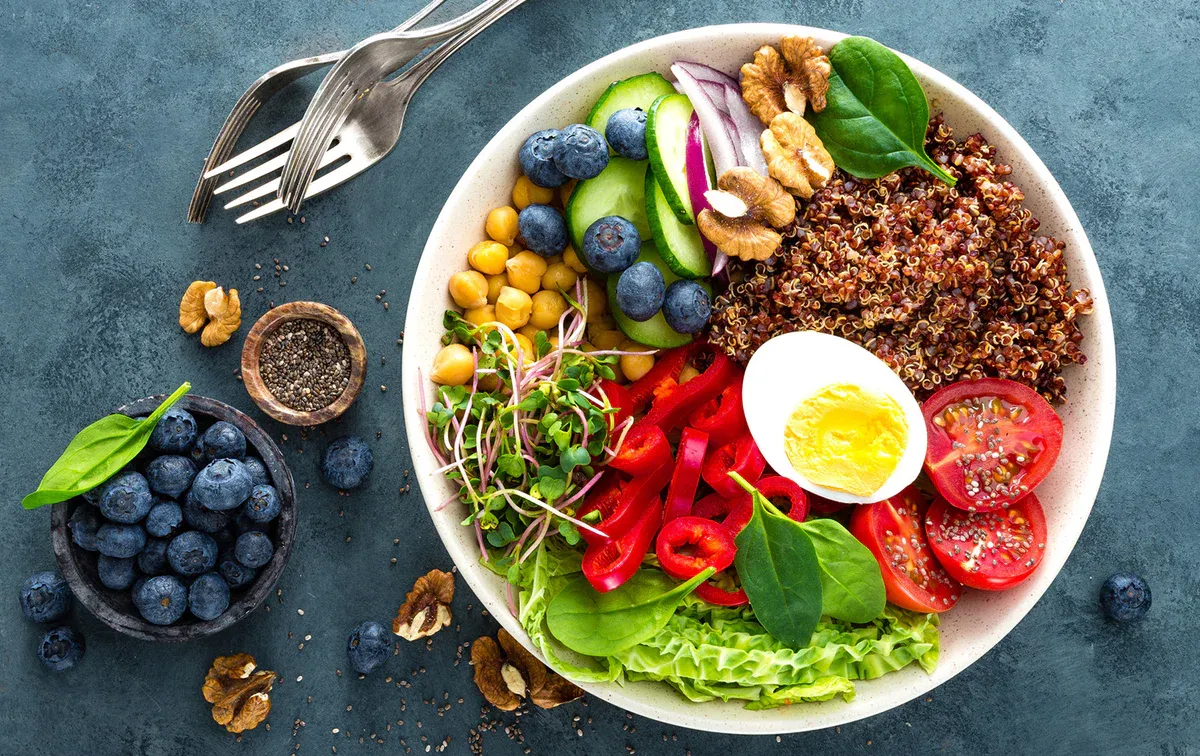
Supporting healthy hair requires a consistent approach rather than searching for a single miracle food. Spinach, chia seeds, walnuts, cottage cheese, and salmon each contribute unique nutrients that strengthen hair follicles, improve scalp health, and encourage healthy growth. Together, these foods provide iron, protein, omega-3 fatty acids, vitamins, and minerals that work in harmony to reduce seasonal shedding.Via Hairfinity
Long-lasting improvements come from combining nutritious foods with healthy lifestyle habits. Staying hydrated, avoiding restrictive diets, sleeping well, managing stress, and maintaining regular physical activity all create favorable conditions for stronger hair growth. Small daily choices often have a greater impact than occasional treatments or expensive cosmetic products.
Seasonal hair shedding can feel frustrating, but it often responds well to improved nutrition and consistent self-care. Focusing on whole foods, balanced meals, and healthy routines gives hair follicles the resources they need to grow stronger, healthier strands throughout every season while supporting overall wellness at the same time.