Unassigned
VLC Founder Turned Down Fortune to Reject Ads

Jean-Baptiste Kempf, born on March 30, 1983, in France, grew up in a world where personal computers were just starting to shape daily life. As a curious child, he was drawn to technology, often tinkering with gadgets and exploring how they worked. This early fascination laid the foundation for his future. By his teenage years, Kempf was already coding, teaching himself the basics of programming.
His passion led him to École Centrale Paris, a prestigious engineering school, where he studied computer engineering. There, he honed his skills in software development, networking, and system design, tools that would later power his greatest contribution to the world. At École Centrale, Kempf wasn’t just a student buried in textbooks.
 Via LinkedIn
He thrived in hands-on projects, collaborating with peers to solve real-world problems. The late 1990s were a pivotal time for tech. The internet was exploding, and people were starting to share videos online. Kempf saw the inner frustration and dreamed of a solution: a single, reliable player that could handle any video format, free for everyone.
 Via Uptodown Blog
The idea was to make video sharing simple, without needing costly hardware or proprietary software. Back then, internet speeds were slow, and computers struggled with video playback, making the project ambitious. By 1998, the VideoLAN team rewrote much of the code to improve performance. In 2001, they made a bold move: they released VLC as open-source software.
This meant the code was freely available for anyone to use, modify, or share. No corporation owned it, and no one could lock it behind a paywall. This decision sparked global interest. Developers from around the world started contributing, turning a student project into a worldwide phenomenon. The open-source model was key; it fostered collaboration and kept VLC independent.
 Via Amazon UK
 Via Medium
He also pushed for cross-platform support, ensuring VLC ran smoothly on Windows, Mac, Linux, and later mobile devices. By 2005, Kempf was a key figure in the project, helping release version 0.8.6, a major update that boosted VLC’s popularity. His dedication turned VLC into a go-to tool for millions.
 Via Nintendo Everything
Unlike a tech company, it has no profit motive, just a mission to provide free, high-quality software. As president, Kempf ensures VLC stays true to its roots: free, ad-free, and private. He organizes VideoLAN Dev Days, annual gatherings where developers brainstorm and fix issues.
He also handles legal matters, like ensuring VLC’s GNU General Public License keeps it open source. This license prevents anyone from turning VLC into a closed, commercial product. Kempf’s leadership has kept VLC thriving, with over 3.5 billion downloads by 2023, making it one of the most used apps ever.
 Via Freemake
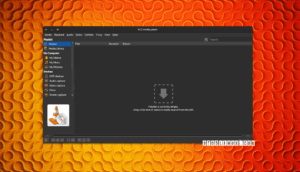 Via 9to5Linux
Unlike proprietary players, it doesn’t charge for extras or require risky downloads. The community also helps users through forums, where people share tips for crashes or tricky files. This open culture, championed by Kempf, makes VLC more than software; it’s a movement for free, accessible technology.
 Via Mein-MMO
Kempf’s response was always the same: no. In interviews, Kempf has explained his stance: “We don’t want to betray our users.” Ads would clutter the clean interface and slow performance. Data tracking would violate privacy. Kempf believes software should serve people, not exploit them. Turning down millions wasn’t easy; he doesn’t live lavishly.
 Via PowerAdSpy
Kempf’s refusals weren’t just about money. They were about trust. Users choose VLC for its simplicity and privacy. Adding ads or trackers would break that bond. At 42, Kempf remains steadfast, prioritizing user experience over personal wealth.
 Via Medium
Kempf pushed for features like hardware acceleration, which uses a computer’s GPU for smooth playback, even for 4K videos. Users can customize VLC with skins, though the orange traffic cone logo remains iconic. This flexibility makes VLC a Swiss Army knife for media, trusted by casual users and professionals alike.
 Via Education Week
No ads mean uninterrupted viewing. No tracking ensures privacy, a rarity when apps like YouTube or Spotify collect data. Even NASA has used VLC for video playback. During the COVID-19 pandemic, VLC supported remote learning, playing lectures reliably when other tools faltered.
 Via LexisNexis IP
Competition from streaming giants like Netflix or Amazon Prime challenges VLC, but its offline capabilities shine. Security is another hurdle; hackers target popular apps, so the team prioritizes quick fixes. App store rules, especially on iOS, create hoops for mobile versions, but Kempf navigates these to keep VLC accessible.
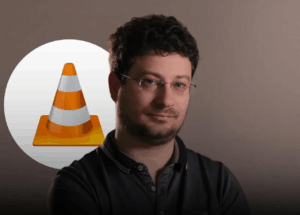 Via Asaase Radio
His family supports his mission, understanding the time he dedicates to VideoLAN. Mentoring young developers is a passion. He encourages them to join open-source projects and learn by doing. His life shows that purpose can outweigh profit, inspiring others to prioritize impact.
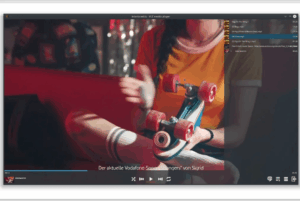 Via The Verge
The community grows, with more diverse contributors, including women and developers from underrepresented regions. Kempf pushes for sustainable coding to reduce energy use, aligning with global environmental goals.
 Via Capital
Jean-Baptiste Kempf gave the world a gift: a media player that’s free, reliable, and private. In an era of greedy apps, his story stands out. VLC isn’t just software, it’s a symbol of what tech can be when it puts people first. So, next time VLC saves your movie night, remember the man who chose principles over profit.
More in Unassigned
Via LinkedIn
He thrived in hands-on projects, collaborating with peers to solve real-world problems. The late 1990s were a pivotal time for tech. The internet was exploding, and people were starting to share videos online. Kempf saw the inner frustration and dreamed of a solution: a single, reliable player that could handle any video format, free for everyone.
The Roots of VLC
The story of VLC media player began in 1996 as a student project at École Centrale Paris called VideoLAN. The goal was to create a system for streaming videos across the campus network. VideoLAN had two parts: a server to send videos and a client to play them, dubbed the VideoLAN Client (VLC).
Via Uptodown Blog
The idea was to make video sharing simple, without needing costly hardware or proprietary software. Back then, internet speeds were slow, and computers struggled with video playback, making the project ambitious. By 1998, the VideoLAN team rewrote much of the code to improve performance. In 2001, they made a bold move: they released VLC as open-source software.
This meant the code was freely available for anyone to use, modify, or share. No corporation owned it, and no one could lock it behind a paywall. This decision sparked global interest. Developers from around the world started contributing, turning a student project into a worldwide phenomenon. The open-source model was key; it fostered collaboration and kept VLC independent.
Via Amazon UK
Kempf’s Entry into VideoLAN
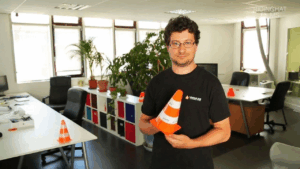
Jean-Baptiste Kempf joined the VideoLAN project around 2003, while still a student. He started as a volunteer, fixing bugs and adding small features. His knack for coding and his belief in open-source values made him a natural fit. At the time, VLC was gaining traction but faced challenges like compatibility issues and limited format support. Kempf dove in, working to make VLC more versatile. He helped it play obscure file types and handle glitchy files that other players rejected. Kempf’s contributions grew over time. He worked on merging the server and client components, making VLC a standalone app that could play local files without a network. This shift broadened its appeal.
Via Medium
He also pushed for cross-platform support, ensuring VLC ran smoothly on Windows, Mac, Linux, and later mobile devices. By 2005, Kempf was a key figure in the project, helping release version 0.8.6, a major update that boosted VLC’s popularity. His dedication turned VLC into a go-to tool for millions.
Leading VideoLAN
In 2011, Kempf became president of VideoLAN, the non-profit organization behind VLC. This role put him in charge of guiding the project’s direction, managing volunteers, and securing funding. VideoLAN operates on a shoestring budget, relying on donations to cover server costs, developer meetups, and other expenses.
Via Nintendo Everything
Unlike a tech company, it has no profit motive, just a mission to provide free, high-quality software. As president, Kempf ensures VLC stays true to its roots: free, ad-free, and private. He organizes VideoLAN Dev Days, annual gatherings where developers brainstorm and fix issues.
He also handles legal matters, like ensuring VLC’s GNU General Public License keeps it open source. This license prevents anyone from turning VLC into a closed, commercial product. Kempf’s leadership has kept VLC thriving, with over 3.5 billion downloads by 2023, making it one of the most used apps ever.
Via Freemake
The Power of Open Source
VLC’s success hinges on its open-source model. The code lives on platforms like GitLab, where anyone can view or improve it. Volunteers worldwide submit patches, small code updates, to fix bugs or add features. Kempf and other core developers review these contributions, ensuring quality. This collaborative approach lets VLC stay nimble. When a new video format emerges, someone in the community often adds support within days. VLC supports over 100 codecs, letting it play virtually any media file, from MP4 to rare formats like OGG or FLV.
Via 9to5Linux
Unlike proprietary players, it doesn’t charge for extras or require risky downloads. The community also helps users through forums, where people share tips for crashes or tricky files. This open culture, championed by Kempf, makes VLC more than software; it’s a movement for free, accessible technology.
Saying No to Millions
As VLC’s popularity soared, tech giants and advertisers took notice. They saw its massive user base, billions strong, and wanted in. Offers poured in, some reportedly worth tens of millions of euros. Companies proposed adding ads to VLC’s interface, bundling it with their products, or buying it outright. Others wanted to collect user data, a goldmine in the digital age.
Via Mein-MMO
Kempf’s response was always the same: no. In interviews, Kempf has explained his stance: “We don’t want to betray our users.” Ads would clutter the clean interface and slow performance. Data tracking would violate privacy. Kempf believes software should serve people, not exploit them. Turning down millions wasn’t easy; he doesn’t live lavishly.
The Temptations and Rejections
Specific offers tested Kempf’s resolve. One company offered a fortune to integrate ads into VLC’s mobile app. Kempf refused, knowing ads would frustrate users on small screens. Another proposed a premium version with paid features, but Kempf rejected the idea of charging for VLC. A third wanted to bundle VLC with software that tracked viewing habits.
Via PowerAdSpy
Kempf’s refusals weren’t just about money. They were about trust. Users choose VLC for its simplicity and privacy. Adding ads or trackers would break that bond. At 42, Kempf remains steadfast, prioritizing user experience over personal wealth.
Why VLC Just Works
VLC’s magic lies in its versatility. It plays almost any file, MP4, AVI, MKV, even damaged ones. It doesn’t need external codecs, which can carry malware. It streams from YouTube, Twitch, or live TV. It handles subtitles, converts files, and records screens. On low-end computers, it uses minimal resources, thanks to efficient coding.
Via Medium
Kempf pushed for features like hardware acceleration, which uses a computer’s GPU for smooth playback, even for 4K videos. Users can customize VLC with skins, though the orange traffic cone logo remains iconic. This flexibility makes VLC a Swiss Army knife for media, trusted by casual users and professionals alike.
A Lifeline for Millions
VLC impacts lives globally. Students use it for educational videos, especially in areas with spotty internet. Families watch movies without subscription fees. Businesses rely on it for training videos. Its free nature removes barriers, making knowledge accessible. In developing countries, VLC’s lack of cost is a game-changer for schools and libraries.
Via Education Week
No ads mean uninterrupted viewing. No tracking ensures privacy, a rarity when apps like YouTube or Spotify collect data. Even NASA has used VLC for video playback. During the COVID-19 pandemic, VLC supported remote learning, playing lectures reliably when other tools faltered.
Overcoming Obstacles
VLC’s journey wasn’t smooth. Codec patents sparked legal threats, but VideoLAN fought for fair use. New operating systems brought bugs, requiring fast patches. Funding remains tight, donations barely cover costs, and volunteers sometimes burn out. Kempf fundraises at tech events to keep servers running.
Via LexisNexis IP
Competition from streaming giants like Netflix or Amazon Prime challenges VLC, but its offline capabilities shine. Security is another hurdle; hackers target popular apps, so the team prioritizes quick fixes. App store rules, especially on iOS, create hoops for mobile versions, but Kempf navigates these to keep VLC accessible.
Kempf’s Personal Balance
Kempf, now 42, keeps his personal life private but shares glimpses in talks. Based in Paris, he enjoys sports like running and cycling, which help him unwind from coding. His startup focuses on video technology, letting him earn a living without compromising VLC.
Via Asaase Radio
His family supports his mission, understanding the time he dedicates to VideoLAN. Mentoring young developers is a passion. He encourages them to join open-source projects and learn by doing. His life shows that purpose can outweigh profit, inspiring others to prioritize impact.
VLC’s Future
VLC continues to evolve. Version 4.0, released in the early 2020s, brought a sleeker interface and support for modern systems like Wayland on Linux. The team experiments with VR playback and plans AI-driven features, like auto-generated subtitles, while keeping data local to protect privacy. Mobile apps for Android and iOS get regular updates for smoother performance.
Via The Verge
The community grows, with more diverse contributors, including women and developers from underrepresented regions. Kempf pushes for sustainable coding to reduce energy use, aligning with global environmental goals.
Discover the Man Who Kept VLC Free by Refusing Millions
Kempf inspires young coders. His advice? Master the basics, contribute to open source, and follow your passion. He proves that integrity can outshine wealth. By saying no to millions, he built something billions love.
Via Capital
Jean-Baptiste Kempf gave the world a gift: a media player that’s free, reliable, and private. In an era of greedy apps, his story stands out. VLC isn’t just software, it’s a symbol of what tech can be when it puts people first. So, next time VLC saves your movie night, remember the man who chose principles over profit.