Unassigned
Tiler Peck Shares Most Challenging “Stupid Song” Video Part
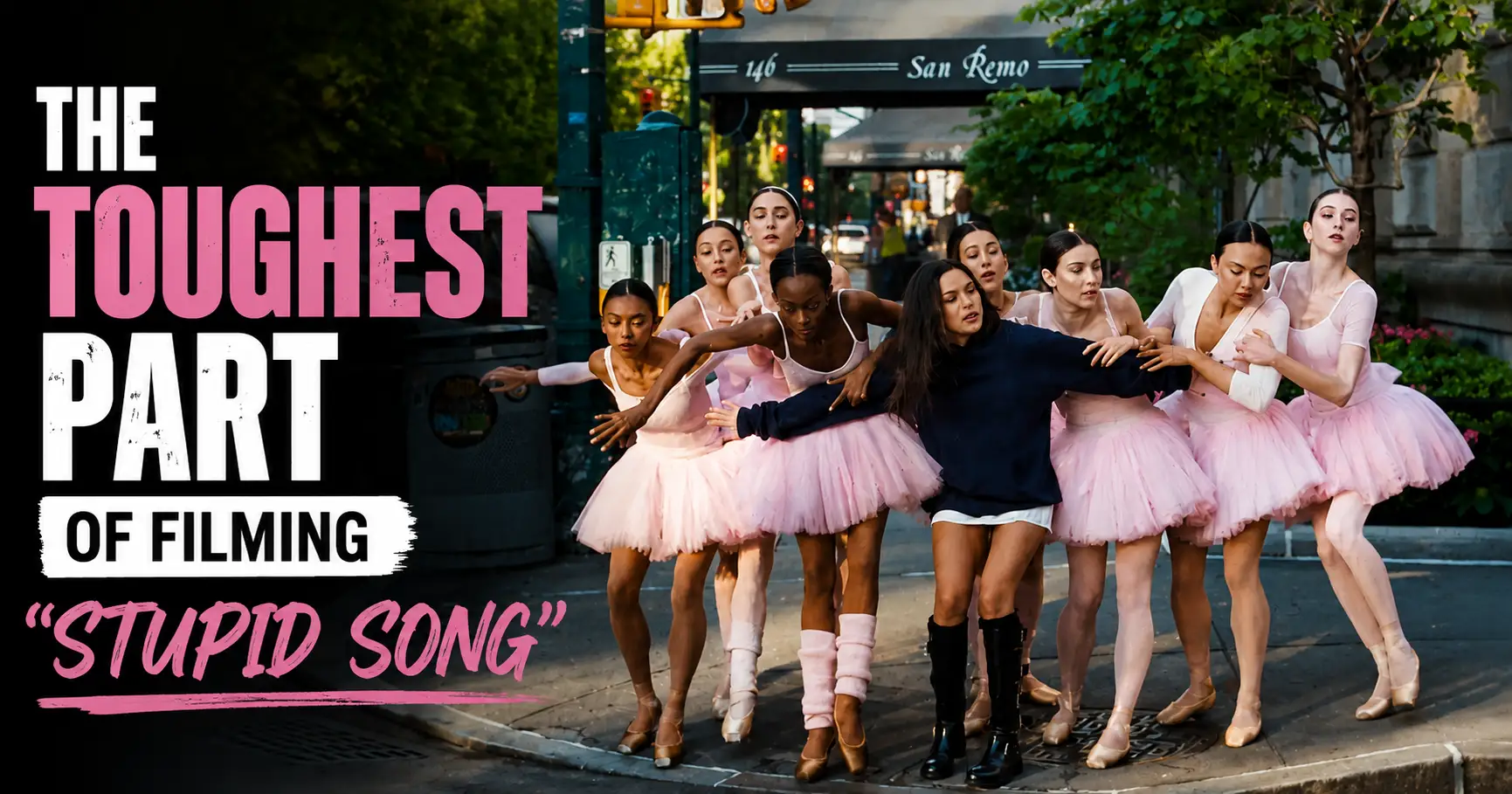
Tiler Peck brought serious ballet skills to Olivia Rodrigo’s new music video for “Stupid Song.” The video was released on Friday, June 12, and quickly drew attention because it mixed pop music, street filming, and classical ballet in a fresh way. Peck, a principal dancer with New York City Ballet, was asked to choreograph the video and help make the ballet scenes feel real, sharp, and professional.
Peck was excited as soon as the offer came. She already liked Rodrigo’s music, and the project gave her a rare chance to show ballet in a way that felt honest. Many music videos use ballet as a simple visual idea, but this one aimed for something deeper. Peck wanted the movement to respect the art form and show dancers who truly understand ballet technique.
 Via People
The director, Mitch Ryan, also wanted the ballet to look accurate instead of staged in a weak or fake way. Peck said yes to the project, but she had one clear request. She wanted to bring in her own dancers, meaning trained ballerinas who could handle the steps, timing, and pressure. That choice became one of the main reasons the video looked polished and believable.
 Via X
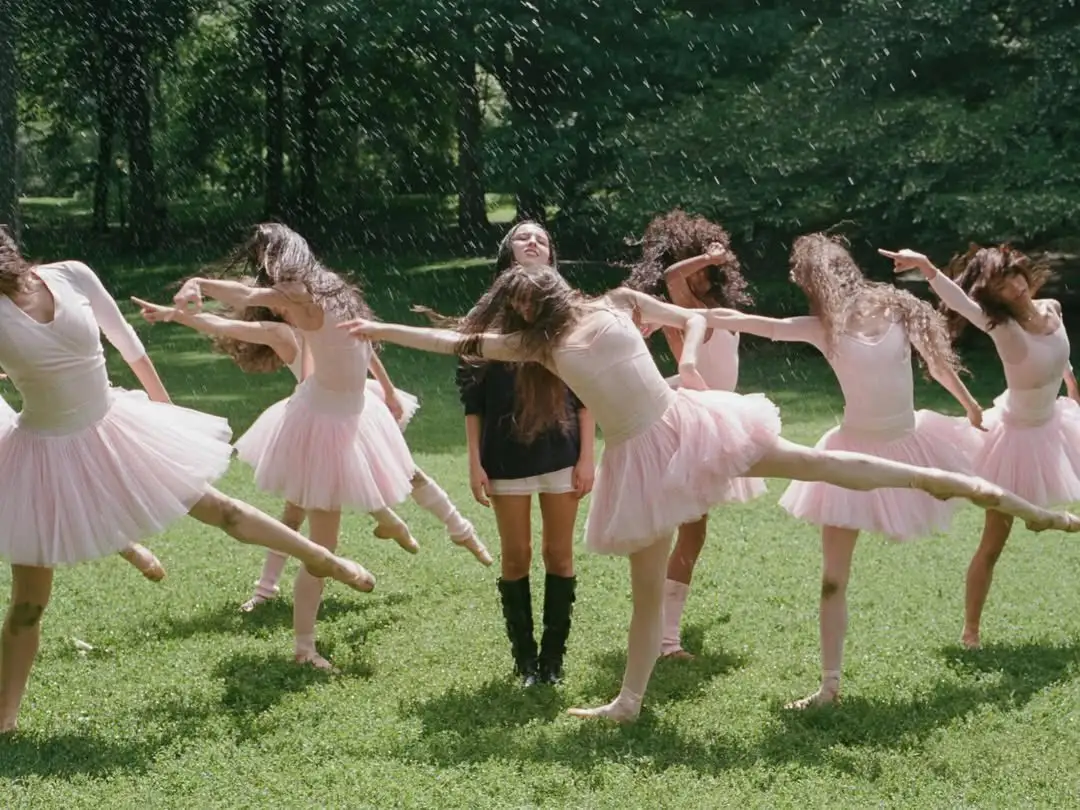
Using real dancers allowed Peck to create movement that felt true to ballet. She did not want the video to simply show people wearing pointe shoes. She wanted it to show artists who had spent years building strength, control, and musicality. That helped the video stand apart from other pop visuals that borrow from ballet without fully understanding it.
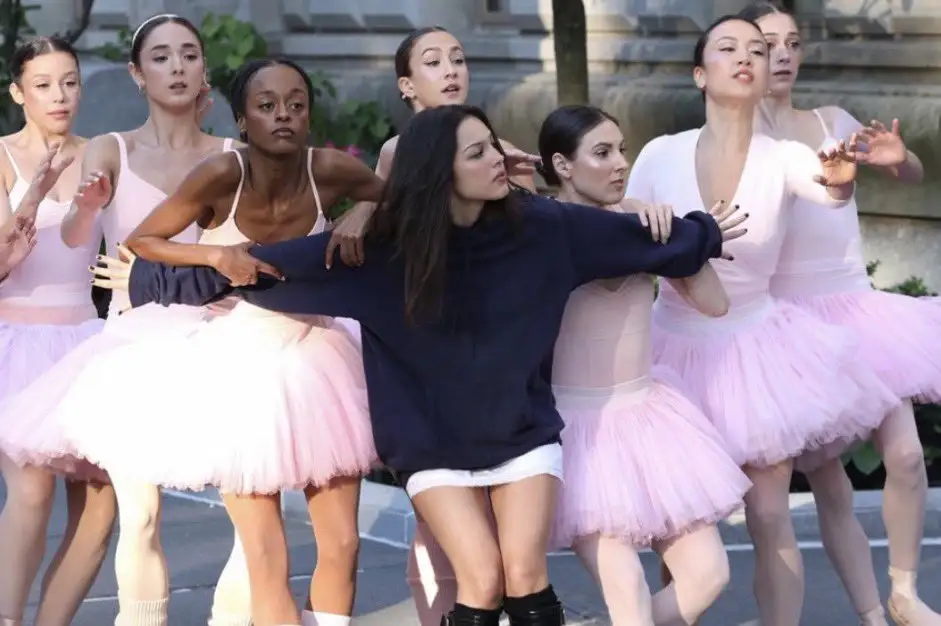
Professional dancers from New York City Ballet and American Ballet Theatre joined the shoot. Their experience gave Peck more freedom as a choreographer. She could give them difficult steps without worrying that the routine would fall apart. That also helped the team save time because the dancers could learn quickly, adjust fast, and perform with strong control on camera.
 Via X
 Via InsertLive
Peck called this part a major challenge because ballet is built around timing, breath, and control. Dancing too fast can make movement look rushed or tight. Since the final result would slow everything down, each step had to be planned with extra care. The dancers needed to hit marks, stay on beat, and keep their faces soft while moving at an unusual pace.
 Via X
Those in-between movements became a key part of the choreography. A foot rolling through the floor, a dancer coming off pointe, or a shift in balance could look different when slowed down. Peck wanted the video to feel beautiful from start to finish, not only during the biggest ballet moments.
To solve the problem, Peck filmed herself in slow motion while testing the steps. This helped her see which movements looked best on camera. She noticed that staying en pointe often looked stronger than coming off pointe during certain transitions. Off-balance shapes also looked interesting in the slow-motion style. These discoveries helped shape the final choreography.
 Via Elite Daily
 Via Elite Daily
Rodrigo also had to balance emotion with movement. Performing to a sped-up track is difficult for any artist because facial expressions, timing, and body language can feel unnatural. The team had to find a middle ground where the filming speed worked for the slow-motion effect but still allowed Rodrigo and the dancers to stay connected to the feeling of the song.
 Via Elite Daily
The early start helped the team film before the city became too busy. Shooting ballet outside brings many challenges because the ground is not the same as a studio floor. Dancers usually train on smooth, safe surfaces made for movement. Asphalt is harder, rougher, and less forgiving, especially for pointe work. That made the performance even more demanding.
Peck remembered the shoot as a fun and beautiful day. Filming began around 6:00 a.m., and the team finished by about 11:00 a.m. The short schedule meant everyone had to stay focused. With skilled dancers, strong planning, and a clear visual goal, the team captured the ballet scenes without needing a long filming day.
 Via Yahoo
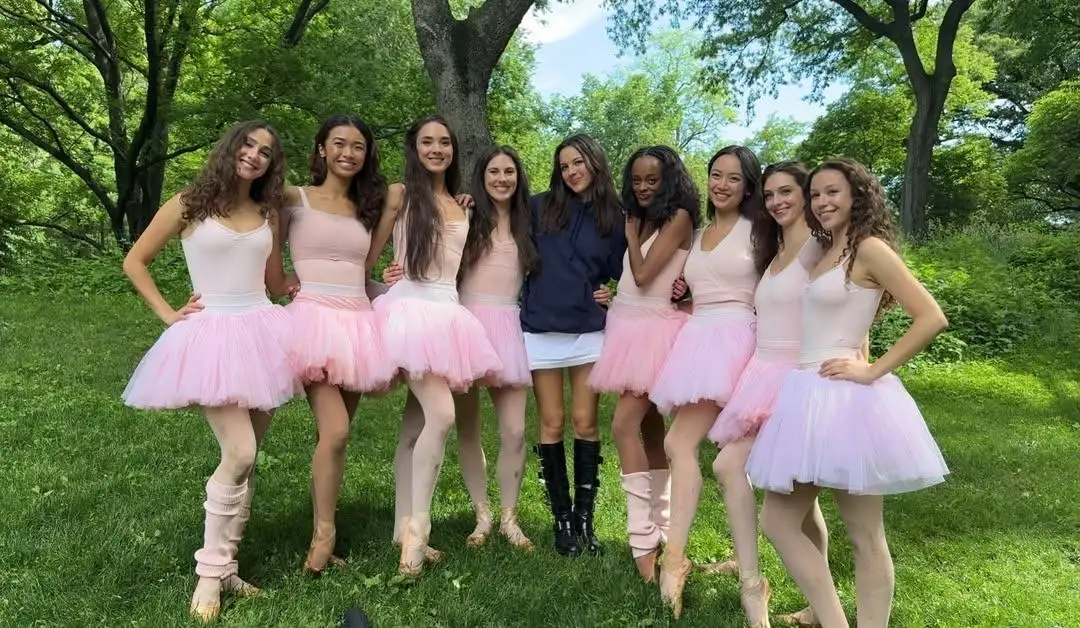 Those eight pink tutus also became a lasting memory for the New York City Ballet. Peck said the dancers will always know those pieces were part of Olivia Rodrigo’s “Stupid Song” video. That gives the costumes a special place in the company’s story. They are now more than practice tutus because they carry a pop culture moment with them.
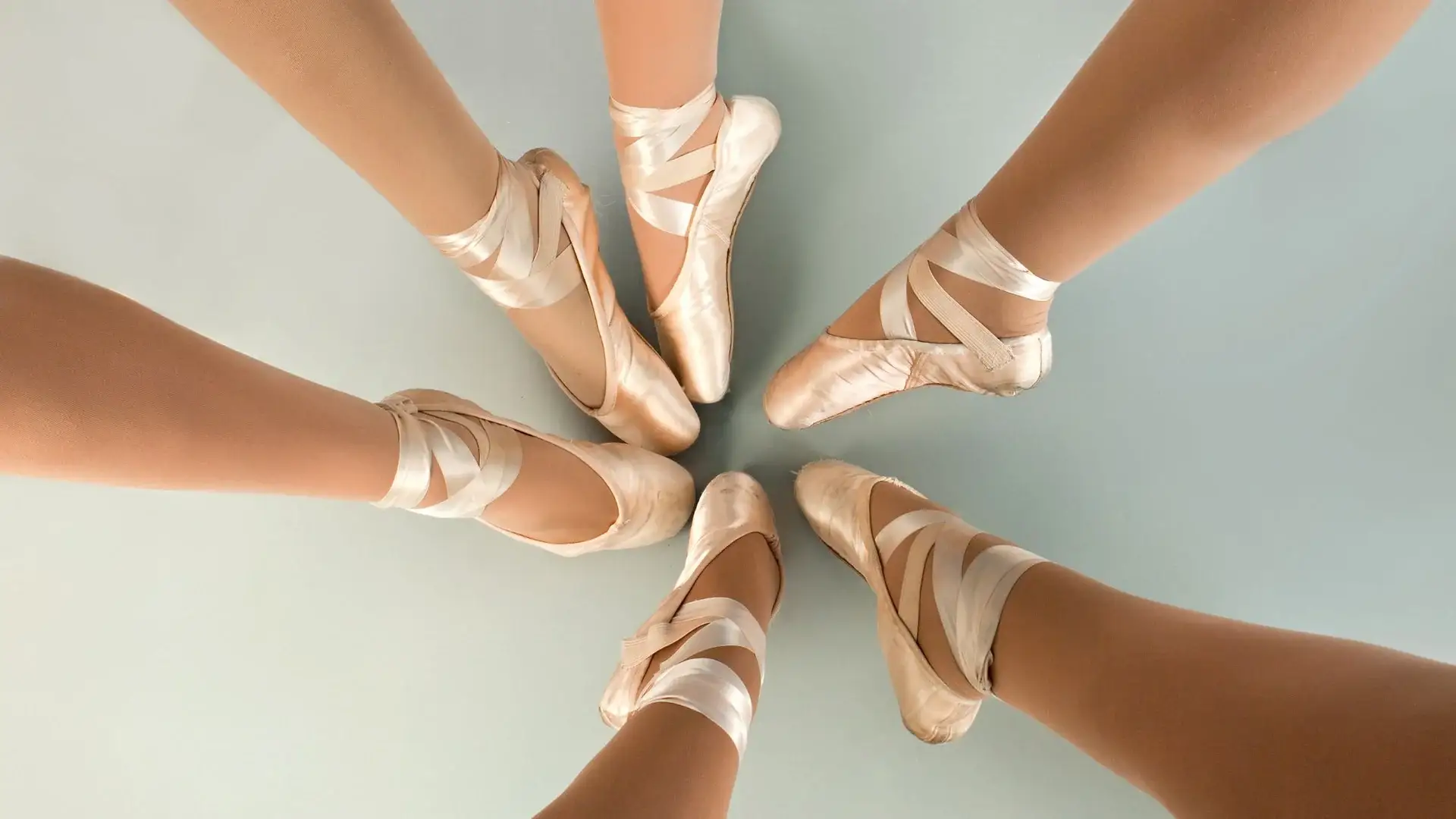 Via Ashley Ellen Dance
Peck said the dancers laughed when they looked at their shoes after the shoot. The rough surface left clear marks, making the shoes feel like proof of the unusual day. For ballet dancers, pointe shoes often carry memories of rehearsals, performances, and special moments. These shoes became a reminder of dancing in a pop music video on New York streets.
Keeping the shoes also showed how different this project felt from a normal ballet performance. Instead of a theater stage, the dancers had city blocks. Instead of an orchestra, they had Rodrigo’s sped-up track. Instead of a full-length ballet, they had a short music video that introduced real ballet movement to a much wider pop audience.
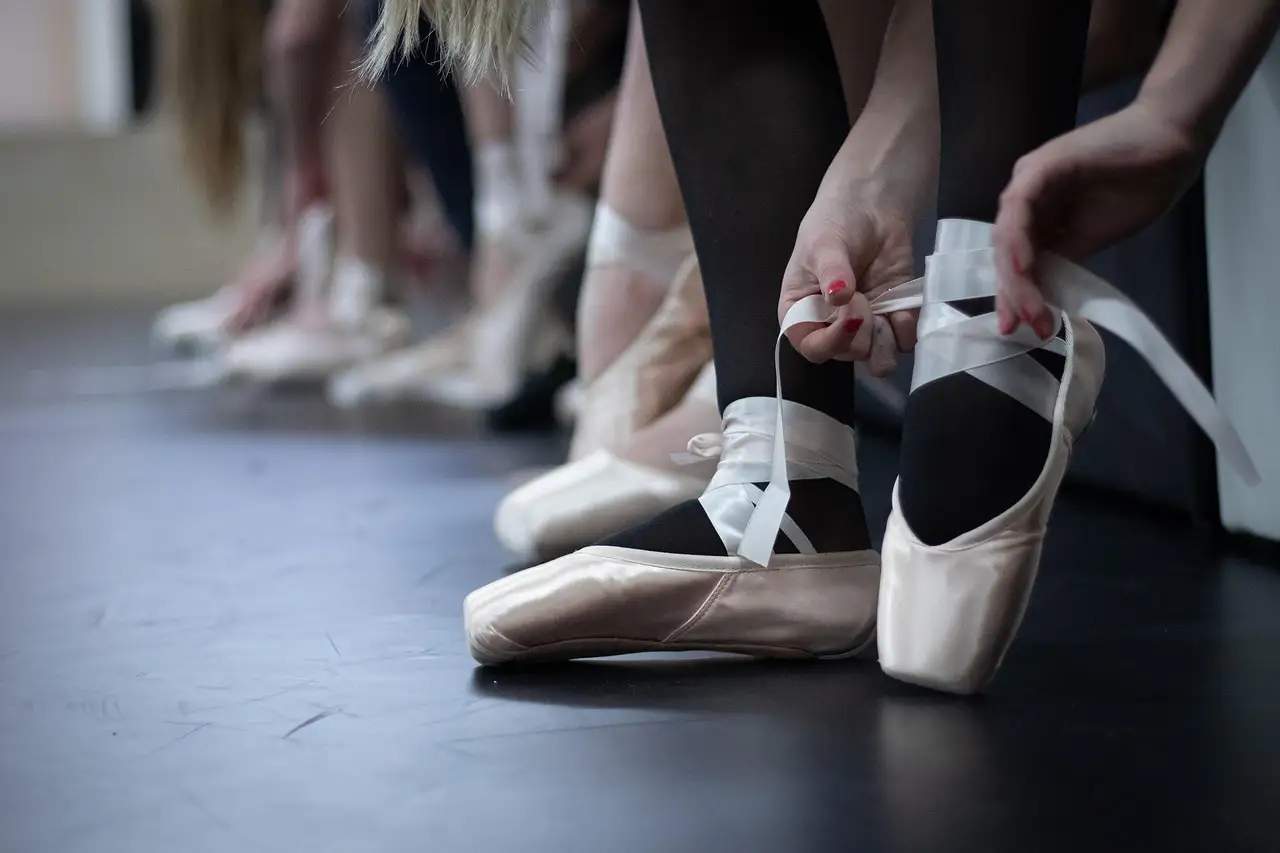 Via Ballet with Isabella
 Via Audacy
This made the project feel like a bridge between two worlds. Peck loves pop music, and ballet is her professional home. Working on the video allowed both worlds to meet in a natural way. Rodrigo’s audience got to see real ballerinas, while ballet received a fresh moment in mainstream entertainment.
 Via Lifestyle Asia Hong Kong
This collaboration gave ballet a bigger stage and helped connect it with a younger music audience. Rodrigo’s video reached people who may not usually watch ballet, while Peck and the dancers brought professional skill into the spotlight. That mix made the project special, memorable, and important for both pop fans and dance lovers.
More in UnassignedVia People
The director, Mitch Ryan, also wanted the ballet to look accurate instead of staged in a weak or fake way. Peck said yes to the project, but she had one clear request. She wanted to bring in her own dancers, meaning trained ballerinas who could handle the steps, timing, and pressure. That choice became one of the main reasons the video looked polished and believable.
Why Real Ballet Dancers Were Important For The Video?
Peck wanted the project to feature top ballet talent because the video had to look right to both casual fans and trained dancers. Ballet has small details that can be hard to fake. Foot placement, arm shape, balance, posture, and timing all matter. A dancer may look graceful to a general viewer, but trained eyes can spot mistakes very quickly.Via X
Using real dancers allowed Peck to create movement that felt true to ballet. She did not want the video to simply show people wearing pointe shoes. She wanted it to show artists who had spent years building strength, control, and musicality. That helped the video stand apart from other pop visuals that borrow from ballet without fully understanding it.
Professional dancers from New York City Ballet and American Ballet Theatre joined the shoot. Their experience gave Peck more freedom as a choreographer. She could give them difficult steps without worrying that the routine would fall apart. That also helped the team save time because the dancers could learn quickly, adjust fast, and perform with strong control on camera.
Via X
Slow Motion Created The Biggest Challenge
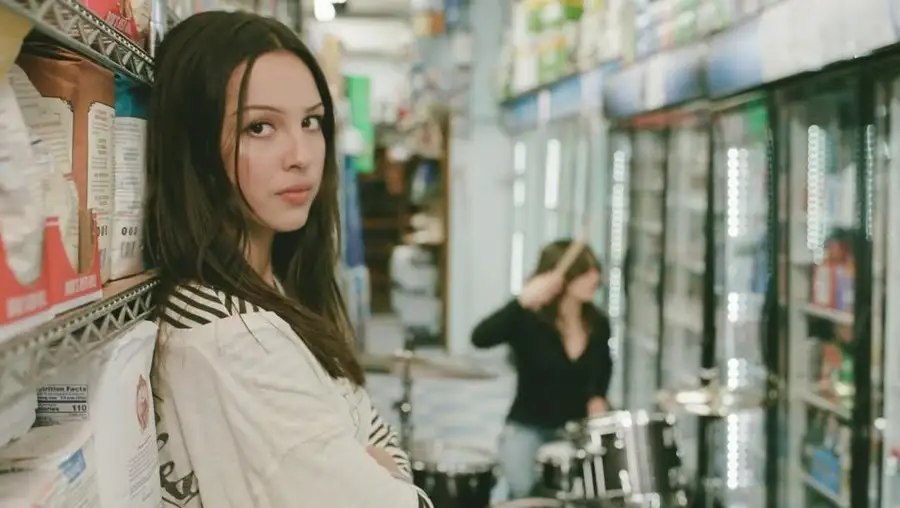
The hardest part of the project came from the way the video was filmed. The final version needed to look like smooth slow motion, which meant the dancers had to perform to a faster version of the song in real time. At first, the team discussed shooting at double speed, but that made the music sound far too fast and hard to follow. The final choice was to film the choreography at 1.6 times the normal song speed. This meant Rodrigo and the dancers had to move quickly while still making the final video look calm and emotional. That was not easy. The song has feeling and space at normal speed, but during filming, everyone had to carry that same emotion while moving much faster.
Via InsertLive
Peck called this part a major challenge because ballet is built around timing, breath, and control. Dancing too fast can make movement look rushed or tight. Since the final result would slow everything down, each step had to be planned with extra care. The dancers needed to hit marks, stay on beat, and keep their faces soft while moving at an unusual pace.
Tiny Ballet Details Became More Noticeable
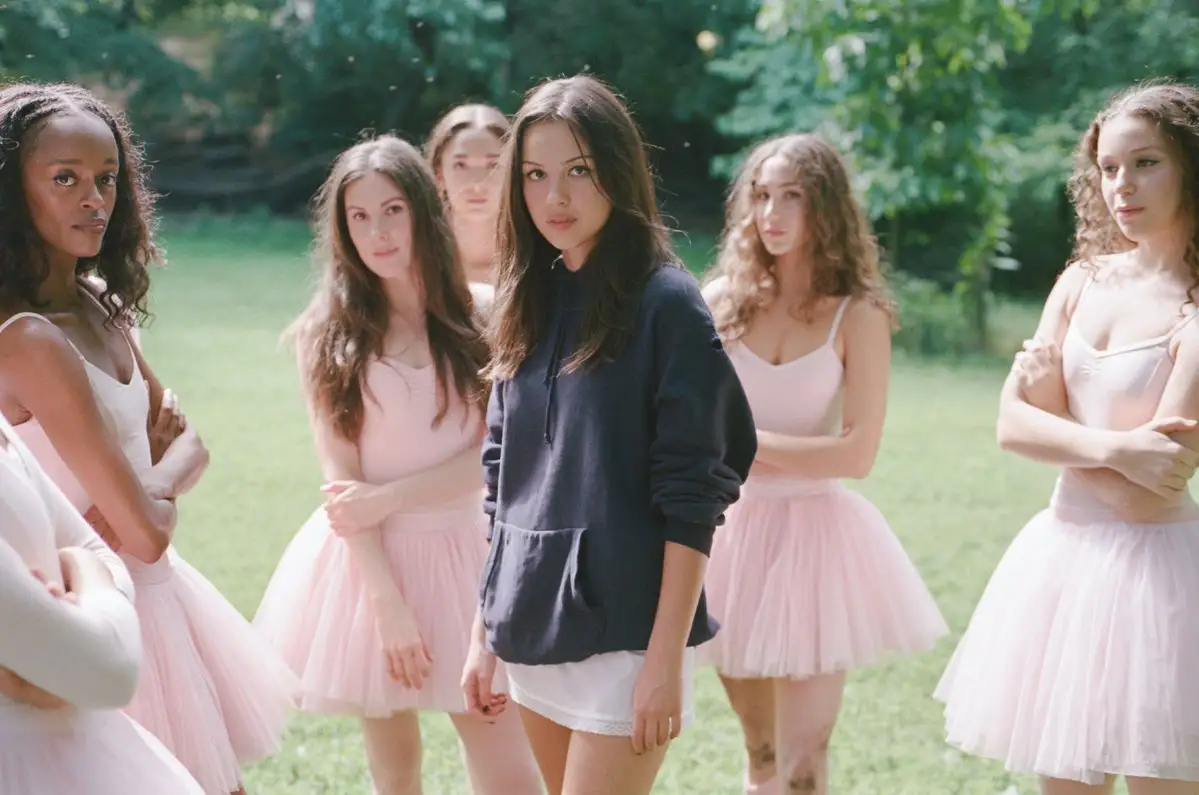
Slow motion can make a beautiful movement look even more powerful, but it can also expose small mistakes. Peck understood this problem early. At normal speed, viewers often focus on big jumps, turns, and strong poses. In slow motion, the camera can catch the moments between those highlights, including steps that might not usually stand out.Via X
Those in-between movements became a key part of the choreography. A foot rolling through the floor, a dancer coming off pointe, or a shift in balance could look different when slowed down. Peck wanted the video to feel beautiful from start to finish, not only during the biggest ballet moments.
To solve the problem, Peck filmed herself in slow motion while testing the steps. This helped her see which movements looked best on camera. She noticed that staying en pointe often looked stronger than coming off pointe during certain transitions. Off-balance shapes also looked interesting in the slow-motion style. These discoveries helped shape the final choreography.
Via Elite Daily
Rehearsals Had To Move Fast Before Filming
Peck had only a short time to prepare before the shoot. Seven days before rehearsals and filming, she had to work out timing, movement, and final positions. The dancers needed to move fast enough for the 1.6 speed filming method while still making the slow-motion result look natural. That required careful planning and strong trust between Peck and the performers. The routine had to serve both ballet and the music video. It needed to look artistic, but it also had to match Rodrigo’s emotional performance. The choreography could not feel too stiff or too busy. Since the song carried a strong mood, the dancers had to move with freedom even while staying locked into a fast count.Via Elite Daily
Rodrigo also had to balance emotion with movement. Performing to a sped-up track is difficult for any artist because facial expressions, timing, and body language can feel unnatural. The team had to find a middle ground where the filming speed worked for the slow-motion effect but still allowed Rodrigo and the dancers to stay connected to the feeling of the song.
Filming Took Place On New York City Streets
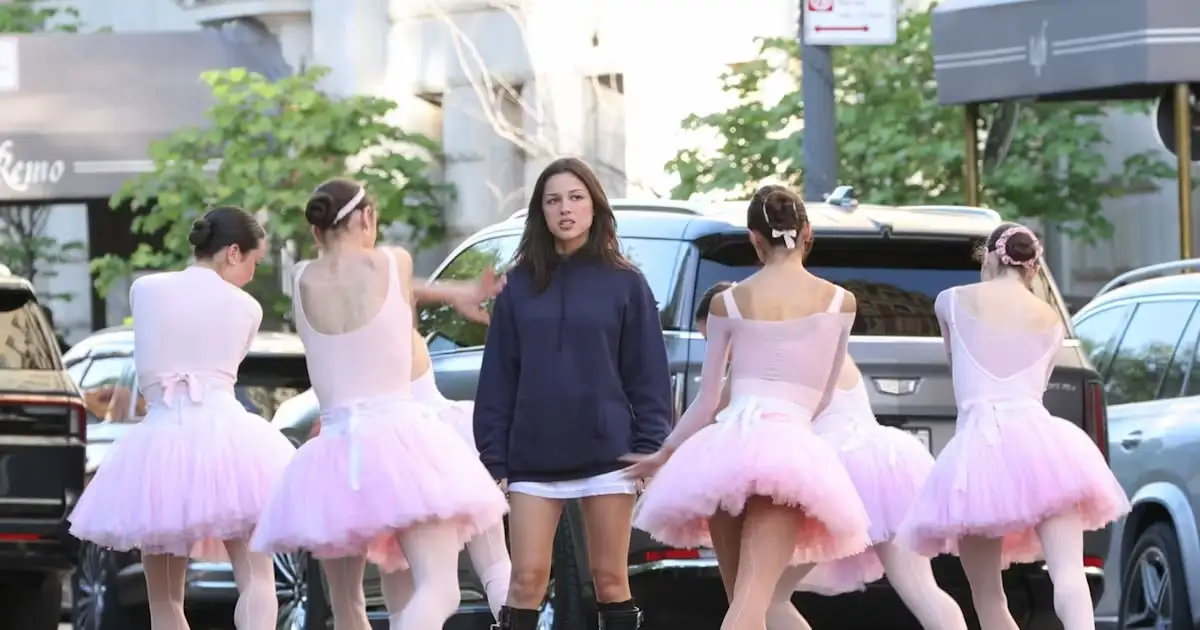
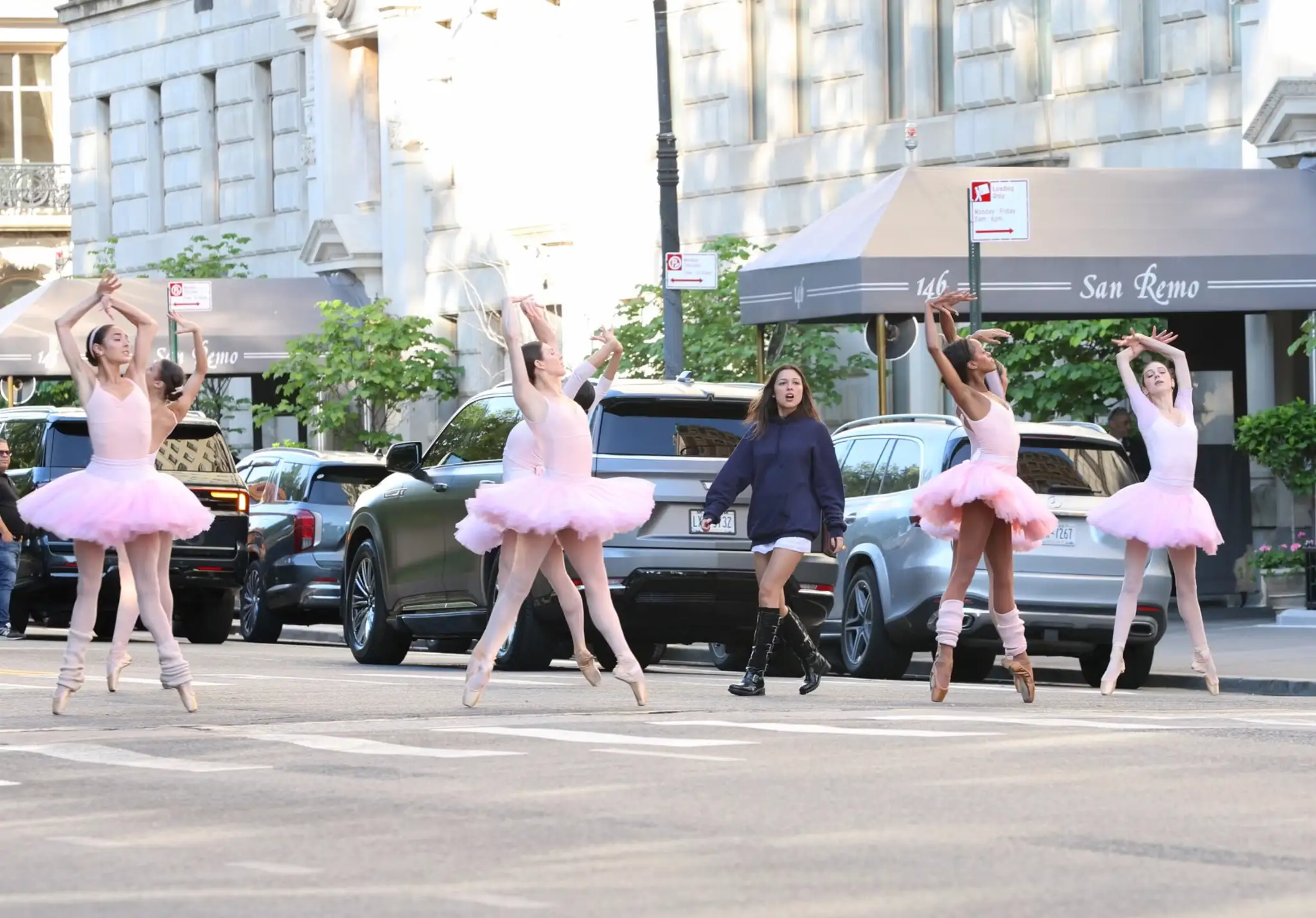
The shoot began early in the morning with a call time of 4:45 a.m. Peck said the dancers prepared their hair and makeup in a church before moving to the streets. The video was filmed around New York City’s Upper West Side, where Rodrigo and the ballerinas danced in intersections and hit their marks in the open air.Via Elite Daily
The early start helped the team film before the city became too busy. Shooting ballet outside brings many challenges because the ground is not the same as a studio floor. Dancers usually train on smooth, safe surfaces made for movement. Asphalt is harder, rougher, and less forgiving, especially for pointe work. That made the performance even more demanding.
Peck remembered the shoot as a fun and beautiful day. Filming began around 6:00 a.m., and the team finished by about 11:00 a.m. The short schedule meant everyone had to stay focused. With skilled dancers, strong planning, and a clear visual goal, the team captured the ballet scenes without needing a long filming day.
Via Yahoo
Pink Tutus Added A Special Ballet Detail
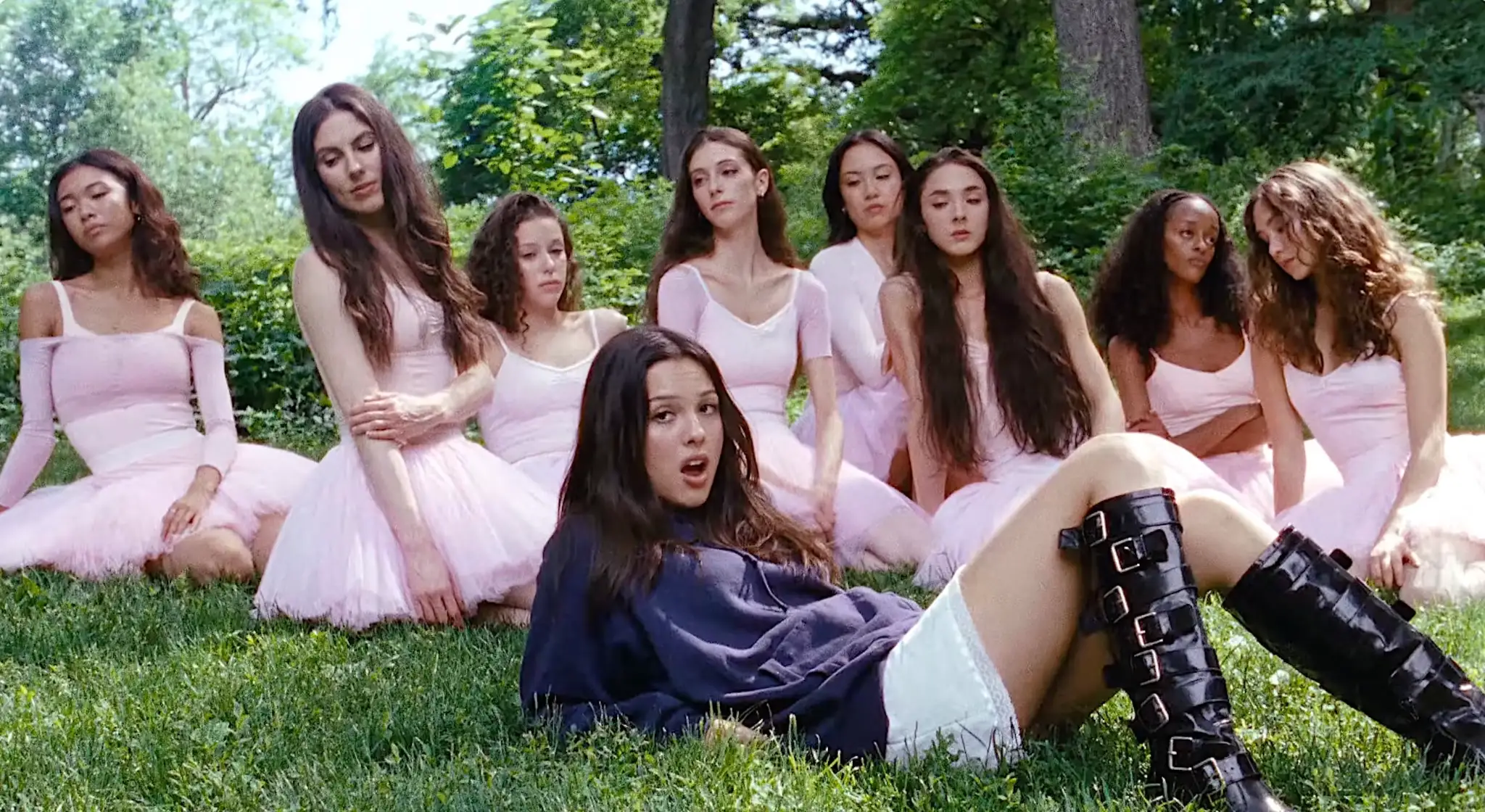
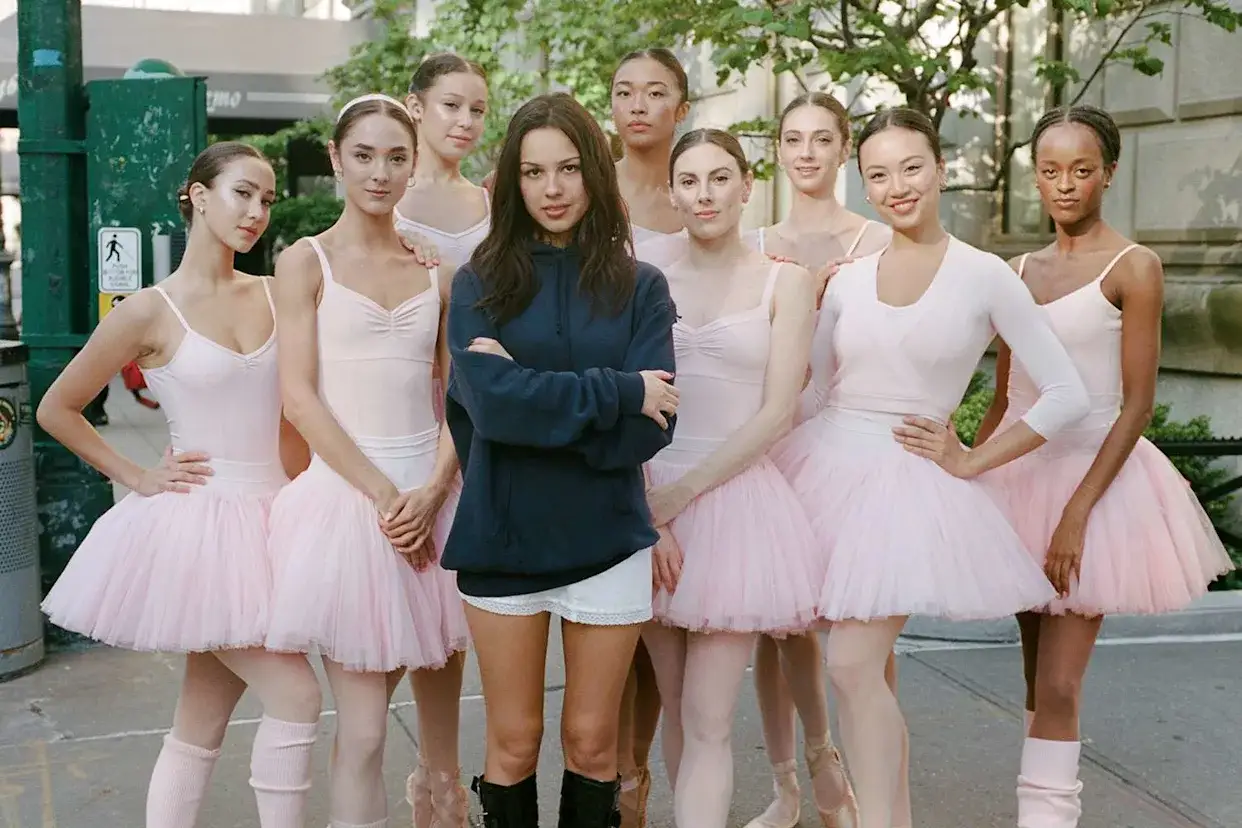
Rodrigo wanted the dancers to wear pink tutus for the video. The first options looked too simple and did not match the polished ballet style Peck wanted. New York City Ballet’s costume department then stepped in to help. The department had handmade white practice tutus that moved beautifully, and Rodrigo liked the way they looked on camera. To fit the video’s style, the costume team dyed eight of those white practice tutus pink. This small detail gave the video a soft, memorable look while still keeping a real ballet feel. The tutus were not just random costumes. They came from a professional ballet environment, which added authenticity to the finished visual.
Those eight pink tutus also became a lasting memory for the New York City Ballet. Peck said the dancers will always know those pieces were part of Olivia Rodrigo’s “Stupid Song” video. That gives the costumes a special place in the company’s story. They are now more than practice tutus because they carry a pop culture moment with them.
Pointe Shoes Became Another Keepsake
The dancers also kept their pointe shoes from the shoot. Dancing on asphalt changed the shoes in a way that studio dancing usually does not. Pointe shoes are built for control, support, and smooth surfaces. City streets can scrape and wear them down quickly, especially during repeated filming takes and fast movement.Via Ashley Ellen Dance
Peck said the dancers laughed when they looked at their shoes after the shoot. The rough surface left clear marks, making the shoes feel like proof of the unusual day. For ballet dancers, pointe shoes often carry memories of rehearsals, performances, and special moments. These shoes became a reminder of dancing in a pop music video on New York streets.
Keeping the shoes also showed how different this project felt from a normal ballet performance. Instead of a theater stage, the dancers had city blocks. Instead of an orchestra, they had Rodrigo’s sped-up track. Instead of a full-length ballet, they had a short music video that introduced real ballet movement to a much wider pop audience.
Via Ballet with Isabella
Final Thoughts On Olivia Rodrigo’s Ballet Video
Tiler Peck’s work on Olivia Rodrigo’s “Stupid Song” video showed how powerful ballet can look when handled with respect. The project was not just about adding dancers in pretty costumes. It was about showing real ballet talent, honest technique, and strong visual storytelling in a pop music setting. The slow-motion effect made the process difficult, but it also gave the video its unique beauty. Every small movement had to be planned because the camera would catch details that normal speed might hide. Peck used that challenge to create choreography that looked emotional, clean, and graceful on screen.Via Audacy
This made the project feel like a bridge between two worlds. Peck loves pop music, and ballet is her professional home. Working on the video allowed both worlds to meet in a natural way. Rodrigo’s audience got to see real ballerinas, while ballet received a fresh moment in mainstream entertainment.
Via Lifestyle Asia Hong Kong
This collaboration gave ballet a bigger stage and helped connect it with a younger music audience. Rodrigo’s video reached people who may not usually watch ballet, while Peck and the dancers brought professional skill into the spotlight. That mix made the project special, memorable, and important for both pop fans and dance lovers.