Unassigned
Lizzo’s New Album Didn’t Even Chart. What Happened?
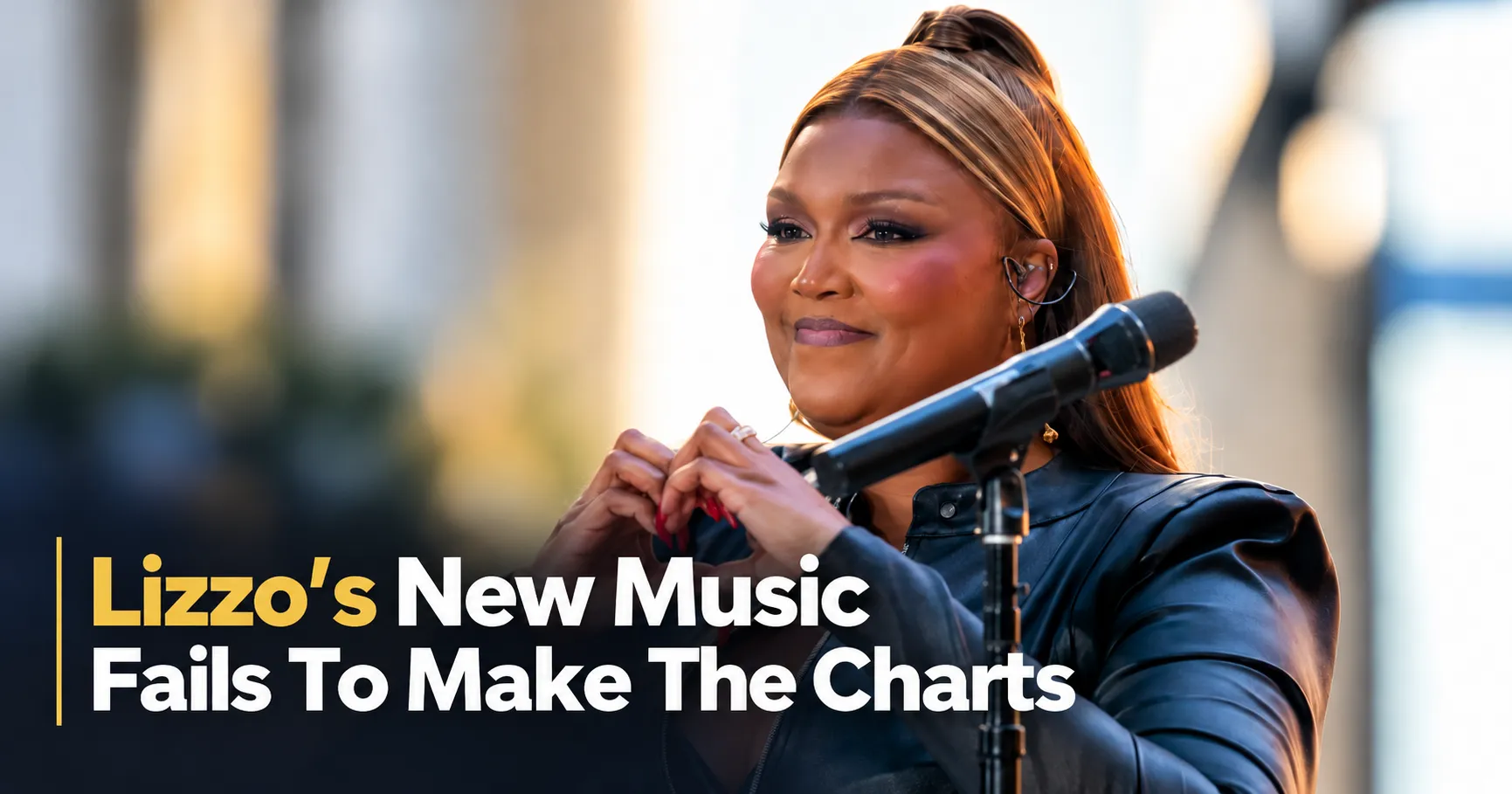
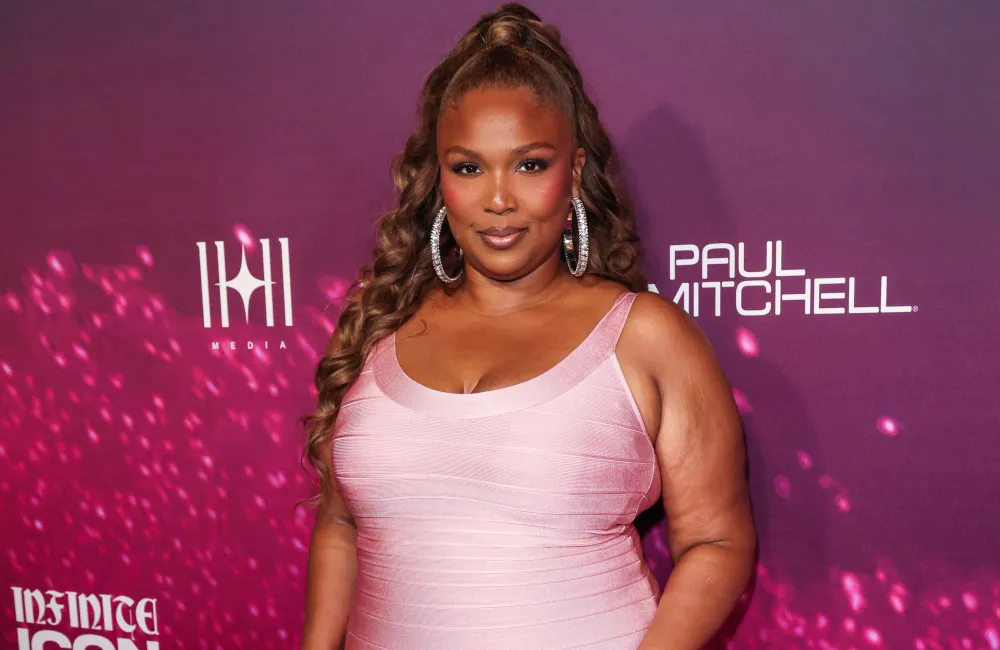
Lizzo became one of the most recognizable names in contemporary pop music after breaking into the mainstream in 2019. Songs such as "Truth Hurts," Juice," " Good as Hell," and "About Damn Time" connected with millions of listeners through energetic production, positive messaging, and memorable hooks. Her ability to blend pop, hip-hop, funk, soul, and R&B created a style that stood apart from many other artists dominating the charts.
Moreover, her rise was supported by strong radio airplay. Viral social media moments, award recognition, and live performances. Grammy wins and major television appearances strengthened her position as one of the industry's biggest stars. During this period, every new release attracted widespread attention, helping establish her as a household name across different age groups.
 Via Yahoo
The success also reflected a changing era in music where personality mattered almost as much as the songs themselves. Lizzo built an image centered on confidence, body positivity, authenticity, and joy. Those qualities became central to her public identity and helped create emotional connections with audiences around the world.
 Via NME
Meanwhile, changing artistic ideas often signal an artist searching for fresh inspiration. Creative experimentation can produce exciting results, but it may also create uncertainty about the overall identity of an album. Fans who eagerly wait several years for a release often develop expectations based on earlier singles and promotional campaigns.
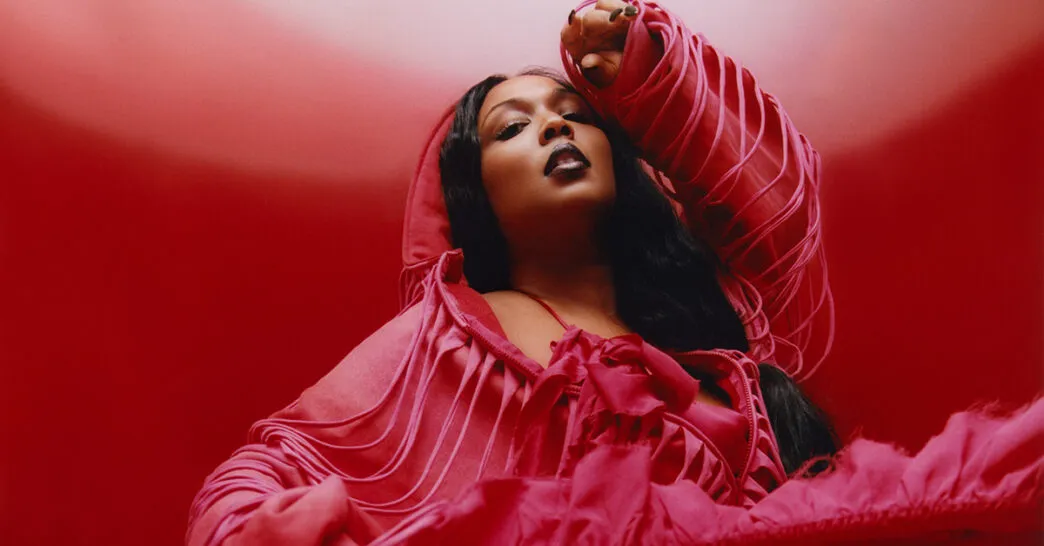
The final version of Bitch arrived in June 2026 through Atlantic Records. Despite the anticipation surrounding Lizzo's return, the commercial response was dramatically weaker than expected, immediately raising questions throughout the music business.
 Via RIFF Magazine
 Via Wancose
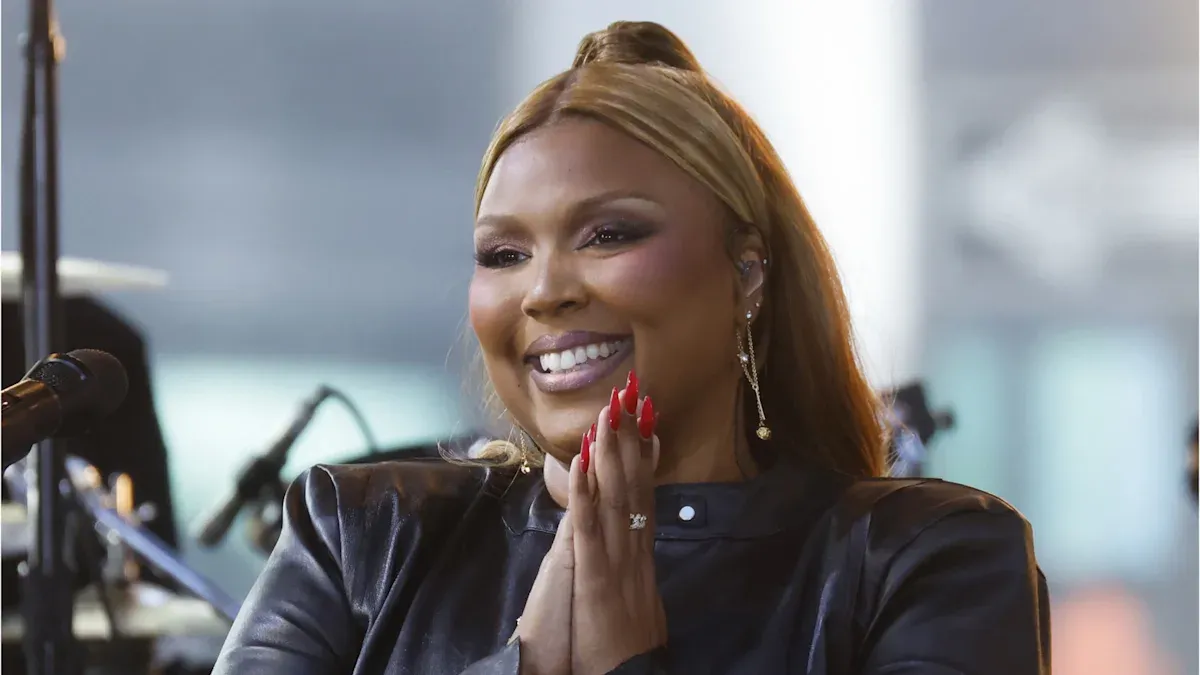
The contrast became even more striking when compared with Special, which debuted strongly in 2022. That album accumulated tens of thousands of sales and equivalent album units during its first week, proving that Lizzo had recently possessed significant commercial power. The enormous difference between the two releases became one of the biggest talking points in the music industry.
 Via Yahoo
Similarly, today's music industry increasingly rewards artists with highly engaged online communities. Dedicated fans regularly stream albums repeatedly, purchase physical editions, attend concerts, and promote releases across social media platforms. These loyal supporters often help albums perform well even without extensive radio exposure.
The changing landscape means commercial success depends less on traditional broadcasting and more on direct relationships between artists and listeners. If an artist lacks a passionate core audience, even a highly anticipated album can struggle despite widespread name recognition.
 Via BFSI News
 Via Allconnect
Lizzo herself acknowledged these industry changes by suggesting that radio played a significant role in introducing her music to listeners. Since streaming now drives much of modern music consumption, adapting promotional strategies has become essential for sustaining commercial momentum.
 Via BBC
However, legal accusations do not automatically determine public opinion. Lizzo has denied wrongdoing and publicly stated that she intends to defend herself rather than settle the case simply for convenience. The legal process remains ongoing, leaving many questions unresolved.
The controversy nevertheless influenced her public image. Much of Lizzo's brand centered on empowerment, kindness, confidence, and inclusivity. When allegations appeared to contradict those values, some supporters became uncertain about continuing their support, while others chose to wait for legal outcomes before forming final judgments.
 Via CNN
 Via YellowBrick
Trust influences streaming, merchandise sales, ticket purchases, and social media engagement. Even listeners who continue enjoying older songs may hesitate to actively support new projects until confidence in the artist has been restored.
 Via ModernTone Studio
Meanwhile, critics suggested the new material occasionally struggled to balance artistic experimentation with mainstream accessibility. Although the album incorporated pop and R&B influences, several reviewers believed it lacked the distinctive energy that made earlier releases stand out.
Changing musical direction always carries risks. Established fans sometimes prefer familiar sounds, while new listeners may not immediately embrace dramatic stylistic shifts. Finding the balance between creativity and commercial appeal remains.
 Via Ifwet.org
 Via Daily Times
Others argued that artists with millions of followers possess unprecedented opportunities to communicate directly with audiences through social media. Digital platforms provide instant access to global fan communities, making personal engagement an increasingly valuable promotional tool alongside traditional marketing campaigns.
 Via Linkedin
Furthermore, algorithms continuously reshape how content reaches users. Even artists with enormous online communities must compete against countless creators for attention every day. Viral moments remain unpredictable, and promotional campaigns often require creative storytelling rather than repeated advertising alone.
Modern fans also expect regular interaction, behind-the-scenes content, live sessions, interviews, and personal updates. Building lasting excitement around an album increasingly depends on maintaining authentic communication long before release day.
 Via Aeon
 Via illustarch
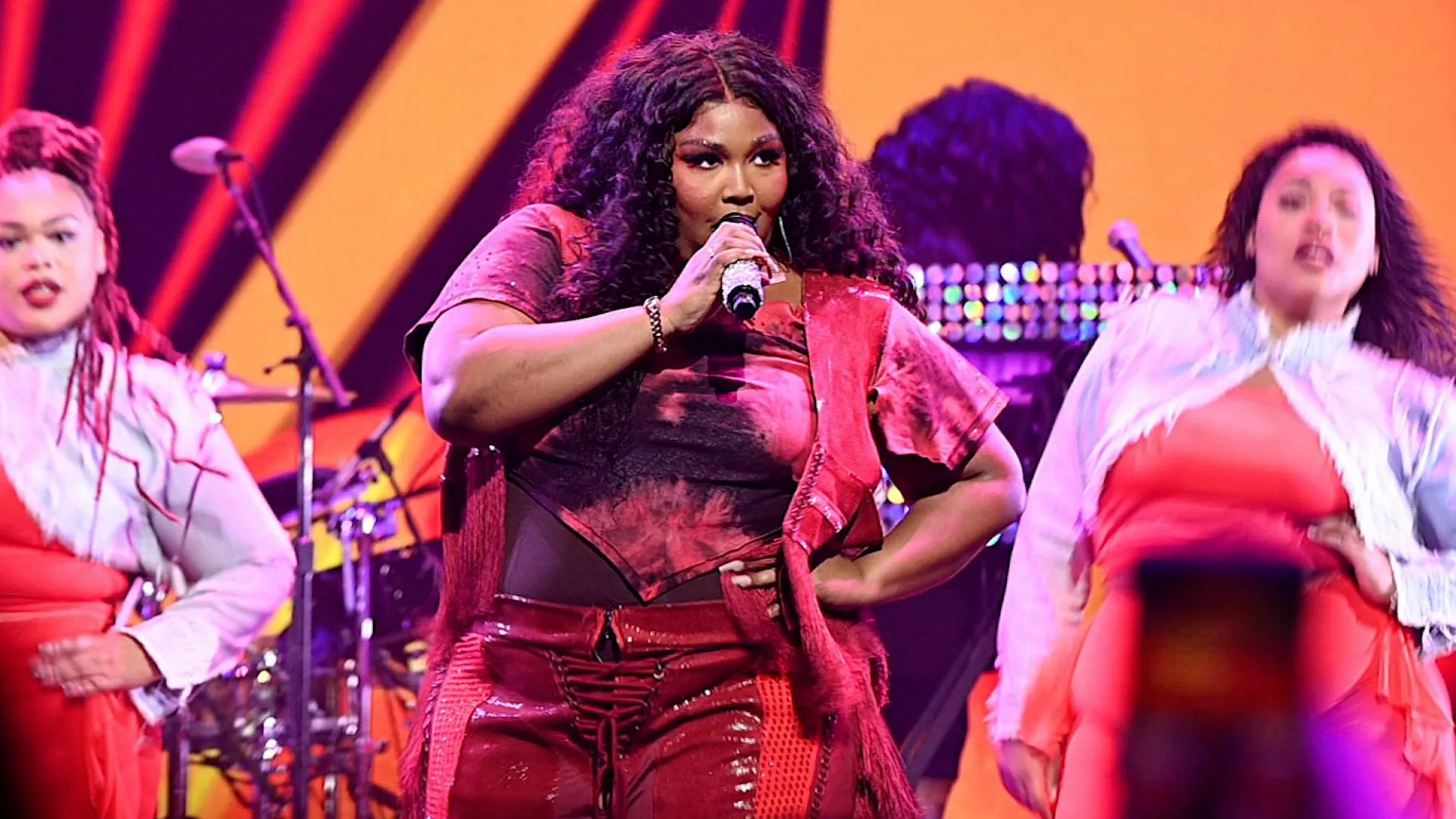
The history of pop music demonstrates that commercial decline does not necessarily represent permanent failure. Numerous legendary artists have experienced disappointing albums before returning with career-defining hits that transformed public perception once again.
More in Unassigned
Via Yahoo
The success also reflected a changing era in music where personality mattered almost as much as the songs themselves. Lizzo built an image centered on confidence, body positivity, authenticity, and joy. Those qualities became central to her public identity and helped create emotional connections with audiences around the world.
The Long Journey Toward the Album Bitch
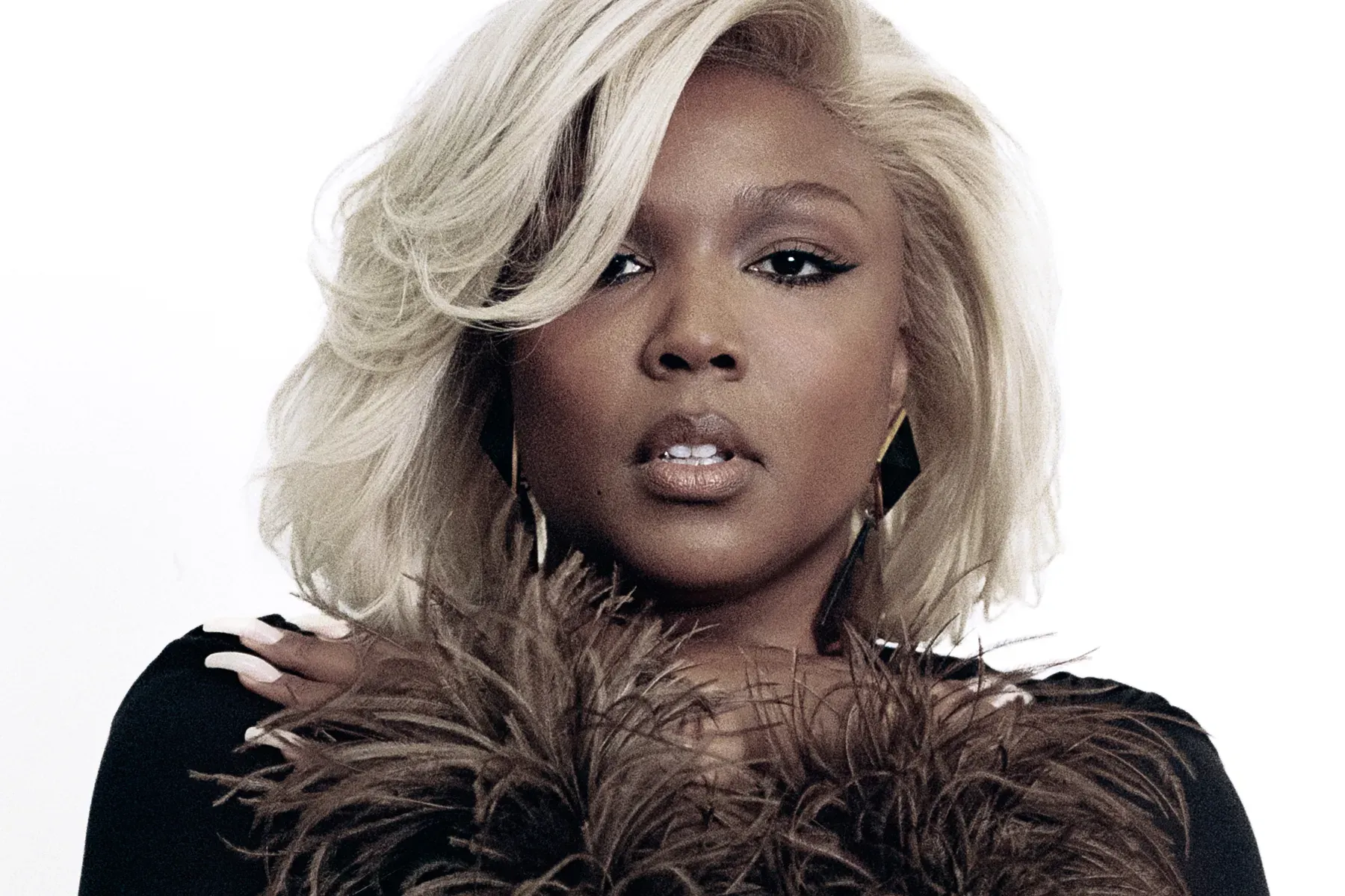
After releasing Special in 2022, Lizzo spent nearly four years working on new material before finally introducing her fifth studio album, Bitch. During that lengthy creative process, the project reportedly changed direction several times. It was originally expected to arrive under the title Love in Real Life, accompanied by songs carrying a different musical and emotional tone.Via NME
Meanwhile, changing artistic ideas often signal an artist searching for fresh inspiration. Creative experimentation can produce exciting results, but it may also create uncertainty about the overall identity of an album. Fans who eagerly wait several years for a release often develop expectations based on earlier singles and promotional campaigns.
The final version of Bitch arrived in June 2026 through Atlantic Records. Despite the anticipation surrounding Lizzo's return, the commercial response was dramatically weaker than expected, immediately raising questions throughout the music business.
Via RIFF Magazine
Weak Sales Created an Unexpected Industry Shock
The album sold only around 2,650 copies during its opening week while generating fewer than three million on-demand streams. Those numbers were surprisingly low for an artist who previously enjoyed multiple chart-topping singles and Grammy-winning success. Even more surprising was the album's inability to enter the Billboard 200 chart. Furthermore, second-week performance showed another steep decline as sales and streaming numbers continued falling. Such rapid decreases suggested that initial interest failed to translate into sustained listening. Instead of gaining momentum through positive word of mouth, the album quickly disappeared from mainstream conversation.
Via Wancose
The contrast became even more striking when compared with Special, which debuted strongly in 2022. That album accumulated tens of thousands of sales and equivalent album units during its first week, proving that Lizzo had recently possessed significant commercial power. The enormous difference between the two releases became one of the biggest talking points in the music industry.
The Debate Over Lizzo’s Core Fanbase
One explanation frequently discussed by music executives centers on the strength of Lizzo's fanbase. Some industry observers believe her popularity relied heavily on individual hit songs rather than deeply committed album buyers. Radio audiences embraced her biggest singles, but long-term fan loyalty may not have developed to the same degree.Via Yahoo
Similarly, today's music industry increasingly rewards artists with highly engaged online communities. Dedicated fans regularly stream albums repeatedly, purchase physical editions, attend concerts, and promote releases across social media platforms. These loyal supporters often help albums perform well even without extensive radio exposure.
The changing landscape means commercial success depends less on traditional broadcasting and more on direct relationships between artists and listeners. If an artist lacks a passionate core audience, even a highly anticipated album can struggle despite widespread name recognition.
Via BFSI News
How Streaming Changed the Rules of Success
The music business has transformed dramatically over the past several years. Radio once served as the primary discovery tool for mainstream audiences, allowing songs to reach millions through constant rotation. Streaming platforms now dominate listening habits, changing how artists attract and retain fans. Additionally, streaming rewards consistency and continuous engagement rather than occasional blockbuster releases. Successful artists often remain visible through frequent singles, social media interaction, collaborations, playlists, and digital marketing. Long gaps between albums can make maintaining audience attention increasingly difficult.Via Allconnect
Lizzo herself acknowledged these industry changes by suggesting that radio played a significant role in introducing her music to listeners. Since streaming now drives much of modern music consumption, adapting promotional strategies has become essential for sustaining commercial momentum.
Public Controversies and Their Lasting Impact
Commercial performance cannot be separated from public perception. In 2023, several former backup dancers filed lawsuits accusing Lizzo of sexual harassment, creating a hostile work environment, and body-shaming. Those allegations generated significant media attention and affected public conversations surrounding the singer.Via BBC
However, legal accusations do not automatically determine public opinion. Lizzo has denied wrongdoing and publicly stated that she intends to defend herself rather than settle the case simply for convenience. The legal process remains ongoing, leaving many questions unresolved.
The controversy nevertheless influenced her public image. Much of Lizzo's brand centered on empowerment, kindness, confidence, and inclusivity. When allegations appeared to contradict those values, some supporters became uncertain about continuing their support, while others chose to wait for legal outcomes before forming final judgments.
Via CNN
Brand Identity and Audience Trust
A successful entertainment career depends not only on music but also on credibility. Fans often develop emotional connections with artists whose personal values appear authentic and consistent. When that trust weakens, rebuilding it becomes extremely challenging regardless of musical quality. Likewise, audiences frequently respond strongly when they believe public behavior conflicts with an artist's established image. Lizzo's reputation as an advocate for self-love and acceptance formed an important part of her success.Via YellowBrick
Trust influences streaming, merchandise sales, ticket purchases, and social media engagement. Even listeners who continue enjoying older songs may hesitate to actively support new projects until confidence in the artist has been restored.
Musical Direction Also Sparked Discussion
Questions surrounding Bitch extended beyond controversy and marketing. Some music executives argued that the album simply lacked the instantly memorable songs that previously defined Lizzo's catalog. Earlier hits featured catchy choruses, upbeat rhythms, playful lyrics, and broad commercial appeal.Via ModernTone Studio
Meanwhile, critics suggested the new material occasionally struggled to balance artistic experimentation with mainstream accessibility. Although the album incorporated pop and R&B influences, several reviewers believed it lacked the distinctive energy that made earlier releases stand out.
Changing musical direction always carries risks. Established fans sometimes prefer familiar sounds, while new listeners may not immediately embrace dramatic stylistic shifts. Finding the balance between creativity and commercial appeal remains.
Via Ifwet.org
Promotion and Label Support Became Major Talking Points
Marketing plays a critical role in modern album launches. Following the disappointing commercial results, discussions emerged about whether Atlantic Records fully supported Lizzo's comeback campaign. Some observers questioned whether promotional investment. Additionally, Lizzo posted videos showing herself placing promotional posters in public spaces while suggesting that greater label support would have helped increase awareness. Those posts attracted considerable online discussion about the responsibilities shared between artists and record companies.Via Daily Times
Others argued that artists with millions of followers possess unprecedented opportunities to communicate directly with audiences through social media. Digital platforms provide instant access to global fan communities, making personal engagement an increasingly valuable promotional tool alongside traditional marketing campaigns.
Social Media Influence Is No Longer Enough
Large follower counts do not automatically guarantee commercial success. Millions of followers across TikTok and Instagram may create impressive visibility, but converting online attention into album purchases and sustained streaming requires meaningful audience engagement.Via Linkedin
Furthermore, algorithms continuously reshape how content reaches users. Even artists with enormous online communities must compete against countless creators for attention every day. Viral moments remain unpredictable, and promotional campaigns often require creative storytelling rather than repeated advertising alone.
Modern fans also expect regular interaction, behind-the-scenes content, live sessions, interviews, and personal updates. Building lasting excitement around an album increasingly depends on maintaining authentic communication long before release day.
Via Aeon
Competition in Today’s Pop Landscape
The pop music industry has become extraordinarily competitive. Every week introduces new singles, albums, viral trends, and emerging artists competing for a limited audience's attention. Remaining relevant requires constant innovation, strategic planning, and consistent visibility. Moreover, several artists have successfully rebuilt careers after experiencing commercial setbacks. Strong visual branding, carefully selected collaborations, memorable singles, and effective marketing have helped many performers reconnect with audiences following quieter periods.Via illustarch
The history of pop music demonstrates that commercial decline does not necessarily represent permanent failure. Numerous legendary artists have experienced disappointing albums before returning with career-defining hits that transformed public perception once again.