Unassigned
Hector Berlioz’s musical interpretation of Romeo and Juliet
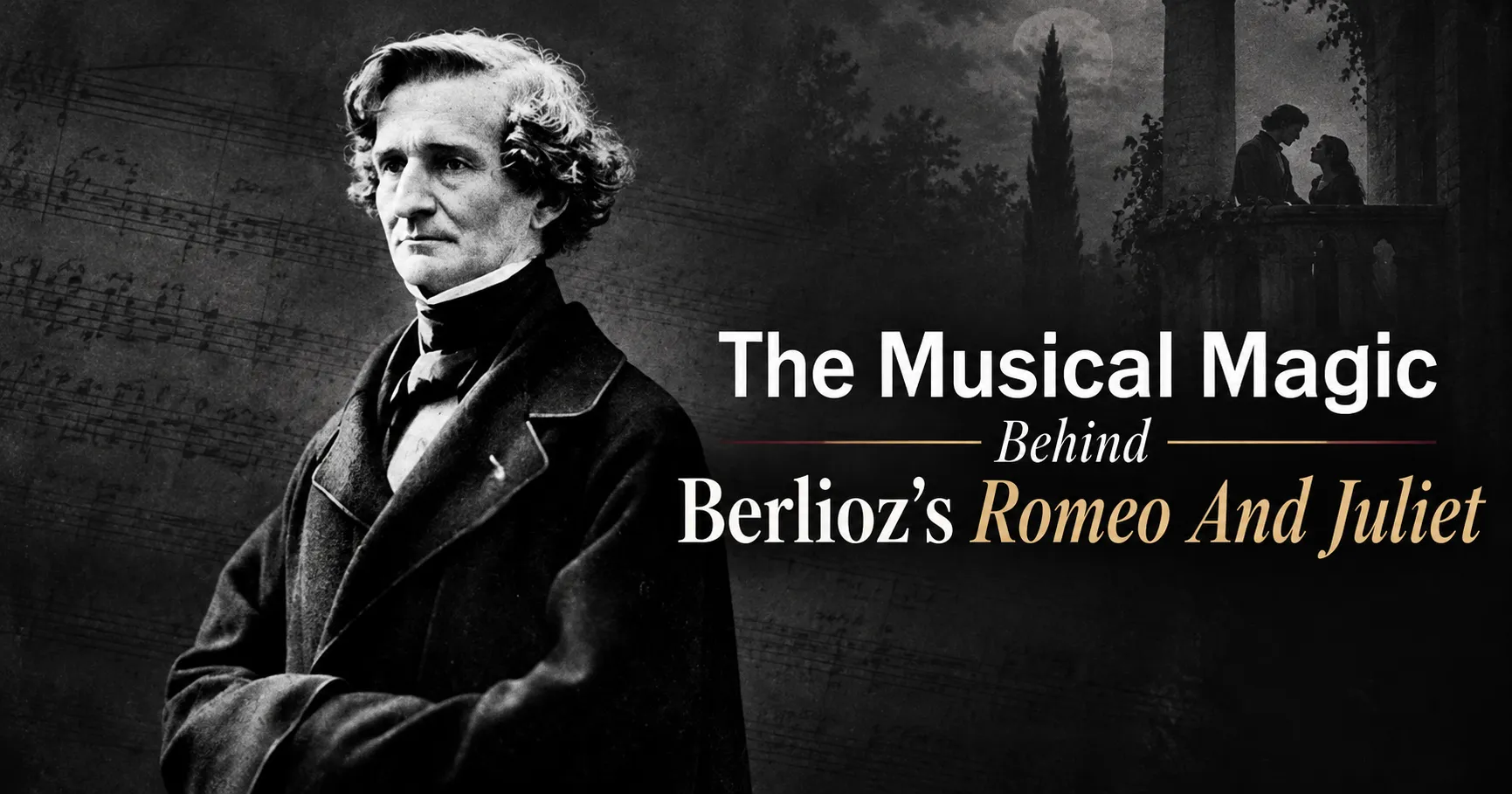
William Shakespeare’s timeless tragedy inspired countless artists across generations, yet few interpretations matched the emotional scale of Hector Berlioz’s Roméo et Juliette. Rather than creating an opera, Berlioz transformed the famous love story into an ambitious dramatic symphony filled with emotion and imagination.
The work became much more than a retelling of a familiar romance. Rich orchestral colors, expressive melodies, and thoughtful storytelling turned Shakespeare's masterpiece into a musical experience that stood apart from traditional stage performances, showcasing Berlioz's remarkable originality and artistic vision.
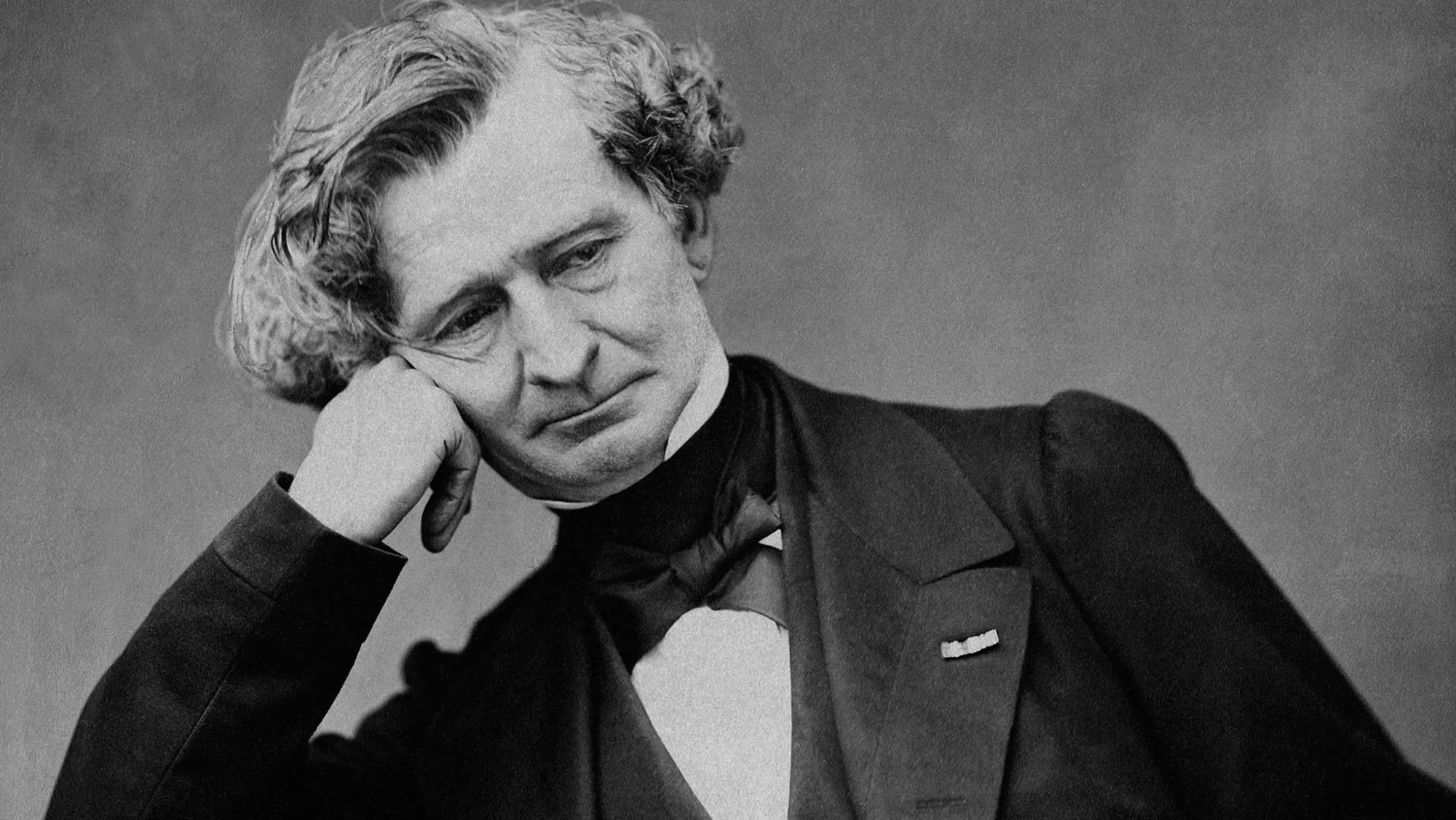 Via Berliner Philharmoniker
Unlike many adaptations that copied dialogue directly, Berlioz chose another path. His version reflected personal passion, artistic freedom, and deep admiration for Shakespeare while allowing music to express feelings beyond spoken language, creating a uniquely powerful Romantic interpretation for audiences.
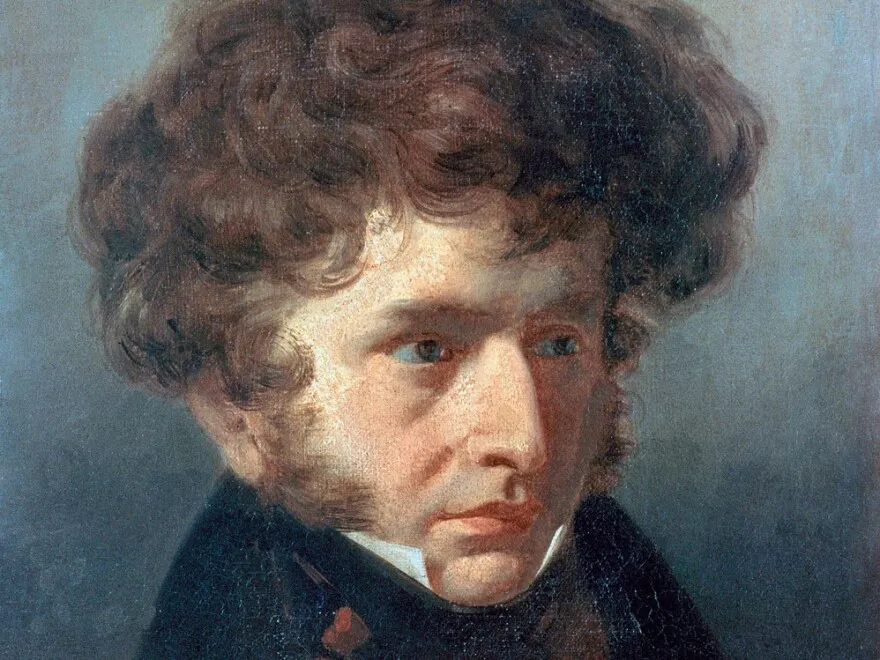 Via ideastream
After moving to Paris for medical studies, Berlioz encountered a thriving cultural world unlike anything he had known before. Grand theaters, concert halls, and artistic circles surrounded him with endless inspiration that gradually overshadowed his academic responsibilities.
Although he completed medical training, his true ambition remained impossible to ignore. Choosing music over medicine surprised many people, yet that bold decision eventually shaped one of the most influential musical careers of the Romantic period, inspiring generations of composers worldwide.
 Via MyRomanticism
 Via TripAdvisor
Creative confidence grew rapidly during these years despite limited formal training. The determination to innovate proved stronger than any obstacle, setting the stage for remarkable achievements that would later define his reputation and transform the course of Romantic music.
 Via WF MT
This difference never prevented artistic success because Berlioz thought beyond keyboard technique. His imagination centered on the full orchestra, where combinations of instruments created powerful emotional landscapes impossible to achieve through piano alone.
Original thinking distinguished every major composition. Instead of relying on familiar formulas, Berlioz embraced bold orchestration and dramatic structure that challenged audiences while inspiring future generations of composers.
 Via BBC
 Via USC Today
That admiration never faded throughout his career. Shakespeare became one of the strongest literary influences behind several creative decisions, shaping both musical ideas and dramatic expression in lasting ways while inspiring many of Berlioz's most celebrated compositions.
 Via Alchetron
Strong emotions soon developed into an overwhelming personal obsession. Passionate letters, constant admiration, and attempts to remain close to the actress reflected the romantic ideals that often characterized artistic personalities during that era.
Although Smithson initially rejected every advance, the emotional impact of her performances remained unforgettable. Her remarkable stage presence continued inspiring Berlioz's musical creativity, influencing his compositions and artistic vision long after the theater performances had ended.
 Via Abelton
 Via Classical Music
The composition introduced listeners to a completely new musical language. Programmatic storytelling, recurring musical themes, and daring orchestration combined to create an unforgettable listening experience unlike earlier symphonies.
 Via The List
Marriage followed in 1833, creating one of the most discussed artistic unions of the Romantic period. Many observers believed the passionate composer had finally achieved the happiness that inspired so much beautiful music.
Life together proved more difficult than expected. Personal differences gradually weakened the relationship, leading to separation while leaving behind a complicated story of love, creativity, and disappointment that continued influencing Berlioz's life and artistic legacy for years afterward.
 Via Linkedin
 Via Cooper Hewitt
This innovative format differed from traditional concert works. By combining symphonic writing with theatrical imagination, Berlioz challenged established musical traditions and introduced a fresh, imaginative approach to orchestral composition.
 Via Oxford Scholastica
The decision emphasized musical interpretation instead of literary quotation. Audiences experienced familiar scenes through orchestral expression rather than lengthy vocal performances closely following the original play.
This artistic freedom allowed Berlioz to emphasize atmosphere and emotional depth. The result honored Shakespeare while presenting an original musical vision inspired by the expressive ideals of the Romantic era, demonstrating his distinctive creativity and lasting influence.
 Via Humanidades
 Via The Kennedy Center
Careful orchestration transformed familiar scenes into vivid musical images. Through sound alone, listeners could vividly imagine moonlit gardens, joyful celebrations, tragic confrontations, and heartfelt reunions, showcasing Berlioz's remarkable ability to paint powerful emotional scenes with music.
 Via Of Music, A Life
His influential writings about orchestration educated generations of composers seeking practical guidance on instrumental combinations. The publication remained an important reference for many decades because of its detailed observations and creative insights.
Exceptional orchestral imagination became one of Berlioz's defining strengths. Modern audiences continue admiring the freshness, richness, and dramatic power of his major compositions, which remain influential and widely celebrated in classical music today.
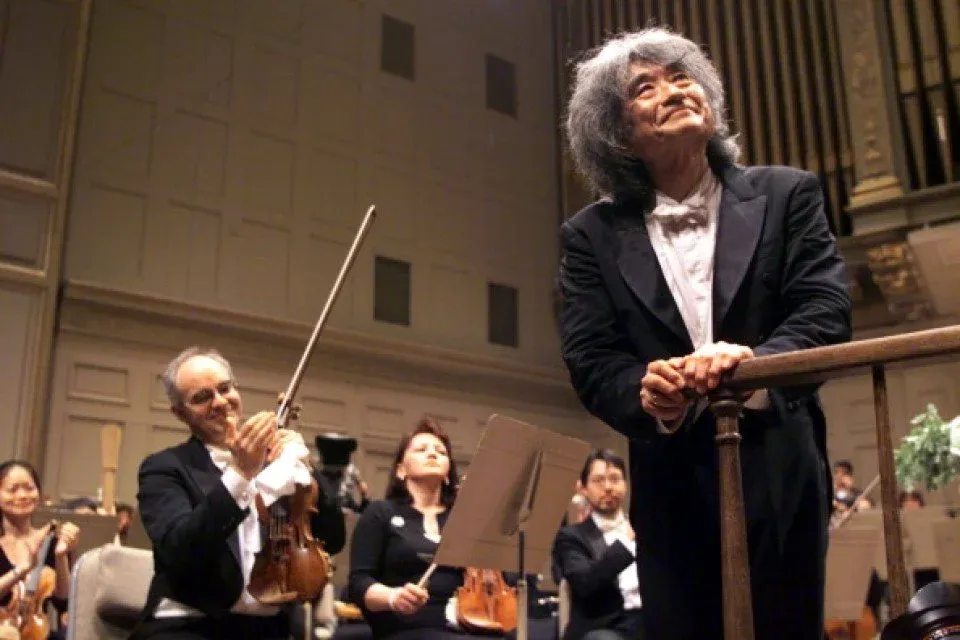 Via ProMusica Chamber
More in UnassignedVia Berliner Philharmoniker
Unlike many adaptations that copied dialogue directly, Berlioz chose another path. His version reflected personal passion, artistic freedom, and deep admiration for Shakespeare while allowing music to express feelings beyond spoken language, creating a uniquely powerful Romantic interpretation for audiences.
The Early Life of Hector Berlioz
Hector Berlioz was born in France in 1803 to a respected provincial doctor who hoped his son would continue the family profession. Medicine appeared to offer a secure future, but music quietly captured the young man's imagination from an early age, inspiring extraordinary artistic ambitions.
Via ideastream
After moving to Paris for medical studies, Berlioz encountered a thriving cultural world unlike anything he had known before. Grand theaters, concert halls, and artistic circles surrounded him with endless inspiration that gradually overshadowed his academic responsibilities.
Although he completed medical training, his true ambition remained impossible to ignore. Choosing music over medicine surprised many people, yet that bold decision eventually shaped one of the most influential musical careers of the Romantic period, inspiring generations of composers worldwide.
Via MyRomanticism
Paris Sparked an Artistic Awakening
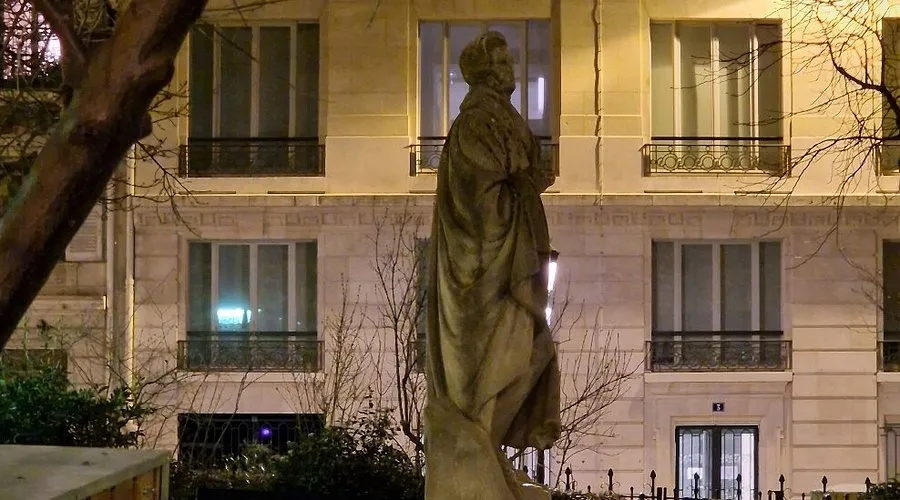
Paris offered opportunities that transformed Berlioz into an ambitious composer determined to leave a lasting mark on musical history. Visits to famous opera houses and conservatory libraries broadened his understanding of orchestral writing and dramatic expression. Every performance introduced fresh ideas about harmony, storytelling, and emotion. The city's vibrant artistic atmosphere encouraged experimentation, allowing Berlioz to develop a style that refused to follow established musical traditions, embracing originality, expressive freedom, and bold artistic innovation.
Via TripAdvisor
Creative confidence grew rapidly during these years despite limited formal training. The determination to innovate proved stronger than any obstacle, setting the stage for remarkable achievements that would later define his reputation and transform the course of Romantic music.
A Composer Unlike His Contemporaries
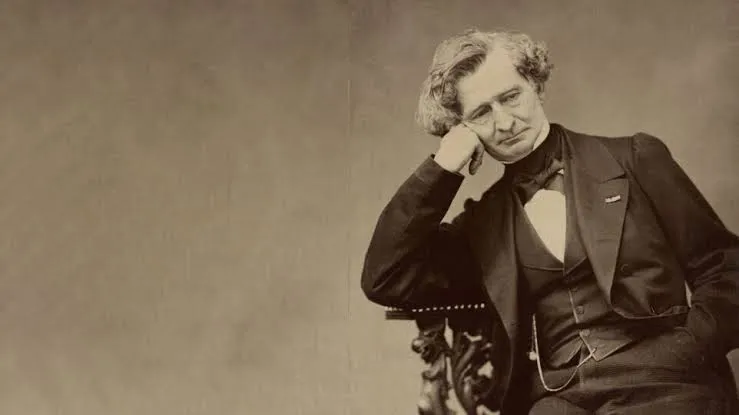
Many celebrated composers of the nineteenth century were accomplished pianists, yet Berlioz followed an unusual path. His musical education focused mainly on the flute and guitar, while piano performance remained one of his weaker skills, distinguishing him from many celebrated contemporaries.
Via WF MT
This difference never prevented artistic success because Berlioz thought beyond keyboard technique. His imagination centered on the full orchestra, where combinations of instruments created powerful emotional landscapes impossible to achieve through piano alone.
Original thinking distinguished every major composition. Instead of relying on familiar formulas, Berlioz embraced bold orchestration and dramatic structure that challenged audiences while inspiring future generations of composers.
Via BBC
Shakespeare Left a Lasting Impression
The arrival of an English theater company in Paris in 1827 introduced Berlioz to live performances of Shakespeare's plays. Although he did not understand English, the emotion, drama, and powerful stage performances spoke directly to him. Performances of Hamlet and Romeo and Juliet awakened a lifelong fascination with Shakespeare's dramatic storytelling. Powerful characters, unforgettable emotions, and poetic intensity deeply influenced the composer's artistic imagination.Via USC Today
That admiration never faded throughout his career. Shakespeare became one of the strongest literary influences behind several creative decisions, shaping both musical ideas and dramatic expression in lasting ways while inspiring many of Berlioz's most celebrated compositions.
Harriet Smithson Became His Greatest Inspiration
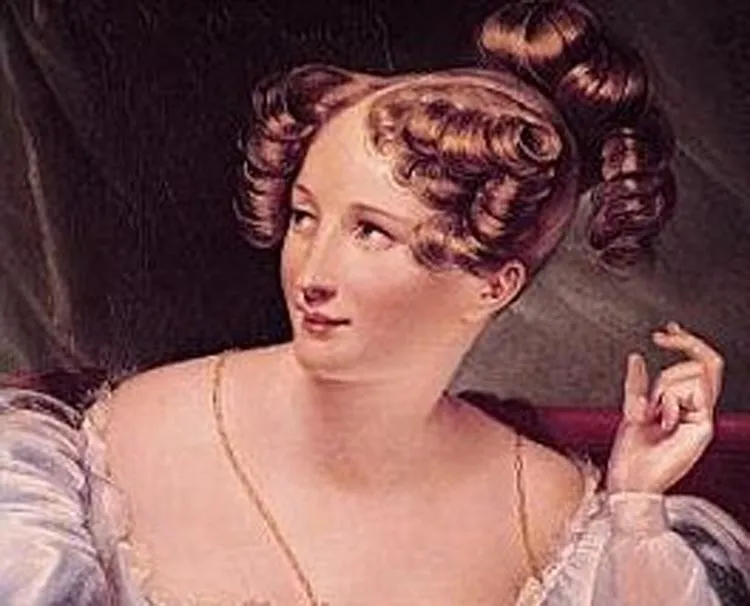
Among the performers in the English company stood Harriet Smithson, whose portrayals of Ophelia and Juliet captivated Parisian audiences. Berlioz admired her acting with extraordinary intensity, believing she perfectly embodied Shakespeare's unforgettable heroines.
Via Alchetron
Strong emotions soon developed into an overwhelming personal obsession. Passionate letters, constant admiration, and attempts to remain close to the actress reflected the romantic ideals that often characterized artistic personalities during that era.
Although Smithson initially rejected every advance, the emotional impact of her performances remained unforgettable. Her remarkable stage presence continued inspiring Berlioz's musical creativity, influencing his compositions and artistic vision long after the theater performances had ended.
Via Abelton
Passion Turned Into Creative Energy
Disappointment did not silence Berlioz's imagination. Instead, his emotional struggles inspired one of the boldest orchestral works ever composed. He transformed personal heartbreak into a powerful artistic achievement, creating music that expressed deep emotion and left a lasting mark on audiences and the history of classical music. The result was Symphonie fantastique, a groundbreaking composition that followed the dramatic journey of a troubled young artist consumed by hopeless love and vivid dreams. Its innovative storytelling amazed audiences and critics alike, establishing Berlioz as a bold musical innovator.Via Classical Music
The composition introduced listeners to a completely new musical language. Programmatic storytelling, recurring musical themes, and daring orchestration combined to create an unforgettable listening experience unlike earlier symphonies.
Love Eventually Became Reality
Years after their first meeting, Harriet Smithson agreed to see Berlioz as his musical success continued to grow. What began as distant admiration gradually transformed into a genuine relationship. Their long-awaited connection marked a turning point in both Berlioz's personal life and artistic journey.
Via The List
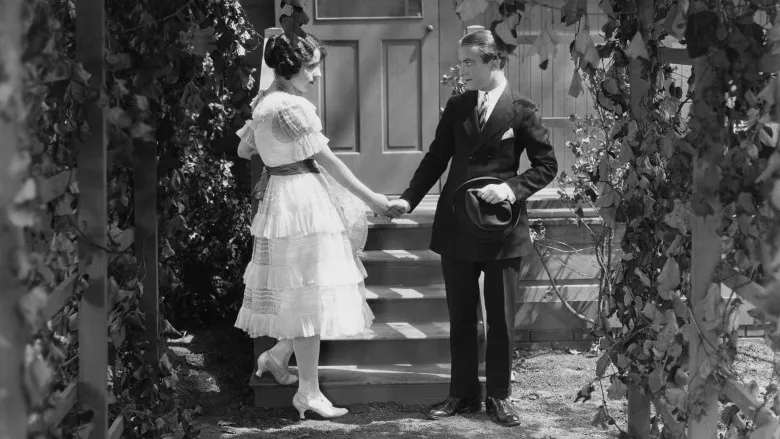
Marriage followed in 1833, creating one of the most discussed artistic unions of the Romantic period. Many observers believed the passionate composer had finally achieved the happiness that inspired so much beautiful music.
Life together proved more difficult than expected. Personal differences gradually weakened the relationship, leading to separation while leaving behind a complicated story of love, creativity, and disappointment that continued influencing Berlioz's life and artistic legacy for years afterward.
Via Linkedin
The Birth of Roméo et Juliette
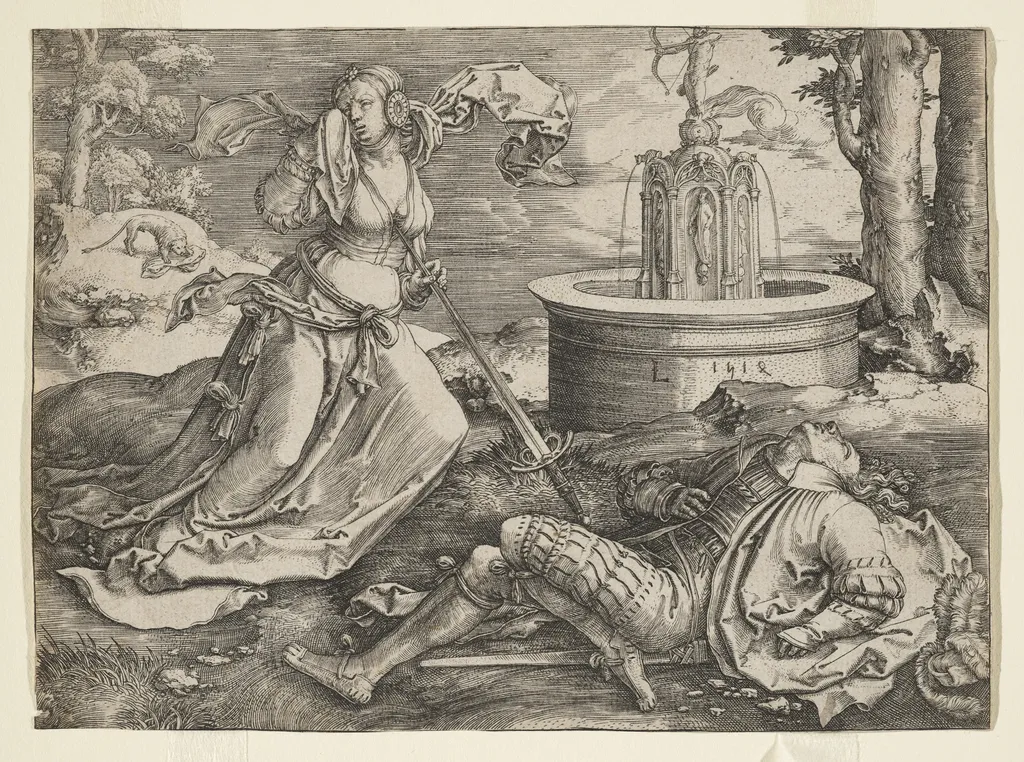
Berlioz returned once more to Shakespeare's celebrated lovers with an entirely different musical vision. Instead of writing another opera, he introduced a dramatic symphony that combined orchestra, solo voices, and choir into one remarkable composition. Premiering in 1839, the work expanded orchestral storytelling. Music carried the emotional narrative, while vocal sections emphasized key moments without overpowering the overall structure, creating a distinctive and balanced musical experience.Via Cooper Hewitt
This innovative format differed from traditional concert works. By combining symphonic writing with theatrical imagination, Berlioz challenged established musical traditions and introduced a fresh, imaginative approach to orchestral composition.
A Different Approach to Shakespeare’s Story
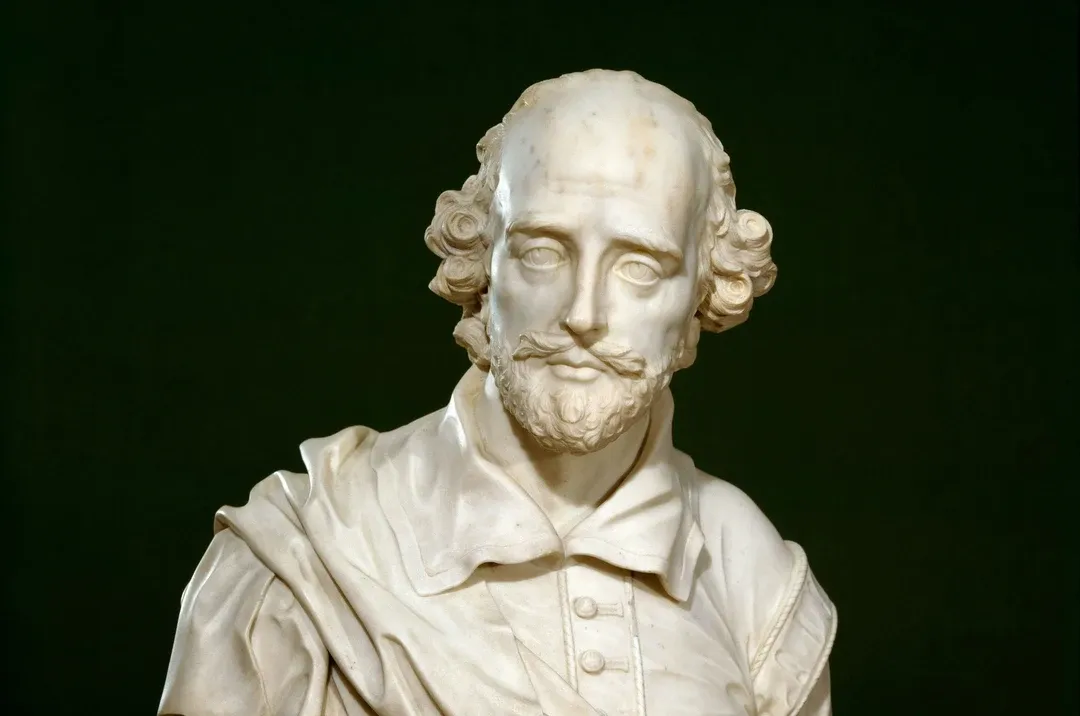
One surprising feature of Roméo et Juliette is the absence of Shakespeare's original dialogue. Rather than setting famous speeches to music, Berlioz commissioned poetic verses based on prose summaries of the story, creating a distinctive narrative approach.Via Oxford Scholastica
The decision emphasized musical interpretation instead of literary quotation. Audiences experienced familiar scenes through orchestral expression rather than lengthy vocal performances closely following the original play.
This artistic freedom allowed Berlioz to emphasize atmosphere and emotional depth. The result honored Shakespeare while presenting an original musical vision inspired by the expressive ideals of the Romantic era, demonstrating his distinctive creativity and lasting influence.
Via Humanidades
The Orchestra Became the Main Storyteller
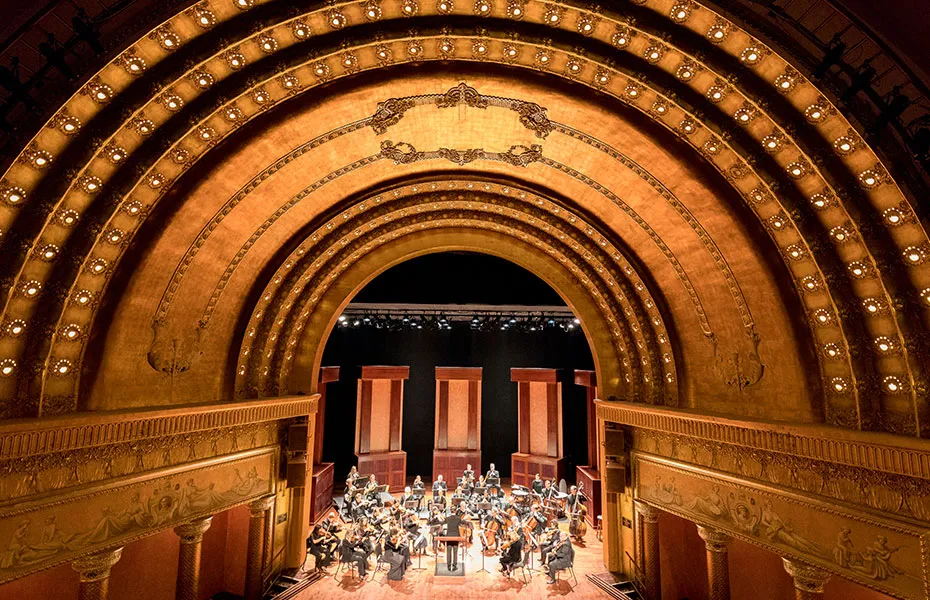
Large sections of the composition rely entirely on instrumental music without vocal interruption. Berlioz believed the orchestra possessed unique expressive powers capable of communicating emotions beyond the limits of spoken language. Every instrumental section contributed distinctive colors and dramatic effects. Strings created tenderness, woodwinds suggested mystery, brass delivered heroic intensity, and percussion heightened moments of excitement and conflict, demonstrating Berlioz's extraordinary command.Via The Kennedy Center
Careful orchestration transformed familiar scenes into vivid musical images. Through sound alone, listeners could vividly imagine moonlit gardens, joyful celebrations, tragic confrontations, and heartfelt reunions, showcasing Berlioz's remarkable ability to paint powerful emotional scenes with music.
Berlioz’s Genius for Orchestration
Few composers displayed a deeper understanding of orchestral possibilities than Berlioz. Every instrument received careful attention, allowing individual voices to contribute meaningfully within the larger musical texture, creating vivid contrasts, expressive colors and remarkable emotional depth throughout each careful performance.
Via Of Music, A Life
His influential writings about orchestration educated generations of composers seeking practical guidance on instrumental combinations. The publication remained an important reference for many decades because of its detailed observations and creative insights.
Exceptional orchestral imagination became one of Berlioz's defining strengths. Modern audiences continue admiring the freshness, richness, and dramatic power of his major compositions, which remain influential and widely celebrated in classical music today.
Via ProMusica Chamber