Entertainment / Music
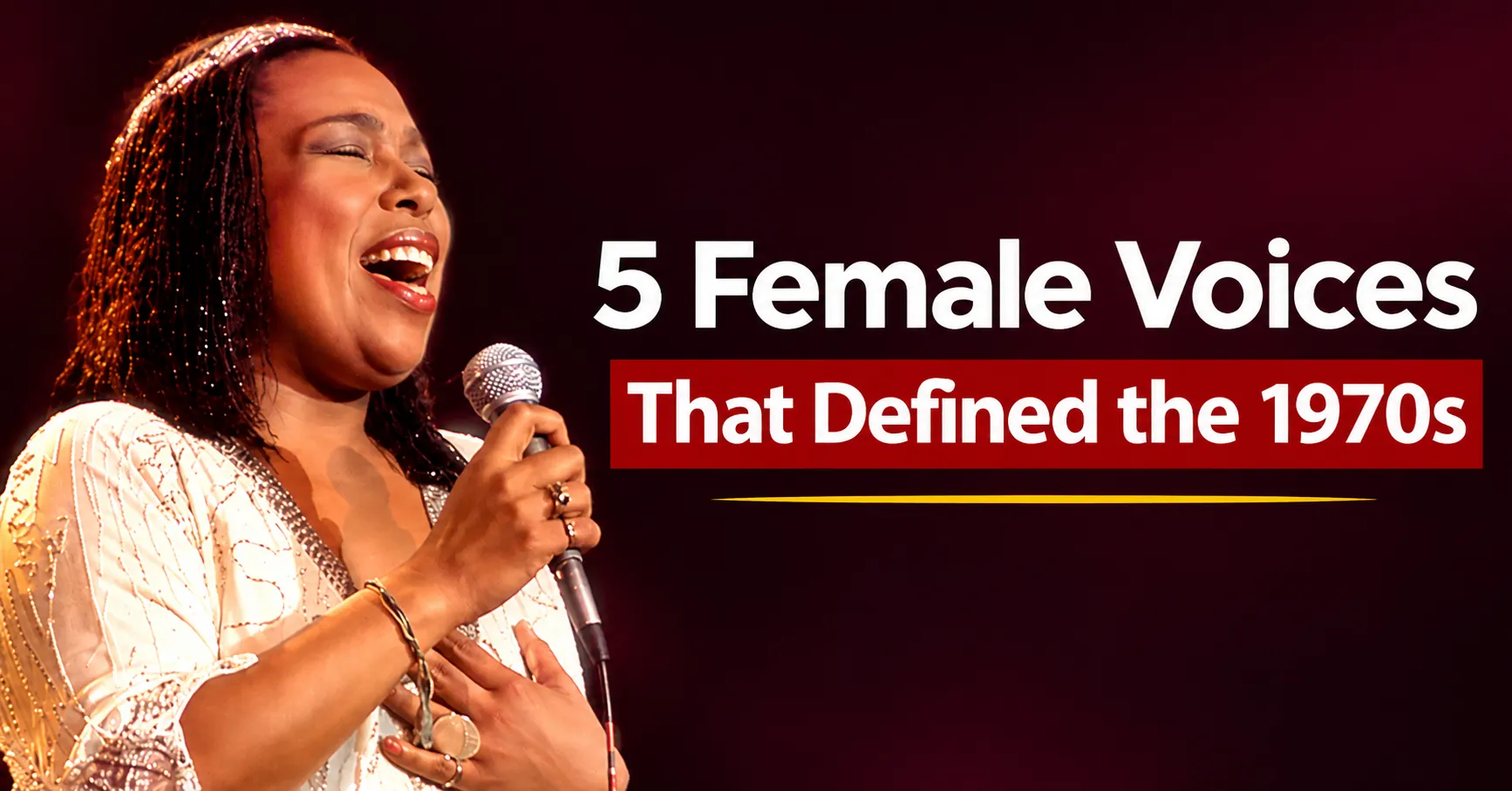
5 Female Singers With the Most Beautiful Voices of the 1970s
The 1970s stands as one of the richest periods in music history. Rock, disco, punk, soul, and funk were all growing at the same time, and each genre produced stars who changed how people listened to songs. Radio stations played a wide mix of styles, and record sales climbed to new heights. With so much talent in the spotlight, it became very hard for any single vocalist to rise above the crowd and be remembered for decades.
Some female singers still managed to stand apart from everyone else. Their voices carried a special quality that made listeners stop and pay attention. These women were not only famous or successful. They were admired mainly for the sound they created and the feelings their singing brought out in people. Many fans today still describe their songs as some of the most moving recordings ever made, which shows how strong their impact really was.
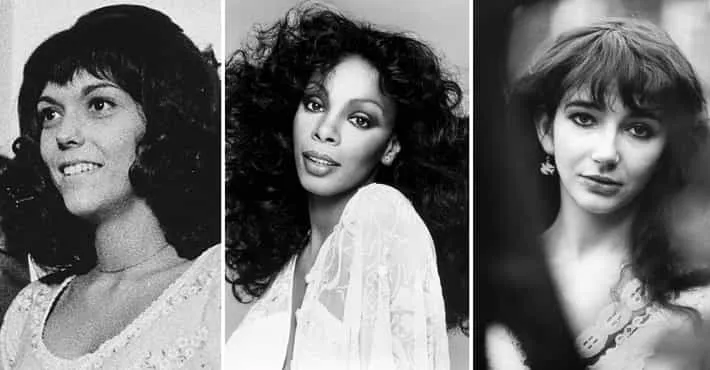
Via Rankers
Five singers in particular are often named when people talk about the most beautiful voices of that era. Minnie Riperton, Linda Ronstadt, Roberta Flack, Barbra Streisand, and Olivia Newton-John each brought something different to music. Some had amazing range, while others had amazing control or emotion. In every case, their voices became the best part of the songs they sang, and their work continues to inspire singers around the world today.
Minnie Riperton’s Remarkable Five-Octave Range
Minnie Riperton’s voice had a clear operatic touch, and there was a good reason for it. As a young girl in Chicago, she trained in opera at the Abraham Lincoln Center and later studied with the Chicago Junior Lyric Opera. Her training lasted close to ten years and gave her strong control from an early age.
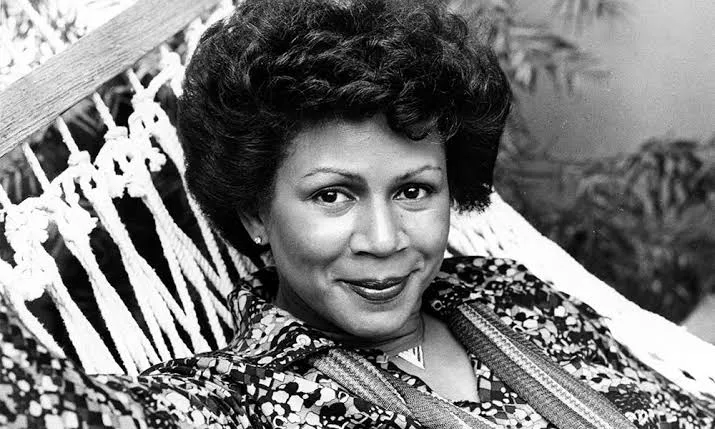
Via UDiscover Music
That foundation helped her develop a famous five-octave range, which allowed her to reach high notes that very few singers in any era could match. Range alone does not make a voice beautiful, and Riperton understood that well. She paired her rare high register with honest feeling, which helped her connect with listeners on a personal level.
Ballads like “Inside My Love” and “Lovin’ You” show this gift clearly. “Lovin’ You” reached No. 1 on the Billboard Hot 100 in 1975 and became one of the most recognizable love songs of the decade. Her faster songs, such as “Adventures in Paradise,” proved she could shine in different styles too. Success did not come quickly for her as a solo artist.
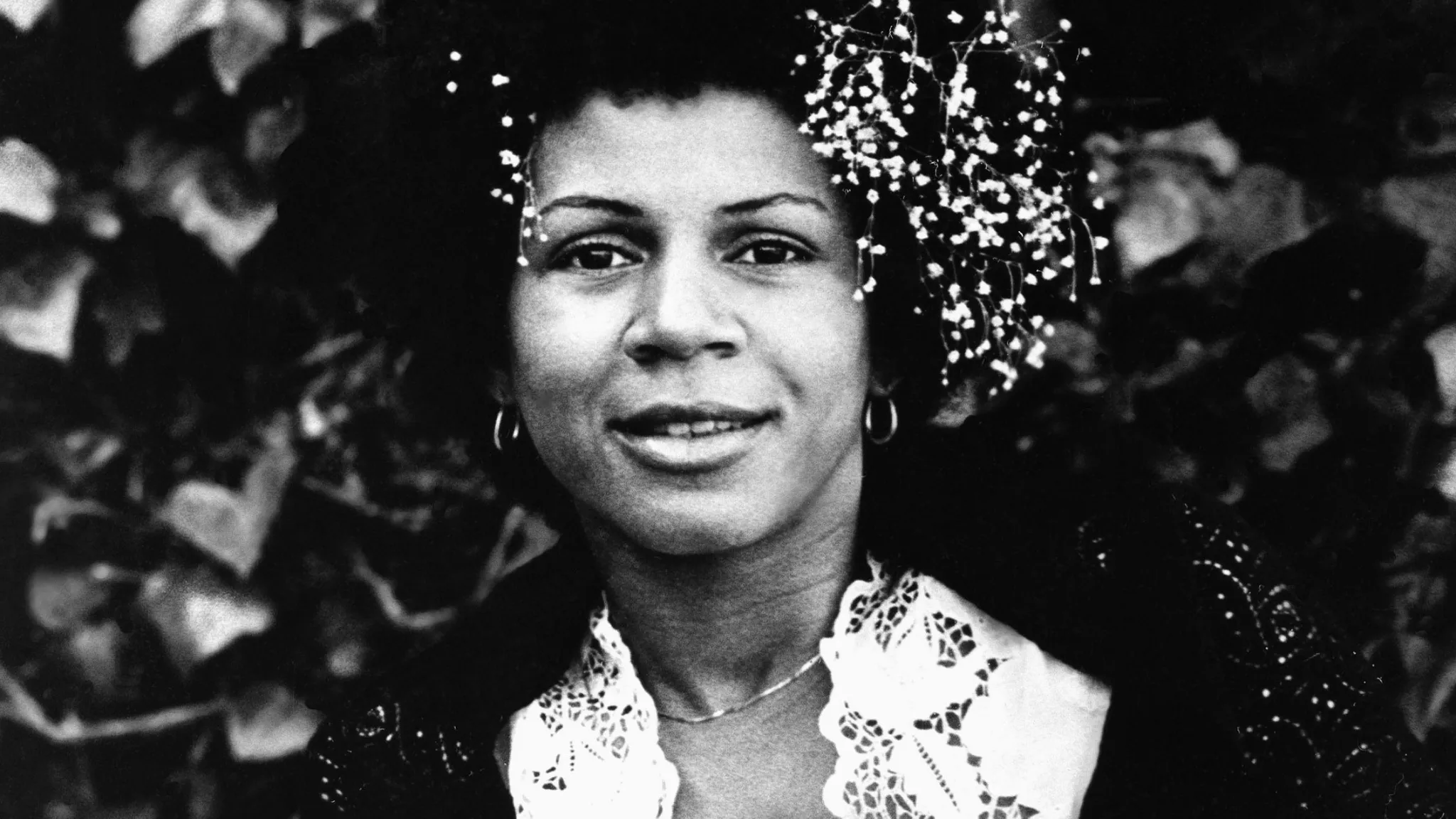
Via Texas Public Studio
Her first album, “Come to My Garden,” did not sell well, even though critics later praised it. Everything changed in 1974 when she released “Perfect Angel,” an album co-produced by Stevie Wonder. The record climbed to No. 4 on the Billboard 200 and turned her into an international star. Sadly, Riperton died of breast cancer in 1979 at just 31 years old, but her voice remains one of the most treasured sounds of the decade.
Linda Ronstadt and the Power of Knowing What a Song Needs
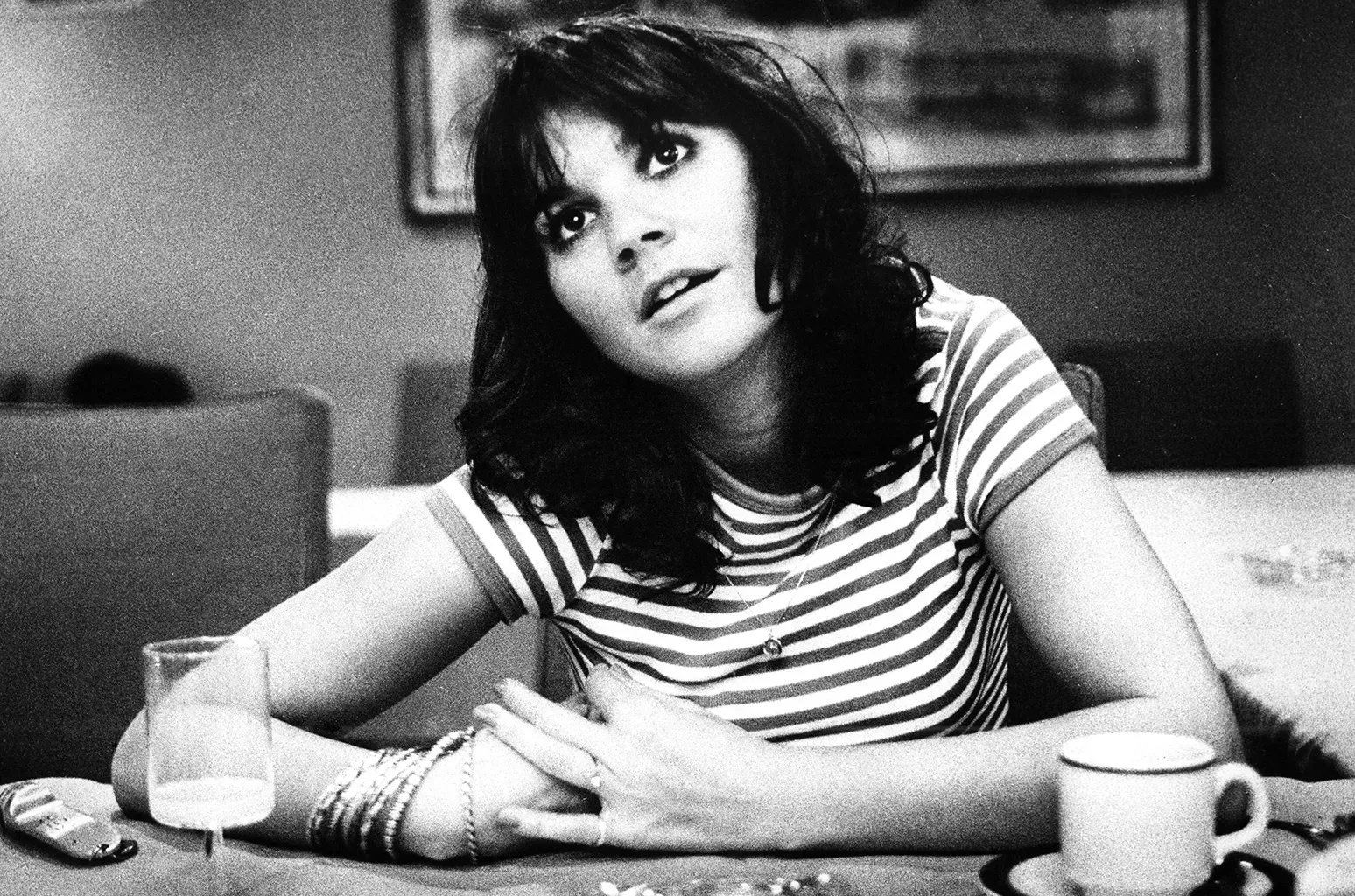
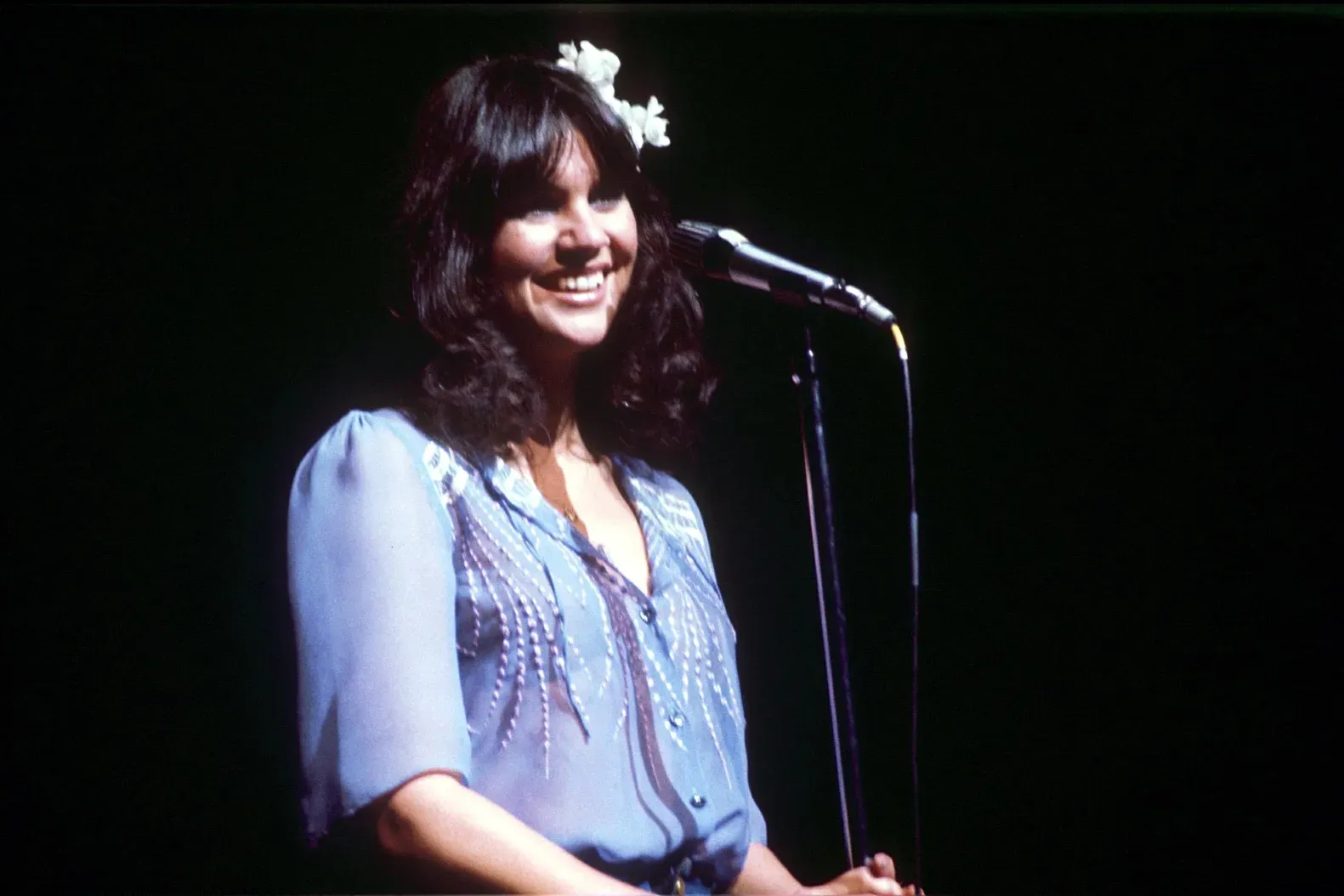
Linda Ronstadt built one of the most impressive careers of the 1970s. She earned five platinum albums in a row, scored 10 Top 10 singles, and won 11 Grammy Awards over her career. She also became the first woman to sell out arenas the way big rock bands did. Even with all those achievements, fans and critics still talk most about her voice, which could fit almost any style she chose to sing, from rock and country to pop and traditional music. One of her greatest strengths was giving each song exactly the feeling it called for.
Via Billboard
On “You’re No Good” from 1974, she sounded bold and confident. On “Long, Long Time” from 1970, she sounded open and heartbroken. Her 1977 cover of “Blue Bayou” showed a perfect mix of strength and softness. This skill made her one of the most trusted interpreters of other people’s songs, and many songwriters were thrilled to hear her version of their work.
Ronstadt once explained that her early years on tour taught her an important lesson. Sound systems were poor back then, so she sang as loudly as she could just to be heard. Later, she discovered that singing softly gave her far more control and let her sing better with much less effort.
Via Rolling Stone
The Arizona native stopped singing in 2011 because of health problems, which were later linked to a rare brain disorder. Her large body of work, including her solo albums and her Trio recordings with Dolly Parton and Emmylou Harris, continues to win new fans.
Roberta Flack and the Gentle Strength of a Soulful Voice
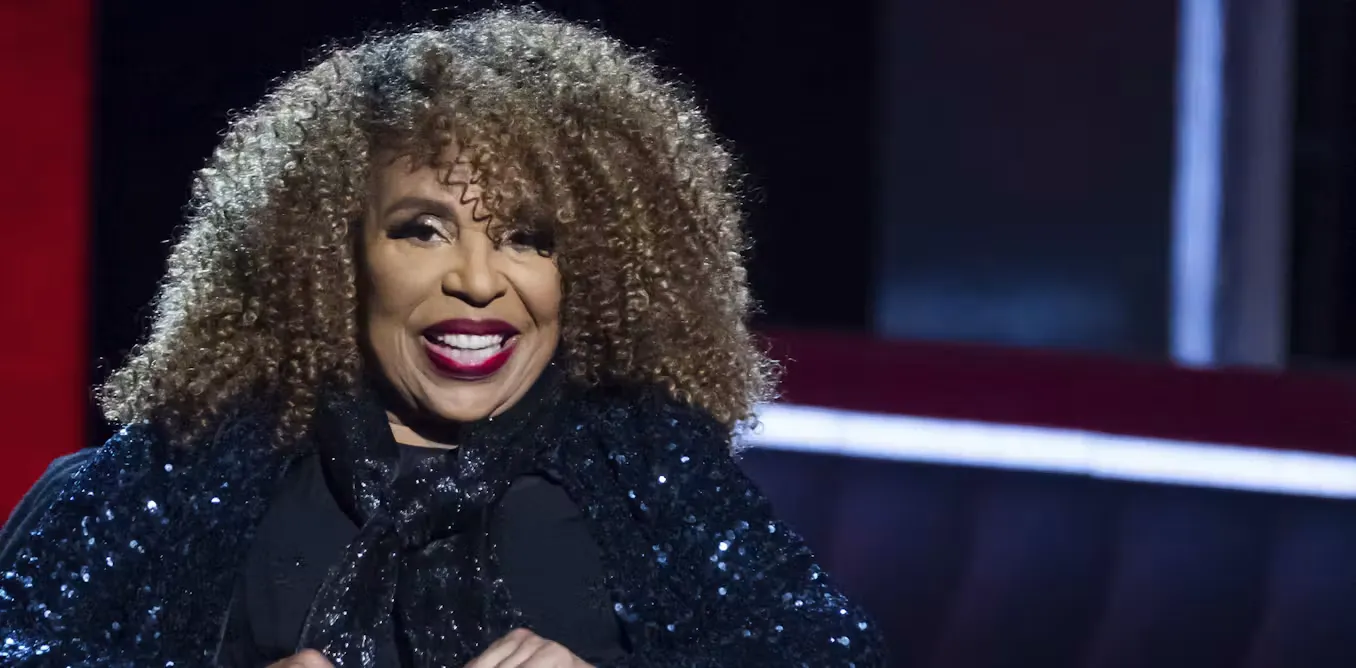
Roberta Flack had a voice that could break a listener’s heart and then heal it in the same song. Her singing was soft and sincere, yet full of deep emotion. She showed musical talent very early and earned a scholarship to Howard University in Washington, D.C., before she turned 16. She spent years teaching and performing in clubs, slowly building her skills. Her big chance came in her 30s when jazz pianist Les McCann heard her sing live and helped her land an audition with Atlantic Records.
Via The Conversation
McCann was deeply moved by her talent. In the liner notes of her first album, “First Take,” he wrote that her voice stirred every emotion he had ever felt and that she had a voice unlike anyone else. Singer Donny Hathaway felt the same way. The two recorded several beautiful duets together, including “Where Is the Love” in 1972 and “The Closer I Get to You” in 1977. Hathaway often said he never stopped being amazed by her singing.
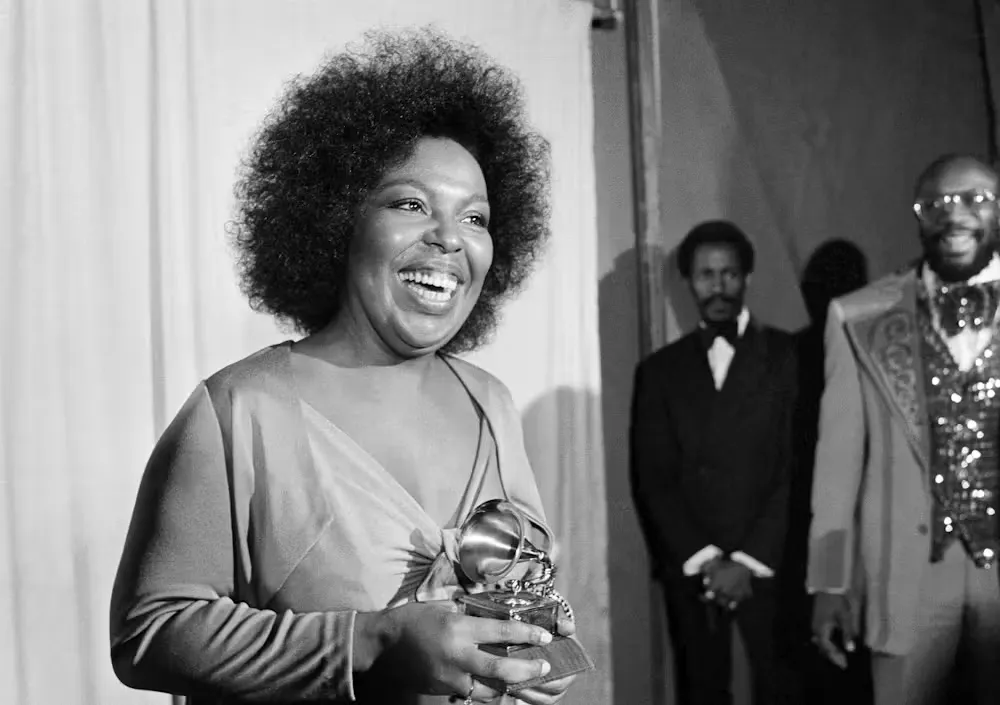
Flack believed that technical skill was only part of being a great singer. In a 1980 interview, she explained that musicians face the mystery inside every piece of music and must find their own meaning in it before passing that feeling on to others. Her hits “The First Time Ever I Saw Your Face” and “Killing Me Softly With His Song” proved this idea, and she became the first artist to win the Grammy for Record of the Year two years in a row. Flack passed away in February 2025 at the age of 88, leaving behind a legacy of timeless songs.
Via The Conversation
Barbra Streisand and the Art of Acting Through Song
Barbra Streisand’s voice has been studied and praised for decades, yet singing was not her first dream. She originally wanted to become an actress. That early love of acting ended up shaping her singing in a powerful way. She learned to treat each song like a role, stepping into the shoes of the person in the lyrics.
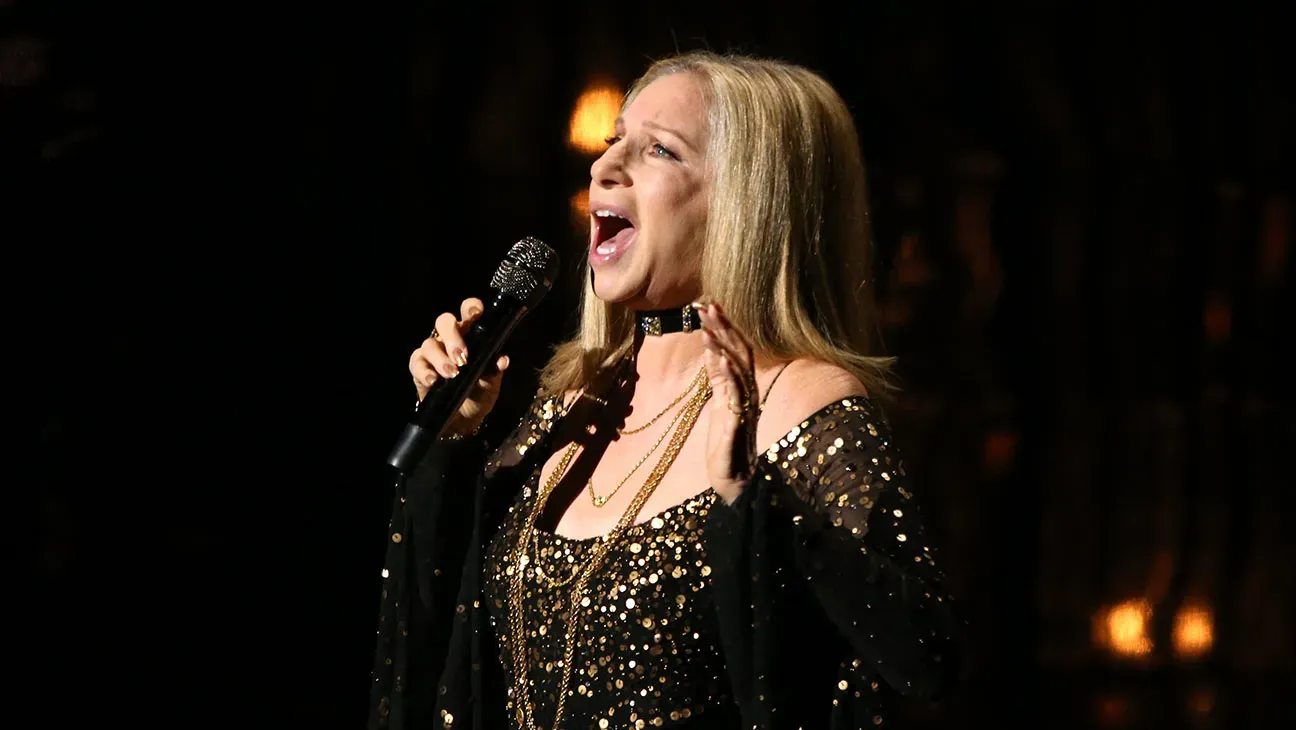
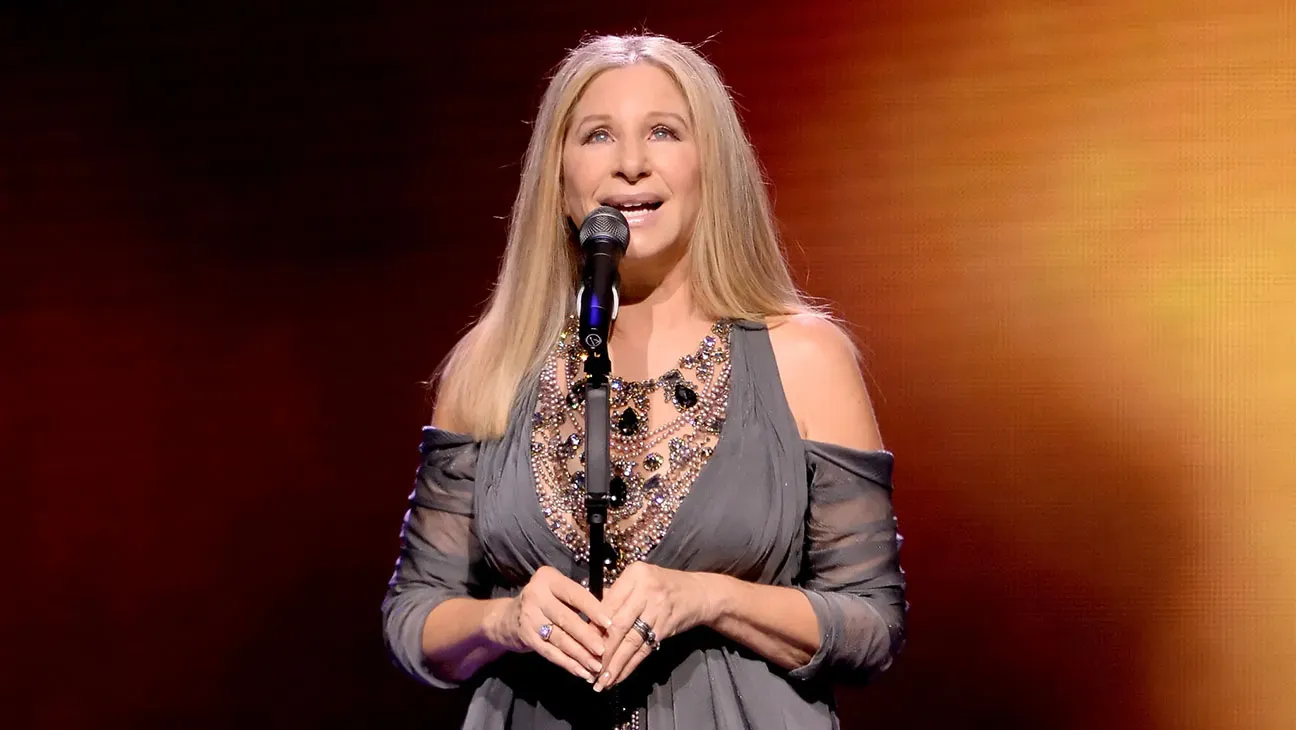
This approach allowed her to tell stories through music, making every line feel personal and believable to the people listening. Streisand brought a theater-style approach into the recording studio. With her three-octave range, she sang in a natural, conversational way that made listeners feel as if she were speaking directly to them. Her 1970s hits show this style clearly.
Via The Hollywood Reporter
“The Way We Were” became a No. 1 hit in 1974, and “Evergreen,” from the film “A Star Is Born,” won her an Academy Award for songwriting. Her 1978 duet with Neil Diamond, “You Don’t Bring Me Flowers,” also topped the charts. Her live shows carried the same warmth, though she never sang a song exactly the same way twice.
In an interview with NPR, she explained that she liked to change her phrasing based on how she felt each night, because copying the previous performance would not feel honest. Her clear pronunciation and storytelling style are big reasons for her success, but her strong control and smooth shifts between high and low notes matter just as much. She remains one of the few entertainers to win an Emmy, Grammy, Oscar, and Tony.
Via The Hollywood Reporter
Olivia Newton-John and the Warmth of an Effortless Sound
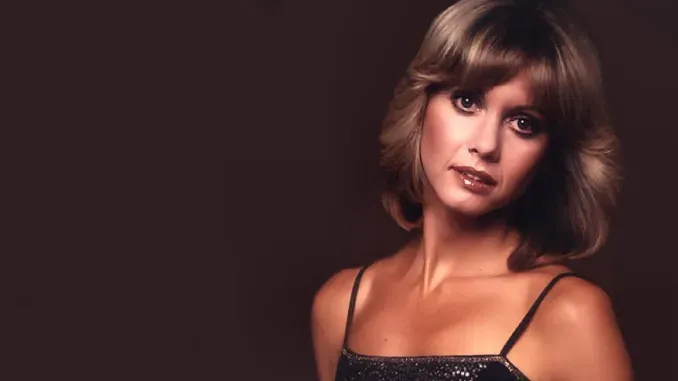
Olivia Newton-John’s voice often brings to mind images of sunshine breaking through clouds over a quiet field. Her singing had a natural warmth that seemed to float through every song she recorded. Born in England and raised in Australia, she became one of the biggest pop and country stars in the United States during the 1970s.
Her 1974 hit “I Honestly Love You” is a perfect example of her gift, as she sang barely above a whisper and filled the song with tender emotion. Even her upbeat songs had a soft and personal feel. On “Have You Never Been Mellow,” her gentle delivery made the track sound almost like a ballad. Her light voice was never weak, though.
Via Country Universe
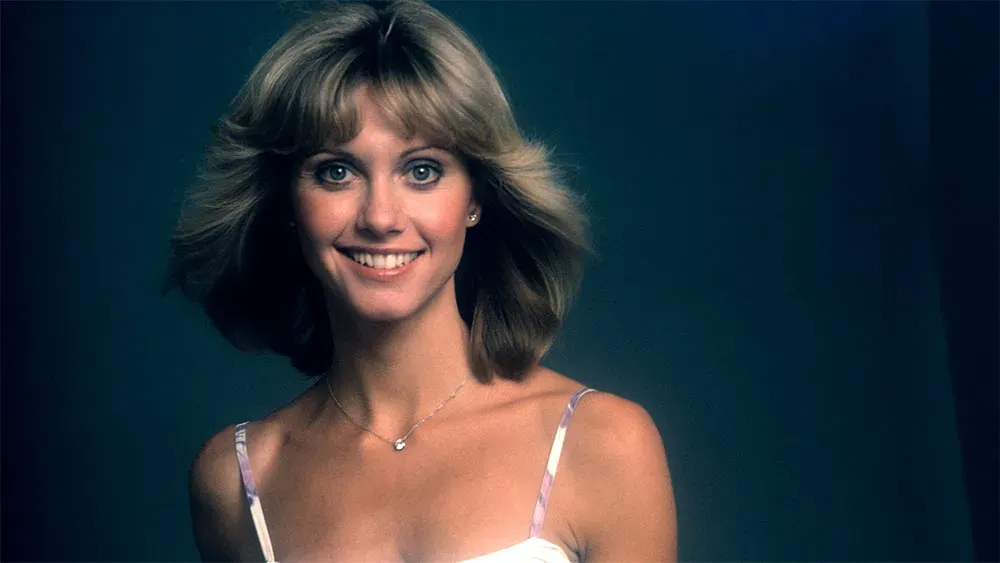
That strength became clear in the 1978 film “Grease,” where she starred alongside John Travolta. Her powerful performance on “You’re the One That I Want” and her emotional take on “Hopelessly Devoted to You” turned the soundtrack into one of the best-selling movie albums of all time. Newton-John passed away in August 2022 at the age of 73, and many artists shared how much her music meant to them.
Mariah Carey said she fell in love with Olivia’s voice as a little girl after hearing “I Honestly Love You.” She praised the airy tone heard in songs like “Magic” and “Suddenly” and said she was completely obsessed with “Grease.” Beyond music, Newton-John spent years supporting cancer research and opened a cancer wellness and research center in Melbourne, which carries her name today.
Via Variety
Why These Voices Still Matter Today
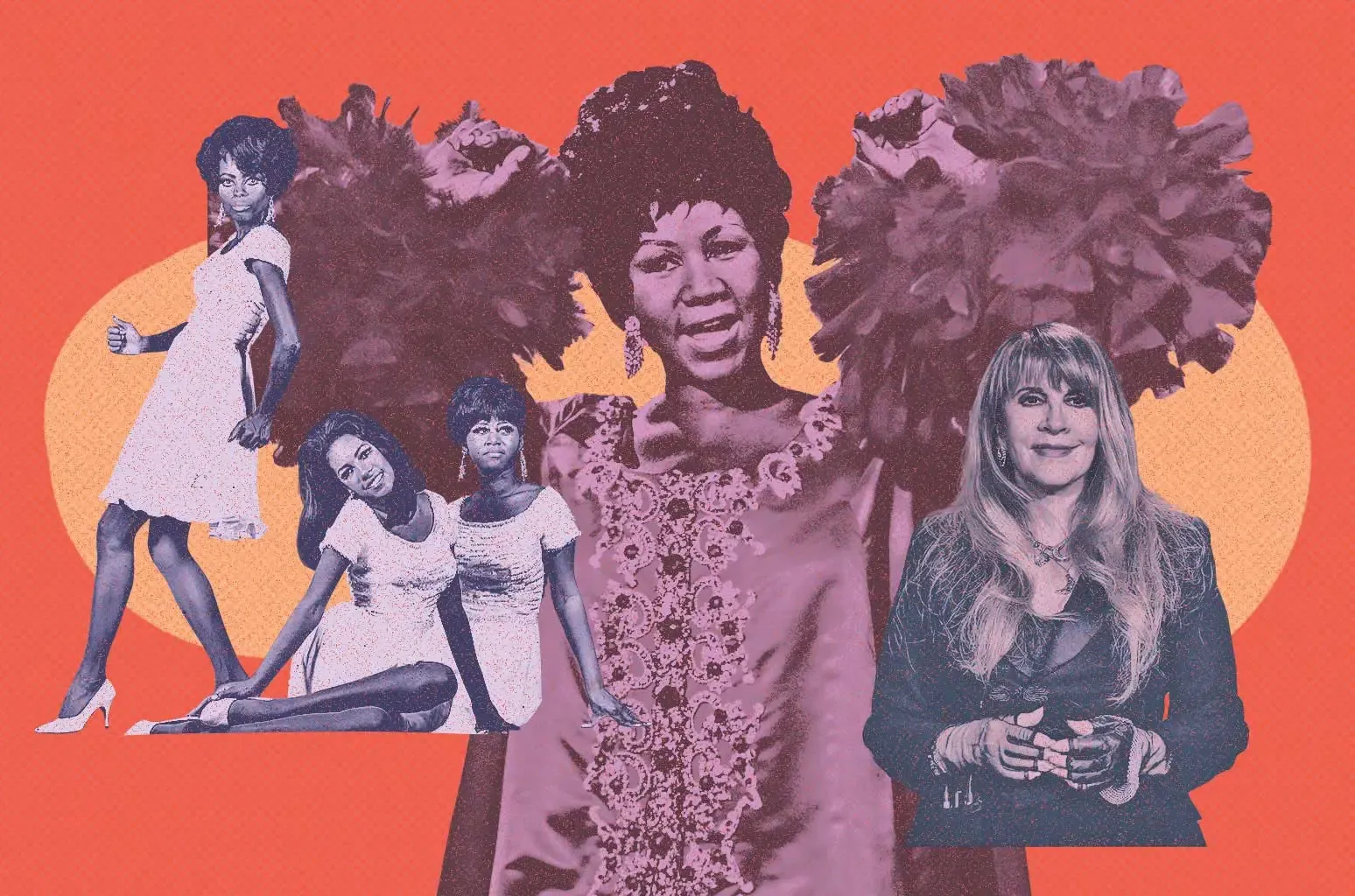
These five women came from very different backgrounds and sang in very different styles. Riperton brought opera training into soul and pop. Ronstadt moved easily between rock, country, and classic standards. Flack blended jazz, soul, and folk with deep feeling. Streisand mixed theater and music into one unique style, while Newton-John brought a soft, warm sound to pop and film.
Via Billboard
Despite these differences, each of them created music that people still connect with on a deep level. Their songs remain popular across many generations. Classic radio stations still play their hits, and streaming services introduce their music to younger listeners every day. Many modern singers have named these women as major influences on their own careers.
Movies, television shows, and commercials continue to use their recordings to create strong emotional moments, which proves that their voices still hold real power decades after they were first heard. The 1970s produced countless talented performers, but only a few voices became truly timeless.
Via NPR
These five singers earned their place through skill, emotion, and a strong understanding of what each song needed. People continue to return to their music for comfort, joy, and inspiration. As long as listeners value honest and beautiful singing, they will keep celebrating these remarkable women and the unforgettable songs they left behind.