Unassigned
The AI Revolution - How It Works and Why It Worries Some

Artificial intelligence has shifted from an abstract idea to a deeply embedded part of everyday life. From composing music to detecting fractures in medical scans, its reach continues to grow across sectors. Today, AI tools assist in driving cars, flagging fraud, managing tasks, and even supporting students with their homework.
This rising prominence has prompted both admiration and concern. As tools like ChatGPT become more mainstream, questions surrounding their impact on creativity, employment, and human identity have grown. Some experts urge caution in overstating AI’s risks, highlighting the need to distinguish between realistic threats and exaggerated fears.
 Via STL Digital
While much of the conversation around AI evokes either optimism or panic, researchers emphasize that the future of AI will depend less on technology alone and more on how it is implemented and regulated. It is not just about machines becoming smarter, but about society deciding how these systems should be used.
 Via Information Age
AI’s origins trace back to a 1955 research proposal that sought to create machines capable of using language, forming concepts, and solving problems previously limited to human reasoning. Today, AI ranges from simple statistical tools to advanced machine learning algorithms that mimic complex human behavior.
At Northwestern’s Linguistic Mechanisms Lab, researchers use AI to analyze large volumes of text and speech, such as 911 calls or police conversations. These tasks would take too long for people to handle manually. Instead, AI models detect patterns like respectful language, offering insight into how people communicate across contexts.
 Via Forbes
Although machines can now replicate certain human behaviors, understanding subtle communication cues still poses challenges. This raises a key question in AI research: not whether something can be done, but how well machines can do it.
 Via Bernard Marr
Experts note that AI models are adjusted after training to better align with human expectations. These adjustments make the tools more appealing to users, as they learn to express themselves with authority or apologize when unsure, because people respond positively to such traits.
Despite seeming intelligent, these models do not possess true reasoning. They generate responses that are statistically likely to be relevant, but the responsibility to evaluate those responses still lies with humans. AI can support decision-making, but it cannot replace human judgment.
 Via Dubai AI Festival 2025
AI's outputs are shaped by human decisions at every stage, from choosing training data to defining what counts as a good result. This reality makes it clear that the intelligence of AI is not independent; it is engineered and maintained by people.
 Via Linqto
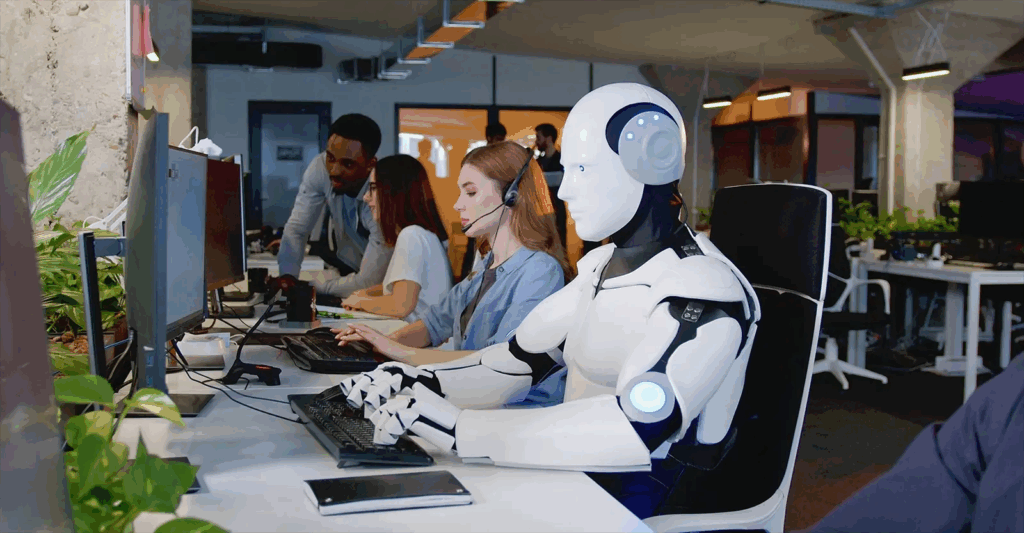
The impact of technology on labor markets has never been determined by innovation alone. Instead, social, cultural, and organizational elements influence how tools are adopted. Even when new systems are available, companies may delay using them due to security concerns or unclear returns on investment. Job displacement depends largely on occupational power.
Some workers, like lawyers, are shielded by industry regulations, while others, such as customer service staff, are more exposed to automation. Where professional protections exist, AI has often been integrated in ways that improve both efficiency and job quality.
 Via EMB Global
Commercial pilots, for instance, benefit from automation while still commanding high wages and ensuring passenger safety. This demonstrates that humans remain critical, even when technology could theoretically take over. Yet AI’s growth may widen inequality if new opportunities favor only highly educated individuals.
Without accessible training and industry recognition of nontraditional skills, workers may struggle to transition into new roles. The challenge is not simply about competing with AI, but about learning to use it effectively. Those who master AI integration will likely find themselves better positioned in a rapidly changing job market.
 Via University Canada West
 Via Corporate Finance Institute
To prevent this, AI tools should be designed to present multiple options or varying predictions. This encourages human users to think critically and engage more deeply in the decision-making process rather than accepting a single response.
This practice helps preserve human agency while ensuring more balanced outcomes. Researchers have found that even models with the same accuracy often produce different answers to the same question. This highlights the importance of understanding how AI works and why it is essential to interpret results rather than blindly trust them.
 Via LexCheck Blog
 Via LinkedIn
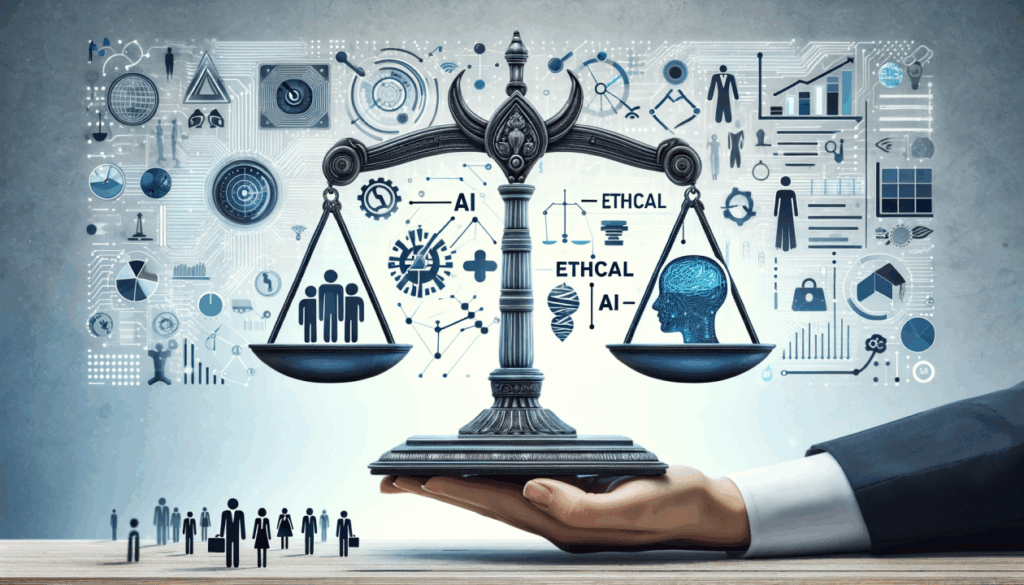
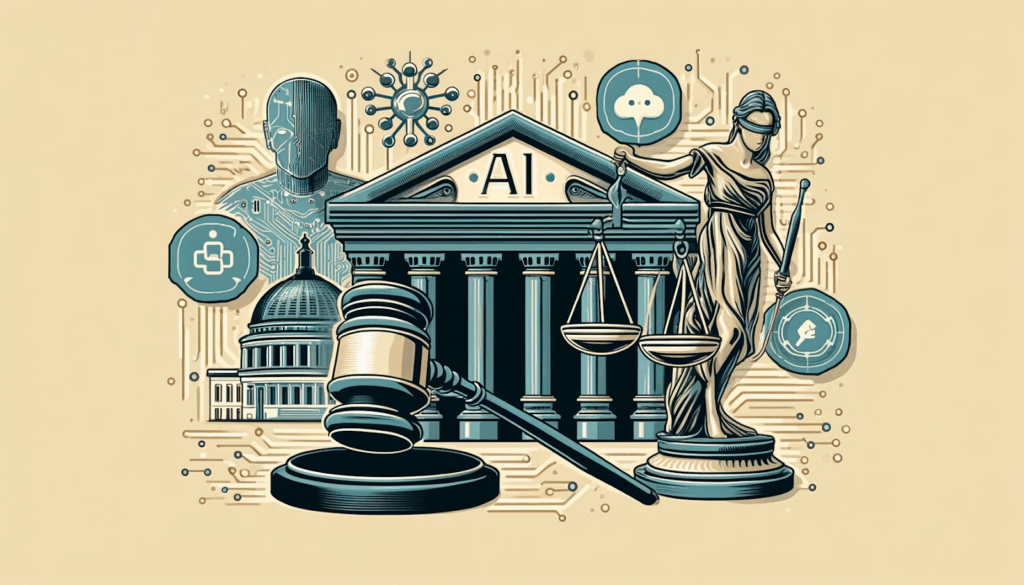
The European Union has adopted a strict framework that emphasizes lawful, ethical, and reliable AI. In contrast, China’s policies include restrictions on content but do not strongly prioritize personal privacy. The United States has taken a more permissive stance, aiming to encourage innovation.
Companies like OpenAI developed products with little initial regard for copyright laws, expecting to handle consequences later if needed. Some states have stepped in to address gaps in federal regulation. Illinois, for example, has enacted laws focused on AI in hiring and facial recognition.
 Via Baresquare
These piecemeal efforts signal that regulation is slowly catching up, but inconsistencies remain. One of the biggest challenges is that regulations often lag behind technological advances. Existing legal frameworks may not be equipped to handle the complexity of AI systems or the nuances of their predictions.
 Via NuAlg
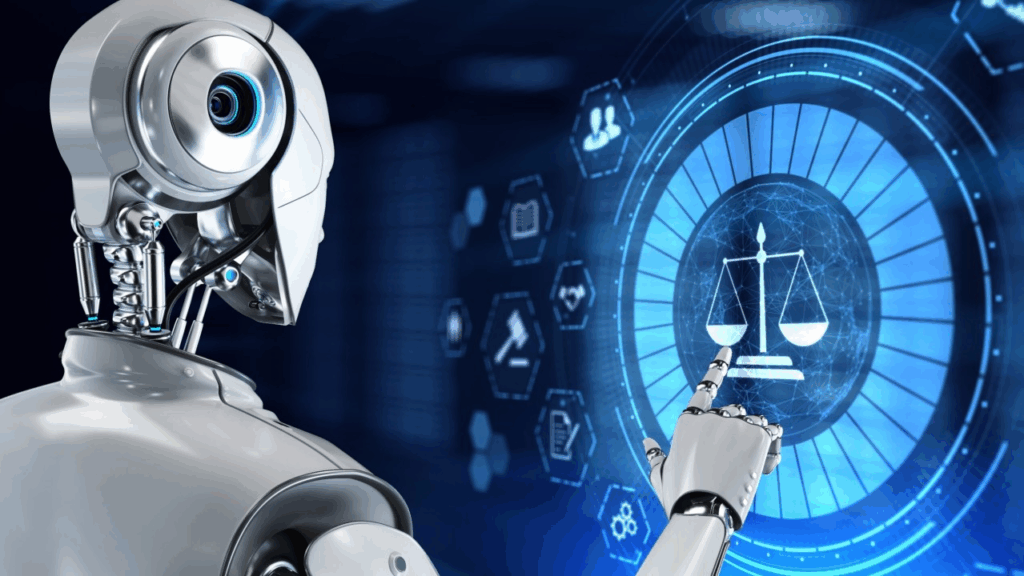
If users cannot understand why a model made a certain decision, it becomes difficult to hold anyone accountable or verify its fairness. Experts argue that solving these problems requires collaboration between technologists, legal scholars, ethicists, and policymakers. It is not enough to simply raise alarms about AI misuse.
Constructive solutions must be developed to ensure ethical development and responsible deployment. To build effective regulation, multidisciplinary teams must understand both the power and limitations of AI systems. They must also be realistic about what can be explained, what cannot, and where human oversight is still essential.
 Via LinkedIn
Researchers are hopeful that AI will lead to discoveries despite the uncertainties. Tools that can process massive datasets and identify patterns across millions of examples offer possibilities that were unimaginable just years ago.
 Via Absolute IT
Proper training, equitable access, and critical thinking are essential to ensure that the benefits of AI are widely shared and its risks minimized. The concerns surrounding AI, loss of privacy, job disruption, or misinformation, are valid, but they are not inevitable. With thoughtful regulation, widespread education, and responsible innovation, society can harness the power of AI without sacrificing its core principles.
While challenges remain, the potential for AI to enhance human capability is enormous. The key lies in recognizing its role as a tool, not a replacement, and in using it to build a future that reflects shared human values. As researchers continue to explore AI’s limits and possibilities, the task ahead is not to fear the technology but to shape it wisely.
More in UnassignedVia STL Digital
While much of the conversation around AI evokes either optimism or panic, researchers emphasize that the future of AI will depend less on technology alone and more on how it is implemented and regulated. It is not just about machines becoming smarter, but about society deciding how these systems should be used.
Defining What Artificial Intelligence Truly Means
The term artificial intelligence can be misleading and often means different things to different people. It generally refers to machines performing tasks that were once reserved for humans. These tasks include interpreting language, solving problems, learning from data, and making predictions based on that learning.Via Information Age
AI’s origins trace back to a 1955 research proposal that sought to create machines capable of using language, forming concepts, and solving problems previously limited to human reasoning. Today, AI ranges from simple statistical tools to advanced machine learning algorithms that mimic complex human behavior.
At Northwestern’s Linguistic Mechanisms Lab, researchers use AI to analyze large volumes of text and speech, such as 911 calls or police conversations. These tasks would take too long for people to handle manually. Instead, AI models detect patterns like respectful language, offering insight into how people communicate across contexts.
Via Forbes
Although machines can now replicate certain human behaviors, understanding subtle communication cues still poses challenges. This raises a key question in AI research: not whether something can be done, but how well machines can do it.
Evaluating the Intelligence Behind AI Tools
AI programs such as ChatGPT give the impression of being intelligent, friendly assistants. But their ability to generate convincing responses does not necessarily mean they understand or think like humans. These tools are shaped by human-made algorithms, and their behavior reflects the biases and limitations of their creators.Via Bernard Marr
Experts note that AI models are adjusted after training to better align with human expectations. These adjustments make the tools more appealing to users, as they learn to express themselves with authority or apologize when unsure, because people respond positively to such traits.
Despite seeming intelligent, these models do not possess true reasoning. They generate responses that are statistically likely to be relevant, but the responsibility to evaluate those responses still lies with humans. AI can support decision-making, but it cannot replace human judgment.
Via Dubai AI Festival 2025
AI's outputs are shaped by human decisions at every stage, from choosing training data to defining what counts as a good result. This reality makes it clear that the intelligence of AI is not independent; it is engineered and maintained by people.
How AI is Affecting Jobs and the Labor Market?
The fear that AI will take over all jobs is often overstated. While automation will certainly impact some professions, researchers suggest that the effects will unfold gradually. Immediate mass layoffs or dramatic productivity spikes are not likely outcomes.Via Linqto
The impact of technology on labor markets has never been determined by innovation alone. Instead, social, cultural, and organizational elements influence how tools are adopted. Even when new systems are available, companies may delay using them due to security concerns or unclear returns on investment. Job displacement depends largely on occupational power.
Some workers, like lawyers, are shielded by industry regulations, while others, such as customer service staff, are more exposed to automation. Where professional protections exist, AI has often been integrated in ways that improve both efficiency and job quality.
Via EMB Global
Commercial pilots, for instance, benefit from automation while still commanding high wages and ensuring passenger safety. This demonstrates that humans remain critical, even when technology could theoretically take over. Yet AI’s growth may widen inequality if new opportunities favor only highly educated individuals.
Without accessible training and industry recognition of nontraditional skills, workers may struggle to transition into new roles. The challenge is not simply about competing with AI, but about learning to use it effectively. Those who master AI integration will likely find themselves better positioned in a rapidly changing job market.
Via University Canada West
The Impact of AI on Human Expertise and Behavior
AI’s influence extends beyond tasks and decisions; it also affects how people think, speak, and create. As AI-generated content becomes more common, linguistic patterns across the internet may begin to shift in subtle but significant ways. The exposure to machine-generated language may standardize how people communicate. This could reduce linguistic diversity and affect how language evolves naturally through human interaction. There is also concern that depending heavily on AI could erode human expertise. If professionals, such as doctors or judges, rely too much on model-generated answers, they may gradually lose their ability to apply their knowledge effectively.Via Corporate Finance Institute
To prevent this, AI tools should be designed to present multiple options or varying predictions. This encourages human users to think critically and engage more deeply in the decision-making process rather than accepting a single response.
This practice helps preserve human agency while ensuring more balanced outcomes. Researchers have found that even models with the same accuracy often produce different answers to the same question. This highlights the importance of understanding how AI works and why it is essential to interpret results rather than blindly trust them.
Via LexCheck Blog
Balancing AI’s Opportunities with Ethical Responsibilities
Although AI has enormous potential to improve society, there are also serious concerns associated with it. Misinformation, data privacy, discrimination, and openness are among the issues. How societies respond to these risks will shape the future of AI far more than the technology itself. Finland’s approach offers a notable example. Faced with rising disinformation threats, the country introduced early education programs that teach children to critically assess digital content. Such proactive steps show that promoting AI literacy is both possible and effective. Differences in regulatory approaches around the world also reflect varying priorities.Via LinkedIn
The European Union has adopted a strict framework that emphasizes lawful, ethical, and reliable AI. In contrast, China’s policies include restrictions on content but do not strongly prioritize personal privacy. The United States has taken a more permissive stance, aiming to encourage innovation.
Companies like OpenAI developed products with little initial regard for copyright laws, expecting to handle consequences later if needed. Some states have stepped in to address gaps in federal regulation. Illinois, for example, has enacted laws focused on AI in hiring and facial recognition.
Via Baresquare
These piecemeal efforts signal that regulation is slowly catching up, but inconsistencies remain. One of the biggest challenges is that regulations often lag behind technological advances. Existing legal frameworks may not be equipped to handle the complexity of AI systems or the nuances of their predictions.
Crafting Regulations That Keep Pace with Innovation
Many existing regulations were not built with AI in mind. For example, the European Union’s General Data Protection Regulation includes requirements for explainability in algorithmic decisions. Some AI systems, nevertheless, are too intricate to provide a clear explanation for their predictions. This mismatch can lead to policies that look good in theory but cannot be enforced in practice.Via NuAlg
If users cannot understand why a model made a certain decision, it becomes difficult to hold anyone accountable or verify its fairness. Experts argue that solving these problems requires collaboration between technologists, legal scholars, ethicists, and policymakers. It is not enough to simply raise alarms about AI misuse.
Constructive solutions must be developed to ensure ethical development and responsible deployment. To build effective regulation, multidisciplinary teams must understand both the power and limitations of AI systems. They must also be realistic about what can be explained, what cannot, and where human oversight is still essential.
Via LinkedIn
Researchers are hopeful that AI will lead to discoveries despite the uncertainties. Tools that can process massive datasets and identify patterns across millions of examples offer possibilities that were unimaginable just years ago.
Explore an Overview of Artificial Intelligence - Benefits and Concerns
The AI revolution is not defined by the technology alone, but by the decisions people make in using, shaping, and regulating it. AI is changing how people work, think, and interact, but it does not operate independently from human values or societal structures. Its influence on jobs, creativity, and expertise will depend on how it is integrated into existing systems.Via Absolute IT
Proper training, equitable access, and critical thinking are essential to ensure that the benefits of AI are widely shared and its risks minimized. The concerns surrounding AI, loss of privacy, job disruption, or misinformation, are valid, but they are not inevitable. With thoughtful regulation, widespread education, and responsible innovation, society can harness the power of AI without sacrificing its core principles.
While challenges remain, the potential for AI to enhance human capability is enormous. The key lies in recognizing its role as a tool, not a replacement, and in using it to build a future that reflects shared human values. As researchers continue to explore AI’s limits and possibilities, the task ahead is not to fear the technology but to shape it wisely.