Unassigned
Swiss Coach Used Fake COVID Certificate at Olympics 2022
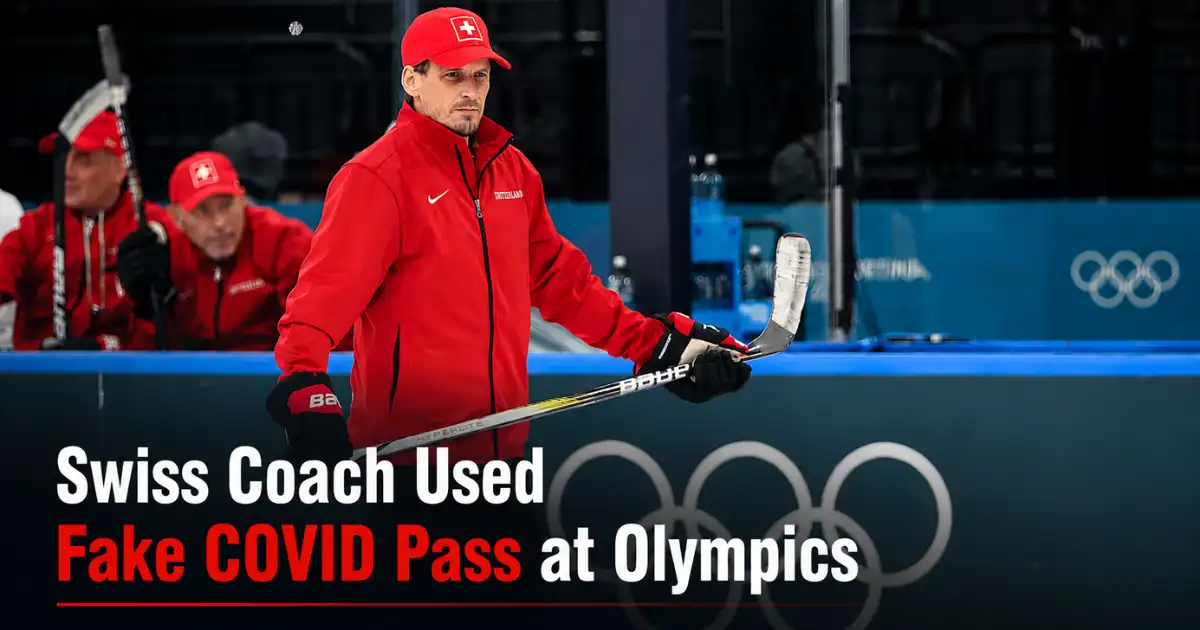
The 2022 Beijing Winter Olympics operated under some of the strictest health regulations ever seen in modern sports. Organizers created a closed-loop system that separated athletes, coaches, officials, and support staff from the general public. Every participant had to follow detailed COVID-19 protocols, including testing, restricted travel, and verified vaccination documentation.
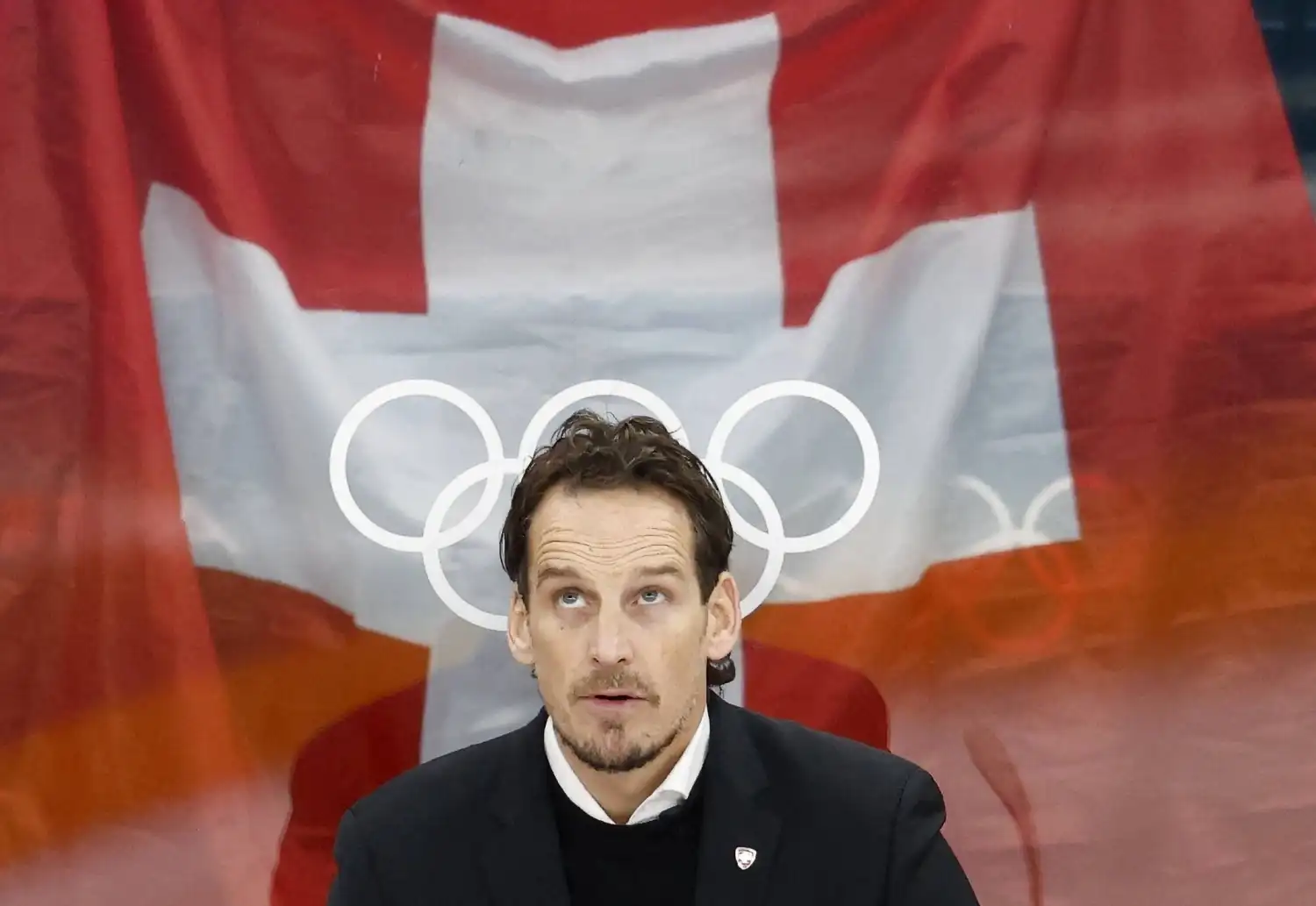
Entry into the Olympic system depended heavily on compliance with these rules. The issue gained traction after Swiss media investigations brought official documents and findings into public attention. The case quickly became a topic of discussion within international sports governance circles. Swiss ice hockey coach Patrick Fischer later became part of a controversy linked to these regulations.
 Via The Japan Times
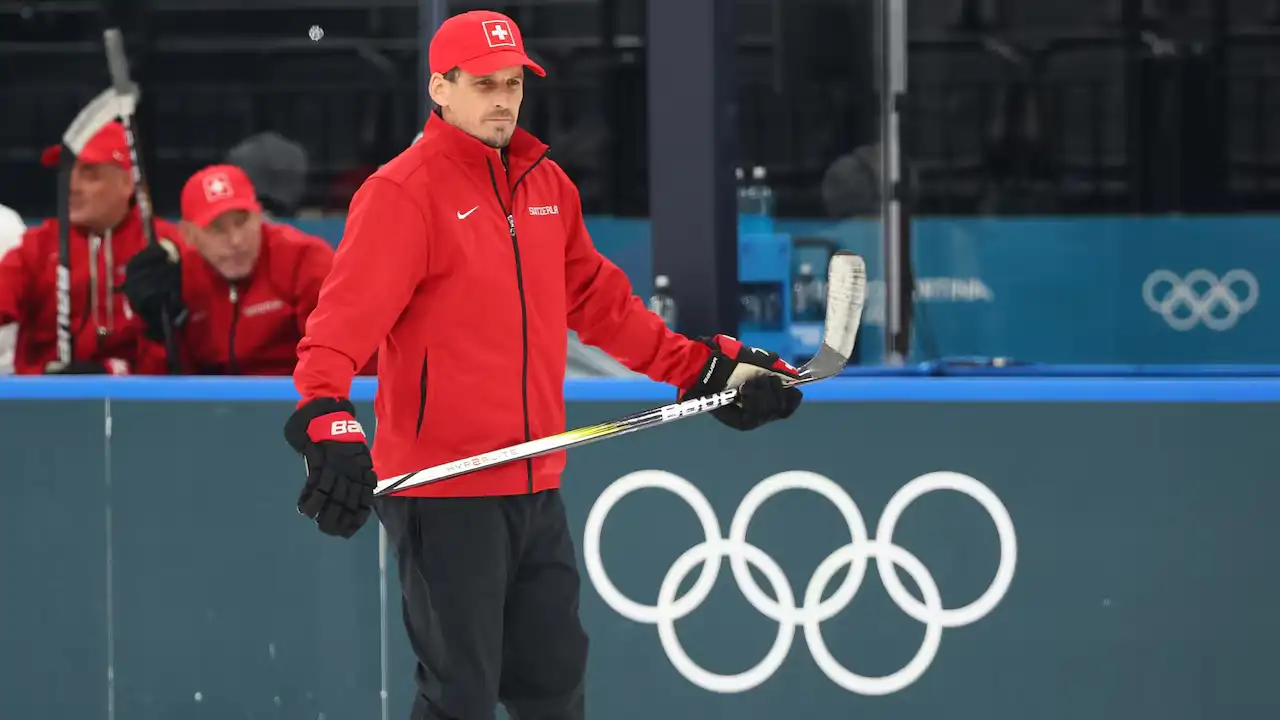
The situation reflected the intense pressure placed on national team officials during global restrictions. Olympic participation carried significant responsibility, especially for head coaches leading elite national squads. The combination of health requirements, competitive expectations, and travel restrictions created a challenging environment.
 Via Al Jazeera
Fischer explained that the situation occurred during a period of personal and professional conflict. Reluctance toward vaccination created internal tension at a time when Olympic duties required full focus on team leadership. Participation in the Games remained a priority, and that pressure influenced decisions made during the qualification and preparation period.
The statement included expressions of regret directed toward players, staff members, and supporters of Swiss hockey. The acknowledgment emphasized the disappointment caused by the actions and the impact on trust within the sporting community. Public response varied, with some focusing on accountability while others reflected on his long history in the sport and previous achievements.
 Via CBC
 Via Daily Faceoff
Public reaction to the situation reflected a mixture of disappointment and recognition of past success. Discussions within the hockey community included both ethical considerations and acknowledgment of Fischer’s contributions to Swiss ice hockey. The case became part of broader conversations about responsibility, compliance, and leadership expectations in international sport environments.
 Via Fox News
Legal consequences followed the investigation, resulting in a financial penalty. Reports estimated the fine at approximately 39,000 Swiss francs, which equals around 50,000 US dollars. The penalty reflected violations related to document forgery under Swiss law and compliance breaches linked to international event regulations.
The investigation attracted significant media attention after details became publicly available. Swiss broadcasting outlets played a key role in reporting the findings, which contributed to broader public awareness of the case. Sporting authorities reviewed the matter internally, ensuring that procedural requirements were followed before concluding the disciplinary process.
 Via Inside The Games
 Via CBS News
Daily testing formed part of the routine for all participants inside the Olympic environment. Health monitoring stations were set up across venues, accommodation areas, and transport hubs. Positive cases were isolated immediately, and contact tracing protocols were activated to prevent wider outbreaks within the bubble system.
 Via Geigele Communications
Success at the International Ice Hockey Federation World Championships became a defining feature of his coaching tenure. Switzerland earned three silver medals under his leadership, marking one of the strongest periods in the country’s hockey history.
Fischer’s coaching style focused heavily on team cohesion and player development. Many athletes under his leadership progressed to higher levels of international competition. Training systems and tactical frameworks introduced during his tenure influenced the structure of Swiss hockey programs at multiple levels, including youth and professional development pathways.
 Via Bluewin
 Via Bluewin
The long-term impact of the case highlighted how governing bodies assess leadership roles in elite sports. Federations increasingly prioritize transparency, compliance, and ethical behavior when selecting coaches for major tournaments. The incident became an example used in discussions about accountability in high-pressure environments.
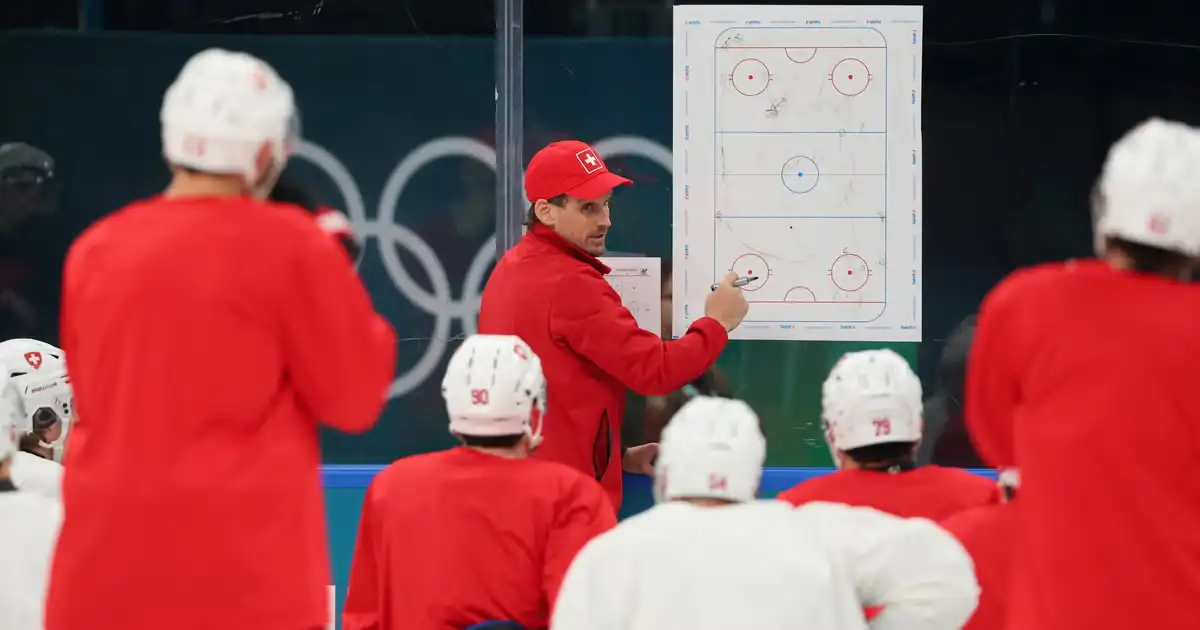 Via The Independent
Planning for leadership transition within the national team structure had already been underway before the public confirmation of the case details. Fischer was expected to step down from his coaching role before the upcoming major international competitions. This transition plan aimed to maintain continuity within the team while preparing for future tournaments.
Organizational focus shifted toward long-term stability and performance continuity. The federation emphasized the importance of maintaining a structured development system for athletes and coaching staff. Preparation for future world championships and Olympic cycles remained a priority within strategic planning efforts.
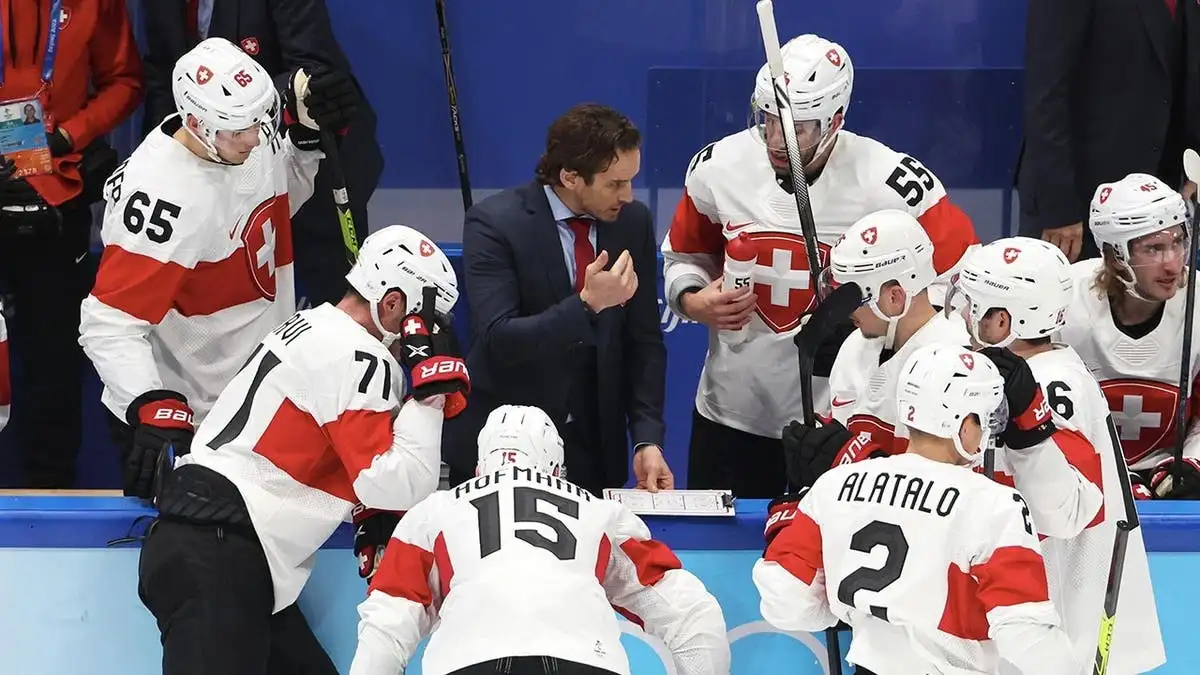 Via TelecomAsia.Net
 Via Olympics
The situation also reinforced the importance of transparent enforcement mechanisms. Sporting institutions continued reviewing how verification systems can be improved to reduce the risk of falsified documents. Ethical discussions within hockey and broader Olympic sports focused on balancing human pressure with regulatory responsibility.
 Via News Arena
Fischer’s established record of success remained part of his professional identity, but the controversy added complexity to how his career is viewed. Achievements in world championships and Olympic participation exist alongside the disciplinary findings, creating a mixed legacy discussion within sports analysis circles.
Future coaching opportunities often depend on both performance history and ethical standing. National federations and international organizations evaluate leadership roles carefully, especially in high-profile competitions. The incident became a reference point in discussions about accountability standards for elite coaches operating under strict international regulations.
More in UnassignedVia The Japan Times
The situation reflected the intense pressure placed on national team officials during global restrictions. Olympic participation carried significant responsibility, especially for head coaches leading elite national squads. The combination of health requirements, competitive expectations, and travel restrictions created a challenging environment.
Admission by Patrick Fischer
Patrick Fischer publicly acknowledged responsibility for actions connected to the falsified vaccination certificate. A formal statement released in April 2026 described the situation as a serious mistake. The admission followed media reports that presented documentation related to financial penalties and legal findings tied to the case.Via Al Jazeera
Fischer explained that the situation occurred during a period of personal and professional conflict. Reluctance toward vaccination created internal tension at a time when Olympic duties required full focus on team leadership. Participation in the Games remained a priority, and that pressure influenced decisions made during the qualification and preparation period.
The statement included expressions of regret directed toward players, staff members, and supporters of Swiss hockey. The acknowledgment emphasized the disappointment caused by the actions and the impact on trust within the sporting community. Public response varied, with some focusing on accountability while others reflected on his long history in the sport and previous achievements.
Via CBC
Leadership Stability and Long-Term Growth in Swiss Hockey
Recognition within the sport extended beyond results alone. Fischer became known for consistency in guiding the national team through competitive international cycles. His long-term presence contributed to stability within Swiss hockey, allowing for gradual improvement in performance standards and international competitiveness. Spectator attendance was also heavily restricted during the Games. Only limited groups of residents from mainland China who met health requirements were permitted to attend events. This reduced crowd sizes significantly compared to previous Olympic Games, reflecting the global uncertainty surrounding large-scale gatherings during the pandemic period.Via Daily Faceoff
Public reaction to the situation reflected a mixture of disappointment and recognition of past success. Discussions within the hockey community included both ethical considerations and acknowledgment of Fischer’s contributions to Swiss ice hockey. The case became part of broader conversations about responsibility, compliance, and leadership expectations in international sport environments.
Investigation and Fine Details
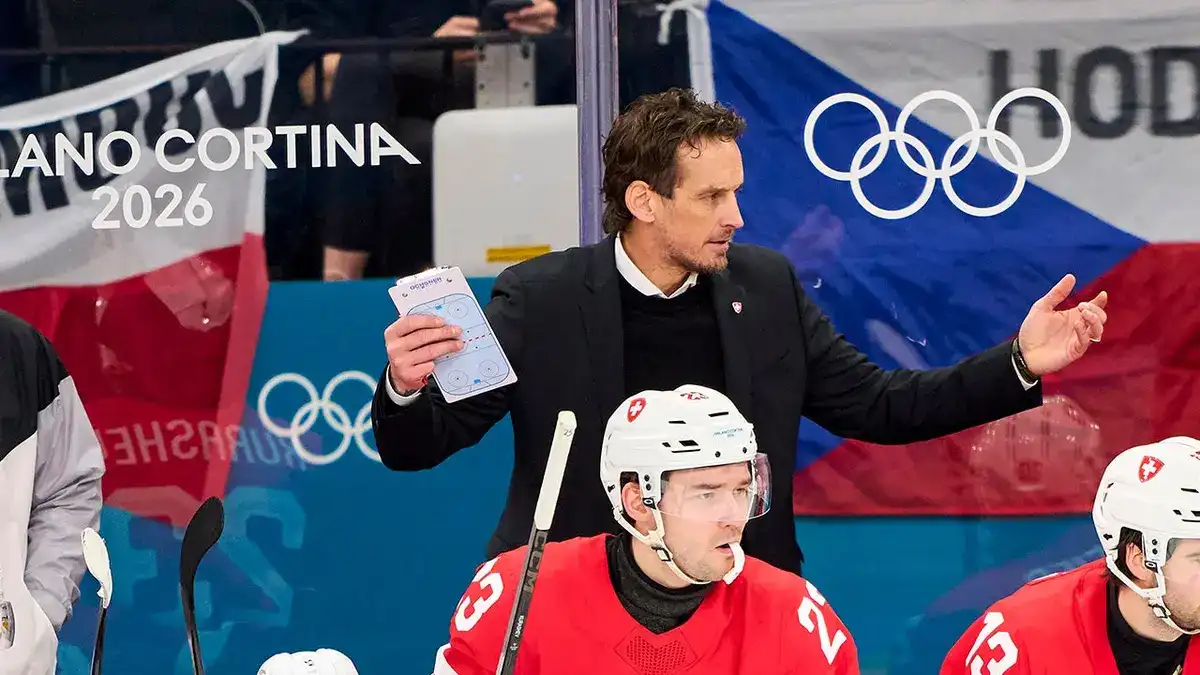
Swiss authorities launched an investigation after concerns were raised regarding vaccination documentation associated with Patrick Fischer. The inquiry focused on the authenticity of the certificate used for Olympic participation. Findings indicated that the document had been obtained through unofficial online channels and did not reflect accurate medical information.Via Fox News
Legal consequences followed the investigation, resulting in a financial penalty. Reports estimated the fine at approximately 39,000 Swiss francs, which equals around 50,000 US dollars. The penalty reflected violations related to document forgery under Swiss law and compliance breaches linked to international event regulations.
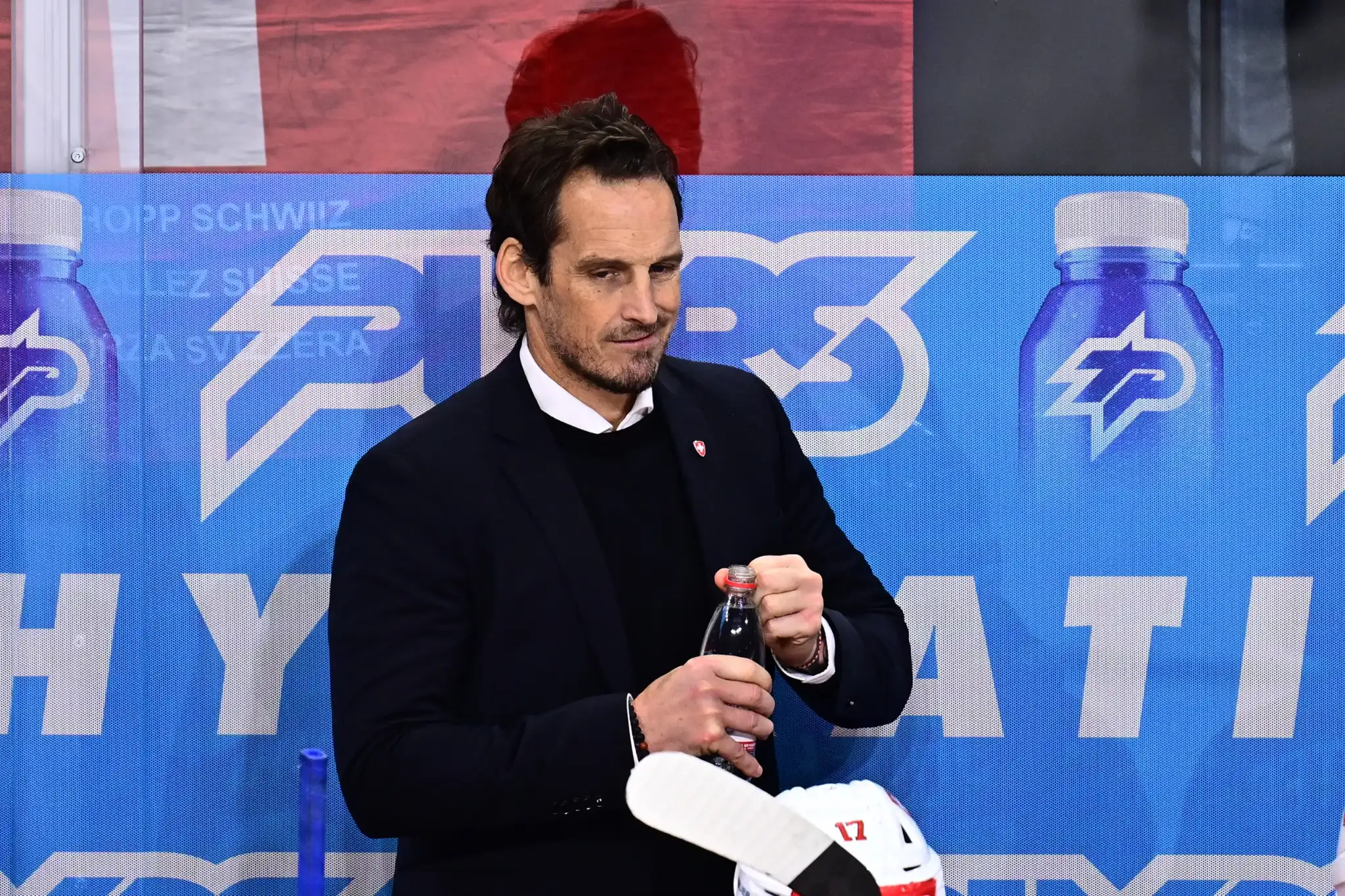
The investigation attracted significant media attention after details became publicly available. Swiss broadcasting outlets played a key role in reporting the findings, which contributed to broader public awareness of the case. Sporting authorities reviewed the matter internally, ensuring that procedural requirements were followed before concluding the disciplinary process.
Via Inside The Games
Strict COVID Rules at Beijing Olympics
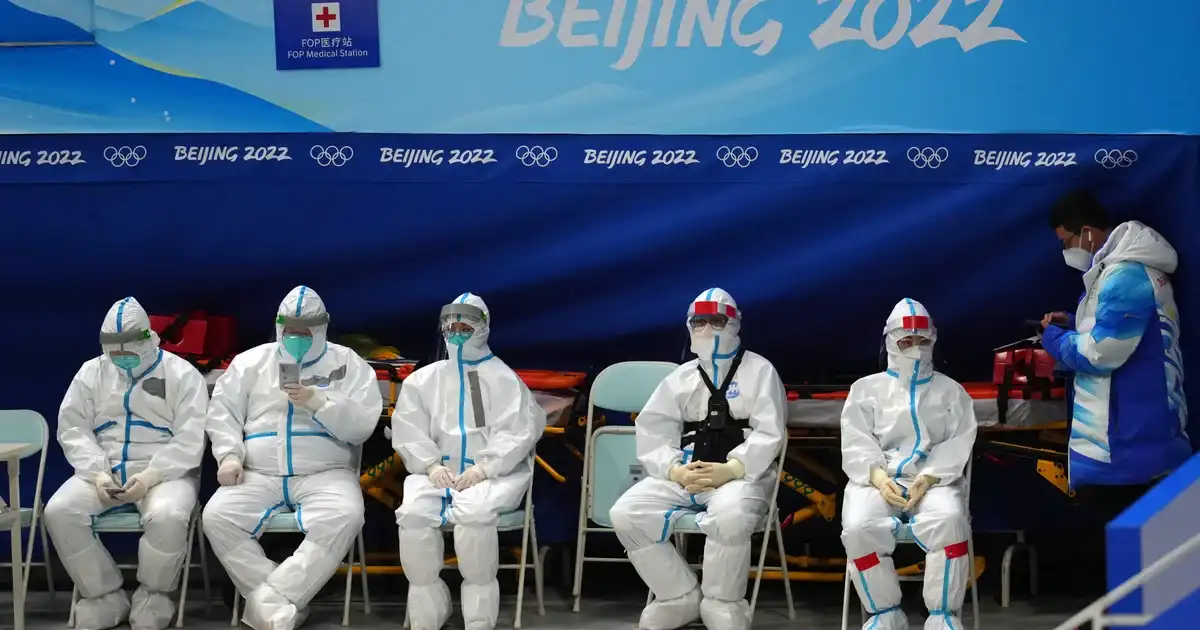
The Beijing Winter Olympics implemented a highly controlled environment designed to reduce the risk of COVID-19 transmission. A closed-loop system separated all accredited participants from the general population. Movement between designated venues was tightly regulated, and transportation systems operated exclusively within the Olympic bubble. Vaccination status played a central role in determining access conditions. Fully vaccinated individuals were allowed entry with fewer restrictions, while those not vaccinated required approved medical exemptions. These exemptions were reviewed by official committees and required detailed justification before approval.Via CBS News
Daily testing formed part of the routine for all participants inside the Olympic environment. Health monitoring stations were set up across venues, accommodation areas, and transport hubs. Positive cases were isolated immediately, and contact tracing protocols were activated to prevent wider outbreaks within the bubble system.
Coaching Career and Achievements of Patrick Fischer
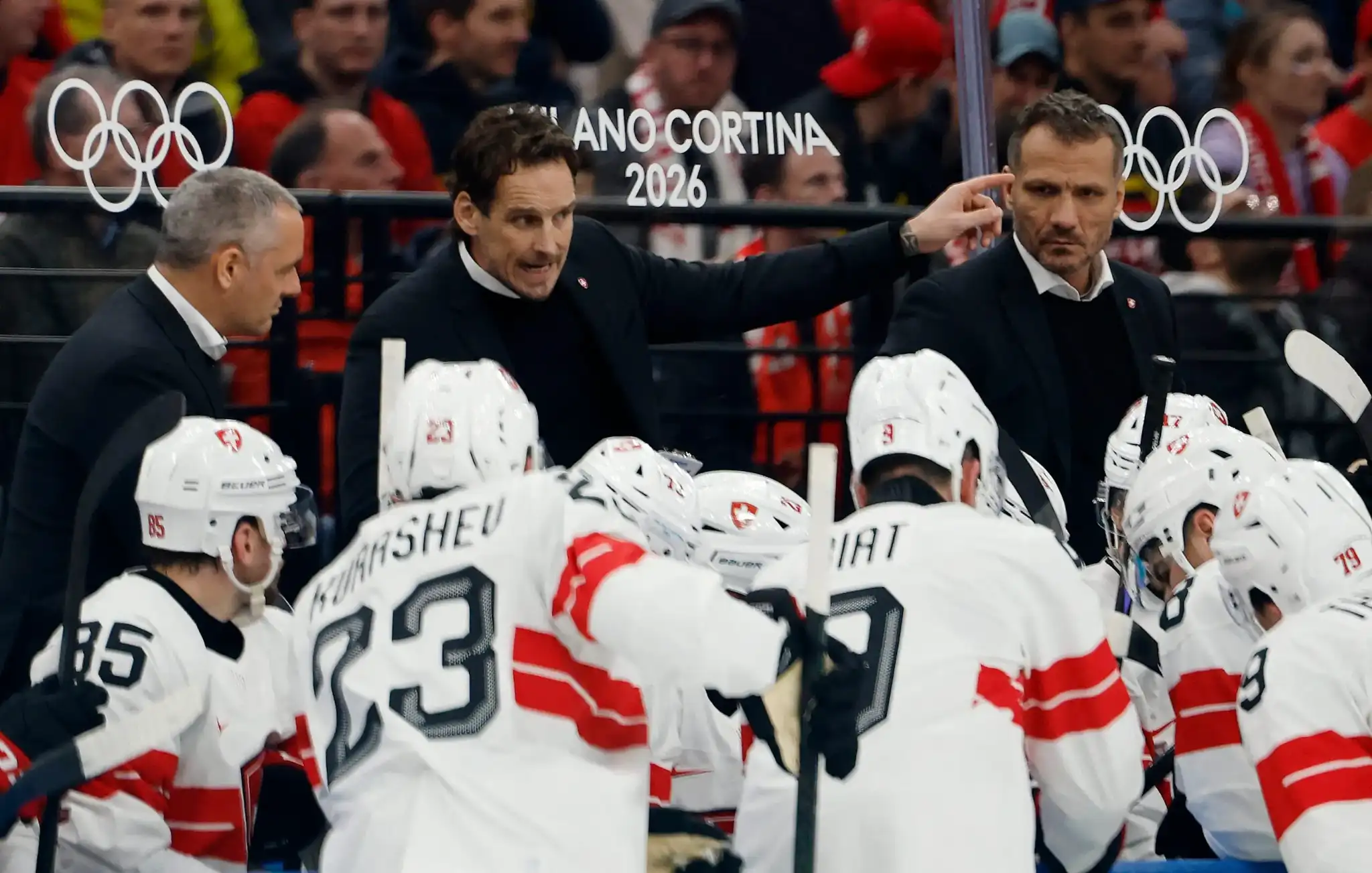
Patrick Fischer has played an important role in Swiss ice hockey development for many years. His coaching career includes leadership of the national team at multiple international tournaments, including three Winter Olympic Games. His approach emphasized structured gameplay, discipline, and consistent performance against top-ranked global teams.Via Geigele Communications
Success at the International Ice Hockey Federation World Championships became a defining feature of his coaching tenure. Switzerland earned three silver medals under his leadership, marking one of the strongest periods in the country’s hockey history.
Fischer’s coaching style focused heavily on team cohesion and player development. Many athletes under his leadership progressed to higher levels of international competition. Training systems and tactical frameworks introduced during his tenure influenced the structure of Swiss hockey programs at multiple levels, including youth and professional development pathways.
Via Bluewin
Career Impact Following Olympic COVID Certificate Case
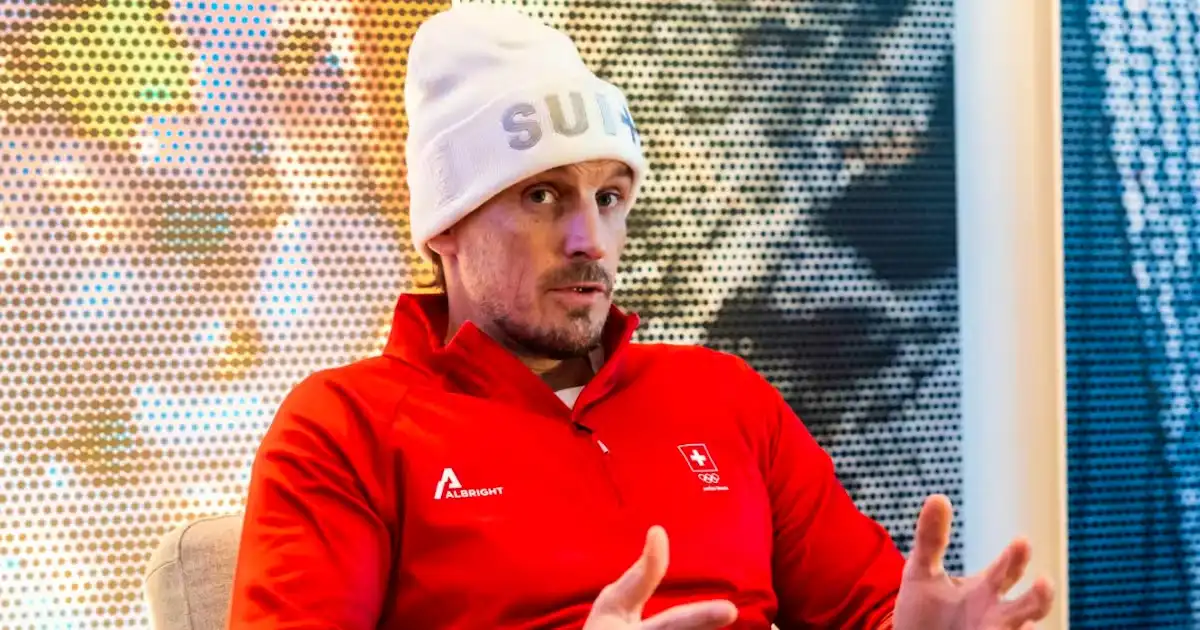
The incident led to wider discussions about compliance standards in international sport during the pandemic period. Strict health protocols were introduced to ensure safety, and any breach was treated seriously by the organizing authorities. Reports suggested that falsified documentation was used to satisfy entry requirements for the Olympic environment. Fischer’s professional reputation continued to be viewed through both achievements and controversy. His past successes in international hockey remained relevant, but the allegations added a layer of scrutiny. Sports analysts noted how quickly public perception can shift when ethical concerns arise.Via Bluewin
The long-term impact of the case highlighted how governing bodies assess leadership roles in elite sports. Federations increasingly prioritize transparency, compliance, and ethical behavior when selecting coaches for major tournaments. The incident became an example used in discussions about accountability in high-pressure environments.
Federation Response and Organizational Impact
The Swiss Ice Hockey Federation addressed the situation through internal review processes after the emergence of investigation findings. Officials assessed legal outcomes, media reports, and compliance documentation before issuing a final position. The matter was later considered closed following disciplinary resolution and procedural review.Via The Independent
Planning for leadership transition within the national team structure had already been underway before the public confirmation of the case details. Fischer was expected to step down from his coaching role before the upcoming major international competitions. This transition plan aimed to maintain continuity within the team while preparing for future tournaments.
Organizational focus shifted toward long-term stability and performance continuity. The federation emphasized the importance of maintaining a structured development system for athletes and coaching staff. Preparation for future world championships and Olympic cycles remained a priority within strategic planning efforts.
Via TelecomAsia.Net
Impact on Olympic Integrity and Sports Ethics Debate
The incident involving Patrick Fischer contributed to wider discussions about integrity in international sports competitions. Olympic events rely heavily on trust, verification systems, and strict compliance with health and eligibility rules. Any violation of documentation standards raises concerns about fairness and accountability within elite sporting environments. Sports governance bodies often emphasize ethical responsibility for coaches and officials, not only athletes. Cases like this highlight how leadership decisions can influence public perception of major tournaments. The controversy added to ongoing debates about how international sporting organizations should handle rule violations during crises such as global health emergencies.Via Olympics
The situation also reinforced the importance of transparent enforcement mechanisms. Sporting institutions continued reviewing how verification systems can be improved to reduce the risk of falsified documents. Ethical discussions within hockey and broader Olympic sports focused on balancing human pressure with regulatory responsibility.
Long-Term Repercussions for Coaching Reputation and Career Path
The consequences of the incident extended beyond immediate penalties and media coverage. Coaching reputation in international sport plays a significant role in career stability, future appointments, and legacy evaluation. Any violation of official rules can influence long-term professional opportunities and public trust. Reports indicated that a falsified COVID-19 vaccination certificate was used to meet the entry requirements for the Games.Via News Arena
Fischer’s established record of success remained part of his professional identity, but the controversy added complexity to how his career is viewed. Achievements in world championships and Olympic participation exist alongside the disciplinary findings, creating a mixed legacy discussion within sports analysis circles.
Future coaching opportunities often depend on both performance history and ethical standing. National federations and international organizations evaluate leadership roles carefully, especially in high-profile competitions. The incident became a reference point in discussions about accountability standards for elite coaches operating under strict international regulations.