Lifestyle / Food

Sandwiches Are America’s Top Protein Source, CDC Data Shows
Grocery store shelves are full of protein bars, protein shakes, and even protein-packed cereals and snacks these days. Even so, a new government report shows that one of the most common meals in the country has more protein than any trendy product. That meal is the simple sandwich, which shows up in lunch boxes, office break rooms, and drive-thru bags every single day.
The report comes from the National Center for Health Statistics, which is part of the Centers for Disease Control and Prevention. It found that sandwiches were the leading food category for protein intake among U.S. adults ages 20 and older. Sandwiches made up 15.6% of all the protein adults reported eating, which put them well ahead of every other food group on the list.
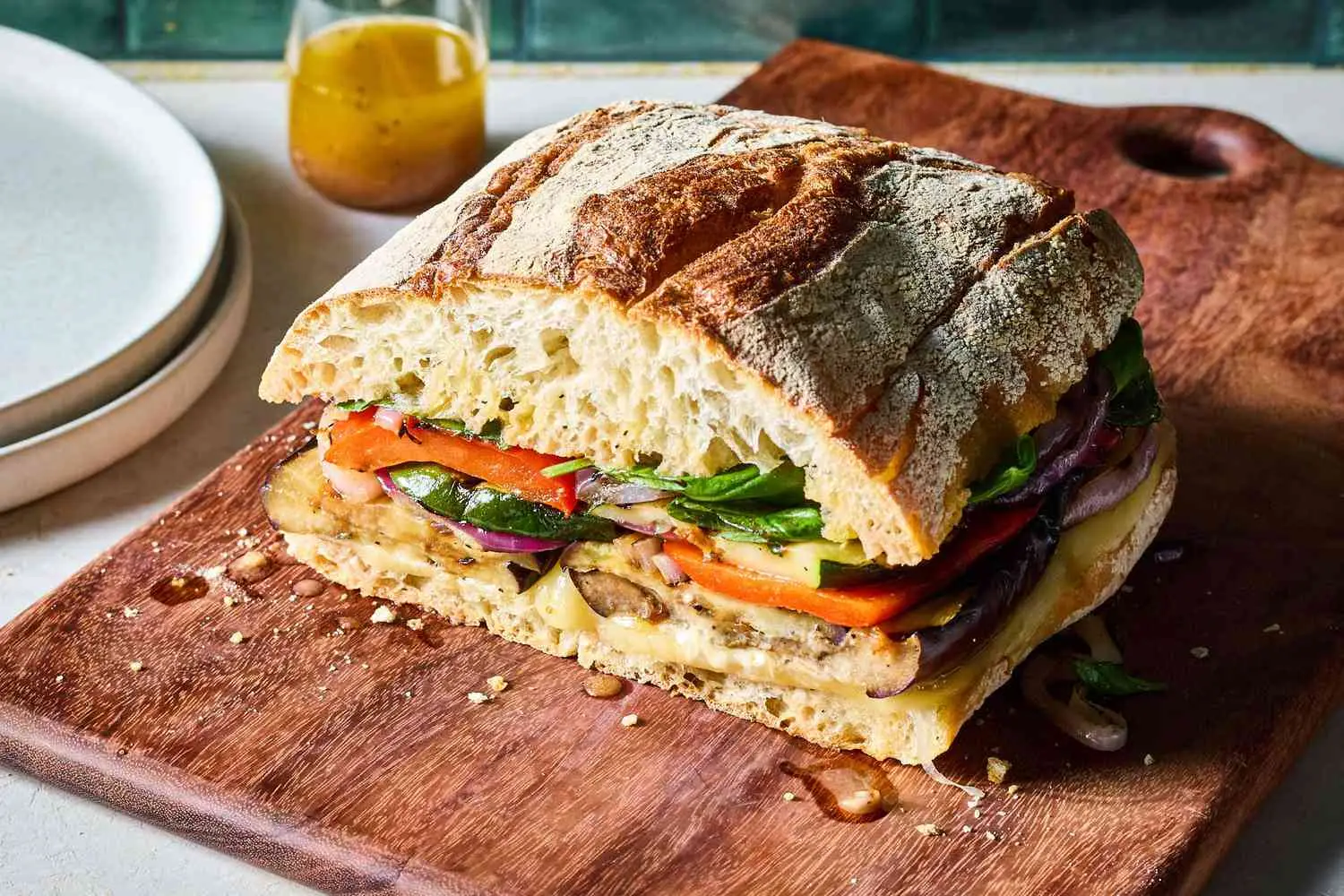
Via Midwest Living
Nutrition experts are not shocked by the finding. Many people across the country eat a sandwich at least once a day, and some eat two or more. This does not mean Americans have stopped eating chicken, steak, or other common protein foods. Many of those ingredients are simply counted as part of a sandwich when they are served between two slices of bread or inside a bun.
What the CDC Report Measured
The report looked at data gathered between August 2021 and August 2023 through the National Health and Nutrition Examination Survey, often called NHANES. This long-running national survey tracks the health and eating habits of people living in the United States. It is one of the most trusted sources of nutrition information that public health experts rely on.

Via Food & Wine
Participants in the survey were asked to recall everything they ate over two separate 24-hour periods. For this analysis, researchers used only the answers from the first day. Every food that people mentioned was then sorted into one of 49 food categories, which made it possible to compare how much each group added to the total protein in the American diet.
It is important to understand what the rankings actually show. They reflect how much protein each food category adds to adult diets overall, not how much protein a single serving contains. A food that people eat very often can rank higher than a food that is richer in protein but eaten less often. This explains why sandwiches can beat foods like fish or eggs on the list.

Via BBC
Top Five Protein Sources for American Adults
Sandwiches claimed the top spot with 15.6% of total protein intake among adults. Poultry came in second place at 9.4%, which shows that chicken and turkey remain very popular across the country. Mixed meat dishes, such as stews and casseroles that combine meat with other ingredients, ranked third with 6.4% of protein intake.
Plain meat, including beef and pork served on its own, landed in fourth place with 6% of the total. Mixed grain dishes rounded out the top five at 4.8%. This category covers meals like fried rice, pasta dishes, and other recipes that combine grains with protein foods. Together, these five groups supply a large share of the protein American adults eat each day.

Via Everyday Health
The report also shared a surprising detail about overall protein habits. Adults got an average of 15.5% of their daily calories from protein, a small drop from 16.1% in 2013 to 2014. This number measures protein’s share of total calories rather than the total amount of protein eaten. So it does not necessarily mean people are eating less protein, only that it makes up a slightly smaller part of their diets.
How Results Changed Across Age Groups
Sandwiches held the number one spot in every adult age group the researchers examined. Younger adults, middle-aged adults, and older adults all got more protein from sandwiches than from any other single food category. This steady pattern shows how deeply the sandwich is rooted in American eating habits, no matter a person’s stage of life.

Via Self
The biggest difference between age groups showed up in fifth place. For adults ages 20 to 39, mixed Mexican dishes took that spot. These include meals like burritos, tacos, and enchiladas, which have become everyday favorites for many younger Americans. Their strong showing reflects how popular these flavors have become in homes and restaurants nationwide.
For adults ages 40 to 59, plant-based protein foods earned fifth place, which may point to growing interest in beans, nuts, tofu, and similar foods. Adults ages 60 and older had eggs in fifth place instead. Eggs are affordable, easy to cook, and soft enough to chew, which may make them an especially practical protein choice for older people.

Via Veg News
Why the Sandwich Category Is So Large
One major reason sandwiches rank so high is the size of the category itself. The report used a food grouping system from the U.S. Department of Agriculture called “What We Eat in America.” This system places a wide range of very different meals under the single label of sandwiches, which naturally gives the category a huge share of the total.
According to the CDC, the sandwich group is one of the biggest and most varied categories in the system. It includes many options that are naturally high in protein, thanks to fillings like meat, cheese, eggs, and seafood. With so many protein-rich ingredients packed into one group, it is easy to see how sandwiches pulled ahead of poultry and every other contender.
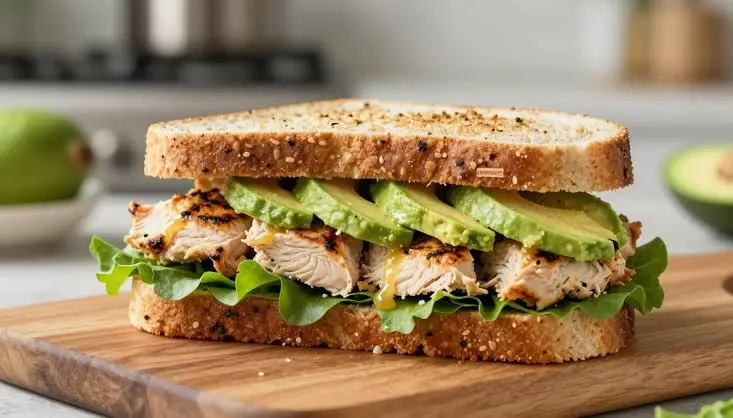
Via Sajidcooks
The list of foods that count as sandwiches is broad. It includes deli meat sandwiches, egg and breakfast sandwiches, burgers, and fried or grilled chicken sandwiches. Peanut butter and jelly sandwiches, cheese sandwiches, and tuna or other seafood sandwiches also belong to the group. A morning egg sandwich, a lunchtime turkey sub, and a dinner burger all add to the same category.
Convenience Keeps Sandwiches on the Menu
Convenience plays a big role in the popularity of sandwiches. Many Americans lead busy lives and often eat on the go, whether during a short lunch break, a long commute, or between errands. A sandwich can be held in one hand and eaten almost anywhere, which makes it a natural fit for a fast-paced daily routine.

Via Clean Plates
Sandwiches also create very little mess. There are usually no pots, pans, or extra dishes to wash afterward, and that appeals to people who are short on time or energy. They are also easy to find in schools, workplaces, gas stations, and cafeterias across the country. This wide availability means a sandwich is almost always within reach when hunger strikes.
They are just as simple to prepare at home. With a few slices of bread and whatever fillings are in the fridge, a meal can be ready in minutes. This ease of preparation has kept sandwiches a staple in American kitchens for generations. Few other meals offer the same mix of speed, low cost, and endless variety.

Via Plant Based News
Three Dietitian-Approved Sandwich Ideas
A chicken salad sandwich can be made healthier with a few smart swaps. Greek yogurt can replace mayonnaise to add extra protein and cut back on fat. Walnuts and chickpeas can be mixed in to boost both protein and fiber. Topping the filling with sliced tomato and cucumber and serving it on whole-grain bread creates a filling and balanced lunch.
A tuna salad sandwich is another strong choice for people who want more protein. Light mayonnaise or cottage cheese can hold the tuna together while keeping the dish lighter. Diced cucumber and peppers add a satisfying crunch along with extra fiber. Some avocado can also be mixed in for creaminess and healthy fats when it is available.

Via Clean Plates
A grilled chicken sandwich offers plenty of room for creativity. Cottage cheese works well as a spread in place of mayonnaise and brings an extra protein boost. Grilled chicken can then be layered with spinach or kale, roasted peppers, cucumbers, and tomatoes. Nearly any roasted vegetable can work well in a sandwich, adding flavor, color, and nutrients.
How to Build a Protein-Rich Sandwich
A well-made sandwich can bring together carbohydrates, protein, and fat in a single meal. Bread acts as a blank canvas, giving people the freedom to add whatever fillings suit their taste and nutrition goals. Main fillings like chicken, tuna, or egg salad provide a solid base of protein that helps keep people full for longer.
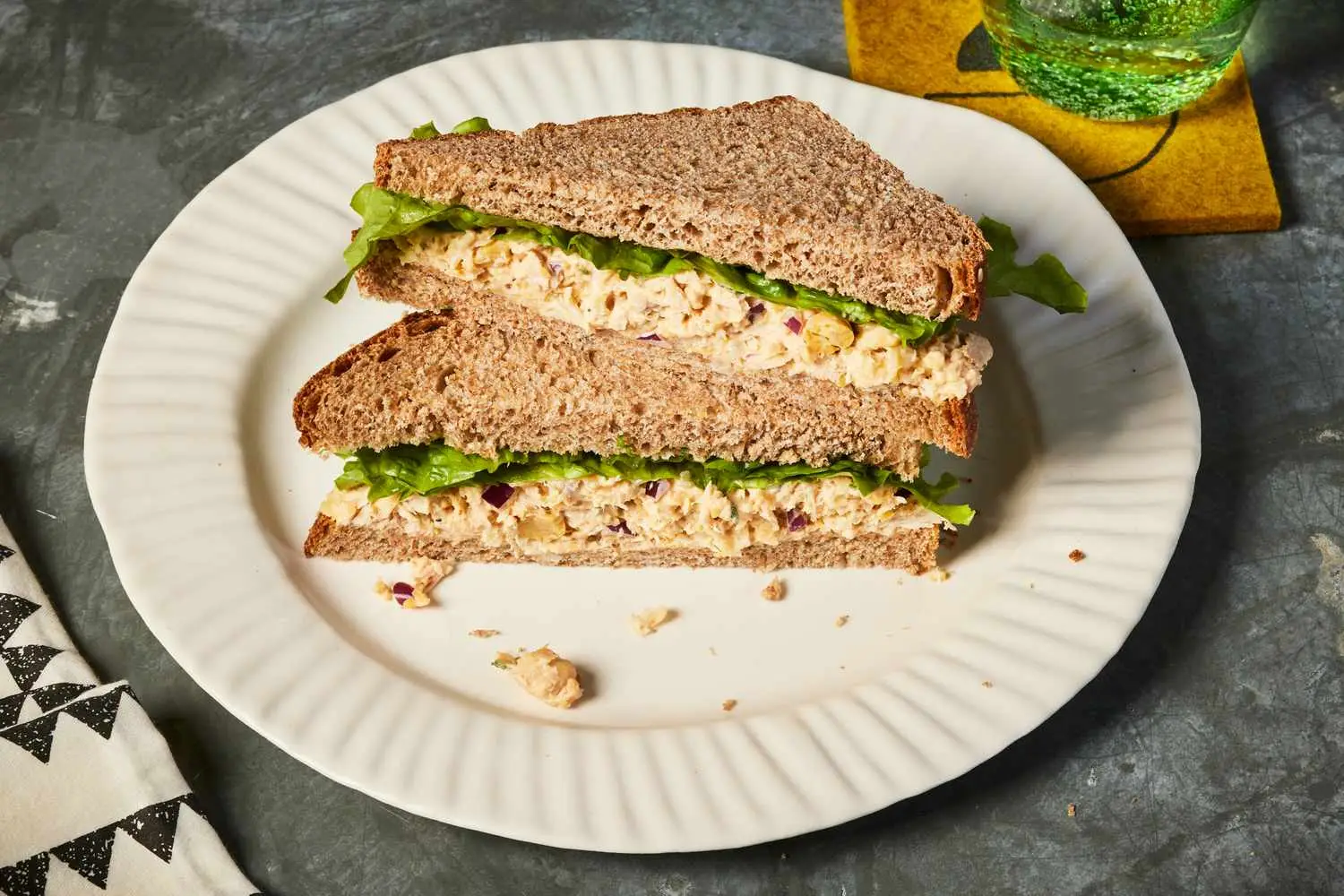
Via Eating Well
Smaller add-ons can raise the protein content even more. Cheese, peanut butter, Greek yogurt, cottage cheese, hummus, and mashed beans can all add meaningful extra protein without much effort. These ingredients also bring new flavors and textures, which helps keep sandwiches interesting even for people who eat them every day.
The choice of bread matters as well. Whole-grain bread adds extra protein and fiber compared with white bread, which supports steady energy and better digestion. Vegetables add freshness, crunch, and important vitamins and minerals. With the right mix of bread, fillings, and toppings, a basic sandwich can turn into a truly nourishing meal.

Via Healthshots
What the Findings Mean for Everyday Eating
The CDC report is a reminder that everyday meals often matter more than trendy products. While protein shakes and bars get plenty of attention, a large share of protein in American diets still comes from familiar foods. The humble sandwich has quietly become one of the most important sources of this key nutrient across the nation.
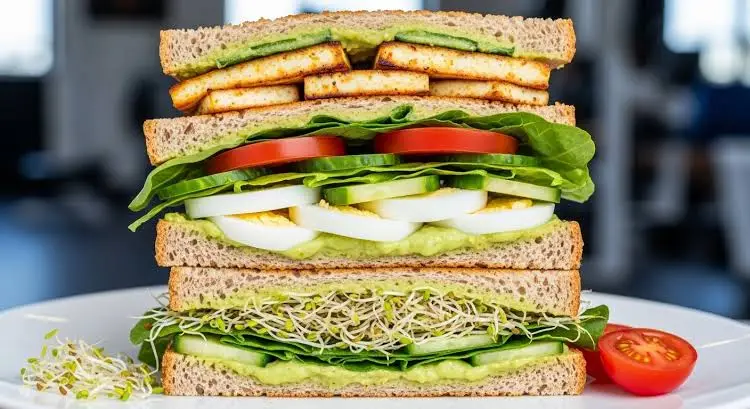
Via My Kitchen Diaries
This does not mean every sandwich is equally healthy. Some options, like burgers loaded with processed toppings or sandwiches piled high with salty deli meats, can bring extra sodium and saturated fat. Choosing lean proteins, whole-grain bread, and plenty of vegetables can help people enjoy the convenience of sandwiches while still supporting their overall health.

Via Self
In the end, there are many ways to fit protein into a sandwich. People can mix and match ingredients to suit their tastes, budgets, and schedules. With a few simple changes, a regular lunch can become a balanced and satisfying meal. For millions of Americans, the sandwich is likely to remain a trusted favorite for years to come.