Lifestyle / Food

Protein-Packed Ketchup Made With Algae Is Now in the Works
Grocery store shelves have changed a lot over the past few years. Protein has been added to cereal, pancake mix, pasta, chips, coffee drinks, and even ice cream. Shoppers have grown used to seeing big protein numbers printed on the front of packages, and food brands keep looking for new ways to meet that demand.
Now, a fresh study suggests that one of the most familiar condiments in American kitchens could be the next food to join the trend. That condiment is ketchup, the sweet and tangy sauce that sits on nearly every diner table and fast food counter.

Via Food & Wine
Ketchup is not usually thought of as a healthy food, and it rarely offers much in terms of nutrition. Most of its flavor comes from tomatoes, sugar, vinegar, and spices. A team of researchers wanted to see if this everyday sauce could become more nutritious without losing the taste that people already love.
The surprising part of the research is where the extra protein comes from. Instead of using milk-based whey or soy, the scientists turned to algae. More specifically, they used a tiny green microalgae known as Chlorella vulgaris. The idea might sound unusual at first, but algae has been gaining attention as a possible protein source for the future. The results of this study show that the idea may have real potential, with a few important limits.

Via StudyFinds
Research Team Behind the Algae Ketchup
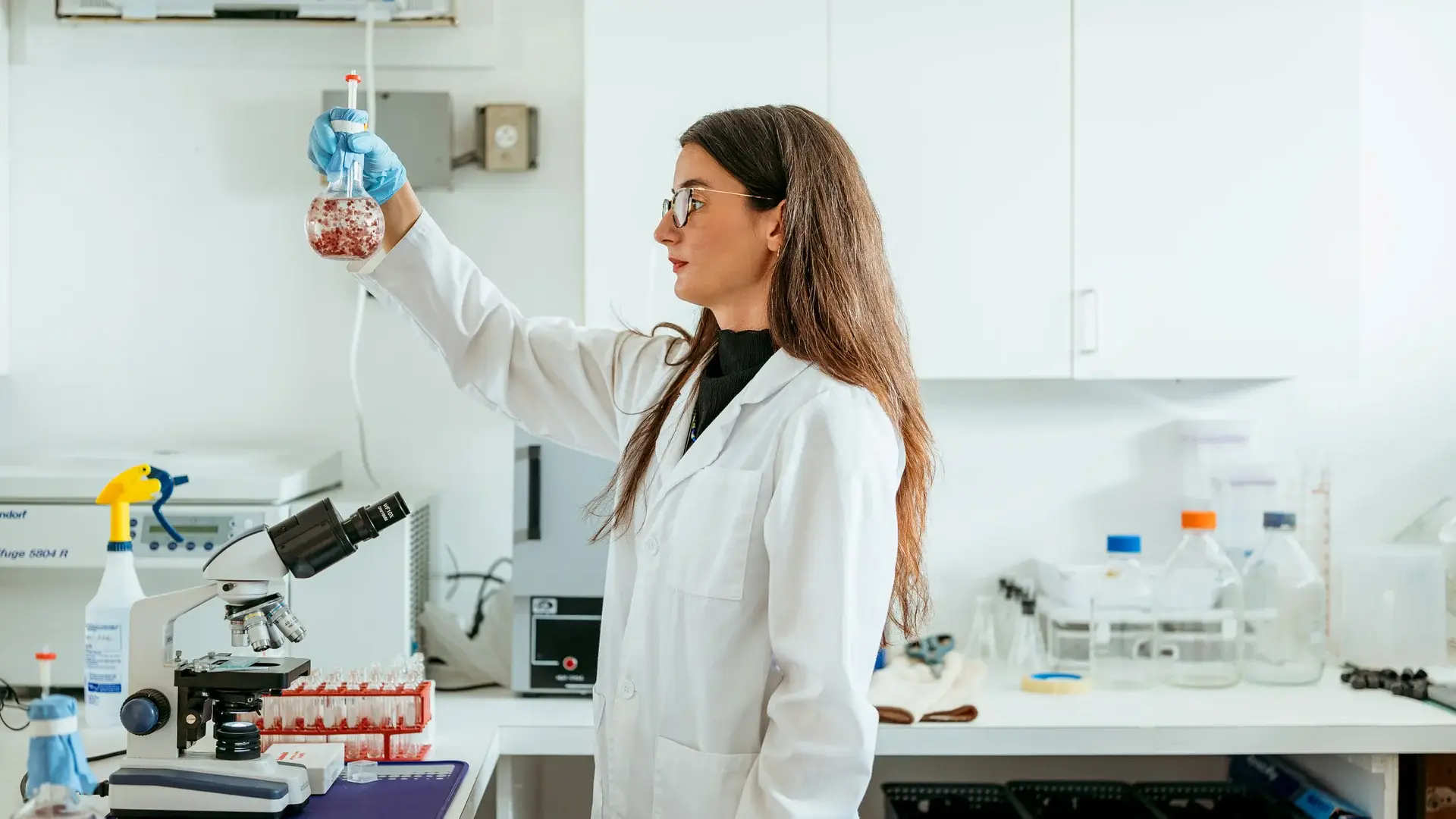
The study was published in July in ACS Food Science & Technology, a peer-reviewed academic journal. Peer review means other experts in the field looked over the work before it was printed. The research was led by Parise Adadi of the University of Otago in New Zealand, who worked alongside collaborators from Ural Federal University in Russia. Together, the team set out to improve a condiment that millions of people use every single day.

Via Technology Networks
Their main goal was simple to describe but harder to achieve. The researchers wanted to raise the nutritional value of ketchup while keeping its familiar flavor, color, and texture. Ketchup is one of the most common condiments in the United States, so even a small improvement could reach a huge number of people. Changing a well-loved food is tricky, though, since many shoppers are very loyal to the taste they grew up with.
Adadi explained that the team chose ketchup for several practical reasons. The sauce is familiar to almost everyone, it lasts a long time on the shelf, and it works well as a base for adding helpful ingredients. These qualities make it a good candidate for what food scientists call “functional foods.” Those are everyday products that have been adjusted to deliver extra health benefits beyond basic nutrition.
Via Inc Magazine
Why Chlorella Vulgaris Caught Scientists’ Attention
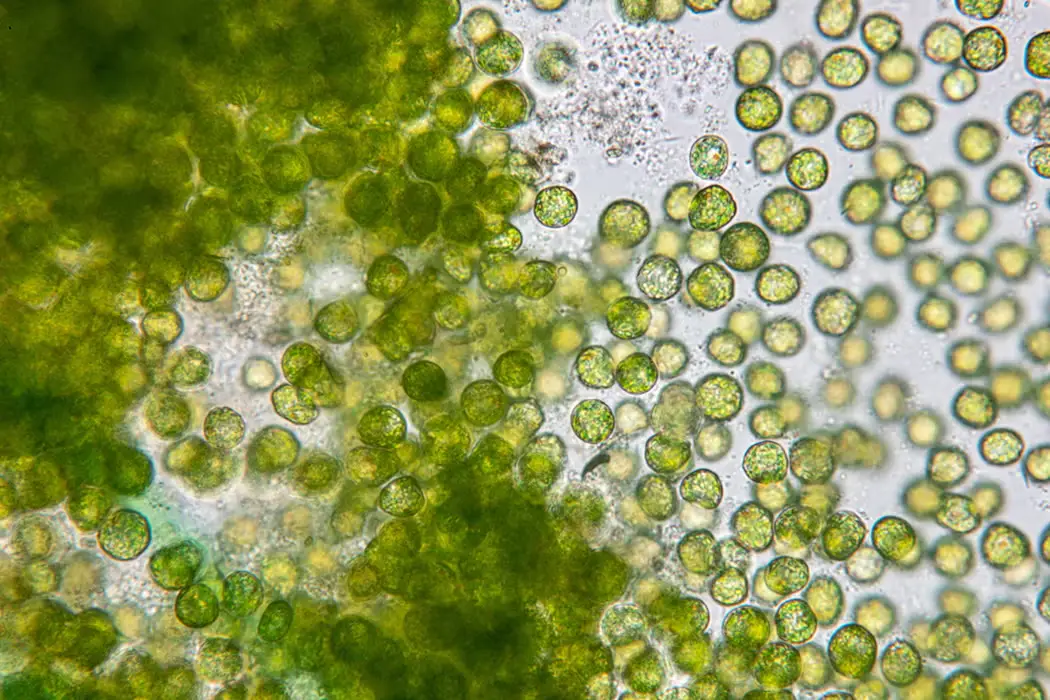
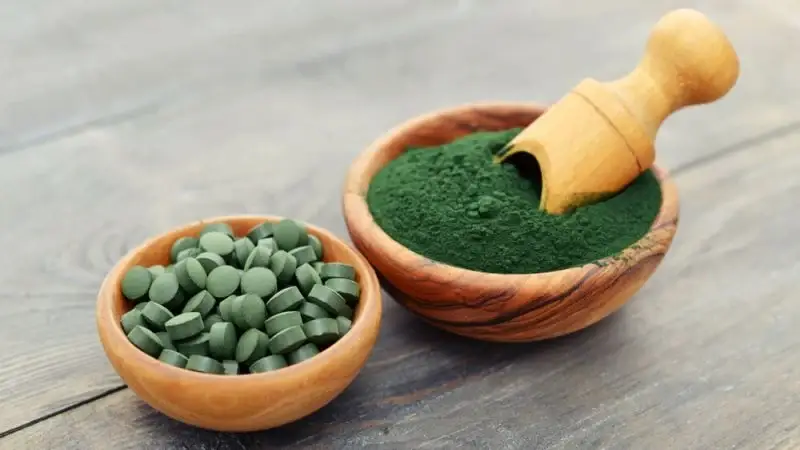
Chlorella vulgaris is a single-celled green algae that grows in fresh water. It is so small that it can only be seen clearly under a microscope. Despite its tiny size, it is known for being rich in protein and other nutrients. Chlorella has already been sold for years as a dietary supplement in powder and tablet form, which shows that it is not a completely new ingredient in the food world.
One of the biggest advantages of this microalgae is how fast it grows. According to Adadi, Chlorella vulgaris can be grown quickly year-round. It also needs far less land and fresh water than many crops grown in fields. This makes it a potentially more efficient protein source than many plants grown on farms. With growing concerns about land use and water supply, these traits make algae especially appealing to researchers.
Via JSTOR Daily
The team also views algae as a more sustainable choice than some other common protein additives, such as whey. Whey comes from dairy production, which depends on raising cattle and the resources that come with it. Algae, on the other hand, can be grown in controlled settings with a smaller environmental footprint. This combination of strong nutrition and lower resource use is a major reason scientists keep studying it.
How the Algae Ketchup Was Made
The process of making the fortified ketchup involved several careful steps. First, the researchers pulled protein isolates out of the algae. A protein isolate is a concentrated form of protein that has been separated from most of the other parts of the source. This step helped the team focus on the nutritional part of the algae they wanted to add to the sauce.
Via Era Organics
Next, the protein was dried using two different methods. One batch was oven-dried, while another was vacuum-dried. Testing two drying methods allowed the scientists to compare how each one affected the final product. Once dried, the protein was turned into a fine powder that could be mixed into a sauce. This powder became the key ingredient that set the new ketchup apart from regular versions.
The algae powder was then blended into ketchup recipes at different strengths, ranging from 1% to 13%. The rest of each recipe used standard ketchup ingredients, including tomatoes, sugar, vinegar, and citric acid. By making several versions with different amounts of algae, the team could see how much protein could be added before the taste and appearance started to suffer. After that, the batches were bottled and pasteurized, just like commercial sauces.

Via Vice
Nutritional Payoff Was Bigger Than Expected
The results showed that even small amounts of algae made a big difference. Ketchup made with 3% and 5% algal protein had two to three times more protein than regular ketchup with no algae added. That is a meaningful jump for a sauce that normally contains very little protein. It shows that a modest amount of algae can noticeably improve the nutrition of a food without needing large changes to the recipe.
Protein was not the only nutrient that increased. The fortified ketchup also had higher levels of essential amino acids, which are the building blocks of protein that the human body cannot make by itself. People must get these amino acids from food. The algae ketchup also contained more minerals, including sodium and iron, along with more antioxidants. Antioxidants are compounds that help protect cells in the body from certain kinds of damage.

Via Food Manufacturing
The version with the most algae, at 13%, delivered the strongest nutritional numbers. According to the researchers, this batch showed a significant rise in essential amino acids. It also had roughly four times as much protein as the plain ketchup used for comparison. On paper, this made it the most nutritious sample in the study. As the taste tests later showed, though, the healthiest version was not necessarily the most enjoyable one to eat.
What the Taste Testers Thought
Nutrition only matters if people actually want to eat the food. To check flavor, the researchers gave the bottled ketchups to a panel of 15 people. The samples included several algae strengths as well as one plain ketchup with no algae at all. Each tester rated the products on color, smell, taste, texture, and overall appeal. Scores were given on a nine-point scale, which helped the team compare each version fairly.

Via Testing Table
The judges preferred the ketchups with the smallest amounts of algae. Samples with between 1% and 3% algal protein scored the best overall. These versions kept the classic bright red color that people expect from ketchup. They also held on to the sweet and tangy flavor that makes the sauce so popular, with only a faint hint of algae in the background. For most tasters, the change was barely noticeable.
Things changed once the algae level went higher. At 5% and above, the ketchup started to turn slightly green and picked up a stronger algae flavor. The testers did not enjoy these versions as much, which is easy to understand. Most people expect ketchup to look and taste a certain way. A greenish sauce with an earthy, plant-like taste is a big shift from the familiar bottle sitting on the kitchen table.

Via Takeout
What Still Needs to Happen Before It Reaches Stores
The study offers a hopeful look at a more nutritious ketchup, but it is still an early step. The taste test involved only 15 people, which is a very small group. One small panel cannot represent the wide range of tastes found among everyday shoppers. Before any company could sell this product, feedback from many more people would be needed to know if it would truly succeed with consumers.
The research team has already shared plans for future work. According to their press release, the next steps include larger consumer studies to gather opinions from more people. They also plan shelf-life tests to see how long the algae ketchup stays fresh and safe. Finally, they hope to explore how the product could be made at a commercial scale, which means producing it in large amounts like the brands found in stores.

Via Health Digest
Each of these steps matters for different reasons. Shelf life is especially important for ketchup, since many people keep a bottle in the fridge for weeks or even months. Large-scale production also brings new challenges, including cost and consistency from batch to batch. Until these questions are answered, algae ketchup remains a promising idea rather than something shoppers can pick up during their next grocery run.
Algae Is Becoming a Serious Protein Contender
This ketchup study is not the first time scientists have looked to algae for protein. A 2023 study published in the journal Frontiers in Nutrition examined algae as a possible source for meat alternatives. The researchers described algae as an excellent fit, pointing to its high protein content, simple growing needs, and efficient use of sunlight. They also noted that algae has a low carbon footprint, which supports more sustainable food production.

Via Phys Org
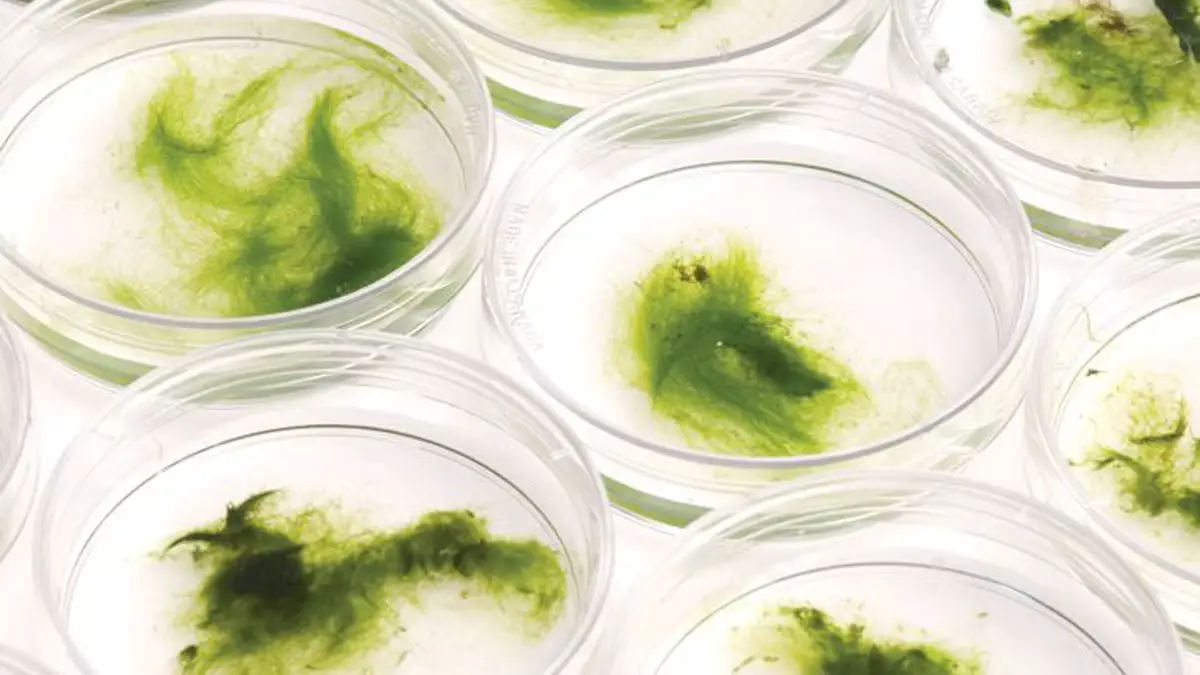
Some companies are already turning these ideas into real products. A startup brand called SimpliiGood has used spirulina, another nutrient-rich type of algae, to create a smoked “salmon” alternative. This product has been approved for consumption in the European Union. It shows that algae-based foods are moving beyond the lab and into the marketplace, at least in some parts of the world.
Via Feed Strategy
As interest in sustainable protein keeps growing, algae could appear in more foods in the years ahead. It might show up in condiments like ketchup, as a topping on bagels, or as a base for plant-based meat and seafood. For now, the algae ketchup study offers a glimpse of how familiar foods might quietly become more nutritious. If future tests go well, people may one day reach for a bottle of ketchup that does a little more than add flavor to their fries.