Unassigned
Rachel Chinouriri Shares Indie Pop Struggles As Black Woman
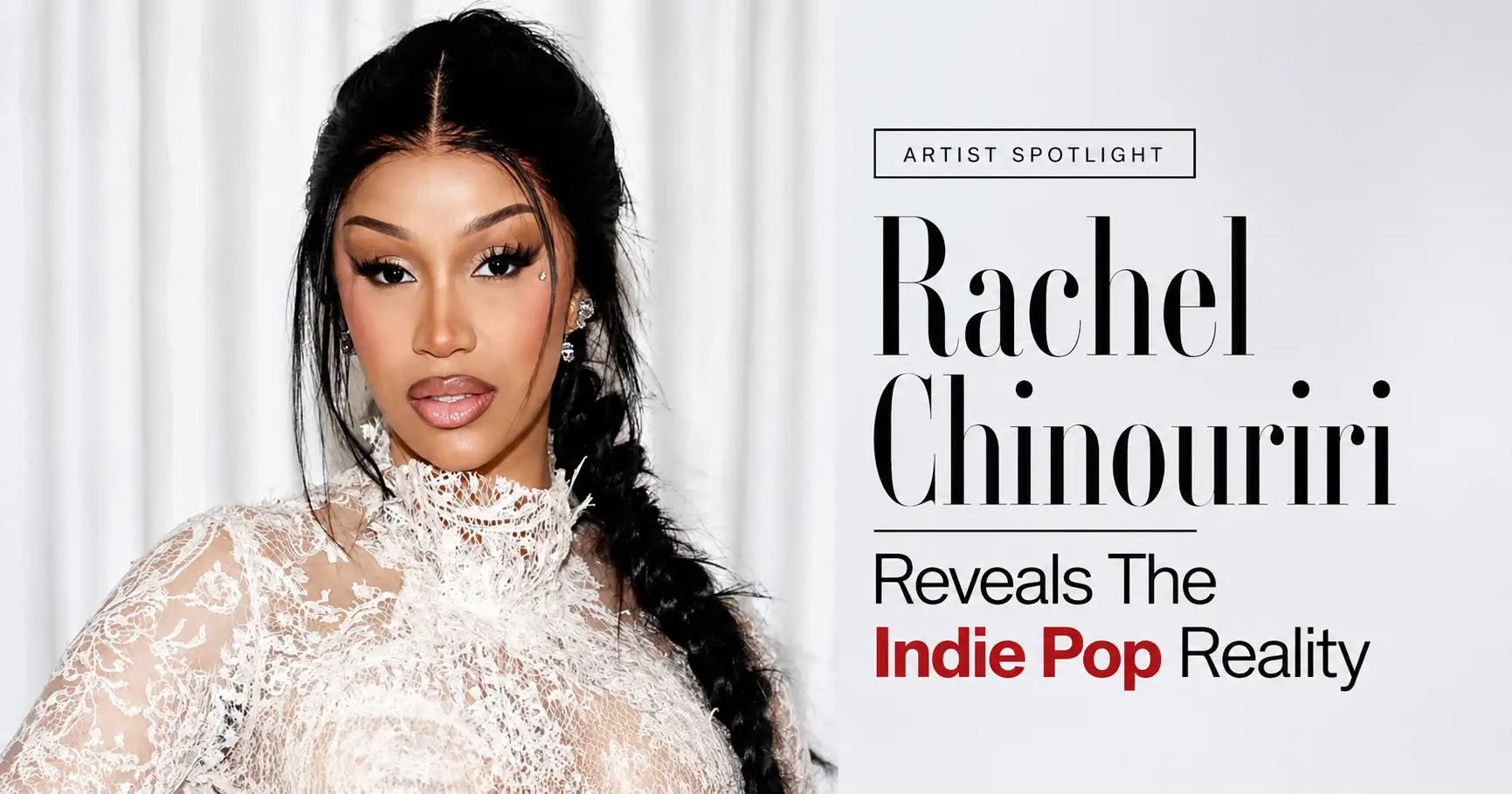
Rachel Chinouriri has shared an emotional message about the pressure she feels as a Black woman in indie pop music. The British singer-songwriter opened up after seeing an online post that suggested her race could limit how far her music career might go.
The comment left her upset, but it also pushed her to speak honestly about the challenges many artists face when they do not fit the industry’s usual image. Chinouriri has been building strong momentum in music, especially after gaining wider attention through her songwriting, live performances, and growing fanbase.
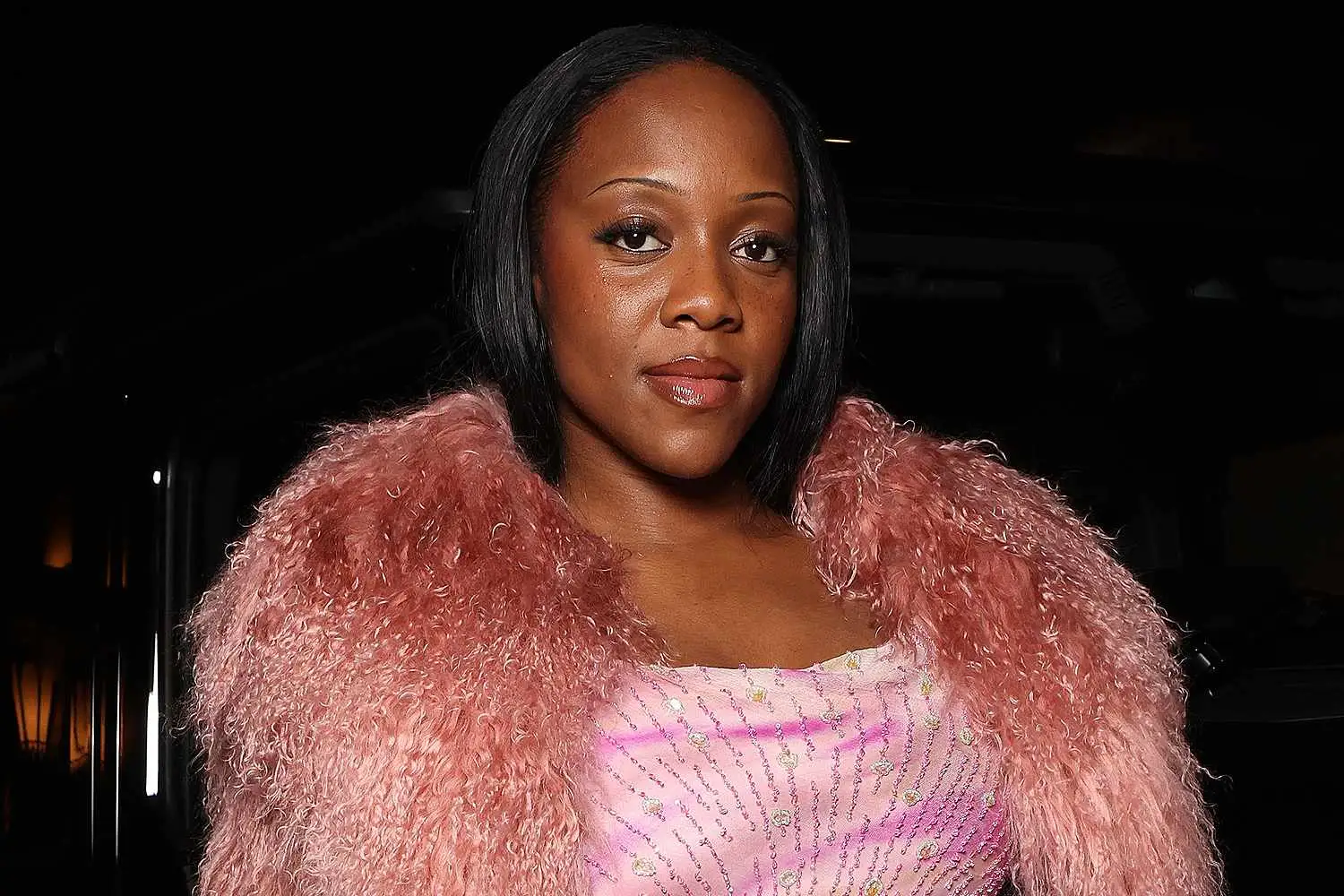 Via People
She has also been opening for Sabrina Carpenter during the European leg of the Short n’ Sweet tour, which has placed her in front of large pop audiences. For many rising artists, a support slot on a major tour can be a huge career moment. Her post showed that success does not always remove the weight of unfair judgment.
Even while performing on a major stage, she explained that the internet can still remind her that being a Black woman in indie pop may make the journey harder. Her message was not only about sadness. It was also about hope, strength, and the right to be seen for music rather than race.
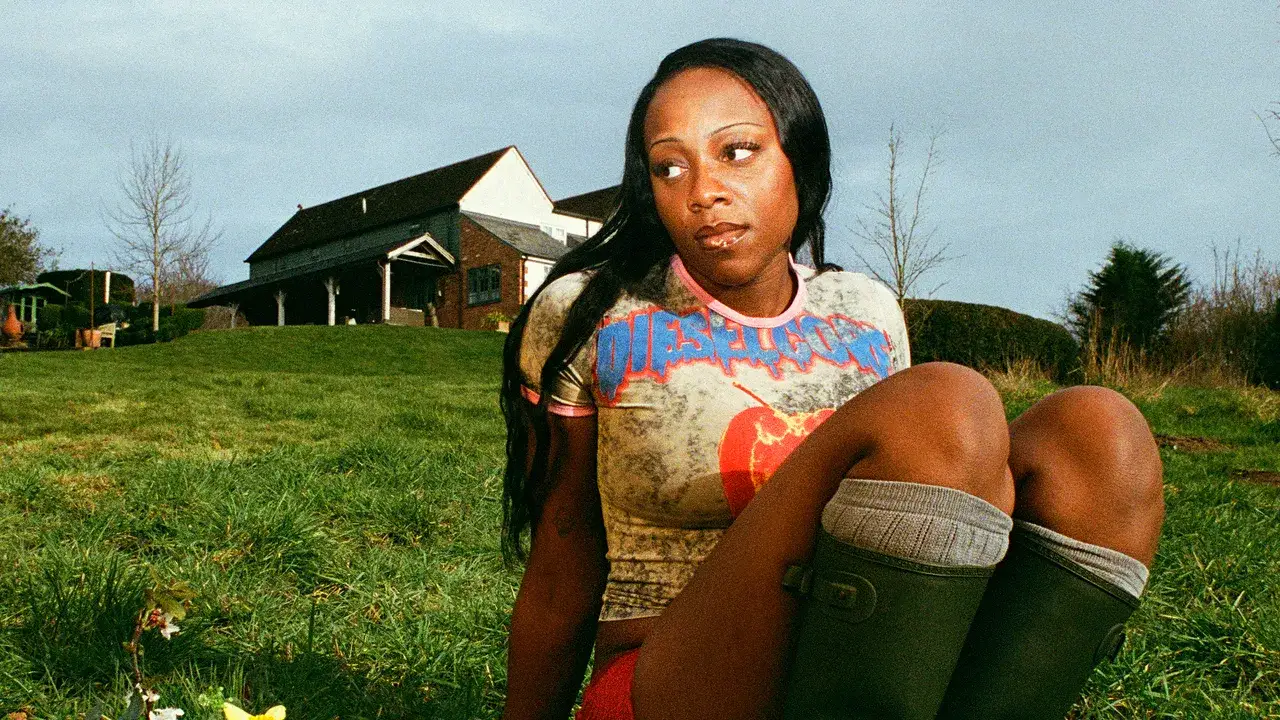 Via Pitch Fork
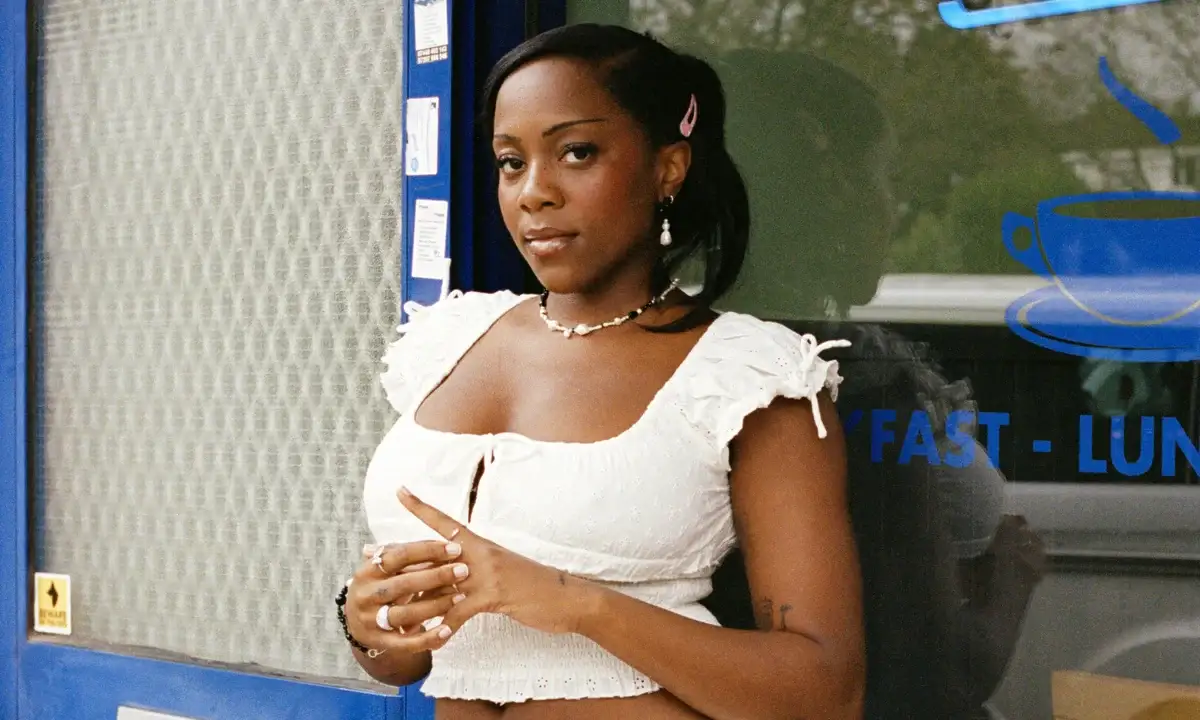 Via The Guardian
Songs like “All I Ever Asked” helped listeners connect with her honest style. Her music often feels personal, but it also speaks to wider feelings such as heartbreak, identity, family pressure, and self-discovery. This period in her career should feel exciting, but her recent message showed a more complicated reality.
Being recognized by awards and major tours is important, yet it does not erase the deeper industry barriers that can affect artists of color. Chinouriri’s post made clear that she wants a fair chance to grow because of her talent, not because people place her inside a narrow label.
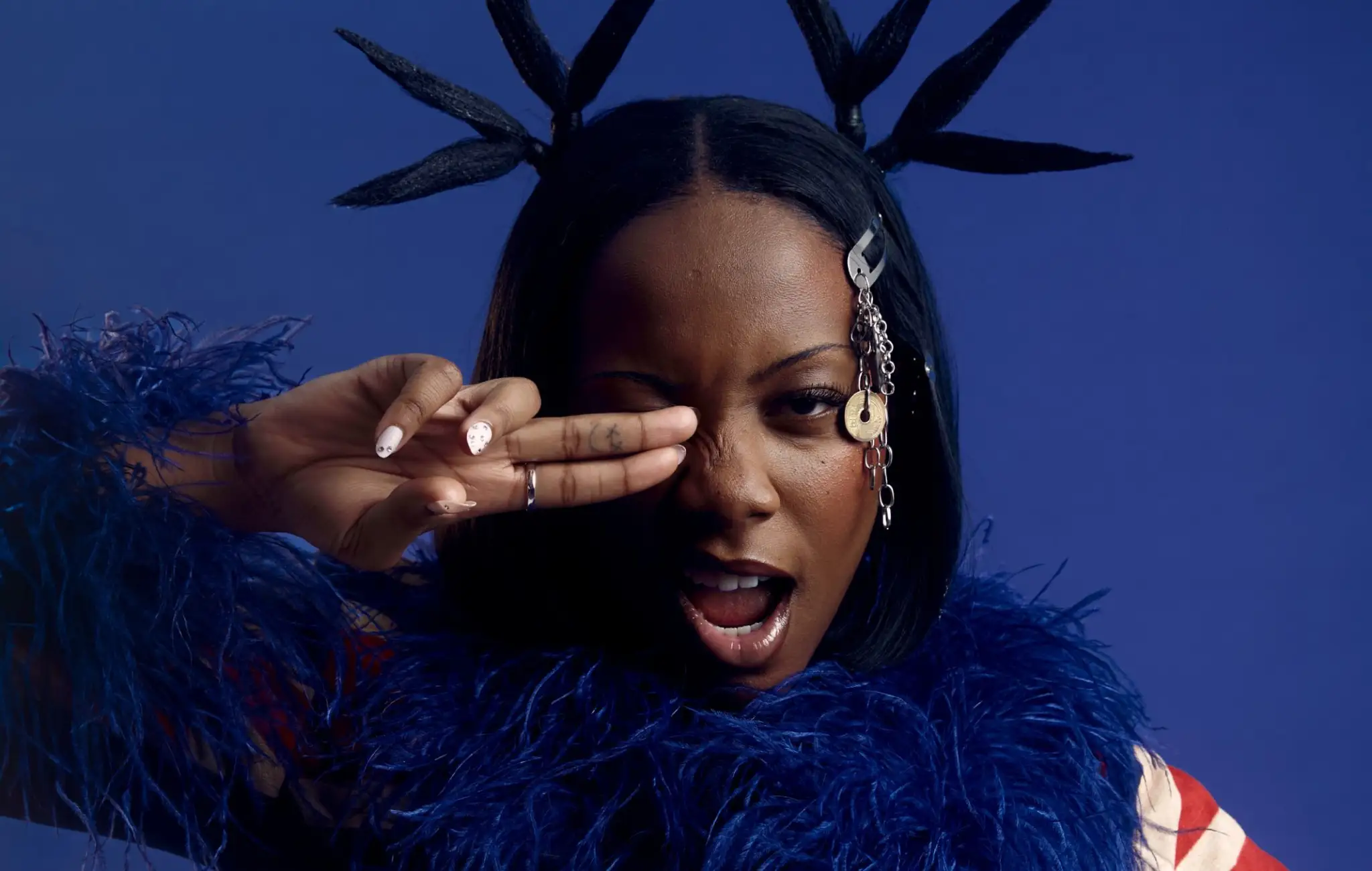 Via NME
 Via The Guardian
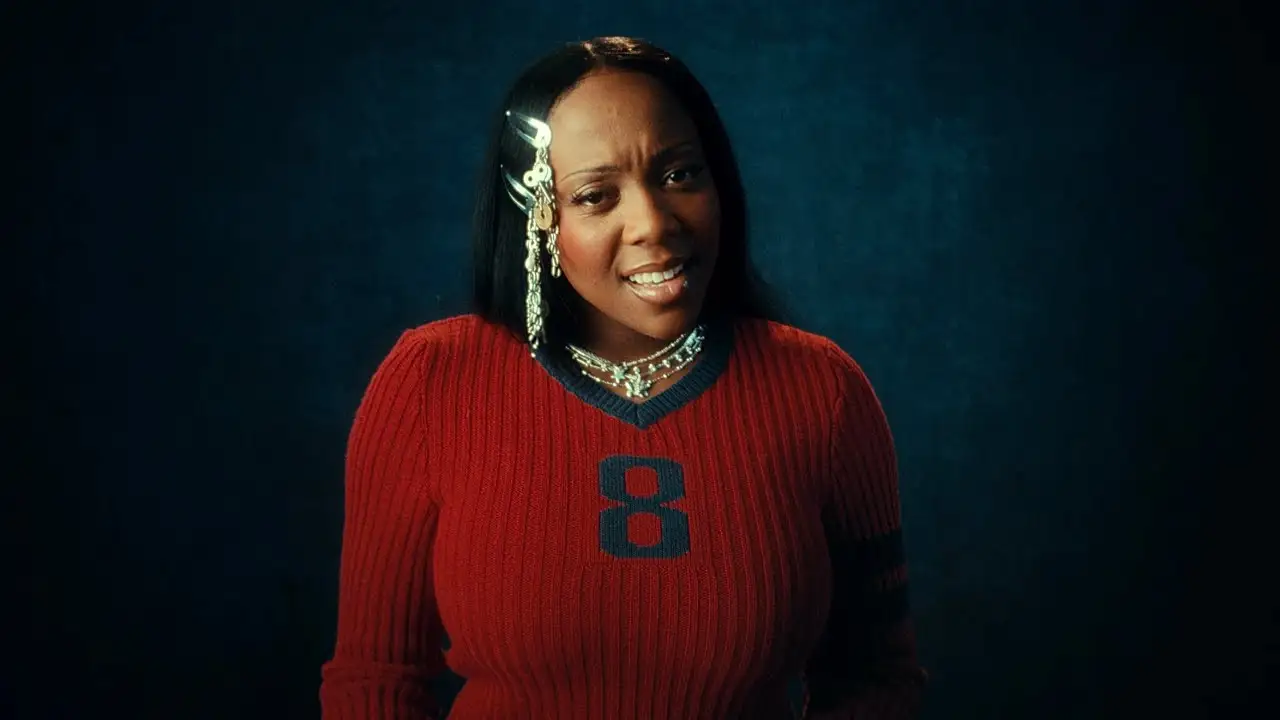
Her goal is for people to connect with her storytelling, emotions, lyrics, and songs before anything else. Chinouriri wants listeners to hear the honesty in her music and understand the personal stories behind each track, rather than reducing her career to only her race.
Her message connected with many fans because it showed the human side of a young artist trying to grow in a difficult industry. It also showed how public pressure, online opinions, and unfair expectations can affect even talented artists who are already reaching major stages.
 Via Whynow
 Via WWD
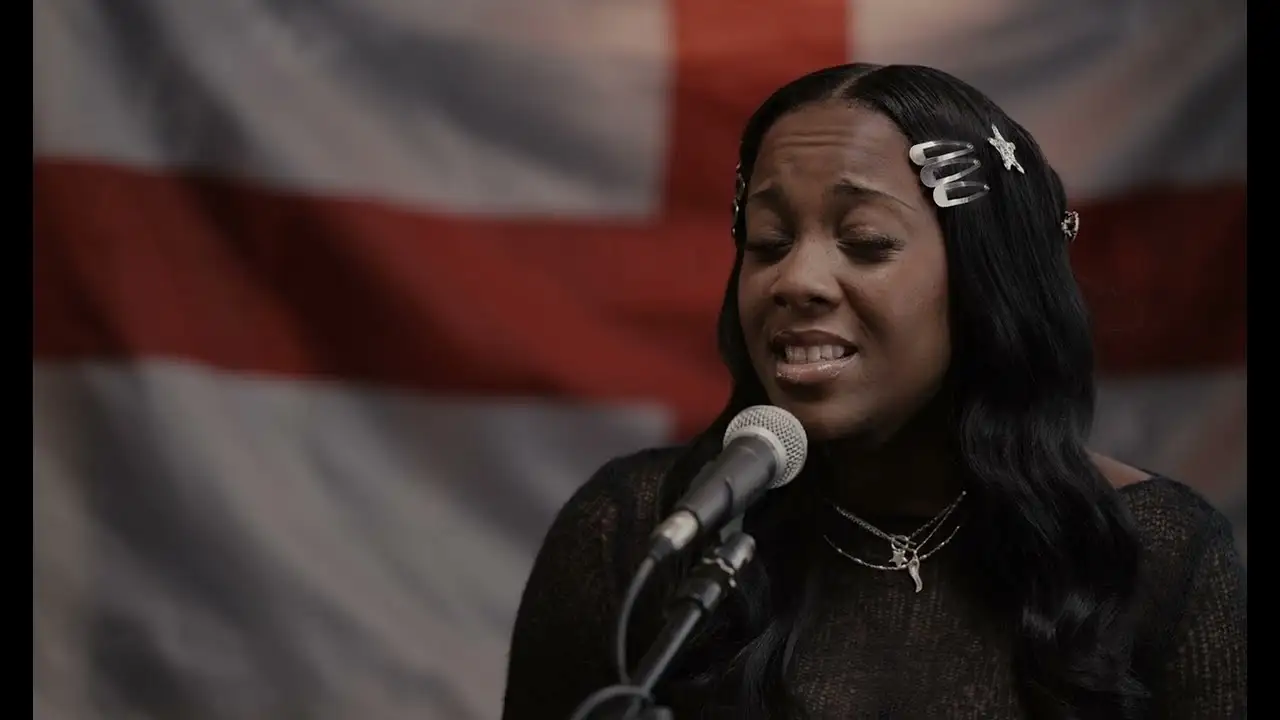
That kind of mistake can limit growth in a quiet but serious way. It is not only about a playlist name. It is about whether an artist is being heard by the right people. Chinouriri’s experience shows how racial assumptions can affect music marketing, even when the artist’s sound clearly belongs somewhere else.
 Via BBC
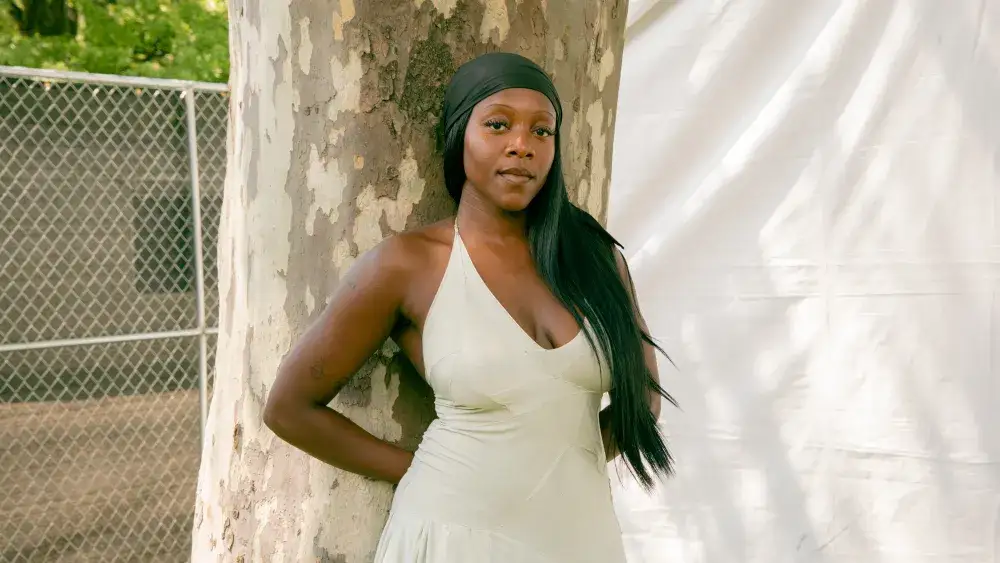
After speaking up, her music was moved into more fitting spaces. This helped new listeners find her songs and understand her work more clearly. She later explained that once her music was placed in the right playlists, her audience grew in a major way. That change showed how powerful fair placement can be for an artist’s career.
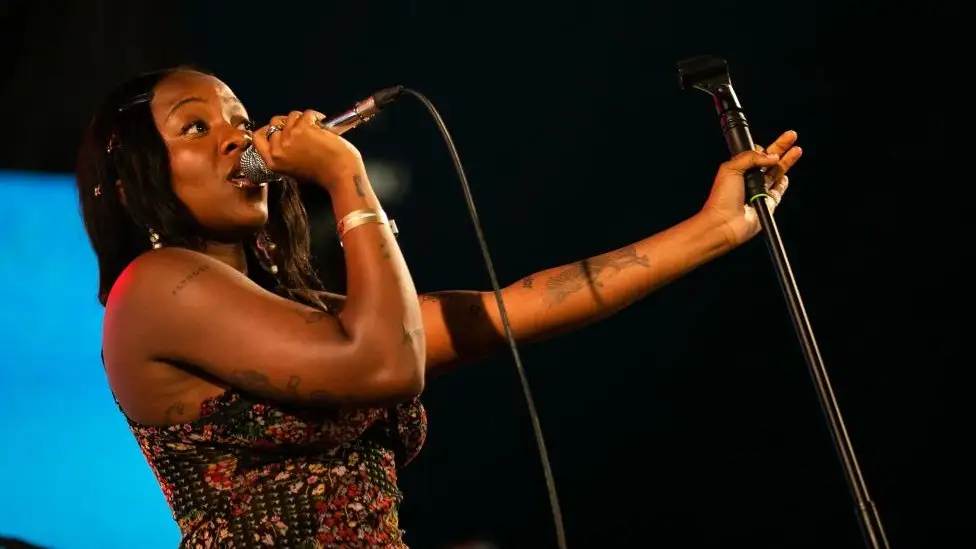
The situation also showed how difficult these conversations can be. Calling out mislabeling does not always mean accusing people of bad intent. Sometimes it means asking the industry to look closer and stop using race as a shortcut. Chinouriri’s honesty helped bring attention to a problem that many artists may feel but may not feel safe enough to discuss publicly.
 Via Left Lion
 Via Metro
That message matters because representation can change what young people believe is possible. When an artist like Chinouriri stands on major stages, releases indie pop music, and speaks openly about her journey, it creates space for others. Her visibility tells young artists that they do not have to shrink their dreams to fit old industry boxes.
 Via The Mirror
Her upcoming EP, Little House, continues that creative path. The first single, “Can We Talk About Isaac?,” gives fans another look at her storytelling style. Chinouriri’s songs often carry soft emotion, but they also have strength under the surface. That balance has helped her stand out in the indie pop scene.
Her music shows that she is not asking to be noticed only because of a public conversation about race. She is asking to be heard as a full artist with her own voice, style, and story. The strongest part of her message is that she wants fair space, not special treatment. Her career is about music first, and that is the point she continues to make.
 Via DIY Magazine
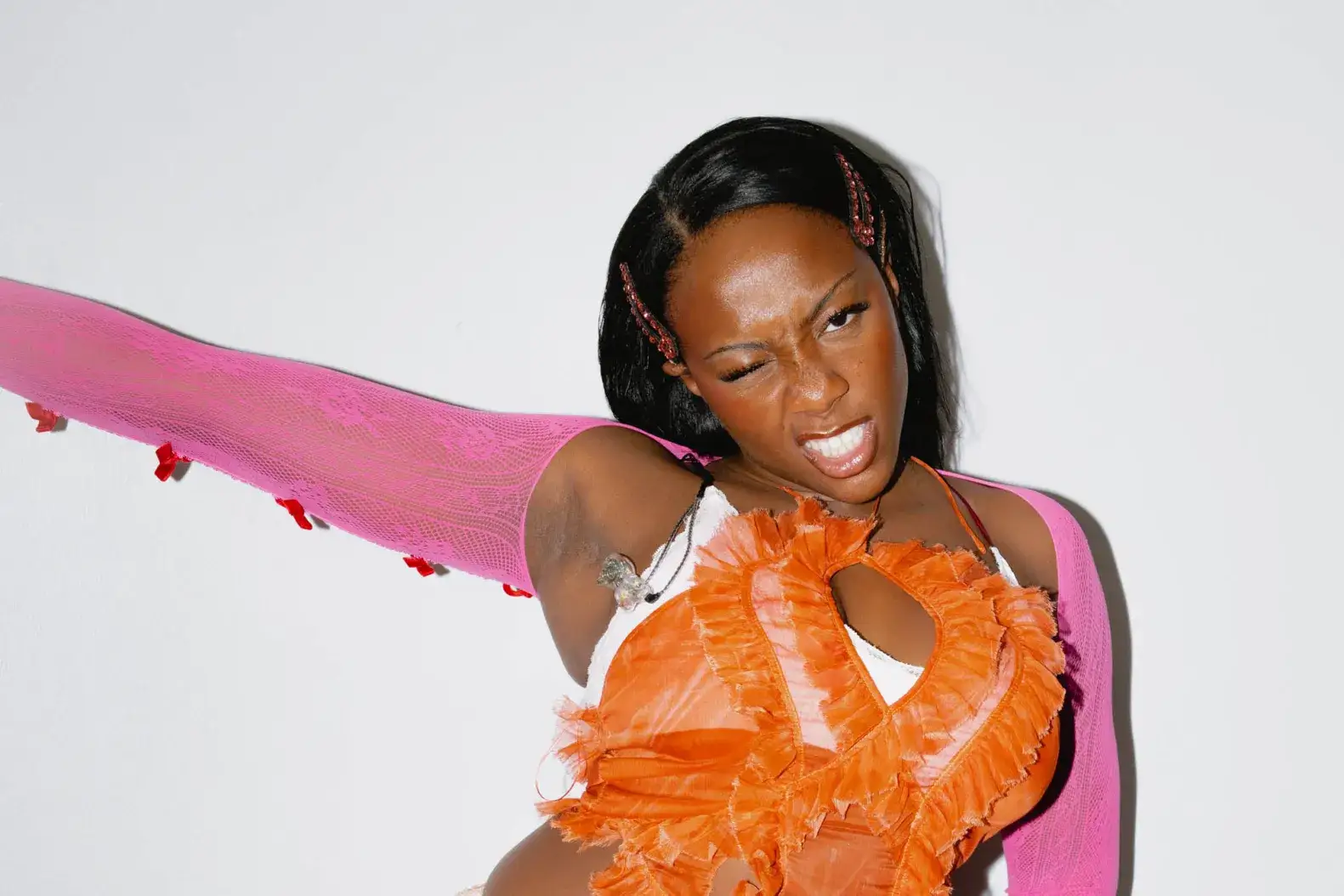 Via Rolling Stone
Her post was moving because it showed both pain and determination. She admitted that the comment hurt, but she also made it clear that she will continue trying. Rachel Chinouriri’s journey is not only about one singer fighting for success. It is about making room for more artists to be seen, heard, and respected for the music they create.
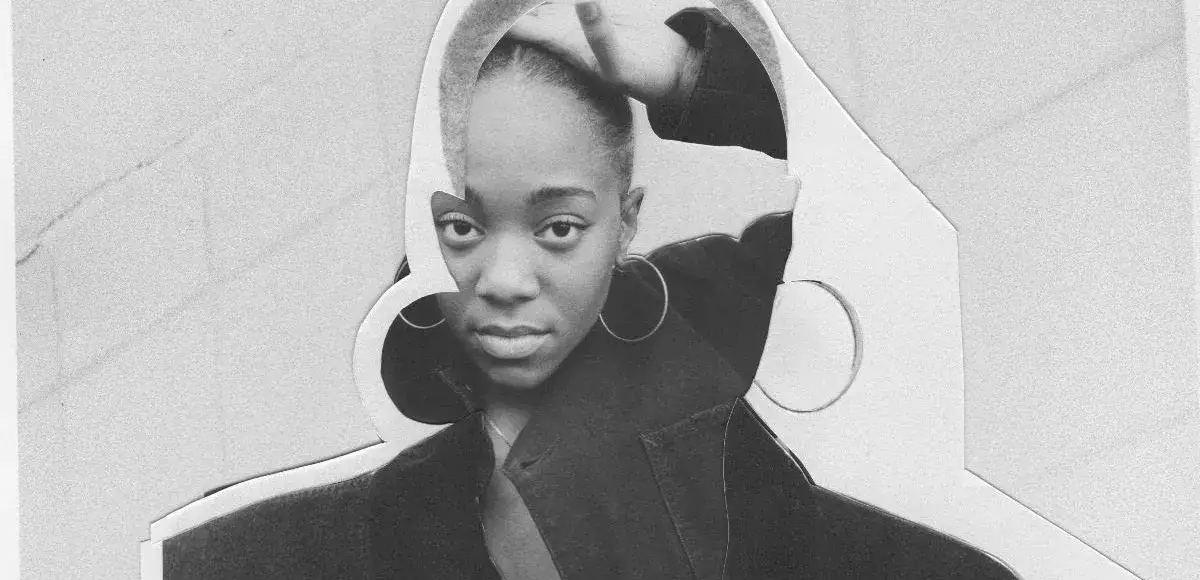 Via Girl Underground Music
Indie pop has often been shown through a limited image, as if the genre belongs to only one type of artist or one kind of background. That idea can make it harder for different voices to be accepted, even when their music clearly fits the sound and emotion of the genre. Chinouriri’s story challenges that narrow view and shows that indie pop should be open to anyone with a strong voice, honest lyrics, and a clear creative vision.
More in UnassignedVia People
She has also been opening for Sabrina Carpenter during the European leg of the Short n’ Sweet tour, which has placed her in front of large pop audiences. For many rising artists, a support slot on a major tour can be a huge career moment. Her post showed that success does not always remove the weight of unfair judgment.
Even while performing on a major stage, she explained that the internet can still remind her that being a Black woman in indie pop may make the journey harder. Her message was not only about sadness. It was also about hope, strength, and the right to be seen for music rather than race.
Via Pitch Fork
A Rising Artist With A Big Year Ahead
Rachel Chinouriri has been having one of the biggest years of her career. She earned major recognition with BRIT Awards nominations, prepared new music for release, and joined Sabrina Carpenter’s European tour dates as an opening act. These achievements show that her name has been growing beyond smaller indie circles and reaching a much larger audience. Her rise has not happened overnight. Chinouriri has spent years shaping her sound, which blends indie pop, emotional storytelling, soft guitar-driven moments, and sharp personal writing.Via The Guardian
Songs like “All I Ever Asked” helped listeners connect with her honest style. Her music often feels personal, but it also speaks to wider feelings such as heartbreak, identity, family pressure, and self-discovery. This period in her career should feel exciting, but her recent message showed a more complicated reality.
Being recognized by awards and major tours is important, yet it does not erase the deeper industry barriers that can affect artists of color. Chinouriri’s post made clear that she wants a fair chance to grow because of her talent, not because people place her inside a narrow label.
Via NME
The Online Comment That Sparked Her Response
The discussion began after Chinouriri read a fan’s post online. The post suggested that she might not reach the same level of success as artists like Gracie Abrams, Olivia Rodrigo, or Chappell Roan because of her skin color. That kind of statement touched a painful subject that she has spoken about before during her music career. Chinouriri said the comment made her feel sad because it reminded her of a common problem in the music world. Many Black artists, especially women, are often placed into certain genres before people even listen closely to their sound. This can make it harder for artists in indie, alternative, rock, pop, or folk spaces to be understood on their own terms. Her response was emotional but clear.Via The Guardian
Her goal is for people to connect with her storytelling, emotions, lyrics, and songs before anything else. Chinouriri wants listeners to hear the honesty in her music and understand the personal stories behind each track, rather than reducing her career to only her race.
Her message connected with many fans because it showed the human side of a young artist trying to grow in a difficult industry. It also showed how public pressure, online opinions, and unfair expectations can affect even talented artists who are already reaching major stages.
Via Whynow
Why Genre Labels Matter In Music
Genre labels may seem small, but they can shape an artist’s whole career. Playlists, radio choices, festival slots, press coverage, and audience discovery often depend on how the music industry describes an artist. When a singer is placed in the wrong category, their songs may not reach the listeners who would enjoy them most. Chinouriri has explained before that her indie pop songs were placed on R&B playlists early in her career. This happened even though her music did not fully match that sound. For an artist making guitar-led indie pop, being pushed into the wrong playlist can make listeners skip the song because they expected a different style.
Via WWD
That kind of mistake can limit growth in a quiet but serious way. It is not only about a playlist name. It is about whether an artist is being heard by the right people. Chinouriri’s experience shows how racial assumptions can affect music marketing, even when the artist’s sound clearly belongs somewhere else.
Speaking Up Changed The Direction Of Her Career
Chinouriri previously spoke out about being miscategorized in the industry. She said a turning point came when someone introduced her as an R&B soul artist, even though that did not match the music she was making. That moment pushed her to share her frustration online, and the post gained a lot of attention.
Via BBC
After speaking up, her music was moved into more fitting spaces. This helped new listeners find her songs and understand her work more clearly. She later explained that once her music was placed in the right playlists, her audience grew in a major way. That change showed how powerful fair placement can be for an artist’s career.
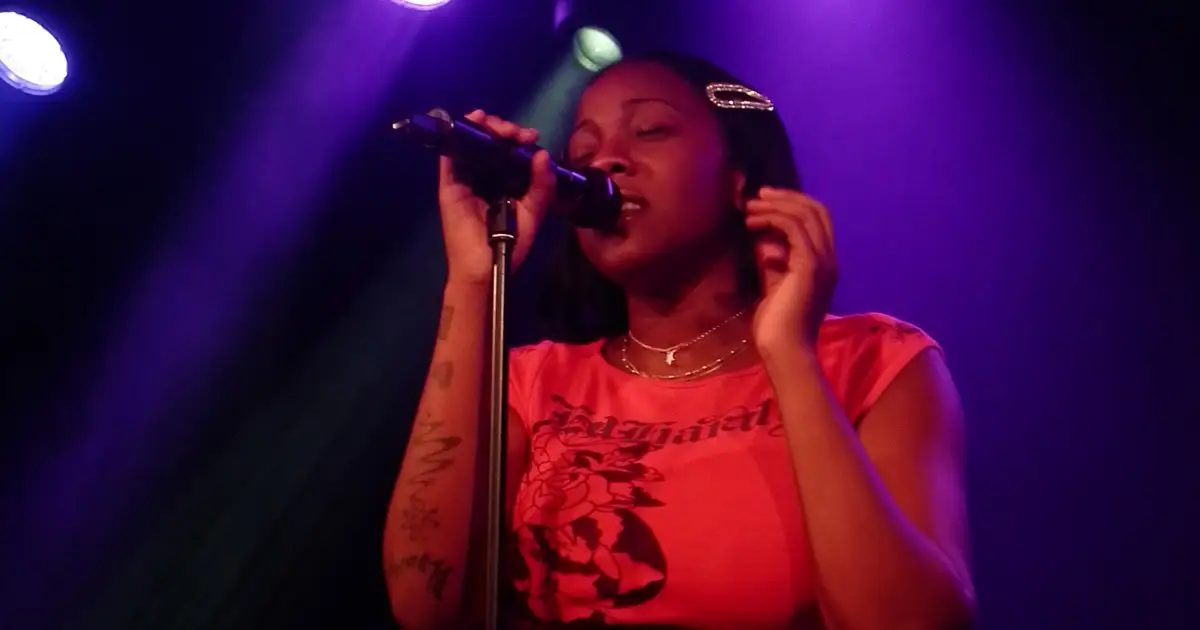
The situation also showed how difficult these conversations can be. Calling out mislabeling does not always mean accusing people of bad intent. Sometimes it means asking the industry to look closer and stop using race as a shortcut. Chinouriri’s honesty helped bring attention to a problem that many artists may feel but may not feel safe enough to discuss publicly.
Via Left Lion
Her Message To Young Black Girls In Music
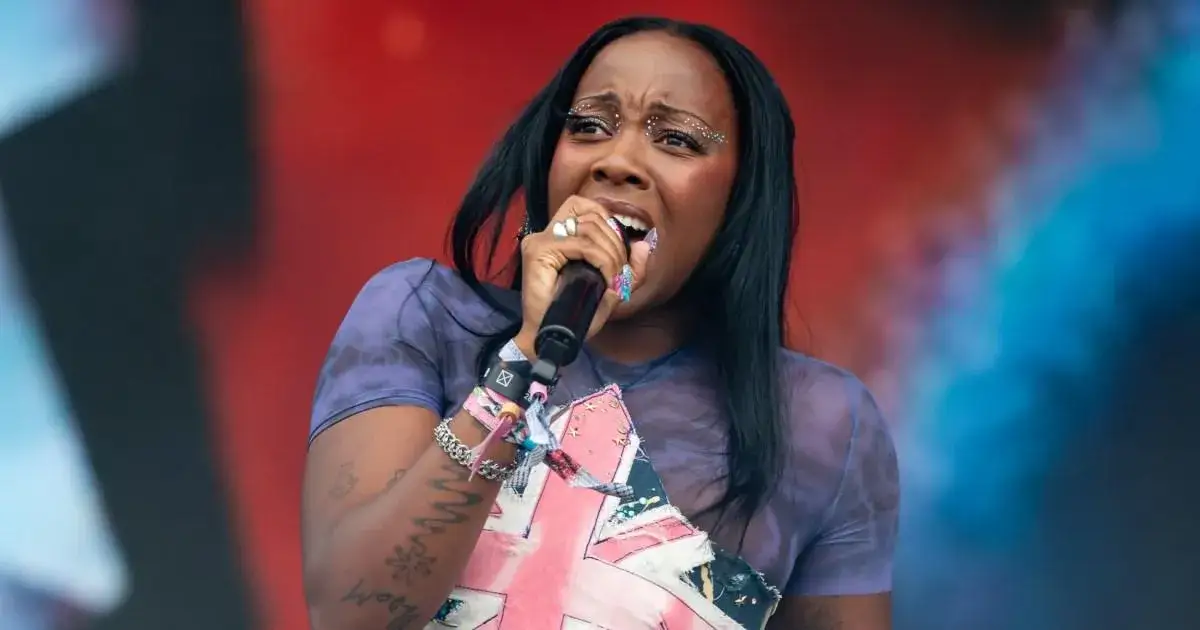
Chinouriri’s post was not only about her own career. She also spoke to young Black girls who dream of making indie, pop, or alternative music. She said many of them may fear that they will not be accepted in those spaces. Her words showed that she understands that fear because she has lived with it herself. Her message encouraged future artists to keep going and not let the world decide who they are allowed to become. She made it clear that being a Black woman will not stop her from trying. Even if her career takes an unexpected path, she wants to know that she gave everything she had and stayed true to herself.Via Metro
That message matters because representation can change what young people believe is possible. When an artist like Chinouriri stands on major stages, releases indie pop music, and speaks openly about her journey, it creates space for others. Her visibility tells young artists that they do not have to shrink their dreams to fit old industry boxes.
New Music And A Strong Creative Voice
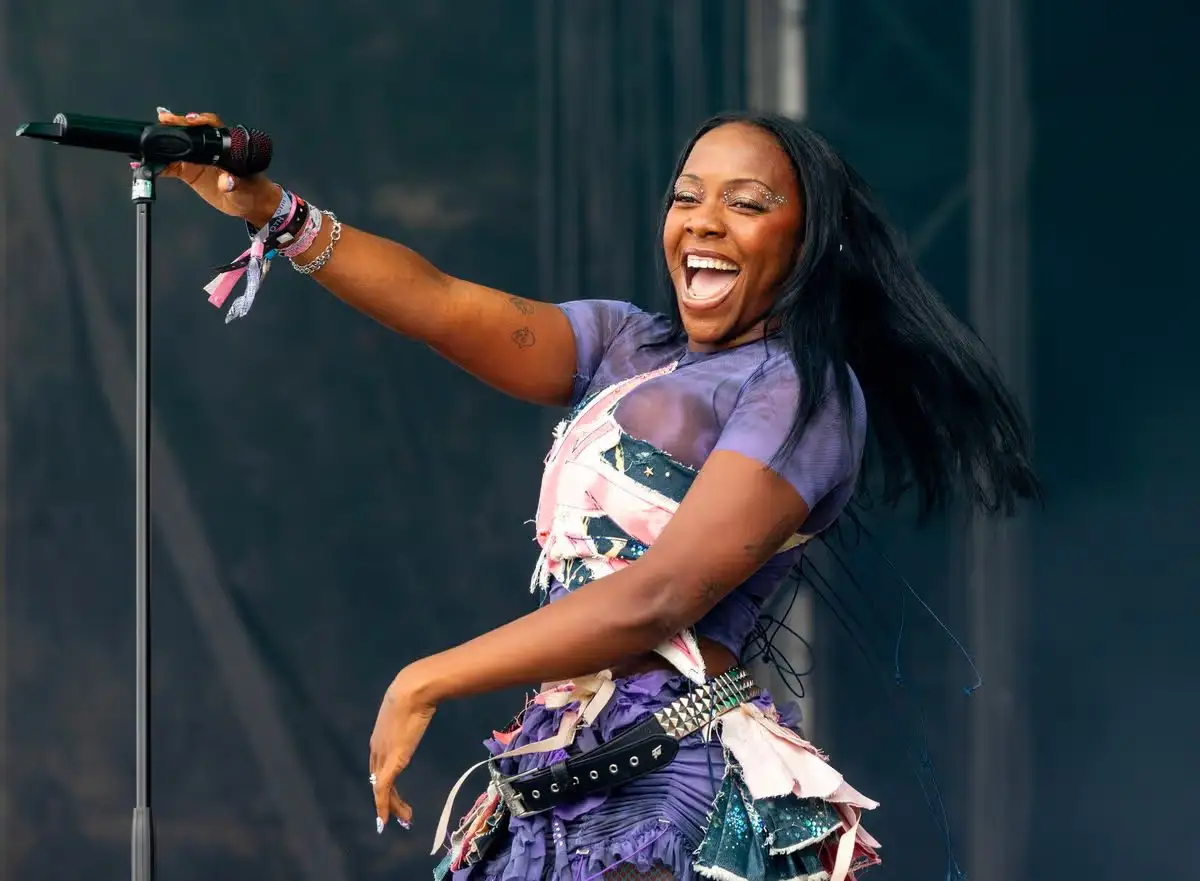
Chinouriri’s creative journey is also moving forward through new music. Her debut album, What a Devastating Turn of Events, was released in 2024 and helped show the depth of her songwriting. The album explored personal pain, family history, emotional healing, and the difficult moments that shaped her as an artist.Via The Mirror
Her upcoming EP, Little House, continues that creative path. The first single, “Can We Talk About Isaac?,” gives fans another look at her storytelling style. Chinouriri’s songs often carry soft emotion, but they also have strength under the surface. That balance has helped her stand out in the indie pop scene.
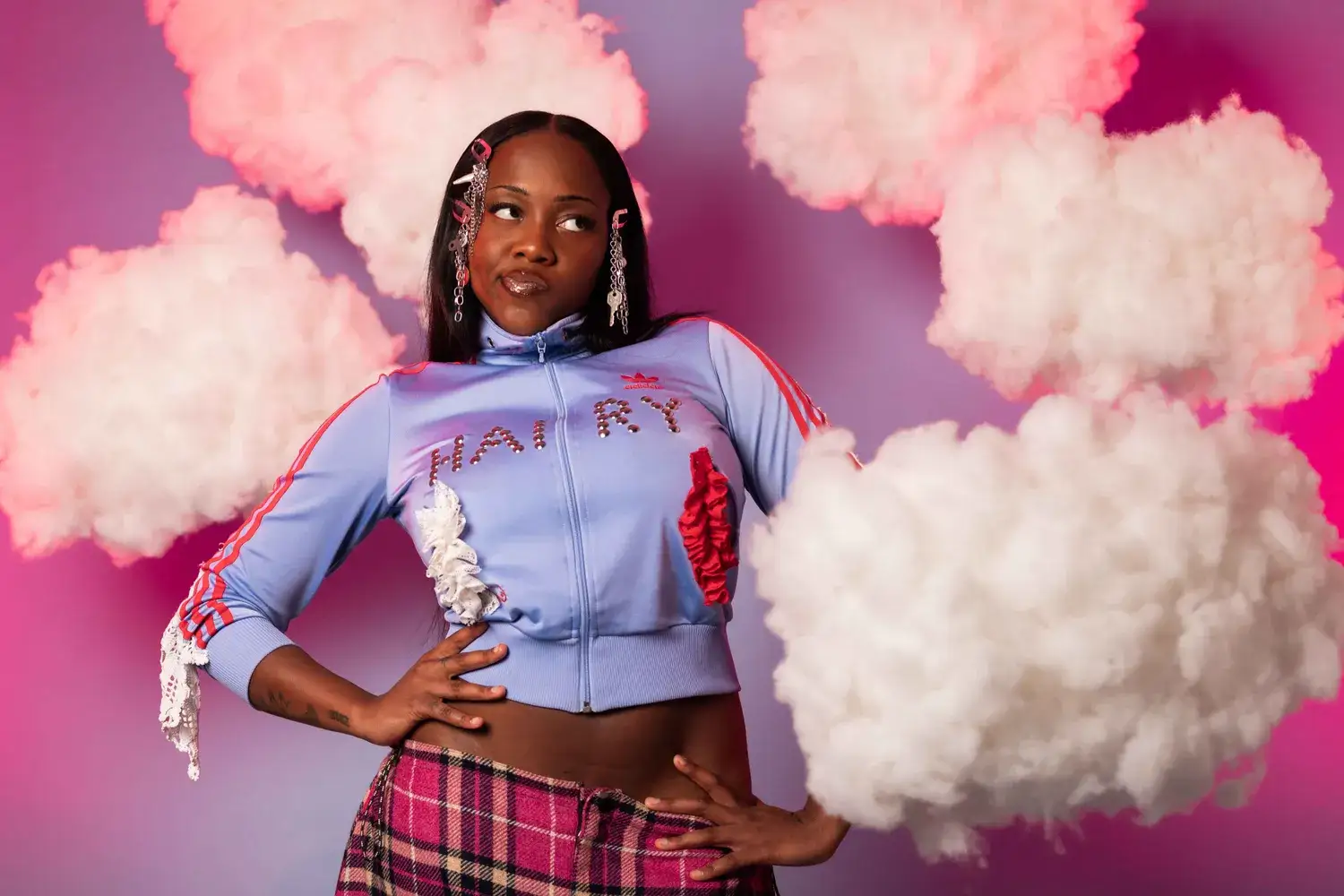
Her music shows that she is not asking to be noticed only because of a public conversation about race. She is asking to be heard as a full artist with her own voice, style, and story. The strongest part of her message is that she wants fair space, not special treatment. Her career is about music first, and that is the point she continues to make.
Via DIY Magazine
Rachel Chinouriri’s Story Shows Bigger Industry Problem
Rachel Chinouriri’s experience points to a larger issue in entertainment. Artists from underrepresented backgrounds often have to explain who they are before their work is even judged. This creates extra pressure, especially when the industry has long followed narrow ideas about which artists belong in certain genres. Indie pop has often been seen through a limited image, even though the sound itself can belong to anyone. Chinouriri’s story challenges that idea. Her career shows that indie music is not tied to one race, one look, or one background. It is built on feeling, storytelling, sound, and connection with listeners.Via Rolling Stone
Her post was moving because it showed both pain and determination. She admitted that the comment hurt, but she also made it clear that she will continue trying. Rachel Chinouriri’s journey is not only about one singer fighting for success. It is about making room for more artists to be seen, heard, and respected for the music they create.
Via Girl Underground Music
Indie pop has often been shown through a limited image, as if the genre belongs to only one type of artist or one kind of background. That idea can make it harder for different voices to be accepted, even when their music clearly fits the sound and emotion of the genre. Chinouriri’s story challenges that narrow view and shows that indie pop should be open to anyone with a strong voice, honest lyrics, and a clear creative vision.