Unassigned
Lewis Hamilton Handed Five-Place Grid Drop for Monza Race

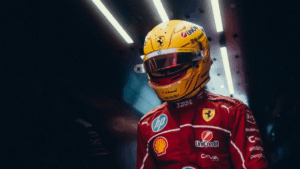
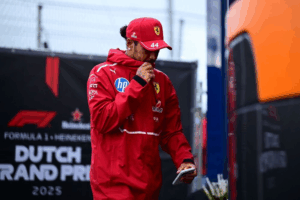
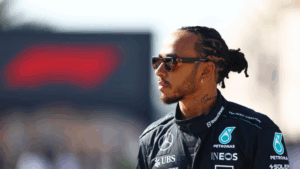
Lewis Hamilton, the seven-time Formula 1 world champion, enters the 2025 Italian Grand Prix at Monza facing an unexpected hurdle. A five-place grid penalty, issued for a yellow flag infringement during reconnaissance laps at the Dutch Grand Prix, has altered the outlook for what was expected to be a pivotal weekend.
The timing could not be more dramatic, as Monza represents Ferrari’s most iconic stage, where the passion of the Tifosi creates an atmosphere unmatched in motorsport. For Hamilton, now representing Ferrari in their home race, the penalty adds an extra layer of pressure and intrigue.
 Via Apex Motorsports
The setback underscores the unforgiving nature of Formula 1. Penalties not only reshape race strategies but also highlight the importance of strict adherence to safety protocols designed to protect drivers, teams, and fans. Beyond Hamilton’s individual challenge, the situation sheds light on Ferrari’s pursuit of competitiveness in a season filled with fierce rivalries.
 Via Autosport
The Race Director had explicitly informed teams that the final corner before the pit lane would feature double yellow flags to protect those in the pit area. Telemetry data reviewed by the stewards revealed that Hamilton reduced his speed by approximately 20 km/h compared to his practice session laps through the same sector. He also applied 10-20% less throttle and braked 70 meters earlier when entering the pit lane.
The stewards deemed this reduction insufficient under the regulations, which mandate a “significant” speed reduction in double yellow flag zones. Additionally, Hamilton’s speed through the pit entry road was not considered “greatly reduced” as required by Article 44.1 of the FIA regulations.
 Via PlanetF1
While the standard penalty for such an infringement is a 10-place grid drop, the stewards acknowledged Hamilton’s attempt to slow down as a mitigating factor, reducing the penalty to five grid places for the Italian Grand Prix. He also received two penalty points on his FIA Super License, the first in the current 12-month period.
 Via Red Bull
The stewards’ decision to penalize Hamilton underscores the FIA’s commitment to enforcing these regulations strictly. Even a partial attempt to comply, as in Hamilton’s case, does not exempt a driver from punishment if the reduction in speed falls short of the required standard. This incident highlights the precision and accountability demanded in Formula 1, where split-second decisions can have significant consequences.
 Via Esquire
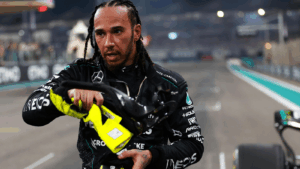
The incident was compounded by teammate Charles Leclerc’s collision with Mercedes’ Kimi Antonelli, resulting in a double DNF (Did Not Finish) for Ferrari. The five-place grid penalty means Hamilton cannot start higher than sixth at Monza, regardless of his qualifying performance.
This setback complicates his prospects at a circuit where Ferrari faces immense pressure to perform in front of their passionate home fans, the tifosi. Monza, known as “The Temple of Speed,” is a high-speed track that demands precision and power, making a strong starting position critical for a competitive race.
 Via BBC
Despite the challenges, Hamilton remains optimistic. He has expressed confidence in his pace during the Dutch Grand Prix weekend, noting that he felt capable of challenging the frontrunners before his crash. The penalty, while a hurdle, removes some pressure to deliver a podium finish, allowing him to focus on maximizing points and building momentum for the remainder of the season.
 Via Motorsport Week
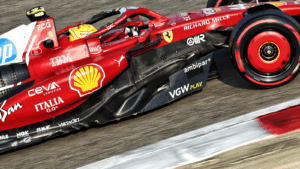
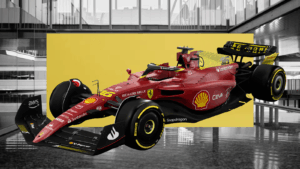
Monza represents a critical opportunity for Ferrari to regain momentum. As the team’s second home race (after Imola), the Italian Grand Prix carries emotional and symbolic weight. The tifosi expect strong performances, and Ferrari’s leadership will be keen to deliver results to close the gap to McLaren.
 Via F1
The FIA’s decision to penalize a driver of Hamilton’s stature demonstrates that no one is above the rules, reinforcing the sport’s commitment to fairness and safety. The use of telemetry data in the stewards’ investigation also highlights the role of technology in modern Formula 1.
By analyzing precise metrics, such as speed, throttle application, and braking points, the FIA can make informed decisions about rule breaches. This transparency ensures accountability but also places immense pressure on drivers to adhere to regulations in real-time, even during non-competitive sessions like reconnaissance laps.
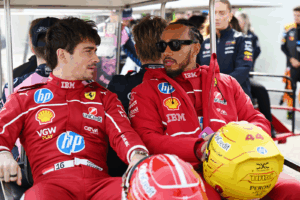 Via F1
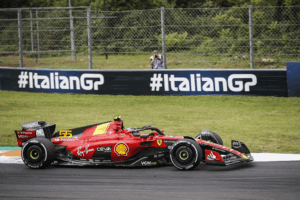 Via Autosport
Leclerc, who escaped a penalty but retired in Zandvoort, will aim to lead Ferrari’s charge. His familiarity with the team and track could give him an edge, but he’ll need to avoid further incidents to deliver a strong result for the tifosi. The team’s ability to execute a clean race weekend, from practice to the checkered flag, will be crucial in restoring confidence and closing the gap in the constructors’ championship.
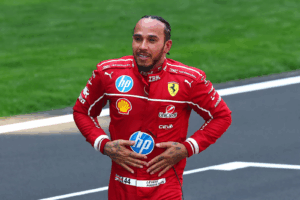 Via The Independent
Hamilton’s ability to adapt to the Ferrari car, which has shown flashes of competitiveness but lacks consistency, will be critical in the remaining races of 2025. The seven-time champion’s move to Ferrari was a bold decision, driven by his desire for a new challenge and the opportunity to win an eighth world title.
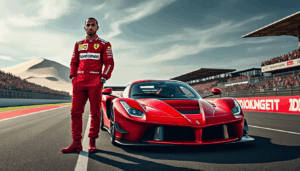 Via FormulaNerds
For Ferrari, the 2025 season is a pivotal moment. The team is under pressure to return to championship-contending form, a goal that has eluded them since their last constructors’ title in 2008. Hamilton’s experience and leadership are seen as key to unlocking Ferrari’s potential, but the team must address its inconsistencies to compete with the likes of McLaren and Red Bull.
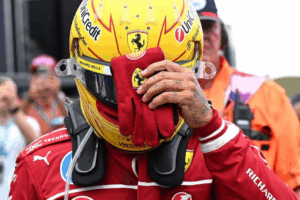 Via Motorsport
Delivering a competitive performance in front of the tifosi will be the main objective as Ferrari gets ready for their home race at Monza. Hamilton may not be able to start because of his punishment, but his expertise and the team's strategic ability could still produce a great outcome. Hamilton and Ferrari have the opportunity to demonstrate their tenacity and lay the groundwork for an exciting 2025 finale at the Italian Grand Prix.
More in Unassigned
Via Apex Motorsports
The setback underscores the unforgiving nature of Formula 1. Penalties not only reshape race strategies but also highlight the importance of strict adherence to safety protocols designed to protect drivers, teams, and fans. Beyond Hamilton’s individual challenge, the situation sheds light on Ferrari’s pursuit of competitiveness in a season filled with fierce rivalries.
The Incident - What Happened at Zandvoort?
During the pre-race reconnaissance laps at the Dutch Grand Prix in Zandvoort, Hamilton breached safety protocols related to double-waved yellow flags. These flags, displayed in a specific sector near the pit entry, signal that drivers must significantly reduce speed to ensure the safety of marshals, grid personnel, and other drivers.
Via Autosport
The Race Director had explicitly informed teams that the final corner before the pit lane would feature double yellow flags to protect those in the pit area. Telemetry data reviewed by the stewards revealed that Hamilton reduced his speed by approximately 20 km/h compared to his practice session laps through the same sector. He also applied 10-20% less throttle and braked 70 meters earlier when entering the pit lane.
The stewards deemed this reduction insufficient under the regulations, which mandate a “significant” speed reduction in double yellow flag zones. Additionally, Hamilton’s speed through the pit entry road was not considered “greatly reduced” as required by Article 44.1 of the FIA regulations.
Via PlanetF1
While the standard penalty for such an infringement is a 10-place grid drop, the stewards acknowledged Hamilton’s attempt to slow down as a mitigating factor, reducing the penalty to five grid places for the Italian Grand Prix. He also received two penalty points on his FIA Super License, the first in the current 12-month period.
Why Do Yellow Flags Matter in Formula 1?
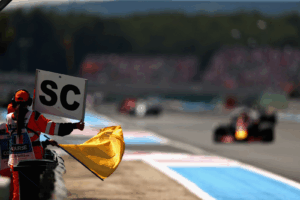
Yellow flags are a cornerstone of Formula 1 safety protocols, used to alert drivers to hazards on the track, such as debris, stationary cars, or marshals working in dangerous areas. Double-waved yellow flags indicate a severe hazard, requiring drivers to slow down significantly and be prepared to stop if necessary. These rules are non-negotiable, as they protect the lives of those working trackside and ensure the safety of competitors.
Via Red Bull
The stewards’ decision to penalize Hamilton underscores the FIA’s commitment to enforcing these regulations strictly. Even a partial attempt to comply, as in Hamilton’s case, does not exempt a driver from punishment if the reduction in speed falls short of the required standard. This incident highlights the precision and accountability demanded in Formula 1, where split-second decisions can have significant consequences.
The Impact on Hamilton’s Season
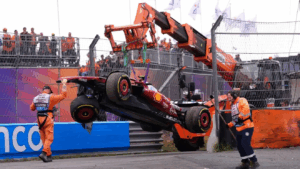
Hamilton’s penalty comes at a challenging time in his debut season with Ferrari. After leaving Mercedes, where he won six of his seven world championships, Hamilton has faced a steep learning curve adapting to Ferrari’s car and team dynamics. His crash at Zandvoort, caused by losing control in wet conditions at Turn 3, marked his first retirement since joining the Scuderia.
Via Esquire
The incident was compounded by teammate Charles Leclerc’s collision with Mercedes’ Kimi Antonelli, resulting in a double DNF (Did Not Finish) for Ferrari. The five-place grid penalty means Hamilton cannot start higher than sixth at Monza, regardless of his qualifying performance.
This setback complicates his prospects at a circuit where Ferrari faces immense pressure to perform in front of their passionate home fans, the tifosi. Monza, known as “The Temple of Speed,” is a high-speed track that demands precision and power, making a strong starting position critical for a competitive race.
Via BBC
Despite the challenges, Hamilton remains optimistic. He has expressed confidence in his pace during the Dutch Grand Prix weekend, noting that he felt capable of challenging the frontrunners before his crash. The penalty, while a hurdle, removes some pressure to deliver a podium finish, allowing him to focus on maximizing points and building momentum for the remainder of the season.
Ferrari’s Struggles in 2025
Ferrari’s 2025 season has been a mixed bag. While the team holds second place in the constructors’ championship, they trail McLaren by a significant margin. The Dutch Grand Prix was particularly tough, with both cars retiring early, costing valuable points. Leclerc’s collision with Antonelli, a rising star in Mercedes’ lineup, highlighted the fine margins in Formula 1, where aggressive racing can lead to costly mistakes.
Via Motorsport Week
Monza represents a critical opportunity for Ferrari to regain momentum. As the team’s second home race (after Imola), the Italian Grand Prix carries emotional and symbolic weight. The tifosi expect strong performances, and Ferrari’s leadership will be keen to deliver results to close the gap to McLaren.
The Broader Context - Safety and Accountability in Formula 1
The Hamilton penalty serves as a reminder of the sport’s unwavering focus on safety. Over the decades, Formula 1 has made significant strides in improving safety standards, from enhanced car designs to stricter trackside protocols. Yellow flag regulations, in particular, have been refined to minimize risks in high-speed environments.
Via F1
The FIA’s decision to penalize a driver of Hamilton’s stature demonstrates that no one is above the rules, reinforcing the sport’s commitment to fairness and safety. The use of telemetry data in the stewards’ investigation also highlights the role of technology in modern Formula 1.
By analyzing precise metrics, such as speed, throttle application, and braking points, the FIA can make informed decisions about rule breaches. This transparency ensures accountability but also places immense pressure on drivers to adhere to regulations in real-time, even during non-competitive sessions like reconnaissance laps.
Via F1
The Italian Grand Prix - What to Expect
One of Formula 1's most recognisable courses, Monza is renowned for its lengthy straightaways, fast speeds, and intense atmosphere. Teams with good aerodynamic efficiency and power units, areas in which Ferrari has traditionally excelled, are favoured by the shape of the track. Ferrari finds it challenging to rule at home, though, since teams like McLaren, Red Bull, and Mercedes have been more competitive in recent seasons. For Hamilton, the goal will be to minimize the damage from the penalty and maximize points. A strong qualifying performance could position him to start in the midfield, from where he can leverage Ferrari’s race pace and strategic acumen to climb the order. Overtaking is possible at Monza, particularly on the long straights, but tire management and race strategy will play a significant role in determining the outcome.
Via Autosport
Leclerc, who escaped a penalty but retired in Zandvoort, will aim to lead Ferrari’s charge. His familiarity with the team and track could give him an edge, but he’ll need to avoid further incidents to deliver a strong result for the tifosi. The team’s ability to execute a clean race weekend, from practice to the checkered flag, will be crucial in restoring confidence and closing the gap in the constructors’ championship.
Hamilton’s Response and Mindset
Throughout his career, Hamilton has encountered hardship and is accustomed to conquering obstacles. He admitted his error in response to the sentence, but he made it clear that he intended to use the setback as an incentive. In order to handle the demands of racing for Ferrari in Monza, his expertise and mental toughness will be crucial.
Via The Independent
Hamilton’s ability to adapt to the Ferrari car, which has shown flashes of competitiveness but lacks consistency, will be critical in the remaining races of 2025. The seven-time champion’s move to Ferrari was a bold decision, driven by his desire for a new challenge and the opportunity to win an eighth world title.
The Bigger Picture - Hamilton’s Legacy and Ferrari’s Future
Hamilton’s penalty is a minor chapter in a career defined by resilience and excellence. As one of the greatest drivers in Formula 1 history, he has faced countless challenges, from controversial penalties to on-track rivalries. His move to Ferrari represents a new phase in his journey, one that carries the weight of expectation but also the potential for historic achievements.
Via FormulaNerds
For Ferrari, the 2025 season is a pivotal moment. The team is under pressure to return to championship-contending form, a goal that has eluded them since their last constructors’ title in 2008. Hamilton’s experience and leadership are seen as key to unlocking Ferrari’s potential, but the team must address its inconsistencies to compete with the likes of McLaren and Red Bull.
Explore Hamilton’s Five-Place Grid Penalty at Italian GP
An already fascinating 2025 season is made more intriguing by Lewis Hamilton's five-place grid penalty at the Italian Grand Prix. The punishment, which stems from a safety infraction at Zandvoort, emphasises the stringent rules of the sport and the significance of responsibility. Given his background and tenacity, Hamilton is well-suited to overcome this obstacle in his Ferrari career.
Via Motorsport
Delivering a competitive performance in front of the tifosi will be the main objective as Ferrari gets ready for their home race at Monza. Hamilton may not be able to start because of his punishment, but his expertise and the team's strategic ability could still produce a great outcome. Hamilton and Ferrari have the opportunity to demonstrate their tenacity and lay the groundwork for an exciting 2025 finale at the Italian Grand Prix.