Unassigned
Kimi Raikkonen's Contract Nearly Bankrupted Lotus

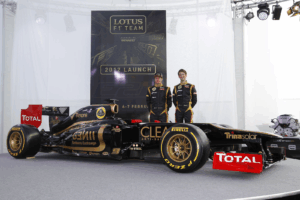
Kimi Räikkönen, the Finnish Formula One driver known as the "Iceman," made a surprising return to the sport in 2012. After two years away, he joined the Lotus team. Many people doubted he could still compete at the top level. Lotus took a risk by signing him, but they added a special deal to his contract. They agreed to pay him €50,000 for every point he scored in the championship.
The team thought their car was not strong enough to score many points, so the bonus seemed safe. They were wrong. Räikkönen's performance turned this clause into a financial nightmare. Räikkönen had left Formula One in 2009 after a successful run with Ferrari. He spent time racing in rallies and other series.
 Via F1
Fans loved his straightforward style and quiet personality. When Lotus announced its comeback, excitement built, but experts predicted a mid-field finish at best. The team, formerly known as Renault, needed a big name to attract sponsors. Räikkönen's return fit the plan, but the bonus clause showed their low expectations.
 Via LinkedIn
That would mean a €5 million bonus, which they could handle. It was meant to motivate the driver without breaking the bank. Formula One teams operate on tight budgets. Costs for engines, travel, and staff add up quickly. Sponsors provide most of the money, but payments often come late.
Lotus was already short on cash after years of changes in ownership. Adding a high-risk bonus seemed clever at the time. It tied pay to performance, a common practice in sports. But no one predicted Rä Räikkönen's magic on the track.
 Via Commercial Lawyers
 Via ESPN
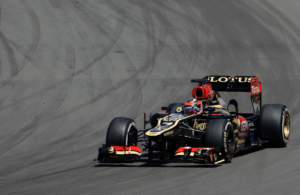
As the European races arrived, Räikkönen hit his stride. In Bahrain, he finished second behind Sebastian Vettel. That podium brought 18 points and a big bonus chunk. Spain and Monaco added more top finishes. He was consistent, scoring in race after race.
By mid-season, his points total climbed past 100. Lotus started to worry. The bonus was now over €5 million, and the season had months left. The Abu Dhabi Grand Prix became the highlight. Starting fourth, Räikkönen took the lead early.
 Via F1
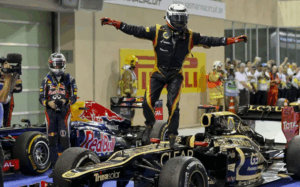
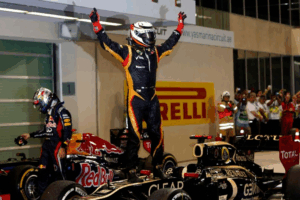
He held off challenges from Fernando Alonso and won the race. It was his first victory since 2009. The paddock cheered for the veteran. That win added 25 points, pushing his total higher. Media coverage exploded, bringing Lotus valuable attention. Sponsors liked the exposure, but the money owed to Räikkönen grew faster than new deals.
 Via BBC
The Formula One points system rewards top finishes heavily. First place gives 25 points, second 18, and down to one for tenth. Räikkönen's seven podiums alone accounted for over 100 points. His worst results were still fifth or sixth, worth solid money. The clause, meant as insurance, became a chain around the team's neck.
 Via Classic & Sports Car
The bonus payments required immediate funds. Lotus delayed some to Räikkönen, hoping for sponsor money. But delays in payments led to more problems. Suppliers demanded cash up front. The team scrambled for loans, increasing debt. Räikkönen's success on track contrasted with chaos off it.
 Via Autosport
The situation affected team morale. Mechanics worked hard but worried about jobs. Räikkönen, loyal to his crew, pushed harder on track. His third-place finish in the championship came despite the drama. He ended with 207 points, behind Vettel and Alonso. The bonus totaled €10.35 million, a huge sum for a mid-tier team.
 Via The Telegraph
Räikkönen's radio message, "Yes, yes, yes!", showed rare emotion. The victory proved his comeback was real. It silenced doubters who said he was past his prime. For Lotus, it was bittersweet. More points meant more money owed. Celebration in the garage mixed with worry about the bill.
 Via F1
But finances told a different story. Sponsors paid some, but not enough to cover the bonus. Lotus owners sought investors urgently. Räikkönen's pay became a public issue. He left for Ferrari in 2014, citing unpaid money as a reason.
 Via Red Bull
One great season could save or sink a team. The financial hit accelerated Lotus's decline. They sold to new investors in 2015, becoming Renault again later. Räikkönen's year gave short-term glory but long-term pain. It showed risks of performance bonuses in high-stakes sports. Young drivers watched and learned. Contracts now include caps or team options.
 Via Reddit
Underestimating drivers leads to surprises. Lotus thought safe, but Räikkönen's skill flipped the script. Budget planning must account for best-case scenarios. Bonuses motivate, but need limits. Teams now use detailed simulations for point predictions. Contracts balance risk and reward better. The Iceman's return taught valuable lessons.
 Via Autosport
Räikkönen handled stress quietly. He spent his off-time with family, avoiding media storms. His Finnish reserve helped maintain focus. Teammate Romain Grosjean saw the pressure but praised Kimi's professionalism. Fans supported him online, sharing memes about the bonus. It humanized the sport's business side.
 Via RTR Sports Marketing
Small teams fight giants with bigger budgets. Fans loved the underdog tale. Social media buzzed with calculations of the bonus. Documentaries featured the season. The media called it one of the greatest comebacks. It boosted Formula One's popularity during a competitive year.
 Via CNN
It shows how one person's talent can change fortunes dramatically. Kimi Räikkönen's 2012 return was more than races won. It was a tale of skill, risk, and unintended consequences. Lotus gambled and lost big, but gained a historic season. The Iceman cooled the paddock while heating the finances. His 207 points wrote a unique chapter in Formula One history.
More in Unassigned
Via F1
Fans loved his straightforward style and quiet personality. When Lotus announced its comeback, excitement built, but experts predicted a mid-field finish at best. The team, formerly known as Renault, needed a big name to attract sponsors. Räikkönen's return fit the plan, but the bonus clause showed their low expectations.
The Contract Clause That Changed Everything
The bonus deal was simple on paper. For each point in the drivers' championship, Räikkönen earned €50,000. Points come from finishing races in the top ten, with more for higher places. Lotus managers believed the car would struggle against teams like Red Bull and McLaren. They estimated maybe 100 points at most for the season.
Via LinkedIn
That would mean a €5 million bonus, which they could handle. It was meant to motivate the driver without breaking the bank. Formula One teams operate on tight budgets. Costs for engines, travel, and staff add up quickly. Sponsors provide most of the money, but payments often come late.
Lotus was already short on cash after years of changes in ownership. Adding a high-risk bonus seemed clever at the time. It tied pay to performance, a common practice in sports. But no one predicted Rä Räikkönen's magic on the track.
Via Commercial Lawyers
Räikkönen's Strong Start to the Season
The 2012 season began in Australia. Räikkönen qualified well and finished seventh, earning six points right away. That meant €300,000 in bonus money. The team smiled. It was a good start, but nothing alarming. In Malaysia, he improved to fifth place by ten more points. The wins kept coming. By the end of the first few races, he had points in every event. His driving stood out for its smoothness. Räikkönen avoided mistakes that plagued others. He managed tires better than most, a key skill in that era of Formula One. The Lotus car had good handling but lacked raw speed.
Via ESPN
As the European races arrived, Räikkönen hit his stride. In Bahrain, he finished second behind Sebastian Vettel. That podium brought 18 points and a big bonus chunk. Spain and Monaco added more top finishes. He was consistent, scoring in race after race.
By mid-season, his points total climbed past 100. Lotus started to worry. The bonus was now over €5 million, and the season had months left. The Abu Dhabi Grand Prix became the highlight. Starting fourth, Räikkönen took the lead early.
Via F1
He held off challenges from Fernando Alonso and won the race. It was his first victory since 2009. The paddock cheered for the veteran. That win added 25 points, pushing his total higher. Media coverage exploded, bringing Lotus valuable attention. Sponsors liked the exposure, but the money owed to Räikkönen grew faster than new deals.
The Points Pile Up
Consistency defined Räikkönen's year. He finished in the points in 19 out of 20 races. Only one retirement came from a crash, not his fault. Podiums came in several events, including third places in Germany and Hungary. Each result is added to the bonus. Calculations showed the total nearing €10 million. Lotus engineers celebrated the car's reliability, but finance teams panicked.
Via BBC
The Formula One points system rewards top finishes heavily. First place gives 25 points, second 18, and down to one for tenth. Räikkönen's seven podiums alone accounted for over 100 points. His worst results were still fifth or sixth, worth solid money. The clause, meant as insurance, became a chain around the team's neck.
Financial Strain Hits Lotus Hard
Lotus entered 2012 with budget issues. Previous owners had cut costs, and new sponsors were slow to commit. Räikkönen's results boosted the team's image. They moved up to fight for podiums regularly. This attracted media and fans, but cash flow stayed tight. Operational expenses like freight for cars and hotel for staff never stopped.
Via Classic & Sports Car
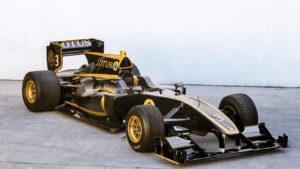
The bonus payments required immediate funds. Lotus delayed some to Räikkönen, hoping for sponsor money. But delays in payments led to more problems. Suppliers demanded cash up front. The team scrambled for loans, increasing debt. Räikkönen's success on track contrasted with chaos off it.
Tensions Rise Between Driver and Team
Räikkönen stayed professional at first. He focused on driving, delivering results. But as races continued without full pay, frustration built. Reports said he raced the last events without his salary or bonus parts. In interviews, he kept calm but hinted at issues. His manager negotiated behind the scenes.
Via Autosport
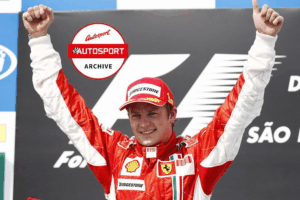
The situation affected team morale. Mechanics worked hard but worried about jobs. Räikkönen, loyal to his crew, pushed harder on track. His third-place finish in the championship came despite the drama. He ended with 207 points, behind Vettel and Alonso. The bonus totaled €10.35 million, a huge sum for a mid-tier team.
The Abu Dhabi Victory in Detail
That win in Abu Dhabi deserved special note. The Yas Marina circuit features long straights and tight corners. Räikkönen started strong, passing cars early. The Lotus strategy is called perfect pit stops. He emerged in the lead after the cycles. Alonso closed in but couldn't pass.
Via The Telegraph
Räikkönen's radio message, "Yes, yes, yes!", showed rare emotion. The victory proved his comeback was real. It silenced doubters who said he was past his prime. For Lotus, it was bittersweet. More points meant more money owed. Celebration in the garage mixed with worry about the bill.
End of Season Standings and Bonus Shock
Final standings confirmed the damage. Räikkönen is third with 207 points. Multiply by €50,000: exactly €10,350,000. Lotus had budgeted for half that at most. The team finished fifth in the constructors' championship, a solid result.
Via F1
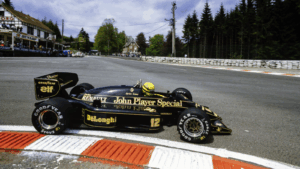
But finances told a different story. Sponsors paid some, but not enough to cover the bonus. Lotus owners sought investors urgently. Räikkönen's pay became a public issue. He left for Ferrari in 2014, citing unpaid money as a reason.
Lotus's Struggle to Pay Up
Paying the bonus is stretched over months. Lotus made partial payments, but the full amount lagged. Räikkönen reportedly forgave some to help the team. Still, the debt hurt. They skipped upgrades on the car for 2013. Competitors pulled ahead. The team entered the administration talks. Staff faced uncertain futures. Räikkönen's clause exposed how fragile Formula One economics can be.
Via Red Bull
One great season could save or sink a team. The financial hit accelerated Lotus's decline. They sold to new investors in 2015, becoming Renault again later. Räikkönen's year gave short-term glory but long-term pain. It showed risks of performance bonuses in high-stakes sports. Young drivers watched and learned. Contracts now include caps or team options.
Räikkönen's Legacy from the Season
Räikkönen proved that age doesn't limit talent. At 32, he outperformed many younger rivals. His calm under pressure inspired fans. The season added to his legend as a no-nonsense racer. He returned to Ferrari with better terms. More wins followed in his career. The Lotus bonus story follows him as a funny anecdote. "I just drove," he says simply.
Via Reddit
Underestimating drivers leads to surprises. Lotus thought safe, but Räikkönen's skill flipped the script. Budget planning must account for best-case scenarios. Bonuses motivate, but need limits. Teams now use detailed simulations for point predictions. Contracts balance risk and reward better. The Iceman's return taught valuable lessons.
How the Bonus Affected Sponsors
Positive results should help with sponsorship. Lotus gained visibility from podiums and wins. Brands wanted an association with success. But the unpaid bonus scared potential partners. Reliability in payments matters. Some sponsors delayed funds, worsening the cycle. Lotus chased deals mid-season, distracting from racing focus.
Via Autosport
Räikkönen handled stress quietly. He spent his off-time with family, avoiding media storms. His Finnish reserve helped maintain focus. Teammate Romain Grosjean saw the pressure but praised Kimi's professionalism. Fans supported him online, sharing memes about the bonus. It humanized the sport's business side.
The Sale and Restructuring of Lotus
By 2015, debts mounted beyond the bonus. Investors bought the team, injecting cash. Name changed, staff adjusted. Räikkönen's era ended, but memories lingered. New ownership stabilized finances. They learned from past errors, building a sustainable model. The story highlights Formula One's money challenges.
Via RTR Sports Marketing
Small teams fight giants with bigger budgets. Fans loved the underdog tale. Social media buzzed with calculations of the bonus. Documentaries featured the season. The media called it one of the greatest comebacks. It boosted Formula One's popularity during a competitive year.
Explore the F1 Contract That Nearly Broke a Team
After Lotus, Räikkönen won again with Ferrari. He raced until 2021, adding to his 21 victories. The 2012 season remains a peak of resilience. His straightforward style endures in memories. In modern Formula One, driver contracts evolve. Performance incentives continue, but with safeguards. Räikkönen's bonus reminds teams to prepare for excellence.
Via CNN
It shows how one person's talent can change fortunes dramatically. Kimi Räikkönen's 2012 return was more than races won. It was a tale of skill, risk, and unintended consequences. Lotus gambled and lost big, but gained a historic season. The Iceman cooled the paddock while heating the finances. His 207 points wrote a unique chapter in Formula One history.