Unassigned
How Bitcoin Began - The Story Behind the First Cryptocurrency

The idea that would become Bitcoin emerged during a time of profound instability. In the aftermath of the 2008 global financial crisis, public trust in banks and centralized financial institutions was at an all-time low. This environment created the perfect moment for an alternative system to appear.
An environment that would promise independence from traditional gatekeepers of finance. It was in this context that Satoshi Nakamoto introduced Bitcoin through a nine-page white paper titled “Bitcoin: A Peer-to-Peer Electronic Cash System.”
 Via LinkedIn
Released in October 2008, the document proposed a digital currency that would allow online payments to be sent directly from one party to another without going through a financial institution. This radical proposal laid the foundation for what would become the first decentralized cryptocurrency.
 Via Actu Crypto
In January 2009, the Bitcoin network officially came to life with the mining of the genesis block, also known as Block 0. Embedded within it was a reference to a headline from The Times newspaper: “Chancellor on brink of second bailout for banks.” This message was interpreted as a pointed critique of the existing financial system and a philosophical justification for Bitcoin’s creation.
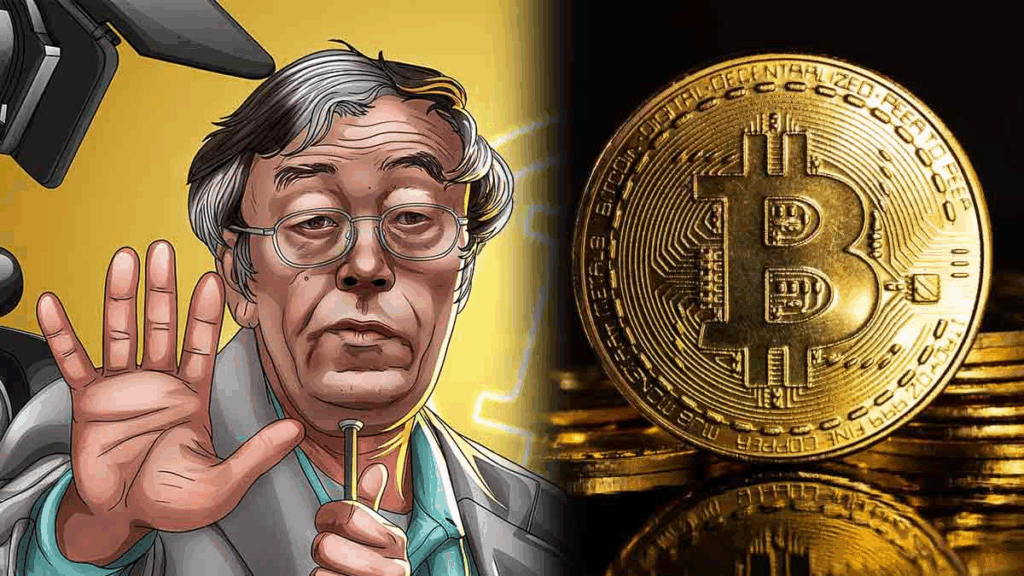
Nakamoto continued to communicate with early developers and contributors through online forums and emails. However, by 2011, Nakamoto had gradually faded from public view and handed over project responsibilities to other developers. To this day, their identity remains unknown, adding to the mystique surrounding Bitcoin’s origins.
 Via The National
 Via Global News
Informal marketplaces and small online retailers began accepting the cryptocurrency, allowing it to gain momentum beyond technical circles. The novelty of a decentralized currency captured public imagination. However, without proper exchanges or regulation, Bitcoin operated mostly in a grey area. Still, the foundation was laid for its eventual rise into a global financial phenomenon.
 Via CFA Institute Blogs
Bitcoin’s price remained under $1 for much of 2010 but began to climb steadily as new users entered the space. By early 2011, it reached parity with the US dollar for the first time. This psychological milestone attracted more media attention and new participants. The price surge also led to the emergence of other exchanges, including Mt. Gox, which would later become central to both Bitcoin’s success and scandal.
While the price was rising, the infrastructure supporting Bitcoin was still fragile. Exchanges were prone to outages, and security remained a constant concern. Despite these challenges, Bitcoin’s potential as a store of value and alternative to fiat currencies continued to resonate with users seeking financial independence.
 Via Forbes Australia
 Via The Currency Analytics
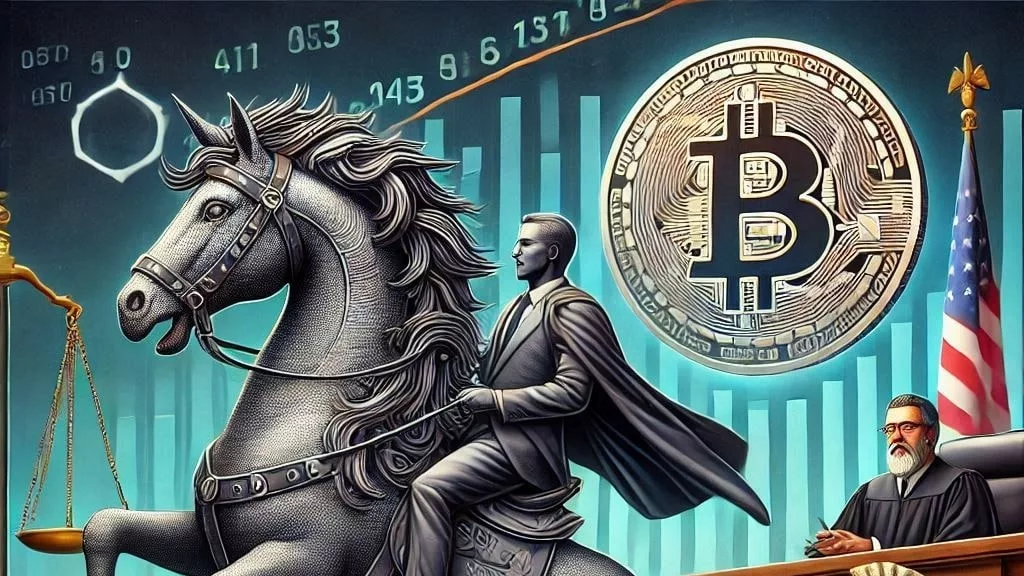
This event marked the first high-profile legal action involving cryptocurrency. Although it cast a shadow over Bitcoin’s reputation, it also introduced the currency to a broader audience. Many people first heard about Bitcoin through media reports on Silk Road, inadvertently boosting public awareness.
Regulators around the world began to take notice. Governments started exploring ways to define, monitor, and control Bitcoin transactions, raising questions about privacy, taxation, and legality. The Silk Road incident demonstrated both the power and the risks of an unregulated financial system.
 Via CryptoRank
 Via Chainalysis
Despite the magnitude of the scandal, Bitcoin eventually recovered. Developers and entrepreneurs learned from the Mt. Gox debacle, giving rise to new exchanges with better infrastructure and tighter security. The industry began to mature, and trust slowly returned to the ecosystem.
 Via The European Business Review
The speculative frenzy prompted renewed regulatory scrutiny. Governments issued warnings about the risks of investing in digital assets, while financial institutions debated whether to engage with the market. Despite concerns, institutional players began taking cautious steps into the space.
Futures trading platforms such as the Chicago Board Options Exchange (CBOE) and the Chicago Mercantile Exchange (CME) introduced Bitcoin futures contracts. These developments signaled growing acceptance from traditional finance, even as skepticism persisted. Bitcoin had officially entered the radar of Wall Street.
 Via FXLeaders
 Via CoinGeek
Though prices remained depressed for a time, the bear market helped cleanse the ecosystem of unsustainable ventures and refocused attention on core development. The crypto winter served as a stress test that Bitcoin ultimately survived, reinforcing its resilience.
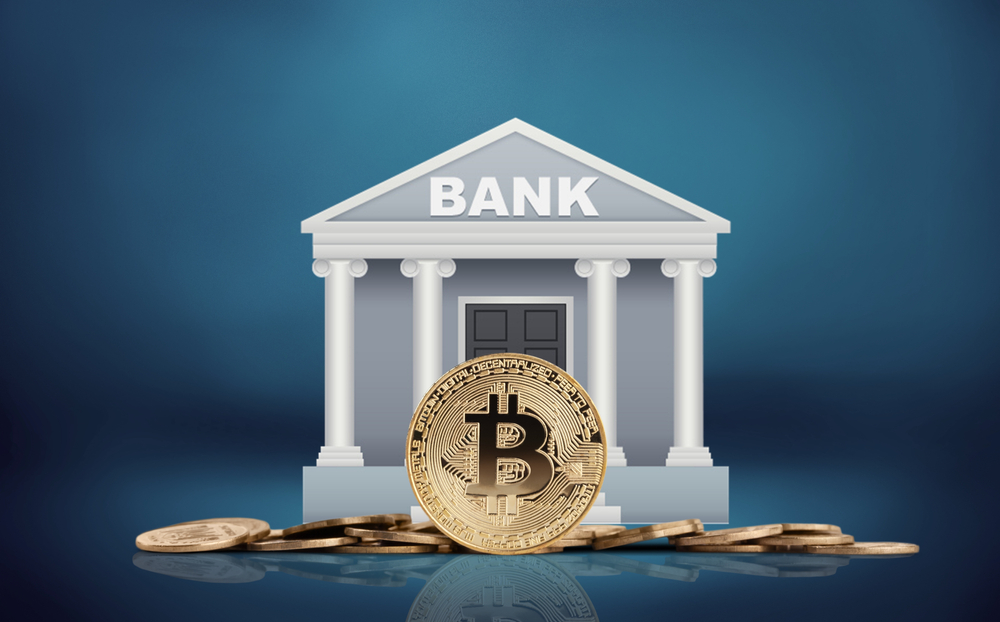 Via CryptoLinks
These endorsements were seen as milestones in Bitcoin’s journey toward legitimacy. No longer just a speculative asset, Bitcoin was increasingly viewed as a hedge against inflation and currency devaluation. The economic uncertainty caused by the COVID-19 pandemic only strengthened this narrative.
The introduction of exchange-traded products and custody solutions further encouraged participation from hedge funds, asset managers, and corporate treasuries. Bitcoin had crossed over into the mainstream financial landscape, a shift that had seemed unlikely a decade earlier.
 Via The Cryptonomist
 Via Financial Times
Although energy consumption remains a point of contention, the discussion has led to broader awareness and experimentation with sustainable mining practices. The tension between innovation and environmental ethics remains unresolved, but is now part of Bitcoin’s evolving story.
 Via CNBC
Its future remains uncertain, shaped by regulatory decisions, technological advancements, and changing investor sentiment. But the legacy of Bitcoin’s journey, from concept to revolution, is already assured. It has altered how people think about money, ownership, and trust.
In tracing its evolution, one sees more than just the rise of a currency. Bitcoin represents a new chapter in the history of finance, one driven not by institutions but by individuals empowered through code, consensus, and an unrelenting belief in decentralization.
More in UnassignedVia LinkedIn
Released in October 2008, the document proposed a digital currency that would allow online payments to be sent directly from one party to another without going through a financial institution. This radical proposal laid the foundation for what would become the first decentralized cryptocurrency.
The Vision Behind Bitcoin and the Role of Satoshi Nakamoto
Satoshi Nakamoto envisioned a system where financial transactions did not rely on trust but on cryptographic proof. This model would eliminate the need for centralized authorities and enable a purely peer-to-peer version of electronic cash. The solution involved using a decentralized network and a public ledger, later known as the blockchain, to verify and record every transaction.Via Actu Crypto
In January 2009, the Bitcoin network officially came to life with the mining of the genesis block, also known as Block 0. Embedded within it was a reference to a headline from The Times newspaper: “Chancellor on brink of second bailout for banks.” This message was interpreted as a pointed critique of the existing financial system and a philosophical justification for Bitcoin’s creation.
Nakamoto continued to communicate with early developers and contributors through online forums and emails. However, by 2011, Nakamoto had gradually faded from public view and handed over project responsibilities to other developers. To this day, their identity remains unknown, adding to the mystique surrounding Bitcoin’s origins.
Via The National
The First Use Cases and Early Adoption
During its initial phase, Bitcoin existed mainly among a small group of cryptography enthusiasts and software developers. Its real-world value was negligible, and most early adopters mined coins as an experiment. One of the most iconic moments in Bitcoin history occurred in May 2010, when a programmer named Laszlo Hanyecz paid 10,000 BTC for two pizzas. This event marked the first known commercial transaction using Bitcoin. At the time, Bitcoin’s value was almost zero, but the “Bitcoin Pizza Day” moment would later symbolize the beginning of its journey into mainstream usage. As interest grew, early adopters began to explore more ways to use and exchange Bitcoin.Via Global News
Informal marketplaces and small online retailers began accepting the cryptocurrency, allowing it to gain momentum beyond technical circles. The novelty of a decentralized currency captured public imagination. However, without proper exchanges or regulation, Bitcoin operated mostly in a grey area. Still, the foundation was laid for its eventual rise into a global financial phenomenon.
The Emergence of Exchanges and Increasing Value
As Bitcoin gained attention, the need for a platform to facilitate trading became apparent. In March 2010, BitcoinMarket.com launched as the first official Bitcoin exchange, allowing users to buy and sell Bitcoin using traditional currencies. This marked a crucial step in Bitcoin’s transformation from a hobbyist project to a legitimate financial asset.Via CFA Institute Blogs
Bitcoin’s price remained under $1 for much of 2010 but began to climb steadily as new users entered the space. By early 2011, it reached parity with the US dollar for the first time. This psychological milestone attracted more media attention and new participants. The price surge also led to the emergence of other exchanges, including Mt. Gox, which would later become central to both Bitcoin’s success and scandal.
While the price was rising, the infrastructure supporting Bitcoin was still fragile. Exchanges were prone to outages, and security remained a constant concern. Despite these challenges, Bitcoin’s potential as a store of value and alternative to fiat currencies continued to resonate with users seeking financial independence.
Via Forbes Australia
Legal Challenges and Silk Road Controversy
Bitcoin’s decentralized and pseudonymous nature made it attractive not only to libertarians and innovators but also to criminal enterprises. One of the most notorious episodes in its early history involved Silk Road, an online black market that facilitated the sale of illegal goods using Bitcoin. Operated by Ross Ulbricht under the pseudonym “Dread Pirate Roberts,” Silk Road gained widespread media coverage and law enforcement attention. In 2013, the FBI shut down Silk Road and arrested Ulbricht, seizing a large cache of Bitcoin in the process.Via The Currency Analytics
This event marked the first high-profile legal action involving cryptocurrency. Although it cast a shadow over Bitcoin’s reputation, it also introduced the currency to a broader audience. Many people first heard about Bitcoin through media reports on Silk Road, inadvertently boosting public awareness.
Regulators around the world began to take notice. Governments started exploring ways to define, monitor, and control Bitcoin transactions, raising questions about privacy, taxation, and legality. The Silk Road incident demonstrated both the power and the risks of an unregulated financial system.
Via CryptoRank
The Mt. Gox Collapse and the Call for Better Security
One of the most significant setbacks in Bitcoin’s history came with the collapse of Mt. Gox, a Japan-based exchange that once handled over 70% of global Bitcoin transactions. In early 2014, Mt. Gox suspended withdrawals and filed for bankruptcy, revealing that it had lost approximately 850,000 BTC, either through theft or mismanagement. The collapse sent shockwaves through the cryptocurrency community. Users lost millions, and confidence in Bitcoin’s ecosystem was severely shaken. The incident highlighted the dangers of centralization within a system designed to avoid it. It also emphasized the importance of robust cybersecurity and transparent governance.Via Chainalysis
Despite the magnitude of the scandal, Bitcoin eventually recovered. Developers and entrepreneurs learned from the Mt. Gox debacle, giving rise to new exchanges with better infrastructure and tighter security. The industry began to mature, and trust slowly returned to the ecosystem.
Mainstream Interest and Institutional Entry
By 2017, Bitcoin had gone from a niche experiment to a household name. Its price soared throughout the year, peaking at nearly $20,000 in December. This unprecedented rally was fueled by growing media coverage, increased retail participation, and the rise of initial coin offerings (ICOs). Bitcoin became a symbol of opportunity, drawing comparisons to the dot-com boom.Via The European Business Review
The speculative frenzy prompted renewed regulatory scrutiny. Governments issued warnings about the risks of investing in digital assets, while financial institutions debated whether to engage with the market. Despite concerns, institutional players began taking cautious steps into the space.
Futures trading platforms such as the Chicago Board Options Exchange (CBOE) and the Chicago Mercantile Exchange (CME) introduced Bitcoin futures contracts. These developments signaled growing acceptance from traditional finance, even as skepticism persisted. Bitcoin had officially entered the radar of Wall Street.
Via FXLeaders
Volatility and the Crypto Winter
Following its 2017 peak, Bitcoin experienced a sharp decline, entering what became known as the “crypto winter.” Prices fell dramatically throughout 2018, and many projects associated with the ICO boom failed. Critics declared the end of the Bitcoin experiment, citing its extreme volatility and regulatory uncertainty. Bitcoin’s underlying infrastructure continued to evolve. Developers worked on scaling solutions like the Lightning Network, aiming to improve transaction speed and reduce costs. Meanwhile, long-term supporters doubled down on their belief that Bitcoin could function as a digital store of value, similar to gold.Via CoinGeek
Though prices remained depressed for a time, the bear market helped cleanse the ecosystem of unsustainable ventures and refocused attention on core development. The crypto winter served as a stress test that Bitcoin ultimately survived, reinforcing its resilience.
The Rise of Institutional Confidence and Broader Adoption
By 2020, Bitcoin had once again entered a period of rising prices and renewed interest. This time, institutional investors played a major role. Companies like MicroStrategy and Tesla made headlines by allocating portions of their treasury reserves to Bitcoin. Payment platforms like PayPal and Square began offering cryptocurrency services to millions of users.Via CryptoLinks
These endorsements were seen as milestones in Bitcoin’s journey toward legitimacy. No longer just a speculative asset, Bitcoin was increasingly viewed as a hedge against inflation and currency devaluation. The economic uncertainty caused by the COVID-19 pandemic only strengthened this narrative.
The introduction of exchange-traded products and custody solutions further encouraged participation from hedge funds, asset managers, and corporate treasuries. Bitcoin had crossed over into the mainstream financial landscape, a shift that had seemed unlikely a decade earlier.
Via The Cryptonomist
Environmental Criticism and the ESG Debate
As Bitcoin grew in popularity, so did scrutiny over its environmental impact. The mining process, which relies on computational power to validate transactions, consumes significant amounts of energy. Critics argued that Bitcoin’s carbon footprint was incompatible with global sustainability goals. Some mining operations began transitioning to renewable energy sources. Initiatives like the Bitcoin Mining Council were formed to promote transparency and better energy practices. Meanwhile, debates continued within the community about how to reconcile decentralization with environmental responsibility.Via Financial Times
Although energy consumption remains a point of contention, the discussion has led to broader awareness and experimentation with sustainable mining practices. The tension between innovation and environmental ethics remains unresolved, but is now part of Bitcoin’s evolving story.
Discover the Real Story Behind Bitcoin's Creation
Bitcoin’s history is a testament to the power of an idea whose time had come. What began as a cryptographic solution to financial centralization has grown into a global economic force. Through technical breakthroughs, scandals, legal battles, and waves of public interest, Bitcoin has consistently adapted and survived.Via CNBC
Its future remains uncertain, shaped by regulatory decisions, technological advancements, and changing investor sentiment. But the legacy of Bitcoin’s journey, from concept to revolution, is already assured. It has altered how people think about money, ownership, and trust.
In tracing its evolution, one sees more than just the rise of a currency. Bitcoin represents a new chapter in the history of finance, one driven not by institutions but by individuals empowered through code, consensus, and an unrelenting belief in decentralization.