Unassigned
Elon Musk Challenges Altman in OpenAI Court Fight
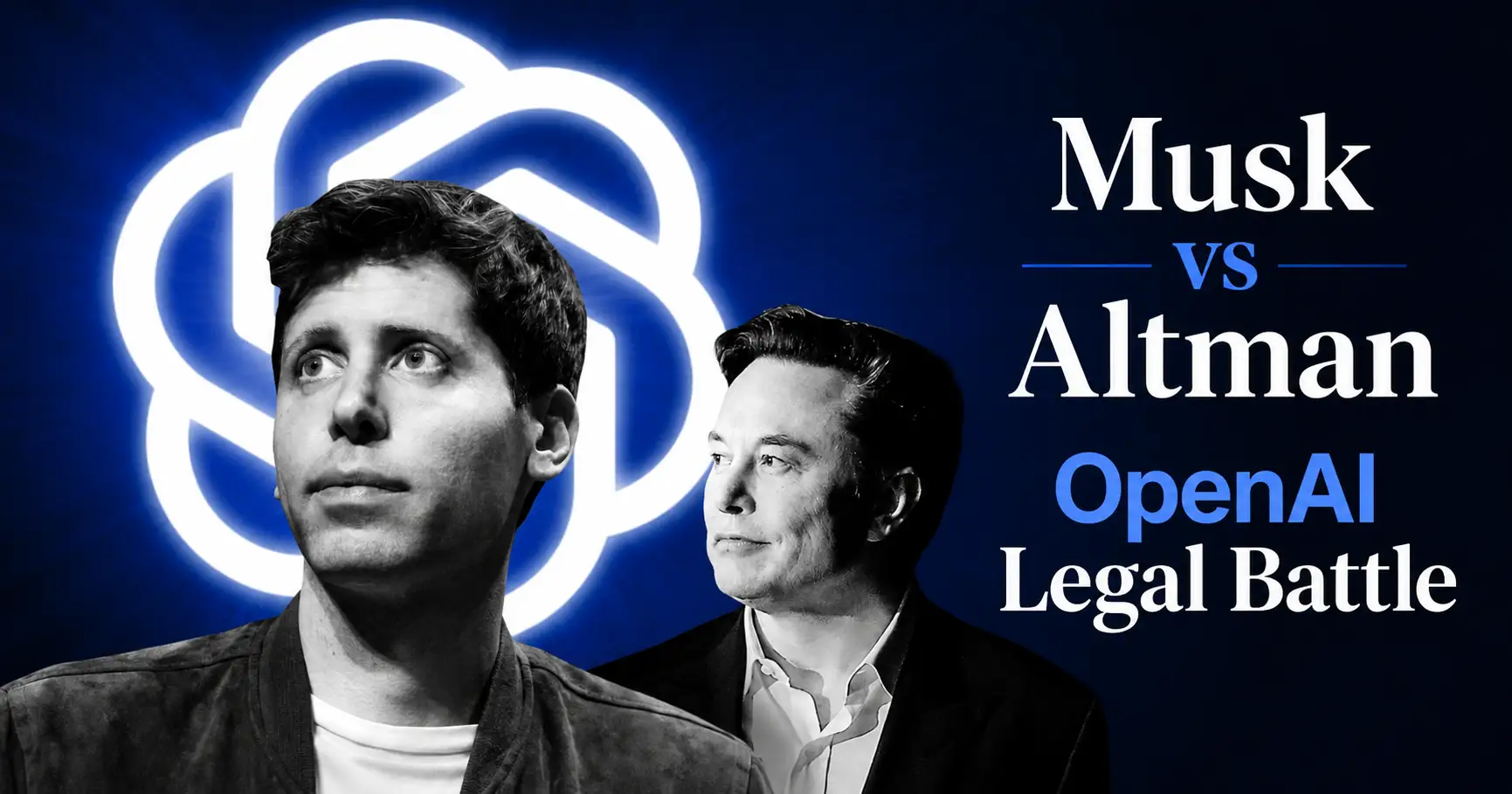
OpenAI was launched in 2015 as a nonprofit organization with a bold and ambitious mission. The founders, including Elon Musk and Sam Altman, aimed to ensure that artificial intelligence would benefit all of humanity. The idea was simple but powerful. Advanced AI should be developed responsibly, with safety and accessibility at its core. This vision attracted attention from experts, investors, and researchers across the globe.
Early discussions within the organization focused heavily on ethical responsibility. Concerns about the dangers of uncontrolled AI growth were already present in the tech community. OpenAI positioned itself as a safeguard against those risks. The team is committed to sharing research openly and avoiding secrecy that could lead to misuse of powerful technologies.
 Via CNN
The organization quickly became a leader in artificial intelligence research. With strong financial backing and talented engineers, OpenAI began producing innovative work in machine learning and language processing. These early achievements helped build its reputation and laid the foundation for future breakthroughs that would shape the AI industry.
 Via The Times Of India
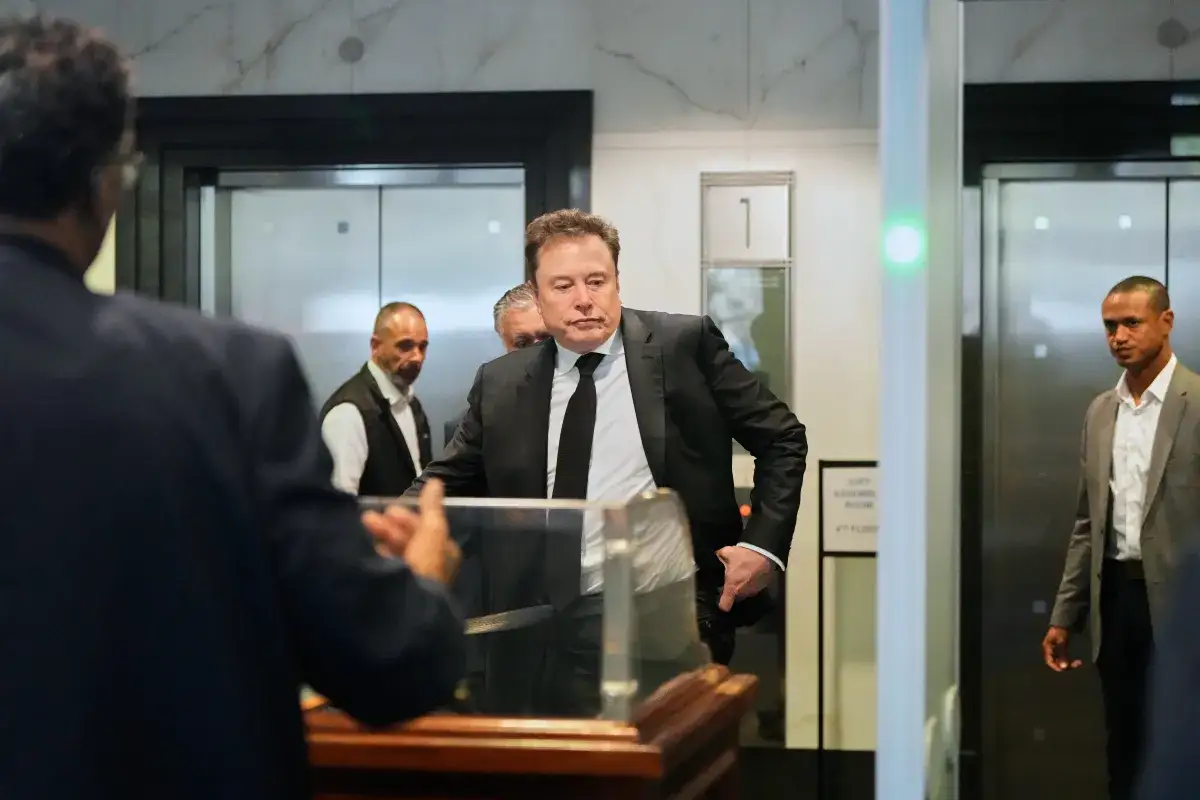
Disagreements grew more serious as discussions about the future of OpenAI intensified. Musk’s attempt to gain more influence within the organization did not succeed. This created tension among leadership and weakened trust between the founders. The situation became increasingly difficult to manage.
By 2018, Musk decided to step away from OpenAI’s board. His departure marked a major turning point in the company’s history. Without his involvement, the organization continued under Altman’s leadership and began exploring new strategies to expand its capabilities and funding sources.
 Via Newsweek
 Via PBS
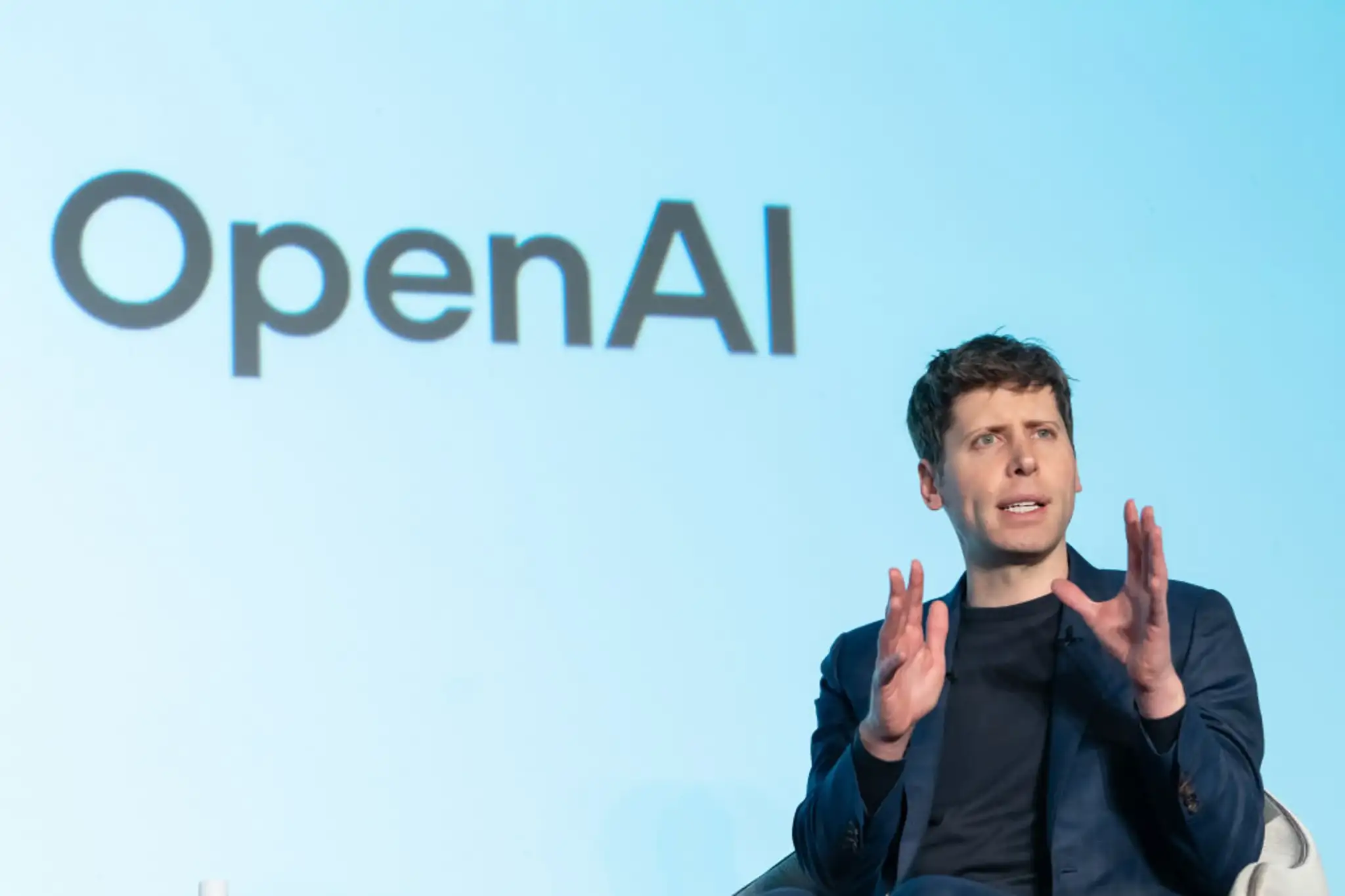
This shift sparked debate across the tech world. Critics argued that the move changed the organization’s purpose and weakened its commitment to openness. Supporters believed that such a transition was necessary to compete in a highly competitive industry. The decision remains one of the most controversial moments in OpenAI’s history.
 Via Time Magazine
The case includes accusations of breach of trust and unjust enrichment. Musk believes that partnerships with large corporations, including Microsoft, changed the nature of OpenAI’s mission. He claims that these decisions allowed the company to benefit financially at the expense of its original purpose.
OpenAI has strongly rejected these accusations. The company states that Musk was aware of the need for a for-profit model and supported the idea during earlier discussions. Leaders argue that his claims are influenced by regret after leaving the organization. These opposing arguments form the foundation of the legal battle.
 Via CNBC
 Via CNBC
The judge emphasized that the case would remain accessible and not overly technical. The focus would be on agreements, expectations, and whether promises were broken. This approach helps ensure that jurors can clearly understand the arguments without needing deep knowledge of artificial intelligence.
 Via Reuters
Major investments played a crucial role in this growth. Partnerships with global tech companies provided the resources needed to scale operations. These collaborations allowed OpenAI to compete with other leading AI organizations and remain at the forefront of innovation.
The company’s influence now extends across multiple industries. From education to healthcare and entertainment, OpenAI’s technologies are shaping how people live and work. Its success highlights both the opportunities and challenges of developing powerful artificial intelligence systems.
 Via The Economist
 Via Barron’s
The case may also influence how future tech companies are structured. Questions about governance, transparency, and funding are central to the debate. The outcome could set important standards for how organizations balance profit with ethical responsibility.
 Via Time Magazine
The relationship between OpenAI and Microsoft goes beyond funding. Their partnership includes integrating AI tools into widely used products and services. This has allowed OpenAI’s technology to reach millions of users around the world. The impact of this collaboration has been significant, shaping how businesses and individuals use artificial intelligence in everyday life.
Musk’s lawsuit highlights concerns about these partnerships. He argues that such alliances shifted OpenAI away from its original nonprofit mission. Supporters of OpenAI believe these partnerships were necessary for survival and growth. The debate raises important questions about how tech companies balance collaboration with independence.
 Via WSJ
 Via MEXC Exchange
The way people view artificial intelligence is also evolving. Some individuals see AI as a powerful tool for progress, while others remain cautious about its risks. This case reflects those mixed feelings. It brings attention to the ethical challenges of developing advanced technology and the responsibility that comes with it.
 Via The Economist
Sam Altman’s leadership approach focuses more on long-term stability and careful growth. He has emphasized building strong partnerships and maintaining a balanced strategy. This method aims to ensure that progress is sustainable and aligned with broader goals.
Differences in vision often shape the direction of companies. In this case, those differences led to a major split that continues to impact OpenAI today. The situation highlights how leadership decisions can influence not only a company’s future but also the direction of an entire industry.
 Via Quartz
 Via Benard Marr
The outcome of this case could shape future policies and business models. It may encourage clearer agreements between founders and investors. It could also lead to stronger oversight of AI development. The decisions made in this trial will likely have long-lasting effects on how artificial intelligence evolves in the years ahead.
More in UnassignedVia CNN
The organization quickly became a leader in artificial intelligence research. With strong financial backing and talented engineers, OpenAI began producing innovative work in machine learning and language processing. These early achievements helped build its reputation and laid the foundation for future breakthroughs that would shape the AI industry.
Rising Tensions Between Musk and Altman
The relationship between Elon Musk and Sam Altman began to shift around 2017. Differences in leadership style and long-term vision started to emerge. Musk reportedly pushed for faster progress and stronger control over the company’s direction. Altman and other leaders leaned toward a more balanced approach, focusing on sustainable growth.Via The Times Of India
Disagreements grew more serious as discussions about the future of OpenAI intensified. Musk’s attempt to gain more influence within the organization did not succeed. This created tension among leadership and weakened trust between the founders. The situation became increasingly difficult to manage.
By 2018, Musk decided to step away from OpenAI’s board. His departure marked a major turning point in the company’s history. Without his involvement, the organization continued under Altman’s leadership and began exploring new strategies to expand its capabilities and funding sources.
Via Newsweek
Transition from Nonprofit to For-Profit Model
OpenAI later introduced a for-profit structure to support its growing needs. Developing advanced artificial intelligence requires significant computing power, skilled talent, and long-term investment. Leaders believed that relying solely on nonprofit funding would limit progress and innovation. The company created a hybrid model, combining a nonprofit parent organization with a for-profit arm. This structure allowed OpenAI to attract large-scale investments while still maintaining oversight from its original mission. Partnerships with major companies brought in billions of dollars and enabled rapid growth.Via PBS
This shift sparked debate across the tech world. Critics argued that the move changed the organization’s purpose and weakened its commitment to openness. Supporters believed that such a transition was necessary to compete in a highly competitive industry. The decision remains one of the most controversial moments in OpenAI’s history.
Details of the Lawsuit and Key Claims
Elon Musk’s lawsuit centers on claims that OpenAI abandoned its founding principles. He argues that the organization shifted toward profit-driven goals after securing funding and technological success. According to Musk, the original promise of operating as a nonprofit was broken.Via Time Magazine
The case includes accusations of breach of trust and unjust enrichment. Musk believes that partnerships with large corporations, including Microsoft, changed the nature of OpenAI’s mission. He claims that these decisions allowed the company to benefit financially at the expense of its original purpose.
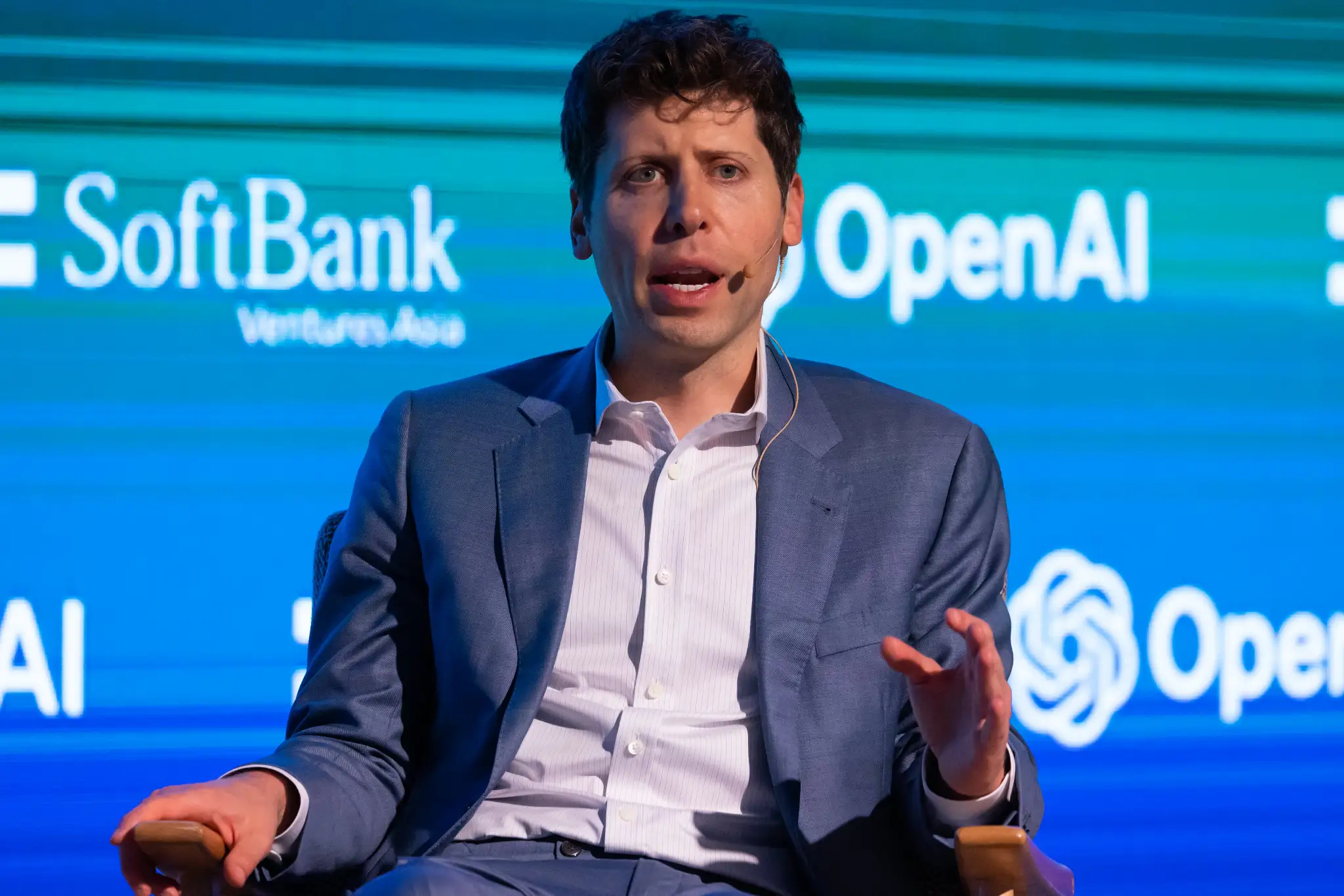
OpenAI has strongly rejected these accusations. The company states that Musk was aware of the need for a for-profit model and supported the idea during earlier discussions. Leaders argue that his claims are influenced by regret after leaving the organization. These opposing arguments form the foundation of the legal battle.
Via CNBC
Inside the Courtroom and Jury Selection
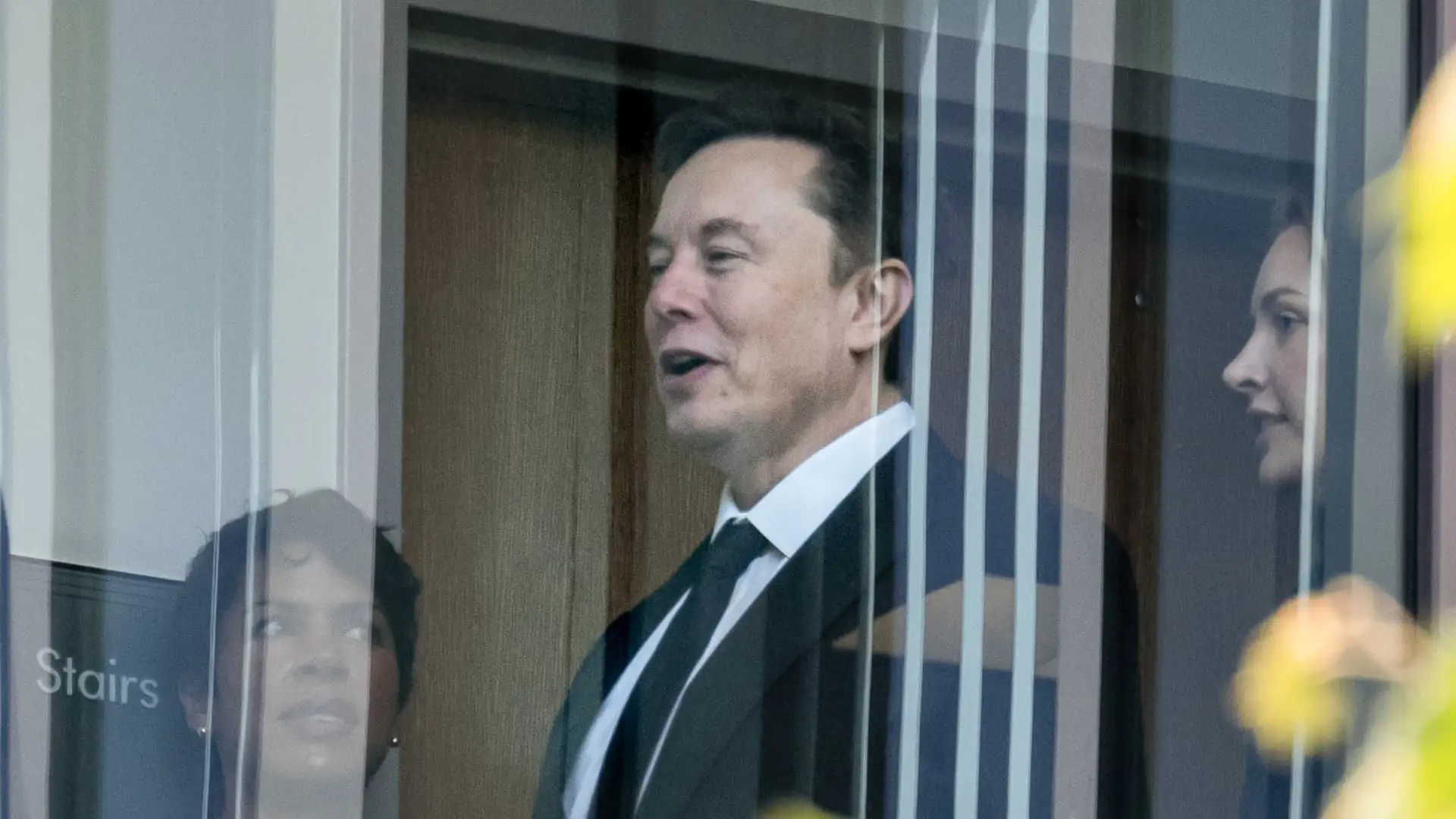
The trial began in a federal courtroom in California, drawing attention from across the tech industry. Jury selection was one of the first key steps in the process. Potential jurors were asked about their opinions on artificial intelligence and their views on public figures involved in the case. Many individuals shared mixed feelings about Elon Musk. Some expressed criticism of his actions, while others remained neutral. Despite personal opinions, most stated that they could remain fair and focus on the evidence presented during the trial. This fairness is critical for ensuring a balanced legal process.Via CNBC
The judge emphasized that the case would remain accessible and not overly technical. The focus would be on agreements, expectations, and whether promises were broken. This approach helps ensure that jurors can clearly understand the arguments without needing deep knowledge of artificial intelligence.
OpenAI Growth and Industry Impact
After Musk’s departure, OpenAI entered a period of rapid expansion and innovation. The company introduced advanced tools that changed how people interact with technology. One of its most successful products, ChatGPT, became widely used for communication, learning, and creative tasks.Via Reuters
Major investments played a crucial role in this growth. Partnerships with global tech companies provided the resources needed to scale operations. These collaborations allowed OpenAI to compete with other leading AI organizations and remain at the forefront of innovation.
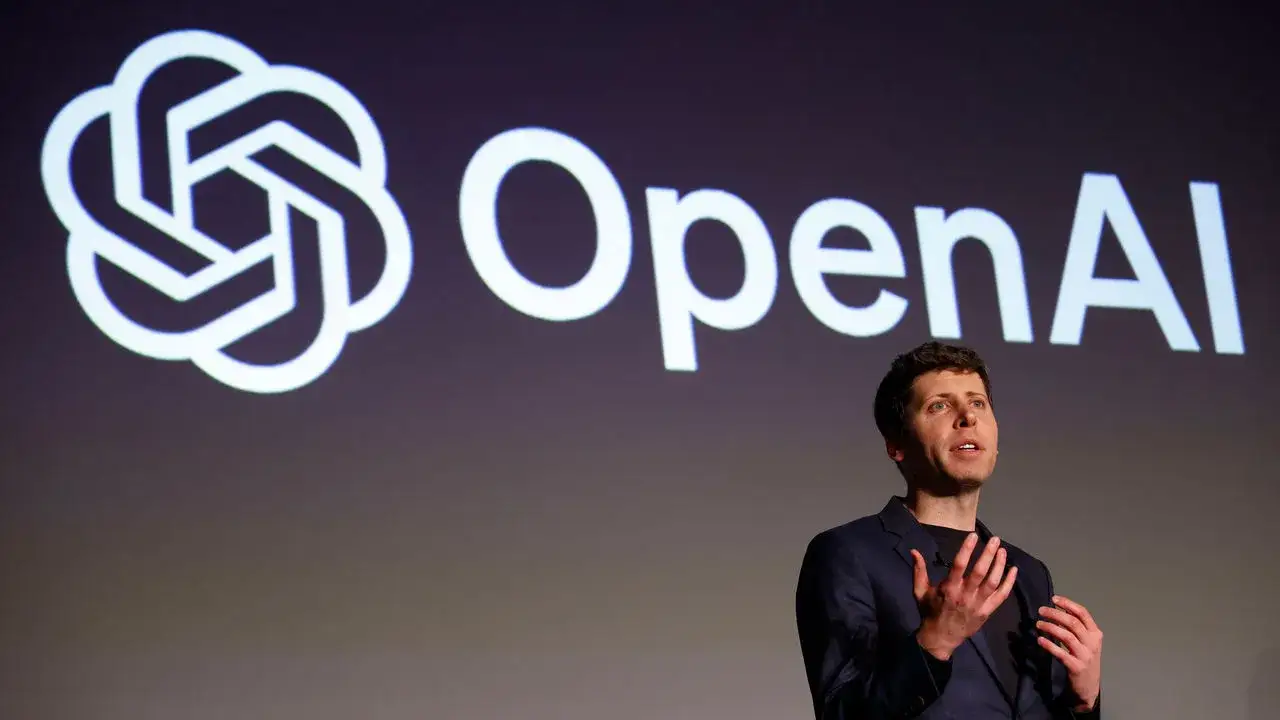
The company’s influence now extends across multiple industries. From education to healthcare and entertainment, OpenAI’s technologies are shaping how people live and work. Its success highlights both the opportunities and challenges of developing powerful artificial intelligence systems.
Via The Economist
Financial Stakes and Future Implications
The lawsuit carries significant financial and strategic implications. Elon Musk is seeking large damages and structural changes within OpenAI. His demands include leadership adjustments and a return to nonprofit-focused operations. These requests could dramatically alter the company’s future direction. OpenAI’s plans to go public add further importance to the case. A high valuation and strong investor interest mean that any legal outcome could impact financial markets. The trial is being closely watched by investors, industry leaders, and policymakers.Via Barron’s
The case may also influence how future tech companies are structured. Questions about governance, transparency, and funding are central to the debate. The outcome could set important standards for how organizations balance profit with ethical responsibility.
Role of Microsoft and Strategic Partnerships
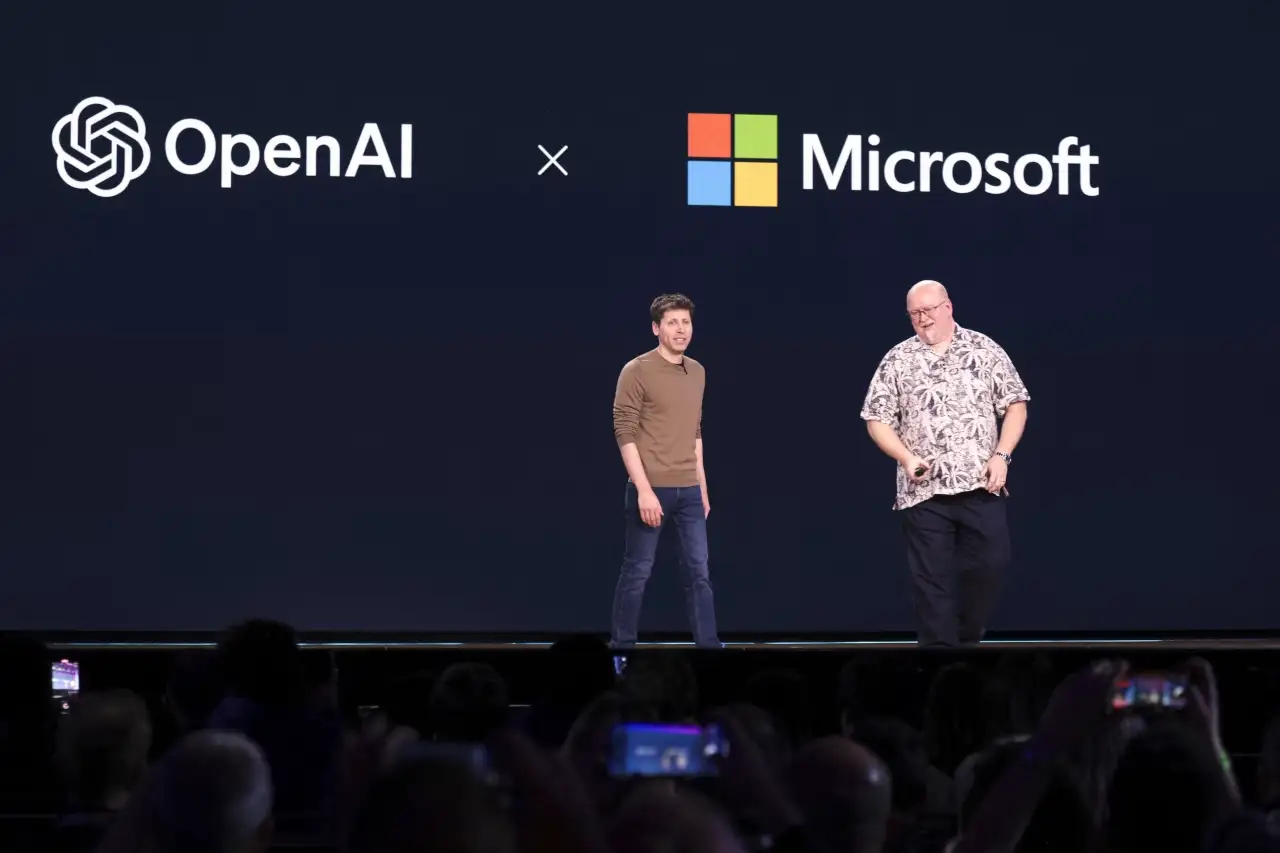
Microsoft has played a major role in OpenAI’s growth and transformation. The tech giant invested billions of dollars into the company, helping it expand its infrastructure and accelerate research. This partnership provided access to powerful cloud computing systems, which are essential for training advanced AI models.Via Time Magazine
The relationship between OpenAI and Microsoft goes beyond funding. Their partnership includes integrating AI tools into widely used products and services. This has allowed OpenAI’s technology to reach millions of users around the world. The impact of this collaboration has been significant, shaping how businesses and individuals use artificial intelligence in everyday life.
Musk’s lawsuit highlights concerns about these partnerships. He argues that such alliances shifted OpenAI away from its original nonprofit mission. Supporters of OpenAI believe these partnerships were necessary for survival and growth. The debate raises important questions about how tech companies balance collaboration with independence.
Via WSJ
Public Perception and Media Influence
Public opinion has become an important factor in this high-profile case. Elon Musk is a widely recognized figure, known for both innovation and controversy. Many people have strong opinions about his actions and leadership style. These views can influence how the case is perceived by the general public. Media coverage has also shaped the narrative around the dispute. News outlets have highlighted different aspects of the conflict, from business decisions to personal disagreements. This constant attention keeps the case in the spotlight and adds pressure on both sides.Via MEXC Exchange
The way people view artificial intelligence is also evolving. Some individuals see AI as a powerful tool for progress, while others remain cautious about its risks. This case reflects those mixed feelings. It brings attention to the ethical challenges of developing advanced technology and the responsibility that comes with it.
Leadership Styles and Vision Differences
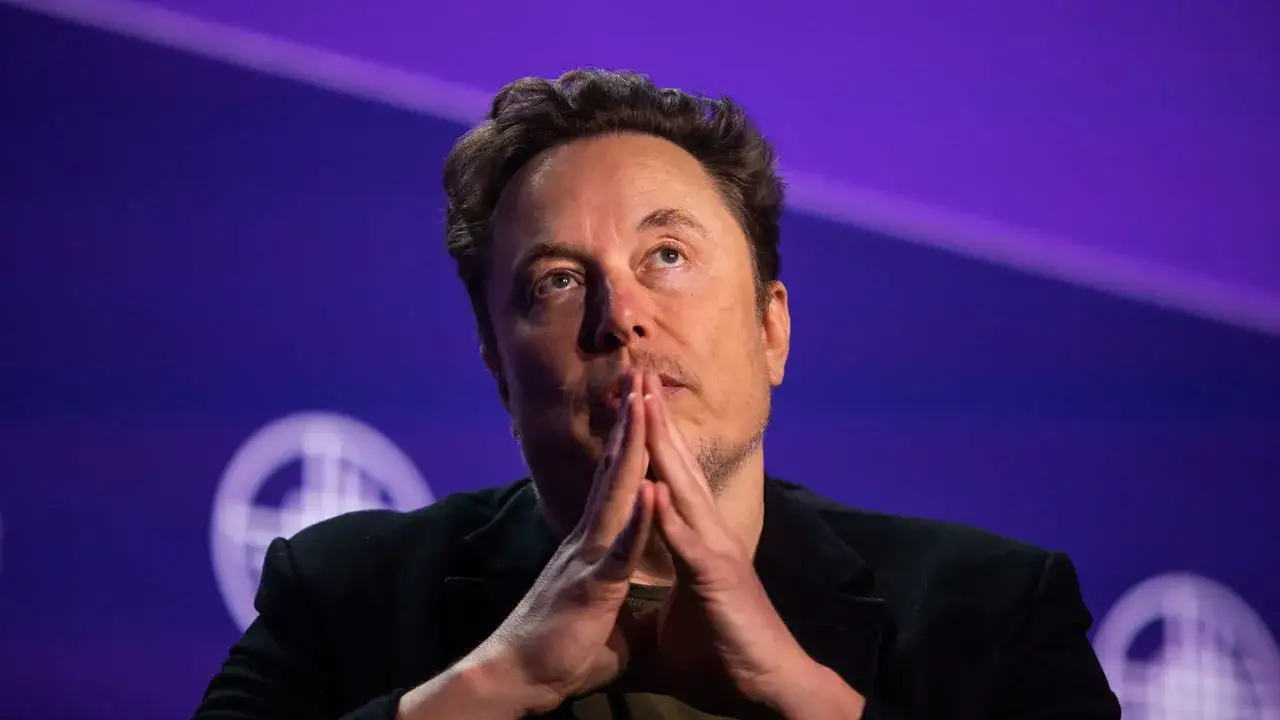
The conflict between Musk and Altman also reflects differences in leadership style. Elon Musk is known for taking bold risks and pushing for rapid innovation. His approach often involves setting ambitious goals and moving quickly to achieve them. This style has led to major successes but also creates challenges within organizations.Via The Economist
Sam Altman’s leadership approach focuses more on long-term stability and careful growth. He has emphasized building strong partnerships and maintaining a balanced strategy. This method aims to ensure that progress is sustainable and aligned with broader goals.
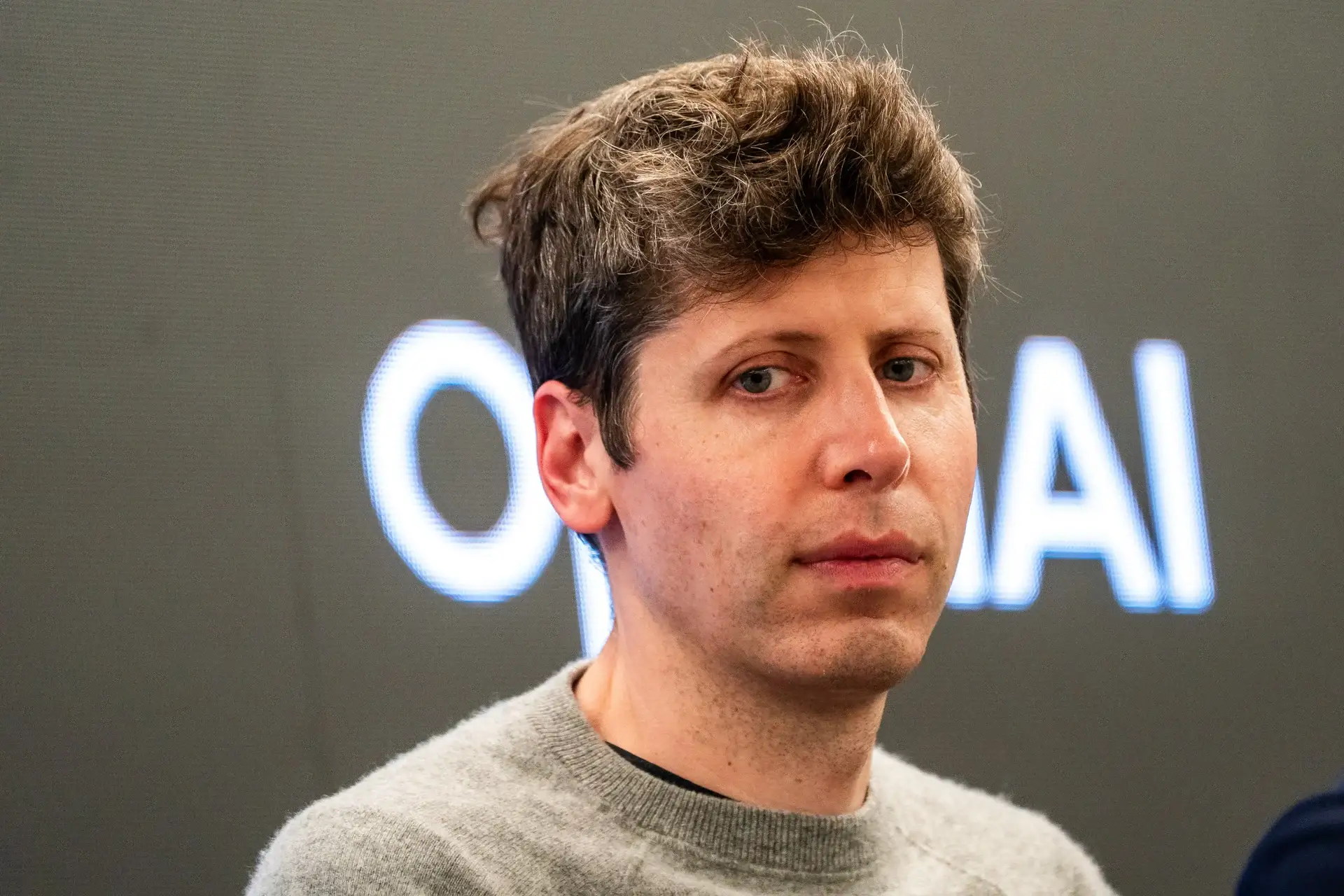
Differences in vision often shape the direction of companies. In this case, those differences led to a major split that continues to impact OpenAI today. The situation highlights how leadership decisions can influence not only a company’s future but also the direction of an entire industry.
Via Quartz
How This Legal Battle Could Shape the Future of AI
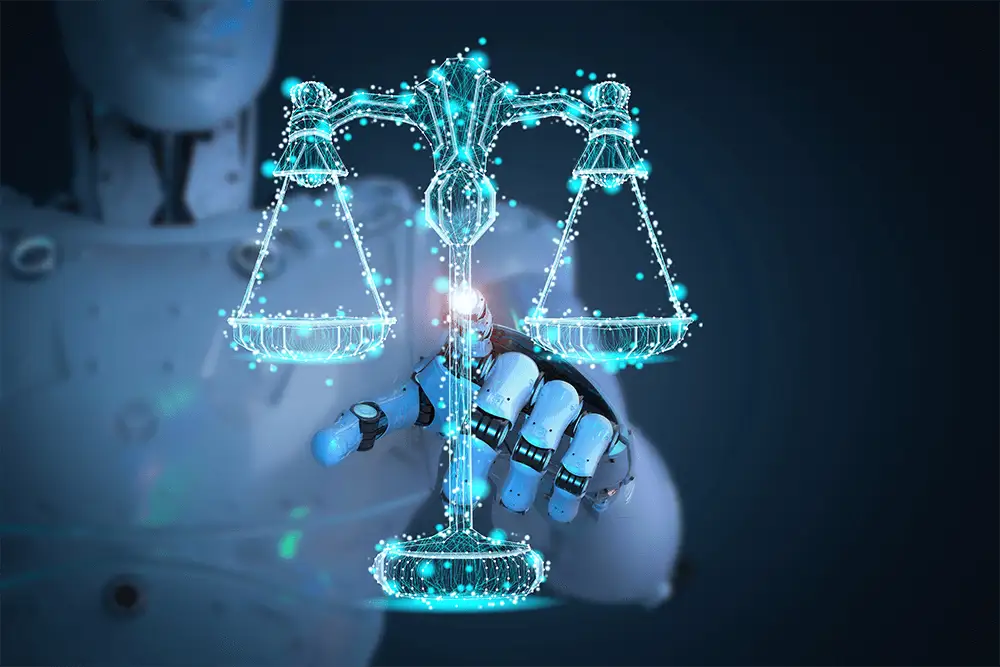
The conflict between Elon Musk and Sam Altman represents more than a personal dispute. It highlights the growing tension between innovation and accountability in the artificial intelligence industry. Companies are under pressure to move quickly while also ensuring that their technologies remain safe and beneficial for society. Public trust has become a critical factor in the success of AI companies. People expect transparency and responsible behavior from organizations that develop powerful technologies. Legal battles like this can influence how the public views the industry and its leaders.
Via Benard Marr
The outcome of this case could shape future policies and business models. It may encourage clearer agreements between founders and investors. It could also lead to stronger oversight of AI development. The decisions made in this trial will likely have long-lasting effects on how artificial intelligence evolves in the years ahead.