Unassigned
Disappointed Customer Calls Out Supermarket for 'Lazy' Juneteenth Cakes

Juneteenth, officially recognized as a federal holiday in the United States in 2021, commemorates the emancipation of enslaved African Americans and has become a powerful day of reflection and celebration. However, not all attempts to mark the occasion are received warmly—especially when companies miss the mark in their messaging or presentation. This year, a major U.S. supermarket chain found itself at the center of a social media storm after a customer publicly criticized the store’s Juneteenth-themed cakes for being sloppy, poorly designed, and lacking cultural sensitivity.
 Via ntv
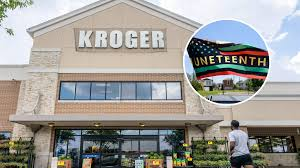
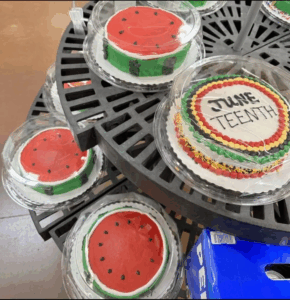
The customer’s post, which included photographs of the cakes, went viral on X (formerly Twitter) and quickly sparked heated conversations online. Many users echoed the sentiment that corporations continue to commercialize cultural events without truly understanding or respecting their significance. The cakes in question featured the words “Happy Juneteenth” written in uneven icing on red, black, and green backgrounds—colors that are culturally symbolic, yet here appeared hastily slapped together.
 Via Newsweek
What started as a festive idea to honor a meaningful day quickly snowballed into a case study on how not to handle cultural recognition in retail. The supermarket’s misstep has reignited debates around performative allyship, authenticity, and the role of businesses in honoring Black history.
 Via The Today Show
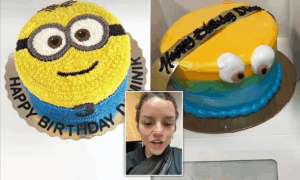
Morgan shared her experience online with a caption that read, “This is why we say they don’t take us seriously. Look at these Juneteenth cakes. Sloppy, disrespectful, and obviously a cash grab.” Within hours, the post had gone viral, accumulating thousands of shares and comments. People from across the country chimed in, some sharing their own photos of similar cakes, while others condemned the corporate tendency to co-opt culturally important holidays for profit.
 Via Daily Mail
What made this post resonate wasn’t just the visual failure of the cakes—it was what they represented: a lack of thoughtfulness. Morgan later told a local news outlet, “If you’re going to celebrate our history, at least do it with some effort.”
 Via Reddit
Others pointed out that Juneteenth is not simply a day to profit from, but one with deep emotional and historical roots. A poorly decorated cake can be interpreted not as benign oversight but as a form of disrespect. The controversy also reignited broader discussions on the commercialization of Black culture, with some comparing it to the way companies treat Pride Month—with rainbow-themed merchandise that disappears by July 1.
 Via X
Humor also found its way into the discourse. Memes mocking the cakes flooded social media, with captions like “Slavery ended… and so did the effort on this cake.” While funny to some, these memes underscored a serious point: cultural recognition shouldn’t be a marketing gimmick. Especially not one that ends in frosting failure.
 Via news.myseldon
Critics quickly pounced on the apology, calling it vague and insufficient. “Fell short? This wasn’t a stumble, it was a nosedive,” one user wrote. Others demanded to know whether any Black voices had been consulted during the product planning process. The lack of transparency about how the cakes were approved and distributed only intensified scrutiny.
The company also removed the cakes from several store locations and stated that they would conduct “cultural sensitivity training” for their merchandising team. While these steps were intended to mitigate the damage, many consumers remained skeptical. “You can’t just put a band-aid on this,” said community activist DeAndre Taylor. “You need to show you’re doing the work year-round, not just on Juneteenth.”
 Via Facebook
 Via SM Mirror
Corporate America’s recent embrace of the holiday, especially after it became a federal observance in 2021, has been met with a mix of hope and suspicion. While some welcome the recognition, others see it as hollow when not paired with meaningful action. “Putting red, black, and green frosting on a cake doesn’t honor Juneteenth,” said historian Dr. Alicia Freeman. “Investing in Black communities, supporting Black-owned businesses, and educating your workforce—that’s how you show commitment.”
 Via Instagram
For many, the issue isn’t the cake itself but the lack of intention behind it. Juneteenth shouldn’t be treated like another Hallmark moment. It deserves the same level of respect and thoughtful engagement that companies often reserve for holidays like Independence Day or Veterans Day.
 Via Daily Mail
Marketing experts emphasize that authentic representation begins with internal structure. Are there diverse voices at the table when campaigns are planned? Are cultural experts consulted before launching holiday-themed products? These are the kinds of questions companies must ask to avoid performative gestures. “Consumers are more informed and socially aware than ever,” said Marsha Leeds, a diversity marketing consultant. “They can spot a token effort from a mile away.”
 Via Daily Mail
The Juneteenth cake fiasco is a prime example of what happens when brands prioritize speed and profit over cultural insight. It’s not enough to slap a symbolic color scheme on a product and call it a tribute. True representation requires understanding, intention, and most of all—respect. Without those elements, even the sweetest ideas can leave a bitter aftertaste.
 Via Facebook
The uproar over the Juneteenth cakes serves as a cautionary tale for brands aiming to engage in cultural celebrations. While the intent may be commendable, execution matters deeply—especially when addressing topics as sensitive and significant as Black history. Companies must shift from reactive to proactive engagement, ensuring that campaigns are built on real understanding and input from the communities they seek to honor.
One major takeaway is the importance of collaboration. Partnering with Black-owned bakeries or cultural organizations could have elevated the campaign and demonstrated a commitment beyond aesthetics. Rather than rushing to market with a cookie-cutter approach, brands should focus on depth over decoration.
 Via Smitten Kitchen
Another key point is the need for accountability. When mistakes are made, as they inevitably will be, vague apologies won’t suffice. Clear communication, direct action, and demonstrated change are what consumers expect—and deserve.
Lastly, it’s critical for companies to remember that cultural recognition is not a seasonal trend. It’s a year-round responsibility that requires ongoing education, investment, and reflection. Only then can brands move from performative gestures to purposeful progress.
 Via Overcaked
The incident involving the sloppy Juneteenth cakes may seem trivial on the surface—a matter of poorly decorated desserts—but it speaks to something much deeper. It reveals the gap between corporate intent and impact, and the consequences that arise when cultural symbols are reduced to marketing gimmicks. In an age where consumers are holding brands to higher standards, businesses must rise to meet the moment or risk alienating the very communities they aim to serve.
Juneteenth is not just another date on the calendar; it’s a day of remembrance, pride, and the ongoing fight for racial equity. If corporations wish to engage with it, they must do so with care, cultural humility, and genuine partnership. That means bringing Black voices into the decision-making process—not just during holidays, but throughout the year.
 Via Jack and Beyond
As for Tiffany Morgan, she hopes the backlash leads to more thoughtful conversations and actions. “I don’t want an apology,” she said. “I want change. I want us to be seen and respected, not just acknowledged once a year.”
In the end, the lesson is simple: when honoring a people’s history, half-hearted gestures aren’t enough. Whether it’s a cake or a campaign, integrity matters. Because if brands can’t take the time to get it right, maybe they shouldn’t try at all.
More in Unassigned
Via ntv
The customer’s post, which included photographs of the cakes, went viral on X (formerly Twitter) and quickly sparked heated conversations online. Many users echoed the sentiment that corporations continue to commercialize cultural events without truly understanding or respecting their significance. The cakes in question featured the words “Happy Juneteenth” written in uneven icing on red, black, and green backgrounds—colors that are culturally symbolic, yet here appeared hastily slapped together.
Via Newsweek
What started as a festive idea to honor a meaningful day quickly snowballed into a case study on how not to handle cultural recognition in retail. The supermarket’s misstep has reignited debates around performative allyship, authenticity, and the role of businesses in honoring Black history.
The Customer Complaint That Went Viral
The backlash began when a customer named Tiffany Morgan visited her local branch of the supermarket in question—rumored but not officially confirmed to be a well-known national chain. While browsing the bakery section, she noticed a display of Juneteenth cakes that, in her words, looked like “a rushed school project.” She took several photos of the cakes, which featured smudged frosting, misspelled messages, and inconsistent color palettes. Instead of celebrating Black heritage and pride, the cakes looked more like an afterthought than a tribute.
Via The Today Show
Morgan shared her experience online with a caption that read, “This is why we say they don’t take us seriously. Look at these Juneteenth cakes. Sloppy, disrespectful, and obviously a cash grab.” Within hours, the post had gone viral, accumulating thousands of shares and comments. People from across the country chimed in, some sharing their own photos of similar cakes, while others condemned the corporate tendency to co-opt culturally important holidays for profit.
Via Daily Mail
What made this post resonate wasn’t just the visual failure of the cakes—it was what they represented: a lack of thoughtfulness. Morgan later told a local news outlet, “If you’re going to celebrate our history, at least do it with some effort.”
Public Reaction - Outrage, Disappointment, and Memes
As Tiffany Morgan’s post spread online, the public reaction was swift and varied. For many Black Americans, the sloppy cakes were emblematic of a broader issue—corporations paying lip service to cultural events without doing the work to understand or respect their significance. “How do you mess up Juneteenth cakes?” one user asked, while another wrote, “This is exactly why we don’t want corporations involved in our holidays.”
Via Reddit
Others pointed out that Juneteenth is not simply a day to profit from, but one with deep emotional and historical roots. A poorly decorated cake can be interpreted not as benign oversight but as a form of disrespect. The controversy also reignited broader discussions on the commercialization of Black culture, with some comparing it to the way companies treat Pride Month—with rainbow-themed merchandise that disappears by July 1.
Via X
Humor also found its way into the discourse. Memes mocking the cakes flooded social media, with captions like “Slavery ended… and so did the effort on this cake.” While funny to some, these memes underscored a serious point: cultural recognition shouldn’t be a marketing gimmick. Especially not one that ends in frosting failure.
Corporate Apology and Damage Control
Following the viral backlash, the supermarket chain at the center of the controversy—widely believed to be Kroger, though they have neither confirmed nor denied it—issued a public apology via social media. The statement read: “We apologize for the presentation and execution of some of our Juneteenth-themed bakery items. Our intention was to honor and celebrate this important day. We recognize that we fell short and will be reviewing our internal processes.”
Via news.myseldon
Critics quickly pounced on the apology, calling it vague and insufficient. “Fell short? This wasn’t a stumble, it was a nosedive,” one user wrote. Others demanded to know whether any Black voices had been consulted during the product planning process. The lack of transparency about how the cakes were approved and distributed only intensified scrutiny.
The company also removed the cakes from several store locations and stated that they would conduct “cultural sensitivity training” for their merchandising team. While these steps were intended to mitigate the damage, many consumers remained skeptical. “You can’t just put a band-aid on this,” said community activist DeAndre Taylor. “You need to show you’re doing the work year-round, not just on Juneteenth.”
Via Facebook
Juneteenth - A Celebration, Not a Sales Event
At the heart of this controversy lies a fundamental misunderstanding of what Juneteenth represents. The holiday marks June 19, 1865, the day enslaved people in Galveston, Texas, were finally informed—more than two years after the Emancipation Proclamation—that they were free. For generations, Juneteenth has been a grassroots celebration among Black communities, symbolizing freedom, resilience, and cultural pride.
Via SM Mirror
Corporate America’s recent embrace of the holiday, especially after it became a federal observance in 2021, has been met with a mix of hope and suspicion. While some welcome the recognition, others see it as hollow when not paired with meaningful action. “Putting red, black, and green frosting on a cake doesn’t honor Juneteenth,” said historian Dr. Alicia Freeman. “Investing in Black communities, supporting Black-owned businesses, and educating your workforce—that’s how you show commitment.”
Via Instagram
For many, the issue isn’t the cake itself but the lack of intention behind it. Juneteenth shouldn’t be treated like another Hallmark moment. It deserves the same level of respect and thoughtful engagement that companies often reserve for holidays like Independence Day or Veterans Day.
The Role of Authentic Representation in Marketing
This incident has further ignited the discussion about authenticity in marketing, particularly when it comes to representing marginalized groups. In an age where diversity and inclusion are core values in public discourse, brands are expected to do more than just nod to cultural moments—they are expected to engage with them thoughtfully and inclusively.
Via Daily Mail
Marketing experts emphasize that authentic representation begins with internal structure. Are there diverse voices at the table when campaigns are planned? Are cultural experts consulted before launching holiday-themed products? These are the kinds of questions companies must ask to avoid performative gestures. “Consumers are more informed and socially aware than ever,” said Marsha Leeds, a diversity marketing consultant. “They can spot a token effort from a mile away.”
Via Daily Mail
The Juneteenth cake fiasco is a prime example of what happens when brands prioritize speed and profit over cultural insight. It’s not enough to slap a symbolic color scheme on a product and call it a tribute. True representation requires understanding, intention, and most of all—respect. Without those elements, even the sweetest ideas can leave a bitter aftertaste.
Lessons for Brands Moving Forward
Via Facebook
The uproar over the Juneteenth cakes serves as a cautionary tale for brands aiming to engage in cultural celebrations. While the intent may be commendable, execution matters deeply—especially when addressing topics as sensitive and significant as Black history. Companies must shift from reactive to proactive engagement, ensuring that campaigns are built on real understanding and input from the communities they seek to honor.
One major takeaway is the importance of collaboration. Partnering with Black-owned bakeries or cultural organizations could have elevated the campaign and demonstrated a commitment beyond aesthetics. Rather than rushing to market with a cookie-cutter approach, brands should focus on depth over decoration.
Via Smitten Kitchen
Another key point is the need for accountability. When mistakes are made, as they inevitably will be, vague apologies won’t suffice. Clear communication, direct action, and demonstrated change are what consumers expect—and deserve.
Lastly, it’s critical for companies to remember that cultural recognition is not a seasonal trend. It’s a year-round responsibility that requires ongoing education, investment, and reflection. Only then can brands move from performative gestures to purposeful progress.
Beyond the Cake—A Call for Conscious Celebration
Via Overcaked
The incident involving the sloppy Juneteenth cakes may seem trivial on the surface—a matter of poorly decorated desserts—but it speaks to something much deeper. It reveals the gap between corporate intent and impact, and the consequences that arise when cultural symbols are reduced to marketing gimmicks. In an age where consumers are holding brands to higher standards, businesses must rise to meet the moment or risk alienating the very communities they aim to serve.
Juneteenth is not just another date on the calendar; it’s a day of remembrance, pride, and the ongoing fight for racial equity. If corporations wish to engage with it, they must do so with care, cultural humility, and genuine partnership. That means bringing Black voices into the decision-making process—not just during holidays, but throughout the year.
Via Jack and Beyond
As for Tiffany Morgan, she hopes the backlash leads to more thoughtful conversations and actions. “I don’t want an apology,” she said. “I want change. I want us to be seen and respected, not just acknowledged once a year.”
In the end, the lesson is simple: when honoring a people’s history, half-hearted gestures aren’t enough. Whether it’s a cake or a campaign, integrity matters. Because if brands can’t take the time to get it right, maybe they shouldn’t try at all.