Unassigned
Delta Leads Airline Rankings as Spirit Falls Behind

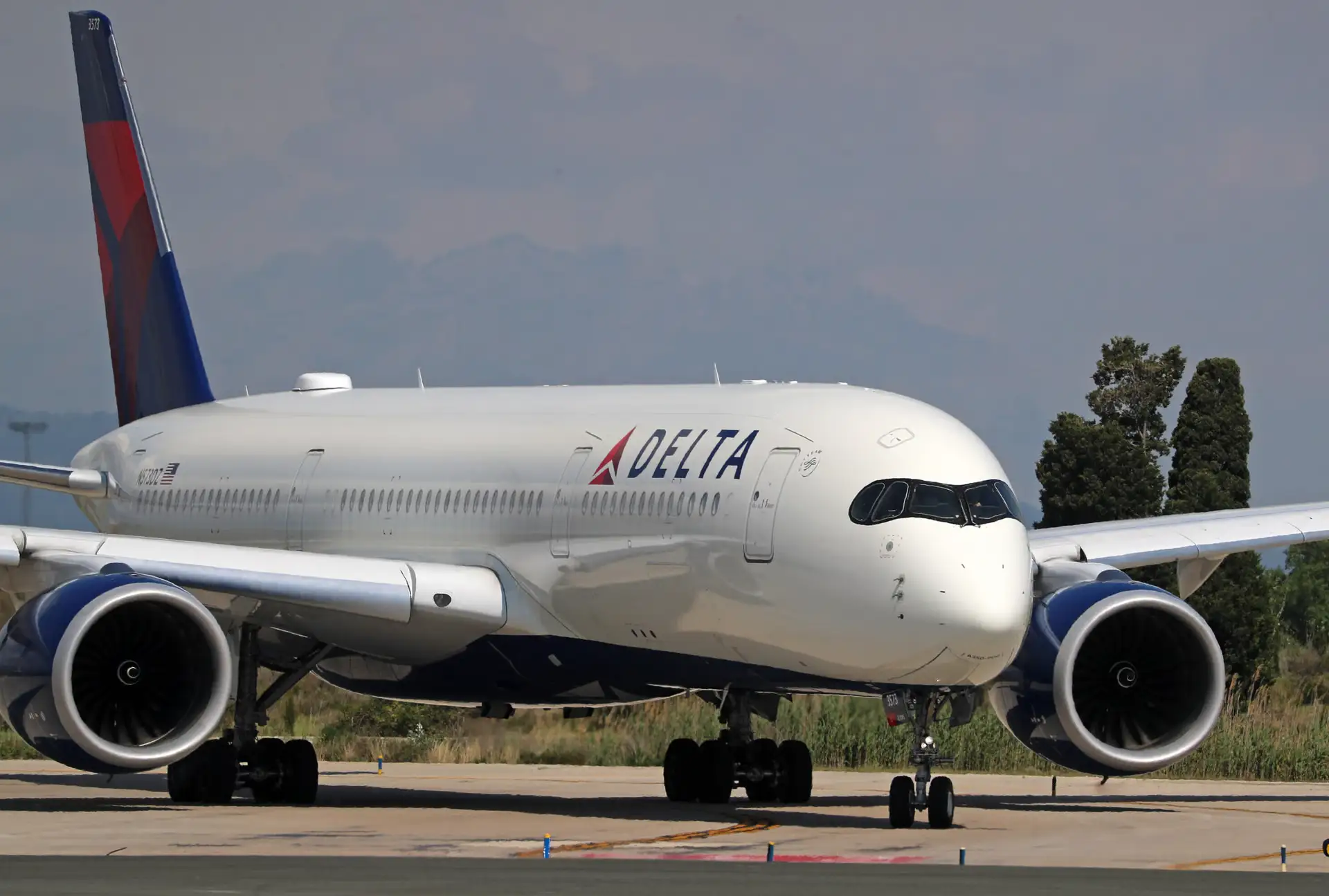
Delta Air Lines has secured the top position in the latest airline satisfaction rankings, showing strong performance across key service areas. The American Customer Satisfaction Index Travel Study 2026 highlights how Delta continues to meet passenger expectations in a competitive market.
A score close to 80 reflects consistent service quality, making it a preferred choice for many travelers. Reliable operations and attention to customer needs have played a major role in its success. Customer satisfaction in the airline industry increased by 3% overall, which signals improvement across several major carriers.
 Via Quartz
Stability in travel conditions and better use of technology helped airlines deliver smoother journeys. Passengers now expect more than just transportation, and Delta has responded by enhancing both comfort and communication. This shift toward customer-focused services has helped strengthen its leading position.
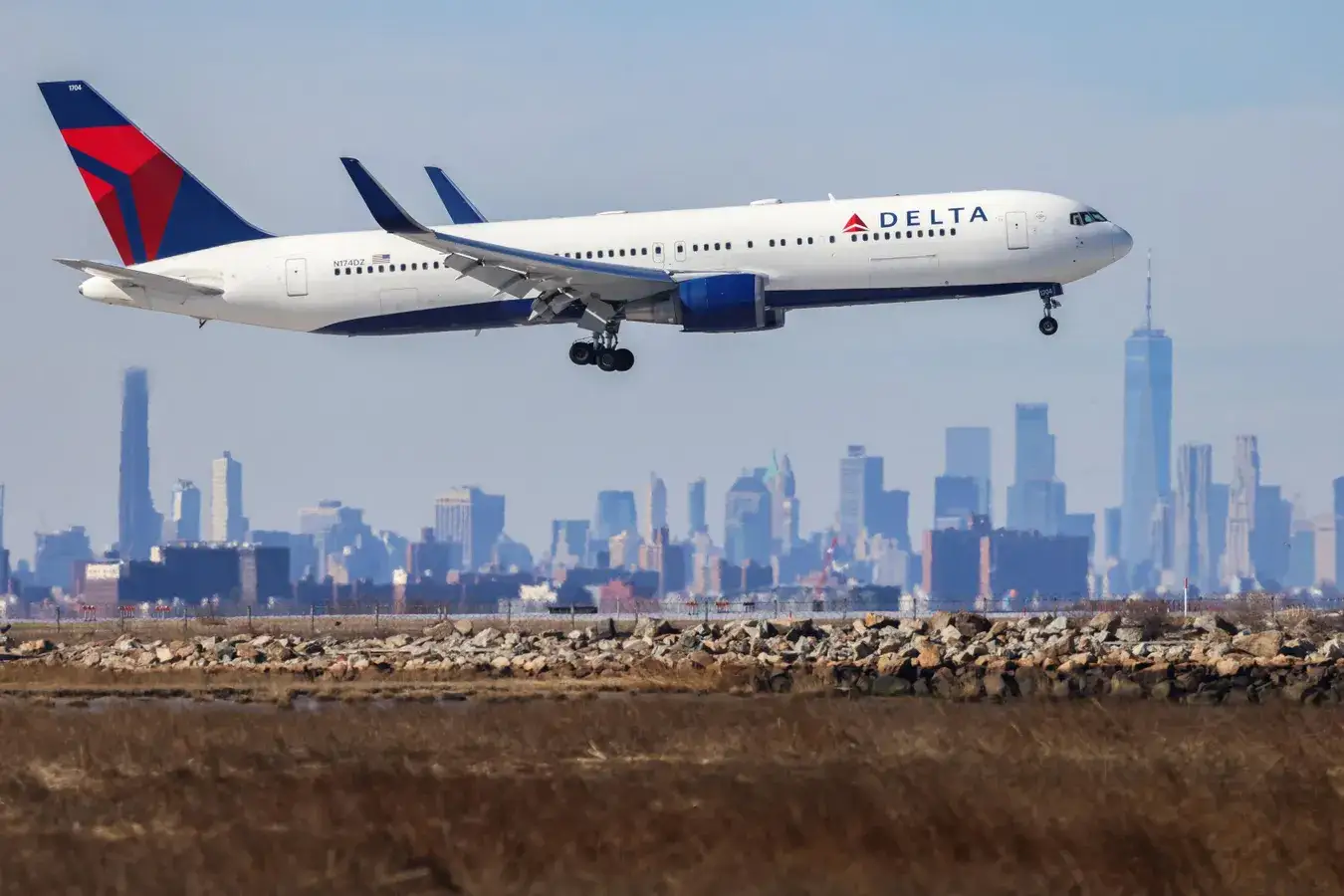
Delta’s investment in innovation has also contributed to its ranking. Features such as improved in-flight entertainment, better connectivity, and modern cabin designs are key factors that influence passenger opinions. These upgrades create a more enjoyable experience and help build long-term loyalty among travelers.
 Via Forbes
 Via AJC
Airlines that focus on staff training and customer interaction often receive higher ratings. Positive human interaction continues to be just as important as technological improvements in shaping passenger experiences. A balance between affordability and quality service helps airlines maintain strong customer relationships and improve their rankings.
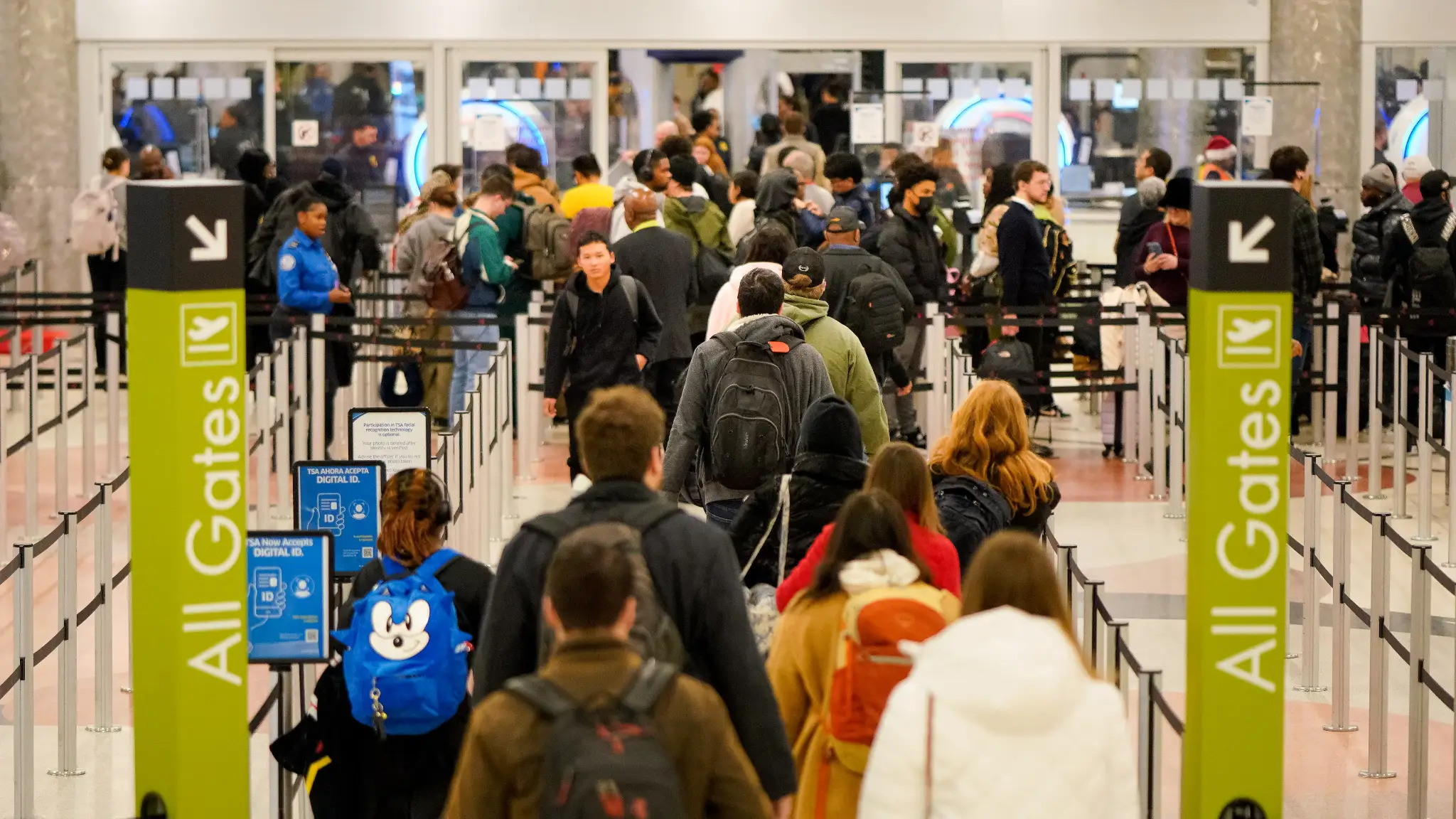
Comfort and reliability also play a major role in satisfaction scores. Travelers value clean cabins, comfortable seating, and on-time departures. Airlines that manage delays effectively and handle baggage smoothly tend to perform better in surveys.
 Via Reason Magazine
 Via Investopedia
Customer feedback suggests that these changes impacted overall service perception. Ratings for staff courtesy and customer support also declined slightly, indicating a broader effect on passenger experience. Maintaining customer trust during major operational changes remains a challenge, and Southwest may need to refine its approach to regain its previous standing.
 Via Upgraded Points
American Airlines focused on enhancing operational efficiency and customer communication. Improved flight tracking systems and better support services have made travel smoother for passengers. Investments in cabin upgrades and onboard amenities have also contributed to a better travel experience. These changes have helped rebuild customer confidence over time.
JetBlue continues to stand out for its customer-friendly approach and comfortable seating options. The airline is known for offering more legroom compared to competitors, which appeals to travelers seeking comfort. Strong in-flight entertainment and reliable service have further strengthened its reputation. These factors have helped both airlines climb higher in satisfaction rankings.
 Via Wikipedia
 Via Foundever
Flexibility is another key demand among modern travelers. Changes in travel plans have become more common, making flexible booking options and responsive customer support more valuable. Airlines that provide easy rescheduling and transparent policies tend to receive better feedback.
 Via TTS
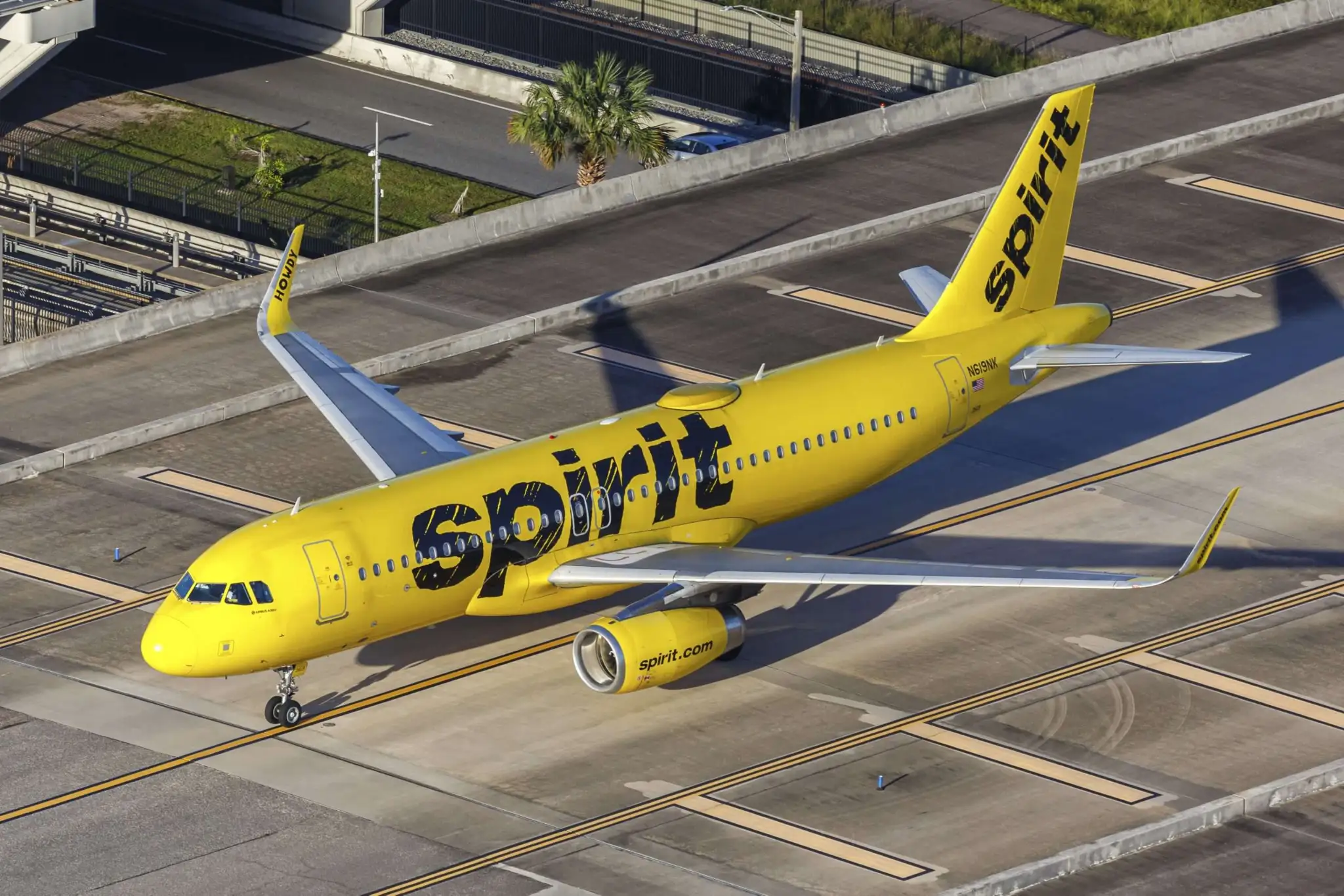
Spirit Airlines ranked lowest in the survey, reflecting ongoing challenges in both reputation and service delivery. Issues with mobile app performance and customer support have contributed to declining satisfaction scores. Even though improvements have been made in certain areas, negative perceptions continue to influence overall ratings.
Public image also plays a significant role in customer satisfaction. Frequent media coverage and public criticism can shape how travelers view an airline. Spirit has faced reputational challenges in recent years, which may impact customer expectations even before a flight begins. Addressing both operational and image-related concerns is essential for improving its position.
 Via Vouge
 Via PR Newswire
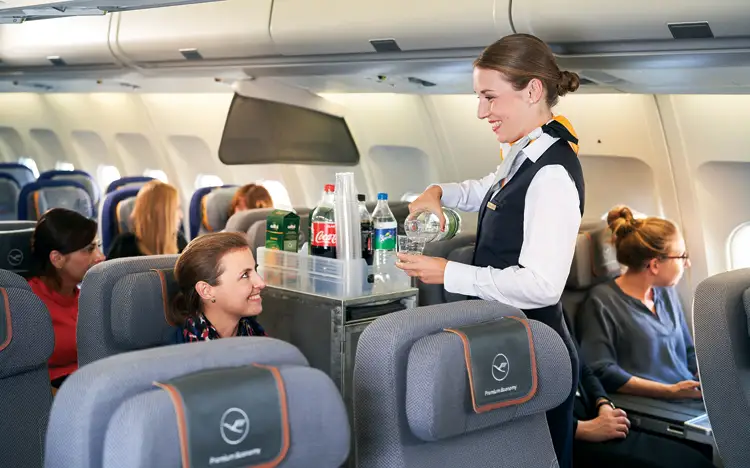
In-flight connectivity is another growing area of focus. Passengers expect access to Wi-Fi and entertainment during their journey. Airlines that provide stable connections and diverse entertainment options create a more enjoyable experience. These technological advancements have become essential in meeting modern traveler expectations.
 Via Amadeus
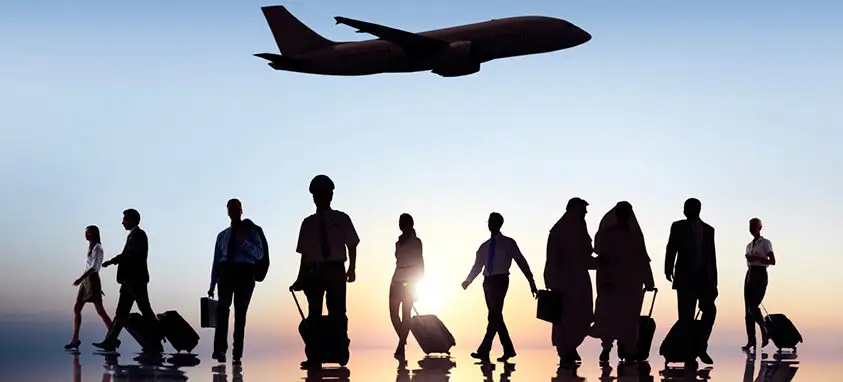
Operational reliability plays a major role in maintaining consistency. On-time departures, efficient boarding processes, and smooth baggage handling contribute to positive experiences. Even small disruptions can affect customer perception, making consistency a key priority for airlines aiming to improve satisfaction scores.
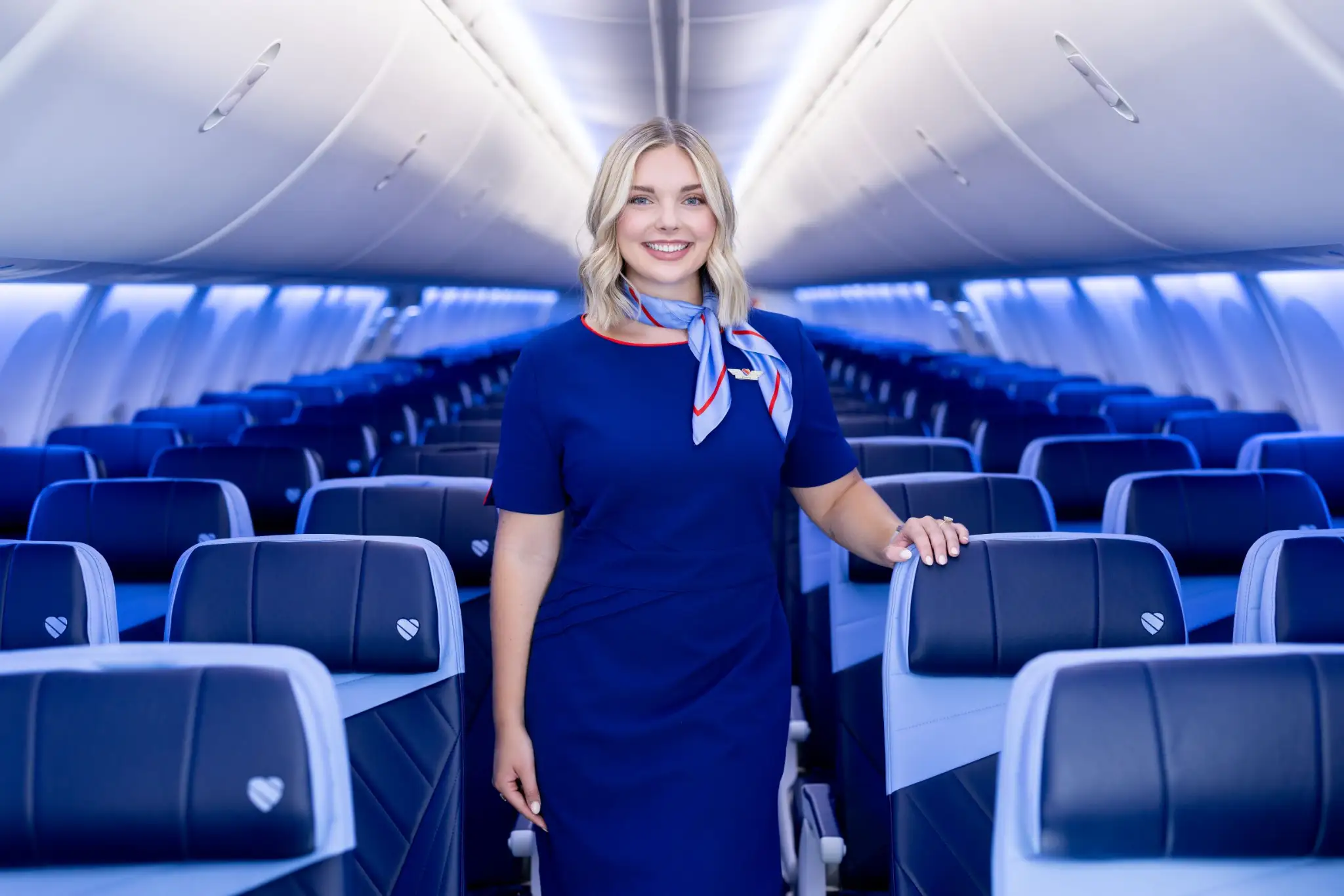
Employee performance also influences service consistency. Well-trained staff can handle challenges effectively and maintain a positive atmosphere during flights. Friendly interactions and quick problem-solving skills enhance the overall experience. Airlines that invest in their workforce often achieve better customer satisfaction outcomes.
 Via SP’s Aviation
 Via Southwest Airlines
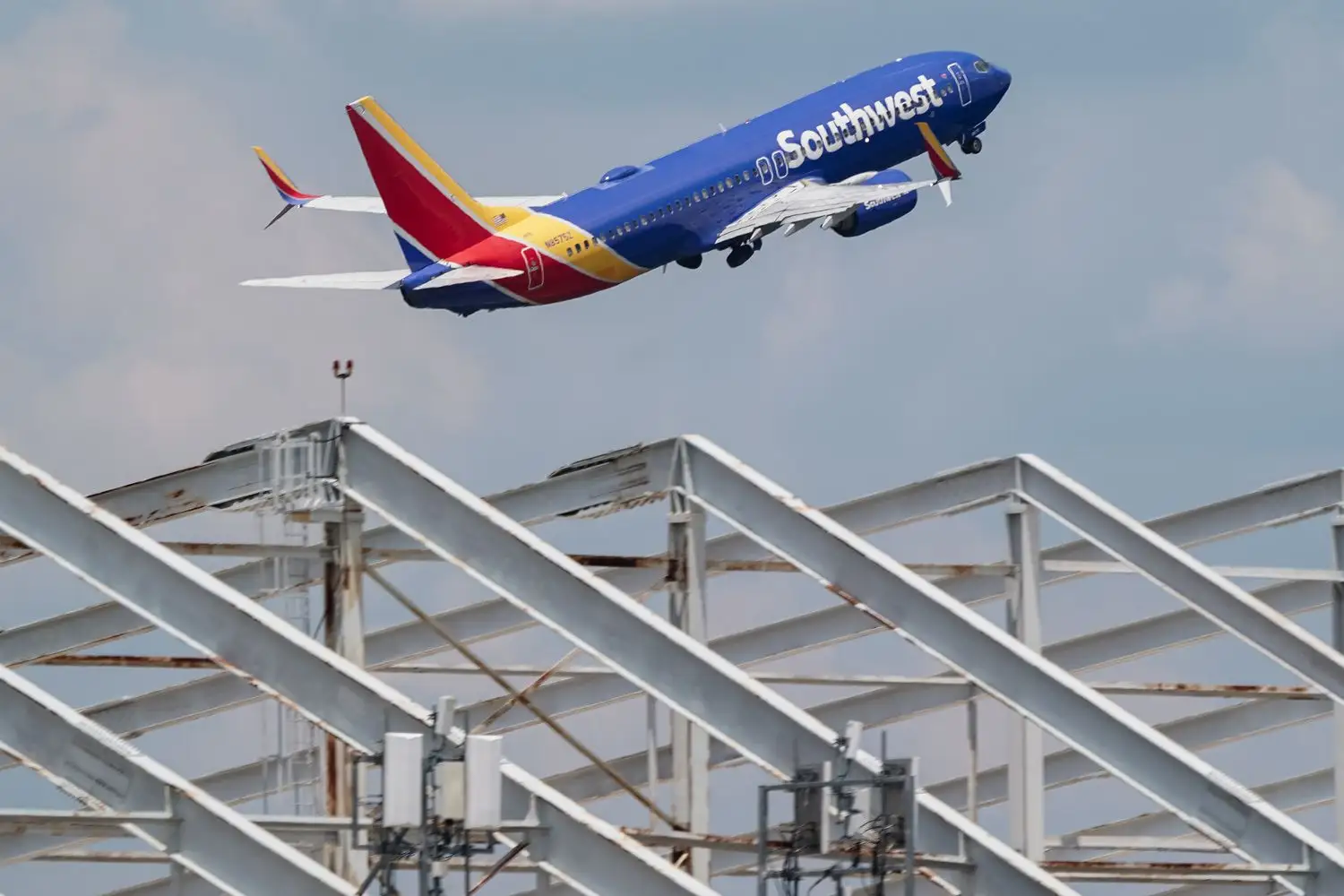
Frontier Airlines and Spirit Airlines occupy the lower end of the rankings. Their focus on low-cost travel presents challenges in delivering high satisfaction levels. Improving customer experience while maintaining affordability remains a key goal for these airlines as they aim to move up in future rankings.
 Via Smart Meetings
Innovation will play a crucial role in shaping the next phase of airline competition. Investments in new aircraft, improved seating, and enhanced digital systems will influence passenger choices. Airlines that stay ahead of technological trends are likely to maintain a competitive edge.
Sustaining customer satisfaction will require a focus on both service quality and operational efficiency. Changes in policies or pricing must be carefully managed to avoid negative reactions from travelers. Airlines that listen to customer feedback and respond effectively will continue to succeed in a competitive market.
More in UnassignedVia Quartz
Stability in travel conditions and better use of technology helped airlines deliver smoother journeys. Passengers now expect more than just transportation, and Delta has responded by enhancing both comfort and communication. This shift toward customer-focused services has helped strengthen its leading position.
Delta’s investment in innovation has also contributed to its ranking. Features such as improved in-flight entertainment, better connectivity, and modern cabin designs are key factors that influence passenger opinions. These upgrades create a more enjoyable experience and help build long-term loyalty among travelers.
Via Forbes
Key Factors Driving Customer Satisfaction Growth
Airline customer satisfaction has shown steady growth due to several important factors. Improved technology has made travel easier and more efficient for passengers. Real-time updates, mobile apps, and digital boarding systems allow travelers to stay informed throughout their journey. These tools reduce stress and improve overall convenience, which directly impacts satisfaction levels. Consistency remains a critical factor, and Delta has managed to maintain it across different service touchpoints. Service quality remains another major driver of positive feedback. Friendly crew members, efficient ground staff, and timely flight operations create a smooth experience for travelers.Via AJC
Airlines that focus on staff training and customer interaction often receive higher ratings. Positive human interaction continues to be just as important as technological improvements in shaping passenger experiences. A balance between affordability and quality service helps airlines maintain strong customer relationships and improve their rankings.
Comfort and reliability also play a major role in satisfaction scores. Travelers value clean cabins, comfortable seating, and on-time departures. Airlines that manage delays effectively and handle baggage smoothly tend to perform better in surveys.
Via Reason Magazine
Southwest Airlines Faces Significant Decline
Southwest Airlines experienced the most noticeable drop in customer satisfaction in the latest survey. After leading the rankings in the previous year, the airline saw a decline due to major changes in its business model. Adjustments to seating arrangements and baggage policies created dissatisfaction among frequent travelers who were used to the traditional system. The shift from open seating to assigned seating marked a significant change in Southwest’s identity. Many passengers valued the flexibility of choosing seats freely, and this update altered that experience. Introducing checked bag fees also affected customer perception, as it added extra costs that were not previously part of the airline’s pricing structure.Via Investopedia
Customer feedback suggests that these changes impacted overall service perception. Ratings for staff courtesy and customer support also declined slightly, indicating a broader effect on passenger experience. Maintaining customer trust during major operational changes remains a challenge, and Southwest may need to refine its approach to regain its previous standing.
American Airlines and JetBlue Show Improvement
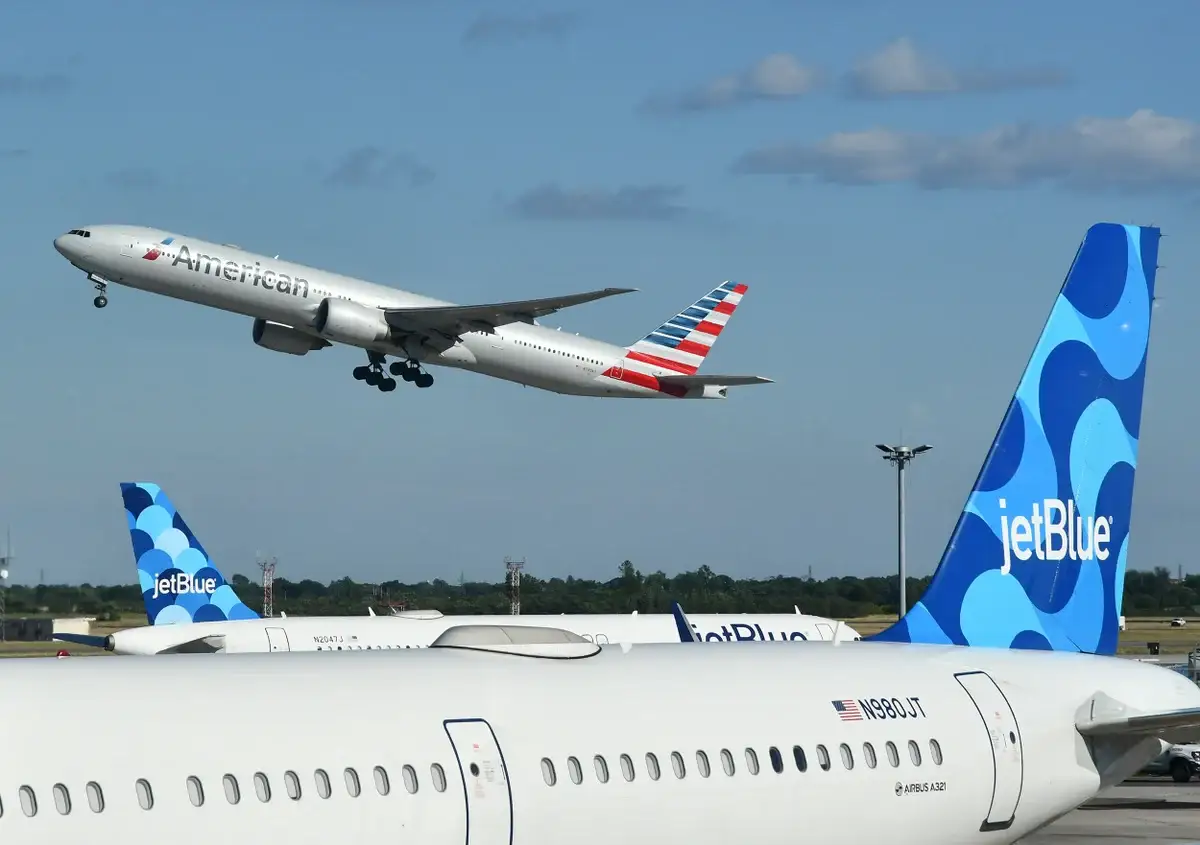
American Airlines and JetBlue both demonstrated positive progress in customer satisfaction rankings. These airlines have made noticeable improvements in service quality, technology integration, and overall passenger experience. Their efforts have resulted in higher scores, placing them just behind Delta in the rankings.Via Upgraded Points
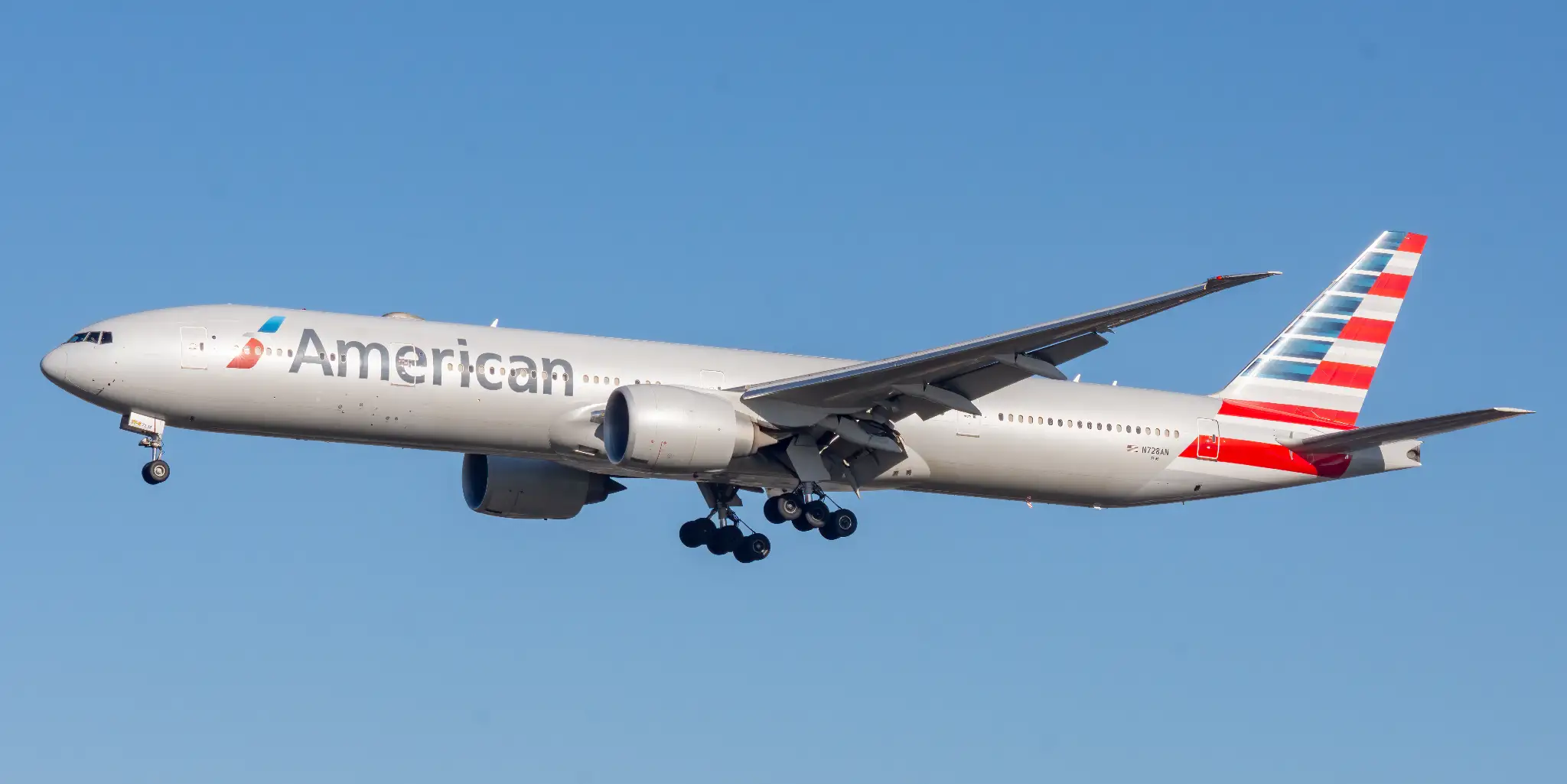
American Airlines focused on enhancing operational efficiency and customer communication. Improved flight tracking systems and better support services have made travel smoother for passengers. Investments in cabin upgrades and onboard amenities have also contributed to a better travel experience. These changes have helped rebuild customer confidence over time.
JetBlue continues to stand out for its customer-friendly approach and comfortable seating options. The airline is known for offering more legroom compared to competitors, which appeals to travelers seeking comfort. Strong in-flight entertainment and reliable service have further strengthened its reputation. These factors have helped both airlines climb higher in satisfaction rankings.
Via Wikipedia
Customer Expectations Continue to Evolve in Air Travel
Passenger expectations in air travel have changed significantly over recent years, driven by both technology and shifting lifestyle habits. Travelers now expect faster services, better communication, and a higher level of comfort throughout their journey. Simple features like easy check-ins, clear updates, and smooth boarding processes are no longer optional but essential. Personalization has also become an important factor in customer satisfaction. Travelers appreciate services tailored to their preferences, such as seat selection, meal options, and entertainment choices. Airlines that use data to understand passenger needs can create more meaningful travel experiences.Via Foundever
Flexibility is another key demand among modern travelers. Changes in travel plans have become more common, making flexible booking options and responsive customer support more valuable. Airlines that provide easy rescheduling and transparent policies tend to receive better feedback.
Challenges Facing Low-Cost Airlines
Ultra-low-cost carriers such as Spirit Airlines and Frontier Airlines continue to struggle with customer satisfaction. Despite offering affordable fares, these airlines face challenges in maintaining service quality. Lower prices often come with trade-offs, including limited amenities and stricter policies, which can affect passenger experiences.Via TTS
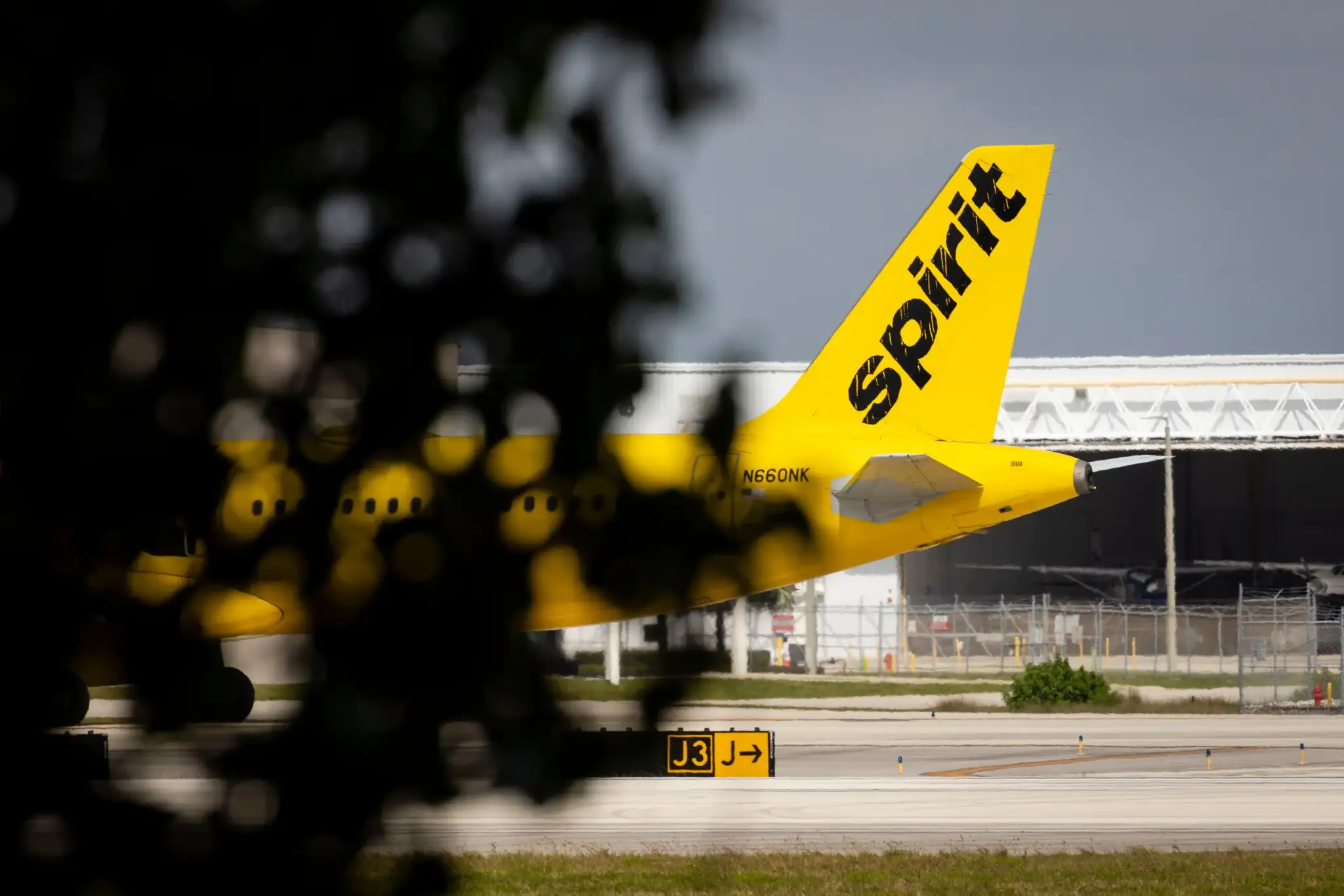
Spirit Airlines ranked lowest in the survey, reflecting ongoing challenges in both reputation and service delivery. Issues with mobile app performance and customer support have contributed to declining satisfaction scores. Even though improvements have been made in certain areas, negative perceptions continue to influence overall ratings.
Public image also plays a significant role in customer satisfaction. Frequent media coverage and public criticism can shape how travelers view an airline. Spirit has faced reputational challenges in recent years, which may impact customer expectations even before a flight begins. Addressing both operational and image-related concerns is essential for improving its position.
Via Vouge
Technology’s Role in Enhancing Travel Experience
Technology has become a central factor in shaping modern airline experiences. Passengers now rely heavily on digital tools to manage their travel plans. From booking flights to tracking luggage, technology simplifies many aspects of air travel. Airlines that invest in these systems often see higher satisfaction scores. Mobile apps are one of the most important tools for travelers today. Reliable apps provide real-time updates, digital boarding passes, and customer support features. When these systems function smoothly, they reduce uncertainty and improve overall convenience. Airlines that fail to maintain strong digital platforms often face lower satisfaction ratings.
Via PR Newswire
In-flight connectivity is another growing area of focus. Passengers expect access to Wi-Fi and entertainment during their journey. Airlines that provide stable connections and diverse entertainment options create a more enjoyable experience. These technological advancements have become essential in meeting modern traveler expectations.
Importance of Consistent Service Delivery
Consistency remains one of the most important factors in airline success. Passengers expect the same level of service regardless of route or travel conditions. Airlines that deliver reliable experiences across all touchpoints tend to build stronger customer loyalty.
Via Amadeus
Operational reliability plays a major role in maintaining consistency. On-time departures, efficient boarding processes, and smooth baggage handling contribute to positive experiences. Even small disruptions can affect customer perception, making consistency a key priority for airlines aiming to improve satisfaction scores.
Employee performance also influences service consistency. Well-trained staff can handle challenges effectively and maintain a positive atmosphere during flights. Friendly interactions and quick problem-solving skills enhance the overall experience. Airlines that invest in their workforce often achieve better customer satisfaction outcomes.
Via SP’s Aviation
Full Airline Rankings Overview
The latest rankings provide a clear picture of how major U.S. airlines are performing. Delta Air Lines leads the list with the highest score, followed closely by American Airlines and JetBlue. These airlines have demonstrated strong performance in both service quality and innovation. Southwest Airlines, once the top performer, now sits in the middle of the rankings after its recent decline. Alaska Airlines and United Airlines maintain moderate scores, reflecting steady but less standout performance. These carriers continue to compete by balancing service quality with operational efficiency.
Via Southwest Airlines
Frontier Airlines and Spirit Airlines occupy the lower end of the rankings. Their focus on low-cost travel presents challenges in delivering high satisfaction levels. Improving customer experience while maintaining affordability remains a key goal for these airlines as they aim to move up in future rankings.
Future Outlook for Airline Industry
The airline industry is expected to continue evolving as customer expectations grow. Travelers now demand a balance of affordability, comfort, and convenience. Airlines that adapt to these changing preferences will have a better chance of improving satisfaction scores in the future.Via Smart Meetings
Innovation will play a crucial role in shaping the next phase of airline competition. Investments in new aircraft, improved seating, and enhanced digital systems will influence passenger choices. Airlines that stay ahead of technological trends are likely to maintain a competitive edge.
Sustaining customer satisfaction will require a focus on both service quality and operational efficiency. Changes in policies or pricing must be carefully managed to avoid negative reactions from travelers. Airlines that listen to customer feedback and respond effectively will continue to succeed in a competitive market.