Unassigned
Can a Global Internet Outage Ever Truly Happen?
The internet is often described as a massive system, but its true nature is far more complex and fascinating. It is not a single machine or central server that controls everything. Instead, it is a huge network made up of smaller networks that connect homes, businesses, governments, and devices across the world. Each part operates independently while still communicating with others through shared rules and systems.
Every time a message is sent, a video is streamed, or a website is opened, data is broken into tiny pieces called packets. These packets travel through different routes across the network until they reach their destination. This system ensures that even if one path is blocked or damaged, the data can still find another route. The internet constantly adjusts itself in real time, choosing the fastest and most reliable paths available.
 Via Wikipedia
This structure makes the internet strong and flexible. It can handle millions of users at once and still function smoothly. Even when certain parts of the network face problems, the rest can continue working. This decentralized design is one of the key reasons why a complete global failure is extremely rare and difficult to achieve.
 Via Live Science
Different internet service providers operate independently, which means a failure in one system does not automatically spread to others. Even large companies that provide cloud services or network support are separate from each other. When one company experiences issues, others continue functioning, allowing the internet to keep running in most areas.
Another important factor is the presence of local networks. Even if international connections were disrupted, smaller networks within homes, offices, or cities could still operate. Devices connected to the same local system can communicate without needing the broader internet. This adds another layer of protection and reduces the impact of any large-scale disruption.
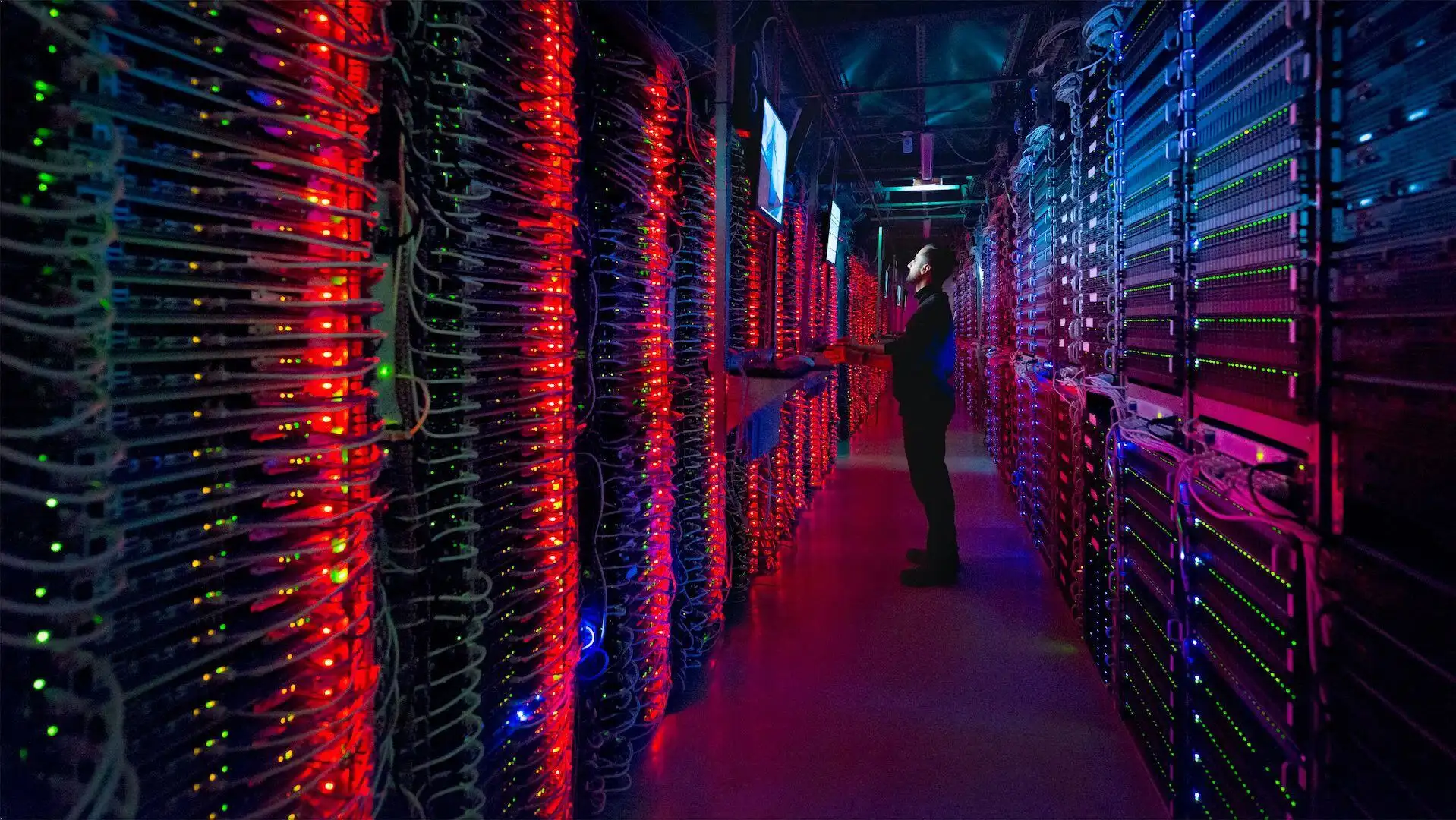 Via The National
 Via Tech Radar
Routing systems are constantly updated to reflect changes in the network. Engineers and automated systems monitor traffic and adjust pathways to ensure efficiency. This continuous adaptation helps maintain stability and reduces the chances of a complete failure. The internet behaves more like a living system than a static structure, always adjusting to keep information flowing.
 Via Live Science
Power failures also play a significant role in outages. Data centers and network hubs rely on electricity to function. When power is lost, these systems may temporarily shut down. Backup generators are often used to keep services running, but extended power issues can still cause interruptions.
Software problems and cyberattacks can also affect internet services. Bugs in systems or targeted attacks can disrupt specific platforms or providers. Even large companies can experience outages due to internal errors. However, these incidents are usually resolved quickly, and they rarely spread across the entire network.
 Via Tachus Fibre Internet
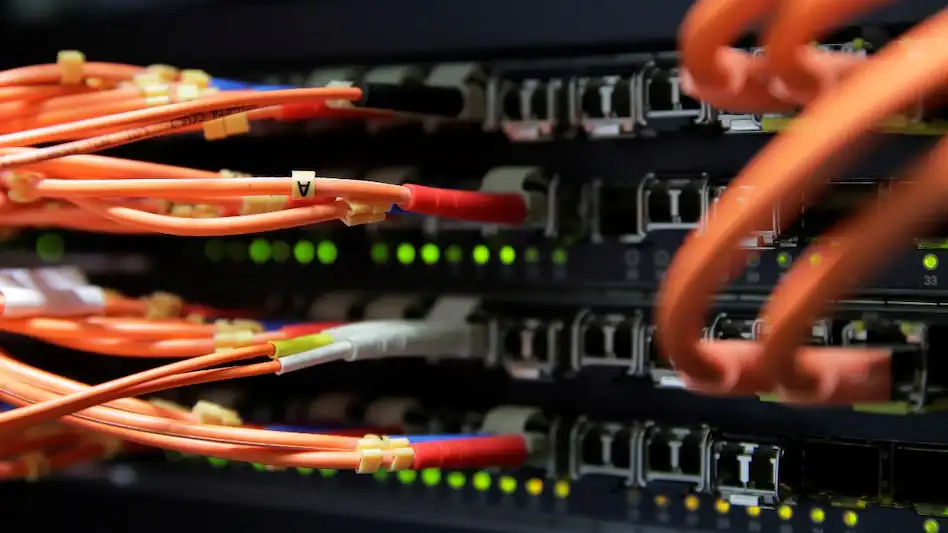 Via Business Today
Even with these challenges, the network is designed to handle such issues. Multiple cables connect major regions, providing alternative routes for data. This redundancy ensures that communication can continue even when one connection is lost. The system is built to recover quickly and maintain global connectivity.
 Via Telco Solution
Earthquakes and extreme weather can damage cables and data centers. These events may lead to regional outages, especially in heavily affected areas. Recovery efforts depend on the availability of resources and the extent of the damage. Governments and companies often have emergency plans to restore services as quickly as possible.
Preparedness plays a major role in reducing the impact of natural disasters. Backup systems, alternative routes, and recovery strategies are in place to handle unexpected situations. While natural events can disrupt the internet, the overall system is designed to withstand and recover from such challenges.
 Via Exetel
 Via Race Blog
Such events highlight the importance of the internet in modern society. Communication, business operations, and daily life depend heavily on connectivity. Interruptions can have serious consequences, even if they are temporary. This makes reliability and security a top priority for many organizations.
 Via Broad Band Finder
Cloud storage and distributed systems help protect data during outages. Information is stored in multiple locations, reducing the risk of loss. This approach ensures that services can continue operating from alternative sources if one location is affected.
Recovery plans are regularly tested to ensure effectiveness. Organizations invest heavily in maintaining reliable systems and minimizing downtime. These efforts make it possible to restore services quickly and maintain trust in the network.
 Via Bionic
 Via PC Tech Magazine
The design of the Internet allows it to evolve over time. New technologies can be integrated without disrupting existing systems. This adaptability ensures that the network remains strong and capable of meeting future challenges.
 Via Anadolu Ajansi
Power grids and traffic systems often depend on internet-based technologies. Without connectivity, these systems could struggle to operate efficiently. Emergency services might face delays in communication, making it harder to respond to critical situations.
Despite these risks, the chances of a complete global outage remain very low. The internet is designed to handle failures and recover quickly. Its decentralized nature and built-in protections make it one of the most resilient systems ever created.
More in Unassigned
Via Wikipedia
This structure makes the internet strong and flexible. It can handle millions of users at once and still function smoothly. Even when certain parts of the network face problems, the rest can continue working. This decentralized design is one of the key reasons why a complete global failure is extremely rare and difficult to achieve.
Why a Global Internet Shutdown Is Highly Unlikely
The idea of the entire internet going down at once may seem possible, especially after hearing about major outages. In reality, such an event would require multiple failures happening at the same time across different parts of the world. These failures would need to affect major infrastructure like data centers, undersea cables, satellites, and power systems all at once. The chances of this happening naturally are extremely low.Via Live Science
Different internet service providers operate independently, which means a failure in one system does not automatically spread to others. Even large companies that provide cloud services or network support are separate from each other. When one company experiences issues, others continue functioning, allowing the internet to keep running in most areas.
Another important factor is the presence of local networks. Even if international connections were disrupted, smaller networks within homes, offices, or cities could still operate. Devices connected to the same local system can communicate without needing the broader internet. This adds another layer of protection and reduces the impact of any large-scale disruption.
Via The National
How Data Routing Keeps the Internet Running
One of the strongest features of the internet is its ability to reroute data when problems occur. When information is sent across the network, it does not follow a single fixed path. Instead, it travels through multiple possible routes, depending on which one is fastest or most available at the time. This system allows the internet to adapt instantly when part of the network fails. If a cable is damaged or a server goes offline, the data simply takes another route to reach its destination. This process happens so quickly that most users do not even notice it. The system is designed to avoid delays and maintain smooth communication, even under challenging conditions. This flexibility plays a major role in preventing widespread outages.Via Tech Radar
Routing systems are constantly updated to reflect changes in the network. Engineers and automated systems monitor traffic and adjust pathways to ensure efficiency. This continuous adaptation helps maintain stability and reduces the chances of a complete failure. The internet behaves more like a living system than a static structure, always adjusting to keep information flowing.
Common Causes of Internet Outages
Internet outages do happen, but they are usually limited in scope and duration. Physical damage is one of the most common causes. Undersea cables, which carry large amounts of global data, can be damaged by ships, natural disasters, or construction work. When this happens, traffic is redirected through other cables, minimizing disruption.Via Live Science
Power failures also play a significant role in outages. Data centers and network hubs rely on electricity to function. When power is lost, these systems may temporarily shut down. Backup generators are often used to keep services running, but extended power issues can still cause interruptions.
Software problems and cyberattacks can also affect internet services. Bugs in systems or targeted attacks can disrupt specific platforms or providers. Even large companies can experience outages due to internal errors. However, these incidents are usually resolved quickly, and they rarely spread across the entire network.
Via Tachus Fibre Internet
The Role of Undersea Cables and Infrastructure
Undersea cables form the backbone of the global internet. These cables stretch across oceans and connect continents, carrying vast amounts of data every second. Despite their importance, they are not the only means of communication. Satellites and land-based networks also play a role in keeping the internet connected. Damage to these cables can cause regional disruptions, especially in areas that rely heavily on a limited number of connections. Repairs can take time, depending on the location and severity of the damage. Specialized ships and equipment are required to fix these cables, making the process complex.
Via Business Today
Even with these challenges, the network is designed to handle such issues. Multiple cables connect major regions, providing alternative routes for data. This redundancy ensures that communication can continue even when one connection is lost. The system is built to recover quickly and maintain global connectivity.
Can Natural Events Take Down the Internet?
Natural events like earthquakes, storms, and solar activity can affect internet infrastructure. A powerful solar storm, for example, could disrupt satellites and electrical systems. Such an event might cause widespread outages and take time to recover from. However, even in these cases, a complete global shutdown remains unlikely.Via Telco Solution
Earthquakes and extreme weather can damage cables and data centers. These events may lead to regional outages, especially in heavily affected areas. Recovery efforts depend on the availability of resources and the extent of the damage. Governments and companies often have emergency plans to restore services as quickly as possible.
Preparedness plays a major role in reducing the impact of natural disasters. Backup systems, alternative routes, and recovery strategies are in place to handle unexpected situations. While natural events can disrupt the internet, the overall system is designed to withstand and recover from such challenges.
Via Exetel
Human Actions and Internet Shutdowns
In some cases, internet access has been intentionally restricted by governments during periods of unrest or political tension. These shutdowns are usually limited to specific regions and involve controlling access through service providers. Infrastructure may also be temporarily disabled to prevent communication. These actions show that it is possible to limit internet access in certain areas, but they do not affect the global network as a whole. Other parts of the world continue functioning normally. Restoring access often happens quickly once restrictions are lifted or systems are repaired.Via Race Blog
Such events highlight the importance of the internet in modern society. Communication, business operations, and daily life depend heavily on connectivity. Interruptions can have serious consequences, even if they are temporary. This makes reliability and security a top priority for many organizations.
How Systems Recover From Large Outages
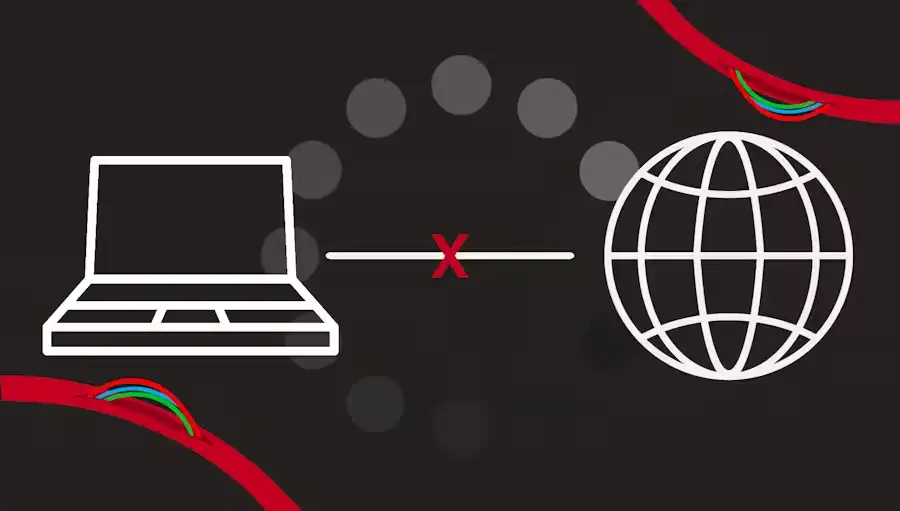
When large outages occur, recovery efforts begin immediately. Engineers work to identify the cause and restore affected systems. Backup infrastructure plays a key role in this process, allowing services to resume even before the main systems are fully repaired.
Via Broad Band Finder
Cloud storage and distributed systems help protect data during outages. Information is stored in multiple locations, reducing the risk of loss. This approach ensures that services can continue operating from alternative sources if one location is affected.
Recovery plans are regularly tested to ensure effectiveness. Organizations invest heavily in maintaining reliable systems and minimizing downtime. These efforts make it possible to restore services quickly and maintain trust in the network.
Via Bionic
The Growing Strength of the Internet
As the internet continues to expand, it becomes stronger rather than weaker. Adding more devices and connections increases its resilience. More pathways are created for data to travel, making it easier to avoid disruptions. Growth leads to better performance and improved reliability. Advancements in technology also contribute to this strength. Faster connections, improved hardware, and smarter software systems help manage increasing demand. These improvements ensure that the internet can handle more users and more data without compromising stability.
Via PC Tech Magazine
The design of the Internet allows it to evolve over time. New technologies can be integrated without disrupting existing systems. This adaptability ensures that the network remains strong and capable of meeting future challenges.
What Would Happen If the Internet Went Down
A large-scale internet outage would have significant effects on daily life. Communication systems, banking services, and online platforms would be disrupted. Businesses that rely on digital operations could face serious challenges. Essential services like healthcare and transportation might also be affected.
Via Anadolu Ajansi
Power grids and traffic systems often depend on internet-based technologies. Without connectivity, these systems could struggle to operate efficiently. Emergency services might face delays in communication, making it harder to respond to critical situations.
Despite these risks, the chances of a complete global outage remain very low. The internet is designed to handle failures and recover quickly. Its decentralized nature and built-in protections make it one of the most resilient systems ever created.