Unassigned
California Resident Tests Positive for Bubonic Plague

The first human case of plague in El Dorado County since 2020 has been confirmed by a test result from a resident of South Lake Tahoe, California. Health officials believe the individual contracted the disease from an infected flea bite while camping in the area. The case highlights the continued presence of plague in California and the importance of taking safety measures when spending time outdoors.
The disease, caused by bacteria commonly found in rodents and transmitted by fleas, remains rare but potentially serious if untreated. Authorities have issued advisories reminding both residents and visitors to stay vigilant, particularly when venturing into rodent-infested environments.
 Via New York Post
Local health departments are increasing surveillance in the affected area to monitor potential spread and educate the public about preventive practices. Early detection and quick medical intervention remain essential for reducing risk, as modern antibiotics can effectively treat plague when administered promptly. Community outreach programs help ensure that everyone understands how to protect themselves.
 Via The Week
The current case in South Lake Tahoe is believed to stem from flea exposure during camping. Outdoor environments with abundant rodent activity provide ideal conditions for the bacteria to survive. This situation highlights how natural habitats, while appealing for recreation, can harbor microscopic dangers. Awareness of these risks allows individuals to take simple precautions without avoiding outdoor activities entirely.
Although plague often sparks historical associations with medieval pandemics, the bacteria persist in modern ecosystems. California is one of several states in the western U.S. where plague occurs naturally in wild rodent populations. These pockets of infection are closely monitored by public health agencies. Routine surveillance and timely reporting help prevent isolated cases from escalating into serious public health threats.
 Via NBC News
 Via Scripps News
Visitors frequently camp, hike, or picnic in wooded zones where plague-carrying rodents may live. Officials emphasize that human cases are rare but not impossible, which is why surveillance and swift communication remain crucial. Educating visitors about simple protective measures significantly lowers the likelihood of exposure.
 Via NBC News
Protective clothing is another key preventive measure. Long pants tucked into boots and insect repellents designed for fleas can reduce exposure during outdoor activities. Keeping campsites clean and free of food waste also discourages rodent presence, further lowering the chance of flea bites. These simple habits are highly effective in reducing outdoor health hazards.
Pet owners should use flea control products regularly to protect animals that roam outside. Cats and dogs can pick up fleas carrying plague bacteria and potentially bring them into homes or tents. Ensuring pets stay healthy and pest-free is a simple but vital step. Regular veterinary checkups add an extra layer of protection against unexpected infestations.
 Via Foreign Policy
 Via Yahoo
Medical providers are trained to consider plague in their diagnoses when patients report outdoor exposure in California’s high-risk areas. Rapid testing and laboratory confirmation help ensure the correct treatment is given promptly. This vigilance allows doctors to respond quickly before the disease becomes life-threatening.
 Via Wellcome Collection
The last recorded case in El Dorado County before this year occurred in 2020. Such events, though infrequent, serve as reminders that plague continues to circulate naturally in wildlife populations. By maintaining monitoring programs, health officials can identify risks before they spread further. Consistent vigilance helps prevent small cases from becoming serious threats.
Modern cases are typically isolated rather than widespread outbreaks. Public health infrastructure, diagnostic tools, and antibiotic treatments keep infections contained and outcomes far better than in centuries past. This progress shows how medical advances have transformed plague from a deadly scourge into a manageable disease.
 Via Indy100
 Via 9News
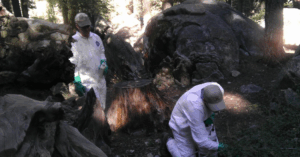
Environmental health teams are actively investigating locations where the individual may have been exposed to Yersinia pestis. Specialists are trapping and testing rodent and flea populations in these areas to identify whether infected vectors are present. This targeted surveillance helps pinpoint high-risk zones and assess whether plague activity is isolated or more widespread.
If tests confirm active infection, health officials may place warning signs at trailheads, post educational notices, or even order temporary closures of campgrounds and picnic sites to protect public safety. These measures are designed to minimize contact between humans and infected wildlife. Authorities stress that their primary goal is prevention rather than alarm.
 Via The New York Times
By providing timely updates, they aim to reassure the community while reducing unnecessary fear. Public education campaigns, including online alerts, press releases, and informational brochures, ensure that both locals and tourists understand how to protect themselves. Ongoing surveillance programs also allow officials to detect changes in wildlife disease patterns before they pose a broader threat.
 Via ScienceAlert
Health agencies continue to monitor rodent habitats and provide up-to-date information about any detected plague activity. When combined with individual responsibility, such as using repellents and protecting pets, these measures minimize the chance of human infection. Consistent vigilance helps prevent isolated cases from becoming larger problems.
The South Lake Tahoe case underscores how a single incident can serve as an important reminder. Awareness, rather than fear, is the most effective response to naturally occurring diseases in wilderness regions. Recognizing early warning signs ensures timely medical care and better outcomes.
 Via Yahoo
 Via ABC7 News
Quick reporting also allows health officials to trace possible sources of exposure, investigate affected areas, and take preventive measures to protect the wider community. California’s history with plague, though limited, demonstrates that well-coordinated public health systems are capable of managing this naturally occurring threat. This is why education campaigns, public advisories, and routine surveillance continue to play such an essential role.
More in Unassigned
Via New York Post
Local health departments are increasing surveillance in the affected area to monitor potential spread and educate the public about preventive practices. Early detection and quick medical intervention remain essential for reducing risk, as modern antibiotics can effectively treat plague when administered promptly. Community outreach programs help ensure that everyone understands how to protect themselves.
Cause of the Plague Case
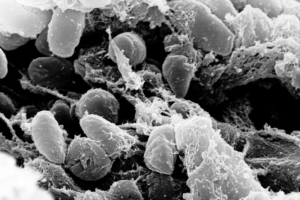
Plague is caused by the bacterium Yersinia pestis, a pathogen that primarily affects wild rodents and their fleas. Humans are usually exposed when bitten by infected fleas or when handling animals carrying the bacteria. Once inside the body, the bacteria can lead to bubonic, septicemic, or pneumonic forms of plague, each with its risks.
Via The Week
The current case in South Lake Tahoe is believed to stem from flea exposure during camping. Outdoor environments with abundant rodent activity provide ideal conditions for the bacteria to survive. This situation highlights how natural habitats, while appealing for recreation, can harbor microscopic dangers. Awareness of these risks allows individuals to take simple precautions without avoiding outdoor activities entirely.
Although plague often sparks historical associations with medieval pandemics, the bacteria persist in modern ecosystems. California is one of several states in the western U.S. where plague occurs naturally in wild rodent populations. These pockets of infection are closely monitored by public health agencies. Routine surveillance and timely reporting help prevent isolated cases from escalating into serious public health threats.
Via NBC News
Location and Monitoring Efforts
The infection has been linked to the South Lake Tahoe area, a region where health authorities routinely check rodent populations and fleas for plague activity. Regular surveillance helps officials detect outbreaks early and quickly implement effective control measures. This proactive approach has been key to preventing wider transmission in past plague-related cases and protecting the public. Local agencies often trap and test rodents, such as squirrels and chipmunks, to track disease circulation. When positive results appear, warning signs are posted in affected areas to alert hikers, campers, and residents. These efforts ensure people can take precautions before entering high-risk locations. South Lake Tahoe’s popularity as a tourist and recreation hub increases the need for public awareness.
Via Scripps News
Visitors frequently camp, hike, or picnic in wooded zones where plague-carrying rodents may live. Officials emphasize that human cases are rare but not impossible, which is why surveillance and swift communication remain crucial. Educating visitors about simple protective measures significantly lowers the likelihood of exposure.
Precautions for Residents and Visitors
Health experts strongly encourage avoiding direct contact with wild rodents and their burrows. People are advised not to feed squirrels, chipmunks, or other wildlife, as this draws animals closer to human spaces and greatly increases the overall risk of disease transmission. Maintaining a safe distance from wildlife helps break the chain of transmission before it starts.
Via NBC News
Protective clothing is another key preventive measure. Long pants tucked into boots and insect repellents designed for fleas can reduce exposure during outdoor activities. Keeping campsites clean and free of food waste also discourages rodent presence, further lowering the chance of flea bites. These simple habits are highly effective in reducing outdoor health hazards.
Pet owners should use flea control products regularly to protect animals that roam outside. Cats and dogs can pick up fleas carrying plague bacteria and potentially bring them into homes or tents. Ensuring pets stay healthy and pest-free is a simple but vital step. Regular veterinary checkups add an extra layer of protection against unexpected infestations.
Via Foreign Policy
Treatment and Early Diagnosis
Plague remains treatable when identified quickly. Antibiotics such as doxycycline, ciprofloxacin, and gentamicin are highly effective against Yersinia pestis if administered in time. Delayed treatment, however, can lead to severe illness or even death. Early intervention greatly improves recovery outcomes and reduces complications. Recognizing symptoms early is critical. Patients often develop sudden fever, chills, swollen lymph nodes, and fatigue within days of exposure. Health officials recommend seeking medical care immediately if these symptoms occur after potential flea contact in plague-endemic regions. Swift action can prevent the infection from progressing to more dangerous stages.
Via Yahoo
Medical providers are trained to consider plague in their diagnoses when patients report outdoor exposure in California’s high-risk areas. Rapid testing and laboratory confirmation help ensure the correct treatment is given promptly. This vigilance allows doctors to respond quickly before the disease becomes life-threatening.
Historical and Recent Cases in California
While plague is rare in humans today, California has reported occasional cases. Yosemite National Park experienced two confirmed infections in 2015, both traced to rodent-infested camping zones. These incidents prompted temporary campground closures and intensified surveillance. These responses highlight how quickly officials act to protect visitors.
Via Wellcome Collection
The last recorded case in El Dorado County before this year occurred in 2020. Such events, though infrequent, serve as reminders that plague continues to circulate naturally in wildlife populations. By maintaining monitoring programs, health officials can identify risks before they spread further. Consistent vigilance helps prevent small cases from becoming serious threats.
Modern cases are typically isolated rather than widespread outbreaks. Public health infrastructure, diagnostic tools, and antibiotic treatments keep infections contained and outcomes far better than in centuries past. This progress shows how medical advances have transformed plague from a deadly scourge into a manageable disease.
Via Indy100
Public Health Response and Advisories
Following confirmation of the South Lake Tahoe case, local and state health departments issued detailed safety advisories to residents and visitors. These communications inform the public about the plague’s presence, explain how the disease spreads, and outline practical precautionary measures. Authorities emphasize avoiding direct contact with wild rodents, using insect repellents to deter fleas, and monitoring pets for signs of exposure. They also highlight key symptoms to watch for after outdoor activities, including sudden fever, chills, swollen lymph nodes, and extreme fatigue. Prompt recognition of these warning signs allows for early medical intervention, which is critical for successful treatment.
Via 9News
Environmental health teams are actively investigating locations where the individual may have been exposed to Yersinia pestis. Specialists are trapping and testing rodent and flea populations in these areas to identify whether infected vectors are present. This targeted surveillance helps pinpoint high-risk zones and assess whether plague activity is isolated or more widespread.
If tests confirm active infection, health officials may place warning signs at trailheads, post educational notices, or even order temporary closures of campgrounds and picnic sites to protect public safety. These measures are designed to minimize contact between humans and infected wildlife. Authorities stress that their primary goal is prevention rather than alarm.
Via The New York Times
By providing timely updates, they aim to reassure the community while reducing unnecessary fear. Public education campaigns, including online alerts, press releases, and informational brochures, ensure that both locals and tourists understand how to protect themselves. Ongoing surveillance programs also allow officials to detect changes in wildlife disease patterns before they pose a broader threat.
Maintaining Vigilance in Outdoor Environments
Although plague sounds alarming, the risk to the general public remains extremely low when proper precautions are taken. California’s outdoor destinations can still be enjoyed safely if people remain aware of their surroundings and take preventive steps. Staying informed about local health advisories further enhances personal safety.
Via ScienceAlert
Health agencies continue to monitor rodent habitats and provide up-to-date information about any detected plague activity. When combined with individual responsibility, such as using repellents and protecting pets, these measures minimize the chance of human infection. Consistent vigilance helps prevent isolated cases from becoming larger problems.
The South Lake Tahoe case underscores how a single incident can serve as an important reminder. Awareness, rather than fear, is the most effective response to naturally occurring diseases in wilderness regions. Recognizing early warning signs ensures timely medical care and better outcomes.
Via Yahoo
Discover Details on the Recent California Plague Case
The confirmed case reinforces the importance of remaining alert to potential flea bites in areas where plague is known to occur. Even though the disease is rare, simple personal precautions can significantly reduce the risk of exposure. Avoiding direct contact with rodents, maintaining clean campsites, and ensuring pets are protected from fleas are key steps that make outdoor activities much safer. These habits create a barrier between people and the wildlife that can carry infected fleas. Plague remains a treatable disease with modern antibiotics, but timely diagnosis is critical. Residents and visitors who develop unexplained fevers, chills, or swollen lymph nodes after spending time outdoors should not dismiss these warning signs. Seeking prompt medical attention ensures early treatment and helps avoid complications.
Via ABC7 News
Quick reporting also allows health officials to trace possible sources of exposure, investigate affected areas, and take preventive measures to protect the wider community. California’s history with plague, though limited, demonstrates that well-coordinated public health systems are capable of managing this naturally occurring threat. This is why education campaigns, public advisories, and routine surveillance continue to play such an essential role.